
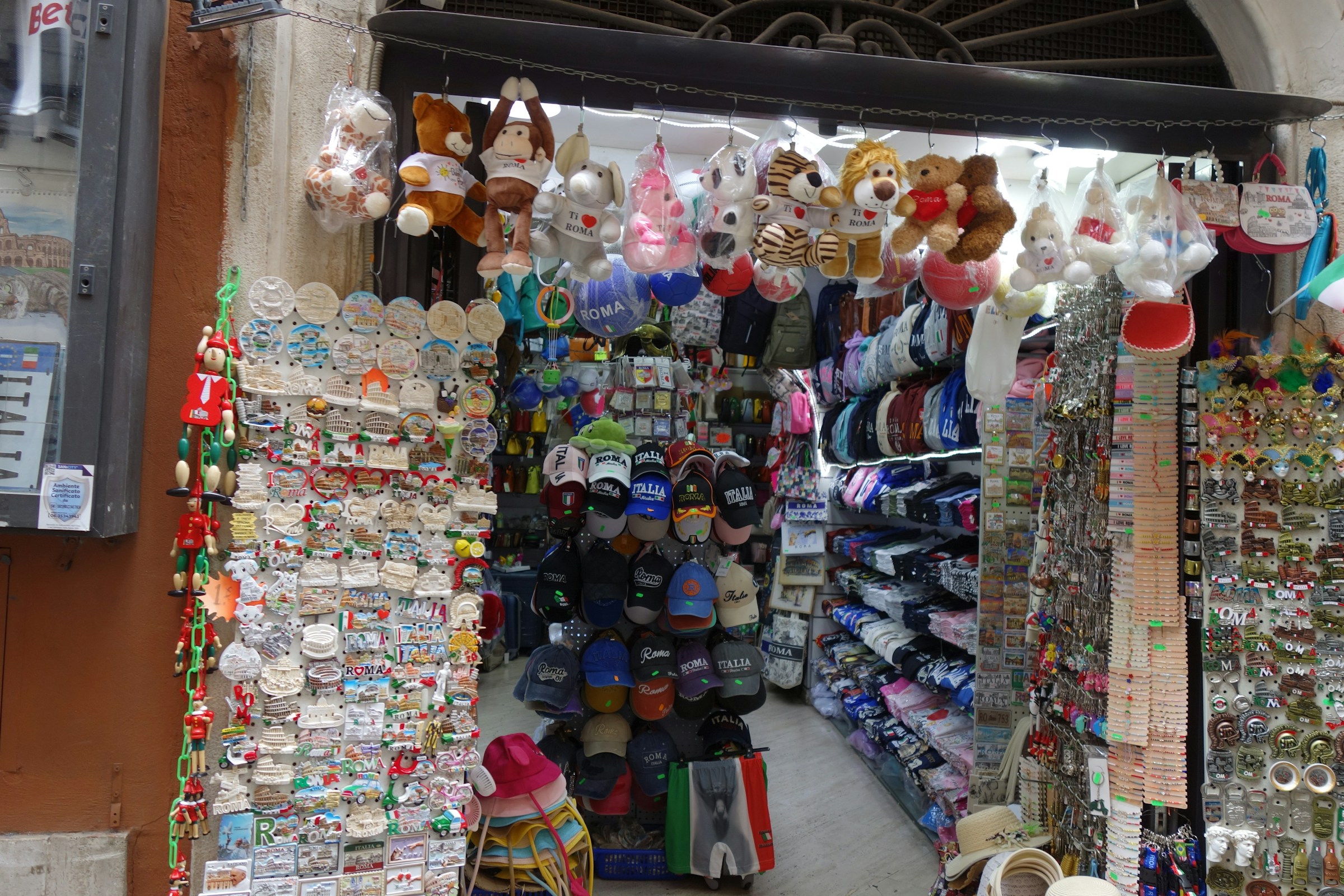

Most people have tucked a snow globe, a magnet, or a miniature landmark into their luggage at some point in their travels. The object seems trivial. The impulse behind it, though, is surprisingly ancient and the word used to describe it carries a history far richer than its gift-shop reputation suggests.
The story of the word “souvenir” is ultimately a story about memory, how human beings have always tried to hold onto experiences, and how a deeply personal idea gradually became a global industry. It begins not in a tourist shop, but in the grammatical heart of the French language, and stretches all the way back to ancient Latin.
A Word Born from Latin Roots
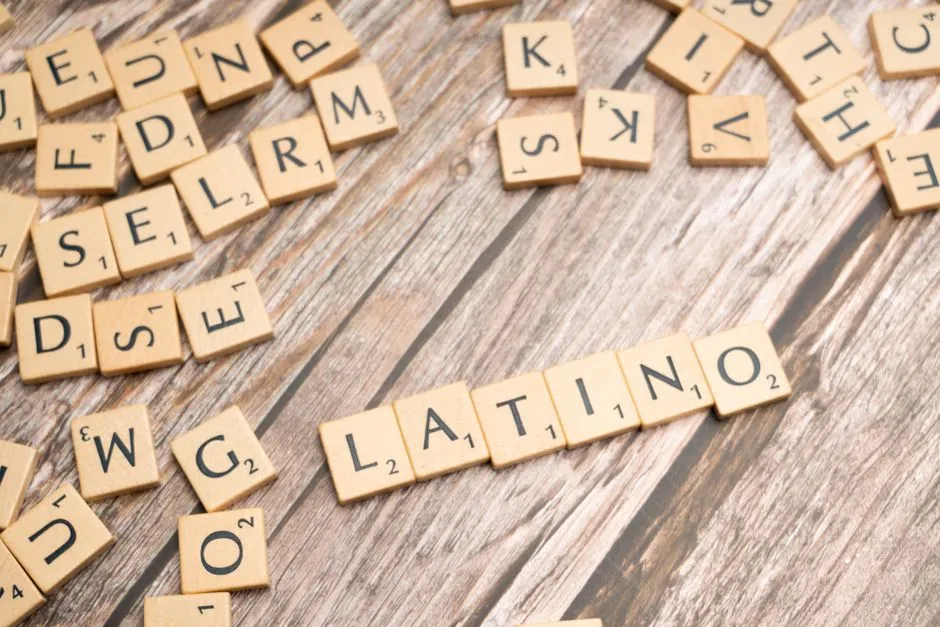
Souvenir comes from the French word souvenir, which itself derives from Middle French soubvenir, tracing back to the Latin subvenio, meaning “to come to mind.” That Latin root is built from two smaller pieces: the prefix sub, meaning “up from below,” and venire, meaning “to come.” The image embedded in the word is strikingly vivid: a memory rising naturally to the surface, like something drifting upward through still water.
The full ancestral chain moves from Proto-Indo-European through Proto-Italic and Latin, arriving finally in Old French as sovenir, meaning “to remember or to recall,” before settling into the modern French form. Few everyday words carry such a clear and unbroken lineage.
The French Meaning Was Never About Objects
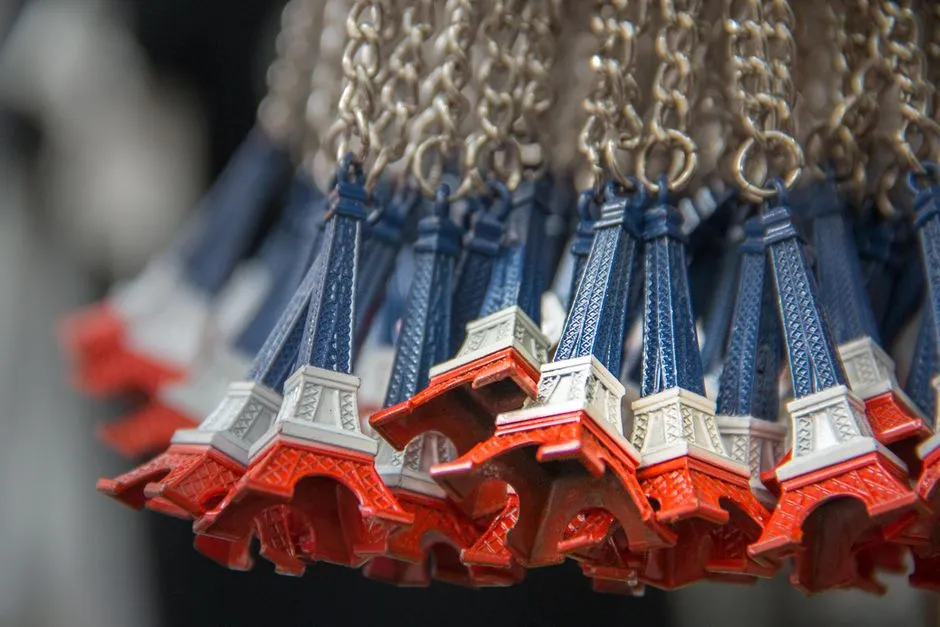
In French, souvenir is first a verb, then a noun. Un souvenir is a memory itself, not an object. The phrase “J’ai un bon souvenir de Paris” means “I have a good memory of Paris,” not a keychain. This distinction matters far more than it might seem at first glance.
The transformation between languages is telling: French keeps souvenir in the mind as a memory, while English puts it in a gift shop as a thing. The word itself reveals how different cultures relate to the act of remembering. Something almost philosophical got lost in translation, and then commercialized.
When English Borrowed the Word
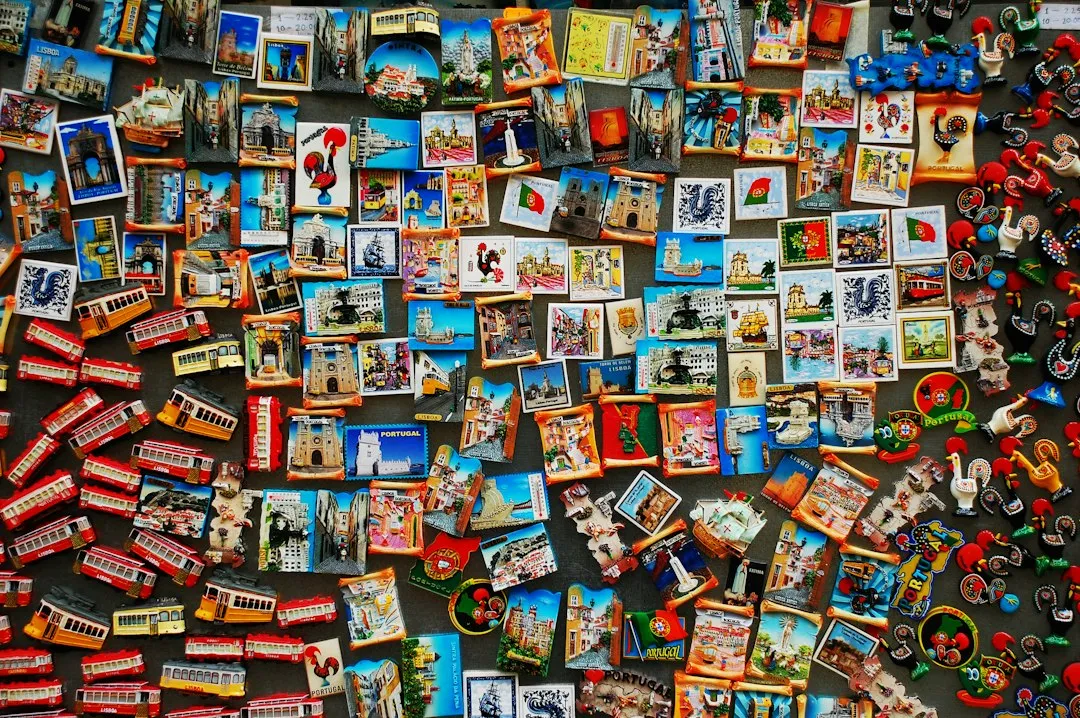
According to the Shorter Oxford English Dictionary of Historical Principles, the word souvenir entered the English language in 1775 from French, carrying the meaning of “memory,” along with the associated meanings of “keepsake” and a token of remembrance, which appeared by 1778. The journey from one language to the other took only a few years, but the meaning shifted substantially along the way.
English borrowed the noun form in the 1770s but narrowed it: a souvenir became a physical object, something you buy to prove you were somewhere. When the word entered English in the eighteenth century, both senses were technically available, but the physical memento meaning quickly predominated. The abstract became concrete, and the inner became outer.
The Connection to an Ancient Human Habit
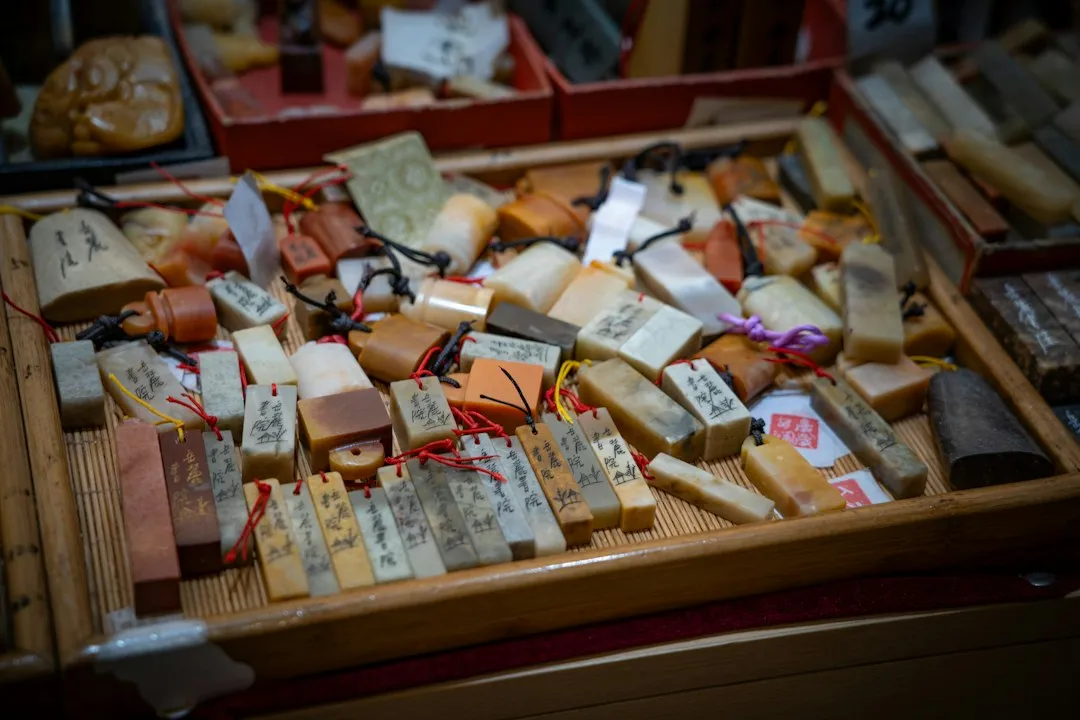
The tradition of collecting travel keepsakes dates as far back as 980 BCE. Archaeologists in Ireland discovered amber beads from Scandinavia, believed to be among the very first souvenirs. The desire to carry a piece of a faraway place home is not a modern quirk. It appears to be wired into human behavior across cultures and centuries.
Vendors have sold souvenirs at popular tourist sites since the fourteenth century. The first mass-produced souvenirs were pilgrim badges from shrines across Europe around 1400 CE. Long before the word “souvenir” existed in English, the thing itself was already a recognizable part of human travel.
A Related Painting from 1432
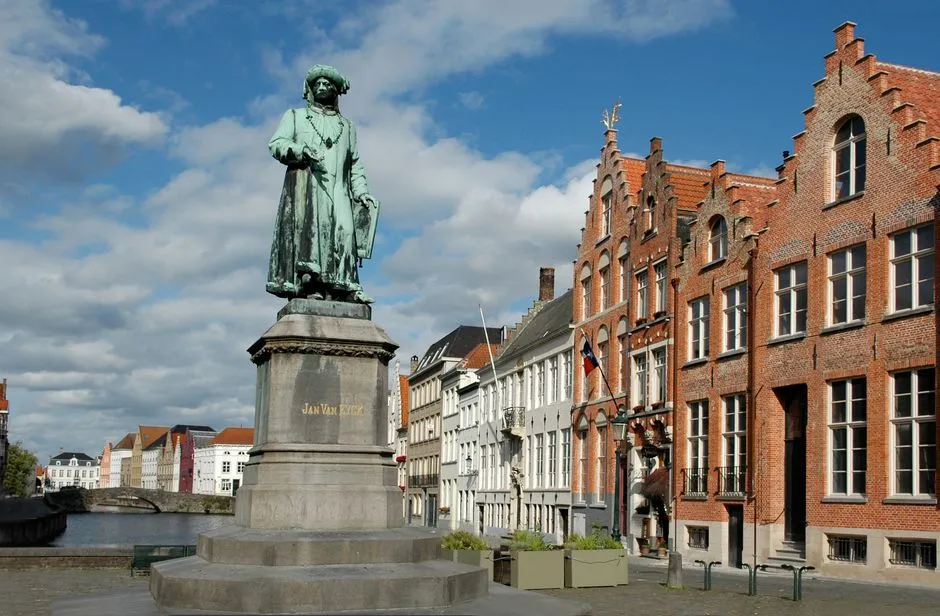
This connection between the word and the concept of memory can be illustrated by a portrait painting by van Eyck from 1432, in which large capitals are depicted, apparently carved onto stone, with the words “LEAL SOVVENIR,” meaning “loyal remembrance” in French, now held at the National Gallery in London. The phrase predates the modern English usage by more than three centuries and shows how deeply the concept was already embedded in European culture.
That painting is a reminder that souvenirs were not always trinkets. At their most sincere, they were acts of loyalty to a person, a place, or a moment. The word was carrying that weight long before it described anything sold in a tourist shop.
The Grand Tour and the Birth of Souvenir Culture

The age of the Grand Tour of Europe, where the sons and occasionally daughters of aristocrats and wealthy merchants in the seventeenth and eighteenth centuries spent a year or more touring the continent to become cultured, also marks the birth of souvenirs as we think of them today. A major objective of the Grand Tourists was to collect souvenirs of their travels.
The rise of souvenir collecting was a major impact of the Grand Tour experience. These souvenirs included paintings, sculptures, prints, engravings, maps, books, manuscripts, jewelry, textiles, and other decorative objects, often purchased from local artisans, dealers, or street vendors, and intended to serve as a tangible reminder of the traveler’s experience. A Canaletto painting of Venice was, in that context, a souvenir of the highest order.
When Collecting Became Extreme

The practice of taking physical keepsakes became especially popular around the eighteenth century, when wealthy Britons embarking on the Grand Tour treated ancient ruins almost like souvenir stands. Some travelers returned with crates of marble fragments hacked off from the Roman Forum and other ancient ruins, which they could then fashion into objects like polished tabletops.
What had once been considered an ordinary way to remember a trip gradually came to be recognized as the destruction of irreplaceable history. The line between remembrance and removal is one that cultures are still drawing today, particularly at fragile heritage sites around the world.
How the Word Spread to Other Languages
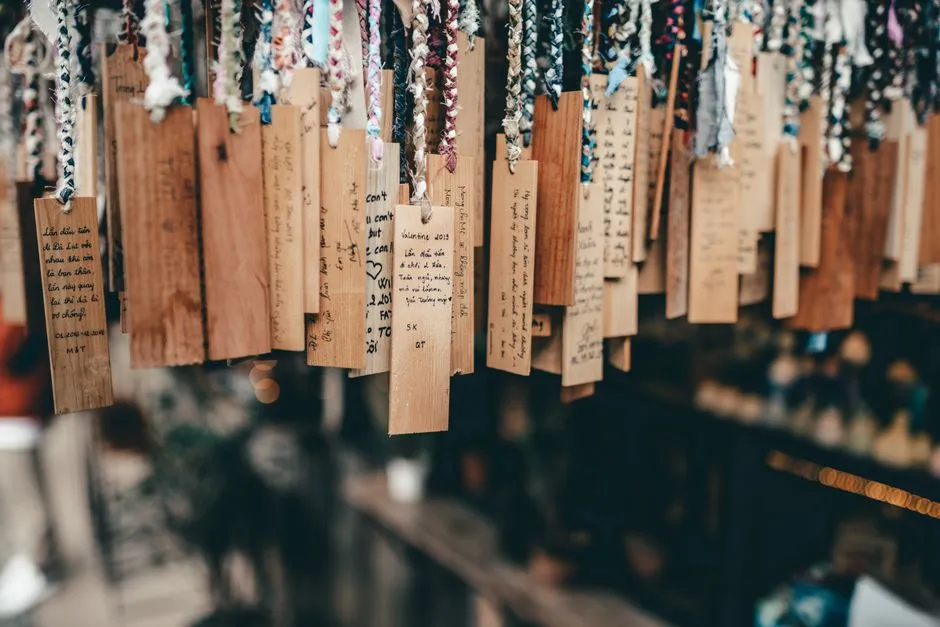
The word souvenir has been borrowed from French, or through English, into many other languages: German Souvenir, Dutch souvenir, Russian сувенир (suvenir). Its reach is a testament to how universal the underlying impulse truly is. Few words travel as well as the one that means remembering.
English and French are by no means the only languages to have tried to define this space of memory objects, as “memorabilia” also exists in English as a Latin import, associated with objects valued for their memories and historical interest. The vocabulary of travel memory is rich, varied, and quietly revealing about each culture that uses it.
The Souvenir Becomes a Global Industry
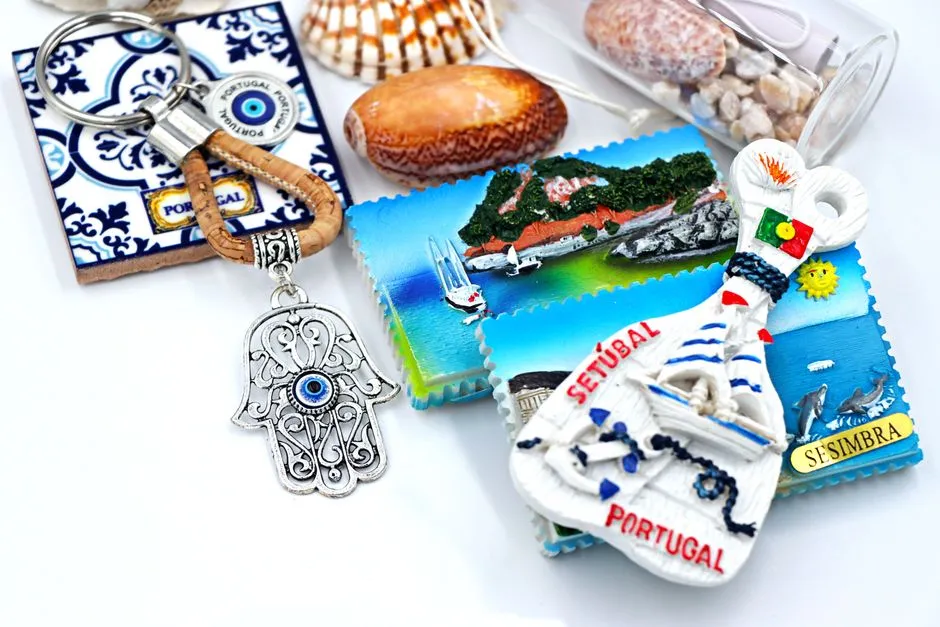
The global gifts, novelty, and souvenir market was valued at approximately 134 billion US dollars in 2024 and is expected to grow to nearly 200 billion dollars by 2030. The global tourism souvenir market alone is estimated at around 30 billion dollars in 2025 and is projected to reach 45 billion dollars by 2033, expanding at a steady annual growth rate. A word that once described a quiet mental act now anchors one of the world’s most consistent retail categories.
The market is driven by several key factors, including the rising tourism industry, increasing e-commerce penetration, and growing demand for personalized and experiential gifting. As international travel and cultural exploration expand, consumers increasingly seek unique souvenirs and locally crafted gifts to commemorate their experiences. The emotional logic of the word, memory made tangible, still drives the commerce.
What the Word Still Asks of Us
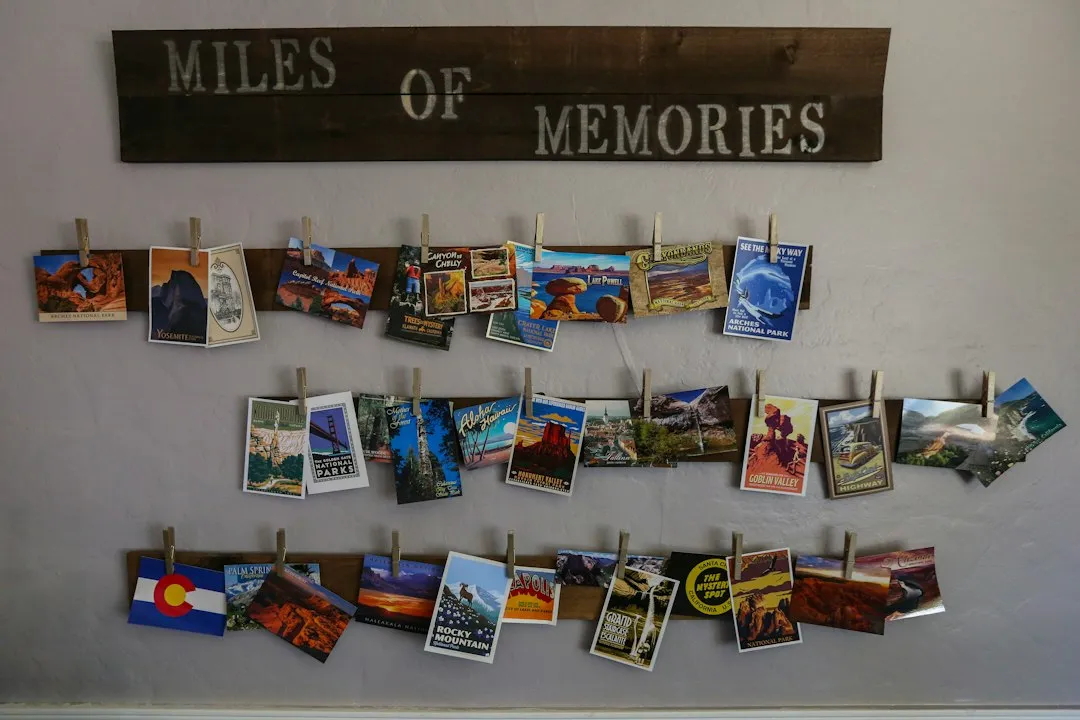
The original French meaning persists as a quiet reminder: a real souvenir is something you carry in your mind, not in your suitcase. That older sense of the word, a felt memory rather than a purchased object, has never fully disappeared. It simply got quieter as the gift shops multiplied.
The term souvenir is not invariably associated with tourism. It belongs equally to personal history, to love letters kept in drawers, to a pebble from a beach that mattered. The Latin root, memory rising upward, describes all of those things with equal grace.
The Takeaway
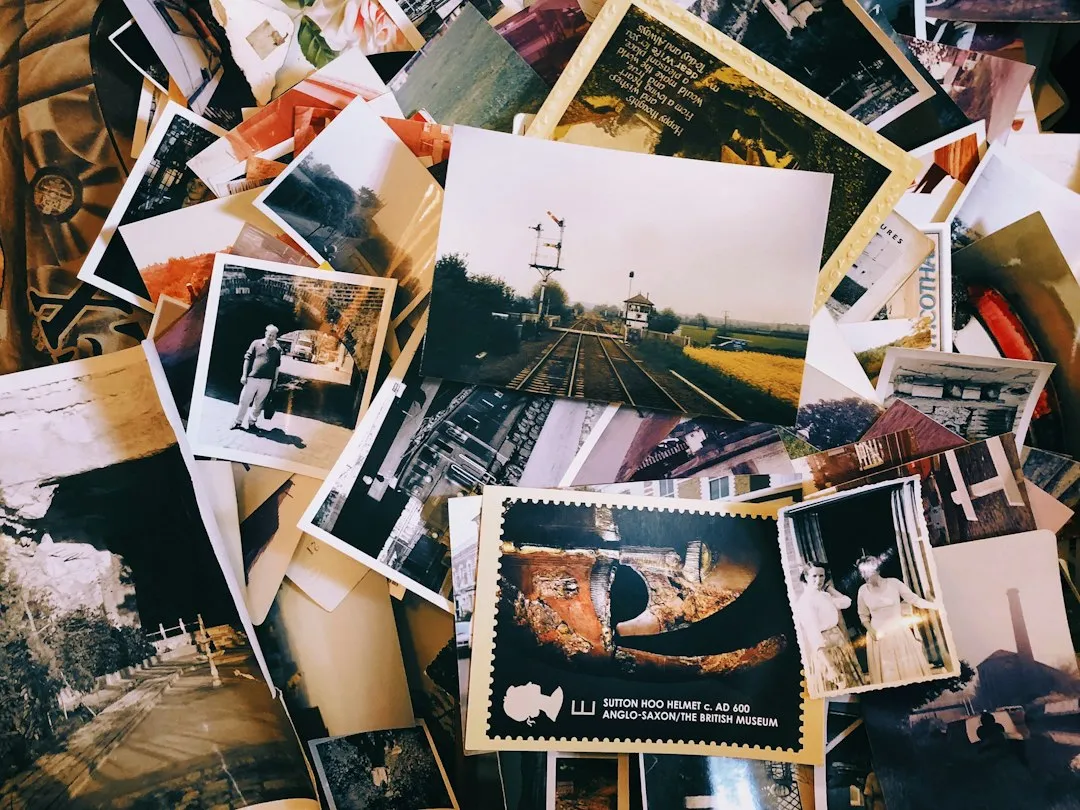
There is something worth sitting with in the full arc of this word. It began as a Latin description of a thought surfacing naturally in the mind, became a French verb for remembering, then a French noun for a memory, and finally an English word for the small object you bring home from a trip. Each step of that journey says something about how languages and cultures reshape ideas as they pass them along.
The word “souvenir” has never really left its origin. Every time someone picks up a small ceramic tile or a pressed flower from a market stall, they are, however unconsciously, honoring the Latin impulse behind the word: the feeling of something coming up from below, a place or a moment rising to the surface of the mind. That the French still use the word to mean simply “memory” is not an accident. It may be the more honest definition of the two.
AI Disclaimer: This article was created with the assistance of AI tools and reviewed by a human editor.