
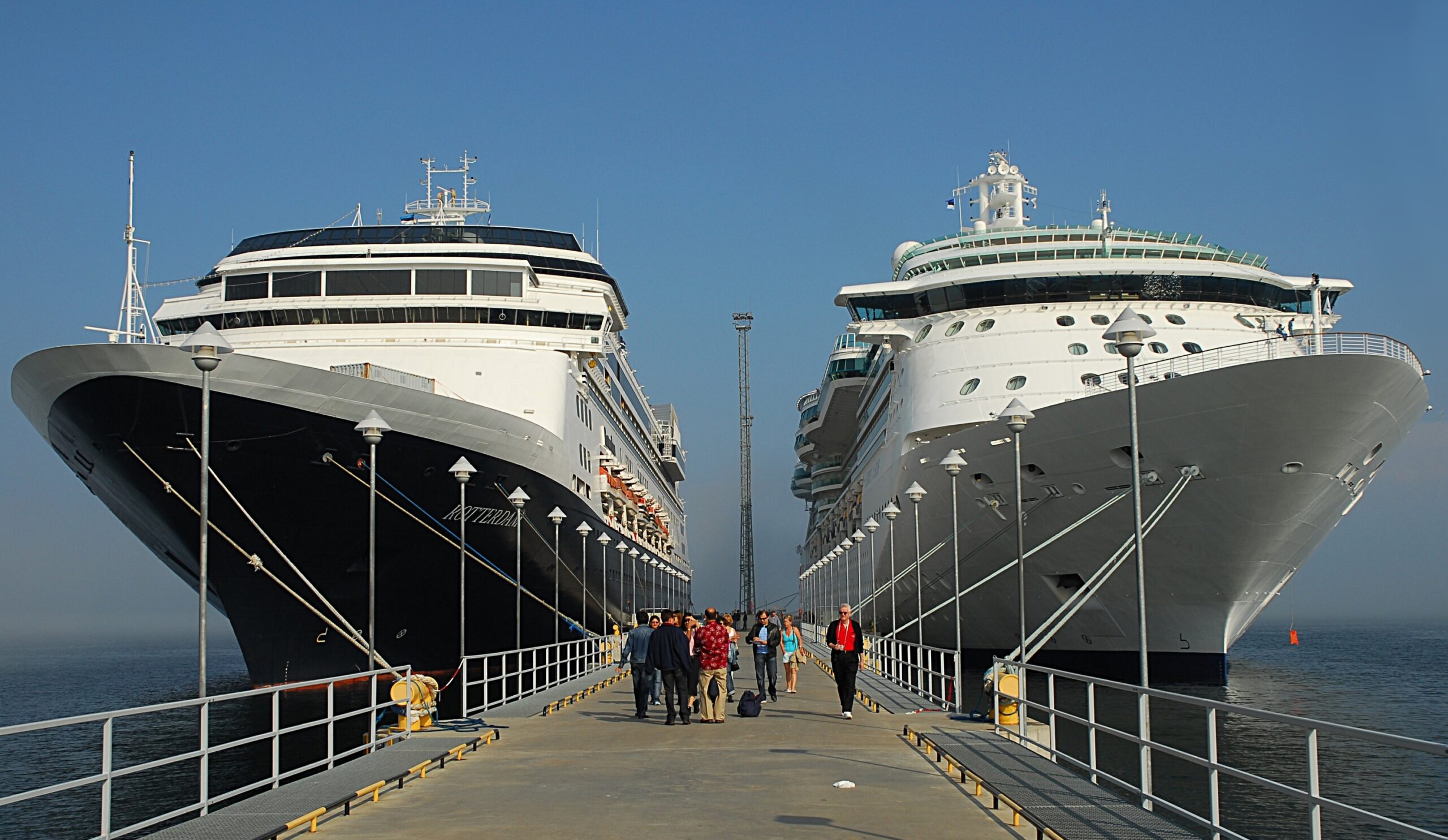

Most passengers walk past uniformed officers every day without giving those shoulder stripes a second thought. Yet those gold lines tell you almost everything about who you’re talking to, what they’re responsible for, and where they fit into the ship’s command structure. It’s a visual language built into every formal uniform aboard.
The system is rooted in the merchant navy tradition and has been carried forward into modern cruise operations. Once you understand the basics, you’ll never look at a cruise officer’s shoulder the same way again.
Stripes Are More Than Decoration – They’re a Communication System

The uniform serves as a visual language, conveying authority, expertise, and the ship’s command structure. On a vessel carrying thousands of passengers and crew, that kind of instant visual clarity matters more than people realize. In an emergency, knowing who to listen to isn’t just convenient – it can be critical.
These stripes, more formally known as epaulettes, denote not only what rank an officer is, but can also offer insight into which department they work in, as well as in some cases what they do onboard. The system is elegant in its simplicity: more stripes generally mean more responsibility.
The Captain: Four Stripes and Absolute Authority
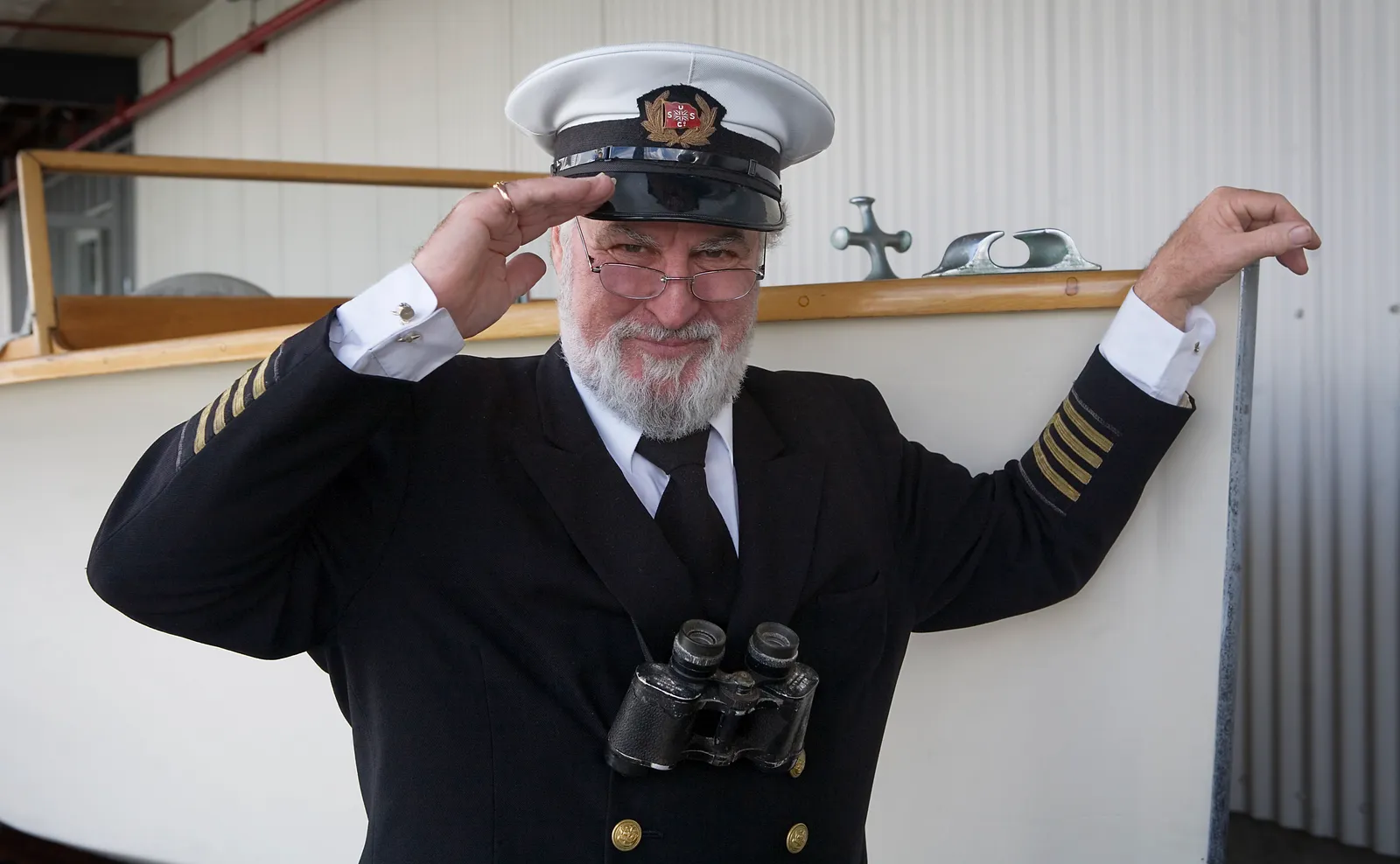
The epaulette with four stripes is worn by the Captain of the ship, who holds the highest rank of the cruise ship. No one onboard carries more authority, and those four gold bars are recognized instantly across the entire maritime world.
This individual is the highest ranking officer on the ship and is responsible for the ship’s entire operation. Some larger lines may also recognize the title of Commodore above the Captain level. The Commodore is the highest rank cruise ship officers can reach, comparable to the rank of Admiral, though some cruise lines don’t even have one.
The Staff Captain: Second in Command

The Staff Captain, also known as Deputy Captain, is second in command onboard the ship, assisting the Captain with the running of the ship as well as heading up the Deck Department. Their stripe count varies by cruise line, which can cause some confusion among passengers trying to read the hierarchy at a glance.
On cruise ships, you may see variations to differentiate the Staff Captain from the Master – some Staff Captains have three and a half stripes, while others have four. It’s one of the clearest examples of how the system, while broadly standardized, still reflects each cruise line’s own traditions.
The Number of Stripes Reflects Rank Down the Chain

The stripes worn on the epaulettes denote the rank and the nature of work of that particular officer on a cruise ship. The number of stripes tells the rank of the officer; the higher the number of stripes, the higher the rank. This pattern holds across deck, engineering, and hotel departments alike.
The Chief Officer carries three stripes and is responsible for cargo, safety, and is often the second-in-command operationally. The Second Officer with two stripes focuses on navigation and chart work. The Third Officer, usually the youngest on the bridge, supports duties with one stripe. Each step down the ladder removes one stripe.
Color Between the Stripes Tells You the Department
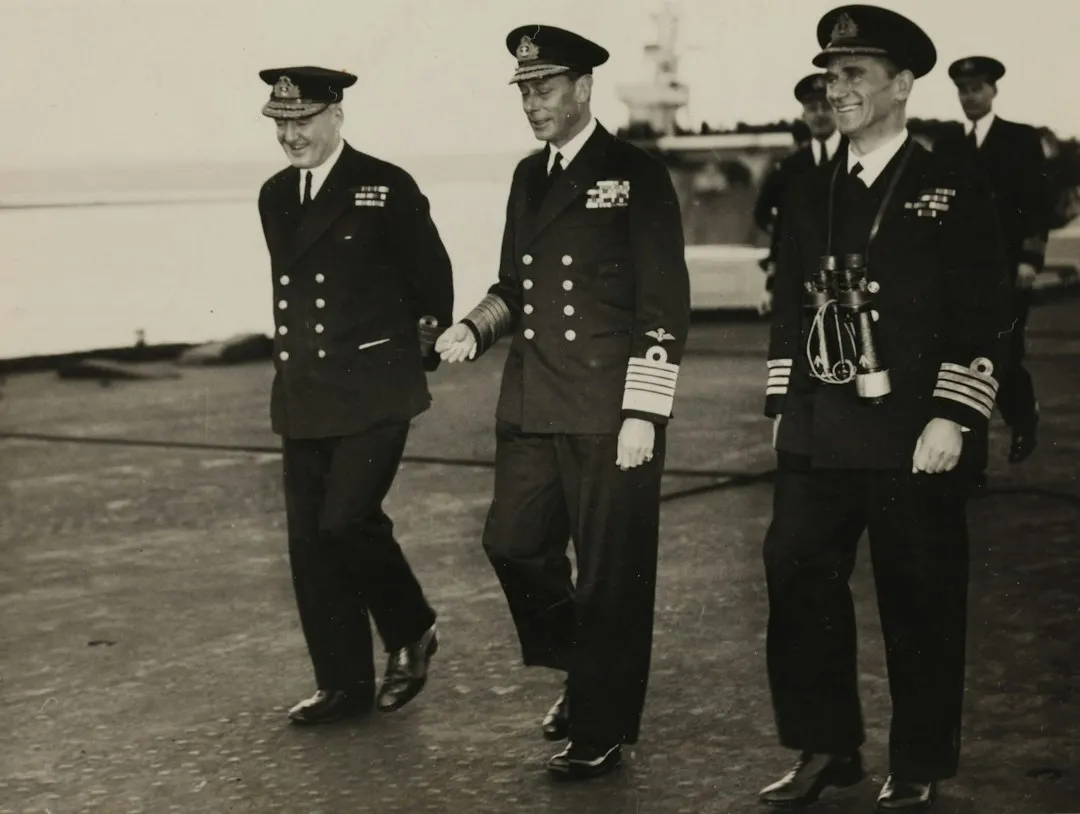
The color between the stripes indicates the officer’s department: white denotes Hotel, purple indicates Technical and Engineering or Electrical, red signals Medical, green covers Communications, bronze is used for Security, and no color between stripes means the Deck Department. This color-coding runs across most major cruise lines, though small variations exist.
Engineering officers typically have gold stripes with purple spacing, while medical officers carry gold stripes with red spacing. Color coding and specific patterns distinguish between departments like deck, engine, electrical, and catering. Once you know the key colors, you can identify a crew member’s role from across the room.
The Engine Department: Gold Stripes with a Purple Mark

The Engine Department, headed by the Chief Engineer, is responsible for all mechanical and electrical functions on the ship, including communications, electricity, and plumbing. It’s one of the most technically demanding departments on any vessel, and the stripes reflect a clear internal hierarchy.
Engine room officers wear stripes with a gear or propeller symbol, with the Chief Engineer holding four stripes and the rank descending through Second Engineer at three stripes, Third Engineer at two and a half, and Fourth Engineer at two stripes. The purple color spacing between stripes is the reliable visual marker that ties them all together as engineers.
The Hotel Department: White Spacing Signals Hospitality

The Hotel Department is the largest department onboard, led by the Hotel Manager, and is responsible for culinary operations, the beverage department, guest relations, onboard revenue, the purser, shore excursions, housekeeping, medical, and entertainment. Given that scope, it has its own elaborate stripe system.
The Hotel Manager wears four straight gold stripes sandwiched by white stripes. Other Hotel Department officers wear different numbers of gold stripes sandwiched with white stripes, while the medical team, though part of the hotel department on some lines, has straight gold stripes with red filling. The white spacing is the visual cue that tells you you’re looking at a hospitality professional rather than a navigation or engineering officer.
Medical Staff: Red Spacing Sets Them Apart

Medical staff aboard cruise ships wear red between their stripes, making them immediately recognizable across all departments. In a genuine onboard medical emergency, that instant visual identification can matter enormously for both crew and passengers.
The Chief Medical Officer holds three to four stripes with red spacing, doctors carry two to three stripes, and nurses typically hold one to two stripes with the same red spacing throughout. The consistent use of red across all medical ranks reinforces a clear, universal signal that crosses language and cultural barriers.
Special Symbols Add Another Layer of Meaning
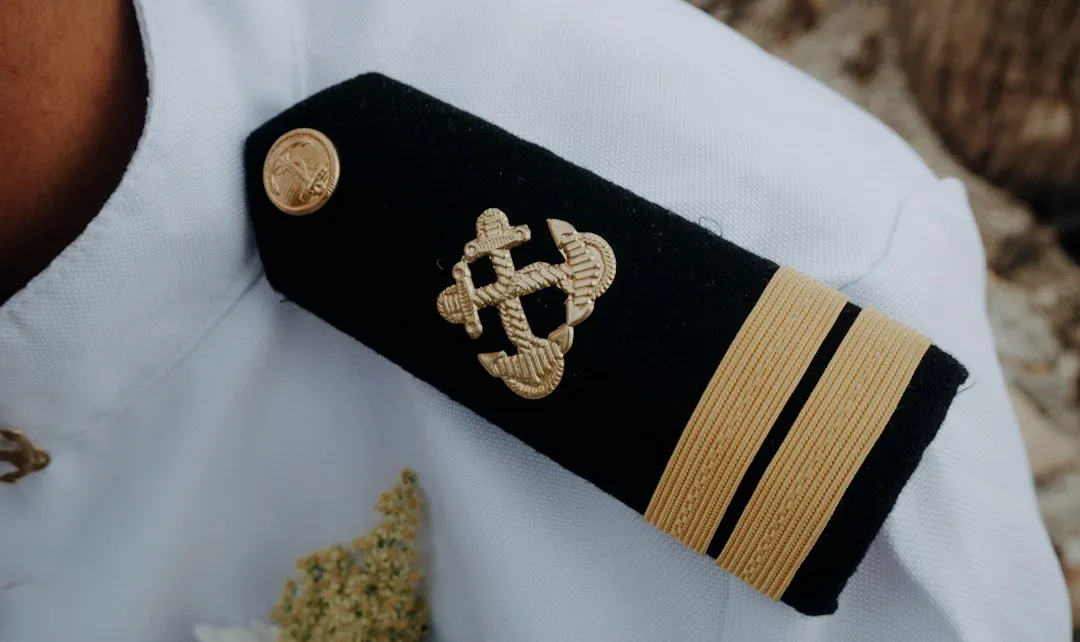
Stripes can also offer insight into the specific function of the officer, beyond just their rank or department. Symbols woven into or placed above the stripes are another layer of the code that most passengers never notice. At Royal Caribbean, for example, officers on the bridge wear stripes with an anchor symbol, while engine room officers carry a propeller or gear insignia.
Traditional Merchant Navy practice incorporates a diamond into the stripes for those holding Certificates of Competency in Deck and Engineering, while others simply have straight stripes. These small details carry genuine professional significance within the maritime world, even if they go unnoticed by most guests.
Cadets: Learning the Ropes, One Thin Stripe at a Time
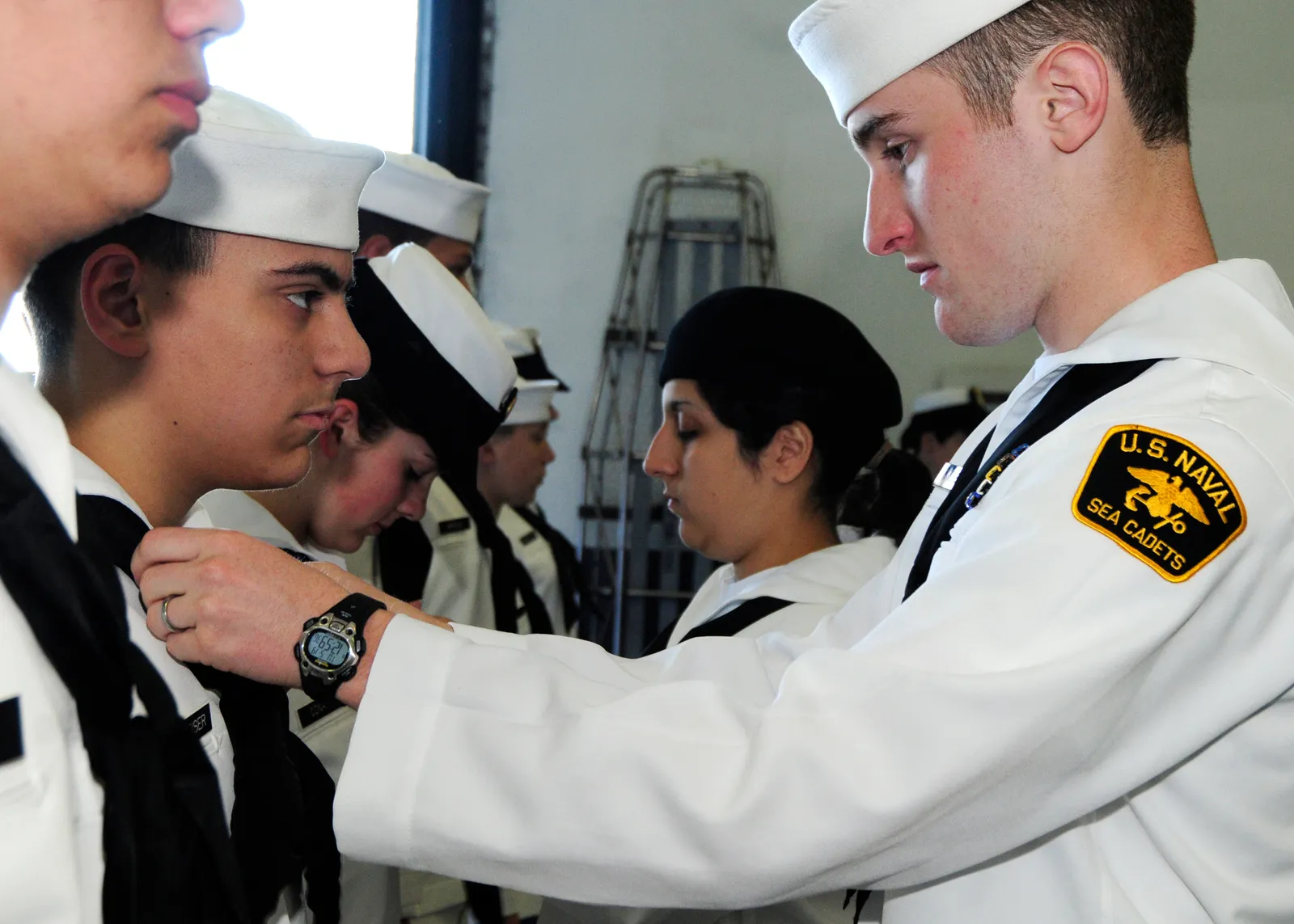
A cadet is a trainee officer still in training. Cadets do not yet hold an official rank but are often recognized by their uniform epaulettes without stripes, or with only a narrow stripe. It’s a visible reminder that even the most experienced captains started somewhere.
A cadet, fourth deck officer, or petty officer typically has an epaulette with just one stripe on it. The thin or single stripe is essentially maritime shorthand for “still learning,” and the whole system is designed to grow with the officer as they earn their qualifications and experience at sea.
Not Every Officer in Stripes Works on the Bridge
Not every crew member who holds officer privileges wears a uniform with stripes. There is a category in the cruise ship world known as “stripe equivalents,” which includes hotel positions such as Cruise Director, Cruise Staff, Shore Excursions, Youth Programs, Production Managers, and Cast Members. These roles carry authority and responsibility, but the visible stripe system doesn’t always apply in the same formal way.
Everyone on a cruise ship has a rank, and every rank has its own dining area, from the simple crew mess to the more formal officers’ mess. The stripe system, in other words, goes well beyond the uniform. It shapes daily life, privilege, and the social structure of the entire vessel.
Why the System Varies Between Cruise Lines
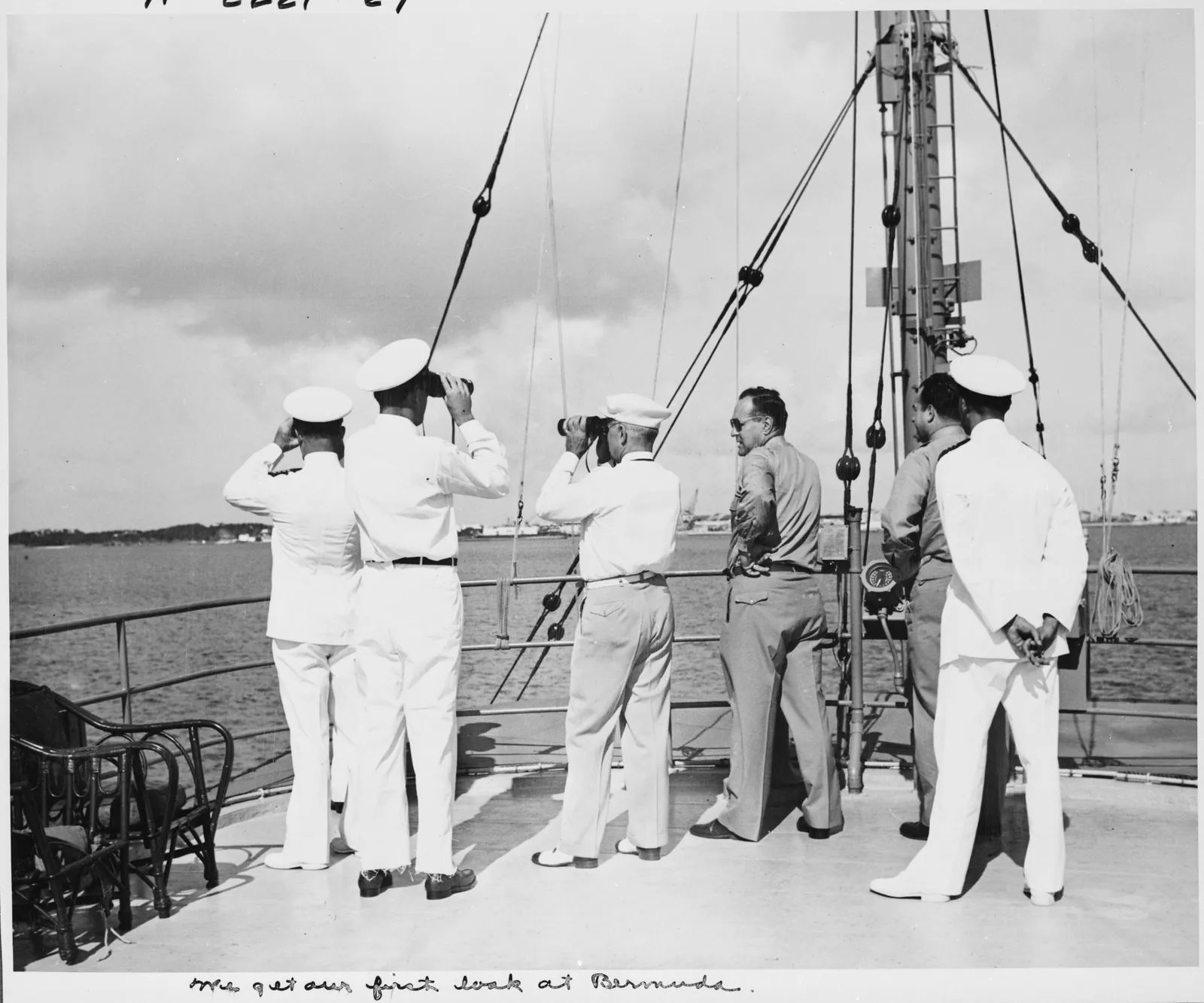
Every company has slightly different insignia for ranks and ratings. While the broad framework – more stripes meaning higher rank, color indicating department – is widely shared, the finer details can shift from one fleet to another. A four-stripe officer on one line might carry a slightly different title or scope of responsibility than the same stripes on a competing line.
The epaulettes can alter slightly between cruise lines, but the underlying role structure remains broadly the same. For passengers, the practical takeaway is straightforward: the more gold on the shoulder, the more authority that person holds. The color between the stripes tells you which part of the ship they run.
The Historical Roots of the Epaulette Tradition
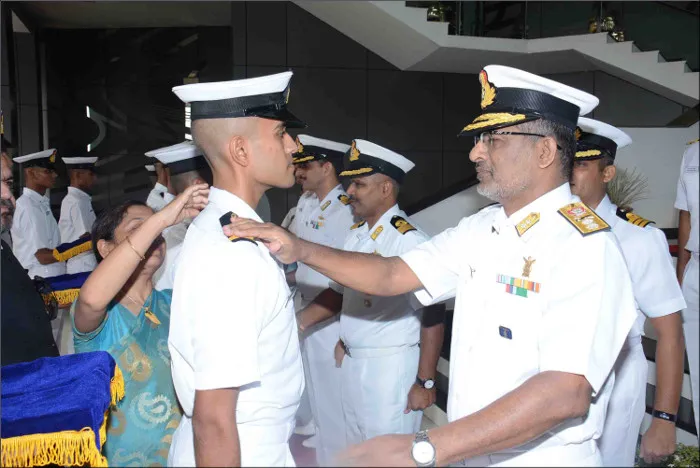
The epaulettes worn on the shoulders of crew are a legacy of 17th-century military dress in France, where they were used as both a decorative sign of status and a way of keeping a sword belt in place. Epaulettes were adopted by most world navies by the 18th century as a formal insignia of rank, and then made their way into the merchant and leisure cruising industries.
The word “epaulettes” comes from the French “épaule,” meaning shoulder, and they are typically black with stripes in either gold or silver braid, with a symbol to designate department. Centuries of maritime tradition are stitched into that small patch of fabric on every officer’s shoulder – which makes it one of the more quietly remarkable pieces of clothing worn at sea today.
The Takeaway
The stripe system aboard a cruise ship is one of those things that rewards curiosity. It looks like uniform decoration until you understand it, and then it becomes a fully readable map of authority, expertise, and responsibility spread across thousands of crew members.
Next time you board a ship, take a moment to look at the shoulders of the officers who greet you. Four gold stripes with no color between them means you’re looking at someone with the full weight of the vessel’s navigation on their record. Red between the stripes means medical. White means hospitality. Purple means the engines keep running partly because of that person. The ship communicates with itself constantly, and the uniform is part of that conversation.
AI Disclaimer: This article was created with the assistance of AI tools and reviewed by a human editor.