

Crossing an international border with your dog or cat is one of those tasks that seems straightforward right up until it isn’t. Most travelers assume a rabies shot and a vet signature will be enough. What border agents actually see, day after day, is a more complicated story involving expired windows, mismatched numbers, and forms that were never submitted in the first place.
The rules tightened considerably between 2024 and 2026, with sweeping changes from the CDC, USDA APHIS, and authorities in the EU and beyond. Understanding exactly where things go wrong is the fastest way to make sure they don’t go wrong for you.
The Missing CDC Dog Import Form

As of August 1, 2024, the CDC requires a digital form for every dog entering the U.S., regardless of where they were vaccinated or how long they were out of the country. This is the single most common source of delays at U.S. land borders and airports. When crossing back to the U.S., CBP officers actively ask about pets in the vehicle, and lacking the CDC Dog Import Form receipt or the required return documentation can cause major delays or refusal of entry at the booth.
The microchip number on the form must match the one scanned at the border. The form itself is free and usually takes only a few minutes to complete, but it must be done before you reach the border queue. Travelers who fill it out in the parking lot outside the crossing, or who forget it entirely, regularly face secondary inspection. You can print the receipt or show it to the border agent on your phone when you cross.
An Expired or Invalid Health Certificate

Airlines typically require pet health certificates that are no older than 10 days, even if the receiving country accepts an older one. Some countries require the certificate to be even less than 10 days old. This narrow window catches a remarkable number of people off guard, especially those who scheduled their vet visit two weeks before departure thinking they had time to spare.
The USDA will not endorse a health certificate unless it falls within the 10-day window prior to entry into certain countries, such as France. For travel to the European Union specifically, the USDA must endorse the completed certificate within 10 days of your pet’s arrival in the EU. The timing is precise and unforgiving. A certificate issued even one day outside that window is considered invalid at the border.
The Microchip That Doesn’t Match

The 15-digit number encoded in a pet’s microchip must appear identically on the vaccination certificate, the rabies titer test submission, the Animal Health Certificate, the Import Permit, and the airline cargo manifest. This level of consistency is something many pet owners simply don’t think about until an agent flags a discrepancy. A single transposed digit is enough to halt the process entirely.
The required microchip standard is ISO 11784/11785, a passive 15-digit transponder. Older chip formats, including 9-digit AVID and 10-digit chips, may not be read by ISO-standard scanners at borders. If your pet has a non-ISO chip, it’s essential to verify acceptance with your destination country before travel. If your dog has an older, non-ISO chip, you must carry your own universal microchip scanner or face immediate entry delays.
The Chronology Trap: Microchip Must Come Before Vaccination
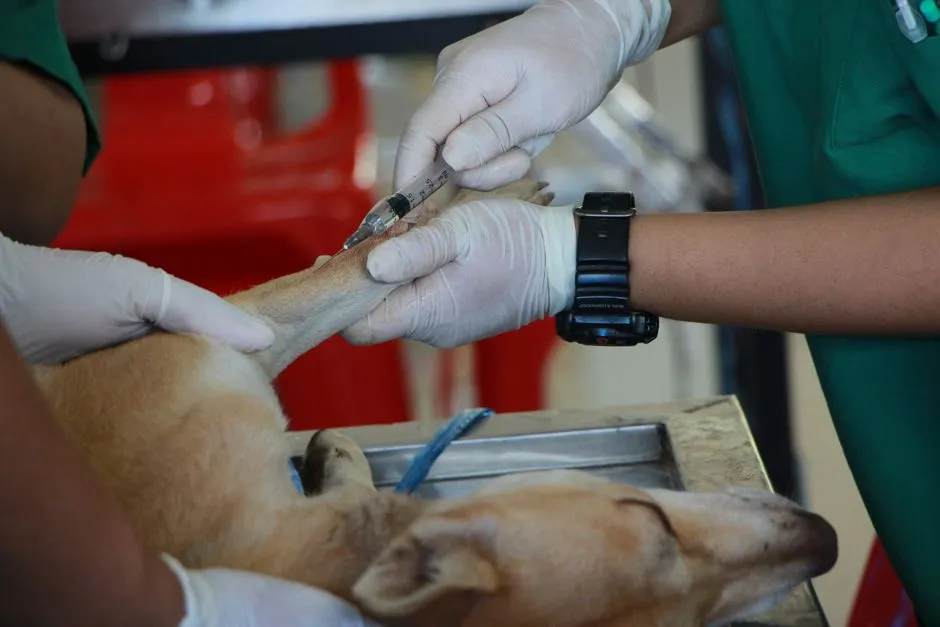
To verify that a rabies vaccine belongs to the specific animal standing at the border crossing, the unique identification code must be linked to the medical event. Therefore, the 15-digit ISO microchip must be implanted, or officially scanned and recorded, prior to or on the exact day of the rabies vaccination. This rule catches many well-meaning pet owners who microchipped their animal after an early vaccination.
If a dog or cat received a 3-year rabies booster in April 2025 but was not microchipped until June 2026, that 2025 vaccine history is considered legally void for travel. The order of events matters as much as the events themselves. Border agents are trained to check dates on all documents, and a sequence that runs in the wrong direction results in the entire vaccination history being disqualified.
Incomplete Rabies Vaccination Records
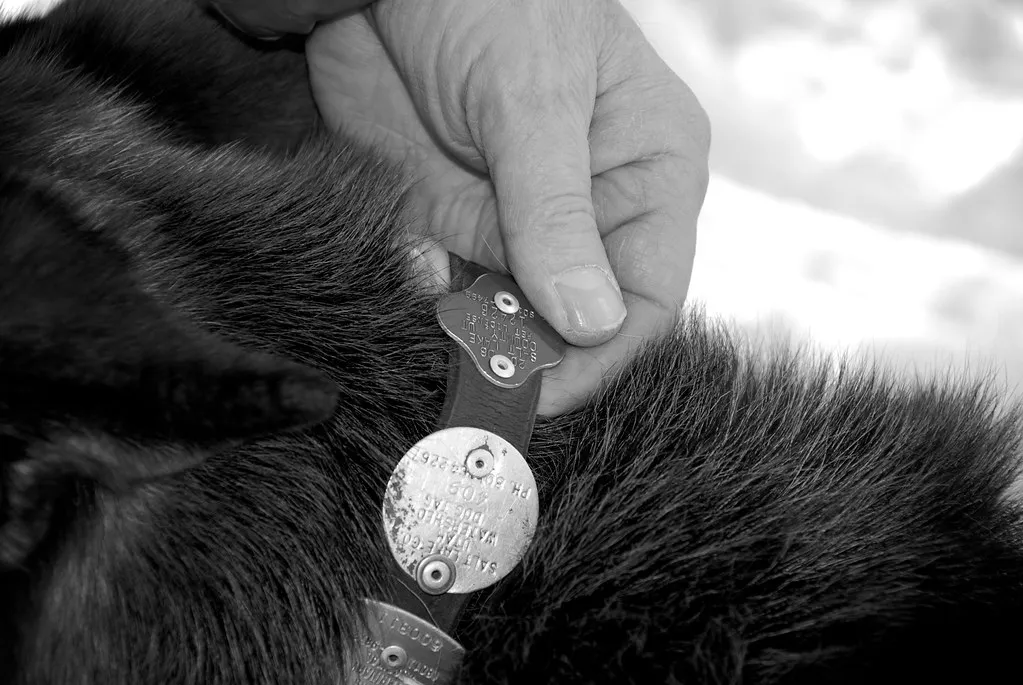
To be legally accepted by airlines and border officials, a rabies certificate must be fully typewritten and include your pet’s 15-digit ISO microchip number, the exact vaccination date, the manufacturer’s name, the vaccine lot and batch serial number, and an official expiration date. Handwritten entries, missing lot numbers, or a certificate that doesn’t name the vaccine product are common reasons agents send travelers to secondary screening.
A dog entering Canada needs to have a rabies vaccination certificate, and dogs must have been at least three months of age at the time of rabies vaccination. For re-entry into the U.S., dogs arriving from high-risk rabies countries face intensive additional criteria, including government-endorsed rabies certificates, blood titer tests, or mandatory quarantine reservations. The documentation burden scales sharply depending on where your pet has been.
The Rabies Titer Test and Its Waiting Periods

Countries that are stricter, and routes into rabies-free or low-risk territories, require a blood test proving the vaccine worked. This is where the longest delays live, as there can be a waiting period of several months between the blood draw and permitted entry. The bottleneck is the rabies antibody titer test, which can carry a waiting period of several months between the test and permitted entry.
A rabies antibody titer test is performed no earlier than 30 days after vaccination, and travel with the animal is permitted three months after blood sampling. The test is carried out in laboratories recognized by the relevant authorities. Travelers who discover this requirement at the last minute have no workaround. Rabies rules and the antibody blood test some destinations require carry fixed waiting periods that can run several months, so starting three to seven months ahead is strongly recommended.
The USDA Endorsement That Wasn’t Obtained
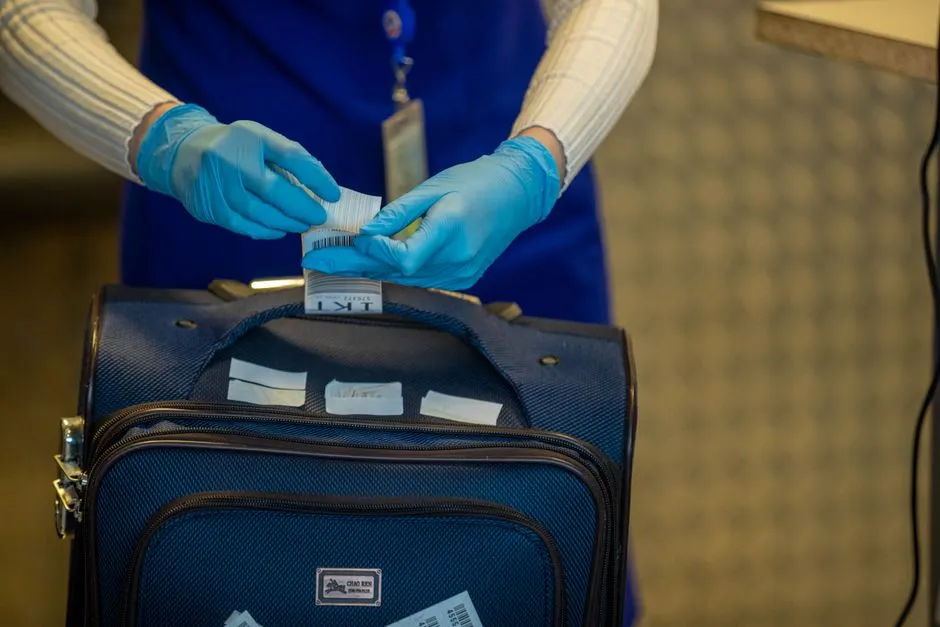
Most countries require that a pet be checked by a federally-accredited veterinarian and that a United States Interstate and International Certificate for Health Examination for Small Animals be issued by that veterinarian and endorsed by the USDA. Many travelers book an appointment with their regular vet and assume any licensed veterinarian will do. That assumption causes real problems at borders.
If the destination country needs USDA APHIS to endorse the health certificate, the pet’s veterinarian must be accredited by USDA. When endorsement is required, USDA APHIS reviews and endorses the health certificate after the USDA-accredited veterinarian issues it. APHIS charges a per-certificate endorsement fee of roughly $101 under the rate schedule effective January 2025 for pet health certificates, with exceptions for ADA-recognized service dogs. The endorsement step is a bureaucratic layer that many first-time international pet travelers don’t realize exists.
Screwworm Documentation When Returning from Mexico

Due to the detection of New World Screwworm in Mexico, confirmed by the USDA in late 2024, there is now an additional hurdle for dogs returning to the U.S. This requirement emerged rapidly and caught many frequent Mexico-U.S. border crossers off guard. If your stay in Mexico exceeds five days from your original U.S. vet inspection, you must obtain a Screwworm Freedom Certification issued by an authorized Mexican veterinarian within five days prior to crossing back into the U.S.
While land border officers sometimes wave vehicles through, SENASICA and CBP conduct random and targeted checks at border modules. Traveling without valid five-day veterinary paperwork risks significant delays, mandatory on-site testing fees, or turned-back entry. This is one of the newer layers of documentation that border agents are actively checking for in 2026, and it applies to both casual vacationers and full-time snowbirds alike.
Pets That Don’t “Appear Healthy” at the Border
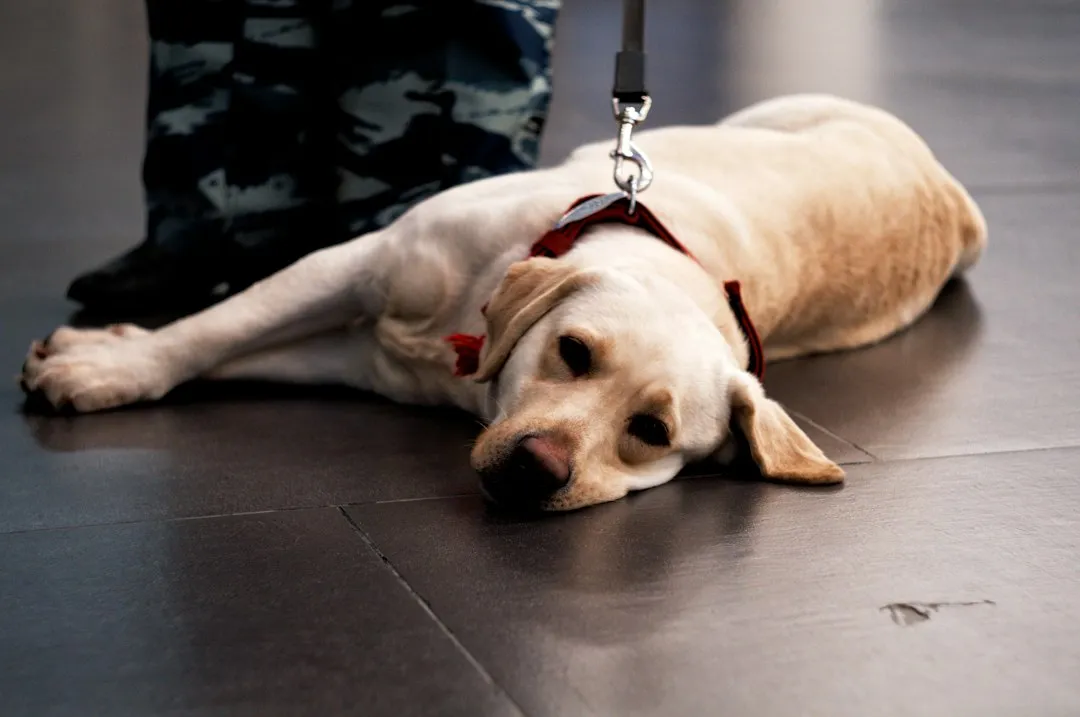
Dogs must appear healthy at the border. This sounds obvious, but it’s a distinct legal standard that border agents apply at inspection. An animal that seems lethargic, shows visible signs of illness, or has been sedated for travel can be flagged independently of whether all the paperwork is in perfect order. Officers sometimes ask to see the dog’s behavior to verify health, and a groggy dog can be flagged.
If traveling with a pet that has an obvious health condition, it’s worth getting a health certificate from the vet prior to the trip. It can help avoid a delay at the border. The visual inspection at the booth is brief but meaningful. An agent who flags a pet as appearing unwell has the authority to refer the animal for further examination, even if every document is present and timestamped correctly.
The Destination Address Requirement
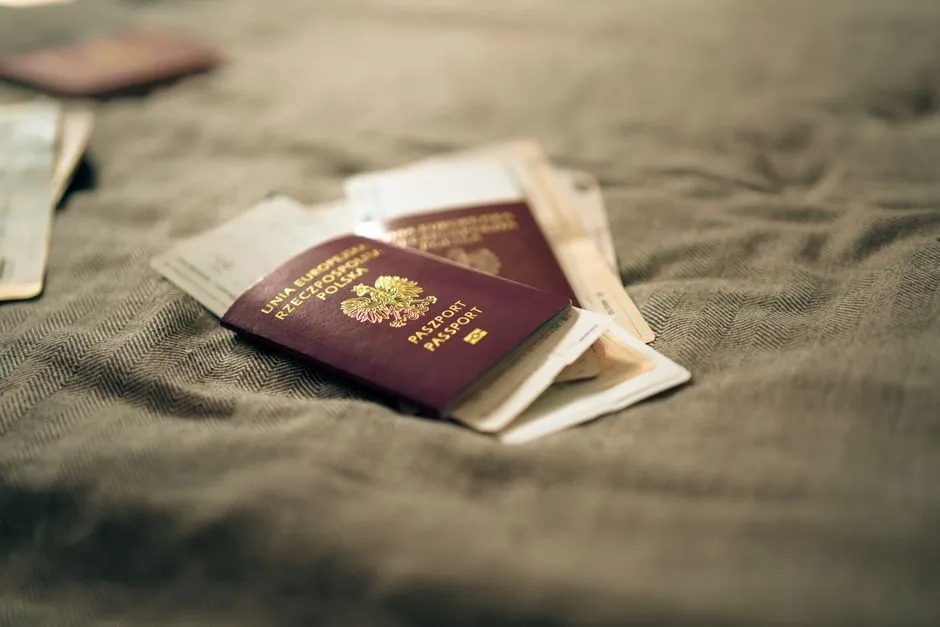
Border rules now require pet owners to provide a destination address for their animal, a condition that doesn’t fit casual short trips or day crossings. This detail has caused genuine frustration for people who live near borders and cross routinely with their pets for walks or errands. The whole process, from the online form to the physical address requirement, feels like bureaucracy for everyday pet owners used to seamless travel, especially for Canadians who are just passing through or walking their dog in a border town park.
The requirement exists because border authorities need to be able to trace animals in the event of a disease concern after entry. It’s a public health measure, not an arbitrary inconvenience. Travelers are advised to double-check expiration dates before travel and to keep both printed and digital copies of all documents for their pet. If paperwork is incomplete, delays at the border become significantly more likely.
A Practical Parting Thought
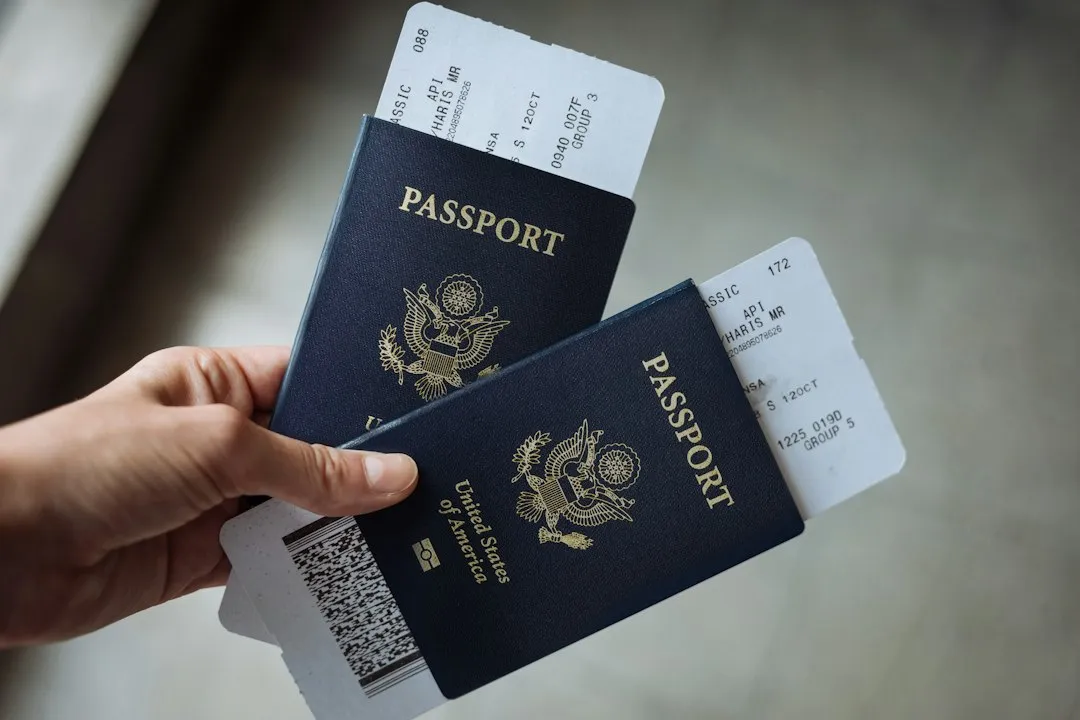
What makes pet travel paperwork so stressful isn’t that any single requirement is especially complicated. It’s that the requirements interact. The microchip date must predate the vaccine date. The vaccine must predate the titer test. The health certificate must fall within a specific window. The form must be submitted before the border queue, not while you’re in it.
A slim pet binder with the rabies certificate, CDC form receipt, microchip number, and a current vet contact phone number covers the essentials for most North American crossings. For longer international trips, the backbone is order-sensitive: microchip first, then rabies vaccination, then titer test if needed. Start that process months earlier than you think necessary. The border doesn’t care that you’re almost ready.
AI Disclaimer: This article was created with the assistance of AI tools and reviewed by a human editor.