
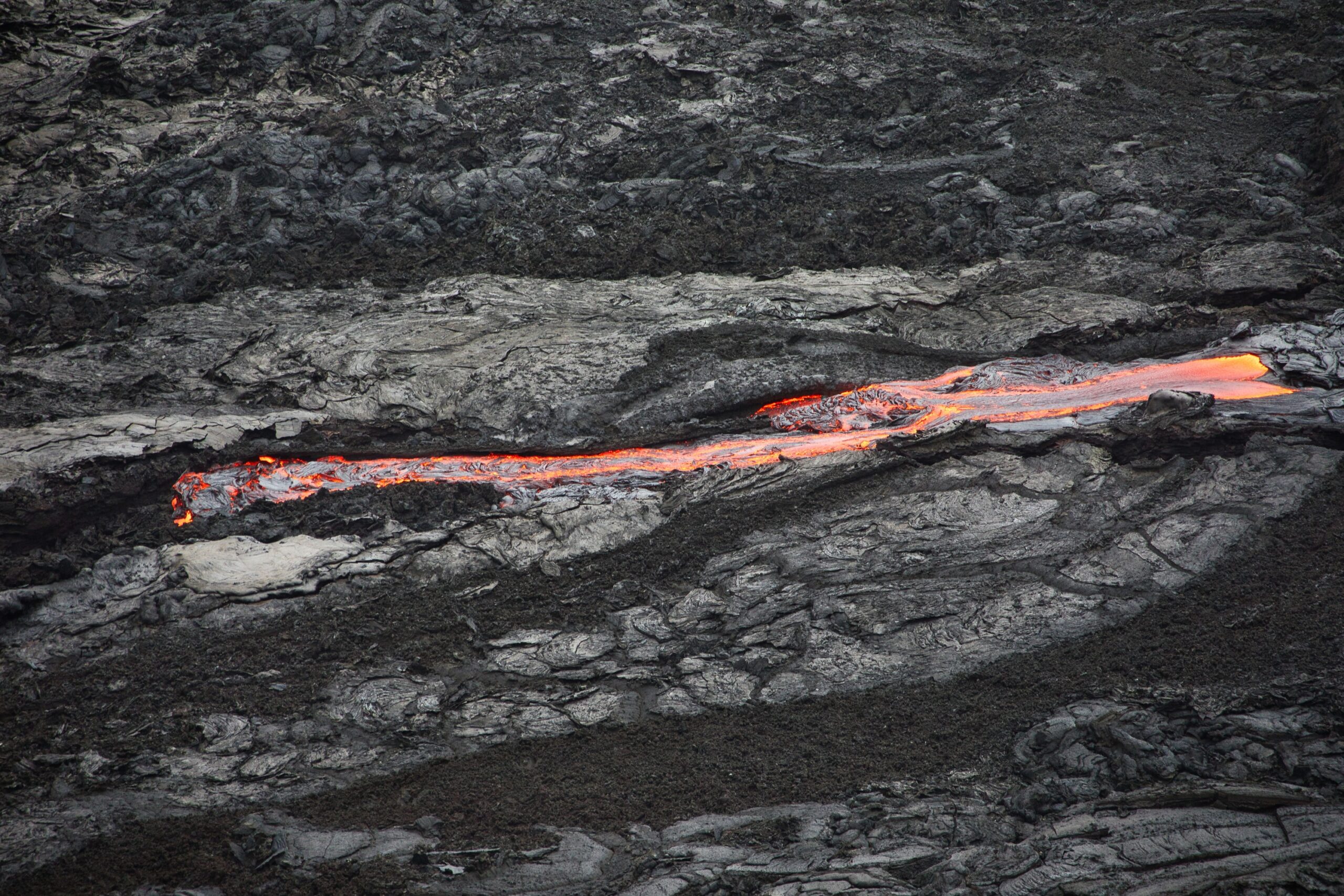

Walk across a solidified lava field on the Big Island and you’ll notice something immediately: not all lava looks, or feels, the same. One stretch might be smooth and almost sculptural, like cooled taffy. The next could be a chaotic jumble of razor-sharp rocks that would shred your boots and test your patience in equal measure. Hawaiians noticed this distinction long before any geologist arrived with a clipboard, and they gave each type a name that made perfect sense to anyone who’d spent time near an active volcano.
Those names, pāhoehoe and ‘a’ā, have since traveled far beyond the islands. Today they are used by volcanologists on every continent to describe lava flows wherever they occur. The story of how two Hawaiian words became universal scientific vocabulary is worth telling properly.
The Two Names That Stumped Scientists Worldwide
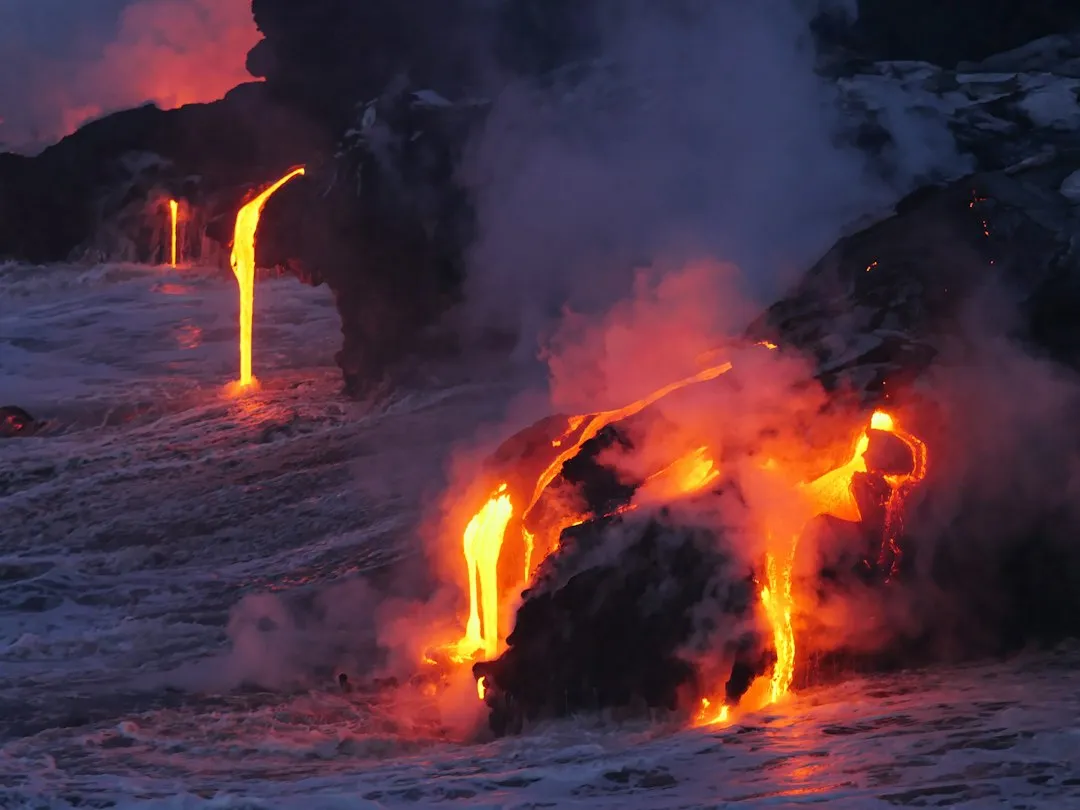
Pahoehoe and aa are the two main types of Hawaiian lava flows, and these two Hawaiian names, introduced into the scientific literature in the late 19th century, are now used by volcanologists worldwide to describe similar lava-flow types. That’s a remarkable journey for words rooted in a Polynesian language spoken on a chain of Pacific islands. There are two distinct types of hardened lava you’ll likely see in Hawaii, and these Hawaiian names have been adopted universally for describing the two main types of lava.
It’s not often that indigenous terminology overtakes the Latin and Greek conventions that dominate scientific naming. For lava, the Hawaiian words simply won out because they were already there, already precise, and already earned.
Pāhoehoe: What the Name Actually Means
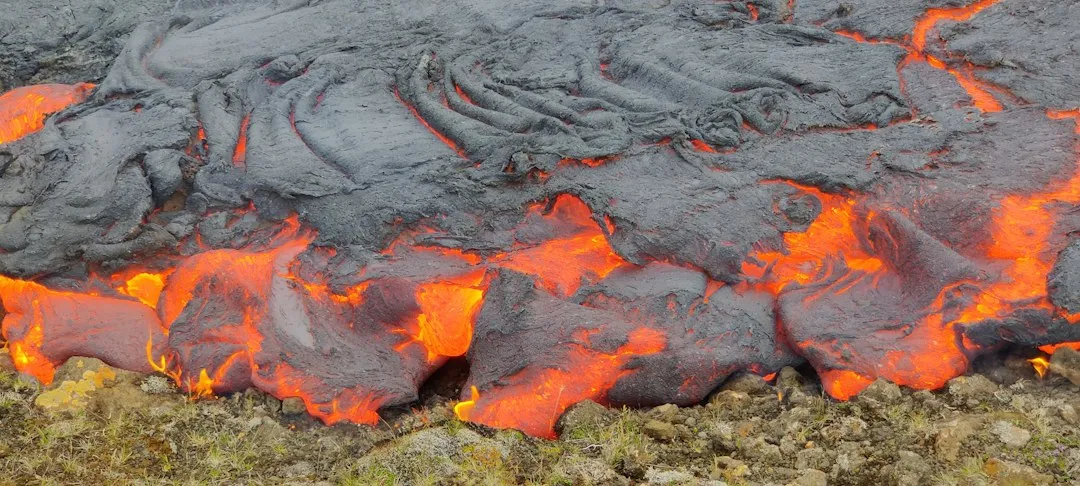
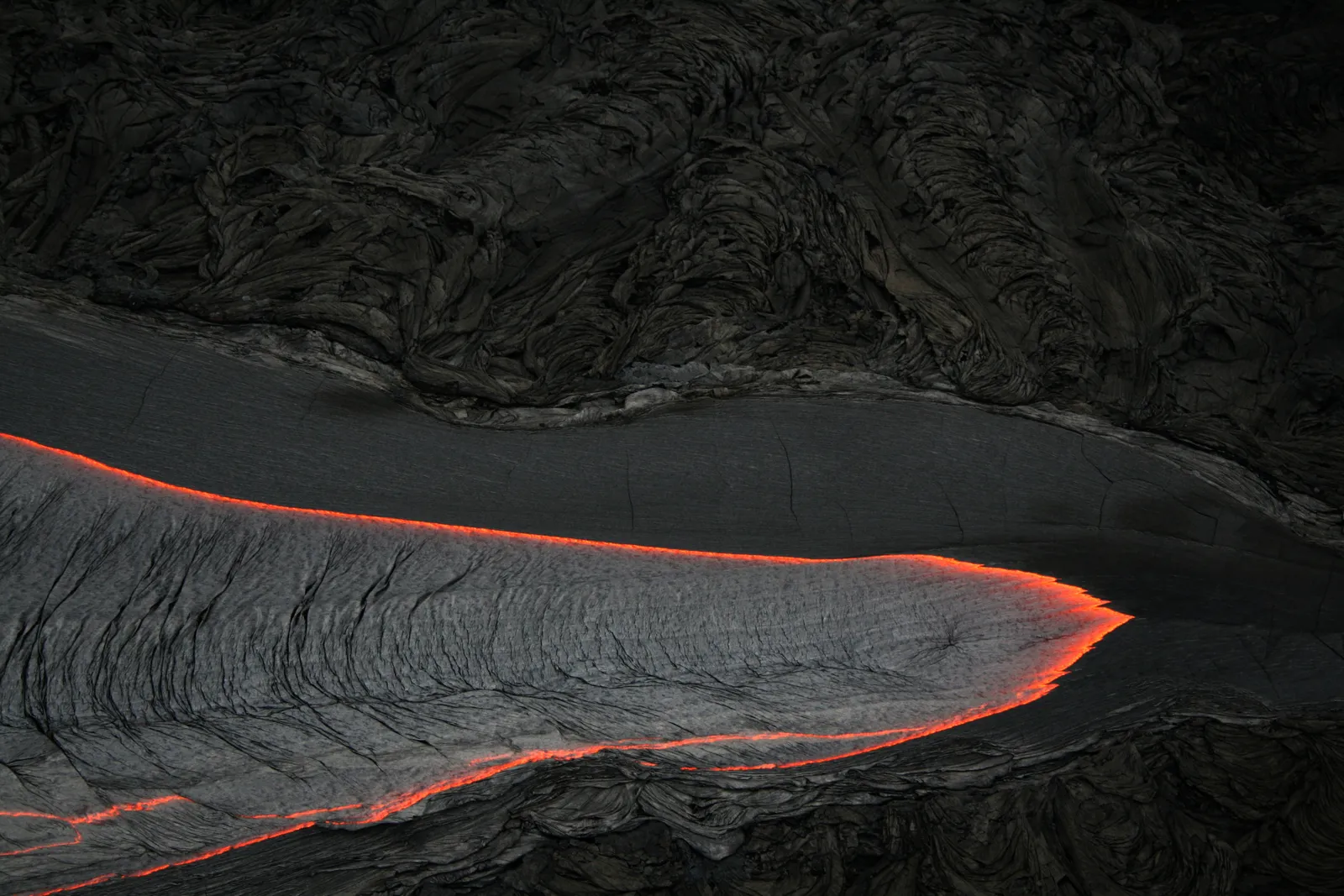
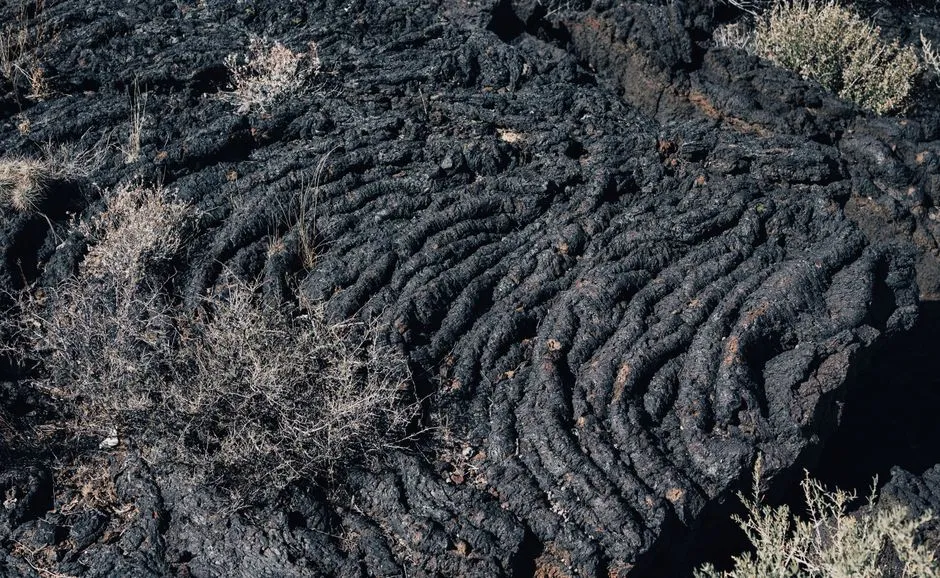
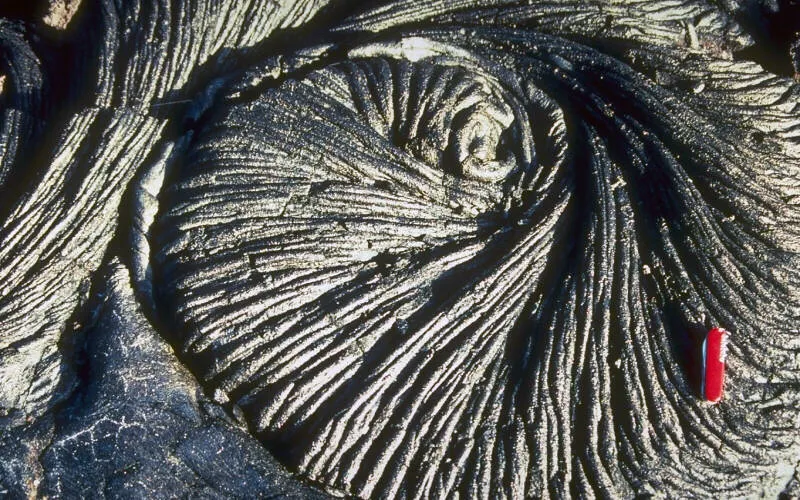
Pāhoehoe, from Hawaiian meaning “smooth, unbroken lava,” is basaltic lava that has a smooth, billowy, undulating, or ropy surface. The root of the word goes deeper than just texture, though. The etymology of pāhoehoe shows that it relates to the Hawaiian word “hoe,” meaning to paddle, and probably refers to the swirling eddies produced in water by paddle strokes that look similar to the ropy surfaces on pāhoehoe lava flows.
So the name essentially conjures the image of water being stirred by a canoe paddle. That’s a genuinely poetic way to describe something geological. The liquid lava flowing beneath a thin, still-plastic crust drags and wrinkles it into tapestry-like folds and rolls resembling twisted rope. When you see it in person, the paddling comparison clicks immediately.
‘A’ā: The Name That Tells You Everything You Need to Know
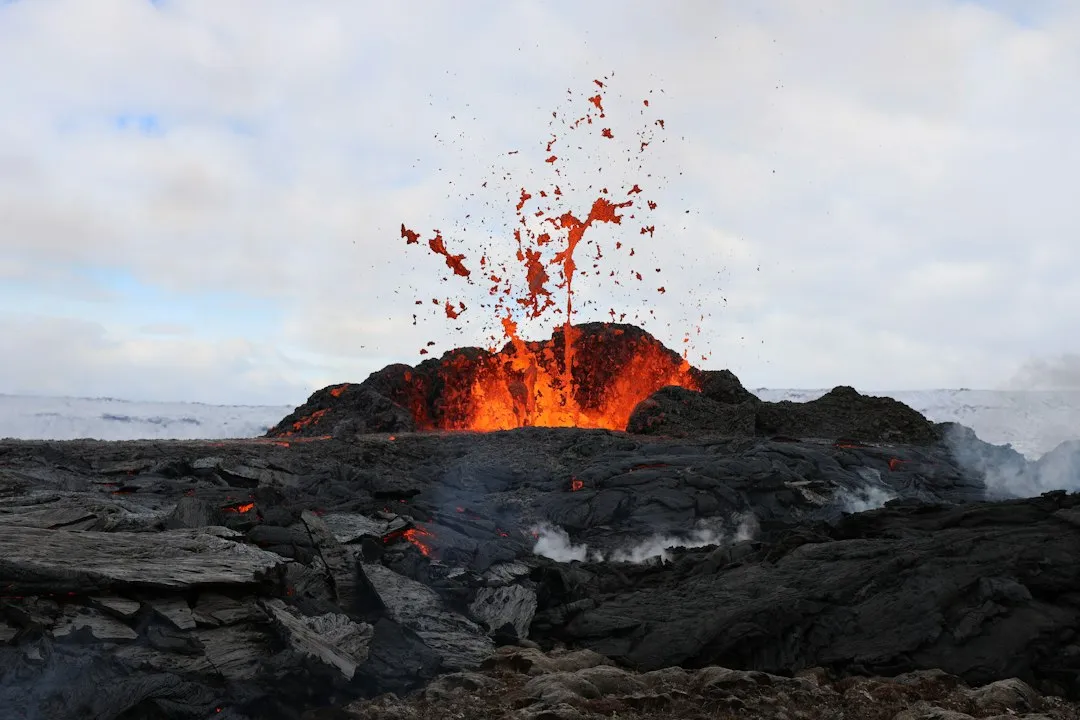
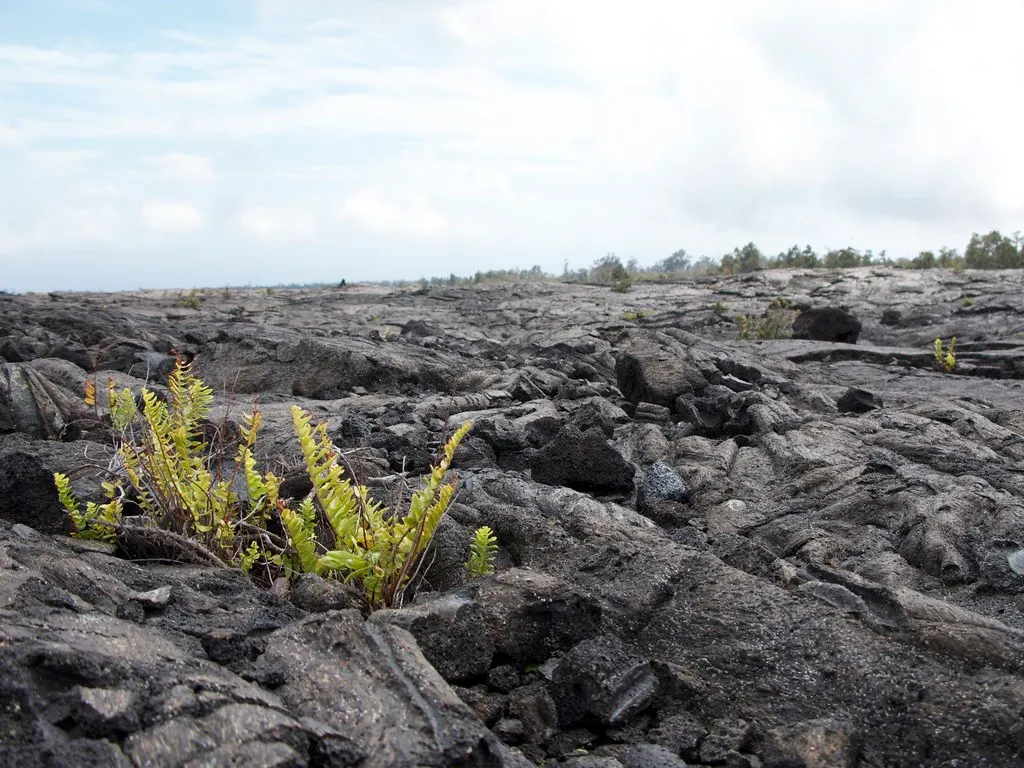
ʻAʻā is basaltic lava characterized by a rough or rubbly surface composed of broken lava blocks called clinker. The word is Hawaiian meaning “stony rough lava,” but also “to burn” or “blaze.” There is also a more colorful explanation for the name that has circulated for years. Aa is what a barefoot Hawaiian would say while walking on it.
It is believed that the name a’a came from the noises someone might make while walking over it in bare feet. Whether that explanation is strictly true or simply a vivid folk memory, it captures something real about the experience. ‘A’ā lava is not a surface you’d cross lightly. ʻAʻā lava flows have irregular rough surfaces made of jagged, spiny, and rough clasts of lava called clinkers.
The Man Who Gave the Words to Science
As head of the division of volcanic geology at the USGS, Clarence Dutton studied volcanism in Hawaii, California, and Oregon, and his studies of basaltic lava flows in Hawaii led him to introduce the native Hawaiian language terms “ʻaʻā” and “pāhoehoe” for cool, clinkery lava flows and smooth, billowy lava flows respectively. Dutton was already a respected figure in American geology, known for his work on the Grand Canyon and the Colorado Plateau. Clarence E. Dutton was the first to use the term pahoehoe in 1882, using it to describe the shiny, swirly, ropey, or bulbous characteristic of hot, low-viscosity lava flow, especially basaltic lava common in Hawaii.
Worldwide use by geologists of the terms pahoehoe and aa dates from Dutton’s 1884 report. He recognized that the Hawaiians already had the best possible names for what he was observing, and he was wise enough not to replace them with something Latin. That decision echoes through every volcanology textbook written since.
Same Chemistry, Completely Different Character
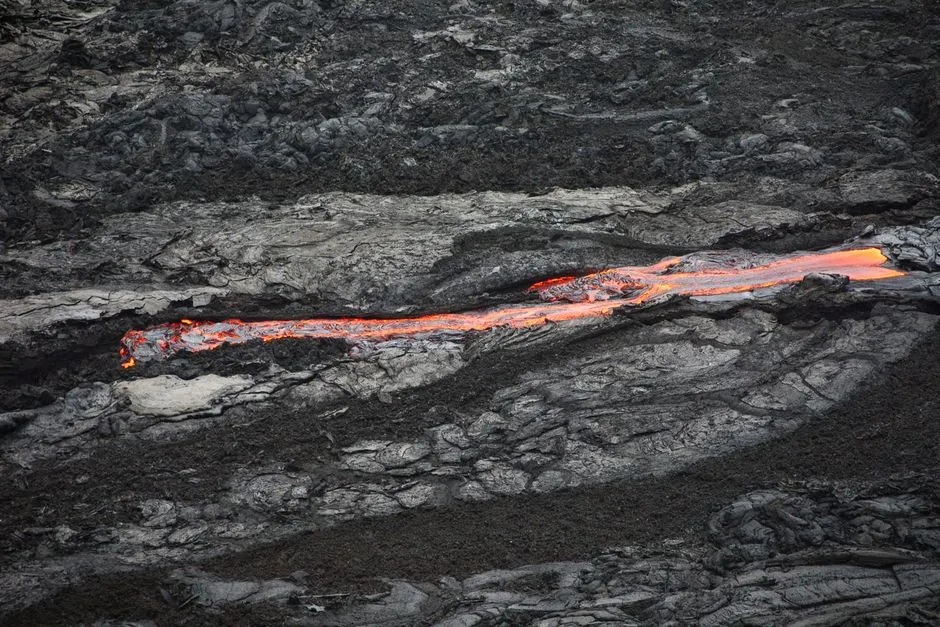
One of the most surprising facts about these two lava types is that they’re essentially the same material. People often ask if there is a compositional difference between aa and pahoehoe lava. There is no systematic chemical difference between aa and pahoehoe lava. Lavas with identical compositions can form both aa and pahoehoe. What separates them is how they behave while moving, not what they’re made of.
Pāhoehoe and ‘a’ā lava flows do not differ in composition in any significant way, but there are important differences between them in terms of temperature, viscosity, and other characteristics. Analyses of congealed fragments of the two types of lava from the same flow show them to be essentially identical in chemical composition. The difference between them seems to result largely from the state of the enclosed gas at the time the lava froze to immobility.
Speed and Flow Rate: The Real Deciding Factor
The historical records of Kilauea and Mauna Loa volcanoes reveal that the rough-surfaced variety of basalt lava called aa forms when lava flows at a high volumetric rate, and the smooth-surfaced variety called pahoehoe forms at a low volumetric rate. Think of it like stirring honey versus pouring it slowly from a spoon. The faster and more turbulent the flow, the more chaotic the result.
Pahoehoe typically advances slowly, often ten times slower than an average aa flow, but it remains hot and dangerous. ʻAʻā lavas travel either as sheets or in lava channels between levees and move at rates that are more rapid than pāhoehoe. ʻAʻā is the most common type of lava flow and is more common than pāhoehoe. The quiet, creeping nature of pahoehoe is deceptive. It doesn’t look threatening, but it will engulf everything in its path just as surely.
Pāhoehoe Can Become ‘A’ā, but Not the Other Way Around
Some flows issue from the vent as pahoehoe and change to aa as they are stirred, cooled, lose gas, and increase in crystallization. Lava does not convert from aa to pahoehoe. This one-way transformation is one of the more fascinating rules of volcanic geology. Pahoehoe lava has a greater tendency to flow, and as it continues downslope, stirring, mixing, and losing volatile gases, the lava becomes more viscous and tends to change to aa.
The transition from pahoehoe to aa reflects increasing shear stress and loss of gas within the lava. Once that transition happens, it’s permanent. As lava flows away from the vent, it may undergo heat loss, oxidation, degassing, or loss of volatiles, increasing viscosity. An increase in viscosity reduces velocity and results in the formation of aa. The skin cannot heal as fast as it breaks since the lava is thicker.
Lava Tubes: Pāhoehoe’s Hidden Superpower
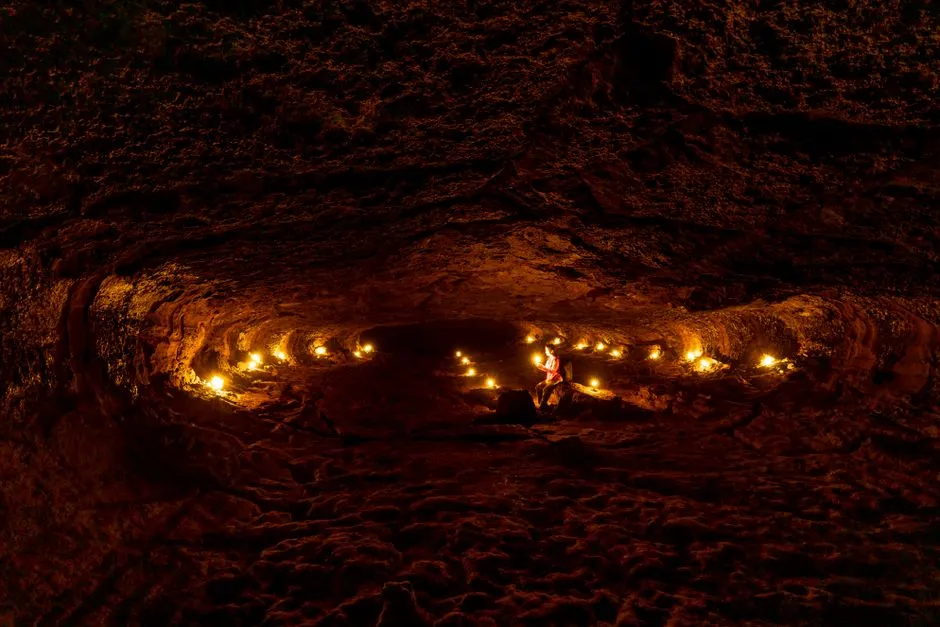
Pāhoehoe flows may travel as sheets, in lava channels, and in lava tubes. Lava tubes form where the cooled and solidified crust of the lava flow insulates the interior of the flow, allowing molten lava to flow within it. These tubes are one of pāhoehoe’s most remarkable features. They act like natural insulation, keeping lava hot and mobile across incredible distances. Once a crust has formed on pahoehoe, lava tubes below continue to move the remaining liquid for long periods of time.
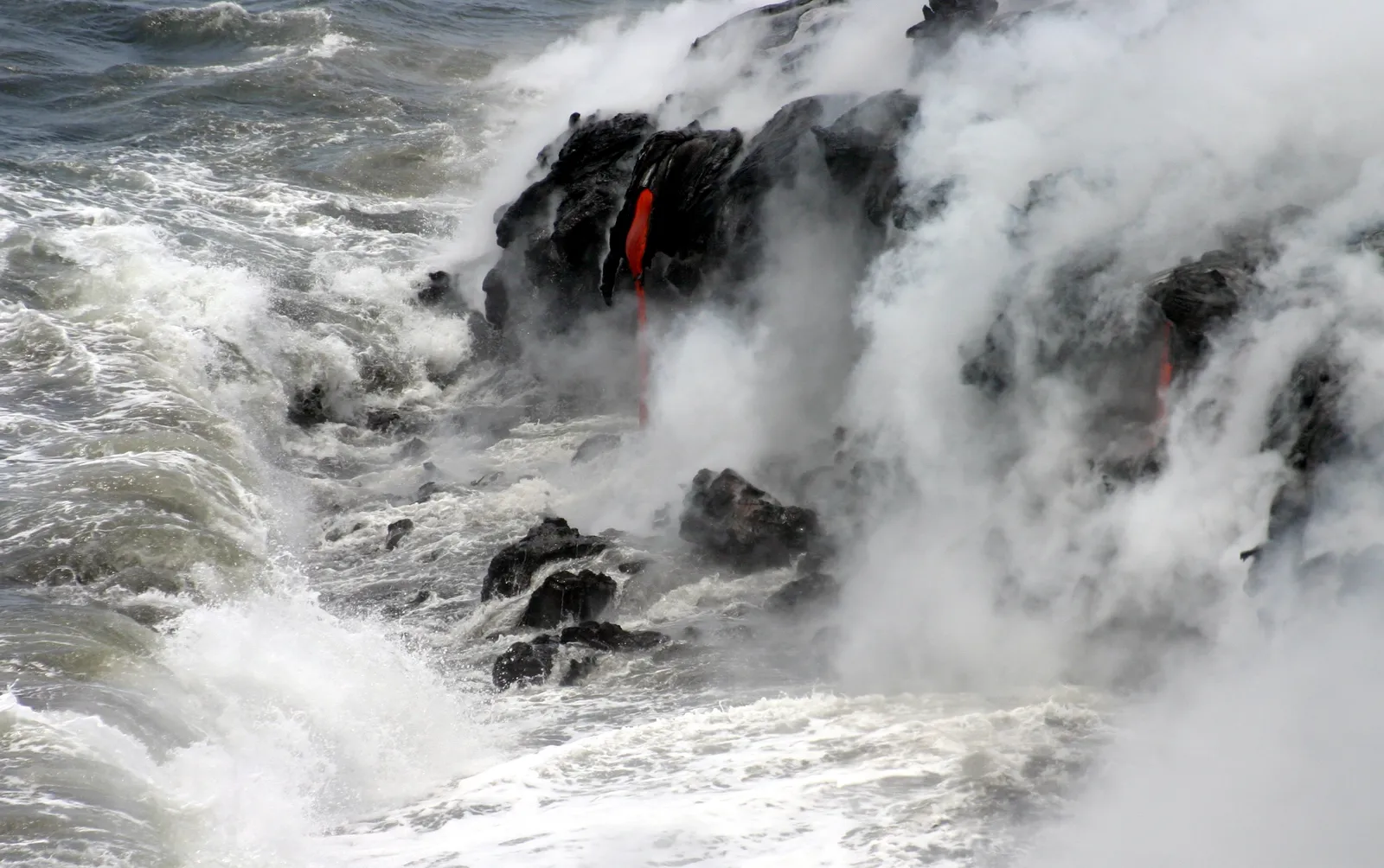
The most famous examples occur on the Big Island of Hawaii, where pahoehoe flows constantly reshape the coastal landscape. Some of these tubes extend for miles, allowing lava to reach the ocean long after the surface has appeared to cool and stop. It’s one reason the Hawaiian coastline continues to grow, acre by acre, year by year.
The Cultural Weight Behind the Words
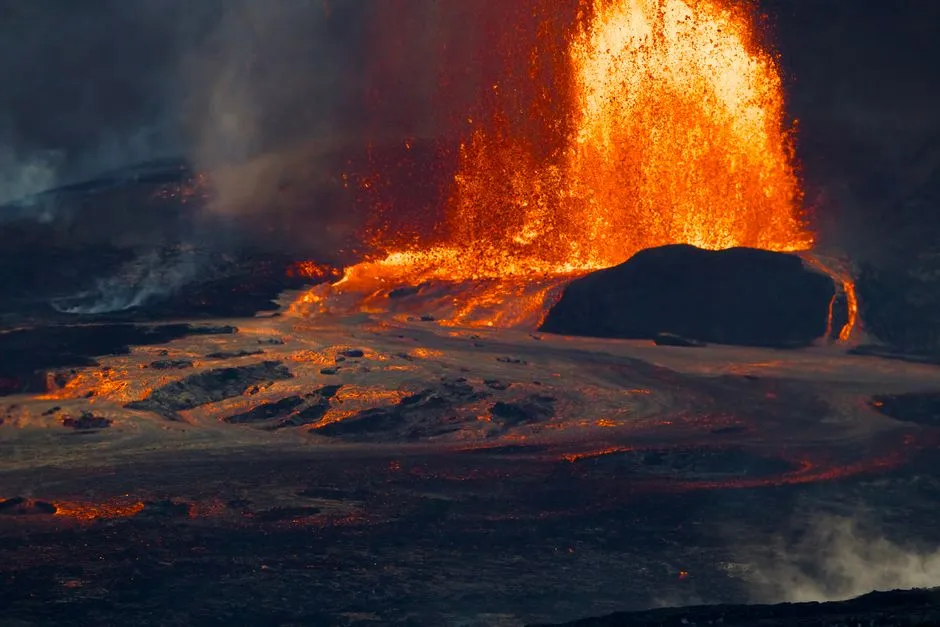
Lava isn’t just a geological phenomenon in Hawaiʻi. In Hawaiian moʻolelo (stories), both ‘a’ā lava and pāhoehoe lava are considered physical manifestations of Pele, the goddess of fire, volcanoes, and transformation. The language used to describe these lava types was never purely practical. It carried spiritual meaning long before it carried scientific meaning. Pele’s spirit is said to live within the lava, with ‘a’ā lava representing her fierce, destructive side and pāhoehoe lava reflecting her creative, life-giving energy.
When geologists borrowed these names, they borrowed more than vocabulary. They inherited a worldview in which the land is alive and its behavior deserves to be named with care. That framing, it turns out, is not so different from how modern volcanologists actually talk about these flows: as dynamic, living systems rather than static rock.
How the Names Spread Around the World
Two words have entered English from Hawaiian that are used by scientists in naming different kinds of lava flows. Today those words appear in geological field reports from Iceland, the Canary Islands, the Galápagos, and beyond. Pahoehoe refers to lava with a smooth, shiny, or swirled surface and comes from the Hawaiian verb “hoe,” meaning “to paddle.” The other, aa, refers to lava having a rough surface and comes from the Hawaiian word meaning “to burn.”
No other indigenous language has contributed this directly to global scientific terminology for volcanic geology. The fact that both words remain unchanged, unlatinized, and unabbreviated in scientific literature is quietly remarkable. It’s a form of linguistic respect that the scientific community didn’t always extend to indigenous knowledge, which makes this case all the more worth noting.
What These Names Tell Us About Hawaiian Observation
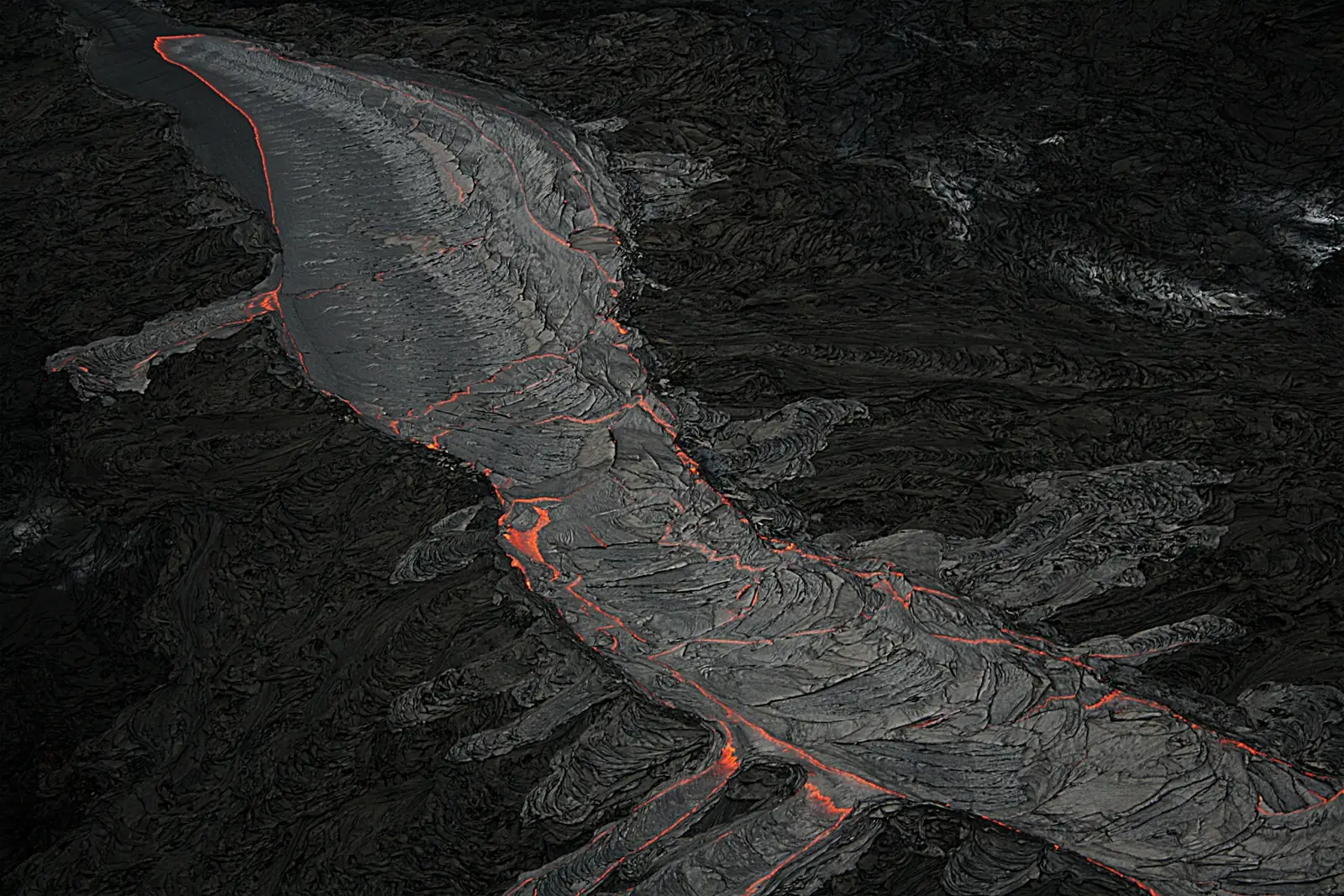
Molten lava can solidify in a variety of ways depending on eruption conditions and gas content of the erupting magma. Lava flows form more than 99 percent of the above-sea parts of Hawaiian volcanoes. Generations of Hawaiians lived alongside this reality. They watched lava move, they crossed it, farmed near it, and built their world around it. The precision of the naming reflects that intimacy.
The surface texture of pahoehoe flows varies widely, displaying all kinds of bizarre shapes often referred to as lava sculpture. Giving a name to something you live with is an act of both understanding and respect. The Hawaiian names for these two lava types were never casual. They were the result of careful, sustained observation of an island built entirely by volcanic fire, and they were precise enough that modern science never needed to replace them.
The Takeaway
Pāhoehoe and ‘a’ā may look like unusual spellings on a trail map or a science textbook, but behind each name sits centuries of lived knowledge. One evokes a paddler’s stroke in still water. The other, depending on who you ask, evokes the involuntary sound someone makes crossing a jagged field of broken rock in bare feet. Both are accurate. Both are vivid. Both are, in their own way, quietly perfect.
That two words from a Pacific island language now anchor the global vocabulary of volcanology says something worth sitting with. The best names for things are usually the ones given by people who knew them first. Hawaii got there long before the textbooks did.
AI Disclaimer: This article was created with the assistance of AI tools and reviewed by a human editor.