
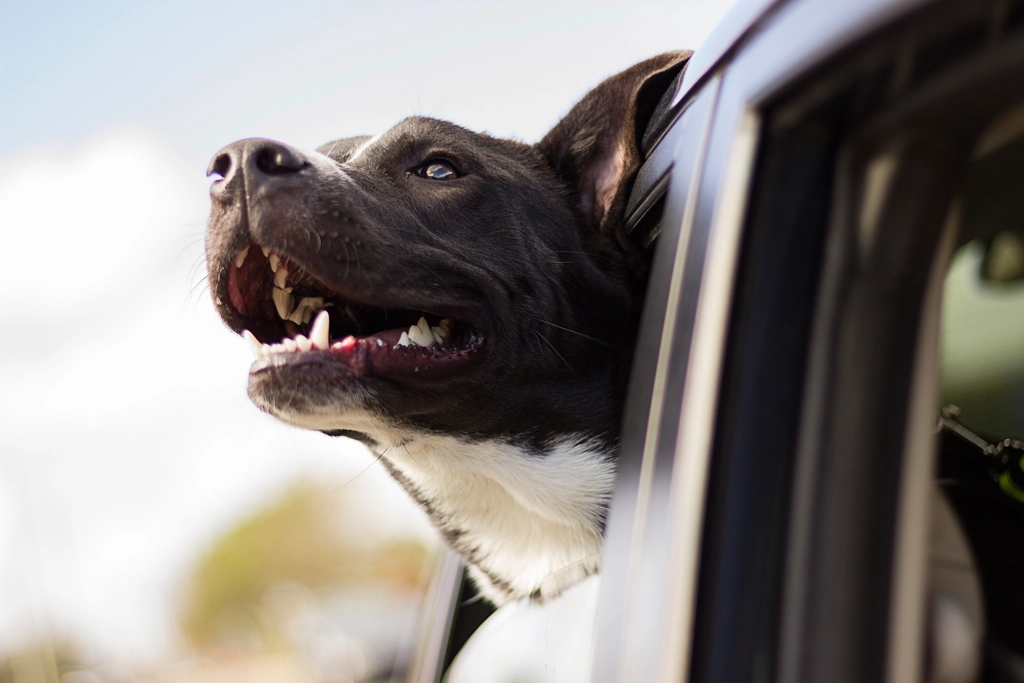

Car rides can feel like a small crisis for a surprising number of dogs. The shaking, the drooling, the frantic pacing from window to window – none of it is drama for drama’s sake. It’s a genuine stress response, and research confirms it’s far more common than most owners realize.
The good news is that one consistent habit, practiced before the engine ever turns over, has emerged as a cornerstone of calmer travel: proper crate conditioning. Dog trainers have been recommending it for years, and the science is finally catching up to explain why it works so well.
The Scale of the Problem Is Bigger Than You Think
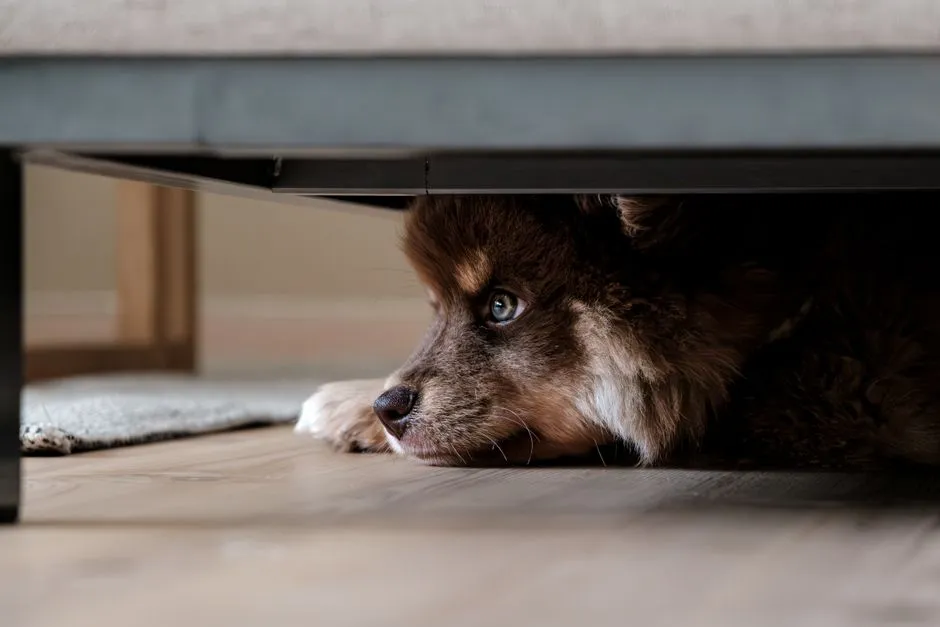
Research indicates that roughly 24 to 28 percent of dogs respond negatively to car transportation. That’s nearly one in four dogs. Studies report that one in four dogs suffers from travel-related problems and commonly displays behaviors including trembling, panting, shaking, hypersalivating, self-licking, and barking or whining.
Car ride anxiety can result in significant stress for owners, including concerns about their pet’s welfare and disruptive behaviors that are unsettling to passengers and distracting to drivers, posing a potential safety risk to everyone in the vehicle. The ripple effect matters. A stressed dog makes a stressed driver, and that combination is genuinely dangerous.
What the Body Data Actually Shows
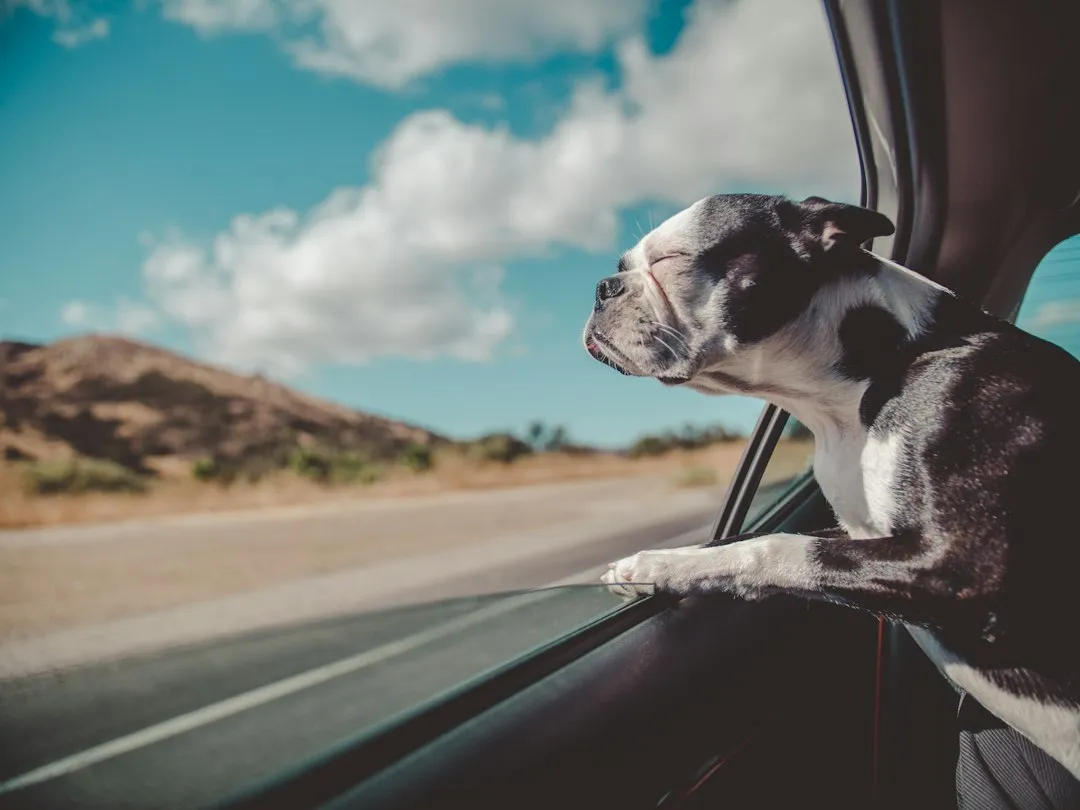
Research published in Frontiers in Veterinary Science found that car travel is one of the most consistently stress-inducing scenarios for dogs, producing measurable physiological responses including elevated cortisol, increased heart rate, and behavioral distress. These aren’t subjective observations – they’re measurable biological signals.
In one study, heart rate during the first five minutes of travel increased by 49 beats per minute over pre-travel baselines, and all 36 dogs selected for the study showed post-travel cortisol responses exceeding established stress response thresholds. Studies examining canine stress have described cortisol levels increasing and heart rate variability lowering in response to a perceived negative stimulus, with behaviors such as lip licking, hypersalivation, barking, and restlessness occurring more frequently during car travel.
The Core Habit: Crate Conditioning Before the Car
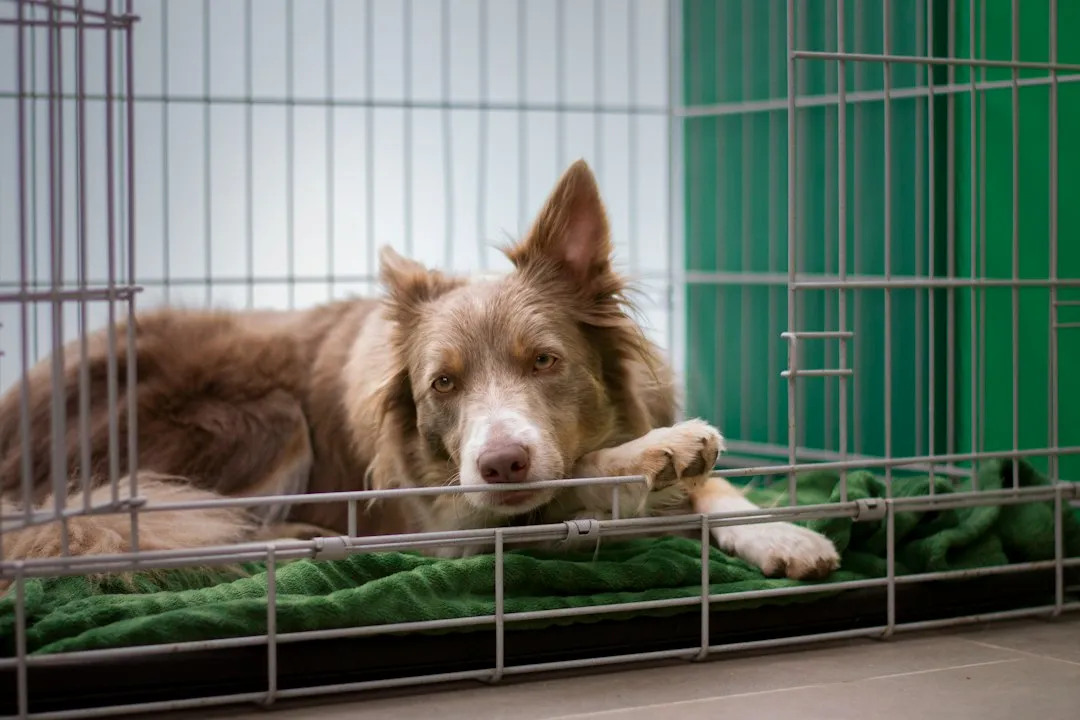
A secure, size-appropriate crate is the gold standard for car safety and comfort. The critical word there is “appropriate.” Trainers aren’t just recommending you throw a crate in the back of the car – they’re pointing to a specific habit of conditioning the dog to love the crate at home, long before any drive begins.
Because dogs should always be safely restrained in a moving vehicle, the travel setup itself must be part of the training process. Whether using a crate or a car harness attached to a seat belt, helping a dog become comfortable with that equipment before taking a drive is essential. The crate should never be a surprise. It should feel like a familiar room.
Why the Crate Creates a Sense of Safety
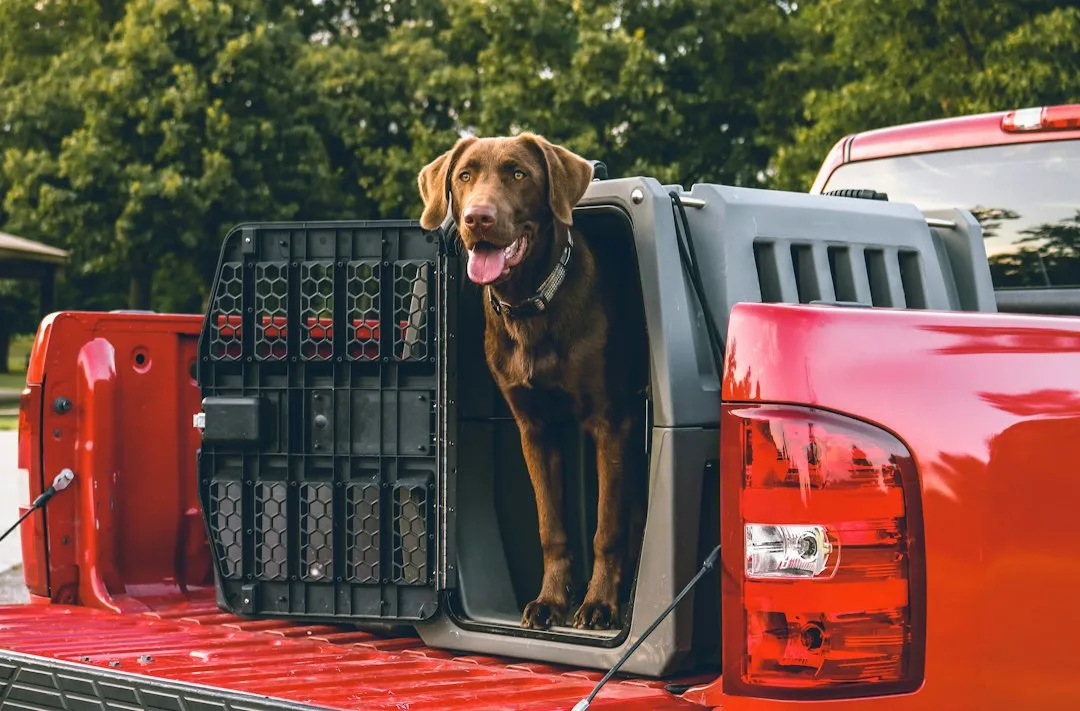
A dog crate for car travel can reduce visual motion and provide predictable boundaries if confinement lowers arousal. This is a key insight that trainers frequently emphasize. For many dogs, being able to see the world rushing past in every direction is part of what triggers panic. The crate limits that input.
A “crate-savvy” dog is a safer traveler. By generalizing the crate experience to the vehicle, owners provide a mobile sanctuary that reduces travel-induced nausea and stress. Think of it less like a cage and more like a den on wheels – a small, familiar space that the dog has already decided is safe.
The Right Crate Size Makes or Breaks the Habit
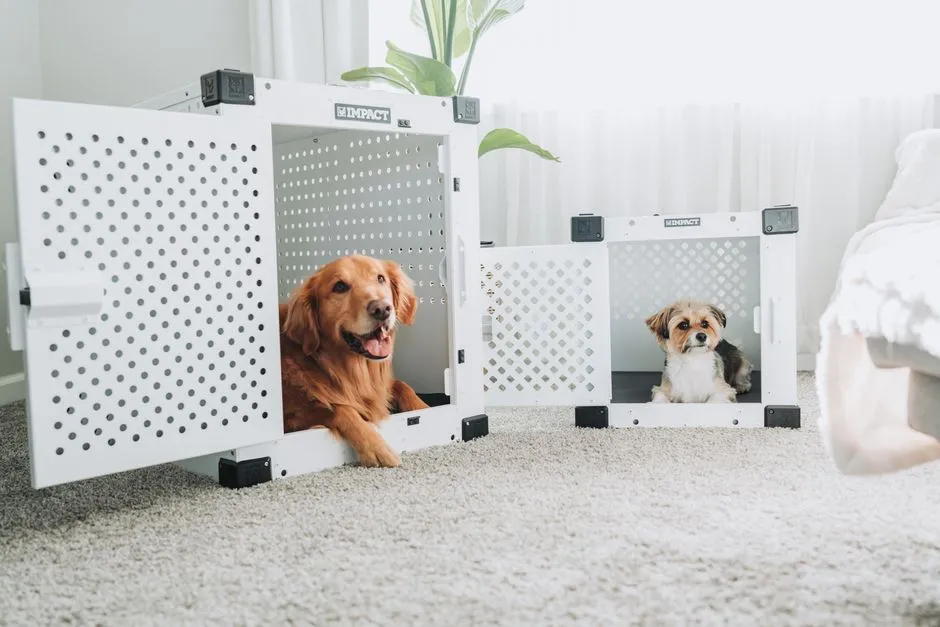
Crate sizing, placement, and ventilation all matter. Choose a crate that allows the dog to stand, turn, and lie comfortably, with roughly 2 to 4 inches of head clearance. A crate that’s too large gives the dog room to slide around during turns and braking, which actually increases anxiety. One that’s too small becomes a source of physical discomfort.
For small dog crates, placement on the floor of the middle seat is recommended. Stability reduces the sensation of movement, which in turn lowers the stress response. Even something as simple as crate placement can shift the experience meaningfully.
Start Stationary: The Parked Car Protocol
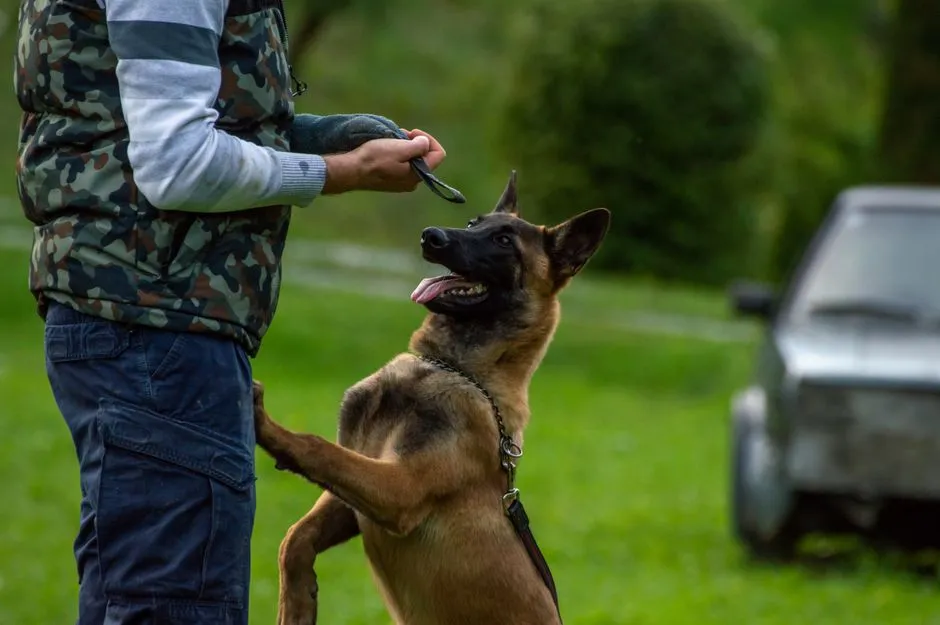
Days one through three of a desensitization protocol should involve five to ten minute sessions in a stationary car with doors open for airflow. No engine. No movement. Just the dog, the crate, and something they already love inside it. This is where the habit actually begins – not on the highway.
The process begins by creating a positive association with the parked car, letting the dog explore the vehicle while it’s stationary with all doors open, spending time with them near and inside the car without going anywhere, and offering treats and praise when they approach calmly or sit quietly inside. Patience here pays dividends later. Initial drives should be kept under five minutes, gradually increasing duration as the dog shows signs of comfort.
Desensitization and Counter-Conditioning Work Together
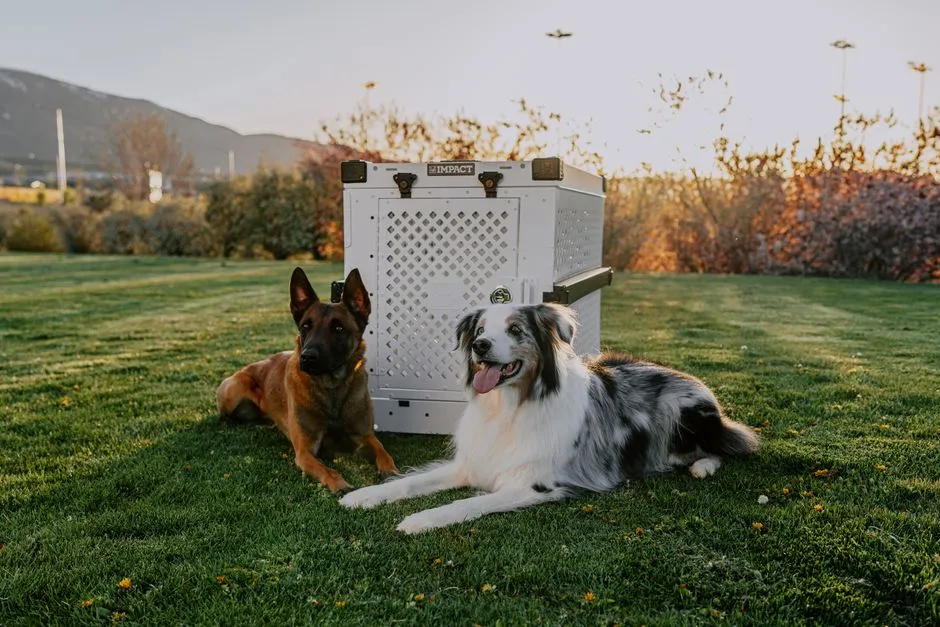
Although it’s easiest to prevent car problems in new puppies, dogs of any age can learn to view the car more positively through desensitization and counter-conditioning. These two techniques work in tandem. Desensitization lowers the dog’s reaction to the trigger; counter-conditioning replaces the fearful association with a positive one.
Behavioral programs using gradual exposure and positive pairing are widely recommended for anxiety contexts, including car travel. Placing treats and toys inside the crate to create a positive association, and gradually increasing crate time while rewarding calm behavior, are key steps to successful crate training. The dog isn’t just tolerating the crate – they’re learning to seek it out.
Consistency at Home Transfers to the Road
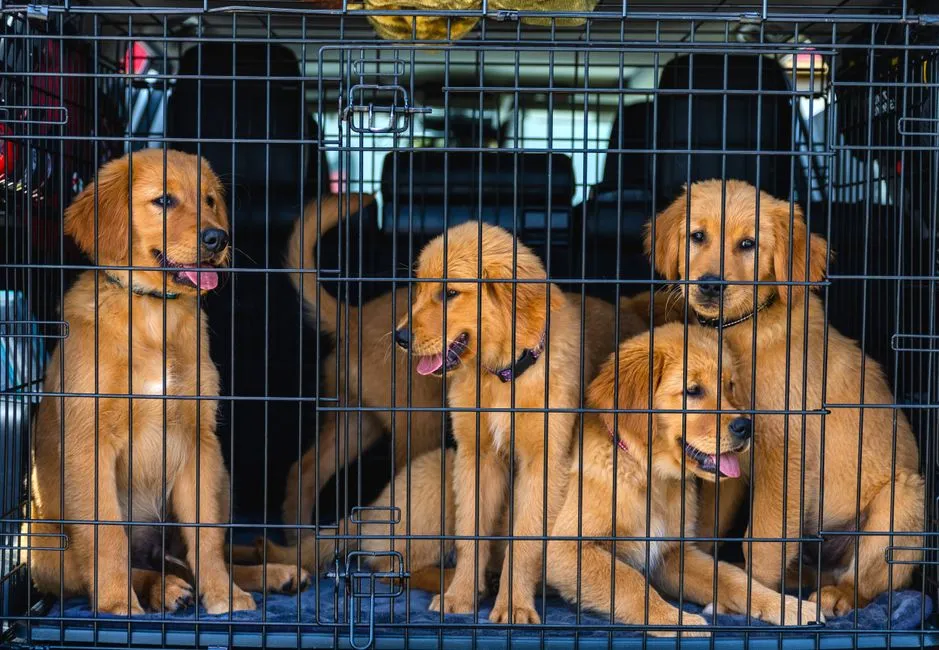
If you’re doing crate training, keep doing the same things at home while on the go, and bring familiar items like your dog’s towel or blanket. Routine is a powerful calming signal for dogs. When the crate smells familiar and the bedding is the same one they nap on at home, the car environment feels less foreign and threatening.
Transport stress appears modifiable with training and thoughtful planning. This is an important framing. It’s not just about gear or supplements – structured preparation changes how a dog physically and emotionally experiences the ride. A tired dog is more likely to accept the crate as a restorative space, reinforcing the habit of resting calmly. A good walk before a trip is never wasted.
What the Behavioral Data Shows After Seven Weeks
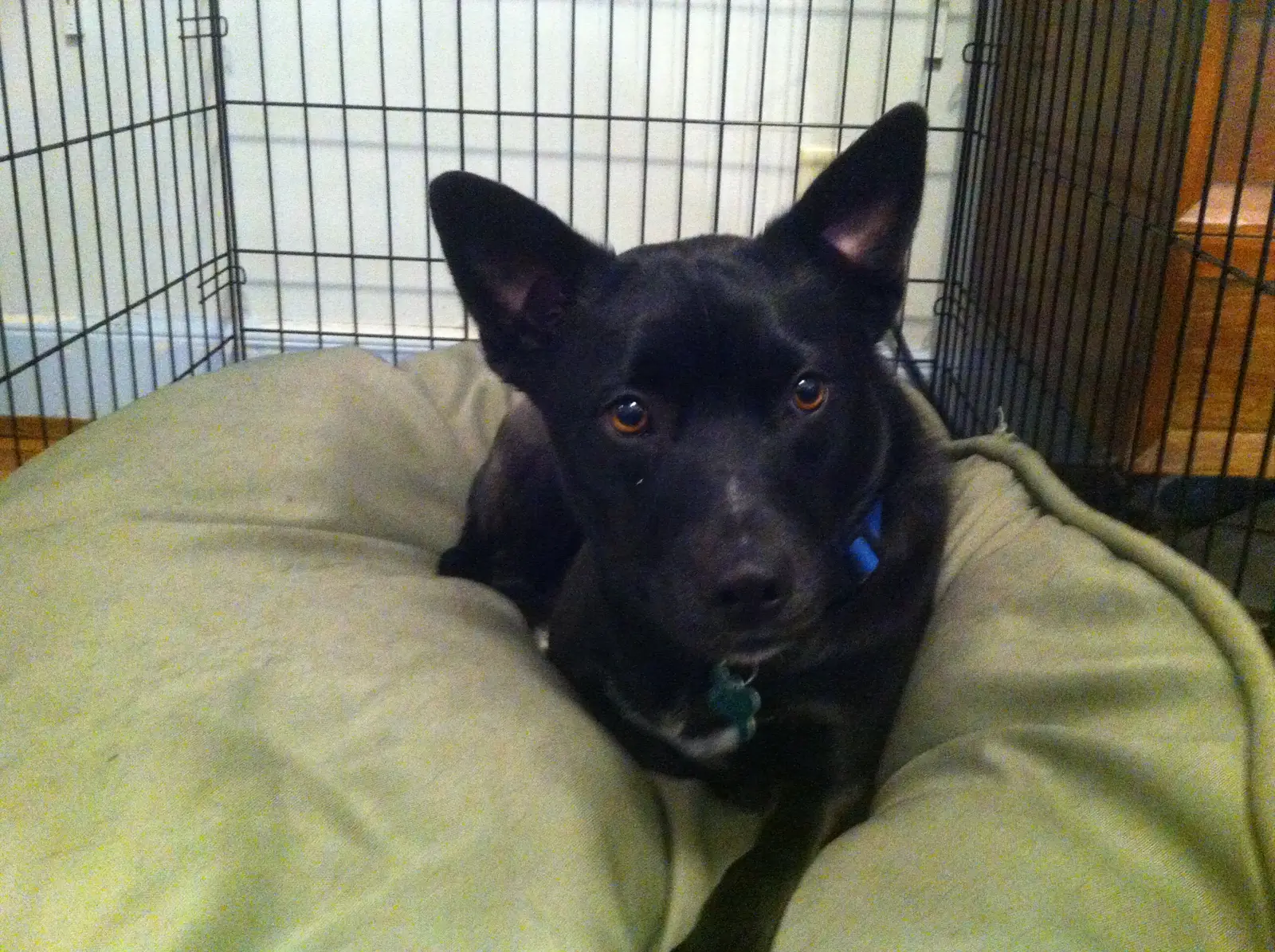
Across 349 dogs in a behavioral study using smart-collar data, three anxiety indicators declined substantially over the first seven weeks of crate adoption, with barking down by roughly half, scratching down by more than half, and stress licking down by more than a third. These reductions were tracked across a high-anxiety cohort, making the results particularly notable.
The reductions described were observed among dogs with elevated baseline anxiety signals, and importantly, the data reflects a correlation observed among dogs using the crates – not a demonstration that the crate alone caused the change. That honest caveat matters. The crate is a tool, not a miracle. It works best as part of a consistent training approach.
End Every Ride on a Good Note
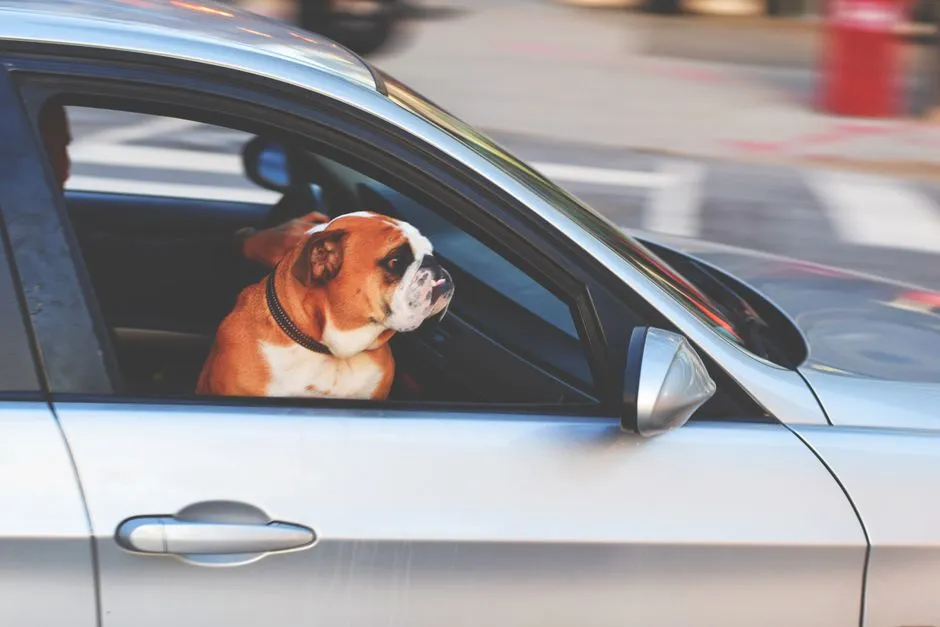
Making sure the vast majority of car rides end in something the dog loves is a core principle of desensitization training. The vet clinic can’t always be avoided, but trainers recommend balancing necessary trips with intentional trips to places a dog genuinely enjoys – a park, a trail, a friend’s yard. Choosing destinations they enjoy, like a dog park or a friend’s house, reinforces that car rides lead to fun experiences.
Short car trips to enjoyable places help associate the travel crate with positive outcomes. Over time, this shifts what the crate and the car predict. Instead of signaling something stressful, they begin to signal adventure. That shift doesn’t happen overnight, but with steady repetition, it does happen.
When to Involve a Veterinarian
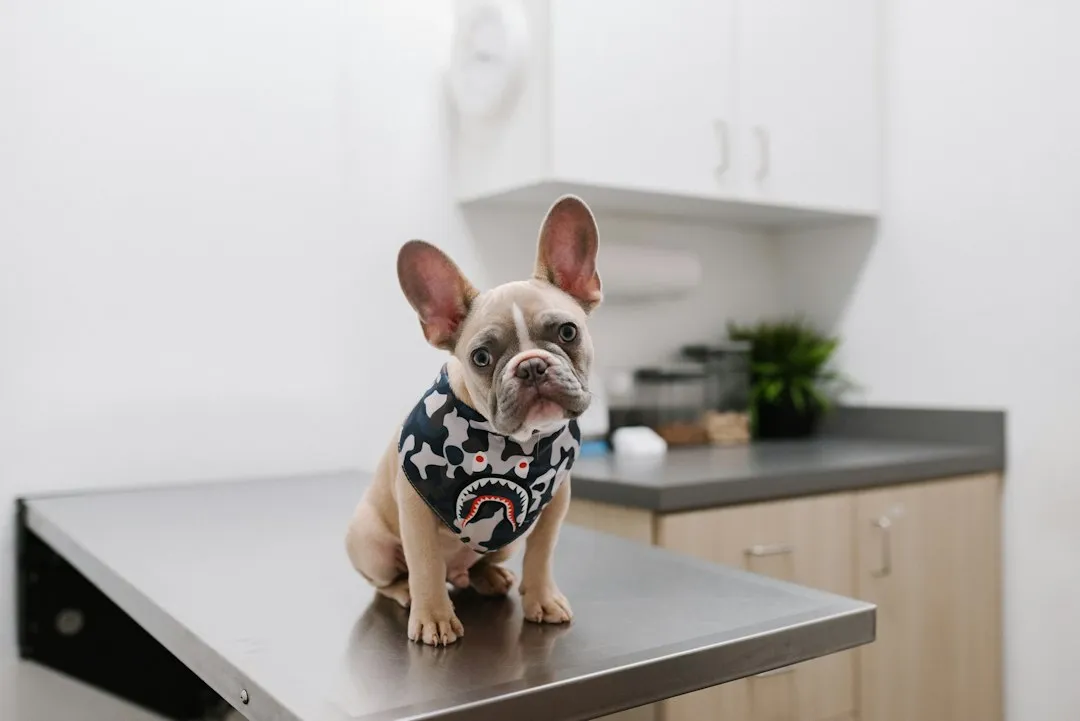
If a dog suffers from severe vestibular nausea or reaches extreme panic, training alone cannot fix the issue. Some dogs need veterinary support alongside behavioral work. Reviews of canine anxiety note that targeted plans and structured management often improve outcomes when tailored to the dog’s specific triggers and environment.
Transport research highlights welfare risks from inadequate restraint and poor planning, suggesting that training and secure containment improve both comfort and safety. A vet can also help rule out motion sickness as a primary driver. Dogs may dislike car rides because of motion sickness, anxiety, negative experiences, or unpleasant destinations – and each cause calls for a slightly different solution.
The Takeaway
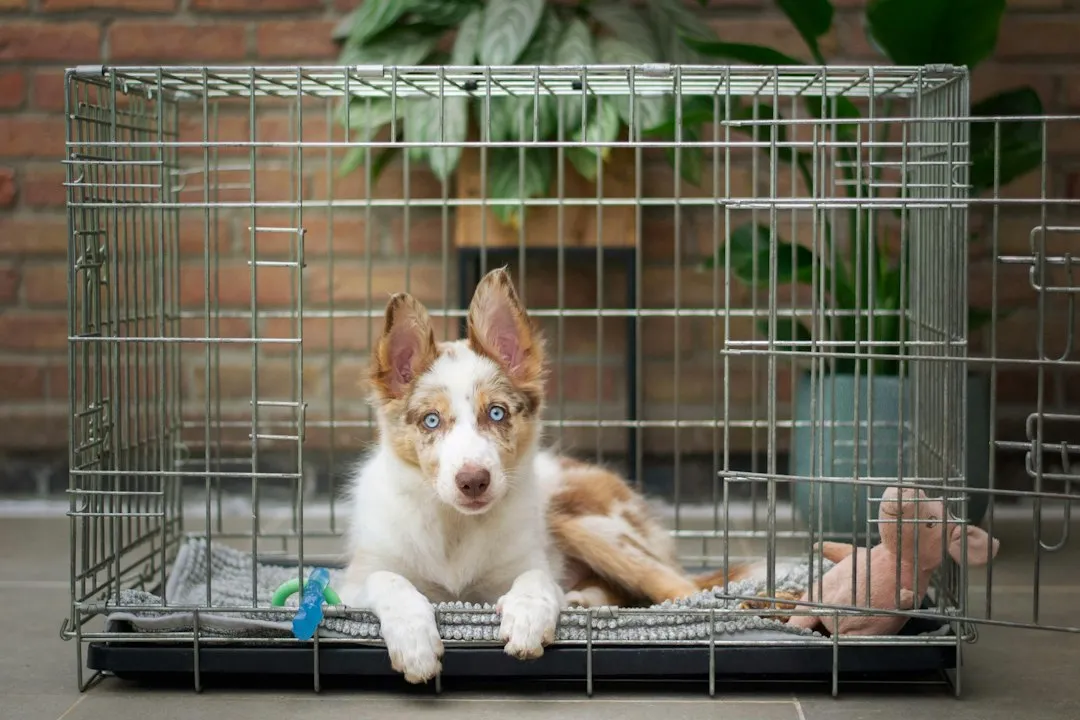
The crate habit that makes car rides calmer isn’t complicated. It’s patient, it’s consistent, and it starts on the couch at home – not in a moving vehicle. Build the crate into daily life first, then bring that familiar safety into the car.
Dogs don’t need more trips to get better at car travel. They need better preparation before those trips. The trainers who’ve been saying this for years, and the researchers who’ve now measured it in cortisol and heart rate data, are pointing in the same direction. Give the crate meaning at home, and it carries that meaning wherever you go.
AI Disclaimer: This article was created with the assistance of AI tools and reviewed by a human editor.