
The Scale of the Problem Is Larger Than You’d Imagine

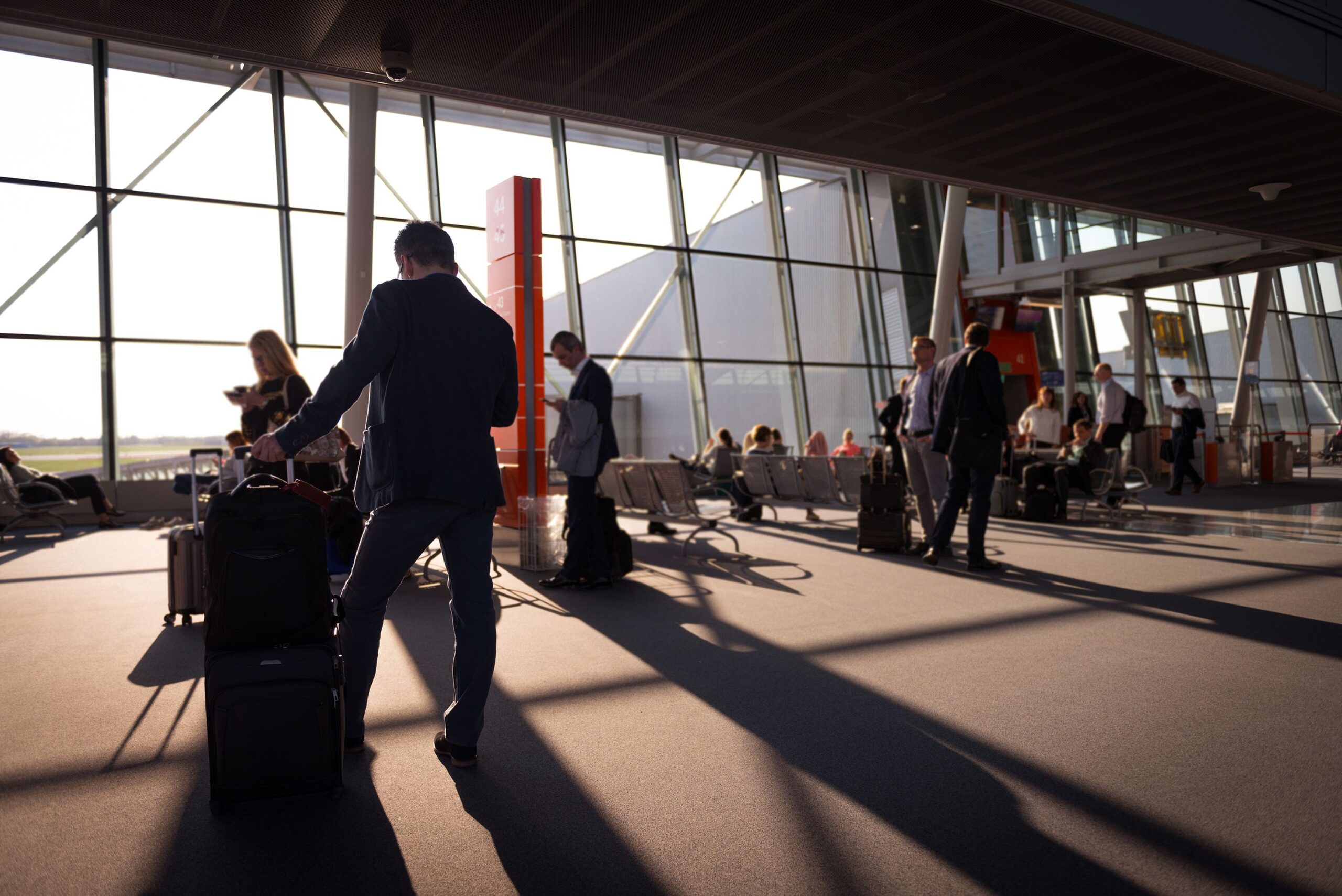
Globally, 33.4 million bags were mishandled by airlines in 2024, at a rate of 6.3 per every 1,000 passengers. To put that in perspective, that’s roughly the population of a mid-sized country worth of bags going astray every single year.
In August 2024 alone, federal statistics showed airlines in the U.S. mishandled more than 260,000 bags. Holiday travel windows make things considerably worse. Quarter four of 2024, notably the Christmas period, saw as many as 2,953 lost luggage cases opened monthly.
The encouraging news is that mishandled baggage, including lost, delayed, diverted, or damaged items, dropped by 7.6% industry-wide in 2024 compared to 2023. The trend is heading in the right direction, even if millions of bags are still going astray each year.
Most Bags Aren’t Really “Lost” – They’re Just Late
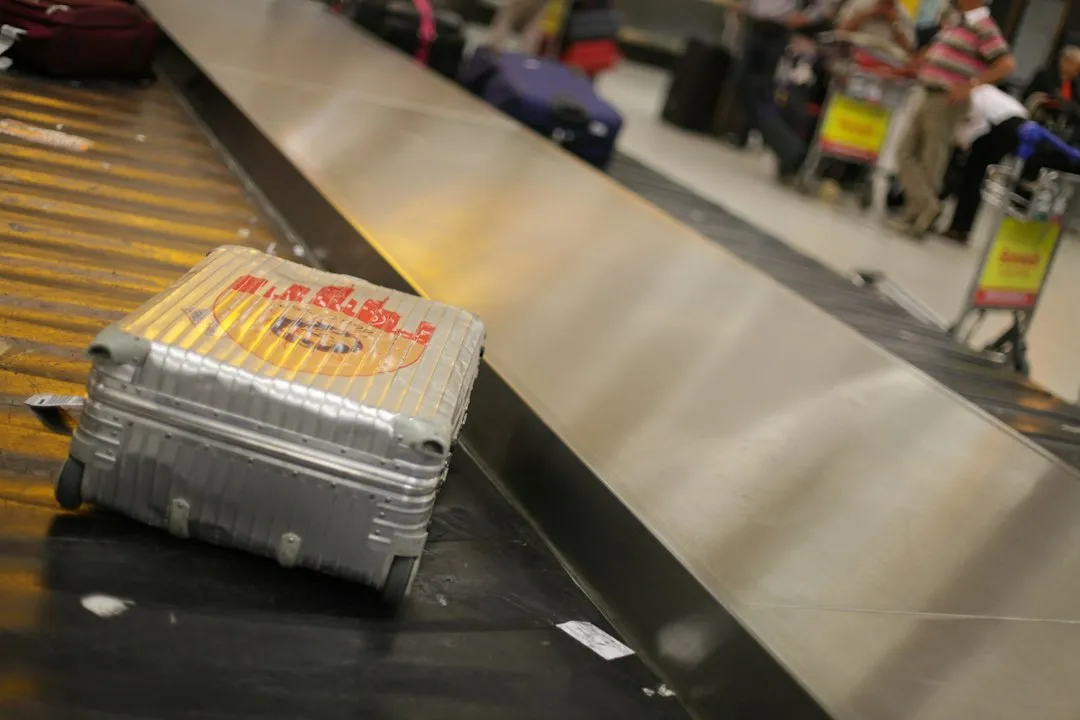
Of the 33.4 million bags mishandled globally in 2024, the vast majority – roughly three quarters – were simply delayed rather than permanently lost. This distinction matters enormously for how agents triage and prioritize cases.
Roughly 92% of mishandled bags are reunited with their owners, usually within a day or two. The system, imperfect as it feels when you’re the one waiting, actually works most of the time.
Luggage is more likely to be lost or misdirected if a journey has several legs, as each transfer between different vehicles increases the chance that bags will be mishandled. Connecting flights are, unsurprisingly, where agents see the most complications.
How Airlines Actually Search for a Missing Bag
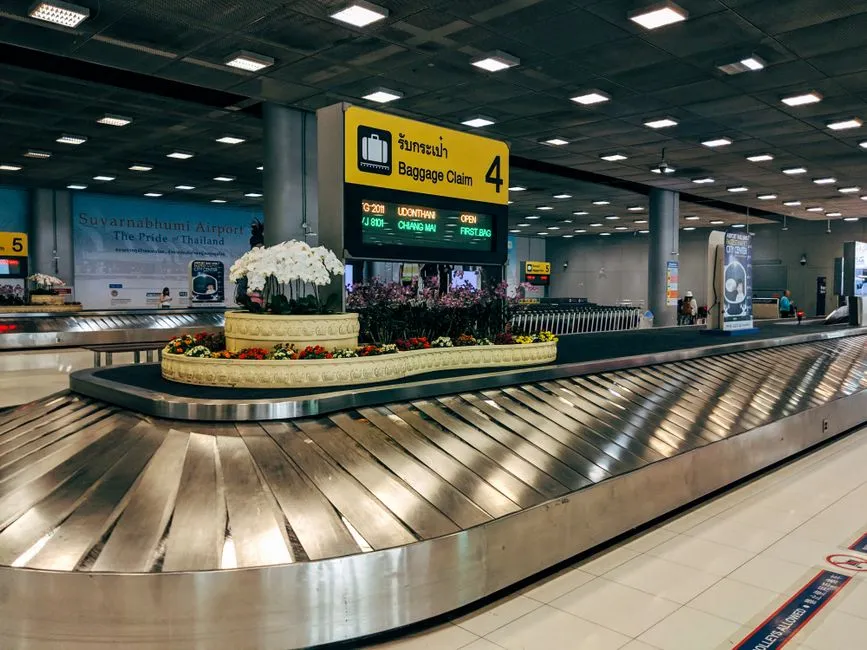
The moment a bag misses a flight, it is logged into a baggage-tracking database, and the system works to reroute it so it can catch up with the passenger. This process is largely automated and runs continuously.
When a traveler reports luggage lost to an airport or airline, a case is opened with WorldTracer, a global network for tracing lost luggage operated by SITA and used by more than 500 airlines and ground handlers at approximately 2,800 airports. It’s a genuinely impressive piece of infrastructure that most passengers never know exists.
Airlines typically spend three to four months trying to reunite lost suitcases with their owners before moving to the next phase of the process. During this window, agents actively pursue every available lead connected to the bag.
The 90-Day Window That Changes Everything
When bags are lost, they go through a standard 90-day process where airlines or their contractors attempt to find their owners. The airline industry standard is that a bag must be lost for a minimum of 90 days before it’s officially deemed unclaimed.
Airlines typically hold onto bags for 90 days. After this window closes, the airline pays out a final settlement to the passenger, and legal ownership of the unclaimed baggage is surrendered to be sold or liquidated.
Airlines have a maximum liability for lost luggage, typically around 1,600 euros per passenger, though this does vary. Once that compensation is paid, the suitcase and its contents enter an entirely different system.
Which Airlines Lose the Most Bags
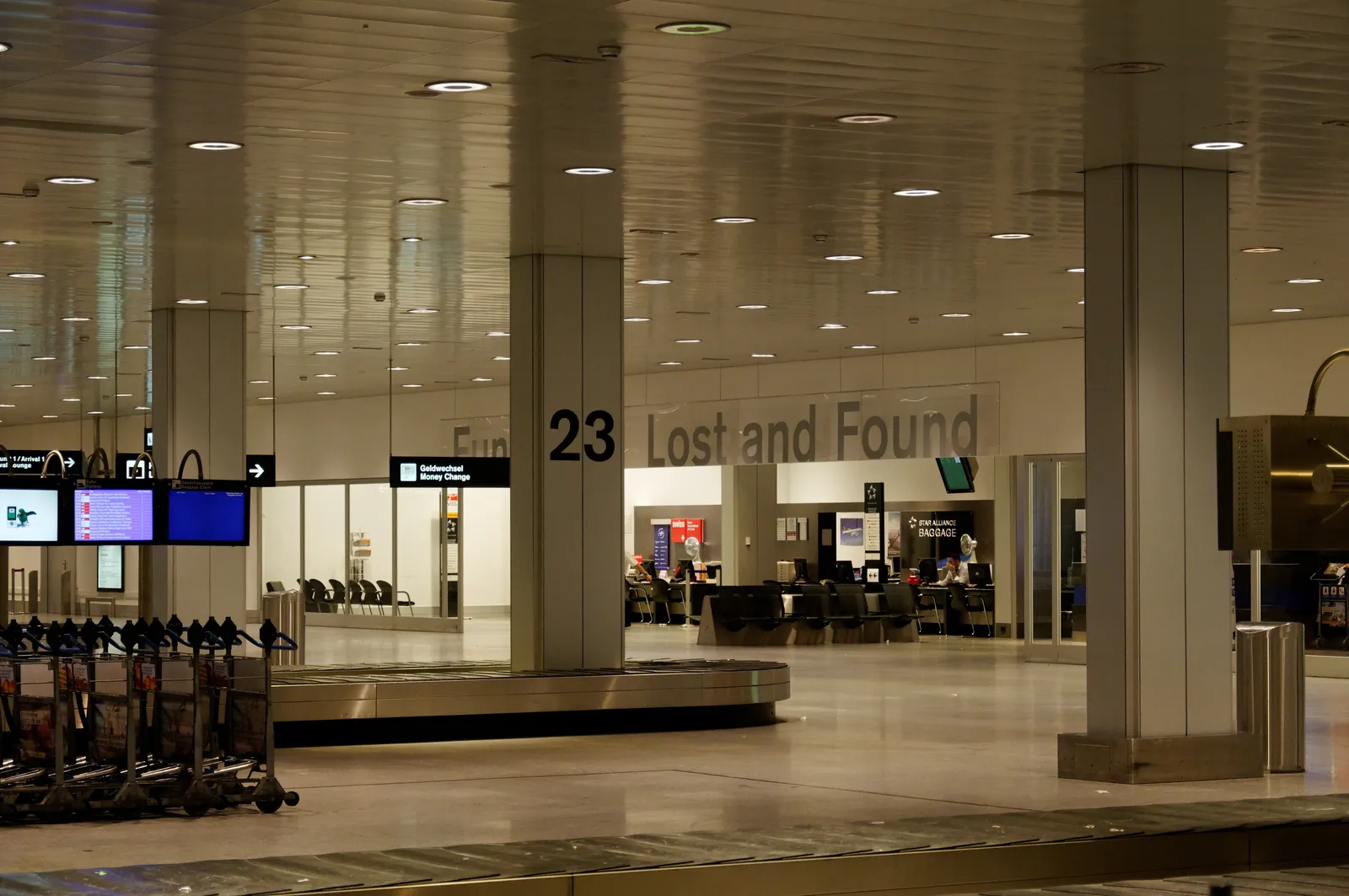
Analysis of U.S. Department of Transportation data for 2024 and 2025 shows American Airlines at the top of the mishandling list, with the highest number – over 1.6 million – and highest rate of bags mishandled across those two years.
United Airlines recorded over one million mishandled bags, while Southwest had the third-highest number overall but actually ranked among the best in percentage terms, with a relatively low mishandling rate of 0.40%. Volume and rate tell very different stories.
Looking globally, the region most likely to lose an airline bag is Europe by quite some margin, with European airlines mishandling 12.3 bags per 1,000 passengers – far the worst in the world. Asian carriers, by contrast, had the lowest mishandling rate, standing at just 3.1 per 1,000 passengers, stable at around that level for several years.
The Alabama Store That Became the Final Stop for Unclaimed Bags
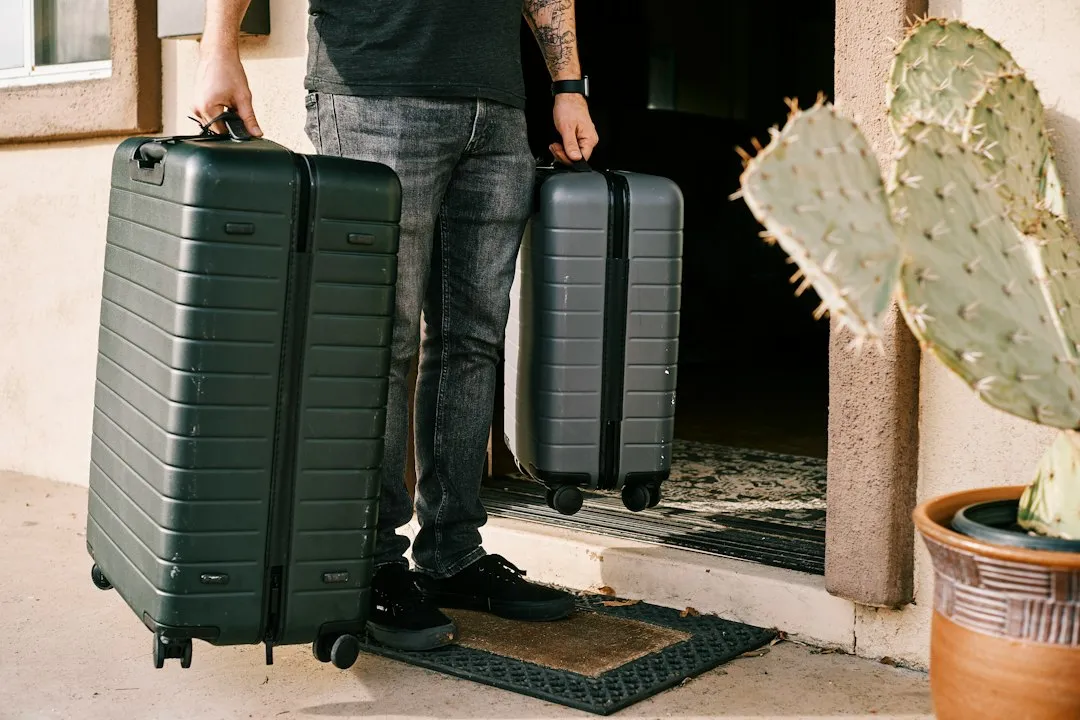
Unclaimed Baggage, based in Scottsboro, Alabama, buys lost luggage from airlines and resells the contents – sometimes, remarkably, back to the original owners. It’s a genuinely unusual business model that has operated for over five decades.
Located in the small town of Scottsboro, Unclaimed Baggage runs a warehouse that spans tens of thousands of square feet and sifts through thousands of bags. The company won’t say which airlines it works with, but confirms it partners with all major U.S. airlines.
After the 90-day search, airlines officially declare bags “orphaned,” compensate travelers for lost belongings, and then send the items to Unclaimed Baggage in Scottsboro, where the contents are sold, recycled, or donated to charitable causes through their Reclaimed for Good program.
What’s Actually Inside These Suitcases
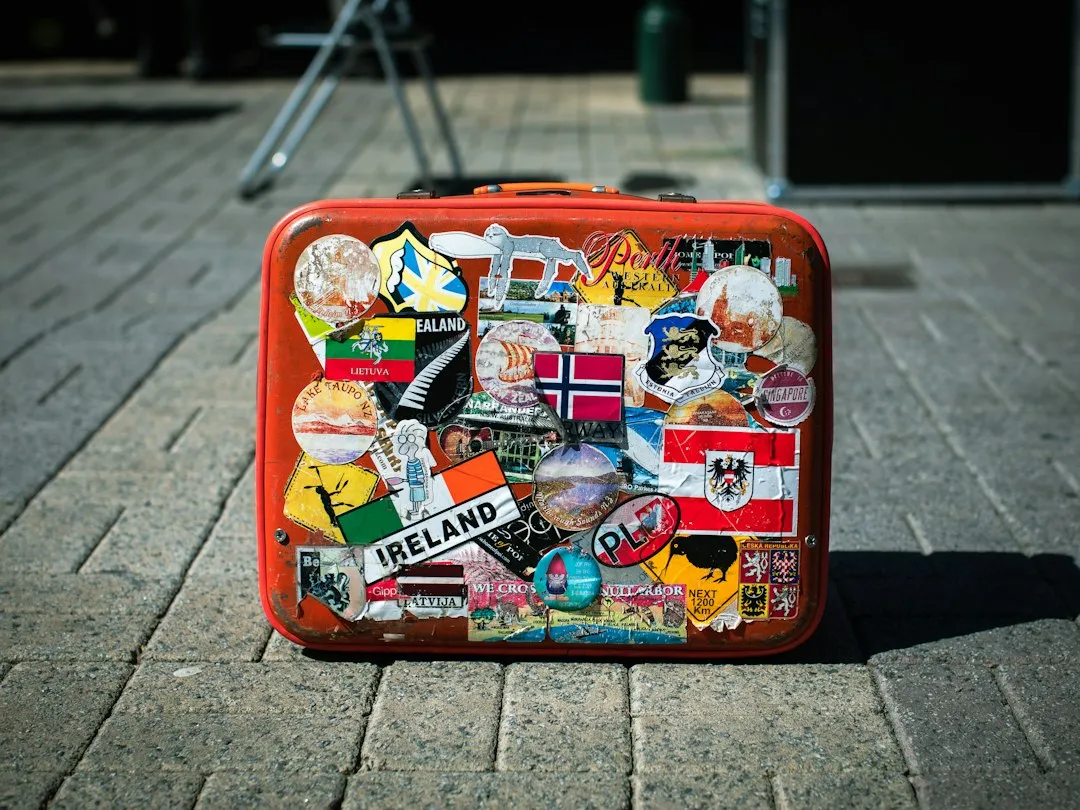
Unclaimed Baggage, the nation’s only retailer of lost airline luggage, releases an annual “Found Report” revealing the most unusual, valuable, and downright bizarre items discovered in orphaned suitcases. The findings are consistently surprising.
The most expensive item found in an unclaimed bag was an 18-karat white gold solitaire diamond ring, thought to be worth around $39,000. Luxury goods of all kinds turn up regularly – watches, designer handbags, and high-end electronics show up in the sorting process with notable frequency.
Unclaimed bags are no longer incinerated or dumped as they once were. Today they are sorted by specialist companies and resold, repurposed, donated, or recycled. The approach has become genuinely more considered and responsible over time.
Donated, Recycled, and Repurposed – Not Just Resold
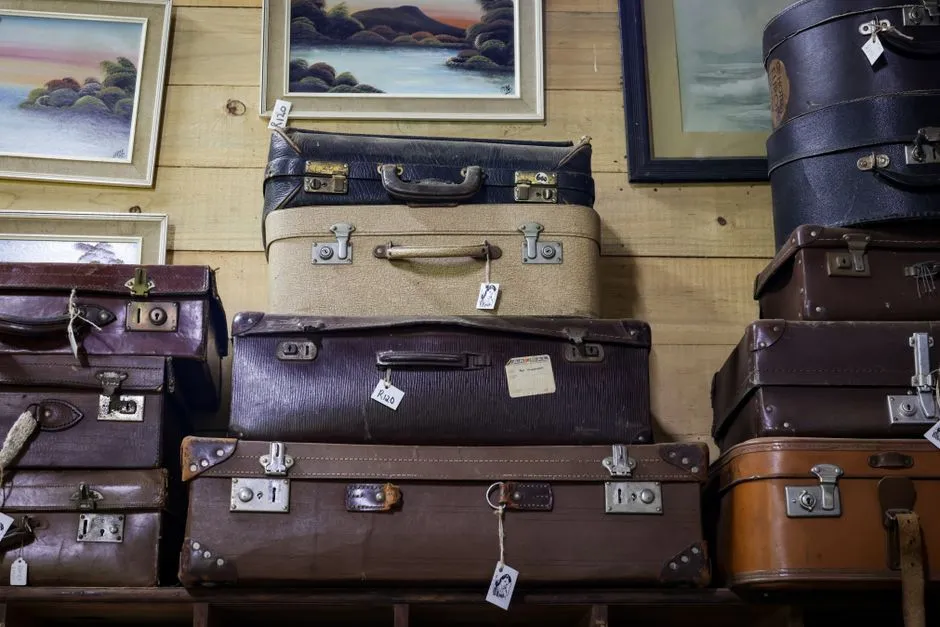
Unclaimed Baggage donates what it can, recycles what it can’t, and only truly throws trash in the garbage. The philosophy behind the operation is notably waste-conscious for what is, at its core, a resale business.
One of the more moving examples of this ethos is the Love Luggage initiative. Hard-sided suitcases are hand-painted with bright images or uplifting messages and donated to foster children around the nation to replace garbage bags they often use to carry their belongings.
In the UK, Greasby’s and Mulberry Bank auction unopened mystery bags as an alternative model to outright resale. Each country handles the final fate of unclaimed luggage somewhat differently, but the direction of travel is consistently away from waste and toward reuse.
Technology Is Shrinking the Pool of Truly Lost Bags
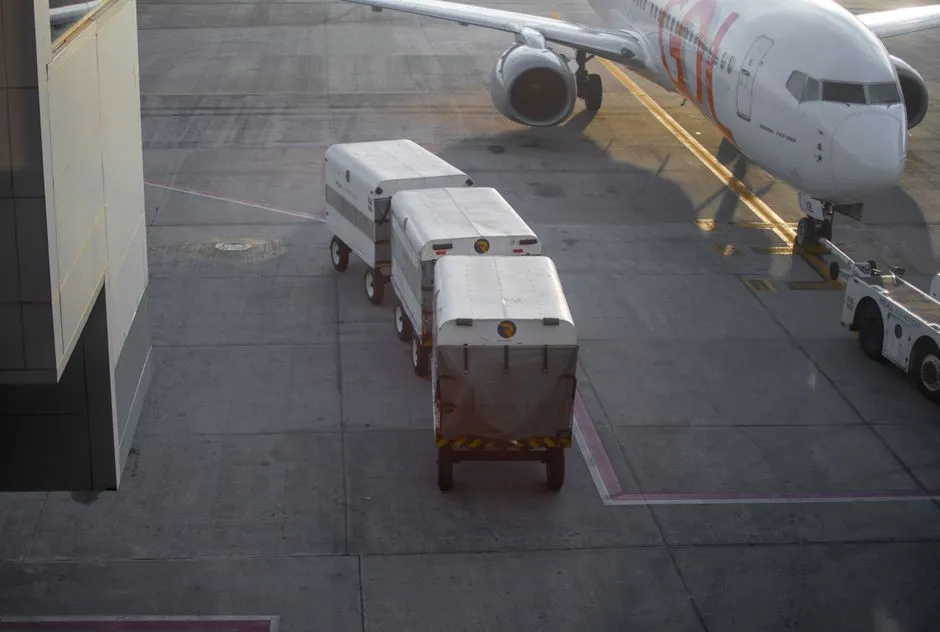
From December 2024, SITA integrated Apple’s Find My “Share Item Location” feature into WorldTracer, allowing passengers who carry a Bluetooth tracking tag in a checked bag to share its location directly with the airline. This was a meaningful shift in how bag recovery actually works.
Airlines cut permanently lost luggage by 90% in one year by integrating Apple AirTag data directly into SITA’s WorldTracer baggage recovery platform. That is a remarkable reduction achieved in a very short window.
Airlines have also invested heavily in automation, RFID, AI-powered analytics, and predictive baggage tools mandated under IATA Resolution 753. Mishandling rates have fallen by roughly three-quarters between 2007 and 2025, a decline the industry attributes largely to automated baggage tracking.
The Human Cost Airlines Bear – and Rarely Advertise
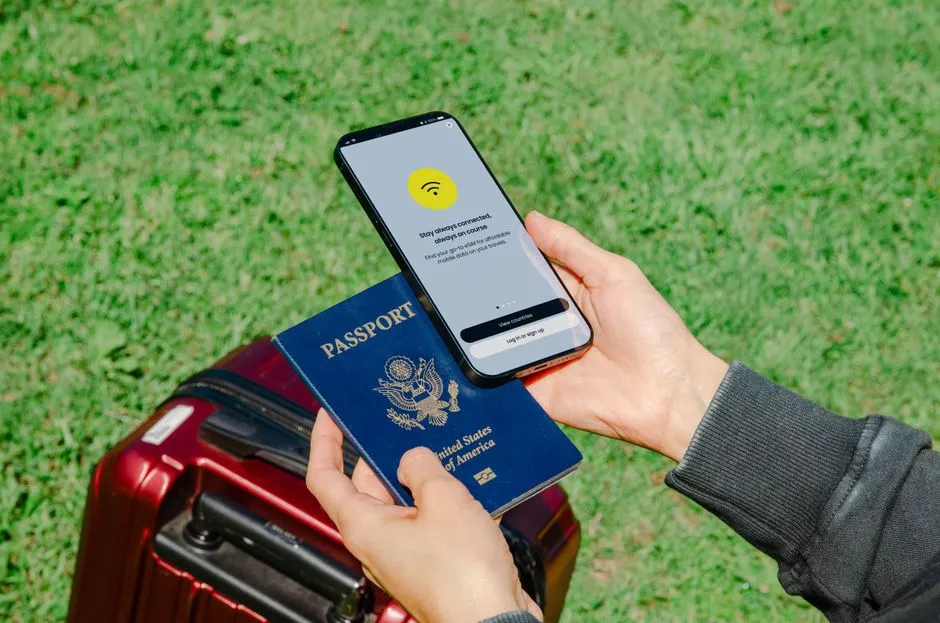
SITA estimated the total cost of mishandling to the airline industry at $6.3 billion in 2025, or about $260 for each affected bag. This figure includes recovery efforts, courier fees, compensation claims, and customer service resources.
Airlines also spent an estimated $5 billion on baggage recovery, courier services, claims, and customer service in relation to the 2024 mishandling figures. The financial incentive to fix the problem is very real, which is why investment in tracking technology has accelerated so sharply.
Mishandling rates fell 23% in 2025, reaching the lowest level outside the COVID years, according to SITA research. Every lost bag costs airlines money and customer trust, so the industry keeps investing in fixing it.
The Takeaway
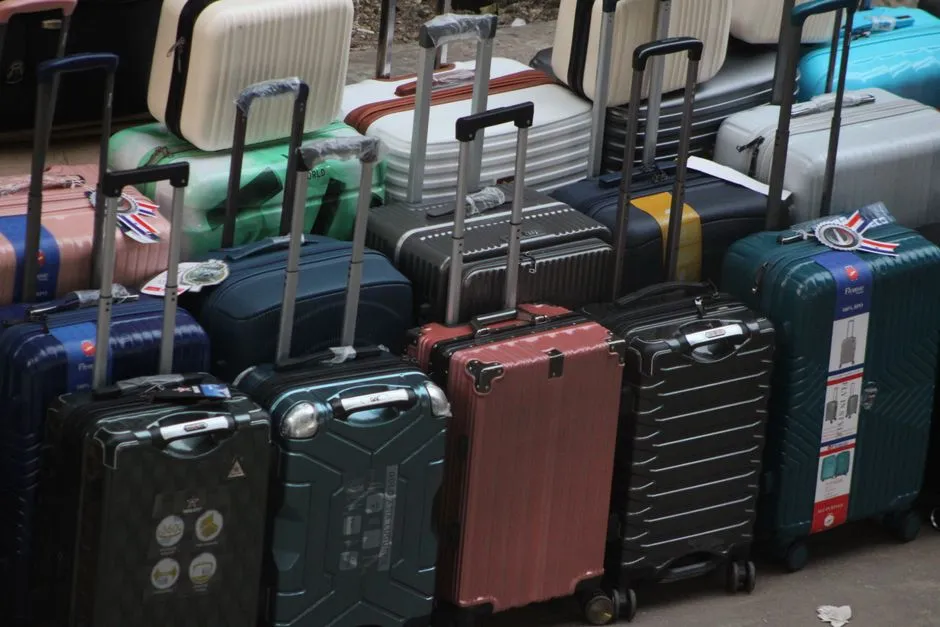
The life of an unclaimed suitcase is not a sad ending. It’s more of an unexpected detour – through warehouses, sorting lines, donation programs, and resale shelves. The system built around these orphaned bags is surprisingly thoughtful, shaped by both financial necessity and, in some cases, genuine community purpose.
What the data makes clear is that the gap between “mishandled” and “truly gone forever” is much wider than most travelers assume. The industry recovers the overwhelming majority of bags. Technology is closing that gap further every year. The small fraction that slips through permanently finds its way into a resale ecosystem that, at its best, puts good things back into the world rather than simply discarding them.
If your bag ever disappears at a carousel, the odds are firmly in your favor. If it doesn’t come back, there’s a reasonable chance someone in Scottsboro, Alabama is about to have a very interesting Tuesday.
AI Disclaimer: This article was created with the assistance of AI tools and reviewed by a human editor.