

A City Built for Far Fewer Visitors
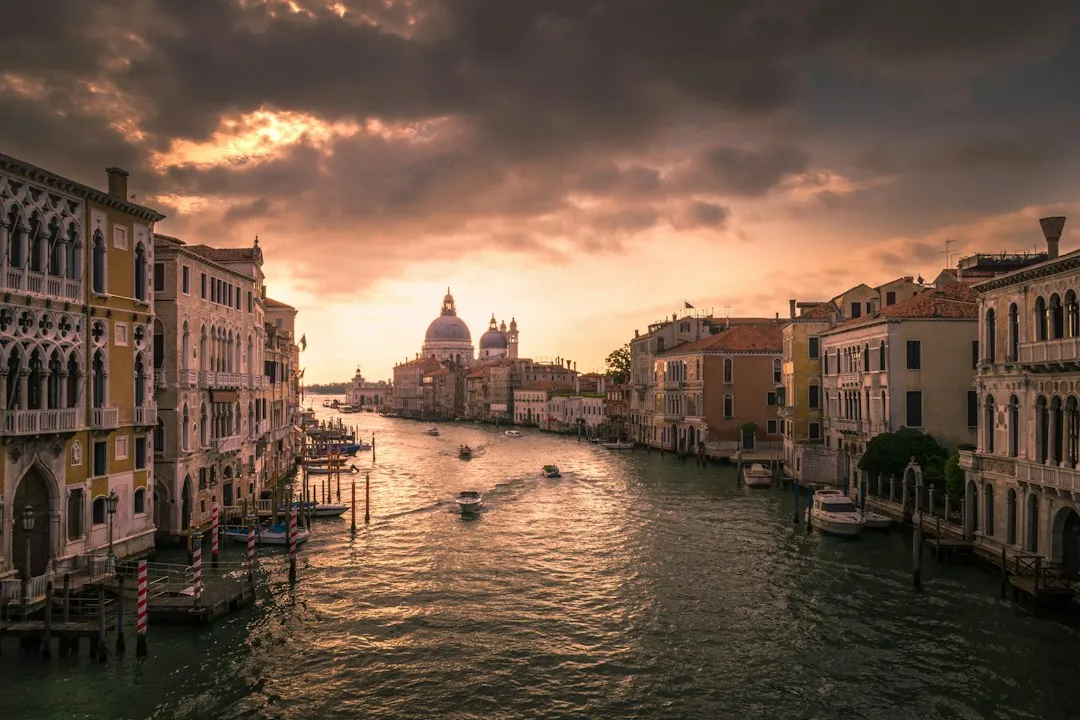
Venice sits on 118 small islands in its namesake lagoon, connected by a web of canals and roughly 400 bridges. Founded in the 5th century AD, it is now a UNESCO World Heritage Site of extraordinary architectural and artistic importance. The city was simply never designed for the scale of human traffic it now absorbs every single day.
An estimated 30 million people visit Venice each year, dwarfing the resident population, which has now dwindled to fewer than 50,000. That is a profound imbalance, and it makes itself felt in almost every corner of daily life for the people who actually call Venice home.
The Population Collapse Nobody Talks About Enough
In 1951, Venice’s historic center counted 174,000 residents. By 2025, that number had fallen to fewer than 49,000, a decline of roughly 72 percent in just over seventy years. That is not a natural demographic shift. It is a displacement.
The number of permanent residents in Venice’s historic center has dipped below 48,000, with activist group Venessia.com recording just 47,995 people now living in the city’s centro storico, including the six sestieri and the island of Giudecca. The implications for culture, community, and the city’s very identity are serious.
Mass tourism has been associated with reduced affordability for Venice’s residents, contributing to a depopulation trend, with overtourism driving people away through rising costs, housing shortages, and the erosion of authentic Venetian culture. When a city loses the people who give it meaning, what exactly are tourists coming to see?
When Tourist Beds Outnumber Residents
Venice’s historic center, which once held 174,000 residents, is now home to just 48,283 people, and today the city offers more tourist beds than it has permanent residents, a shift that activists describe as alarming. This is not a minor footnote. It reflects a fundamental reshaping of what the city is for.
The surge in short-term rentals has severely reduced long-term housing availability, and according to Inside Airbnb, over 60 percent of listings in Venice’s historic center are entire apartments, often run by professional hosts. For families trying to stay or return, the rental market has simply become unworkable.
The UNESCO Warning That Changed Everything
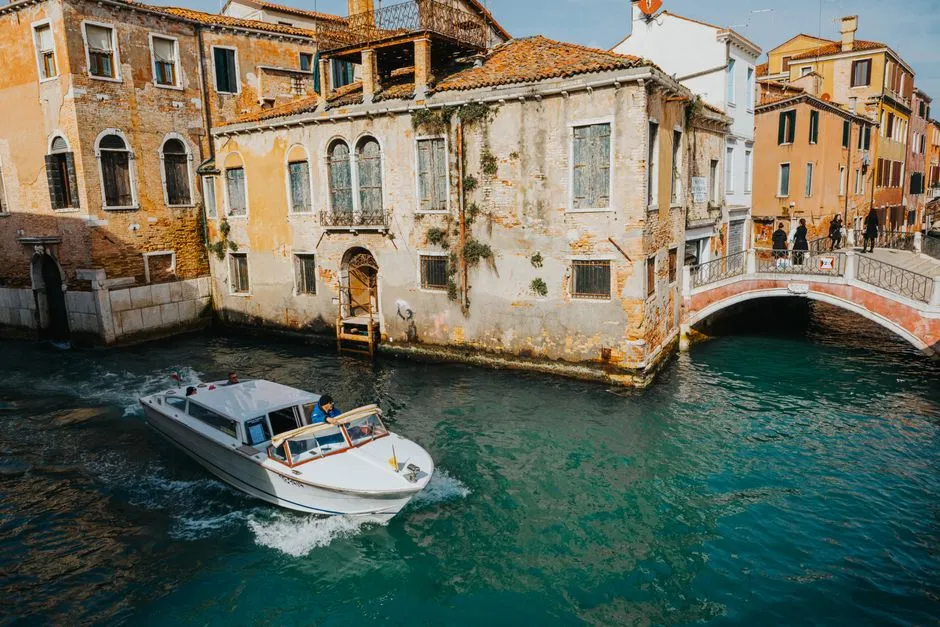
Venice introduced the long-discussed day-tripper fee after the city narrowly escaped being placed on the UN’s list of endangered heritage sites, due largely to the impact of overtourism. That near-miss was a genuine wake-up call for city officials and helped accelerate policy decisions that had been debated for years.
Failure to manage the impact of overtourism had led to Venice being considered for UNESCO’s “World Heritage in Danger” list on multiple occasions. The recent moves to regulate tourism helped convince UNESCO to hold off on issuing the dreaded “endangered” label. The pressure, however, remains very much alive.
UNESCO has warned Venice risks losing its crucial cultural designation if the historic center’s permanent population falls below 40,000, a fate that could make the city far less attractive to newcomers. The numbers are heading in that direction, slowly but consistently.
How the Fee Actually Works

Venice charges day-trippers to the famed canal city an arrivals tax, a measure aimed at combating the kind of overtourism that put the city’s UNESCO World Cultural Heritage status at risk. The city introduced a 5-euro entry fee on 29 peak days in 2024. It was extended to 54 days in 2025, when the charge was doubled for last-minute visitors, and then to a record 60 days in 2026.
The fee applies only to day visitors aged 14 and over entering Venice’s historic center between 8:30 a.m. and 4 p.m. It does not apply to those staying overnight, local residents, or other exempt categories, including disabled visitors and their caregivers. Overnight guests are already covered by a separate lodging tax.
The official pricing structure sets the fee at 5 euros for visitors who pay by the fourth-last day before access, and 10 euros for those who pay within the three days before access. The idea behind the tiered pricing is to reward those who plan their visit thoughtfully and in advance.
What the Revenue Has Actually Looked Like
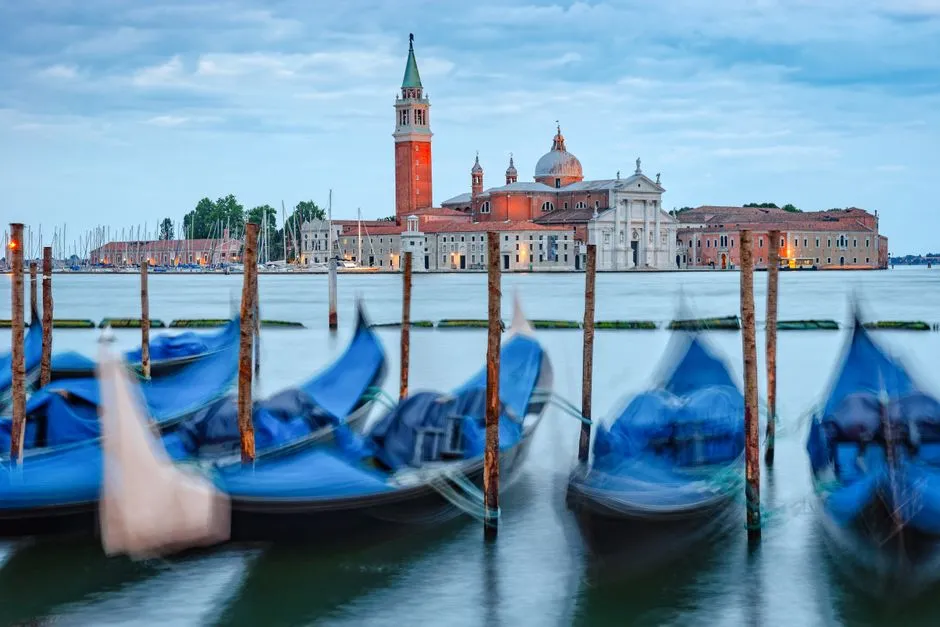
The 2024 pilot program raised 2.4 million euros for Venice, with approximately 450,000 day-trippers paying the tax during that first year. For a city managing a fragile heritage infrastructure, that additional income is not trivial.
From April through July 2025, a total of 723,497 day-trippers paid for Venice entry passes, resulting in 5,421,425 euros in revenue. The expanded number of fee days in 2025 contributed significantly to that increase compared to the 2024 figures.
One goal of the expanded schedule is to collect data for future management of tourism and infrastructure, while another is that the city hopes the access fee will encourage a more even distribution of visitors throughout the year. The fee is functioning, at least partly, as a data-gathering tool, even if the crowd-control ambitions remain harder to achieve.
The Crowds Have Not Actually Thinned
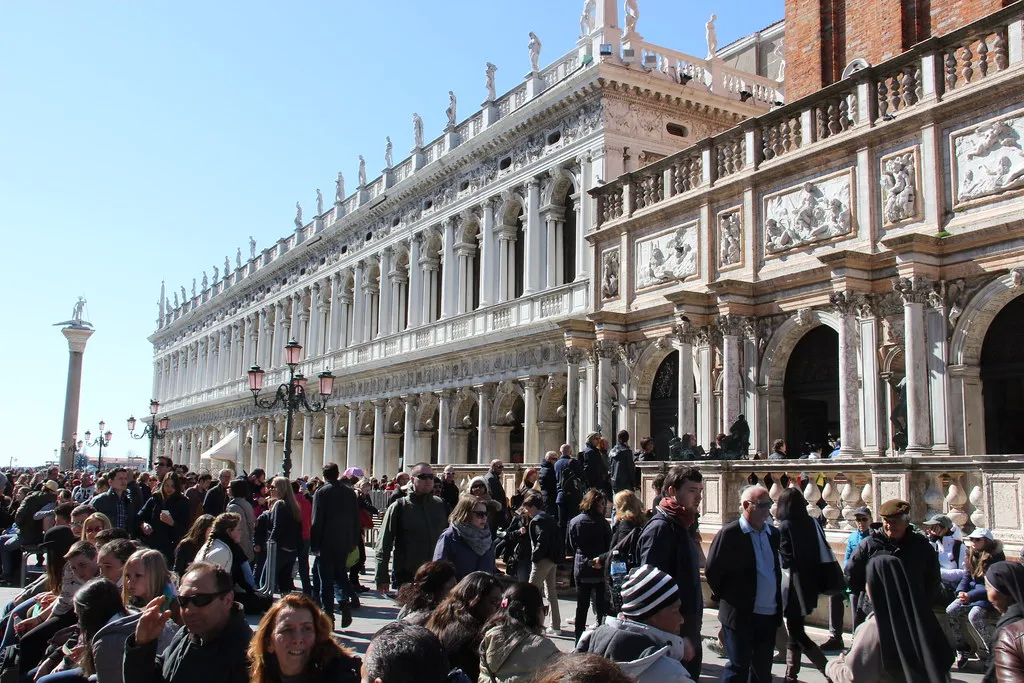
This is where the honest accounting gets uncomfortable. Official data shows that the entry fees for day-trippers did not curb visitor numbers during the trial period, and data compiled by the city’s Smart Control Room monitoring system found that during the 29 dates the initial 5-euro access fee was in force in 2024, Venice received on average 7,000 more visitors compared to the same days of the previous year.
According to Jan Van Der Borg, an economics professor specializing in tourism at Ca’ Foscari University in Venice, the city council’s access fee has failed in its stated goal of combating overtourism, with the charges having “no impact on the tourist numbers arriving in the city” based on the 2024 data.
In 2024, four days saw at least 20,000 paid entries, compared with three in 2025 and only one in 2026, even as the number of charging days more than doubled, from 29 to 60. Weather, public holidays, and broader tourism demand will need to be taken into account before determining how much of the decline can be attributed to the entry fee. It is too early for confident conclusions either way.
What Residents Think
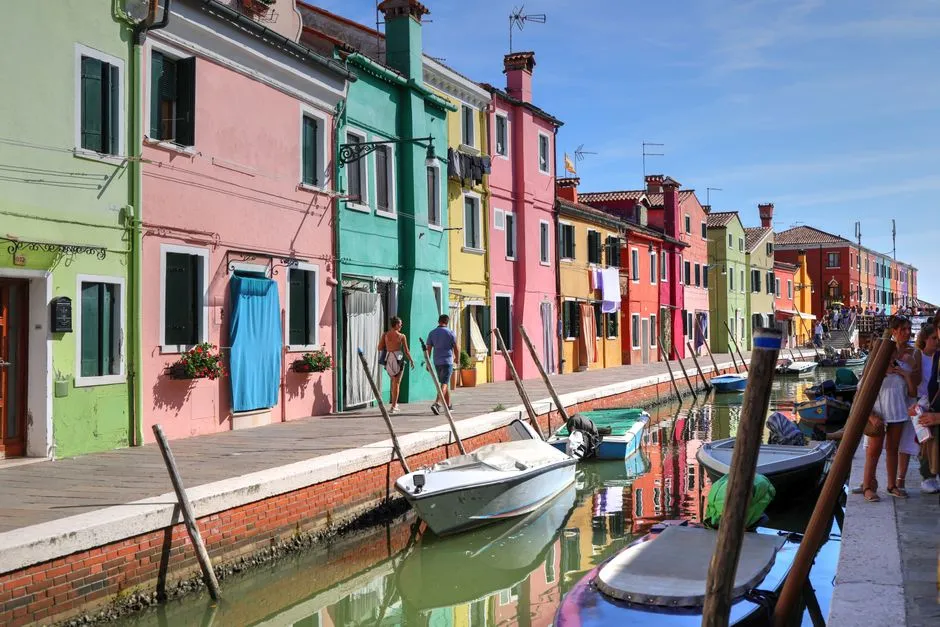
Residents opposing the day-tripper tax insist that the solution to Venice’s woes is to boost the resident population and the services they need, limiting short-term rentals to make available more housing and attract families back from the mainland. For many locals, the fee feels like a cosmetic gesture rather than a structural solution.
The concentrated arrival of visitors within short time windows leads to overcrowding, pressure on public transport, and rising prices in shops, hotels, and short-term rentals, making everyday life increasingly difficult for residents. These are the lived realities that statistics alone cannot fully convey.
The most useful thing the fee has produced, perhaps, is a published list of the days the city expects to be worst. The charged days are selected partly from the predictive model run in the city’s monitoring center, which compares live presence counts against the average for the same period in earlier years, and flags peak days on a calendar. The access fee calendar is therefore the administration’s own forecast of its busiest days, made public before the season starts. That transparency, at minimum, helps visitors make more considered choices.
Could a Higher Fee Actually Work?
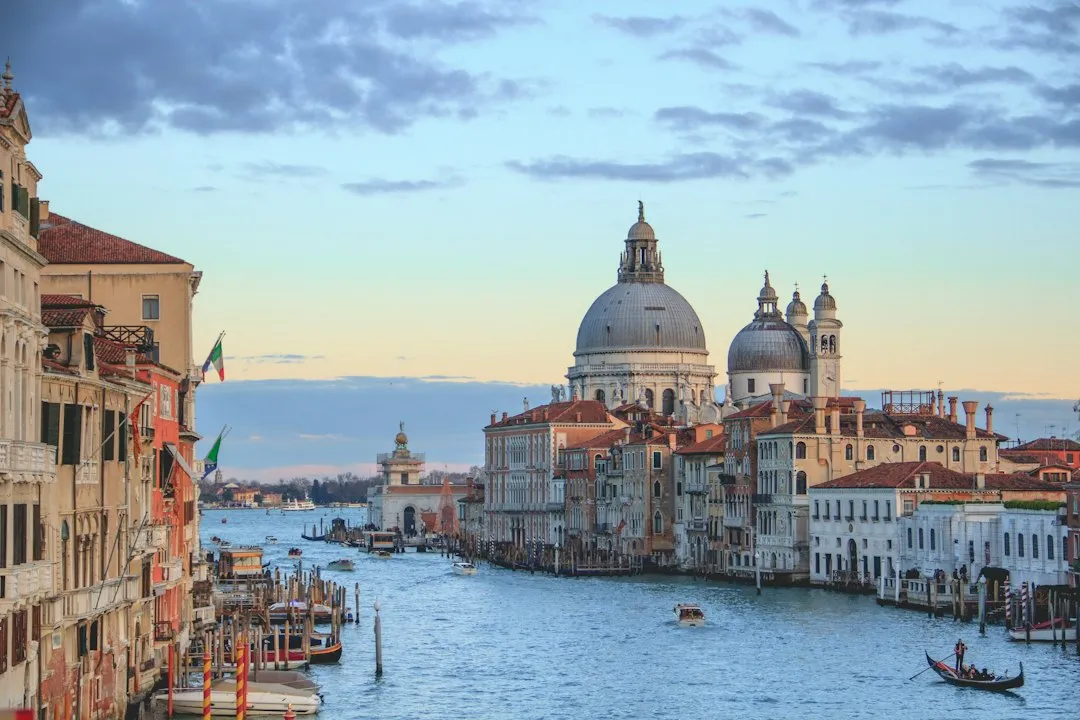
Venice is considering raising its day-tripper fee to as much as 30 euros in 2027 as officials assess whether the existing charges are effective in tackling overtourism. The logic is straightforward: if 5 euros is too low to change behavior, perhaps a significantly higher figure would shift the calculus for discretionary day visits.
The academic who calculated Venice’s day-tripper carrying capacity argues the fee is too low, and the exemptions too broad, to change behavior, and that its main effect so far is to raise money. That is a candid assessment from within the academic community closest to the data.
City councillor Venturini has long advocated raising both the price and the number of days on which the fee applies, noting at the time of the 2024 launch that nobody expected day-trippers to “miraculously disappear” but that the measure “will be more effective in the coming years when we increase the number of days and lift the price.” It is essentially a long-game approach, one that may take several more years to fully evaluate.
Venice as a Global Precedent
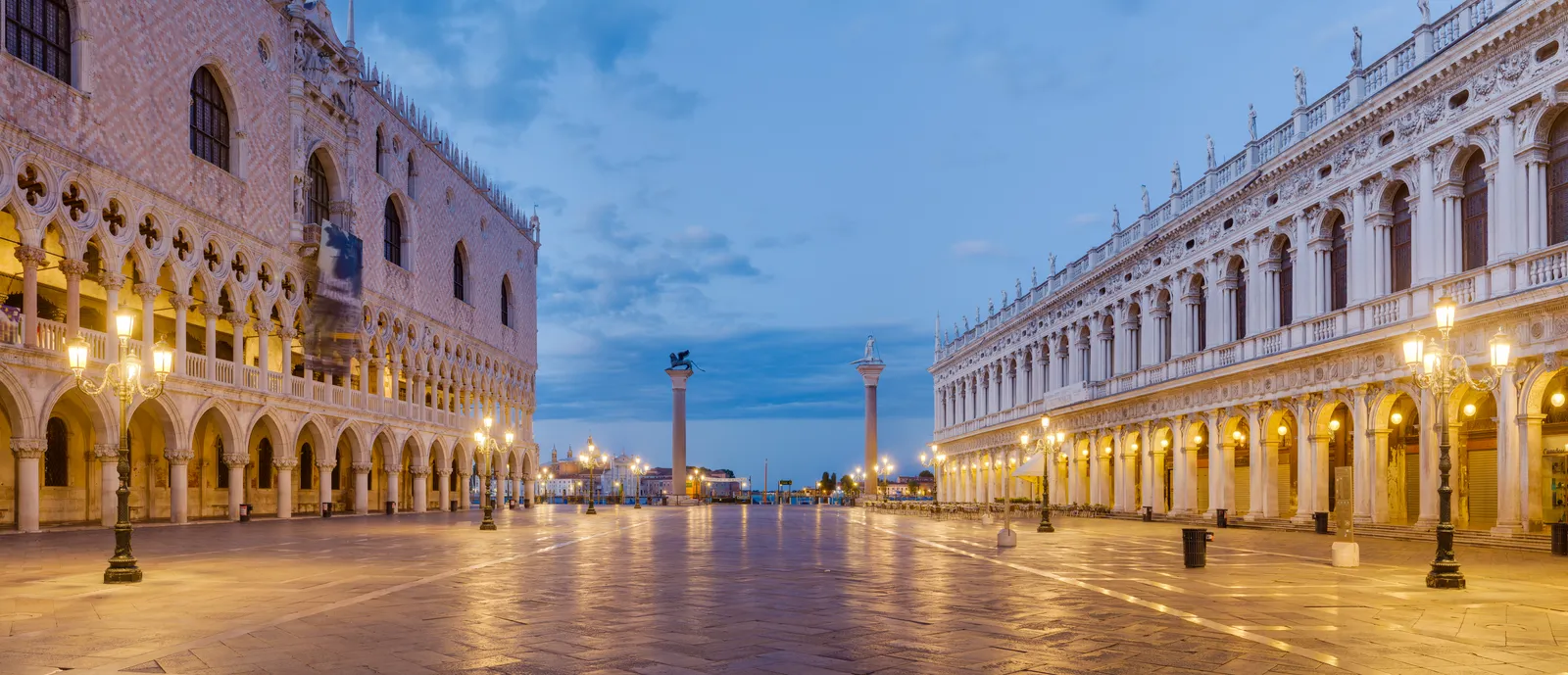
Venice launched its pilot in April 2024, charging day-trippers five euros on 29 dates through July, making it the first city in the world to charge entry fees to short-term visitors, much like a museum. That is worth sitting with for a moment. No major inhabited city had ever done this before.
Other overcrowded destinations across Europe are watching closely. The Venice experiment, imperfect as it may be, is producing real data on the relationship between pricing, visitor behavior, and urban pressure. The expanded schedule is designed to collect data for future management of tourism and infrastructure. Whatever its limitations, it is building a body of evidence that other cities will draw on.
As the resident population contracts and local institutions disappear, Venice faces the growing threat of becoming a city where heritage is displayed rather than lived, a place admired by millions but inhabited by few. That is the deeper issue the entry fee is trying, imperfectly, to address.
What This Means for Thoughtful Visitors
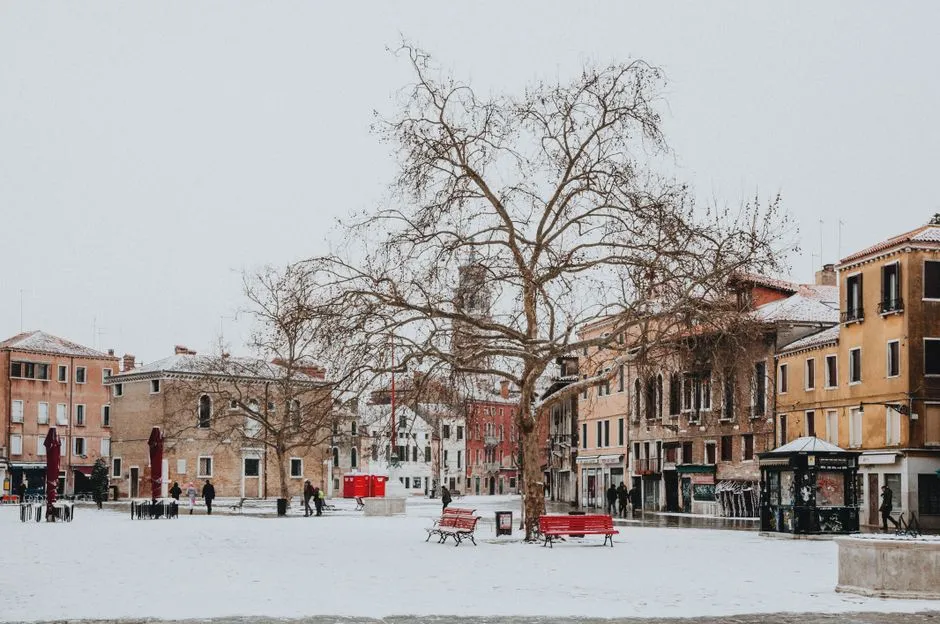
Visiting Venice remains a genuinely meaningful experience, and the entry fee, modest as it is, is worth understanding as a signal rather than simply a surcharge. The access fee calendar is the administration’s own forecast of its busiest days, and it is made public before the season starts, which means it is also one of the most useful planning tools a visitor can use to find quieter moments in the city.
According to a former Venice tour guide, winter is “hands down” the best time for a visit, with far fewer tourists and no entry fee for anyone who comes during that period. Choosing off-peak timing is one of the most respectful choices a visitor can make, both for the city and for the experience itself.
Staying overnight, spending at locally owned businesses, and moving beyond the Rialto and St. Mark’s Square all matter more than any entry fee. The fee is a beginning, not an answer. What Venice ultimately needs is a future where the people who live there want to stay.
The Takeaway
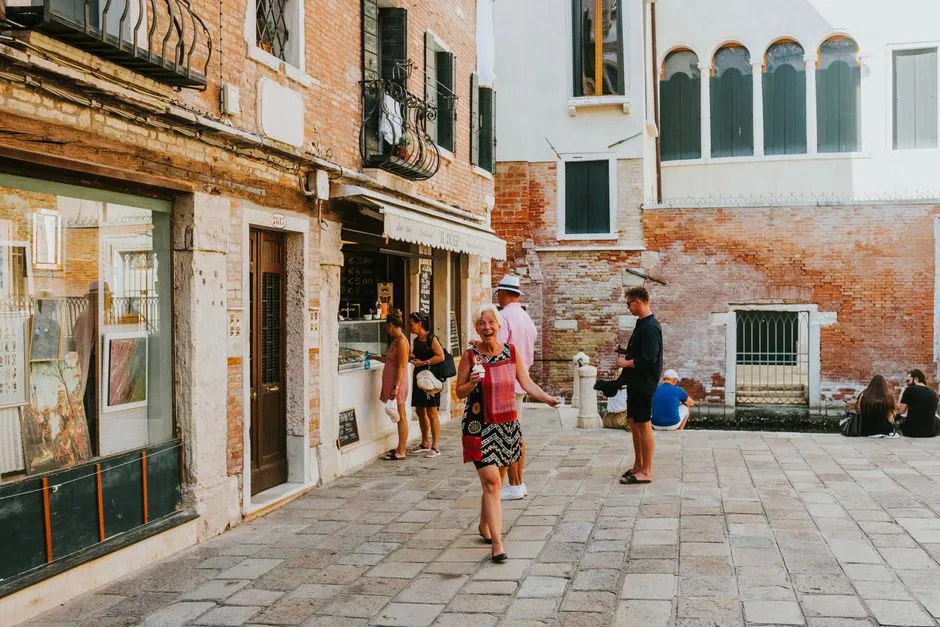
Venice’s day-tripper fee is imperfect, contested, and probably too modest on its own to reverse decades of demographic and environmental strain. Opponents of the day-tripper fee say it has done nothing to discourage tourists from visiting Venice even on high-traffic days. That critique deserves to be taken seriously.
At the same time, the fee represents something genuinely new: a city asserting that access to a living, breathing community is not unconditional, and that the people who live there have a legitimate claim on the character of their home. Mayor Luigi Brugnaro stressed that the tax aims to help the city and its citizens battle overtourism and avoid huge influxes of visitors during crowded holidays and weekends.
The real measure of success will not be counted in euros raised or tourists turned away. It will be whether Venice’s resident population stabilizes, whether families find it possible to return, and whether the city remains a place where culture is lived rather than merely performed. That story is still being written.
AI Disclaimer: This article was created with the assistance of AI tools and reviewed by a human editor.