
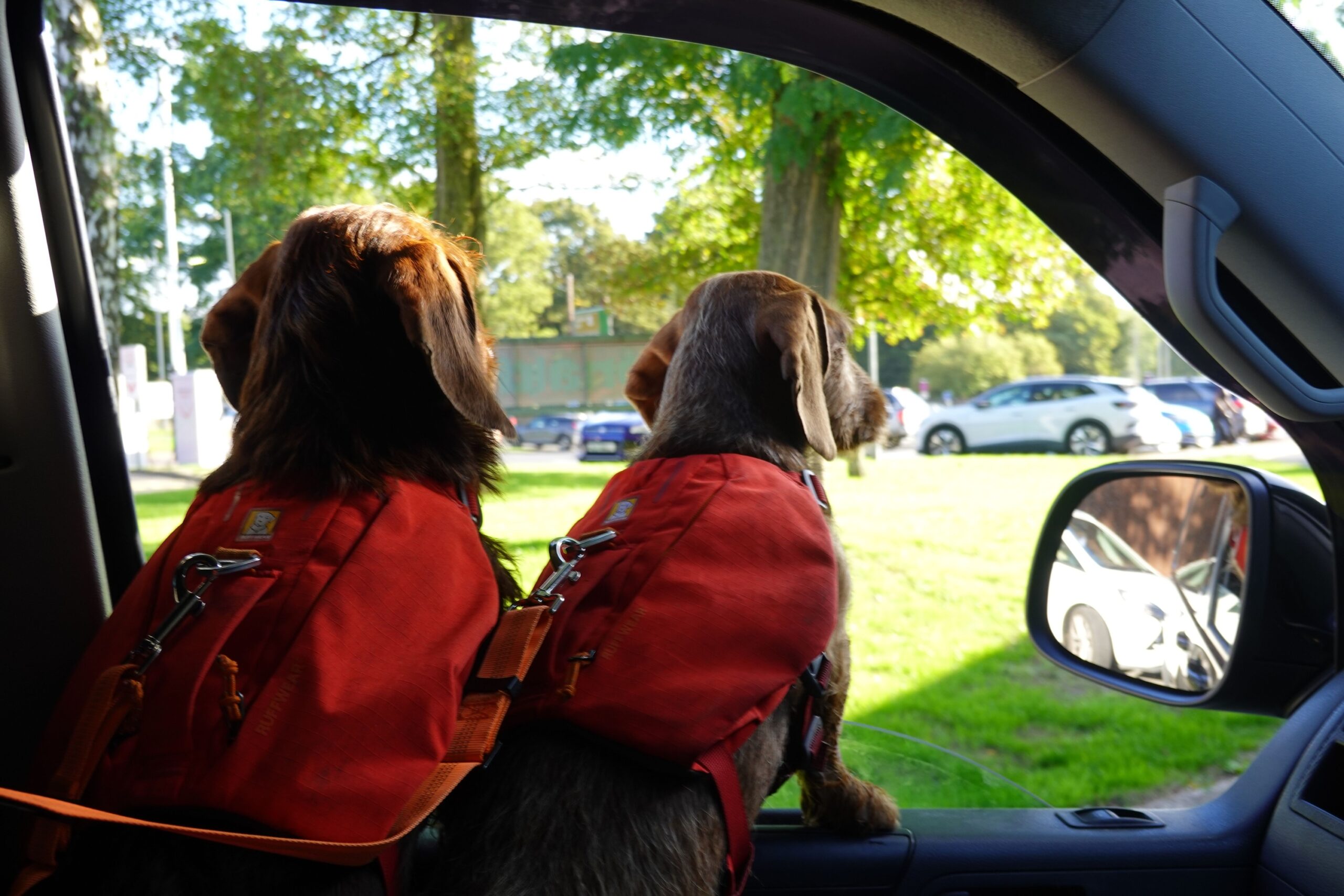

Most people planning a road trip think carefully about their own comfort: snacks, playlists, a good route. The dog’s needs often get retrofitted into the plan, usually somewhere between the gas station and the state line. That tends to be where the trouble starts.
Dogs experience car travel very differently from humans. Research from the past few years has confirmed that riding in a moving vehicle is a genuinely physiological experience for them, not just a mild inconvenience. Getting the rest stop schedule right isn’t a nicety. It’s the foundation of a smoother, safer, and far more enjoyable trip for both of you.
Why Dogs Feel Car Travel So Intensely
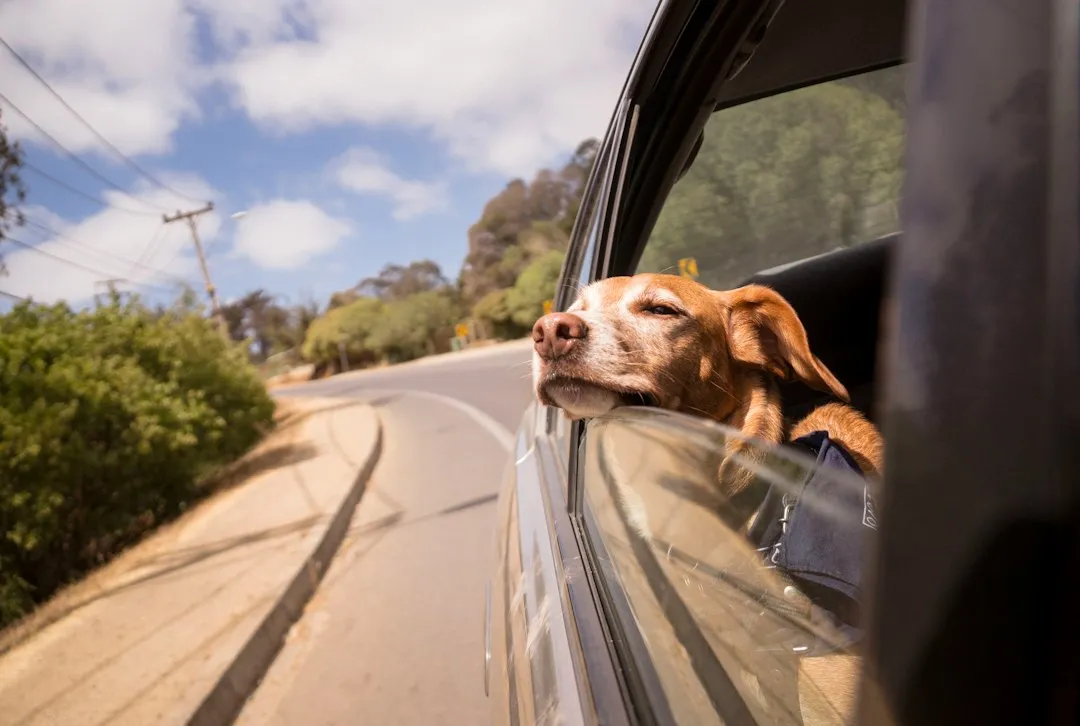
Travel can be a stressful experience for many pet dogs, resulting in a range of behavioral and physiological responses that can negatively affect the well-being of both the dog and their owners. This isn’t just anecdotal. Studies investigating travel-related stress in dogs have demonstrated significant increases in cortisol levels, heart rate, and neutrophil-lymphocyte ratios, along with significant decreases in heart rate variability and increased expression of behavioral signs associated with fear, anxiety, and frustration.
Certain real-world situations are likely to elicit stress and anxiety in dogs, such as car travel, due to the combination of motion, noise, and vibrations. Understanding this helps reframe the rest stop not as a minor interruption to your drive, but as a genuine recovery window for your dog’s nervous system.
How to Read the Warning Signs While Driving
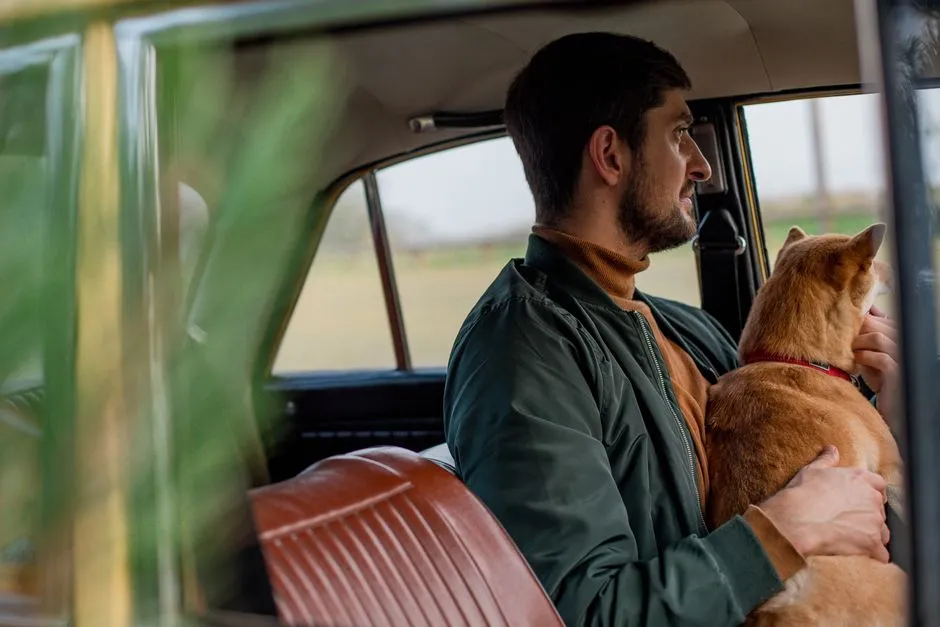
Commonly observed behaviors in car travel stress studies include lip licking, panting, restlessness, escape attempts such as climbing and digging, yawning, vocalization, and salivation, all of which are among the most frequently owner-reported signs in dogs that respond negatively to travel. These aren’t random quirks. They’re reliable signals.
You may notice a shift from calm to anxious: your dog may suddenly become alert, put their ears back or forward, and begin panting or vocalizing. If those signs appear, the schedule needs to adjust to the dog, not the other way around. If you are already on the road, find a safe place to stop and take a quiet walk.
The Core Schedule: Every Two to Three Hours
The AVMA advises planning to stop roughly every two hours so your dog can relieve itself and get some exercise, and to keep your dog leashed with a collar and tags any time it is outside the car. This is the clearest, most widely endorsed guideline available, and it’s the right starting point for most healthy adult dogs.
During a long drive, it’s best to stop every two to three hours to allow your dog to stretch, relieve themselves, and have some water. In general, dogs should not be in the car for more than four hours without a break. Think of that four-hour mark as the outer boundary, not the target.
Adjusting the Schedule for Age and Health
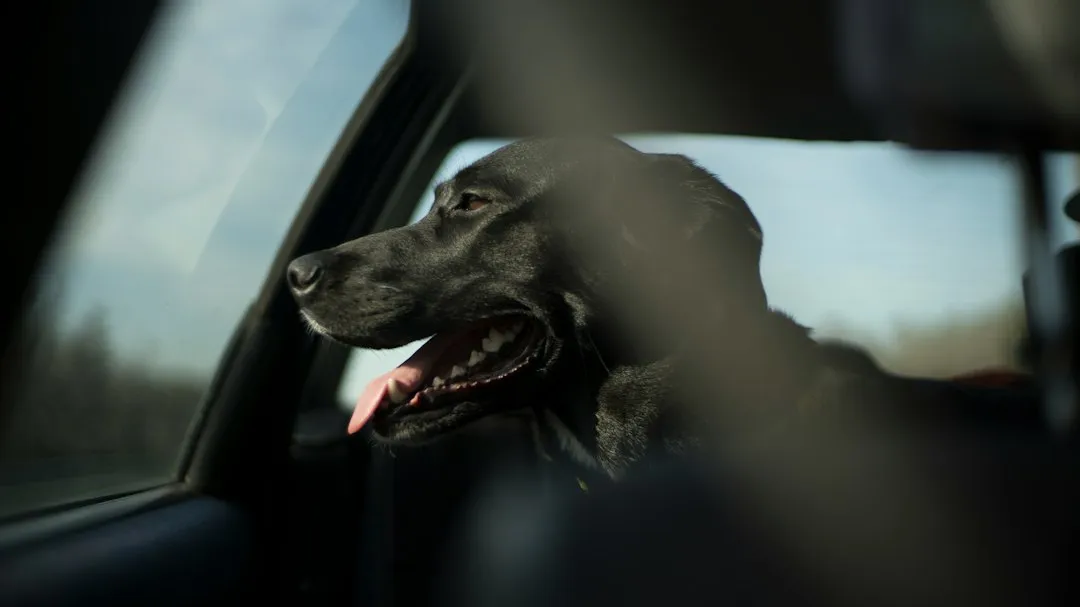
How often you stop on a road trip with your dog depends on age, size, and health. Very young and very old dogs, along with those with some types of medical conditions, will have to stop more frequently. This isn’t just about bladder capacity. It’s about joint comfort, temperature sensitivity, and overall resilience.
A puppy, a senior, or a small bladder needs stops closer to every two hours, while a settled adult on a quiet highway can often stretch toward three. Senior dogs need extra patience here, and stiff joints mean shorter, more frequent breaks. If you’re uncertain what cadence suits your specific dog, a quick call to your vet before departure is well worth the five minutes.
What to Actually Do at Each Stop
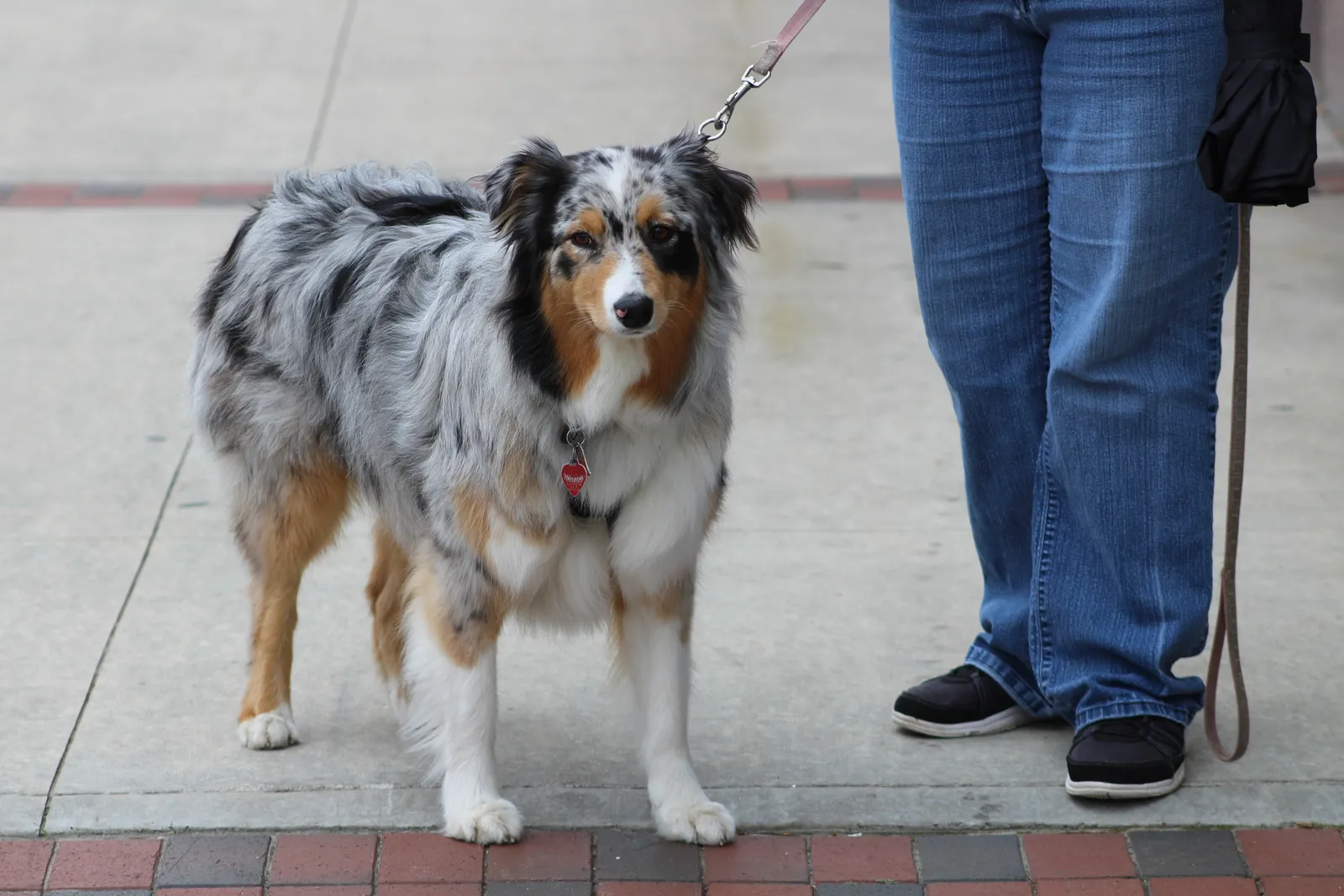
Each stop should include a leashed walk of five to ten minutes, a bathroom break, and water, even if your dog does not seem to want it. That last part is easy to skip when your dog seems fine. Don’t skip it. These breaks should last a minimum of 15 minutes, though longer breaks are preferable.
At each rest stop: leash on before the door opens, relieve, walk, hydrate, check paws on hot pavement, and re-secure the restraint. That sequence only takes a few minutes to become second nature, and it covers the most important bases every time you pull over.
Choosing the Right Stops Along Your Route
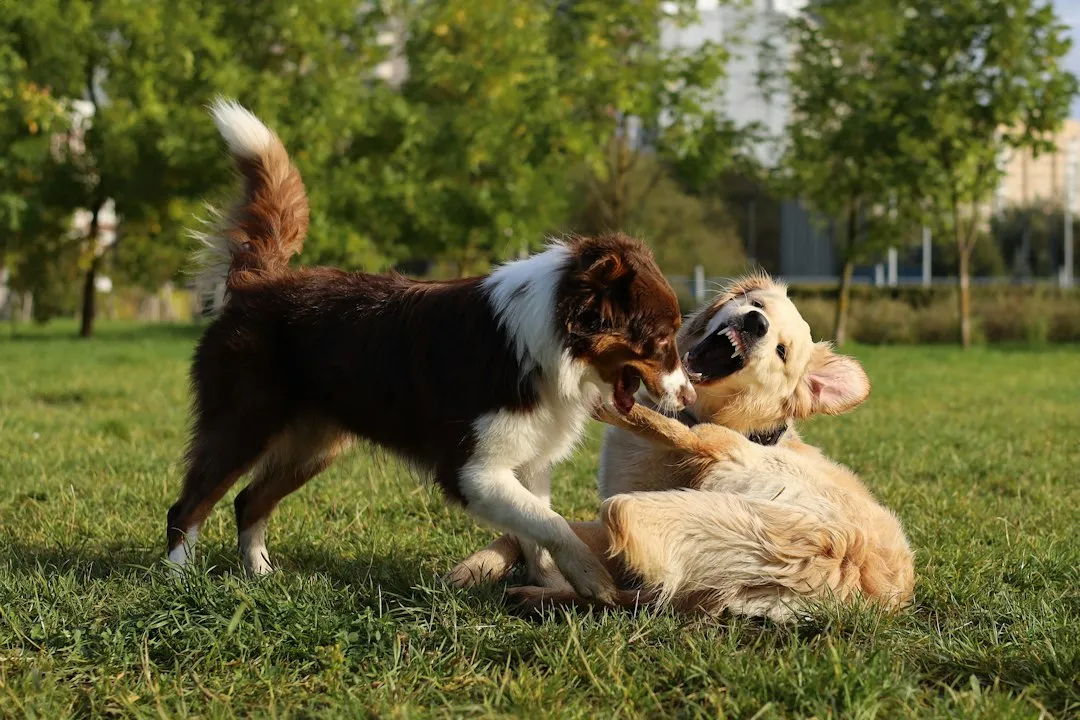
Before heading out, research pet-friendly rest stops or roadside parks where you could take a quick walk to get out some energy. Some rest areas even have designated dog parks or enclosed spaces where your dog can run off-leash safely. Planning these in advance removes a lot of in-the-moment stress for you, too.
Choose rest stops that are away from busy highways where possible. A grassy patch with space to sniff is worth far more to a dog than a concrete median. Look for rest stops or parks with space to walk around or play before returning to the car. Even ten minutes of genuine movement and sniffing makes the next stretch significantly easier for most dogs.
Keeping Your Dog Hydrated Throughout the Drive
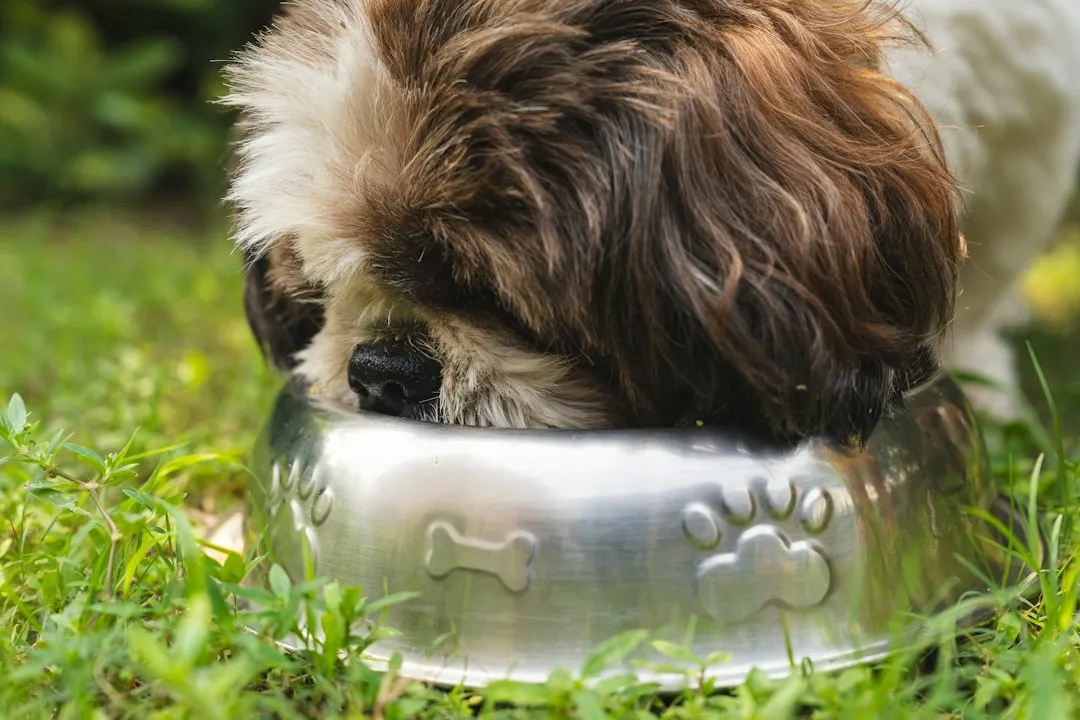
Dogs typically require about one ounce of water per pound of body weight each day, making it vital for their hydration and overall health. That daily baseline doesn’t pause because you’re on the highway. Dogs need more water when traveling, but getting them to drink can be challenging.
Try soaking the dog’s dry kibble in warm water, totally saturating the food to aid hydration and digestion. Dogs will be thirsty about two hours after they eat, so it is important they have access to water. On the topic of water source, a change in water source, even going from hard water to soft water, can upset a dog’s gastrointestinal system and increase the risk of diarrhea and possibly cause dehydration and overheating. Bringing water from home or sticking to a consistent bottled source is the simpler solution.
Feeding Timing and Food on the Road
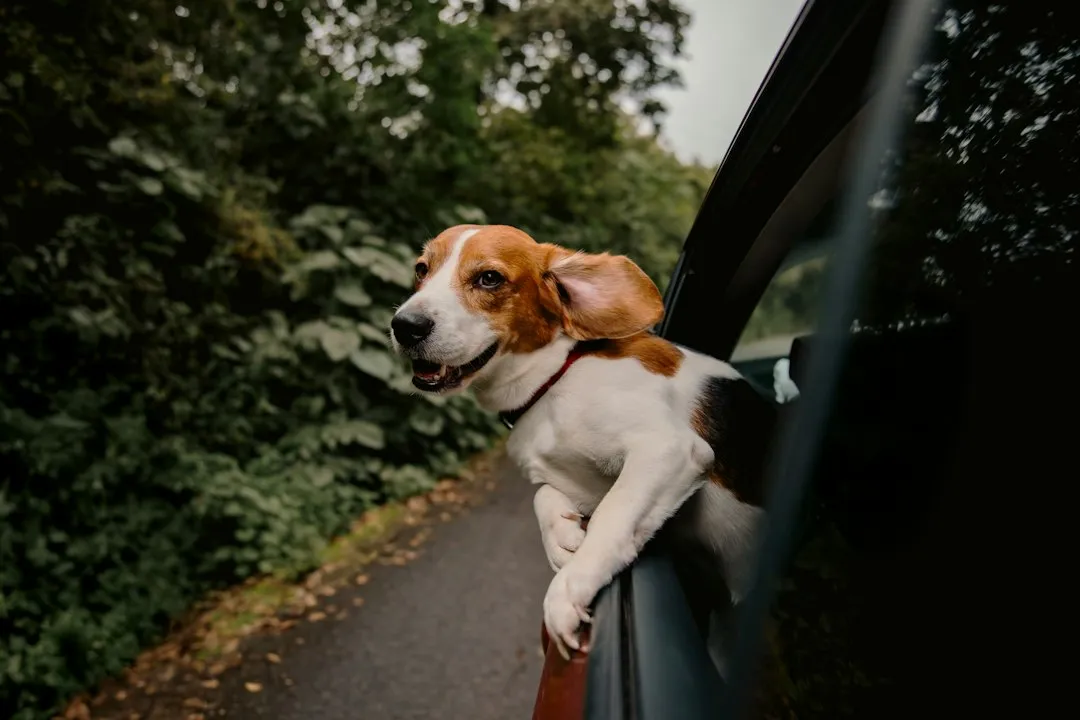
Meal timing matters more than many people realize on a travel day. Before your trip, ensure your pet is well-exercised by taking them for a long run or a visit to the dog park. This will alleviate travel anxiety and promote relaxation in the car, as a tired dog is often well-behaved.
It’s generally better to give your dog a light meal a few hours before departure rather than right before getting into the car. Car travel stress can manifest in a variety of ways in dogs, including whining, barking, and vomiting. A dog with a full stomach and an active stress response is more likely to become motion sick, so erring toward lighter and earlier meals on driving days is a sensible default.
Keeping the Schedule Consistent With Home Routines
Try to stick to your dog’s regular feeding, walking, and sleeping schedule as much as possible to reduce stress. Predictability is genuinely calming for dogs. The more a travel day resembles a regular day in terms of timing and rhythm, the lower their baseline anxiety tends to be.
Most healthy adult dogs handle eight to ten hours of driving in a day without a problem, as long as the stops are happening on schedule. Puppies, seniors, and dogs who do not settle in the car do better capped around six. Matching your daily driving distance to your dog’s real tolerance, rather than your ideal mileage, is the single biggest scheduling decision you can make before you leave.
Practicing Before the Big Trip
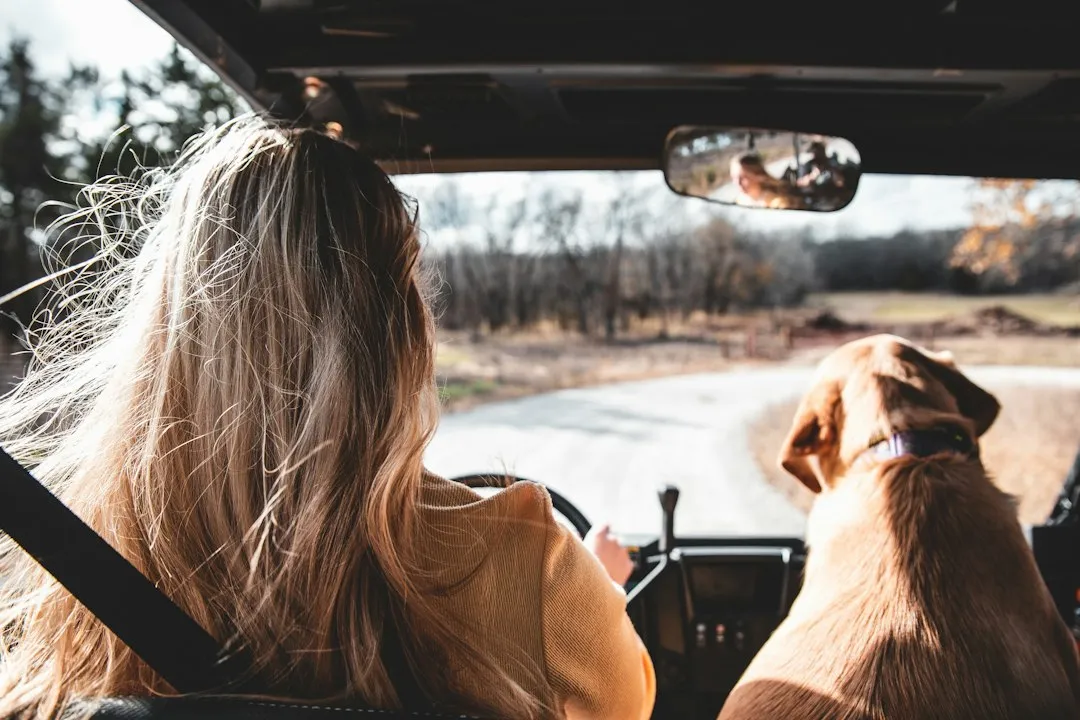
Before embarking on a road trip with your dog, it’s important to acclimate them to long car rides by taking a few test drives that last a couple of hours. Considering the recommendation of taking a break every two to three hours, this is a good length for a practice trip. This will help prepare your furry friend for the extended time spent in the car during your journey.
Practice trips do two things at once: they give you a read on how your dog handles the car, and they give your dog the chance to build a positive association with the experience. A dog who has ridden comfortably for two hours before will settle into a longer trip with far less friction. Start with short trips to get your puppy accustomed to car travel. The same logic applies to any dog new to longer drives, regardless of age.
The Takeaway
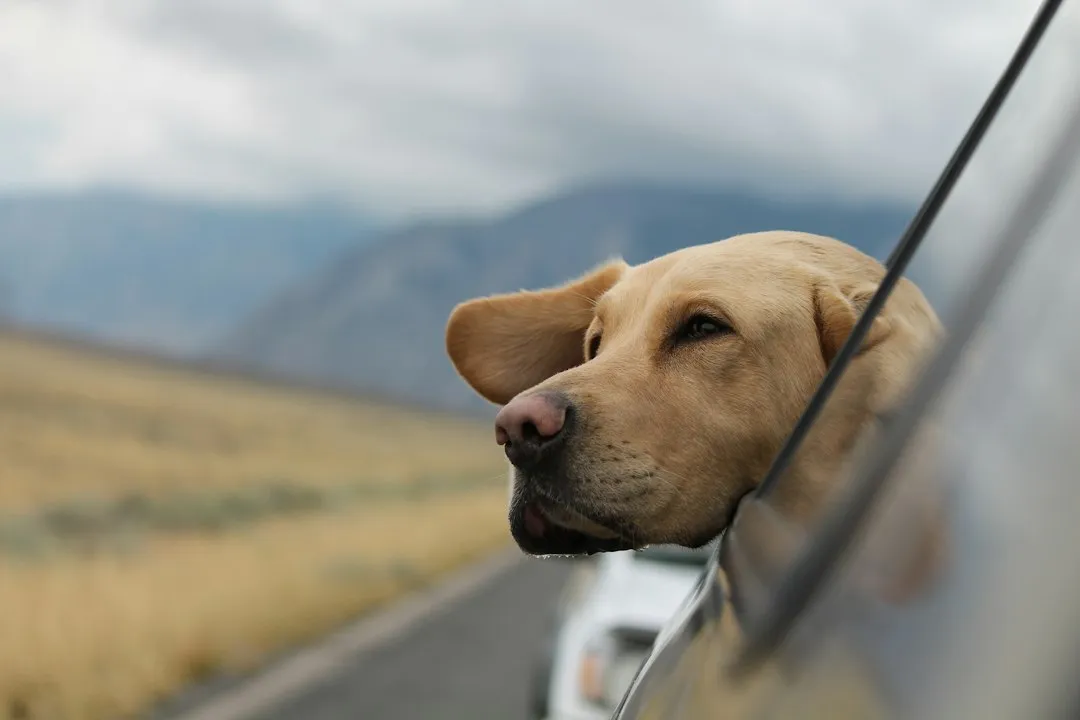
A well-timed rest stop schedule is the kind of thing that feels almost invisible when it’s working. The drive is calm, the dog is settled, and you arrive without having wrestled anyone for the last four hours. That calm doesn’t happen by accident.
The core framework is simple: stop every two to three hours, offer water and a real walk at every stop, and adjust the cadence for your dog’s specific age and temperament. Consult your veterinarian before long trips, especially if your dog has health or anxiety concerns. The road looks different when you plan it around both passengers in the vehicle, and most of the time, your dog will make it very clear when you’ve got it right.
AI Disclaimer: This article was created with the assistance of AI tools and reviewed by a human editor.