

Most passengers board a plane thinking their seat choice only affects legroom and views. Few realize it also determines whether they eat well, eat their preferred option, or simply eat at all. The order in which the cabin gets served is not random, and flight attendants have known the formula for years.
What follows is a gallery-style breakdown of everything cabin crew have shared about in-flight service order, from the cabin hierarchy to the front-row advantage, and the quiet insider tricks that frequent flyers have quietly figured out.
First Class Goes First – Every Single Time
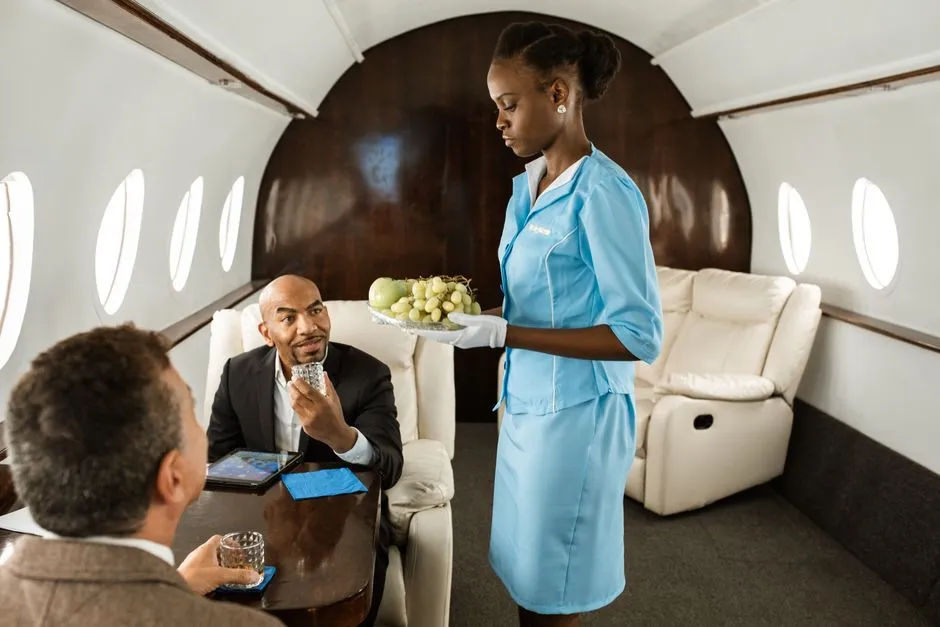
The meal course is offered to first and business class passengers one-on-one, while economy class passengers are served in batches. This individual attention means first class passengers are not just served earlier, they’re served with far more care and flexibility. First class is on-demand when the passenger wants, so one crew member works in the galley preparing meals, and one works in the cabin – the meals are not pre-heated but cooked on demand.
Business Class Is Next, and the Service Is Multi-Course
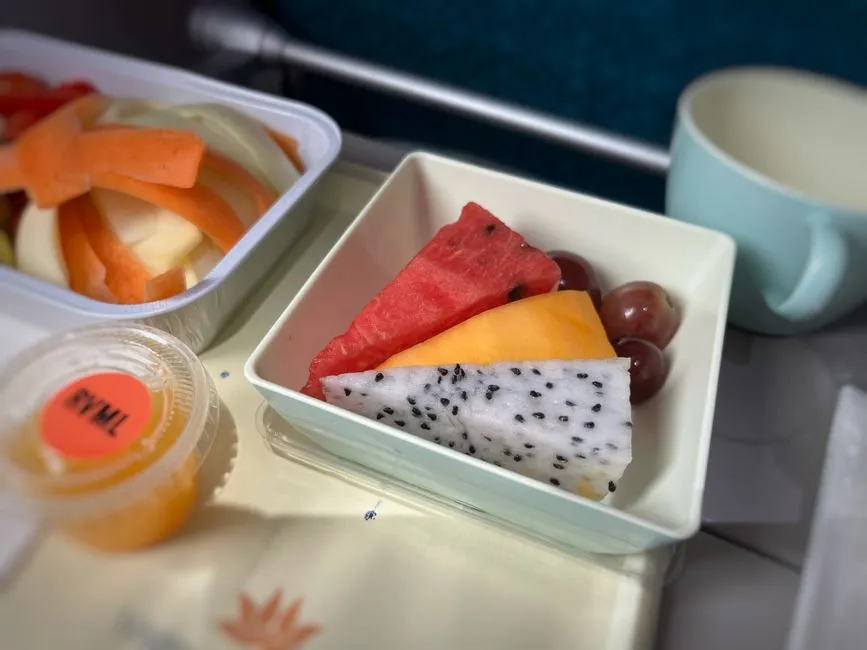
The style of class changes the service process slightly. Business class adds more services – the starter is served before the main meal, then there is dessert and cheese service, plus numerous offerings of different wine and champagne for each course. This layered approach means business class passengers are well into their meals before the economy cabin even sees the cart roll out. On long-haul routes – generally defined as flights exceeding six hours – most full-service carriers provide meal service across all cabin classes.
The Front Row of Economy Is the Golden Ticket
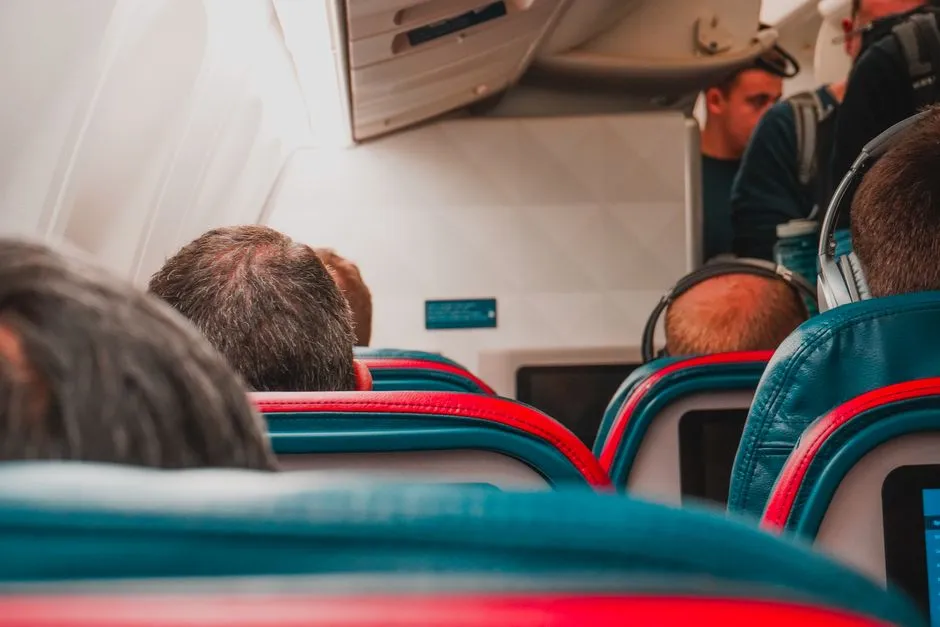
Sitting at the front of the economy cabin means being served first, whereas if you are seated at the back, there is less chance of receiving your chosen meal and accepting what remains. Flight attendants themselves are well aware of this dynamic. As a rule, flight attendants prefer the first row of economy for ease of boarding and disembarking as well as being the first row to be served with meals and drinks, and receiving their preferred choice.
The Meal Cart Usually Rolls from the Front of Economy
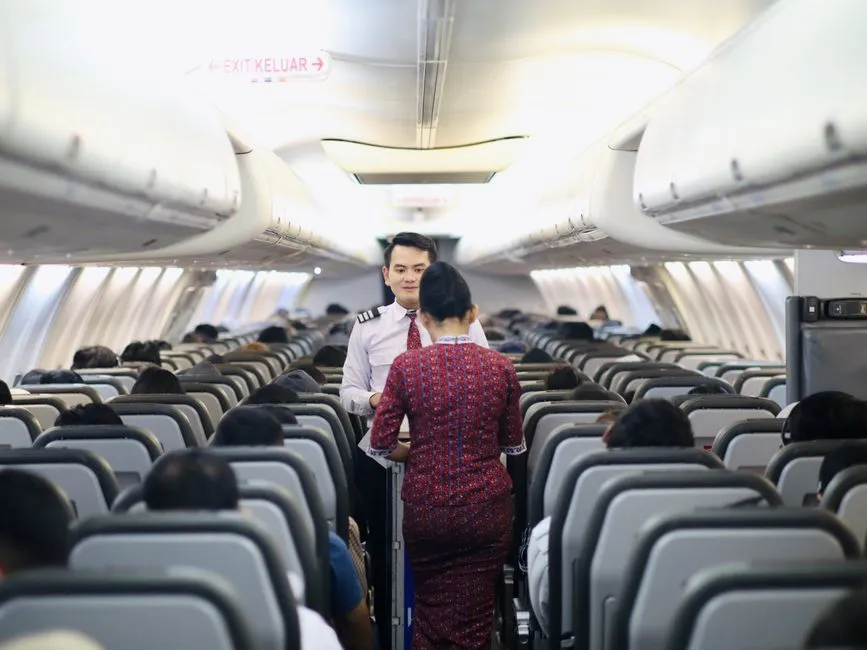
An added advantage to front-of-economy seats is that the meal and bar service starts from the front of economy, so you get served first. Depending on the airline, flight attendants may also start their service from the bulkheads, halfway down the cabin, and sometimes from the rear of the cabin. This variability means the front-row advantage is consistent on most airlines, but not an absolute guarantee on every carrier. It is worth checking service patterns before you book, particularly on longer hauls where your meal choice genuinely matters.
Special Dietary Meals Go Out Before Anyone Else
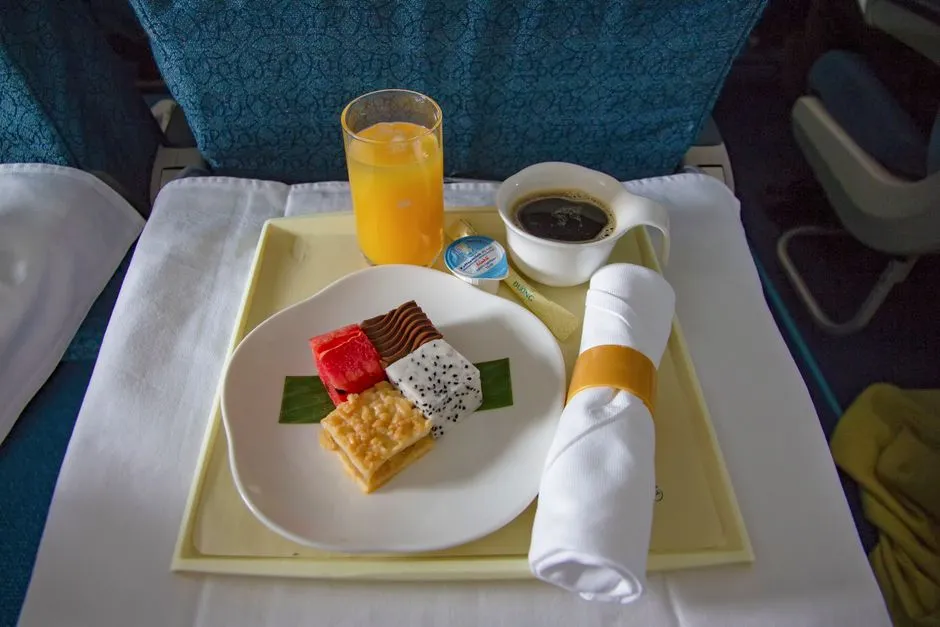
Service usually starts with special meals – diabetic, vegan, and similar – going out first. Close behind is the bar service, so that the passenger can have a drink with their meal. This is true regardless of your row or cabin class. If you have a dietary requirement and have pre-ordered a special meal, your tray typically arrives before your seatmates see the cart. It is one of the quieter perks of advance dietary meal requests that most passengers never think to use.
Preordered Meals Get Priority Delivery Too
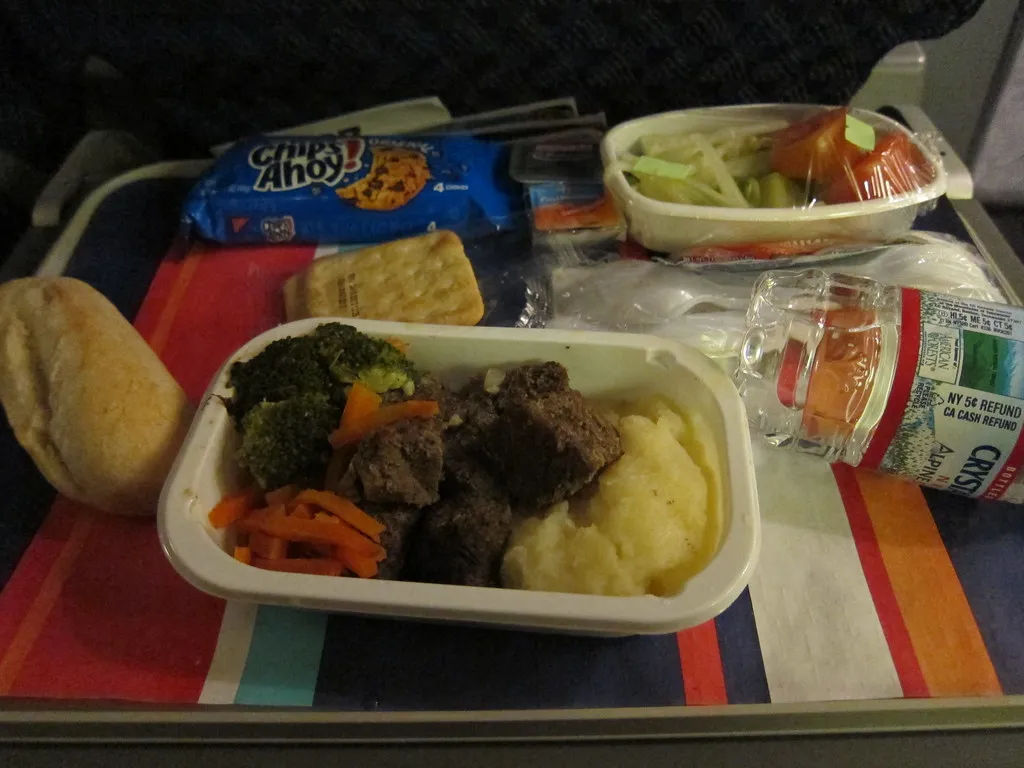
During the meal service, flight attendants first deliver meals to passengers who made their pre-order. This system has expanded significantly in recent years across major U.S. carriers. United Airlines now allows customers to order fresh economy meals before their flight through the airline’s website and mobile app. This change prioritizes giving customers more choice and ensuring they get the meals they want, while also helping the airline’s catering operation run more efficiently. United Economy meal preorders are available on flights over 1,190 miles within the U.S., Canada, Mexico and the Caribbean.
The Back of Economy Is Last – with One Surprising Exception
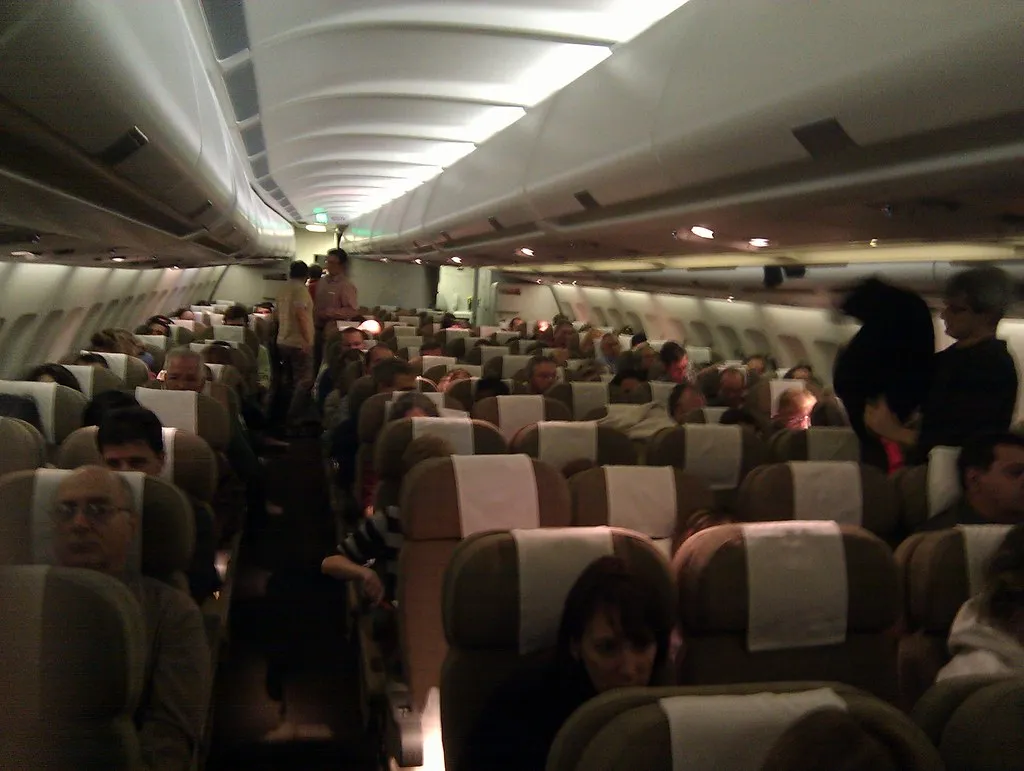
Passengers sitting at the front of the plane can disembark first and have a better chance of securing their preferred meal option. If you are seated at the back, you can expect the most attentive service. There is a real trade-off here. The passengers at the back of the plane are seen by fewer fellow travelers, so if they get slipped an extra drink or a set of earplugs, it is more likely to go unnoticed. Front rows win on choice and speed; back rows can win on individual crew attention.
Bulkhead Seats Also Get an Early Service Edge
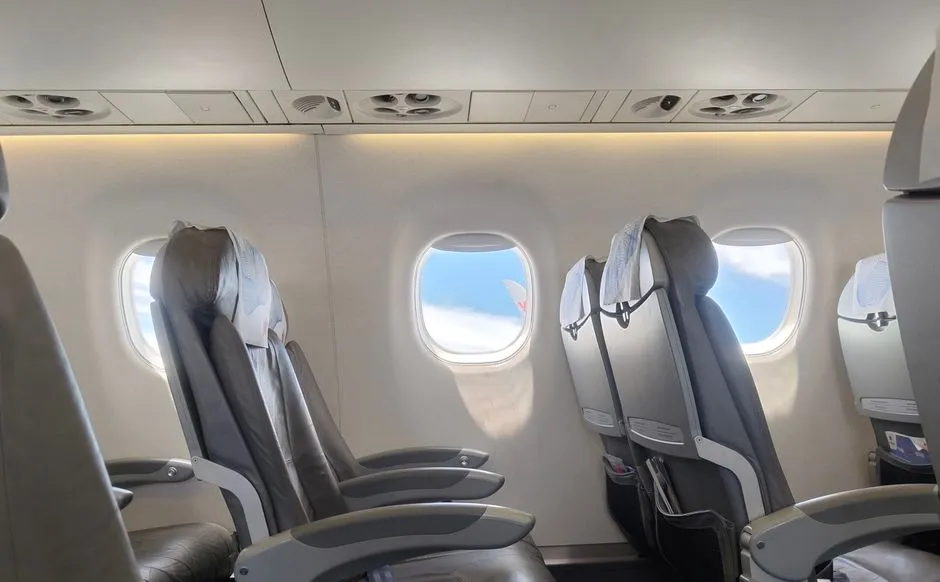
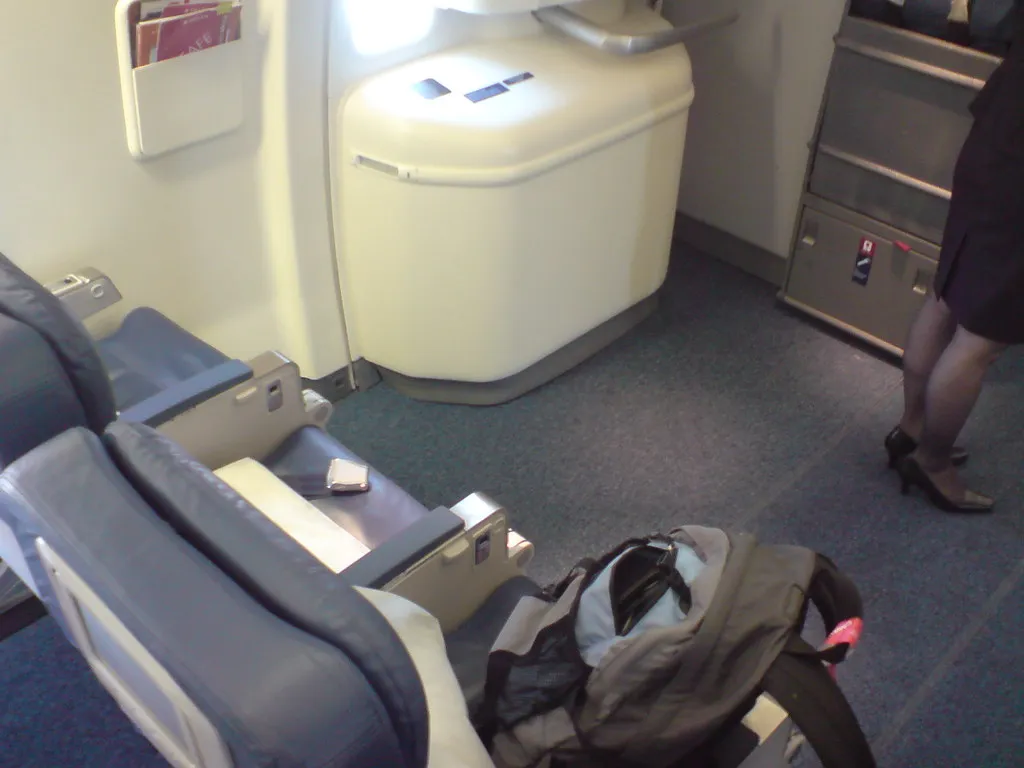
Bulkhead seats offer no reclining neighbor in front of your space, and passengers there will often be served meals first. Bulkhead rows sit directly behind the cabin dividers and often position passengers right at the natural starting point for the service cart. Bulkhead seats are located behind a dividing wall, usually close to a galley or the lavatories. On some long-haul twin-aisle aircraft, there are bulkhead rows opposite a crew member’s seat and next to an emergency exit. These rows have no storage space under the seat, though they do offer significantly more legroom.
Preordering Is Changing the Old Rules for Everyone
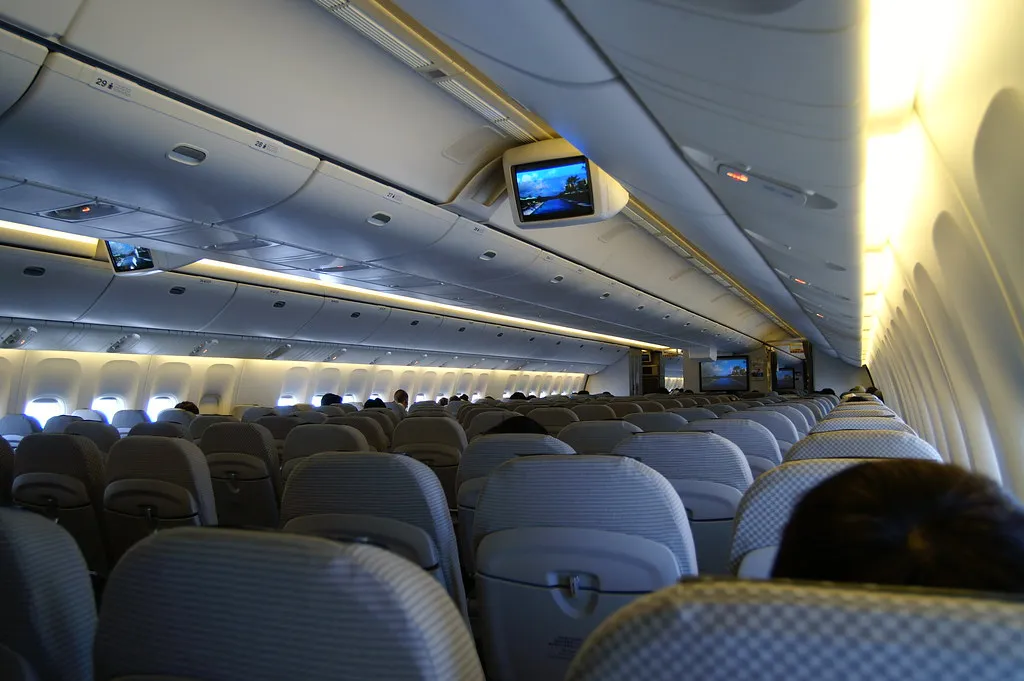
Preordering shifts the experience from first-come, first-served to planned and predictable. It also quietly changes the rhythm of the cabin – fewer disappointed glances at the menu card, fewer apologies from the aisle, and a service flow that moves with fewer interruptions. Several major airlines now offer this option across multiple cabin classes. United first introduced preorder in the United app for premium cabins in 2021 and saw customer satisfaction scores for domestic flights increase by nearly forty percent. That is a substantial shift, and other carriers have taken notice.
Exit Row Seats Near the Front Also Rank High
Exit row seats offer great views, extra legroom, no emergency-exit responsibilities in certain positions, the ability to put a bag under the seat in front, ease for disembarking, and they are one of the first rows to be served for in-flight service. Flight attendants consistently point to these seats as their personal favorites when traveling off duty. Flight attendants suggest that when traveling as passengers, they prefer exit row window seats, like 21A or 21F on narrowbody aircraft. The combination of service speed and comfort in a single seat is hard to beat.
The Last Row Is the Hardest Place to Be at Mealtime
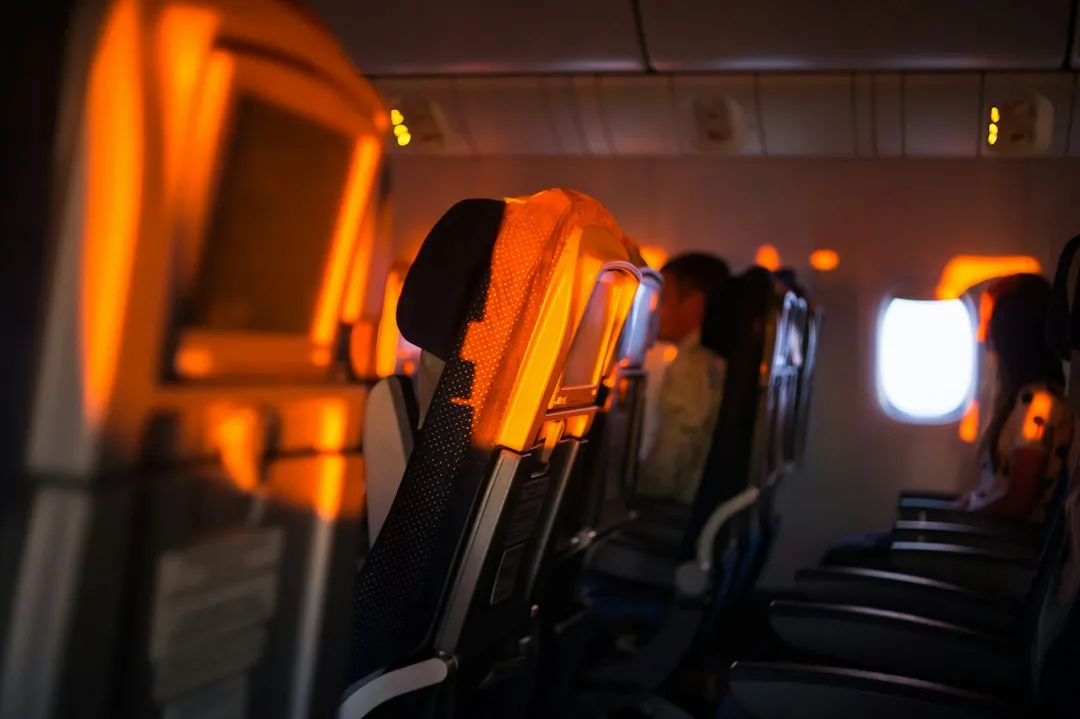
On most flights, passengers in the back rows board first, so they get first access to overhead bin space. On the downside, there is usually a long wait to get off the plane, food choices can be limited by the time the cart gets to you, and the line for the lavatory can be distracting and noisy. The lack of meal choice is a real and consistent issue on full flights. The consensus is that most flight attendants, when flying off duty, will avoid the last row of economy due to galley and lavatory noise, and note that the seats do not recline.
The Takeaway
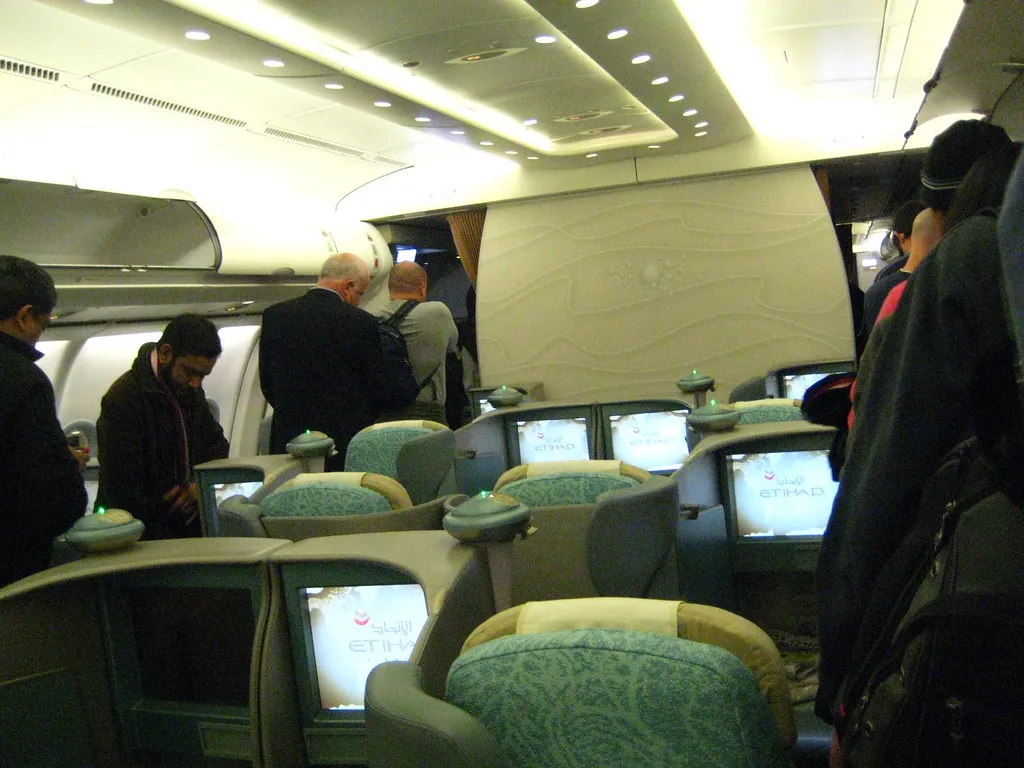
The seat that gets served first depends on a layered system: cabin class comes first, then dietary pre-orders, then row position within each cabin. Choosing a seat in the front of the aircraft is a meaningful decision. Front seats generally benefit from faster meal service and give you the advantage of being among the first to disembark after landing.
The smartest move in 2026, if meal choice matters to you, is to combine a front-of-economy seat with a preordered meal where your airline allows it. That combination removes almost all the uncertainty from the equation. What you eat at 35,000 feet may seem like a small detail – until the cart passes your row with nothing left.
AI Disclaimer: This article was created with the assistance of AI tools and reviewed by a human editor.