


Few places in the world guard their borders the way Hawaii does, and that includes the borders at the bottom of the jetway. While most travelers know the state’s beaches are spectacular and its ecosystems are unlike anything on the mainland, fewer realize that bringing a dog or cat along for the ride involves a process that rivals international travel in its complexity.
Hawaii by far has the strictest rules in the United States for pets traveling to the state, with far more preparation required than any of the other 49 states. The reason behind that strictness is specific, documented, and deeply tied to the islands’ ecology. Animal quarantine officers enforce these rules not out of bureaucratic habit, but because the stakes for getting it wrong are genuinely high.
The One Fact That Explains Everything: Hawaii Is Rabies-Free

Hawaii is the only state in the US that is completely rabies-free, and it is important that the state maintains that status. The introduction of rabies would have dire consequences, not only for public health, but would have an adverse effect on Hawaii’s unique ecosystem, tourism, and local lifestyle.
Countries and US states that are rabies-free, including the UK, Australia, and Hawaii, apply the strictest quarantine rules, while countries with well-controlled rabies risk allow entry without quarantine as long as vaccination and identification requirements are met in advance. Hawaii sits in a category with nations, not just states.
Hawaii is administered separately from CDC’s international rules because the state itself is rabies-free, and the Hawaii Department of Agriculture enforces its own import law for every dog and cat, including those arriving from the US mainland. That last detail surprises many people. Even a dog coming from California or New York must meet the same requirements.
The Legal Foundation Behind the Rules

Under Hawaii Revised Statutes, the Department of Agriculture may make and amend rules for the inspection, quarantine, disinfection, or destruction of animals and the premises and effects used in connection with the animals, upon introduction into the state or at any time within it. This broad authority has been in place in various forms since the early twentieth century.
Hawaii’s quarantine law is specifically designed to protect residents and pets from potentially serious health problems associated with the introduction and spread of rabies. The law applies without exceptions for breed, age, or origin.
All dogs and cats, regardless of age, including puppies and kittens, or purpose, must comply with Hawaii’s dog and cat import requirements. Even certified service animals and guide dogs are subject to the same process, though some accommodations exist for their handlers.
What Happens If Your Pet Doesn’t Qualify: The 120-Day Quarantine
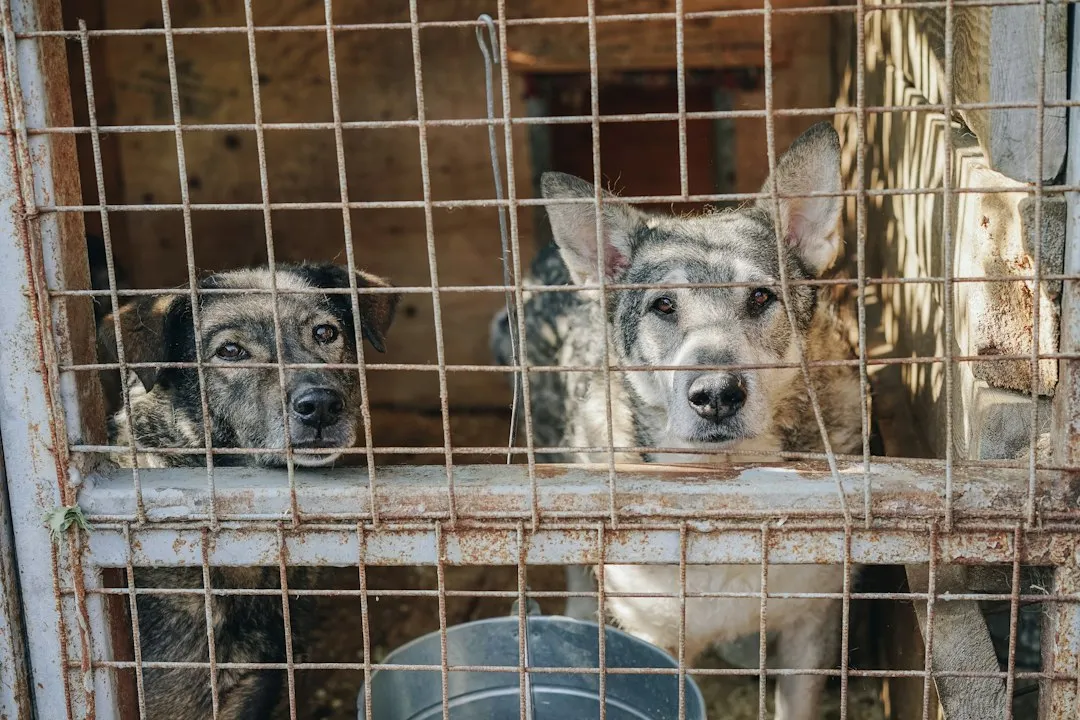
A pet that fails to meet the requirements goes to the Animal Quarantine Station in Halawa Valley on Oahu for up to 120 days. The facility charges approximately $30 per day, reaching up to $3,600 for the full quarantine period.
Pets that fail to meet any requirement, even a single missed step, face up to 120 days of quarantine at the Hawaii Animal Quarantine Station on Oahu. There are no exceptions or expedited reviews. That is a genuinely unforgiving policy, and quarantine officers are firm about it.
The 120-day waiting period was established because of the long and variable length of rabies incubation, where the virus may hide in an animal before clinical signs of the disease become apparent. The science, in other words, dictates the timeline.
The Faster Path: Direct Airport Release and the Five-Day-or-Less Program
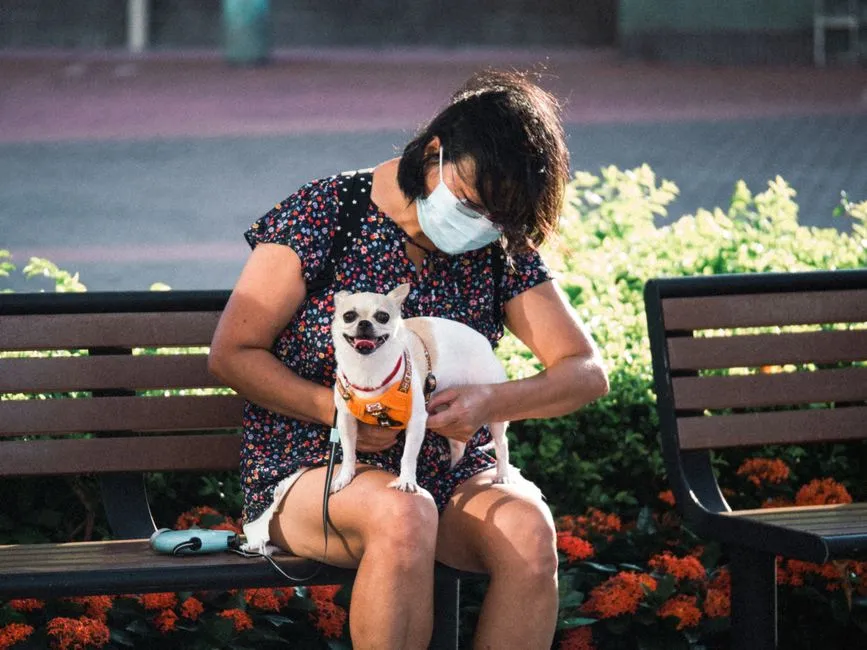
Hawaii is rabies-free, and the state has strict quarantine laws to prevent the introduction of rabies. Pet owners bringing dogs or cats to Hawaii must follow specific requirements to qualify for programs like Direct Airport Release or the 5 Day or Less Quarantine.
The quarantine-free pathway, officially known as Direct Airport Release, allows eligible cats and dogs to enter Hawaii without a mandatory quarantine period. To qualify, owners must complete a strict checklist of pre-arrival requirements, including a working microchip, specific rabies vaccinations, and a successful FAVN rabies antibody blood test.
According to the Hawaii Department of Agriculture, of the nearly 19,000 pets that entered the state between mid-2022 and mid-2023, an impressive 65.7 percent qualified for Direct Airport Release. Only 3.1 percent ended up in the full 120-day quarantine. Well-prepared owners can and do navigate this successfully.
The Microchip Requirement: First Step, No Exceptions
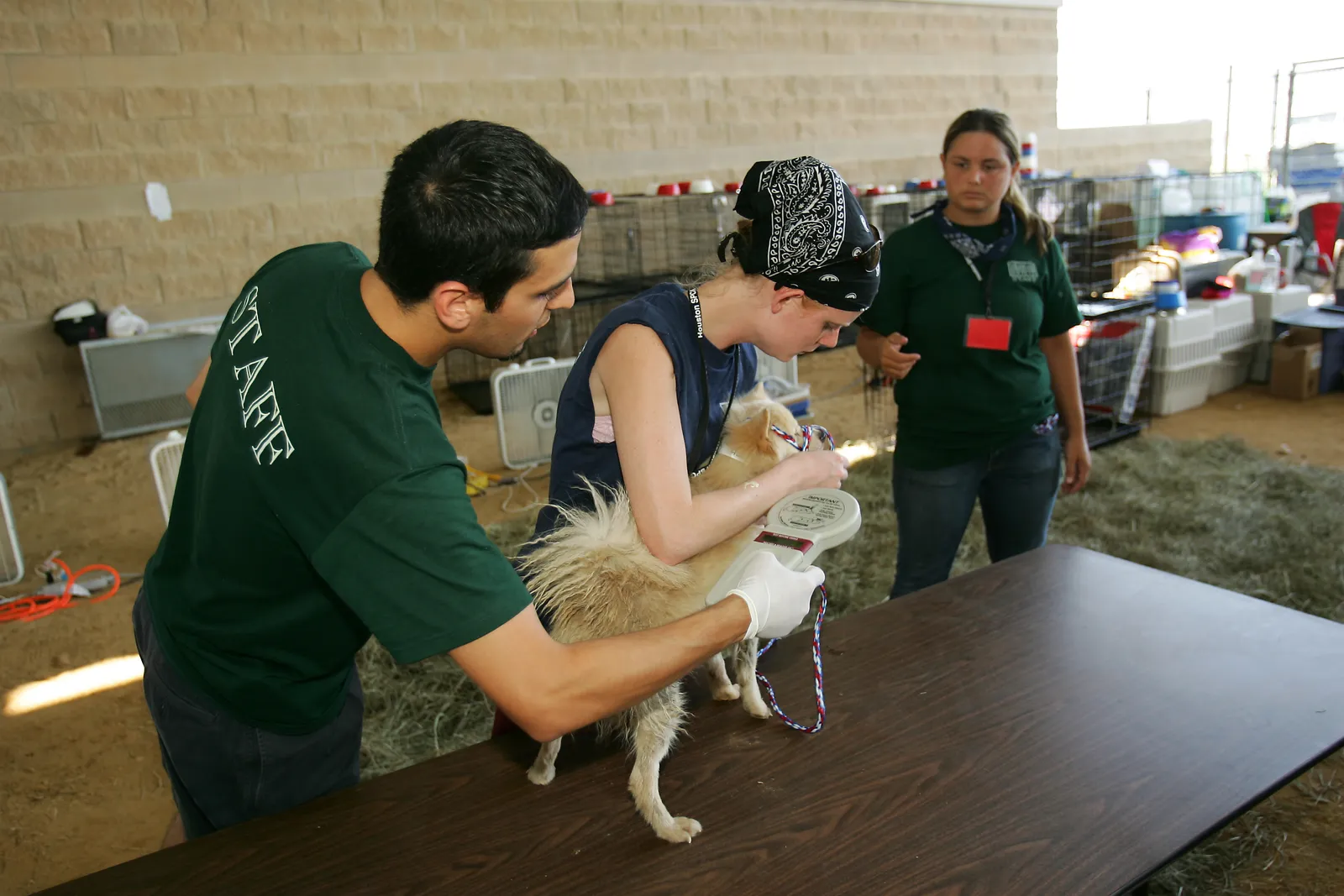
Hawaii requires the microchip to be implanted before rabies vaccinations and before the FAVN blood test so that all medical records are tied to the correct identification number. The sequencing is not negotiable.
Your pet must have an electronic microchip implanted before the FAVN rabies antibody test is performed. A pet that cannot be identified by scanning the microchip at arrival will be subject to 120 days of quarantine. A malfunctioning chip, not just a missing one, can trigger the full quarantine.
This level of traceability is what allows the state to maintain a credible, auditable record connecting each animal to its test results. Without it, the entire system would be open to documentation fraud.
The FAVN Blood Test: The Most Critical Hurdle

A blood sample must be sent to an approved laboratory for the OIE-Fluorescent Antibody Serum Neutralization Test, known as the OIE-FAVN, which tests for the adequate response to the rabies vaccine. A test result greater than 0.5 IU/ml is required.
Currently, Auburn University, Kansas State University, and the DOD Food Analysis and Diagnostic Laboratory in Texas are the approved labs for the test. Samples sent anywhere else will not be accepted by the state.
The FAVN test typically costs between $200 and $600 per pet, including the lab fee, veterinarian blood draw fee, shipping, and administrative fees. The results are also valid for three years, giving owners some planning flexibility if they pass on the first attempt.
The Waiting Period: Why Time Is Part of the Protocol
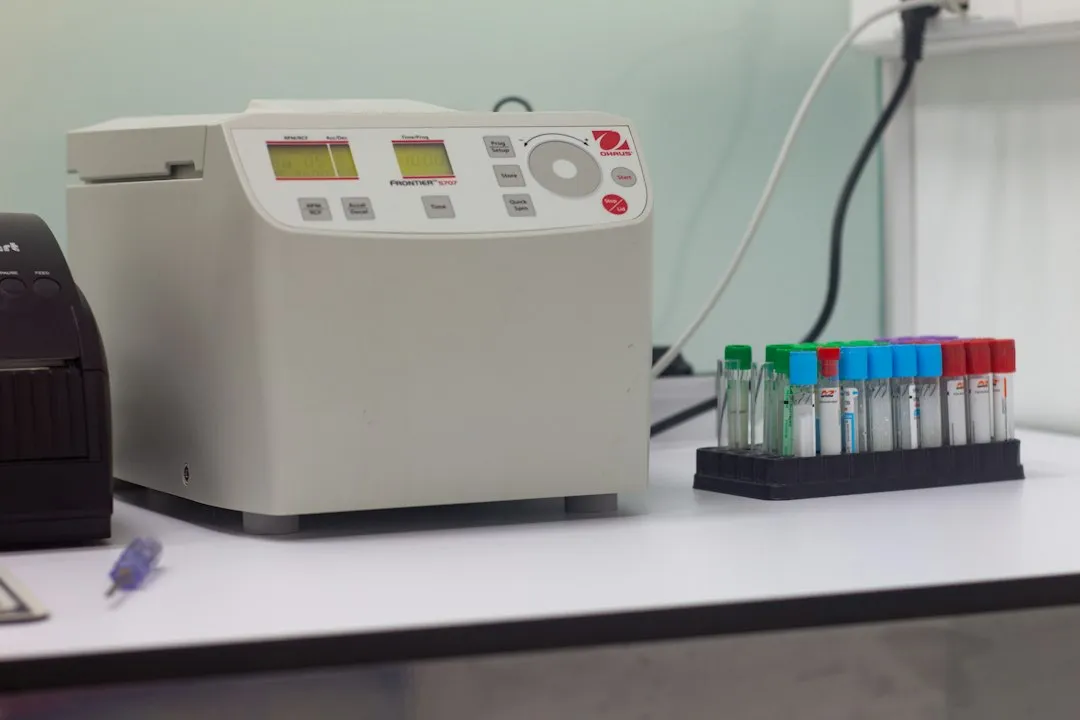
All pets must complete a 30-day waiting period between the day the approved laboratory receives the pet’s blood sample and the date of arrival. If the pet arrives before 30 days have elapsed, the pet is subject to quarantine until the waiting period has been completed.
The timeline is primarily dictated by the FAVN rabies antibody test, which requires a mandatory 30-day waiting period after the blood draw before your pet is eligible to enter Hawaii. Even a one-day shortfall means quarantine at the owner’s expense.
Planning should start at least six months before a move date. That is not an overestimate. When you factor in vaccination timing, blood draw scheduling, lab processing, and document submission windows, the margin for error gets thin quickly.
The Documentation Stack: Paperwork That Has to Be Perfect

Hawaii’s Animal Quarantine Station requires all pet owners to complete and submit the Dog and Cat Import Form AQS-279, two rabies vaccination certificates, FAVN test results, and payment of import fees, which are $185 per pet for airport release or $244 for the five-day-or-less program.
The paperwork must arrive at the Animal Quarantine Station at least 10 days before the pet’s arrival date, and all required paperwork and payments must be sent in together. Late documents, even if the pet itself is fully compliant, can still result in a delayed release.
Missing a deadline, submitting incomplete documentation, or failing to meet blood test criteria can result in extended quarantine upon arrival. Officers at the station process each case strictly against the submitted record. There is no on-the-spot correction process.
What It Costs in Total: The Full Financial Picture

Excluding airline fees, the cost for the quarantine-free process typically ranges from $600 to over $1,200 per pet. These costs cover veterinary visits, microchipping, rabies vaccinations, the FAVN blood test, health certificate fees, and the state’s Direct Airport Release fee of $185.
A breakdown of typical veterinary costs includes microchip implantation at $20 to $100, rabies vaccinations at $30 to $100 for two doses, a health exam and certificate at $100 to $350, and the FAVN test at $120 to $220. Those figures can compound quickly for households with multiple animals.
For people facing the full 120-day quarantine, the cost of kenneling alone at the state facility, at roughly $14.30 per day according to Hawaii Department of Agriculture guidance, adds up to well over $1,700 on top of the program fees. It is a powerful financial incentive to get the preparation right the first time.
Why Even Service Animals and Emotional Support Pets Are Not Exempt
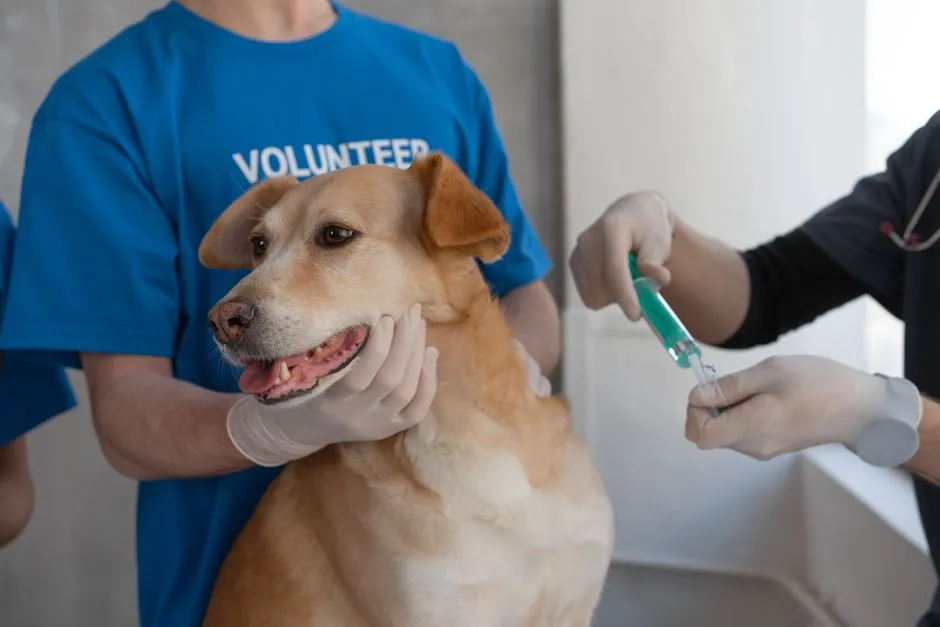
According to the Hawaii Department of Agriculture and Biosecurity Animal Quarantine Branch, every dog and cat entering Hawaii must meet strict import rules because the islands are rabies free. The rules apply to vacationers, residents, puppies, kittens, and service animals of all breeds.
An emotional support animal does not bypass quarantine requirements. This is a point that catches many travelers off guard, particularly those used to protections on the US mainland. Guide and service dogs must complete pre-shipment requirements including having a current rabies vaccination, passing an OIE-FAVN rabies blood test prior to arrival in Hawaii with a result greater than 0.5 IU/ml, and certification.
Courts have noted that without reasonable modifications to the quarantine requirement for the benefit of visually-impaired individuals who rely on guide dogs, quarantine requirements effectively prevented those persons from enjoying benefits of state services and activities, in violation of the Americans with Disabilities Act. The state has worked to accommodate such cases, but the core health protocols remain in force.
The Ecological Stakes: What Rabies Would Actually Mean for Hawaii

The introduction of rabies would have dire circumstances, not only for public health, but would have an adverse effect on Hawaii’s unique ecosystem, tourism, as well as local lifestyle.
Because Hawaii is rabies free, resident pets are not currently required to be vaccinated for rabies. Should rabies become established in the state, animal and human health programs and rabies disease control programs would be very costly for the citizens of the entire state. The absence of mass vaccination programs means local wildlife and domestic animals alike would have almost no natural protection against an outbreak.
Other states may require health certificates or proof of vaccination, but they do not operate formal quarantine programs like Hawaii and Guam. That distinction captures the gap clearly. Hawaii is not stricter because of excessive caution. It is stricter because it has something to protect that no other US state has.
A Status Worth Protecting

What makes Hawaii’s approach striking is not just the complexity of the rules, but the consistency with which they have been maintained across decades and administrations. The Animal Quarantine Branch has never treated this as a formality.
The law requires that the entire cost of the rabies quarantine program be paid by the users of the quarantine facility. General funds, meaning taxpayer funds, may not be used to run this program. That self-funding structure means the program’s survival is tied directly to compliance volume, which gives officers a practical interest in helping people get it right.
Hawaii’s rabies-free status is, in a real sense, a public good that has been carefully built over generations. For the animals, the people, and the ecosystem that make these islands so extraordinary, the strictness is not a burden. It is part of what makes the place worth protecting.
AI Disclaimer: This article was created with the assistance of AI tools and reviewed by a human editor.