
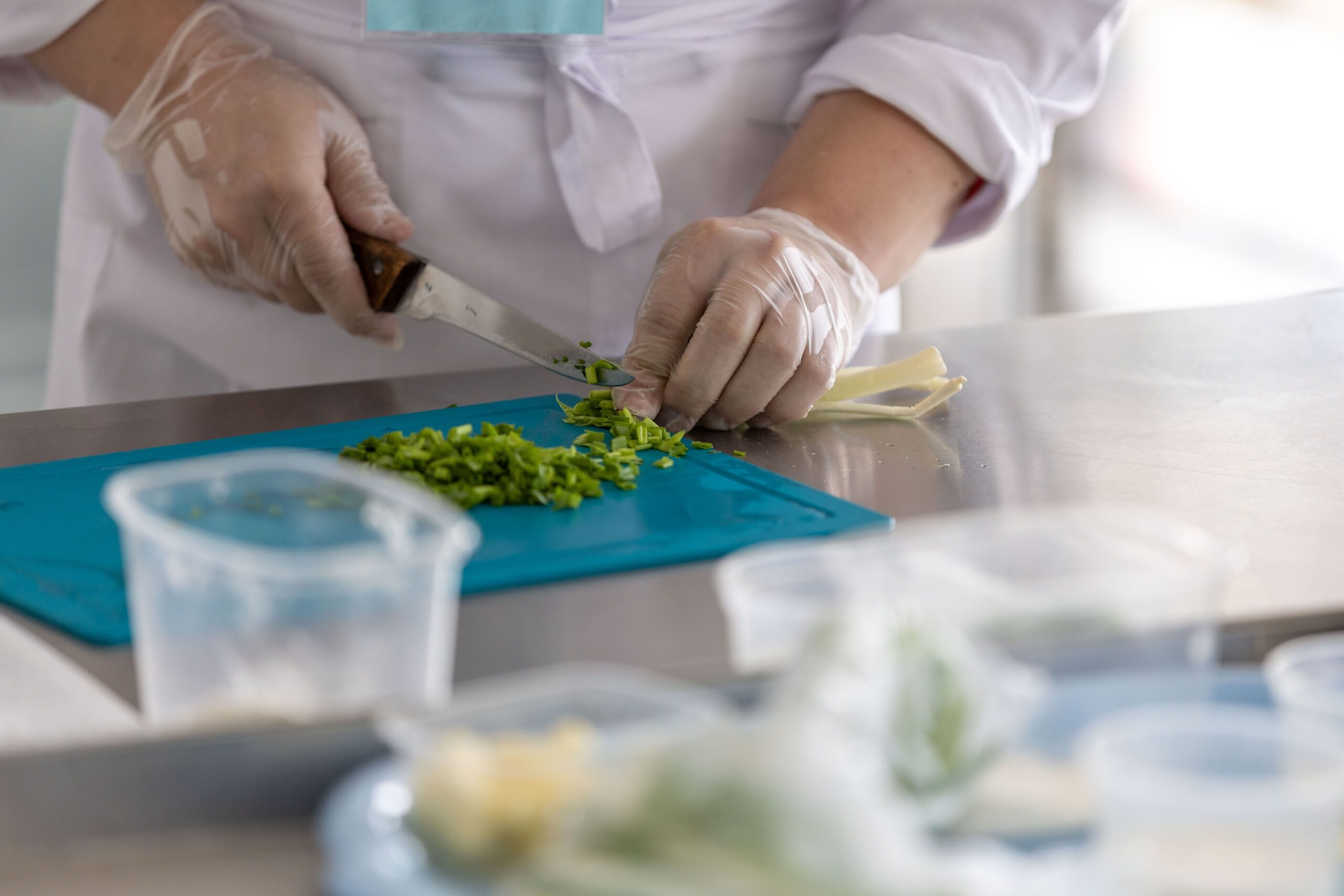

The One Rule That Anchors Everything: Keep Sick Crew Out of the Galley
Ask experienced galley staff what single rule does the most work, and the answer is remarkably consistent: anyone feeling unwell does not touch food. Galleys prioritize hygiene and ensure that only healthy crew members are allowed to work, with culinary staff not permitted to work if they’re feeling unwell. It sounds obvious, yet it represents the clearest line of defense between a contained illness and a shipwide outbreak.
When CDC inspectors board ships, they descend on galleys and dining rooms, interviewing food service staff on safe handling practices and specifically checking whether sick crew members have been kept away from food prep. This check is not incidental – it’s a formal inspection point.
The CDC’s 2025 Vessel Sanitation Program standards also require documentation of a three-day assessment of crew members before their return to work, plus a formal assessment of any food prepared or served by a food employee while ill, with appropriate corrective actions potentially including discarding all ready-to-eat food. Nothing is left to memory or goodwill.
HACCP: The Seven-Step System Behind Every Meal
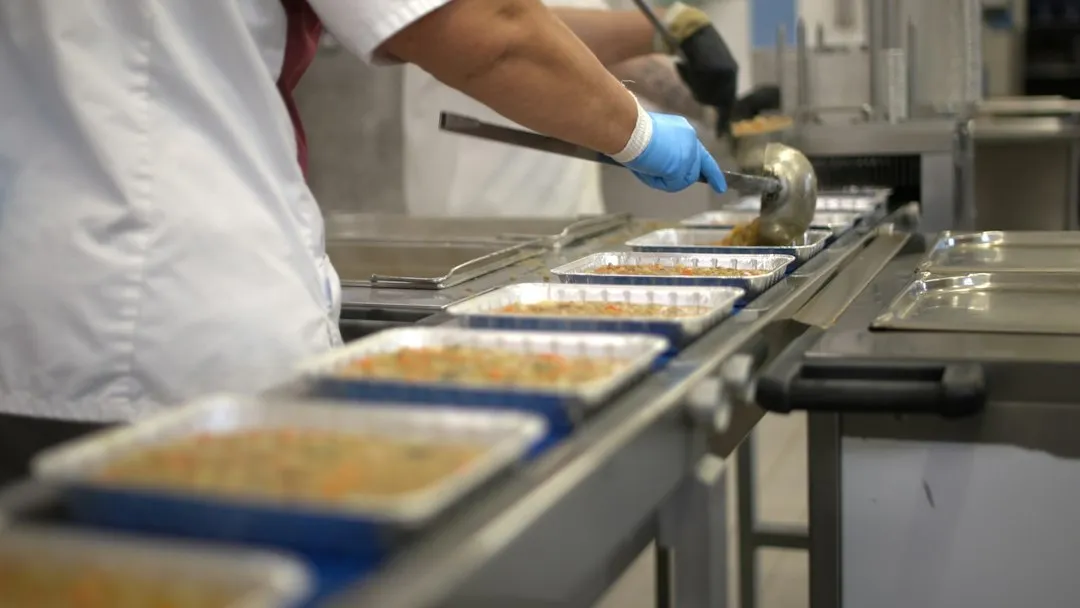
Companies operating in U.S. waters ensure that cruise ship chefs follow the HACCP system – Hazard Analysis Critical Control Point – which research has shown is a viable food safety operation system. It’s the structural backbone of everything that happens in a ship’s galley.
HACCP is a systematic management approach consisting of seven core principles designed to protect food safety from biological, chemical, and physical hazards. Every decision, from how long chicken sits at room temperature to how sandwiches are cooled after preparation, runs through this framework.
If a refrigerator fails, the corrective action protocol dictates whether food can be moved, quickly processed, or must be discarded – removing the guesswork from high-pressure galley environments. That matters enormously when you’re feeding thousands of people around the clock.
Temperature Control: The “Danger Zone” Rule No Crew Member Ignores
Time and temperature are two of the most important factors to control in the prevention of a foodborne illness on board a cruise ship. This is the operational reality that shapes nearly every decision in the galley.
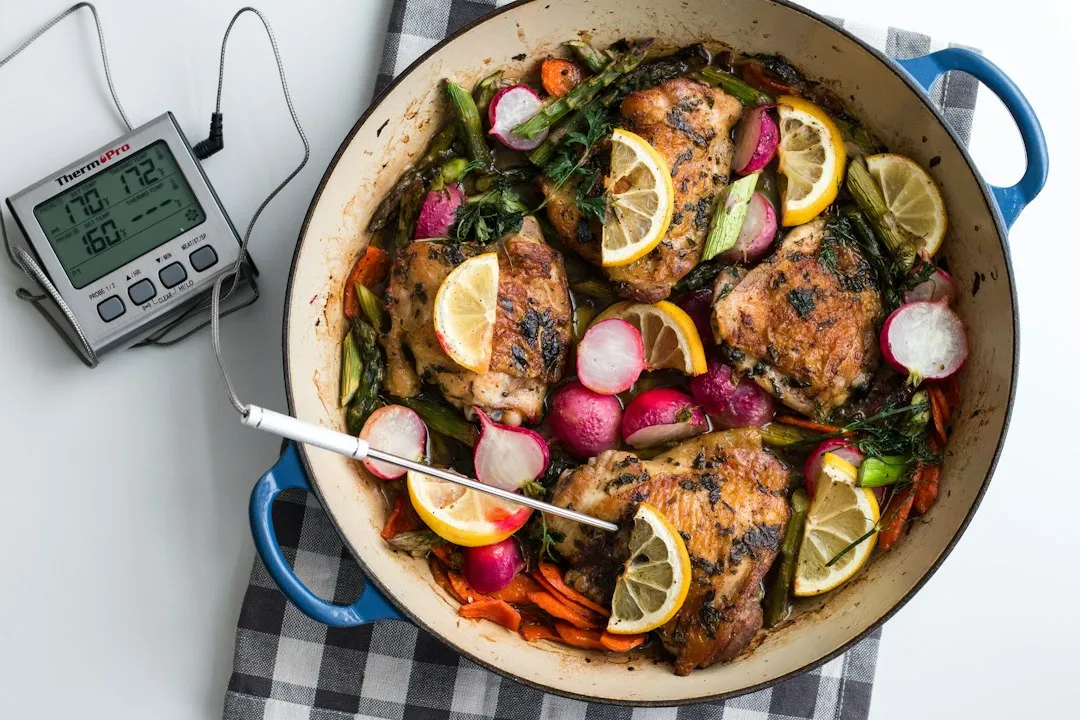
It is essential to prevent food from entering what is known as the “danger zone temperature,” between 4 and 60 degrees Celsius, where rapid bacterial growth occurs. Hot food must stay hot; cold food must stay cold. The gap between those two states is where illness hides.
For cold storage of proteins like poultry, the critical limit is staying at or below 4°C (40°F) – if the temperature rises above this, the safety of the product is considered compromised. Modern cruise ships use advanced software to monitor food safety in real time, with wireless temperature monitoring tracking how food is stored and digital checklists ensuring safety rules are followed. If any measurements go outside acceptable ranges, these systems immediately notify staff.
Personal Hygiene Protocols That Go Beyond a Handwash Sign
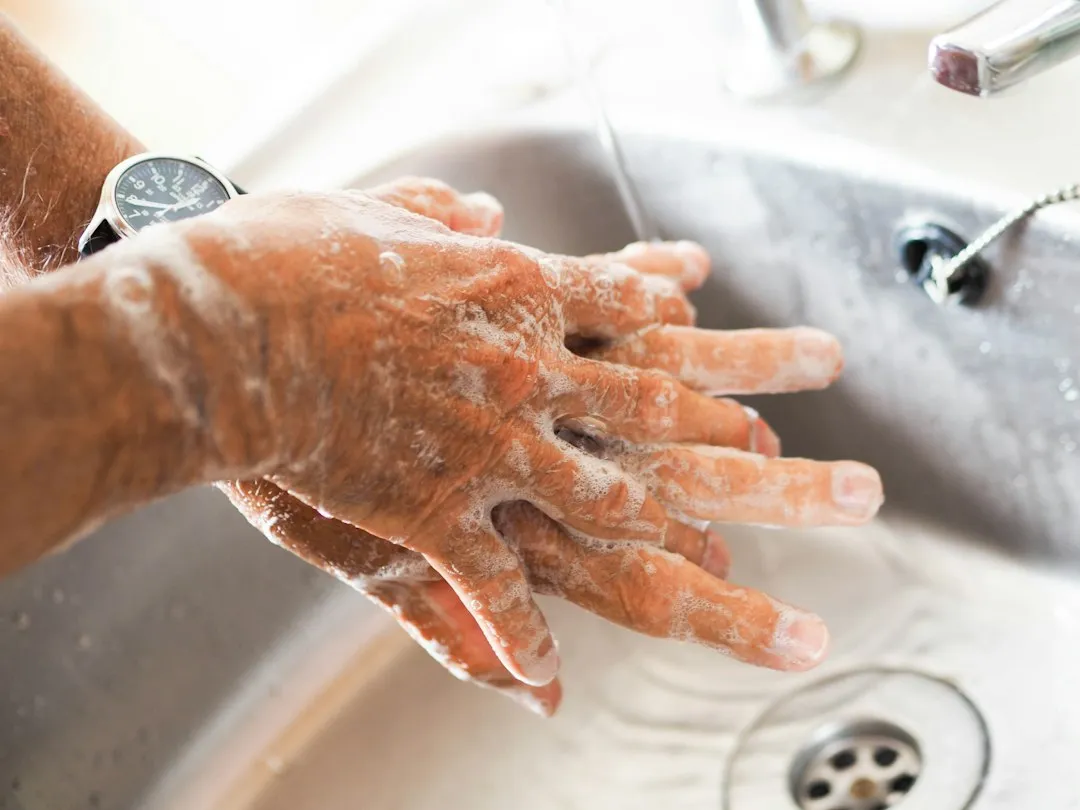
Personnel involved in food handling must adhere to strict personal hygiene protocols. Food-preparation clothing must not be worn outside the kitchen, and hands must be washed thoroughly after using the restroom and before handling any food. These are non-negotiable baselines, not suggestions.
Smoking is strictly prohibited in the galley, and sneezing or touching the face or hair while preparing food must be avoided at all times. Staff members must also wear the right protective gear, including hair nets, gloves, and clean shoes.
Outbreak trackers note that hand sanitizer is less effective against norovirus than soap and water, yet sanitizer stations get the most attention from passengers. Galley crews know the difference and are trained accordingly.
The Separation Rule: One Zone for Each Food Type
Unlike land-based restaurants, a cruise ship kitchen must produce thousands of meals under conditions of high humidity, limited space, and constant vessel motion. Cross-contamination is a constant risk that the physical layout of a galley is specifically designed to minimize.
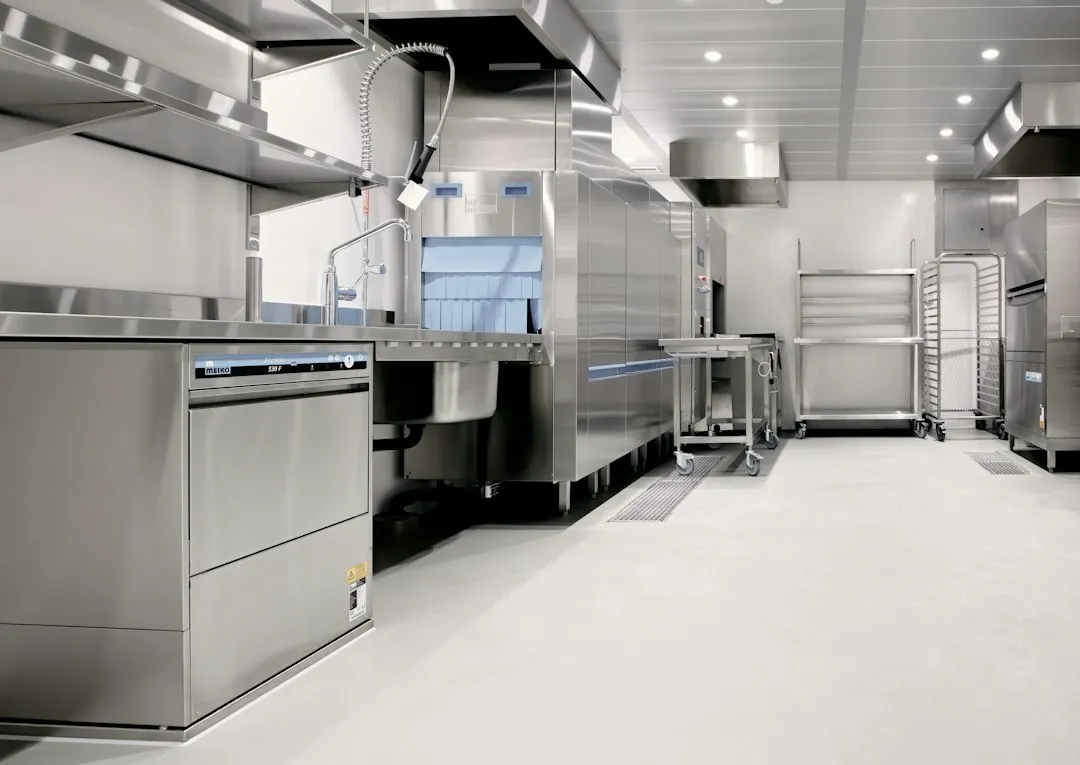
Cruise ship kitchens use separate preparation zones for different food types, alongside anti-bacterial floor coatings, as standard safety features. Raw proteins never share a surface or a workflow path with ready-to-eat items.
Food must be prepared in a clean, well-maintained galley equipped with surfaces that are waterproof, easy to clean, and free of damage. Any surface that traps moisture or cracks under heat becomes a bacterial harbor – which is why the physical condition of the galley itself is an inspection item.
The Once-Food-Leaves-the-Galley Rule
According to crew accounts, cruise lines do not allow crew to touch food once it has left the galley. One former server noted that food reaching a passenger area is considered unrecoverable if it isn’t consumed. It’s a strict boundary that removes an entire category of contamination risk.
The logic is straightforward. Once food enters a dining area, it has been exposed to hundreds of potential contact points: trays, tables, serving utensils, and passenger hands. Returning it to the galley and treating it as safe would undermine the entire preparation chain.
Some ships have internal protocols for repurposing leftover prepared food that meets safety standards for crew meals, while others use systems like MAGS (Micro Auto Gasification System) to destroy leftovers from service. Policies vary by line, but the principle – keep returned food out of the passenger food chain – is consistent.
Mandatory Certification: Who Is Allowed to Work the Galley
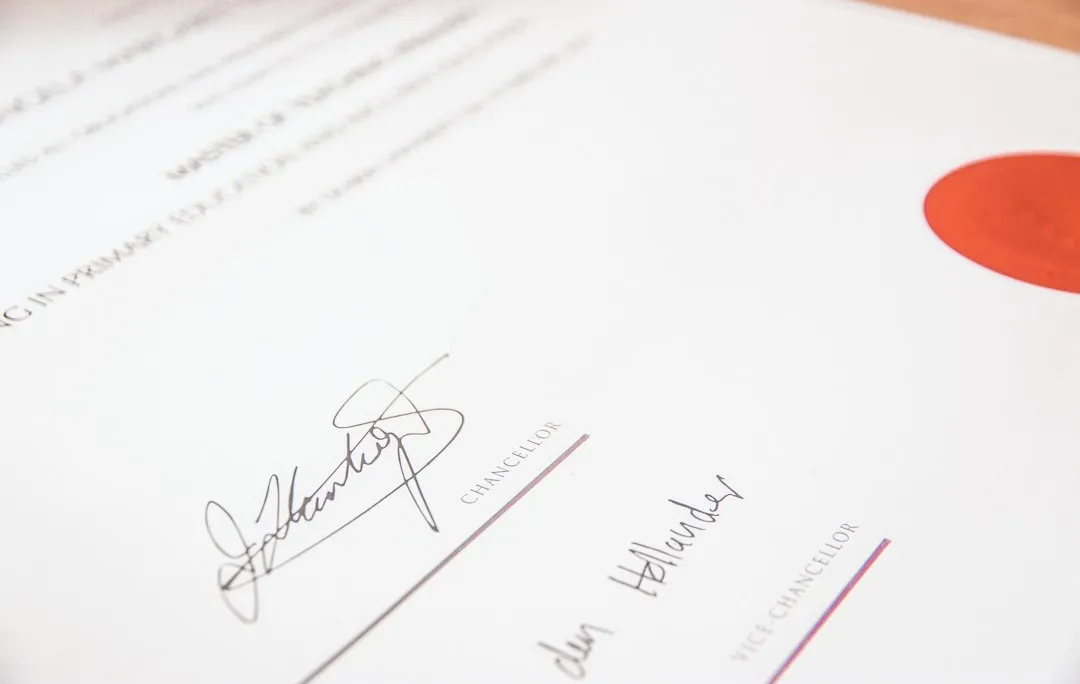
HACCP certification or an equivalent national food hygiene qualification is commonly required or strongly preferred for galley staff, particularly for chef de partie roles and above, with culinary school training that includes food safety modules also satisfying this requirement in most cases.
Formal food safety credentials are essentially mandatory for executive chefs and senior culinary management, alongside extensive verified experience managing food safety compliance across a large kitchen operation. This isn’t about paperwork – it reflects the genuine complexity of running a food operation at sea.
Cruise lines are also subject to strict, independent sanitation inspections that assess food safety compliance across the entire ship, not just the galley. Certification and inspection work in tandem rather than as separate systems.
Unannounced Inspections: The CDC’s Vessel Sanitation Program
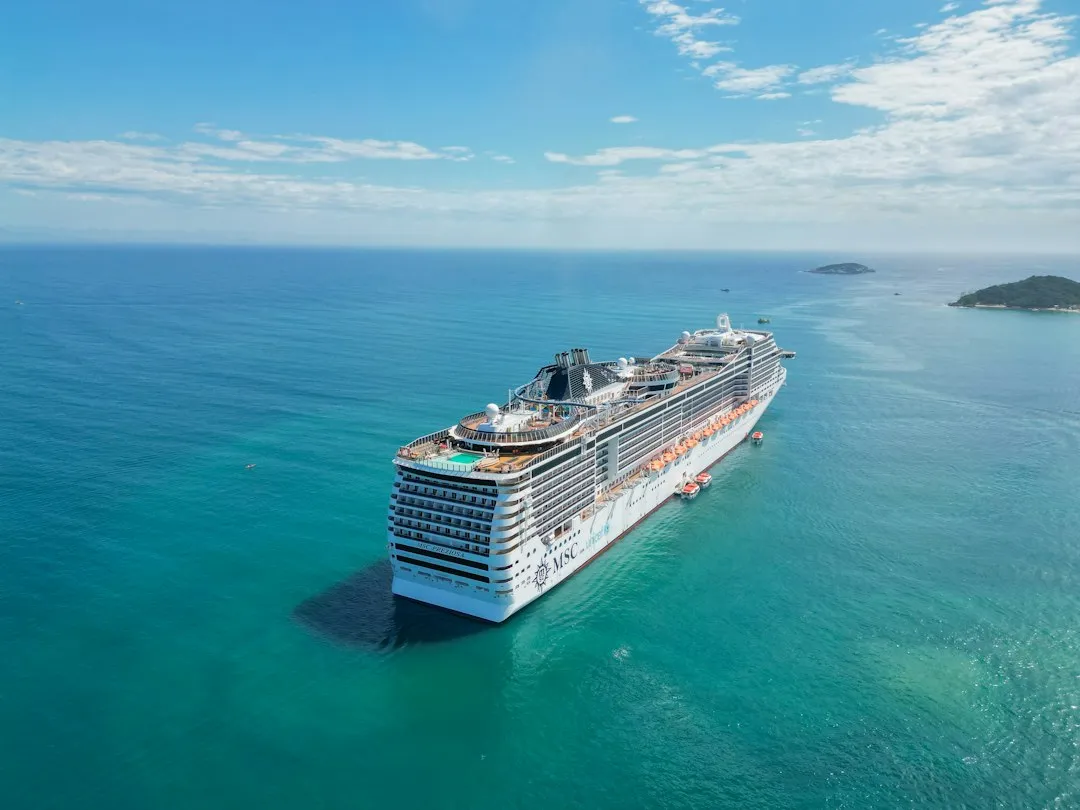
Since the 1970s, the CDC has operated the Vessel Sanitation Program, one of the most consequential public health initiatives in this space. Under its authority, any cruise ship carrying 13 or more passengers on an international itinerary that stops at a U.S. port is subject to twice-yearly, unannounced sanitation inspections.
Ships are scored on a scale of 0 to 100, and scores below 86 trigger a follow-up inspection. The most common violations involve food temperature control, improper food storage, cross-contamination risks in galleys, inadequate handwashing facilities, and pest evidence.
Recent inspections have underscored how quickly small procedural gaps become scored deficiencies. During a 2025 inspection of Emerald Princess, food temperature controls accounted for five of the 22 points deducted, with almost all cold food on the portside buffet lines lacking the required time-control labels – leading to meats, cheeses, sandwiches, and salads being discarded during the inspection itself.
Documentation: If It Wasn’t Recorded, It Didn’t Happen
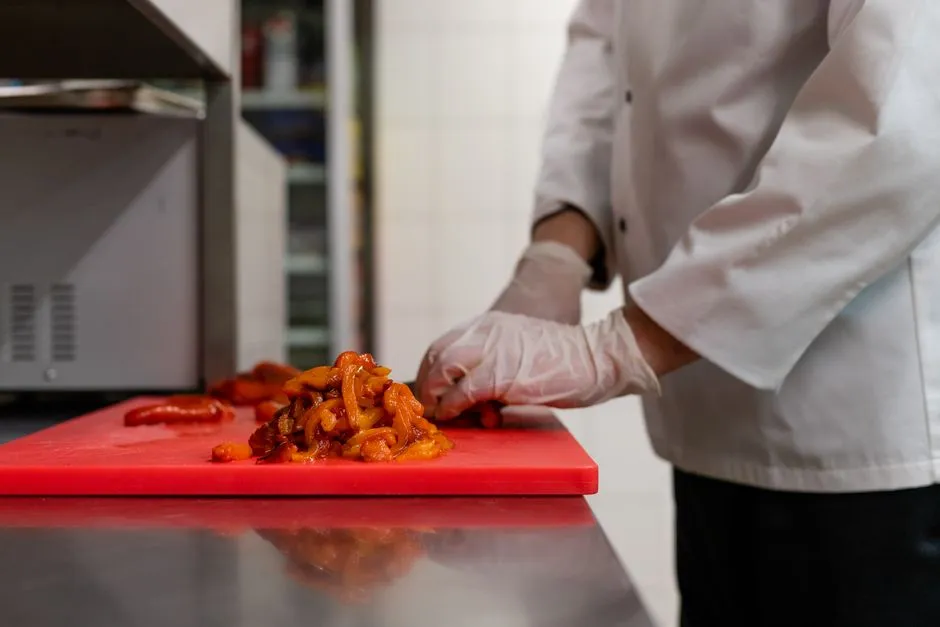
In the eyes of maritime authorities like the CDC’s Vessel Sanitation Program, if it wasn’t documented, it didn’t happen. Comprehensive records of every delivery, temperature check, and corrective action are mandatory. This documentation culture is one of the less visible but most consequential habits in a well-run galley.
A 2025 inspection example illustrated this vividly when prepared sandwiches were found cooling too slowly – dropping only 3 degrees Fahrenheit over three hours. Inspectors noted that a temperature-control procedure cannot do its job if the people responsible cannot establish when the food was made.
Logs matter because outbreaks are rarely sudden. They build through accumulated small failures – a missing label here, an undocumented temperature deviation there. Written records are the audit trail that reveals those patterns before they cause harm.
The Norovirus Reality: Why Context Matters
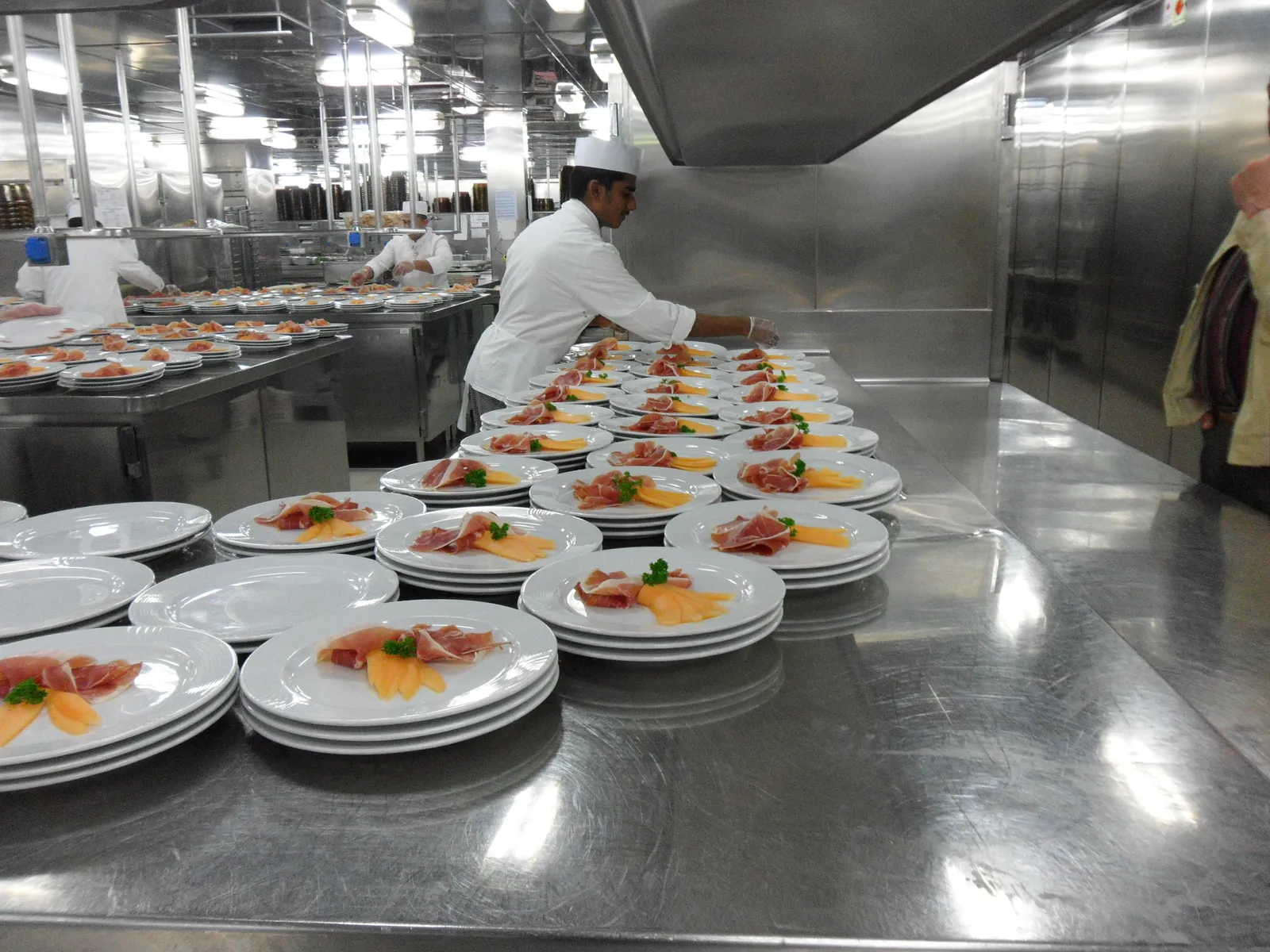
The CDC posted 23 cruise ship gastrointestinal outbreaks in 2025, 18 of them norovirus. That is a genuinely elevated number, though context is important for understanding what it means in practice.
The CDC notes that cruise ships account for only about one percent of reported norovirus outbreaks overall, with over half occurring in long-term care facilities. The CDC also points out that outbreaks are found and reported more quickly on a cruise ship than on land, thanks to strict reporting protocols. That visibility can make the numbers appear more alarming than a true population comparison would suggest.
The CDC’s Vessel Sanitation Program posts an outbreak when three percent or more of passengers or crew on a ship report gastrointestinal symptoms. On a vessel carrying several thousand passengers, that threshold can represent a relatively small number of people – though it’s still taken seriously at every level of the galley operation.
The Takeaway
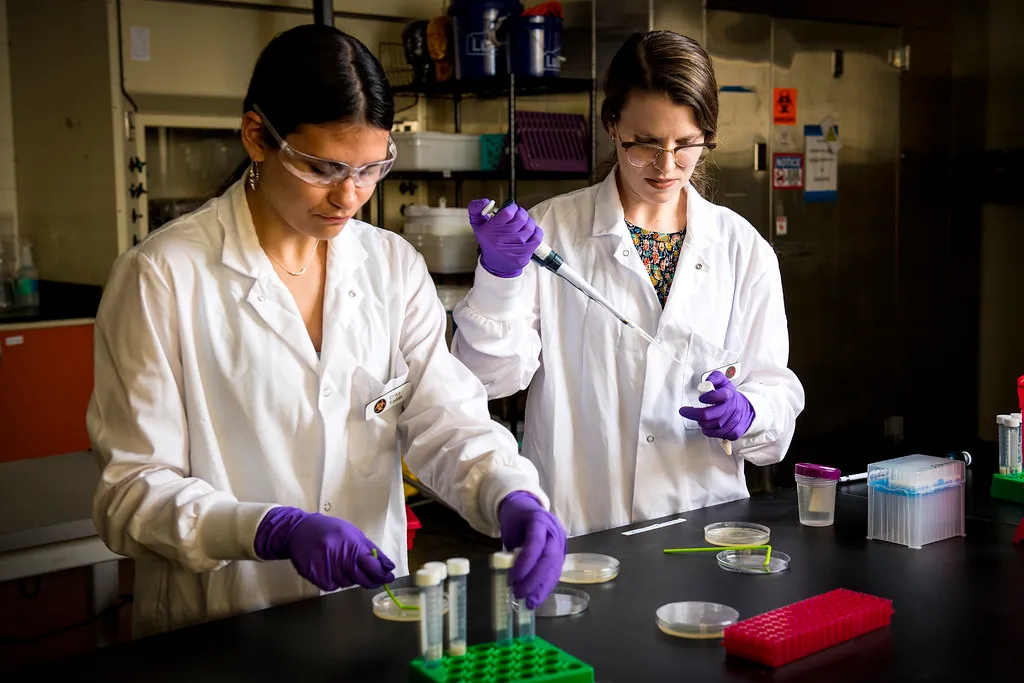
The kitchen rule that keeps passengers from getting sick isn’t a single dramatic protocol – it’s a system of interlocking practices, each one closing a gap the next might miss. Sick crew stay home. Temperatures are logged, not assumed. Surfaces are separated, certified, and inspected without warning.
What galley crews understand, and passengers rarely need to think about, is that food safety at sea requires the same discipline as it does on land – only compressed into tighter spaces, faster service windows, and a moving environment that never fully stops. The rigor behind it is the quiet reason most cruises remain what passengers expect them to be: a good meal, undisturbed.
AI Disclaimer: This article was created with the assistance of AI tools and reviewed by a human editor.