
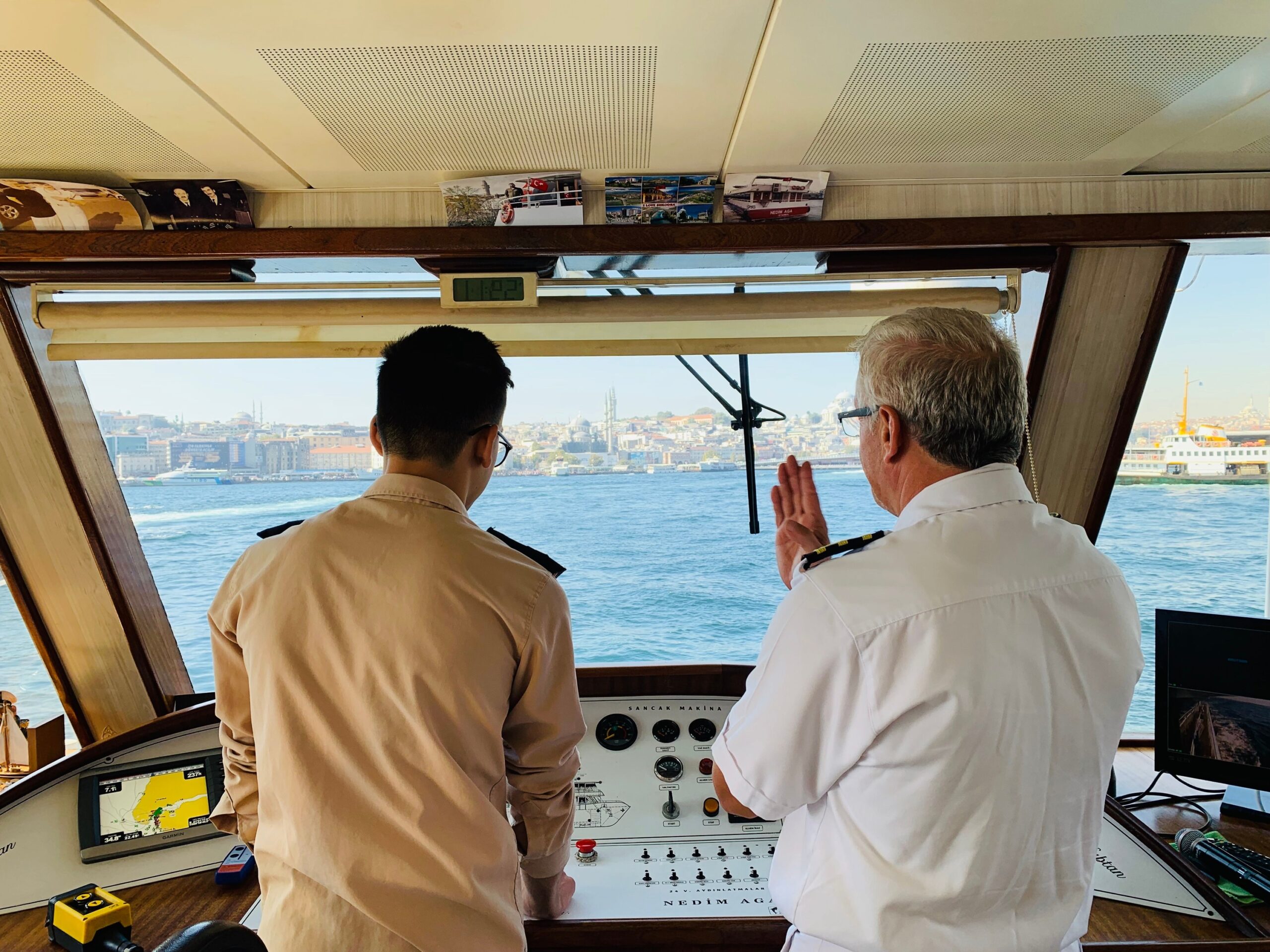
The Crew Mess: A World Passengers Never See

Every cruise ship has at least one crew mess, a communal dining area below decks where all crew below officer rank eat their meals. Larger ships have multiple crew messes, sometimes separated by department or rank level, and a separate officer dining room. It’s a fully functional dining operation running parallel to the passenger restaurants, hidden from view by a door most guests will never open.
The crew mess is open at set meal times and typically serves a rotating international menu, often featuring cuisine from the most common crew nationalities onboard. On larger ships, crew from more than 40 nationalities share this space every day. The sheer cultural range of that daily gathering is something no passenger buffet could replicate.
All Meals Are Free, and That Is a Bigger Deal Than It Sounds
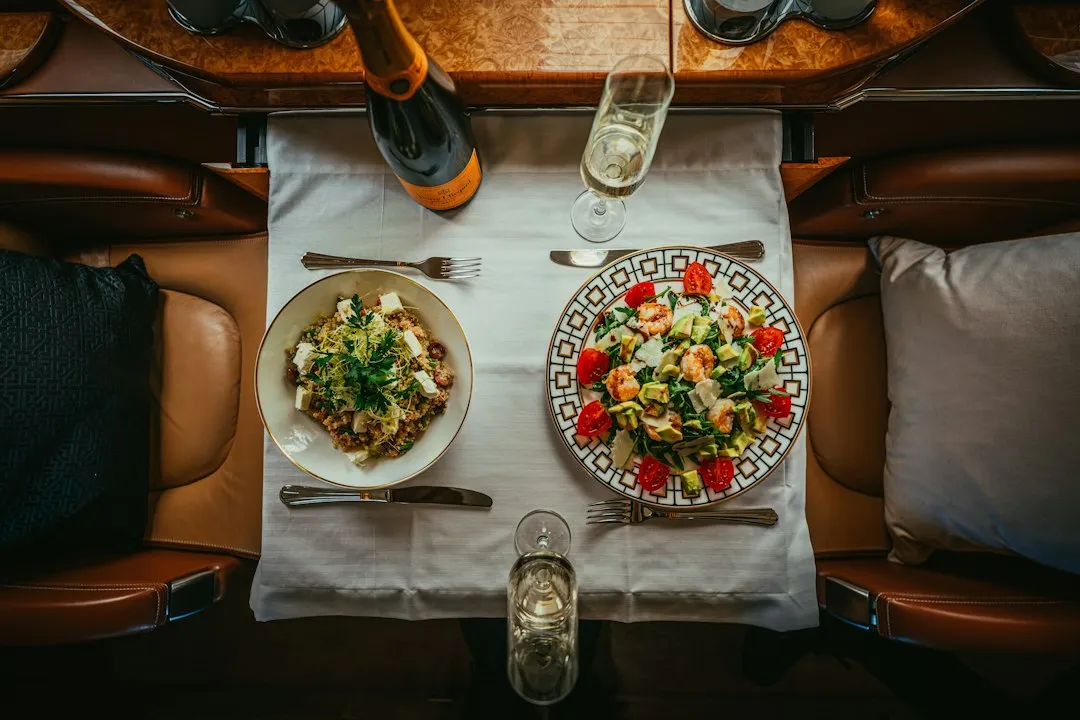
All meals are free, so the crew doesn’t have to worry about paying for any food during their contract. In addition to food, crew members also get free accommodations on the ship. For workers who are often months away from home, that combination of free housing and food matters enormously.
Because cruise workers don’t pay for housing or food, they are able to remit much of their wages to support their families. About 30 percent of cruise ship workers are from the Philippines, and about three-quarters of crew members overall come from developing countries. The free meal is not a perk to be taken lightly when you’re supporting a household back home.
The Hierarchy of the Table: Officers, Staff, and Crew

According to crew members who have worked across several major cruise lines, there are essentially three groups: officers, staff, and crew, each with separate dining rooms to avoid congestion and overcrowding. The food may be similar, but the setting and service style differ significantly by rank.
Crew members receive their food buffet-style, in line, while the officers’ mess offers food restaurant-style, where you can sit down, order from a menu, and be served by a waiter. The Petty Officer or Staff Mess is set up somewhat similarly to the crew mess, but it is only accessible to crew of that rank and above. The unwritten rules around who eats where are part of daily life below deck.
What’s Actually on the Menu
Cruise ship crew members have access to a wide range of meals inspired by the many countries and cultures represented by the staff. Indian food appears on virtually every ship, alongside Filipino dishes, because Filipino workers make up such a large share of the crew. Specific dishes include Dahi Kadhi curry, Filipino Bistek Tagalog, pepper pot soup, boiled yucca, and bean stew.
On ships sailing mainly in Asia, Filipino and Chinese dishes appear particularly often, alongside other favorites such as curries, rice dishes, stews, and stir-fries. On other days, the crew mess might serve smoked salmon avocado toast, halo-halo, or flan. The menu shifts to reflect whoever is cooking and wherever the ship has been sourcing provisions.
The Quality Gap Between Crew and Passenger Food
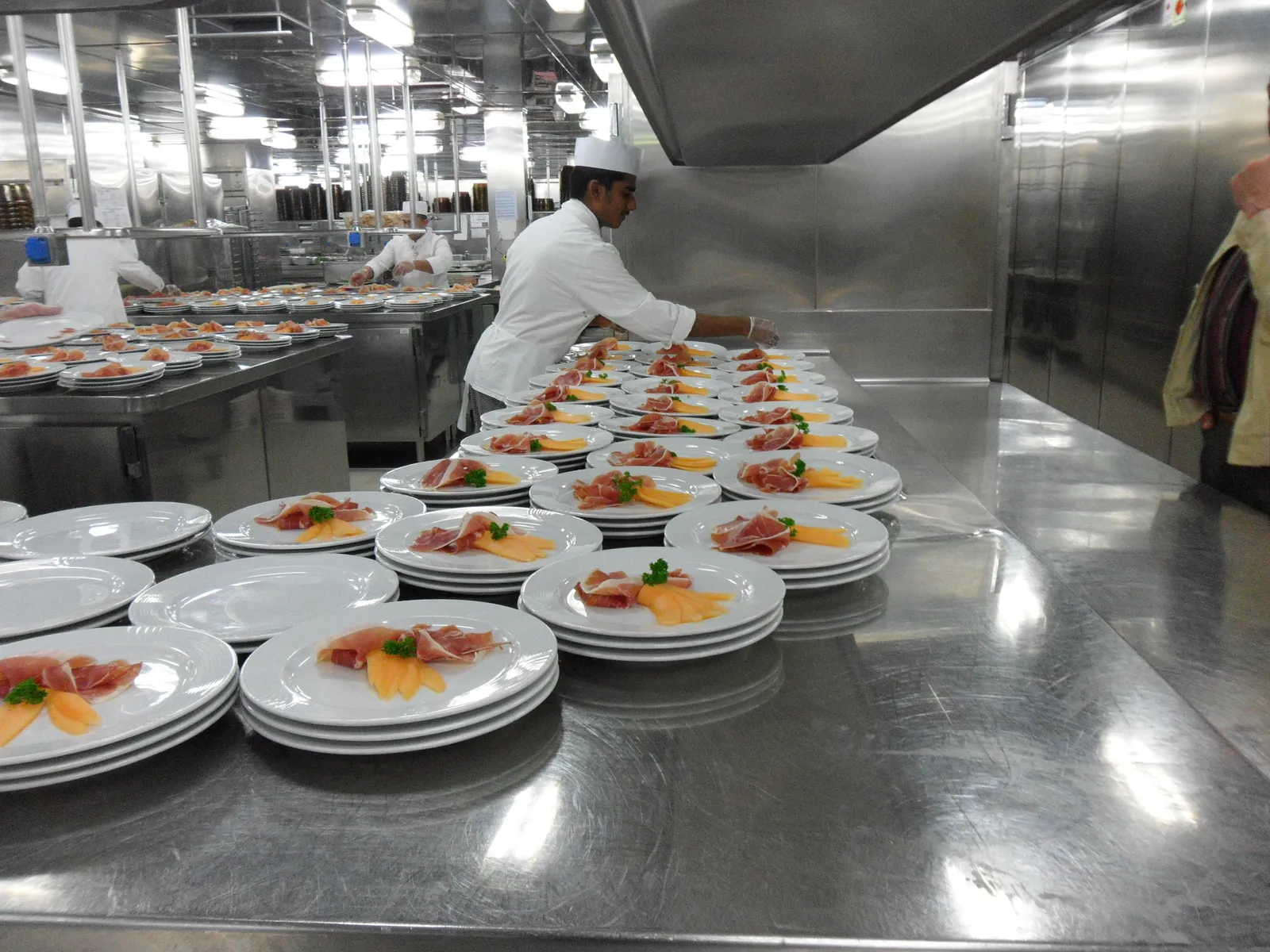
The food that the crew eats on cruise ships is different from passengers’ food, but the quality is still generally considered high. The crew mess operates on a separate budget and menu system from the passenger restaurants, and quality varies by ship and cruise line, with most crew mess food being functional rather than fine dining.
According to crew members, the quality of the food depends heavily on the ship, the food manager, and the captain. One crew member described seeing food range from terrible to brilliant across four different ships on four different contracts. Crew food generally isn’t fancy, and there’s usually nothing in the cooked-to-order category. That variability is simply part of ship life.
Midnight Mess and the Leftover Question

Uneaten food from the passenger Windjammer buffet is sometimes brought down to the crew mess. According to one former Royal Caribbean entertainer, if something really good is left over, it winds up downstairs at what crew call “midnight mess.” It’s an informal tradition that most crew members seem to quietly appreciate.
If the ship is frequently visiting a favorite port, crew members might even order food as a group and send one person ashore to pick it up for everyone. There’s usually a rule that any hot food has to be consumed in one of the mess rooms rather than taken back to cabins. The mess becomes the gathering point by design.
The Unwritten Seating Map
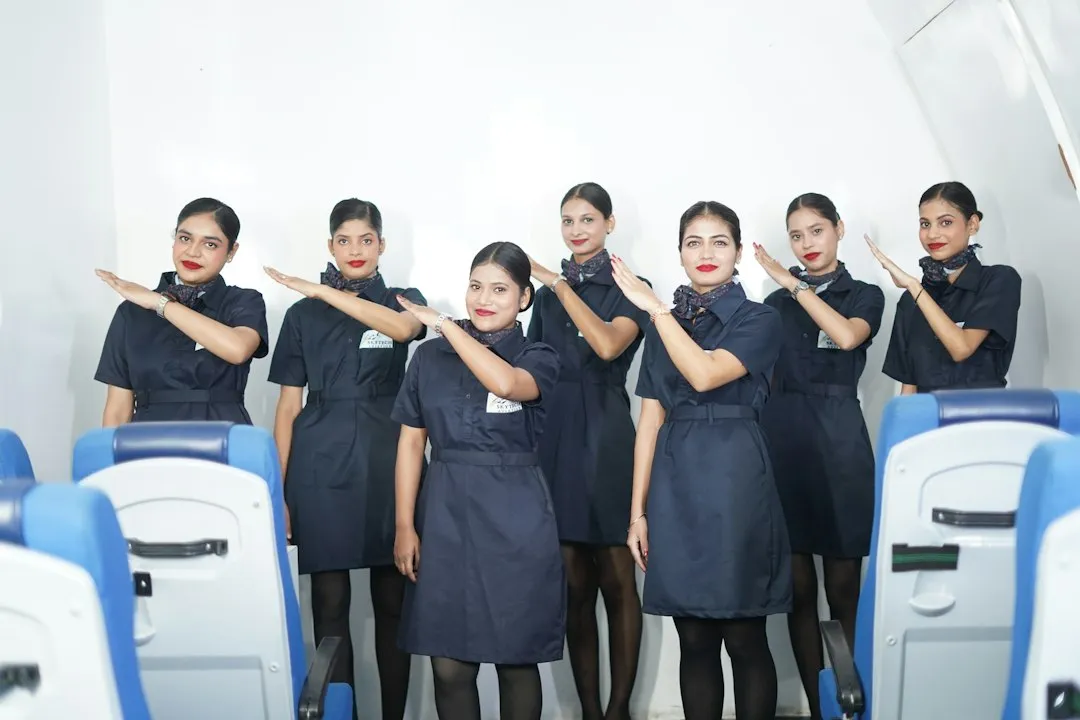
Filipinos, Indonesians, Eastern Europeans, and Indians tend to cluster by nationality in the crew mess. Department teams often eat together, and seniority influences where people sit, even when there is no official reason for it. Walk into most crew mess rooms and you’ll see this self-organized geography form without anyone announcing it.
On some ships, Indonesian crew have their own chef, as do Filipino crew members. Ship crews are among the most multinational workforces in any industry, with many ships carrying crew from 50 or more countries. The mess room is where all of that diversity converges, three times a day, every single day of the contract.
Newer Ships Are Upgrading the Experience
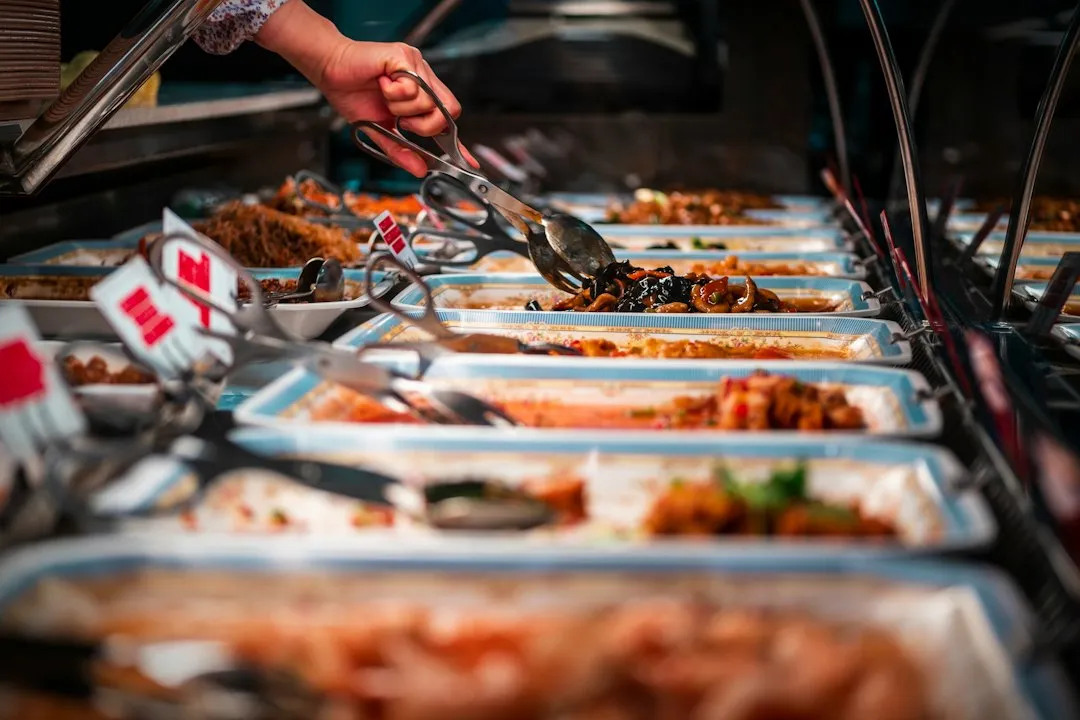
On Icon Class ships, the crew mess more closely resembles a full Windjammer buffet, with different sections like “Off the Grill,” “Fresh from the Garden,” “International Flavors,” and “Pasta.” Feeding thousands of crew members from various cultures around the world presents a unique challenge for cruise lines, which means the crew mess has to cater to many different palates over a very long service day.
The crew mess is specifically designed to accommodate long working hours and irregular schedules, staying open far later than the passenger buffet. As ships grow larger and crew sizes increase, the investment in crew dining infrastructure appears to be growing with them.
Special Occasions and Seasonal Meals
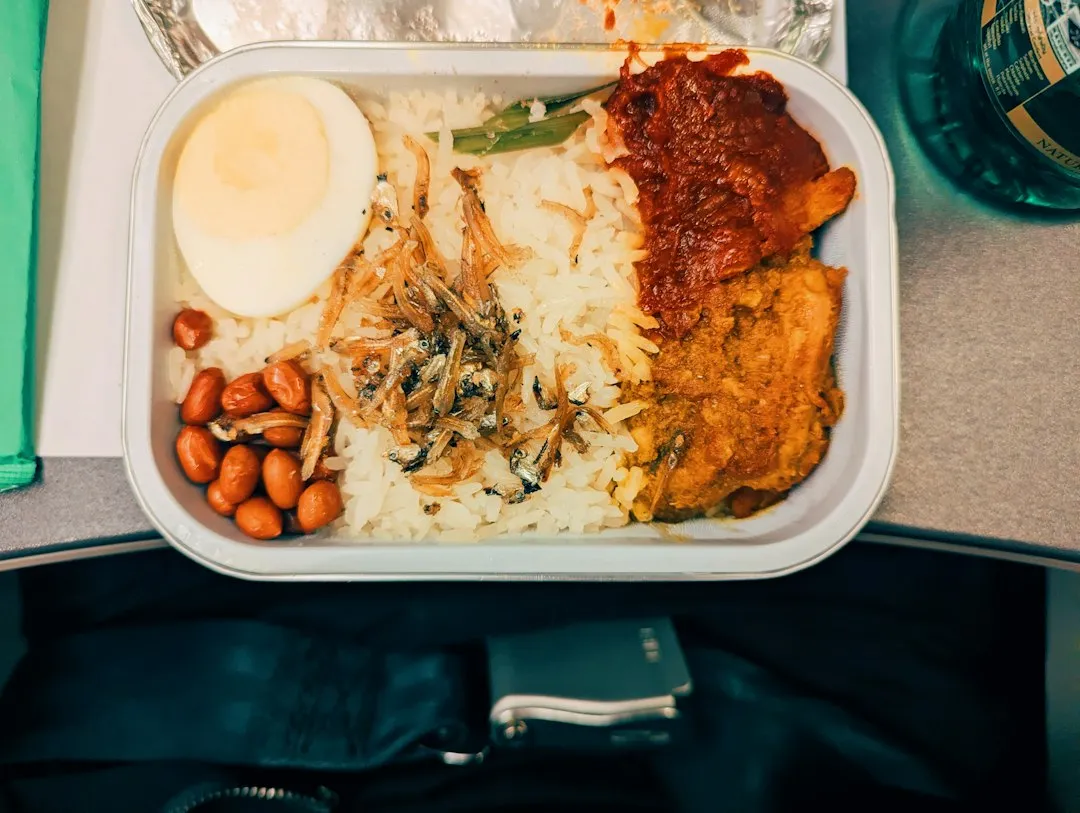
Some ships prepare special meals for the crew during holidays such as Christmas Eve, though these are treats rather than everyday occurrences. Each week, there is usually some sort of specialty option in the mess to break the routine. Former crew members point to these moments as small but meaningful gestures that lift morale during long contracts.
Fresh berries in the crew mess are apparently a rare enough treat that when they appear, they disappear within minutes. The food is generally considered decent, though taste is always subjective. What’s consistent across nearly every crew account is that people come to have opinions, strong ones, about what their mess kitchen does and doesn’t do well.
Eating in Port: The Escape Valve

Many crew members eat off the ship whenever the opportunity allows, supplementing their mess meals with food from ports of call. Crew are not permitted to use passenger dining venues, bars, or recreational facilities unless specifically authorized, and this is a non-negotiable rule on every cruise ship. Port days, then, become a genuine culinary release.
If a ship frequently visits a port with a favorite restaurant, crew members often coordinate as a group, sending one person ashore to pick up food for the whole team. Back on the ship, you might spot someone in the crew mess quietly cooking instant noodles instead of eating whatever is being served that day. Small acts of food independence matter when you’re living and working in the same place for months.
The Bottom Line on Crew Food
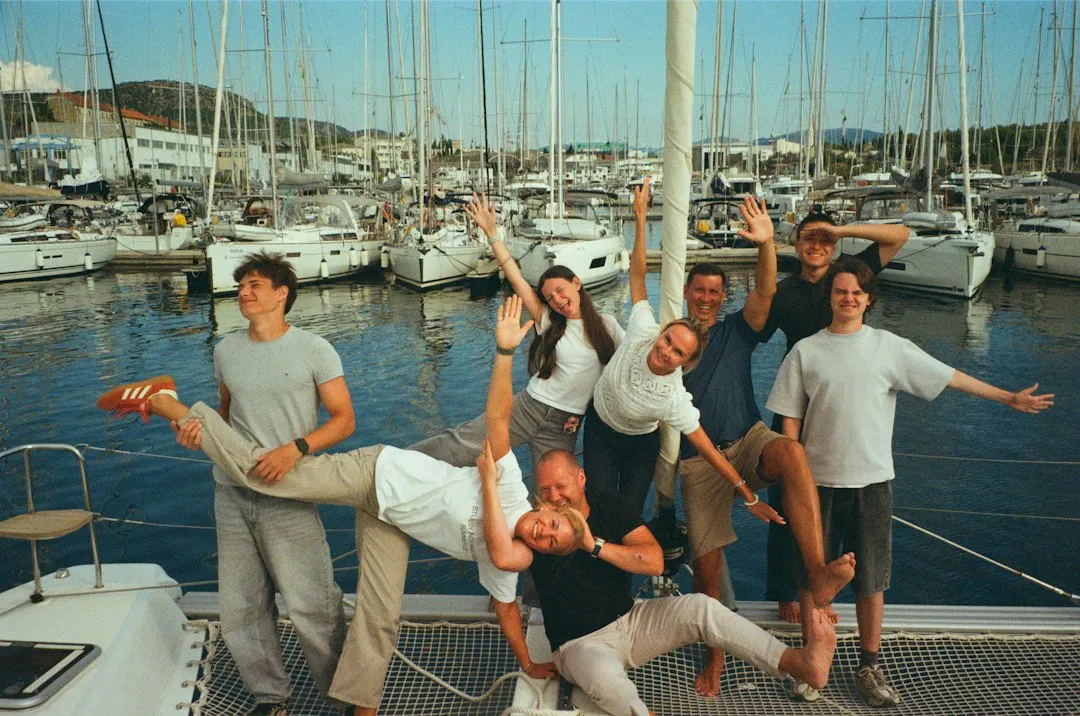
What crew members eat below deck is shaped by practicality, cultural representation, budget constraints, and the personality of whoever is running the galley that contract. It isn’t glamorous by design. It is, however, a genuine attempt to feed a deeply diverse workforce three times a day, every day, often around the clock.
The crew mess also functions as something beyond a dining room. The person sitting across from you at lunch might be the guest services officer who can help you navigate a passenger complaint, or the engineer who will fix your cabin air conditioning at eleven at night. Relationships built over trays of Bistek Tagalog and rice have a way of mattering when the ship is three days from the nearest port.
What comes through in almost every crew account, from TikTok walkthroughs to industry reporting, is that the food below deck tells a quieter, more human story than anything on the passenger menu. It’s the story of people from across the world sharing a table, far from home, making the best of what’s on offer.
AI Disclaimer: This article was created with the assistance of AI tools and reviewed by a human editor.