
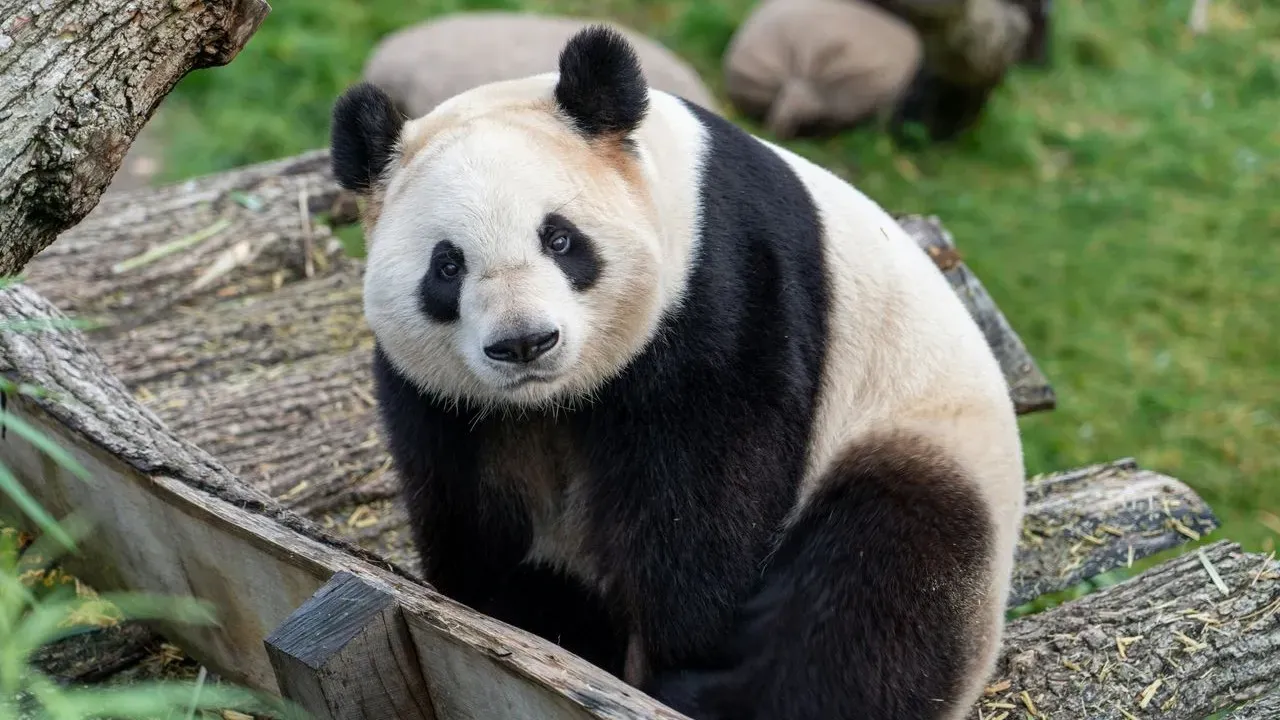

Atlanta – On a crisp November morning, visitors to Zoo Atlanta encountered a rare sight that has drawn renewed attention to one of the city’s most anticipated wildlife exhibits. Giant pandas Ping Ping and Fu Shuang stepped into public view for the first time at the newly completed Arthur M. Blank Panda Grove, marking the culmination of months of careful preparation following their arrival from China in September. The moment carries quiet weight for travelers who seek meaningful encounters with wildlife, as well as for the broader story of international conservation efforts that continue to shape how people experience these animals in the United States.
From Quarantine to First Glimpses
The pair completed a standard quarantine period in a secure section of the new habitat before the gates opened to members and guests on Friday. Zoo staff monitored their adjustment closely, allowing the pandas time to settle into the purpose-built space designed with both animal welfare and visitor experience in mind. Early observations noted the animals exploring bamboo feeding areas and moving comfortably through the enclosure, signs that the transition had gone smoothly. This measured approach reflects the practical realities of bringing giant pandas across continents. Every step, from transport logistics to habitat readiness, requires coordination between American and Chinese partners to meet strict health and safety standards. The result is a setting where the pandas can thrive while offering the public a window into their daily rhythms.
Distinct Personalities in a Shared Space
Ping Ping, the male born on March 17, 2020, at the Chengdu Research Base of Giant Panda Breeding, carries a name that evokes a smooth and healthy life. His counterpart, Fu Shuang, turned six on October 18 and derives her name from a phrase associated with happiness. Zoo Atlanta President and CEO Raymond B. King has described Ping Ping as outgoing and Fu Shuang as more reserved, noting that both have adapted well to their surroundings. These individual traits become part of the experience for anyone who watches them. One panda may linger longer at a feeding station while the other tests new climbing structures, creating a living portrait of how two animals navigate the same environment. Such details reward patient observation and remind visitors that each animal brings its own temperament to the shared habitat.
Conservation Ties That Span Continents
The pandas remain in Atlanta under a temporary loan agreement between Zoo Atlanta and the China Wildlife Conservation Association. This arrangement continues a long-standing model of scientific collaboration that has supported giant panda breeding and research programs for decades. Previous residents Lun Lun and Yang Yang, who lived at the zoo from 1999 until their return to China in 2024 along with their youngest cubs, helped establish Atlanta’s reputation as a center for panda care. Today the United States hosts giant pandas at just three institutions under similar agreements: Zoo Atlanta, the San Diego Zoo, and the Smithsonian’s National Zoo in Washington, D.C. Each site contributes to ongoing studies of behavior, nutrition, and reproduction while providing the public with direct contact to a species whose wild population remains limited. The presence of Ping Ping and Fu Shuang extends that collective effort into a new chapter for Georgia residents and out-of-town travelers alike.
Planning a Thoughtful Visit
For those considering a trip to Atlanta, the panda grove adds a focused reason to include the zoo in an itinerary centered on wildlife and conservation. The habitat’s design emphasizes naturalistic elements that support the animals’ routines, from shaded resting spots to varied terrain that encourages natural movement. Visitors who arrive with an awareness of the international partnership behind the exhibit often leave with a deeper appreciation for the sustained work required to maintain such programs. The debut also underscores how zoos function as living classrooms. Families and solo travelers alike can observe feeding sessions, note the pandas’ responses to enrichment items, and reflect on the broader context of habitat protection in China. These encounters tend to stay with people long after they depart, shaping conversations about responsible travel and the value of supporting accredited institutions that prioritize both animal well-being and public education. In the end, the arrival of Ping Ping and Fu Shuang at Zoo Atlanta offers more than a new exhibit; it extends an invitation to witness conservation in action and to carry that awareness into future journeys.
AI Disclaimer: This article was created with the assistance of AI tools and reviewed by a human editor.