
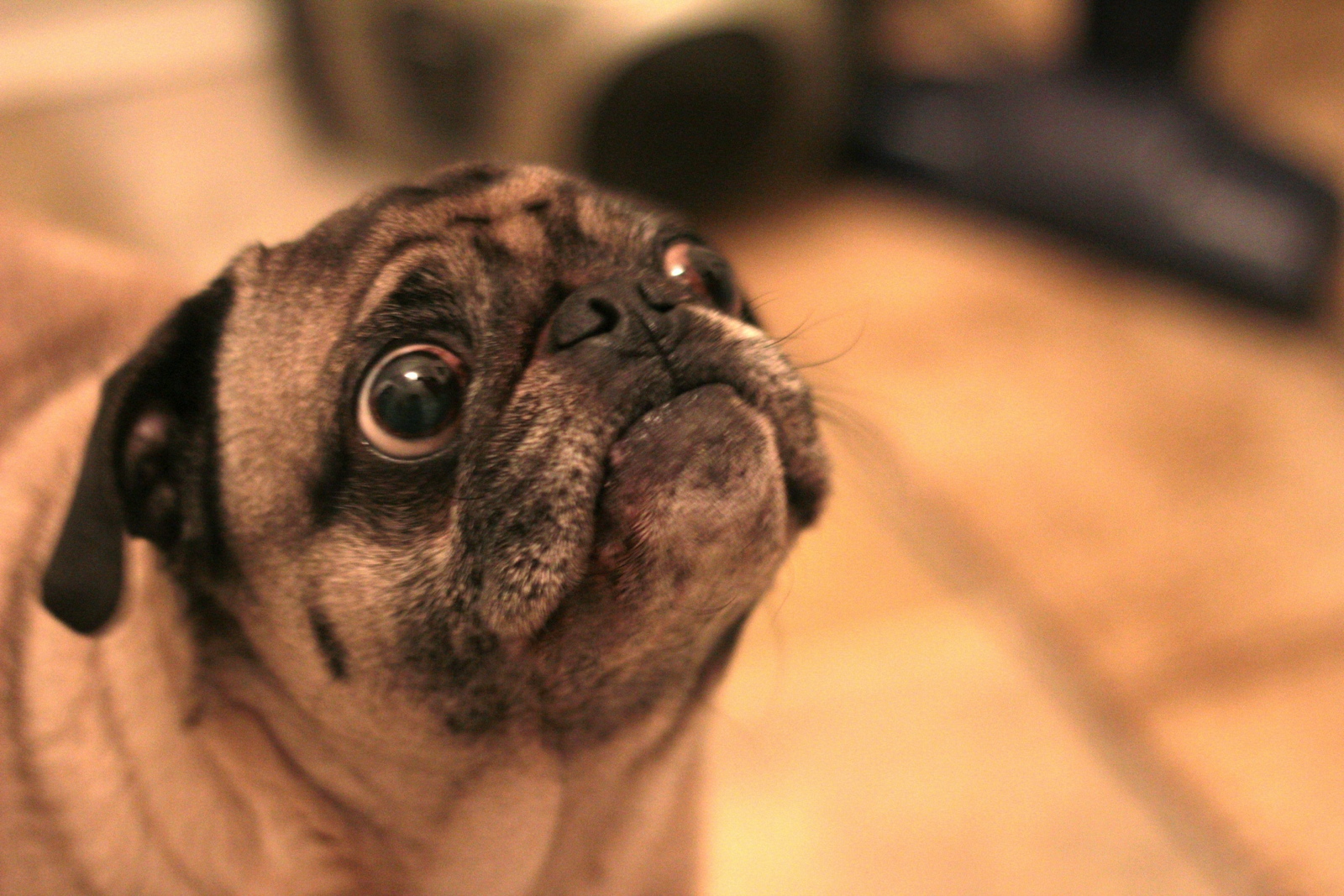
What Makes a Dog “Snub-Nosed”?
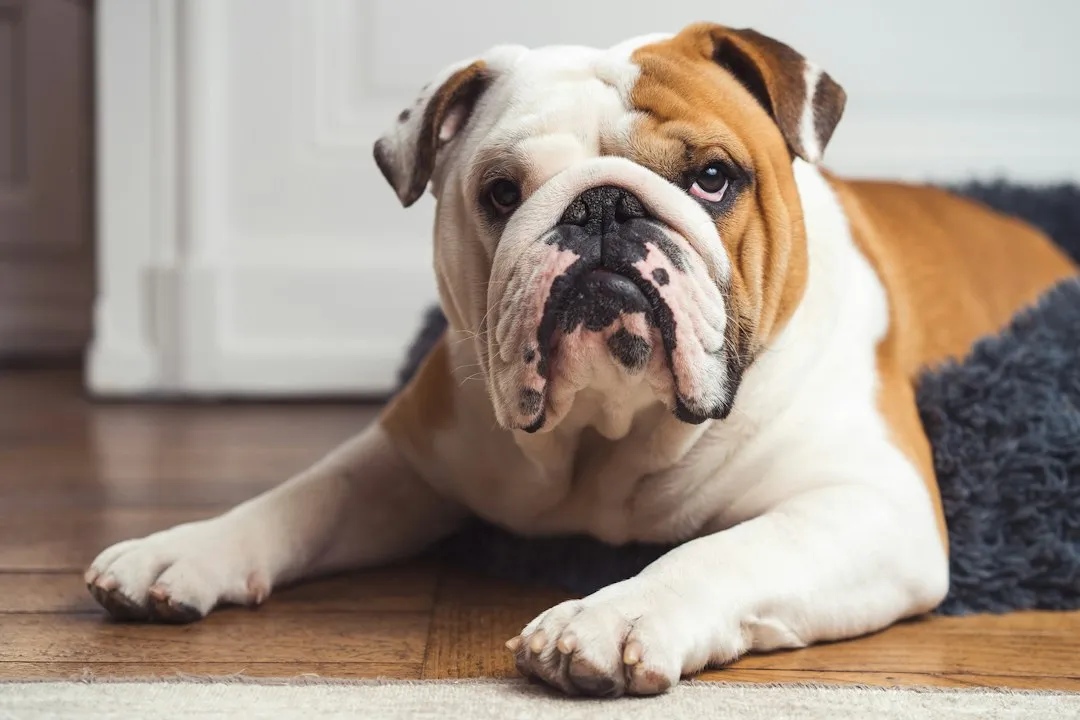
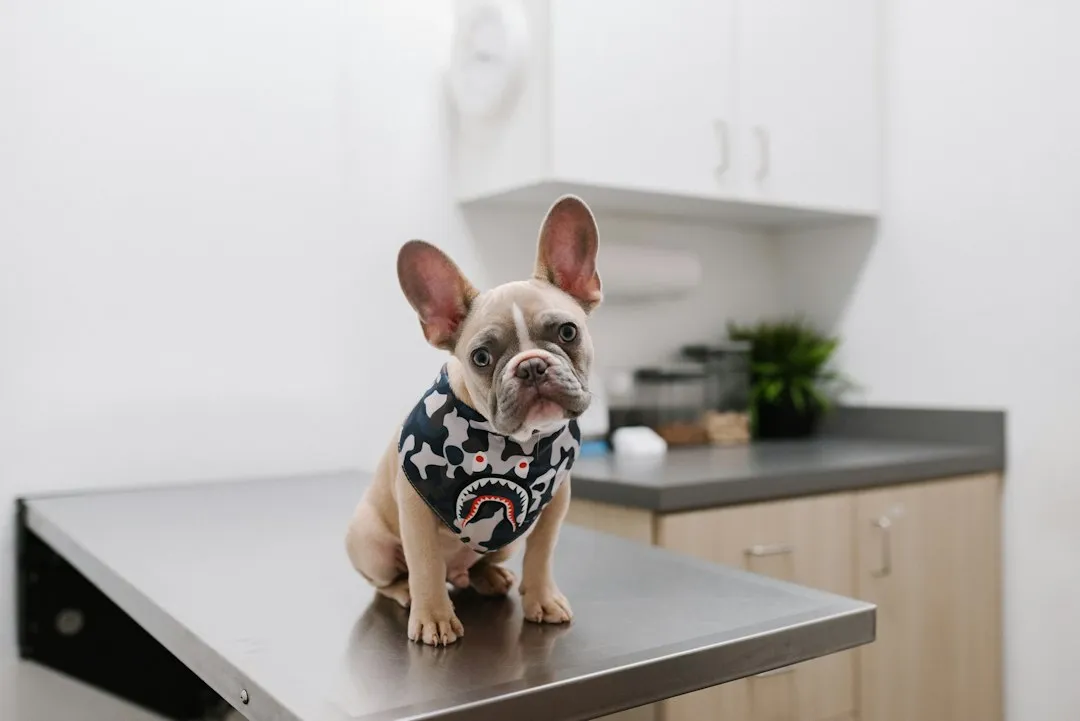
Brachycephalic dogs have short snouts and compressed facial structures. The word “brachycephalic” itself comes from the Greek for “short head,” and it describes a group of breeds that have been selectively bred over centuries to look a certain way. Brachycephalic breeds are prone to respiratory problems because, although they have shortened noses, they still have to pack all of the same anatomical structures in there that dogs with longer snouts do.
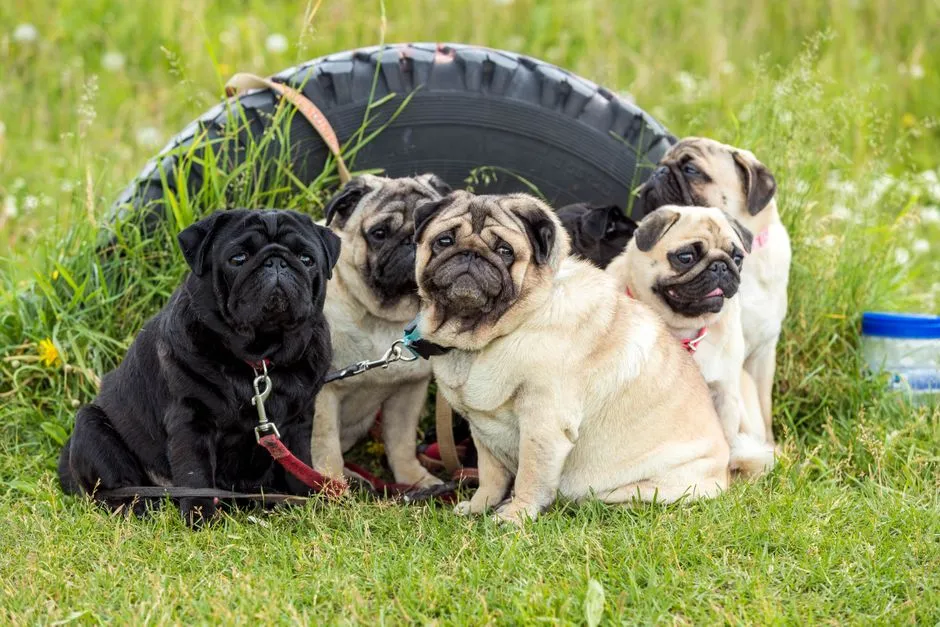
The shorter bones of the face and nose alter the related soft tissue structures they support, and some of these changes can cause physical problems, particularly with breathing. The list of commonly affected breeds includes pugs, English bulldogs, French bulldogs, boxers, Boston terriers, Pekingese, shih tzus, and Lhasa apsos, among others. Mixed breeds with brachycephalic characteristics may also be restricted by many carriers, meaning it is not always about official breed registration.
The Anatomy Behind the Problem
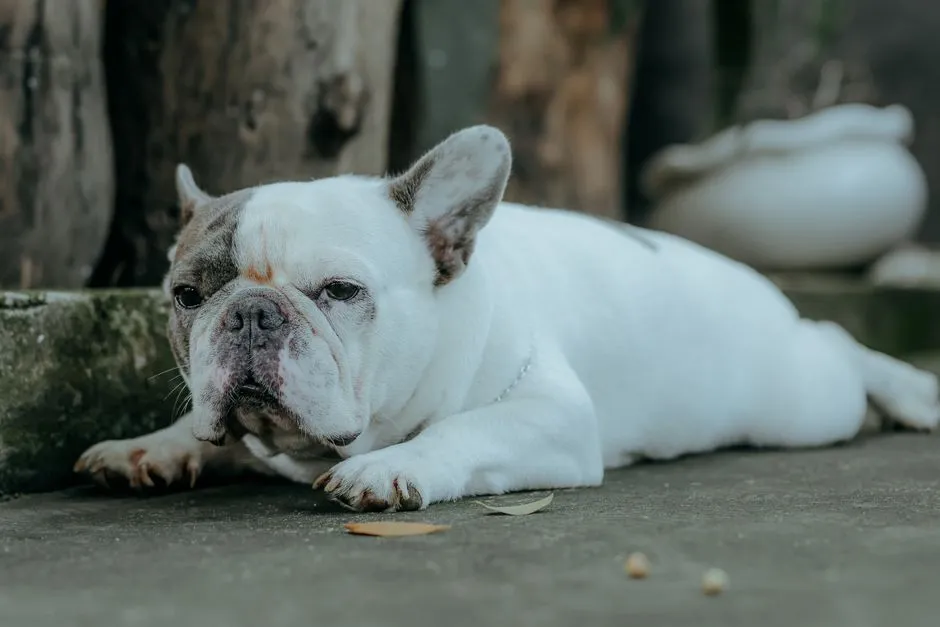
Brachycephalic obstructive airway syndrome (BOAS) results from a mismatch between shortened craniofacial skeletal structures and excess soft tissues, leading to significant upper airway obstruction and clinical signs ranging from noisy breathing and exercise intolerance to life-threatening respiratory distress. This is not a minor inconvenience. It is a structural condition that affects these dogs every time they breathe.
The brachycephalic dog has a shorter snout that causes the airway to be shorter, which means all the parts that make up the airway get compressed. Due to this phenomenon, a brachycephalic dog has an elongated soft palate which can cause most of the problems with the dog’s breathing. They can also have problems getting enough air in because of their elongated soft palate and shorter airway.
It’s like breathing through a straw – if you gently suck through the straw, there’s no problem getting air. But when you really try to suck hard through the straw, similar to what these dogs may do when they’re stressed, exercising, or overheating, the straw collapses and you don’t get air. That analogy captures why flight conditions are so uniquely dangerous for these breeds.
What Happens When a Snub-Nosed Dog Flies in Cargo

Due to their anatomical abnormalities, short-snouted breeds are more vulnerable to changes in air pressure and temperature in the hold of an aircraft. These dogs may have difficulty breathing, and the added stress of travel further increases the health risks. Cargo holds, while pressurized, do not offer the same air circulation control available in the main cabin.
Airplane cargo areas pose specific risks to snub-nosed breeds due to air circulation: even minor fluctuations in air quality can impact sensitive respiratory systems. Add the anxiety of confinement, engine noise, and the vibration of flight, and a dog already struggling to breathe can spiral quickly. When brachycephalic dogs are in a stressful situation, such as during transport in the pressurized hold of an airplane, and air circulation is inadequate, their breathing difficulties can reach a critical level, and their airways can collapse.
The Statistics That Changed the Industry
The U.S. Department of Transportation released alarming statistics in 2010 showing that short-nosed dog breeds were more likely to die on airplanes than any other breed. That report was a turning point. It gave airlines hard data to act on, and many did.
Eliminating data on deaths of mixed-breed dogs and dogs for which breed was unknown, about half the pet dogs that died during transport as air cargo in the past five years belonged to brachycephalic breeds such as English Bulldogs, Pugs, French Bulldogs, and American Staffordshire Terriers. To put that in perspective: English bulldogs accounted for the single highest number of deaths among the purebreds on the list, at 25. Pugs were next with 11 deaths, followed by golden retrievers and labradors with seven deaths each, French bulldogs with six, and American Staffordshire terriers with four.
Of 189 flight-related animal deaths reported by the Department of Agriculture between June 2005 and June 2011, ninety-eight were brachycephalic breeds. That is more than half of all recorded deaths, from a group representing a small fraction of all dogs transported.
The Science of Stress and Heat on These Breeds
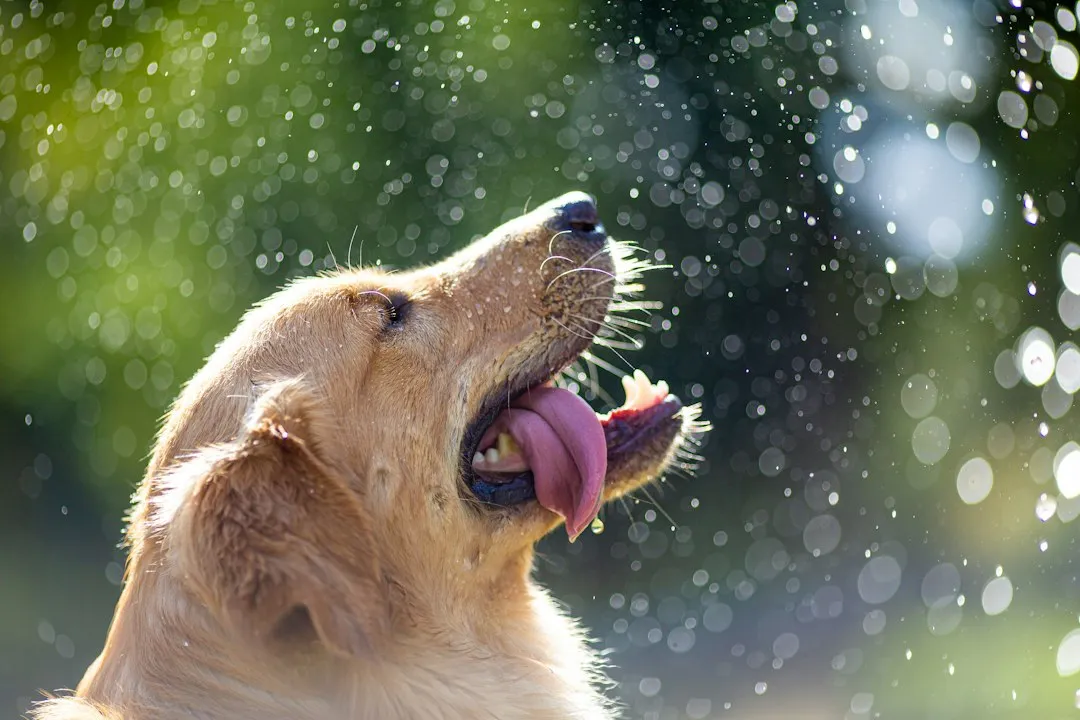
Dogs with BOAS are susceptible to heat stroke and are more exercise-intolerant than other non-brachycephalic breeds. A respiratory crisis can be triggered by stress, exercise, or excitement in severely affected patients, and owners need to be aware of this lowered exercise and stress threshold. Flying hits all three triggers simultaneously.
Brachycephalic breeds have shortened skulls, compact airways, and narrowed nostrils, which means they pant inefficiently. When it’s hot, their bodies can’t cool down fast enough, and their core temperature can rise to dangerous levels in just minutes. This is precisely the scenario a cargo hold delay on a warm tarmac creates. Tarmac heat during loading and pre-departure waiting represents an additional risk factor in summer or on tropical routes.
Research Confirms the Elevated Risk
The danger is not based solely on historical incident reports. Peer-reviewed research has confirmed the disparity in risk. There was an association between death or illness during travel and brachycephalic breeds compared to non-brachycephalic breed dogs, with an adjusted odds ratio of 3.88, meaning brachycephalic dogs faced nearly four times the risk. That figure comes from a study of dogs imported into the United States between 2010 and 2018, published in a peer-reviewed journal.
For the full calendar year 2024, U.S. carriers reported 13 total incidents across all animals transported: 10 deaths, 3 injuries, and zero lost animals. While that number is low overall, the disproportionate role of brachycephalic breeds in historical death figures is what drove most major carriers to act. Approximately half of documented dog deaths in air transport involve brachycephalic breeds.
How Airlines Have Responded: The Cargo Ban
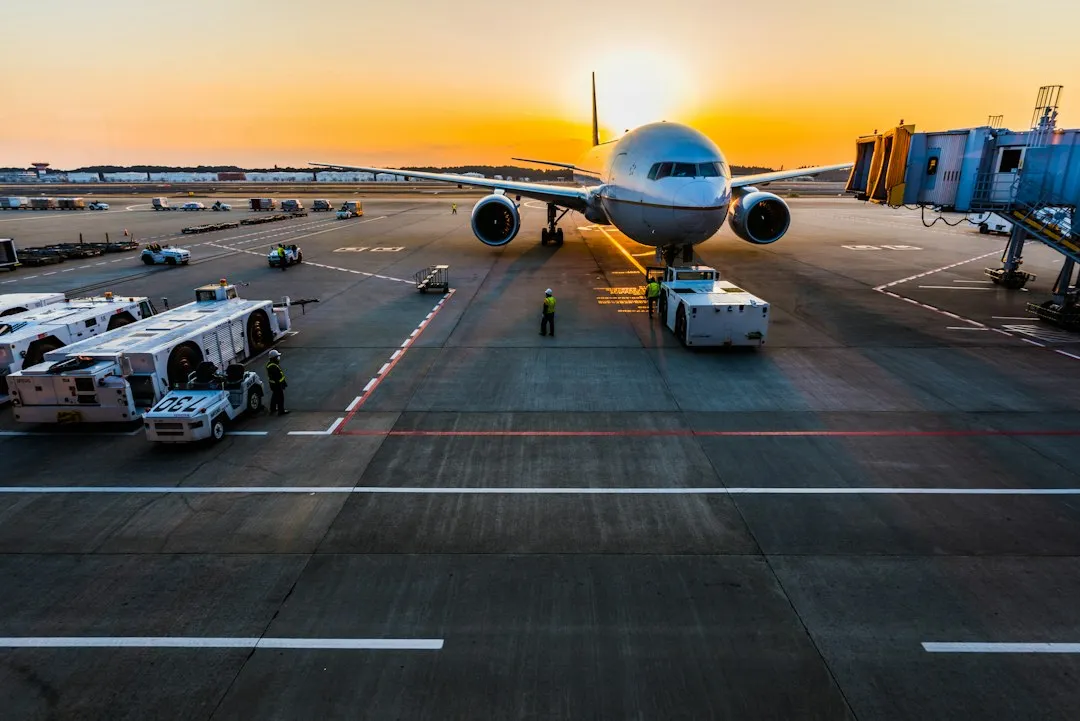
Cargo bans on brachycephalic breeds aren’t a fringe policy anymore – they’ve become the dominant industry response to an undeniable safety record. Most major carriers now treat cargo holds as off-limits for these dogs entirely, regardless of the season or destination.
American Airlines explicitly will not accept brachycephalic and snub-nosed dogs or cats “due to the risks associated with their hereditary respiratory issues.” United Airlines enforces an absolute ban on a wide range of brachycephalic dog and cat breeds across its entire global network. Airlines like Lufthansa, Air France, Delta, and KLM continue to operate climate-controlled cargo divisions for standard dog breeds, but they all enforce a strict, permanent cargo embargo on brachycephalic breeds.
Cabin Travel: A More Nuanced Picture
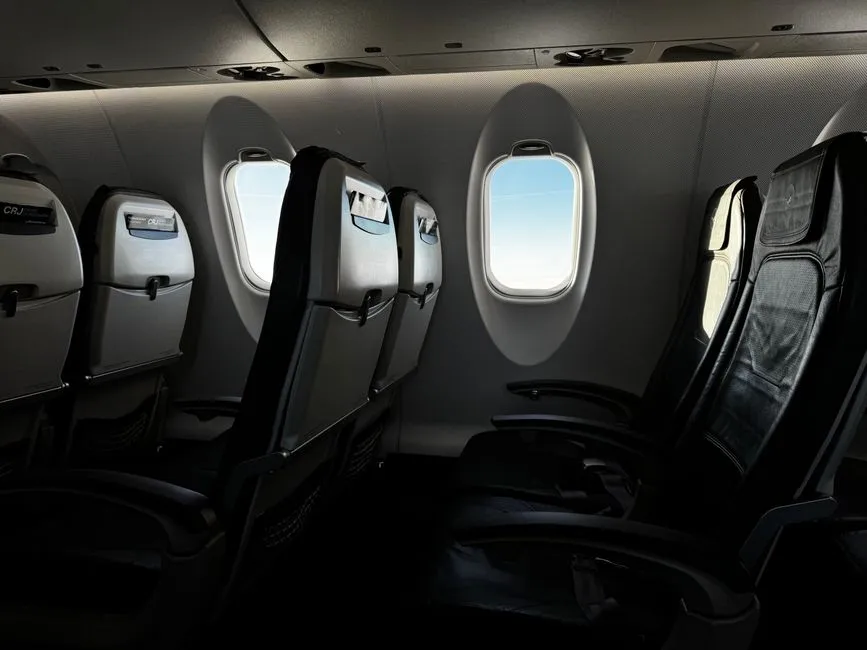
The ban, in most cases, applies specifically to cargo. The cabin is a different matter. Most major airlines do accept snub-nosed breeds in the cabin – the bans almost always apply to the cargo hold only. This distinction matters enormously for owners of smaller flat-faced breeds.
Delta allows small dogs, including snub-nosed or brachycephalic breeds, to travel in the cabin as long as they meet carry-on pet requirements. United Airlines allows small dogs, including snub-nosed breeds, to travel in the cabin as long as they are in an approved hard-sided or soft-sided carrier. However, a smaller group of airlines bans snub-nosed breeds from every mode of travel, both cabin and cargo. Spirit Airlines does not accept aggressive or snub-nosed dog and cat breeds at all.
The Sedation Warning Owners Often Miss
Many owners assume that sedating their dog for the journey is a reasonable workaround. Veterinary guidance firmly argues against it. The AVMA explicitly warns against sedating brachycephalic dogs for air travel, as sedatives depress respiratory function, which is already compromised in these breeds. What appears to be a calming solution can actually make a dangerous situation worse.
Severely affected brachycephalic dogs have more pronounced airway noise, appear to tire easily with exertion, and may collapse or faint after exercise. Signs are often worse in hot or humid weather. A sedated dog in a warm cargo container cannot communicate distress or reposition itself, which further reduces its already limited capacity to manage its airway.
What Options Remain for Snub-Nosed Dog Owners
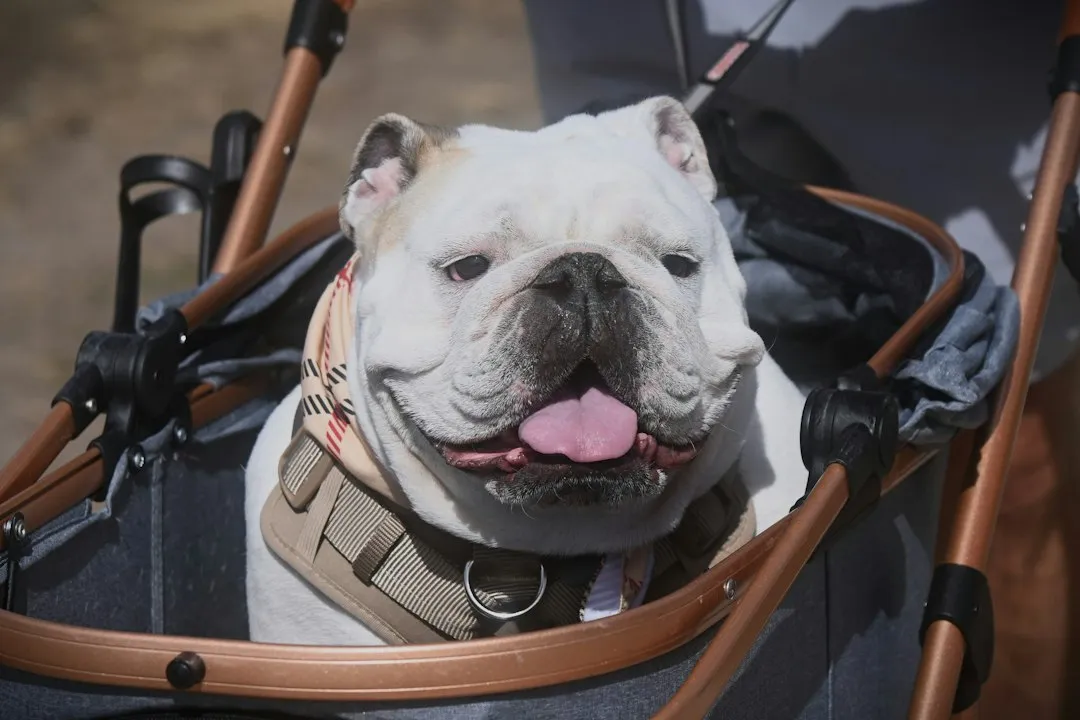
If your flat-faced dog is small enough to fit under a seat in an approved carrier, in-cabin travel on many airlines remains a genuine option. For larger brachycephalic breeds, the picture is significantly harder. Ground transport is the standard recommendation for these breeds. It allows for temperature control, rest stops, and a far lower-stress environment overall.
IPATA, the International Pet and Animal Transportation Association, has developed a Brachycephalic Fit-to-Fly Assessment that veterinarians can use to evaluate whether a specific dog is suitable for cargo travel. This tool is worth consulting before making any travel decision. Not all brachycephalic dogs have the same level of respiratory compromise, and a proper veterinary evaluation should always be the first step, whatever the travel plan looks like.
The Takeaway

Airline restrictions on snub-nosed breeds are grounded in documented evidence, confirmed by DOT data, peer-reviewed research, and the consistent position of veterinary organizations. These policies exist because carriers have a legal and ethical responsibility to the animals in their care, and the data made the risks impossible to ignore.
For owners of pugs, bulldogs, and other flat-faced breeds, understanding why these rules exist is more useful than resenting them. The anatomy that makes these dogs so endearing is precisely what makes high-stress, high-heat environments so dangerous for them. Airlines typically apply restrictions to any pet with brachycephalic characteristics, regardless of mixed breed status, so checking with your specific carrier before booking is always essential. The best journey for your dog is simply the safest one available.
AI Disclaimer: This article was created with the assistance of AI tools and reviewed by a human editor.