

A Billboard, Not a Monument
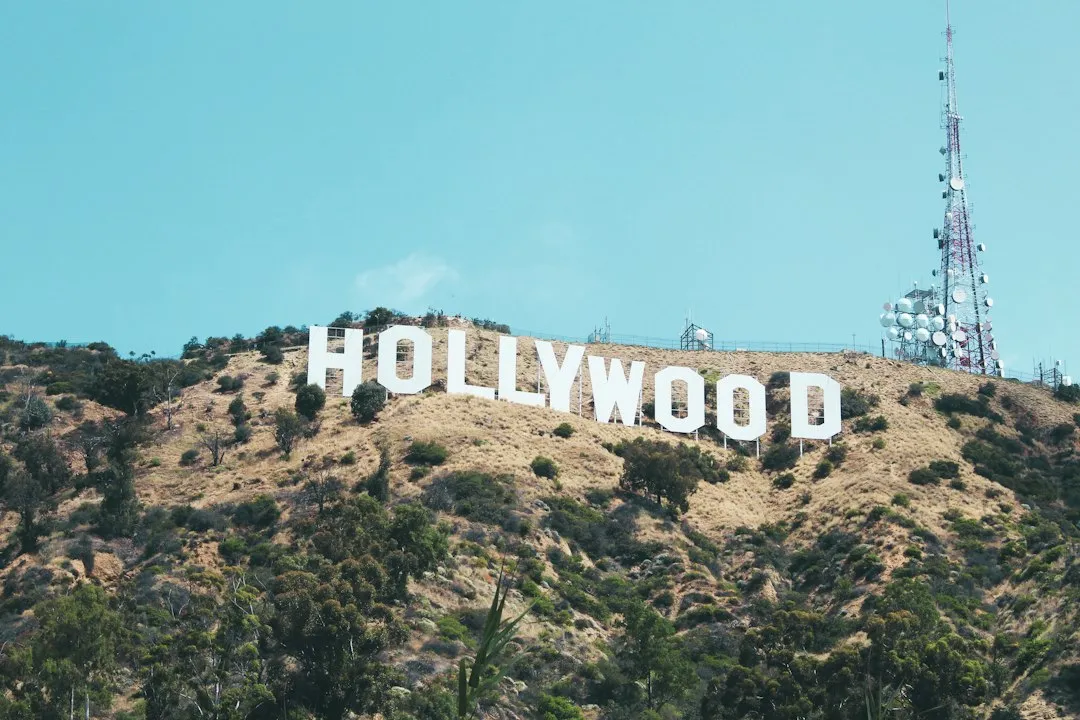
The sign was originally erected in 1923 as a temporary advertisement for a local real estate development, and spelled out “HOLLYWOODLAND” in 50-foot-tall white uppercase letters in a word 450 feet long. Nothing about its construction suggested permanence. It was flimsily made with wooden panels anchored by telephone poles, so it regularly blew over.
Built by Los Angeles Times publisher Harry Chandler as an epic $21,000 billboard for his upscale Hollywoodland real estate development, the sign soon took on the role of giant marquee for a city that was constantly announcing its own gala premiere. Nobody planned for it to outlast the homes it was selling. History, as it tends to do, had other ideas.
The Men Behind the Development
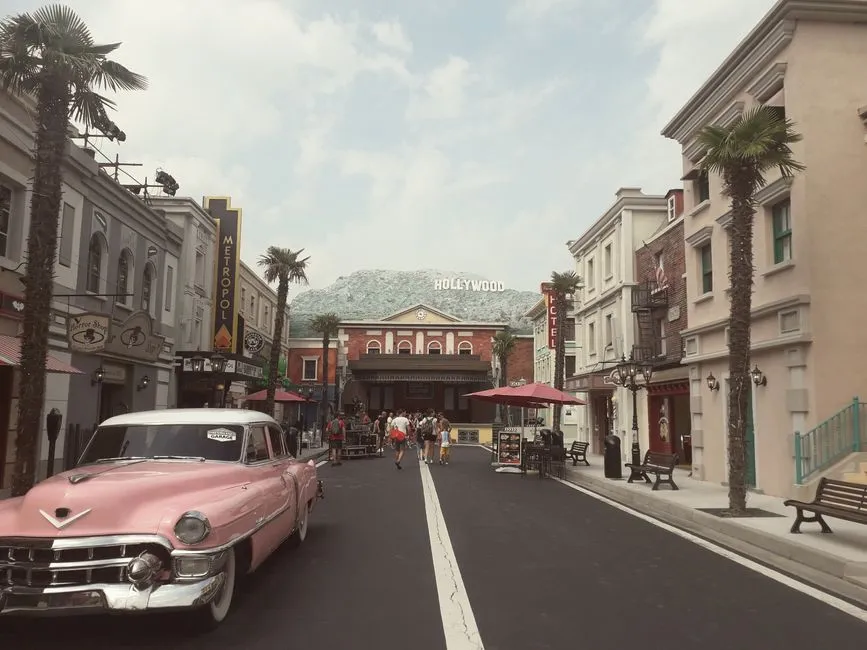
The Beachwood Canyon development named Hollywoodland opened March 31, 1923, under the auspices of real estate developers Tracy Shoults and S. H. Woodruff, on behalf of landowners E. H. Clark and Moses Sherman, and partner Harry Chandler. These weren’t small-time speculators. They were among the most powerful land and business figures in early Los Angeles.
Sherman and Clark acquired the land on which Hollywoodland would be constructed back in 1905. Nearly two decades passed before they put it to use. The community was established in 1923, the peak year of a massive real estate boom in greater Los Angeles. Timing, clearly, was everything.
What They Were Actually Selling
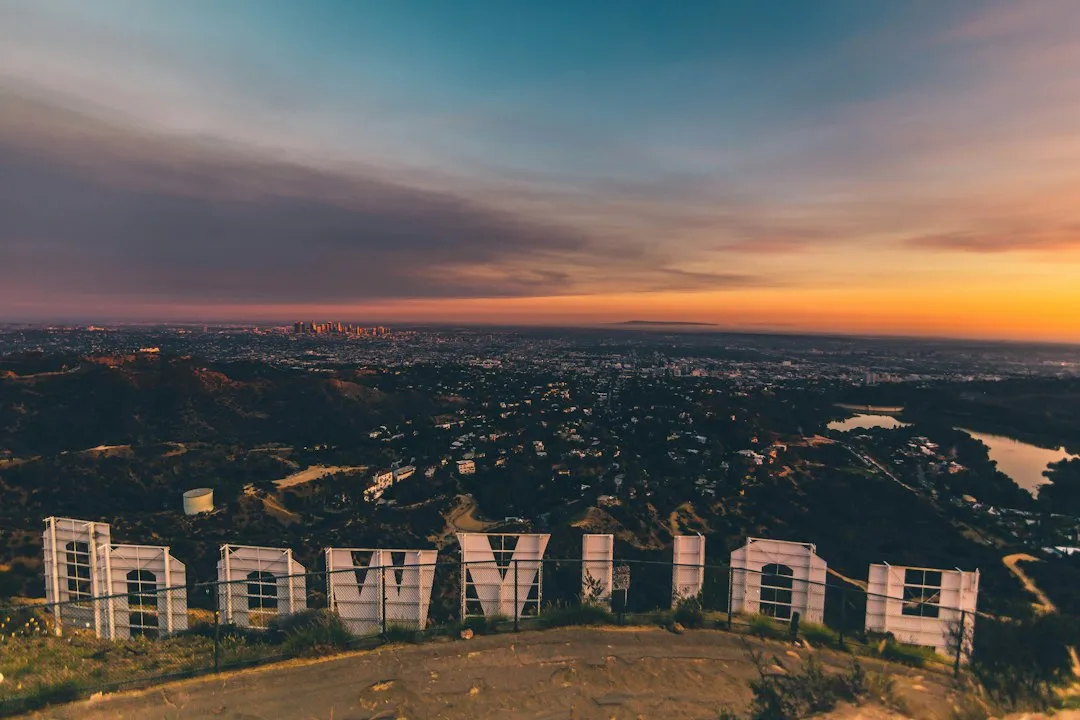
Real estate developers Woodruff and Shoults called their development “Hollywoodland” and advertised it as a “superb environment without excessive cost on the Hollywood side of the hills.” The pitch was aspirational living at a price that felt accessible, though the community itself was anything but ordinary.
Hollywoodland limited architectural styles to English Tudor, French Normandy, Mediterranean, and Spanish. The development contained its own shopping area, a first among real estate tracts, as well as its own stables and bridle trails. Attractive granite stairs throughout the development connected upper and lower streets, allowing easy access to the neighborhood, and a jitney transported homeowners to the front gates to connect with the city bus. It was, in effect, a self-contained hilltop village, designed to feel removed from the city while remaining entirely connected to it.
How the Sign Was Built and How It Lit Up
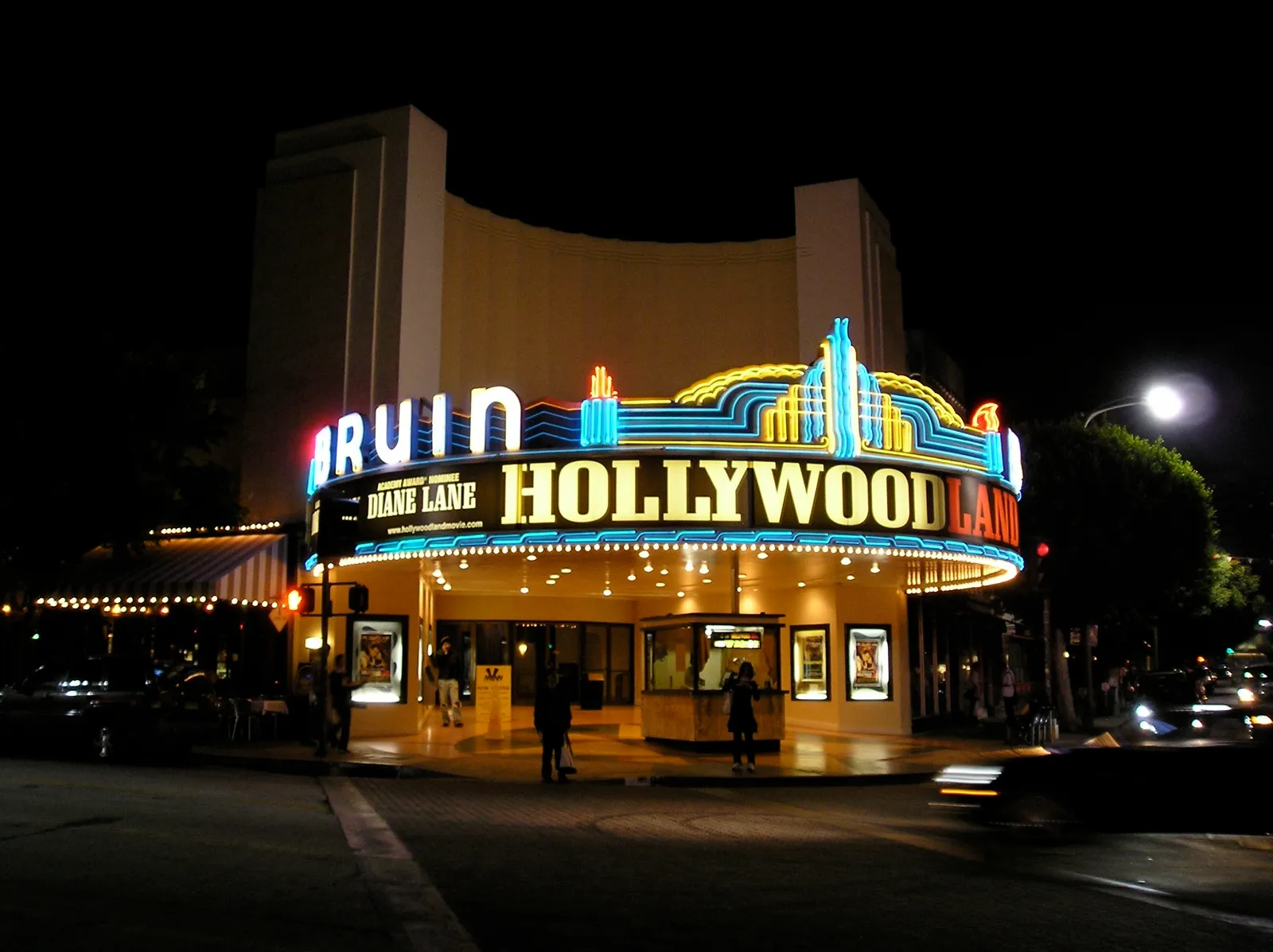
First constructed in 1923 to advertise the exclusive real estate development known as “Hollywoodland,” the sign used 4,000 light bulbs to illuminate different sections in succession: the word “Holly” would light up first, followed by “Wood,” then “Land,” and finally the whole sign. Seen from the valley below on a clear night, it must have been a remarkable sight.
The poles that supported the sign were hauled to the site by mules. The construction of the iconic sign was overseen by publicist John Roche. The sign company owner, Thomas Fisk Goff, designed the sign. The whole operation was part engineering feat and part showmanship, which suited the city perfectly.
The Sign’s Early Recognition
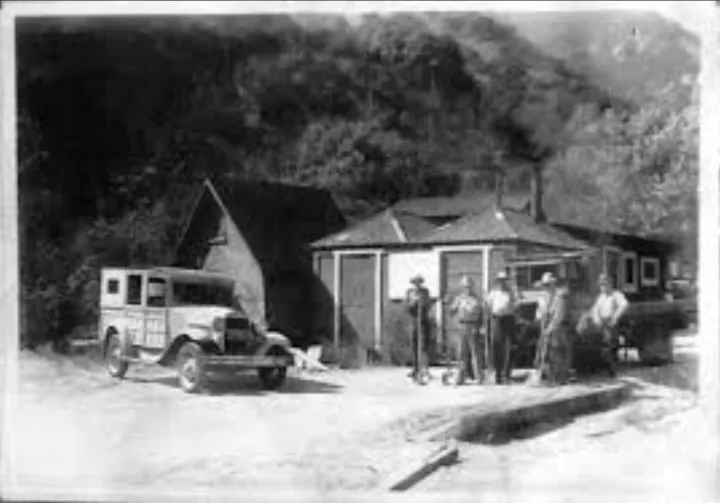
A Hollywoodland ad in the Los Angeles Times, dated June 10, 1923, states that the real estate development launched in late March of that year and that by June, 200 men were employed, 7 miles of road had been cut, and 300,000 cubic yards of dirt had been moved. The scale of the operation was immense for its era.
Illuminated on December 8, 1923, the Hollywoodland sign would bring the development worldwide recognition over the next century, further pushing the illusion of glamour and success. In the years following the sign’s debut, Chandler’s Los Angeles Times ran regular advertisements promoting the Hollywoodland development as a refuge from city living. The sign and the newspaper worked in tandem as one continuous promotional machine.
The Great Depression Changed Everything
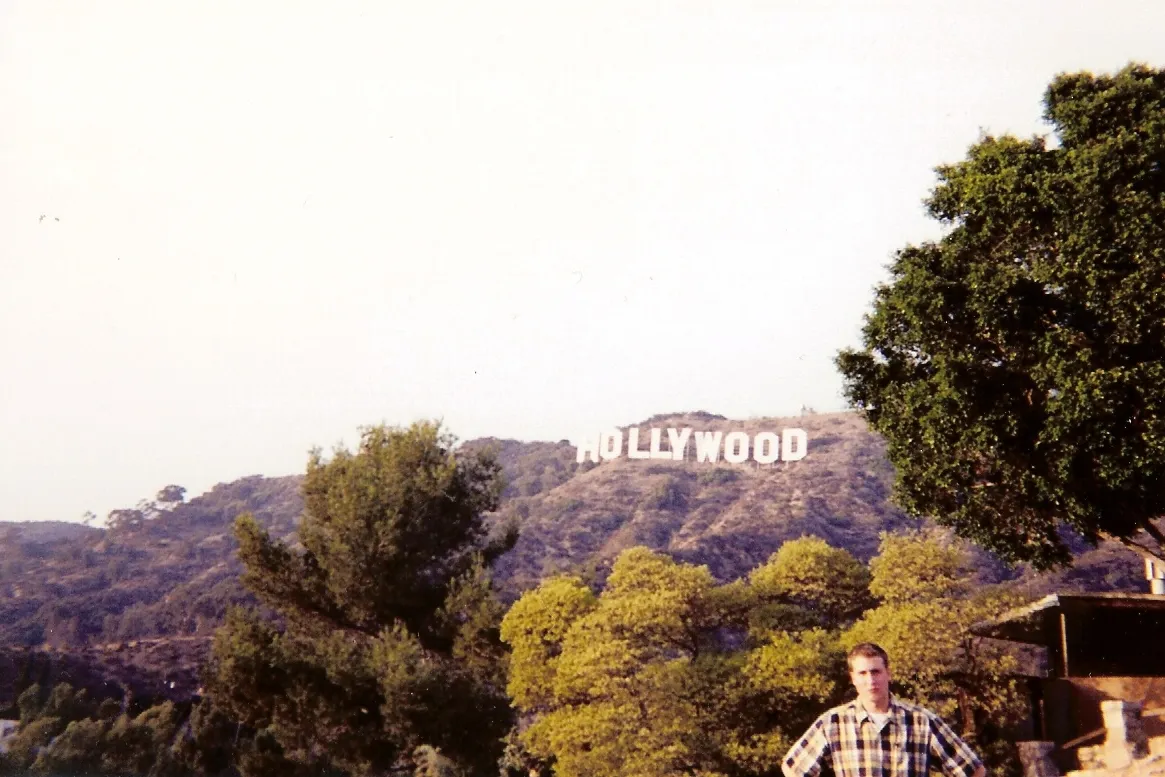
During the 1940s, the sign’s regular upkeep stopped and became the city’s property after the Hollywoodland real estate development went under, mainly due to the Great Depression. The syndicate that had built both the neighborhood and the sign simply couldn’t sustain itself through the economic collapse of the 1930s.
The Hollywoodland syndicate was dissolved in 1933 and the unsold land, including the Hollywoodland sign, became property of the M.H. Sherman interests before eventually passing to the city. Weather proved to be a formidable foe for the original sign as well: wind knocked down letters in the 1930s and ’40s. By mid-century, what had once dazzled as a glowing billboard looked more like wreckage on a hillside.
Dropping the “LAND”: The 1949 Decision
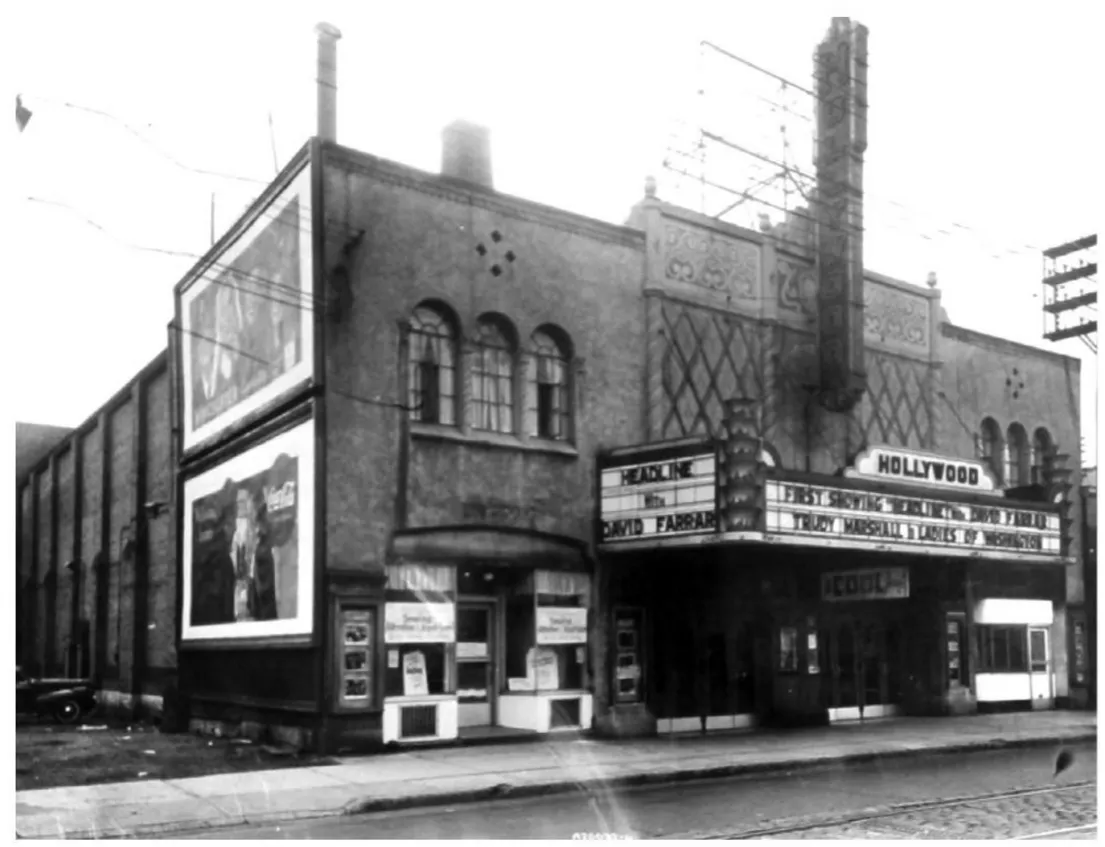
In 1949, after the sign and land beneath it had been given to the city of Los Angeles, the Hollywood Chamber of Commerce in conjunction with the L.A. Parks Department began efforts to repair the seriously deteriorated sign, which had been abandoned by the Hollywoodland real estate group in the 1930s due to the Great Depression. It was decided that the “LAND” segment be removed, keeping “HOLLYWOOD” in order to promote the movie industry.
The contract stipulated that “LAND” be removed to spell “Hollywood” and reflect the district, not the “Hollywoodland” housing development. It was a practical decision as much as a symbolic one. This change marked the transformation of the sign from a real estate advertisement to a symbol of the Hollywood district and the broader entertainment industry.
The Years of Neglect
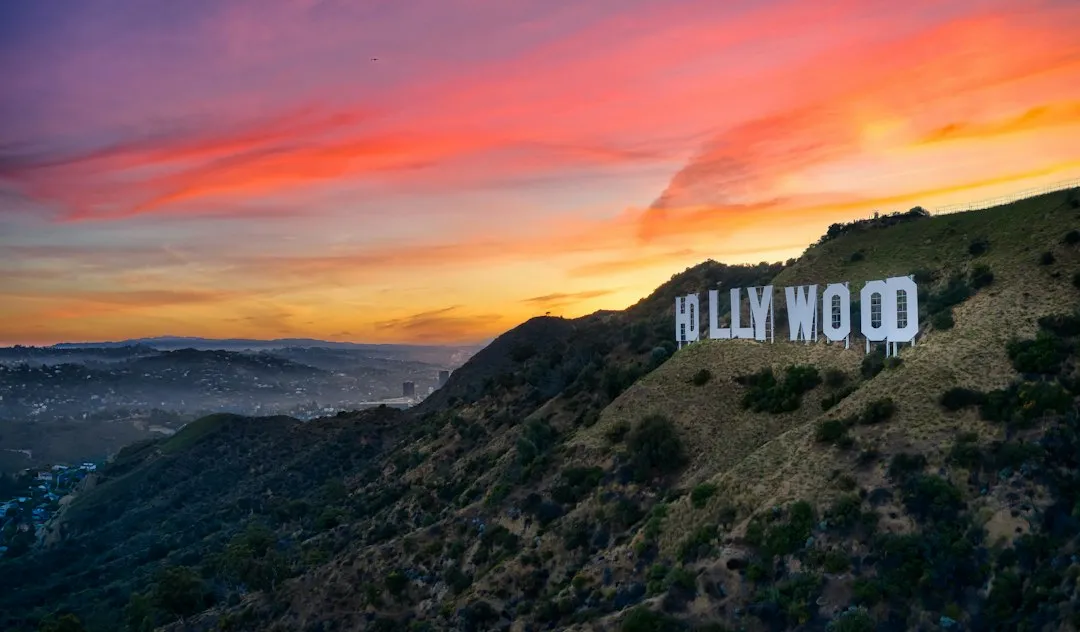
By the 1970s the remaining “HOLLYWOOD” section was a crumbling wreck: an “O” had fallen down and termites had infested the remaining letters. The sign that had once glowed with 4,000 bulbs was barely holding together. The sign read “OLLYWOODLAND” briefly because the “H” fell over.
By the late 1970s, the Hollywood Sign was damaged beyond repair. There was genuine debate about whether to tear it down entirely. The city wanted it destroyed, but the Hollywood Chamber of Commerce stepped in and saved it. Its survival at that point was far from guaranteed.
Celebrities Stepped In to Save It
Hugh Hefner gathered other celebrities for a Playboy Mansion fundraiser to raise the $250,000 to rebuild the sign. Each letter of the sign was “sold” for $27,777, with celebrities and prominent figures sponsoring the cost of rebuilding individual letters.
The Hollywood Chamber’s “Save the Sign” campaign met its $250,000 goal thanks to celebrities like Alice Cooper, who donated $27,700 to replace the third “O” in honor of Groucho Marx. The sign was torn down and replaced by a new one paid for by nine different sponsors, one per letter, including Alice Cooper, Gene Autry, and Hugh Hefner. The old sign was taken down on August 8th, 1978, and the new sign was complete on October 30th that year, built to the same specifications.
The New Sign and What It’s Made Of
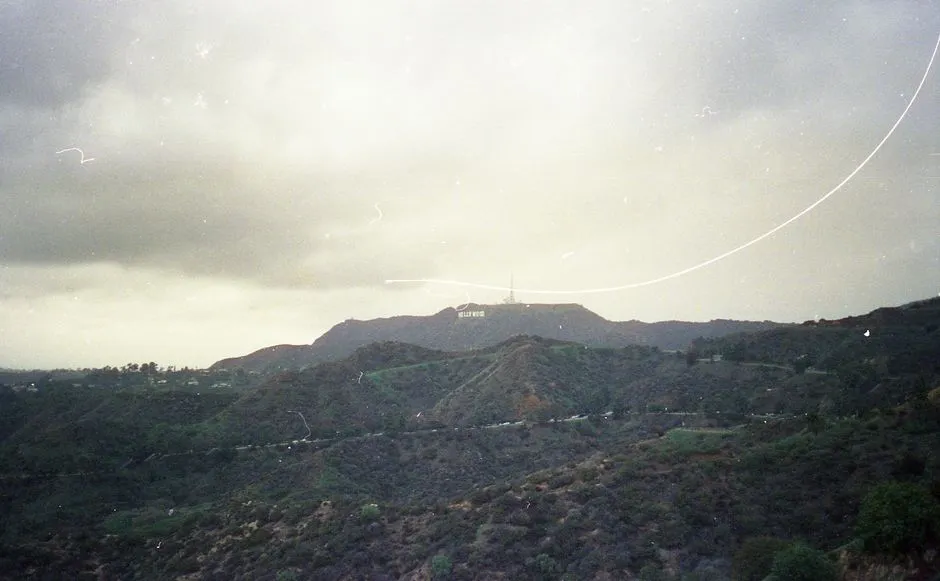
The sign was completely rebuilt in 1978 using more durable materials, including steel and corrugated sheet metal. No more wooden panels. No more telephone poles. The new structure was built to last, not to serve a sales season. The names of the workers who rebuilt the sign in 1978 are preserved under the paint.
The new version of the sign was unveiled on November 11, 1978, as the culmination of a live CBS television special commemorating the 75th anniversary of Hollywood’s incorporation as a city. While the new sign was being built, the Hollywood Sign Trust was created and formed in October 1978, one month before the sign was completed in November of that year. The institution matched the ambition of the landmark it was now responsible for protecting.
The Sign That Outlived Its Purpose
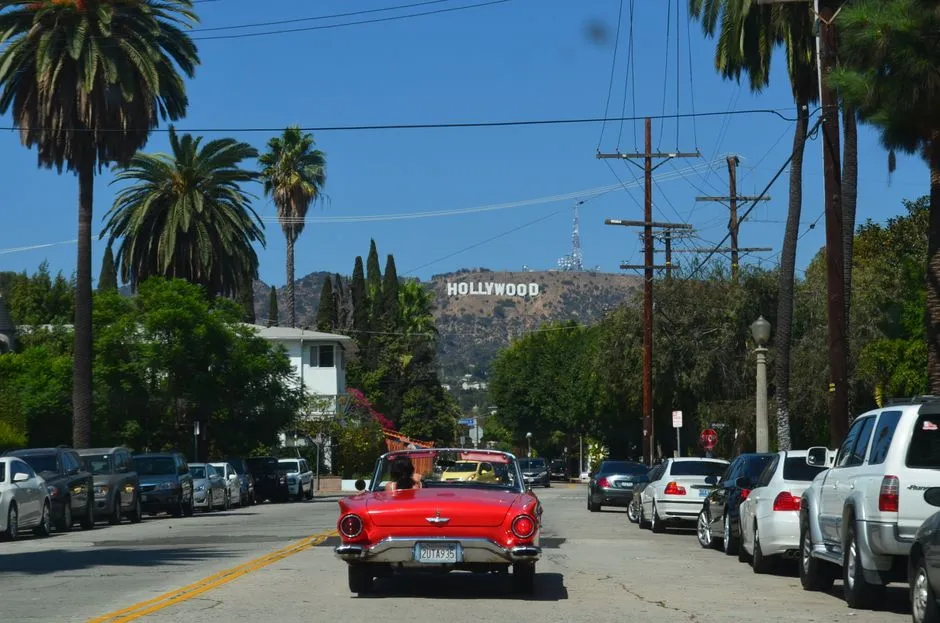
The Hollywood Sign is promoted, protected and preserved by the Hollywood Sign Trust, a 501(c)(3) nonprofit that operates closely with the Hollywood Chamber of Commerce, as they have similar missions to promote and protect historic Hollywood. The Hollywood Sign Trust relies primarily on private donations and contributions for preservation efforts, which constituted 99.7% of its revenue in recent filings.
The sign has undergone several restorations since its reconstruction in 1978, including a significant repainting project in 2005. Recently refurbished to mark its 100th anniversary, the sign has a far more checkered history than its clean, newly repainted letters might suggest. A century on, it remains one of the most photographed landmarks in the world, an outcome no real estate developer in 1923 could have imagined.
What Those Four Letters Tell Us
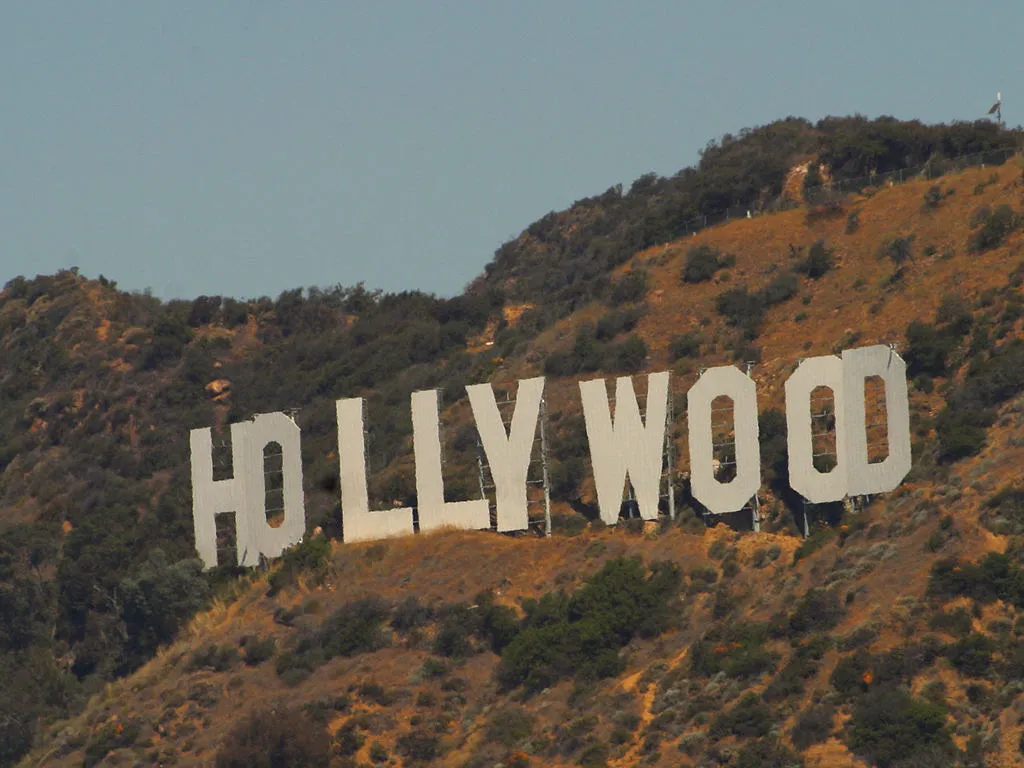
The “LAND” that disappeared in 1949 is easy to overlook, but it carries the full weight of the sign’s origin. Without those four letters, there is no sign at all. The Hollywoodland developers needed visibility, and visibility is precisely what they created, so effectively that it outlasted the company, the housing development, and the men who built it.
What began as a temporary advertisement to sell hillside lots became, through a mixture of neglect, civic pride, and a Depression-era collapse, an enduring emblem of an entire industry. The sign didn’t become iconic because anyone planned for it to. It became iconic because it was simply too visible, and eventually too beloved, to let go. That, in its own quiet way, is a very Hollywood story.
AI Disclaimer: This article was created with the assistance of AI tools and reviewed by a human editor.