
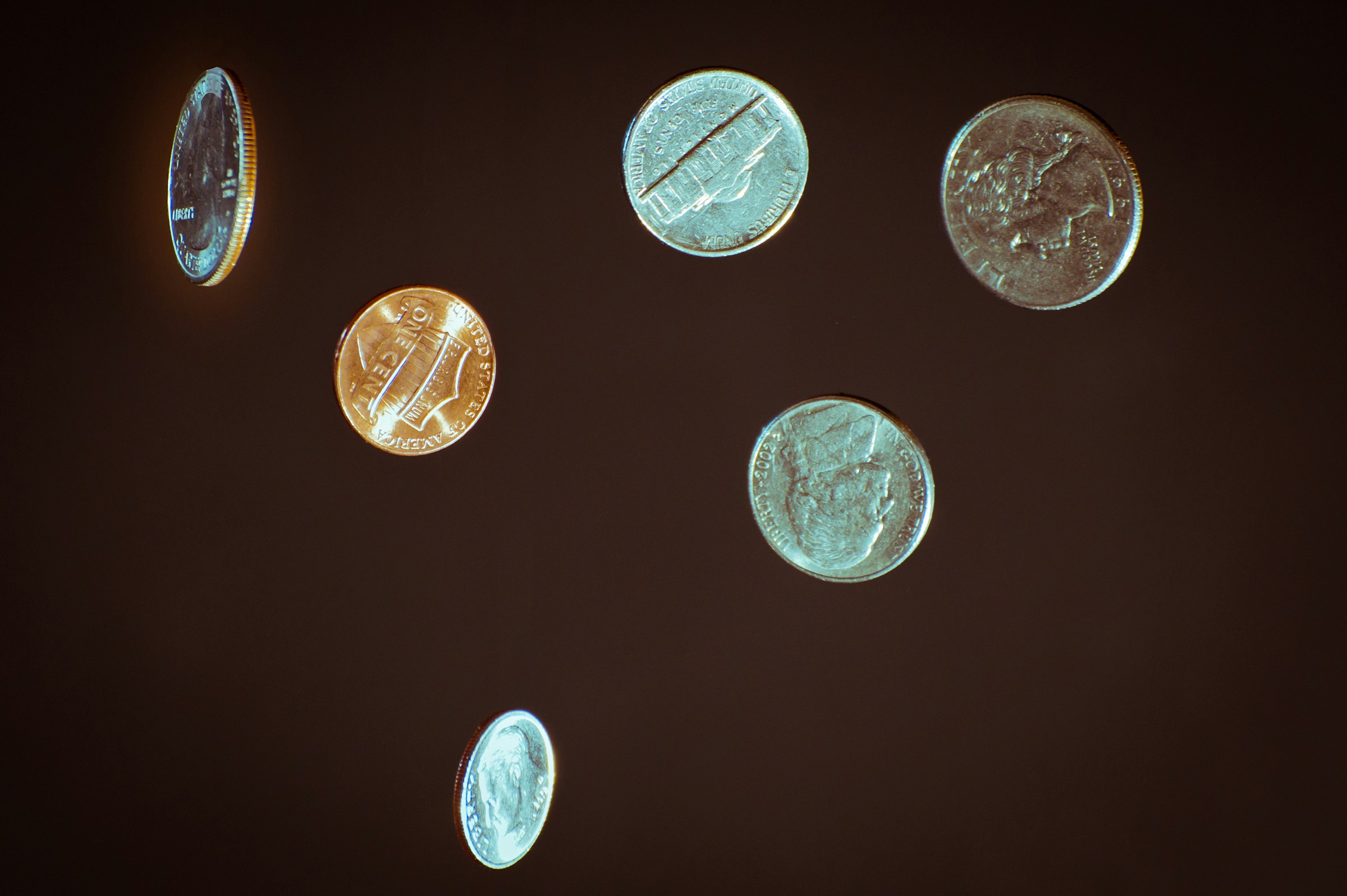

Few habits travel as effortlessly across borders and centuries as the simple act of reaching into your pocket, pulling out a coin, and tossing it into a fountain. It’s the kind of thing people do almost on instinct, without pausing to wonder where the urge even comes from. The answer, it turns out, stretches back far longer than most of us would guess.
What looks like a breezy tourist ritual is actually the visible tip of a tradition rooted in ancient belief, spiritual offering, and a very human desire to strike some kind of bargain with the unknown.
Water as a Sacred Force

Long before coins even existed, natural water sources were treated as more than just practical necessities. Springs and rivers were often seen as thresholds between the human world and something beyond it. In ancient times, people did not have the infrastructure we take for granted today, and a reliable, clean water source was considered a luxury. In some societies, it was even believed that clean water was a gift from the gods.
The idea that drinkable water was sent from the heavens remained even as wells and fountains were built, and often a small statue of a god could be found next to early wells and fountains, turning them into a type of shrine. Dropping something of value into the water was a way of saying thank you, or more precisely, of keeping that generosity flowing.
The Celtic Roots of Sacred Springs

Long before coins existed, fresh water sources were regarded with deep reverence. Springs and wells were lifelines for communities, and in Celtic Europe, they were believed to be inhabited by deities. This wasn’t metaphor. For Celtic peoples, the spirits of wells and springs were real presences that demanded acknowledgment.
Romans, Celts, and even Nordic people thought that they had to sacrifice something they considered valuable to the water source in order to keep the gods happy, ensuring the flow of clean water. The offering was practical as much as it was spiritual. These small sacrifices later came attached with personal requests, and people started to ask the gods to cure their illnesses, deliver a good harvest, or bring love and good fortune.
Coventina’s Well: The Archaeological Proof
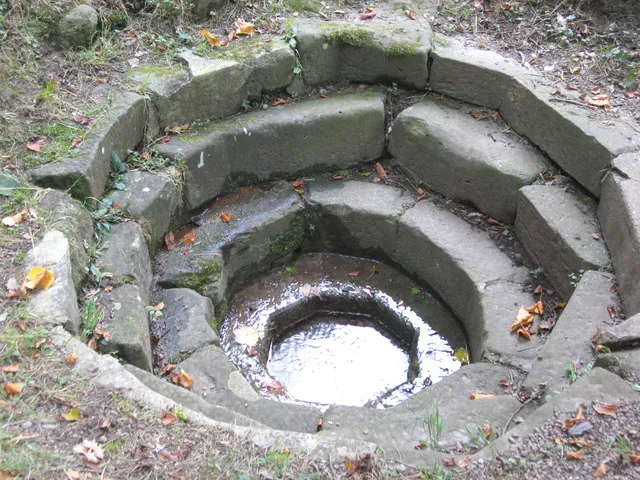
Worship of a goddess of wells and springs centered around a sacred spring near the Roman fort of Carrawburgh on Hadrian’s Wall in Northumberland, England. This site, known as Coventina’s Well, is one of the most compelling pieces of physical evidence we have for the ancient origins of coin-tossing. Within the well itself, over 16,000 coins were discovered, alongside two inscribed slabs and ten altars speaking directly to the goddess Coventina.
Most of the coins found at Coventina’s Well were of low denominations, suggesting that the coin’s value had no real bearing on its potency as a gift to a greater power. This detail is worth pausing on. People weren’t bribing the gods with wealth. They were making a symbolic gesture, something that cost enough to feel meaningful but not so much as to be ruinous. The site was only rediscovered in 1876, and the full scale of the cult was then revealed, with close to 14,000 coins, brooches, pearls, pottery, votive offerings, and clay animals found within it.
Rome and the Power of the Spring at Bath
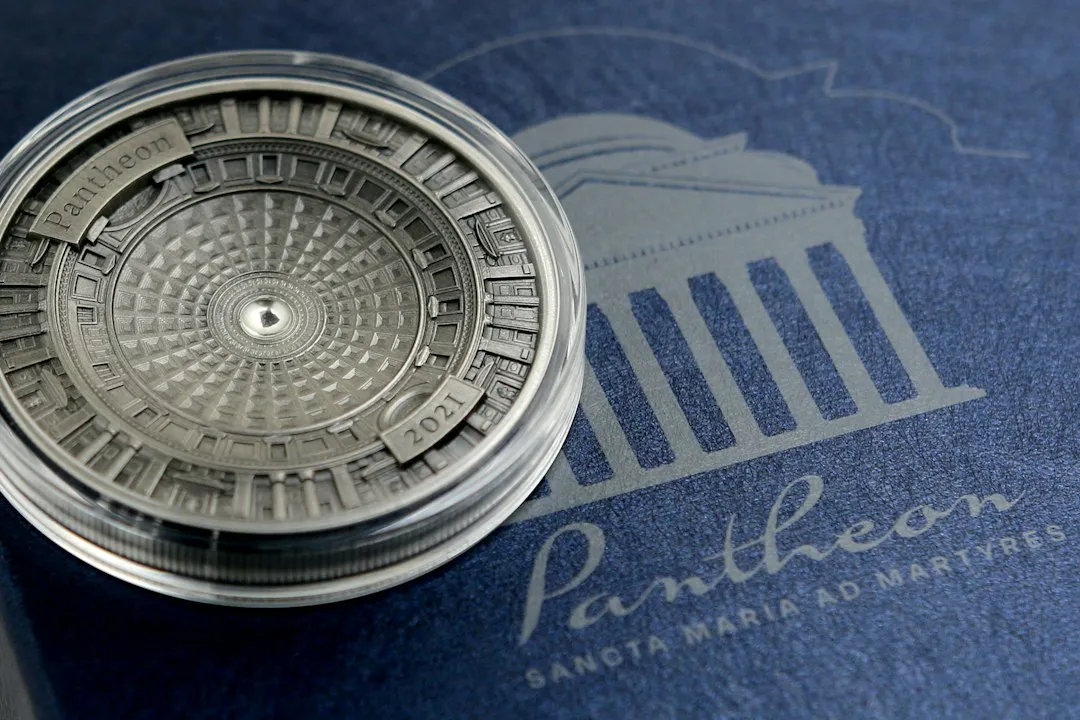
In Europe, versions of the practice date back at least to Roman times, when it was common to place coins in springs and wells as offerings. The Romans were remarkably consistent in this habit across their empire. At the Roman temple at Bath, finds from the spring consist largely of coins, with over 12,500 Roman coins and 18 Celtic coins having been found in the reservoir.
The scale of that discovery tells us this was not an occasional or fringe practice. It was routine, widespread, and clearly meaningful to ordinary people over many generations. From the evidence of funerary inscriptions at the site, visitors to the sacred springs may have included retired soldiers, soldiers acting as tourists, and others seeking relief from injury or illness. The overlap between healing, prayer, and coin-tossing was entirely natural to the ancient mind.
When Coins Became the Preferred Offering
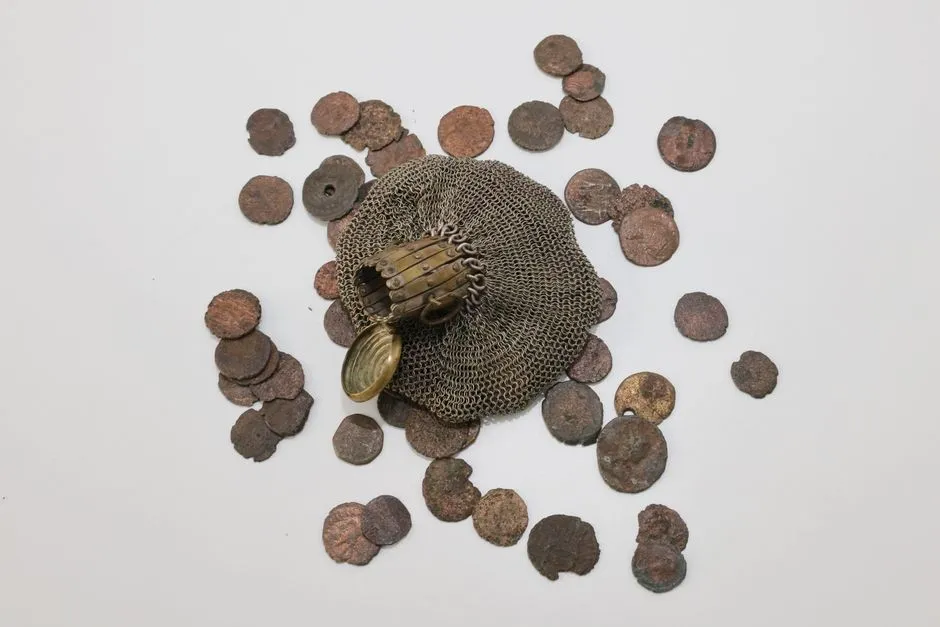
Coins were invented by the Lydians in Asia Minor in the late seventh century BCE, almost 3,000 years ago. Before that, people offered other objects: buttons, pins, brooches, pieces of clothing, even food. Similar practices carried on in Celtic tradition as people continued to offer pins, buttons, coins, and pieces of clothing in exchange for good health.
Coins often have images, texts, and symbols particularly suited for rituals. There’s something about a coin, a small, portable disc stamped with the image of a ruler or a god, that made it feel like a natural stand-in for personal value. The practice of tossing coins into fountains likely began in ancient times when people thought spirits lived inside them, and if a person passed by a fountain or well without tossing in a coin, bad luck would follow. Over time the tradition evolved into a more personalized act, and people began making wishes.
The Trevi Fountain and the Birth of Modern Mythology
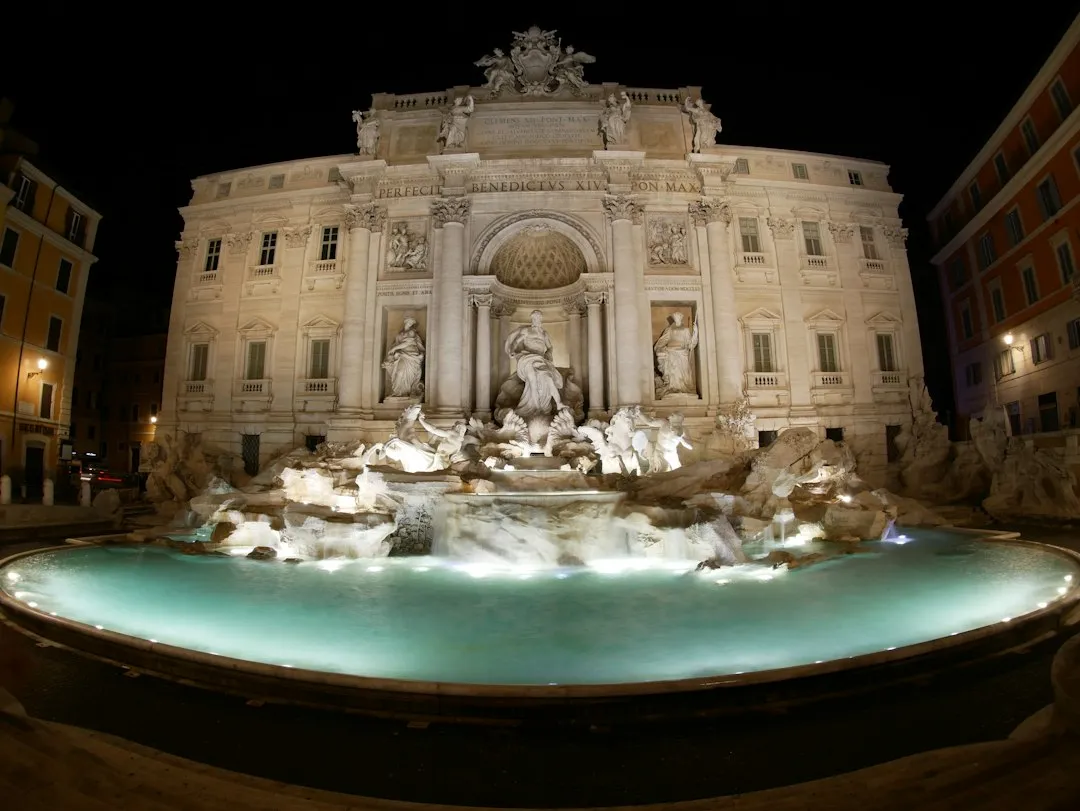
If one fountain has come to define the modern tradition of tossing coins into water, it is undoubtedly Rome’s Trevi Fountain. Its Baroque grandeur, its setting in the heart of one of the world’s most visited cities, and its starring role in popular culture have all made it the global face of the tradition. The Trevi Fountain, immortalized in the film “La Dolce Vita,” has become a flashpoint for Rome’s identity as a city of beauty and romantic possibility.
Originally, tossing a coin in or taking a drink from the fountain was supposed to ensure good health. Eventually, the tradition evolved to what we know today: if you toss a coin over your shoulder into the fountain, you will one day return to Rome. The specific ritual of throwing over the left shoulder with the right hand is a later refinement, one that solidified the gesture into something instantly recognizable worldwide.
How a 1954 Film Changed Everything

The coin-tossing tradition gained widespread popularity after the film “Three Coins in the Fountain,” based on a novel published two years earlier. Before that film, the gesture was known in Rome and among educated visitors, but it was far from the global ritual it would become. The 1950s Academy Award-winning American film “Three Coins in the Fountain” brought attention to the iconic attraction and started a worldwide practice all at once.
In 1957, just three years after the film’s release, “The New Yorker” reported that the normally “unproductive waters” of the Renaissance fountain at the Wadsworth Athenaeum in Hartford had begun yielding a weekly batch of coins, some three hundred dollars’ worth. That is a remarkable and very specific piece of evidence for how quickly pop culture can take an old idea and make it feel newly universal. A quiet Roman tradition became a global phenomenon.
The Numbers Behind the Tradition

Recent verified annual collections from the Trevi Fountain have been around €1.4 million, although totals vary with visitor numbers. To put that in human terms, that is an enormous number of small, individual gestures of hope, all landing in the same pool of water. About three times a week, municipal workers rake up the cash, which is then taken to a warehouse to be washed and sorted.
According to a 2006 study conducted in the United Kingdom, one in five Britons was reported as “regularly” tossing a coin into a wishing well or fountain. That figure, even two decades old, reflects how deeply embedded this habit is across modern Western culture. Today it is almost impossible to find a fountain, well, or pond without coins on the bottom.
Where the Coins Go Today
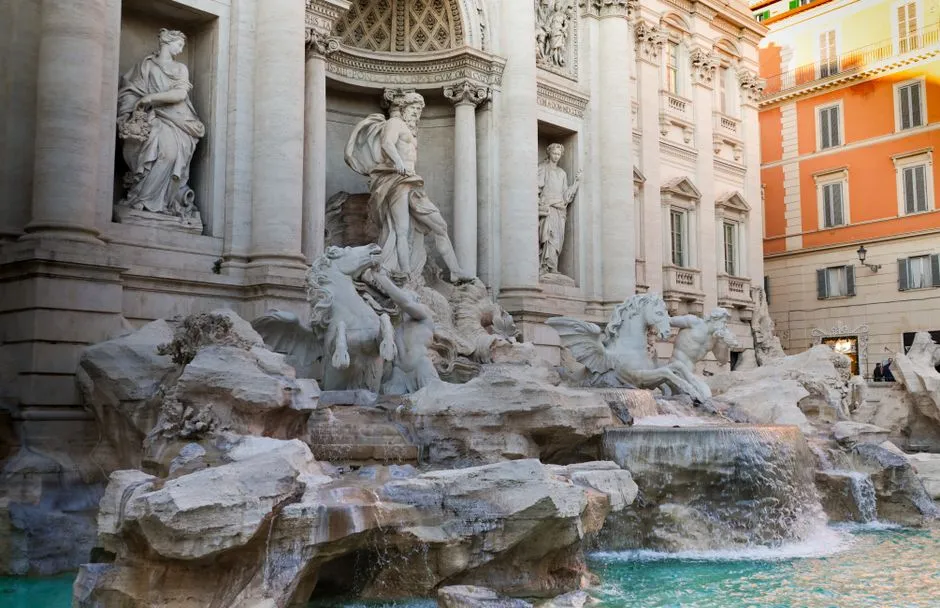
The coins collected from the Trevi Fountain, around 1.5 million euros a year, are donated to the Catholic charity Caritas, which funds programs for the poor. That’s a genuinely meaningful outcome for what began as an ancient spiritual gesture. The charity channels the funds into running canteens, helping poor people to buy groceries, assisting people with Alzheimer’s, and providing help to children from disadvantaged backgrounds.
The year 2023 was a record year for Caritas, with around €1.6 million swept out of the fountain for charity according to local newspaper “Il Messaggero.” Meanwhile, other famous water sites have taken different approaches. The Roman Baths in Bath, England collected around £104,000 in 2018 to 2019 in tossed coin donations before banning the practice in March 2022 due to concerns about the coins’ damaging effect on the site.
The Tradition Faces New Pressures

Entry fees were introduced at the Trevi Fountain in early 2026 to help curb the crowds. The fountain has become a flashpoint for Rome’s overtourism problem, particularly during the summer peak. The very tradition that draws millions of visitors each year has become part of a broader challenge around sustainable travel. City officials estimate the new ticket could generate between 6.5 million and 20 million euros annually.
Coin-tossing in wells and pools can also have a negative environmental impact, with research from Waitomo, New Zealand suggesting that coin-tossing can lead to significantly higher amounts of metals such as copper and nickel in the surrounding water, and lower biodiversity. These findings are prompting conservationists and site managers across the world to reconsider how the tradition is managed, though banning it outright tends to prove futile. In some places, fountains and wells have signs asking people not to toss coins in. The tradition is so ingrained, however, that people often don’t comply.
The Takeaway
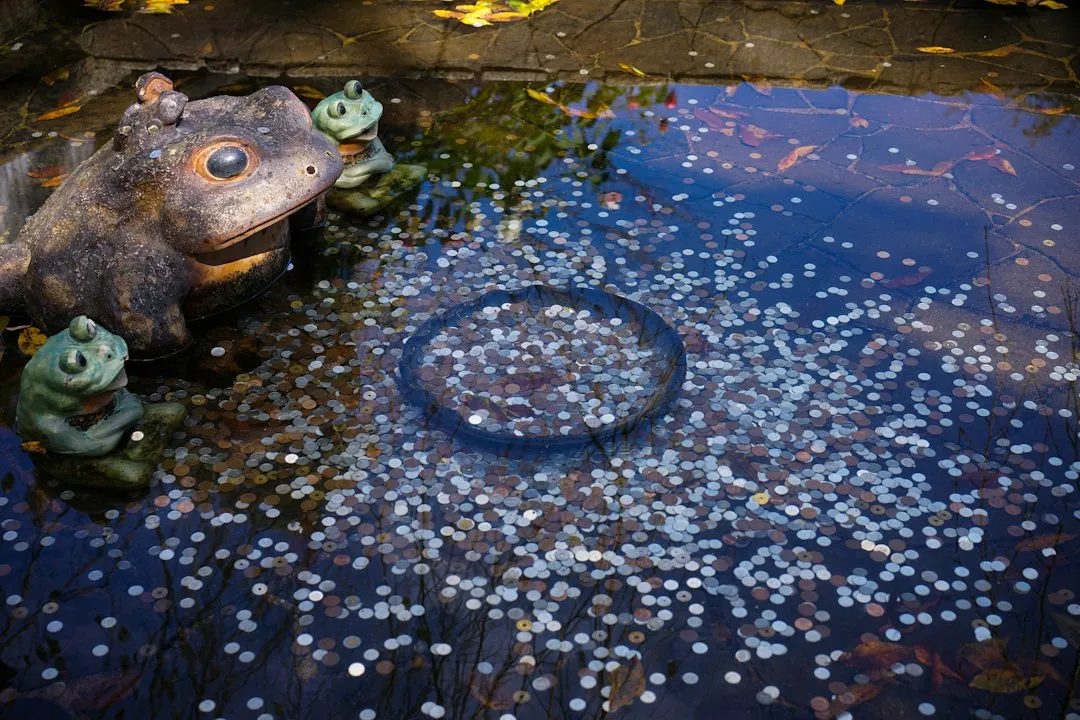
What makes this tradition so durable is probably its simplicity. You don’t need to believe in water spirits or Roman gods for the gesture to feel like something. Today’s ritual appears to sit within a much older history of treating water as a place where offerings, hopes, and prayers could be expressed. That impulse to mark a moment, to express a hope, to leave a trace of yourself somewhere beautiful, hasn’t changed much in two thousand years.
Since ancient times, the tradition of making a wish with a coin has been passed down through generations, evolving from a religious ritual into a cultural practice. The specific beliefs have shifted, but the feeling underneath them has not. A small coin, a moment of stillness, and a quiet hope directed outward. That’s a surprisingly honest portrait of what it means to be human, in any century.
AI Disclaimer: This article was created with the assistance of AI tools and reviewed by a human editor.