
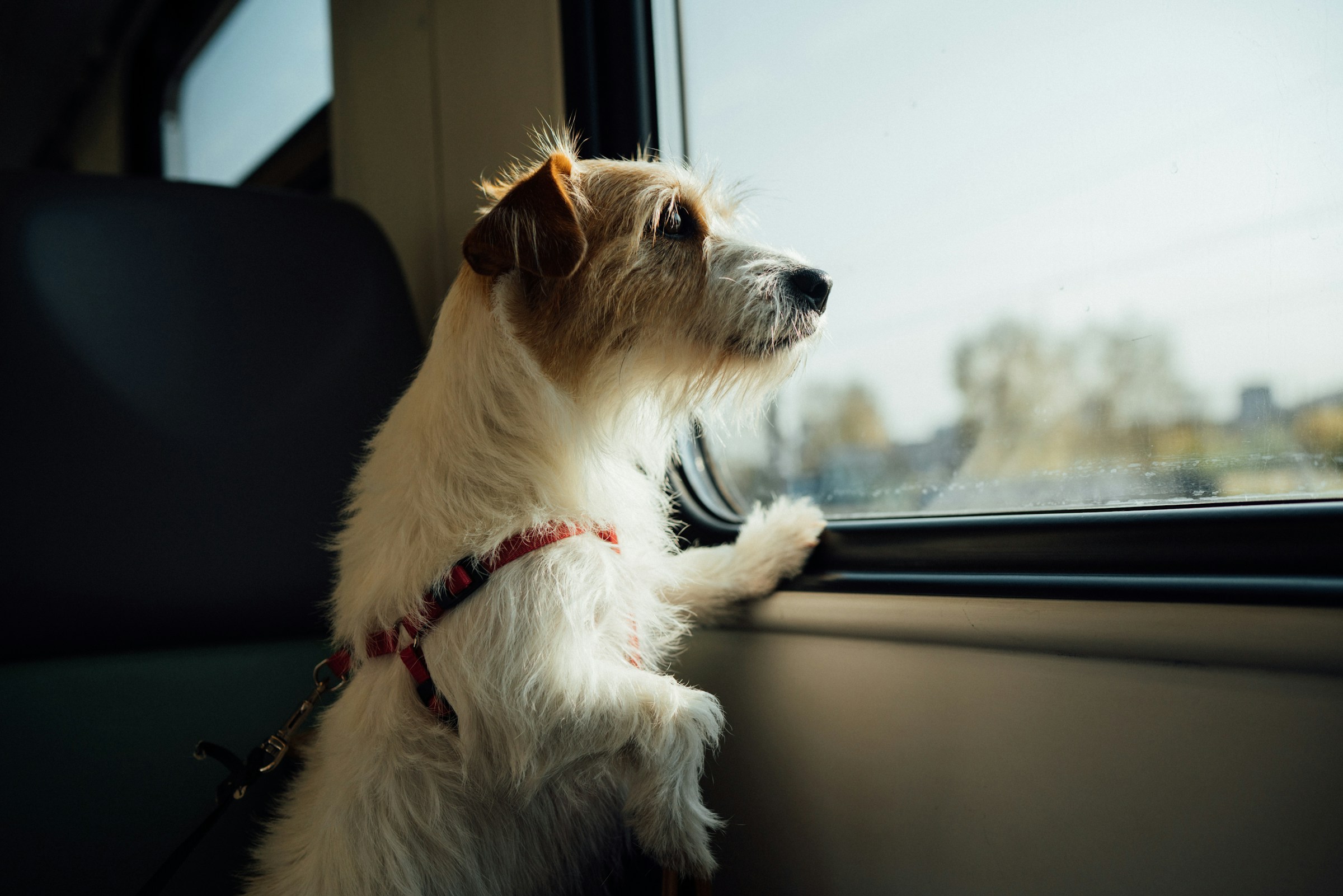

North America’s Only Dedicated Animal Cargo Terminal
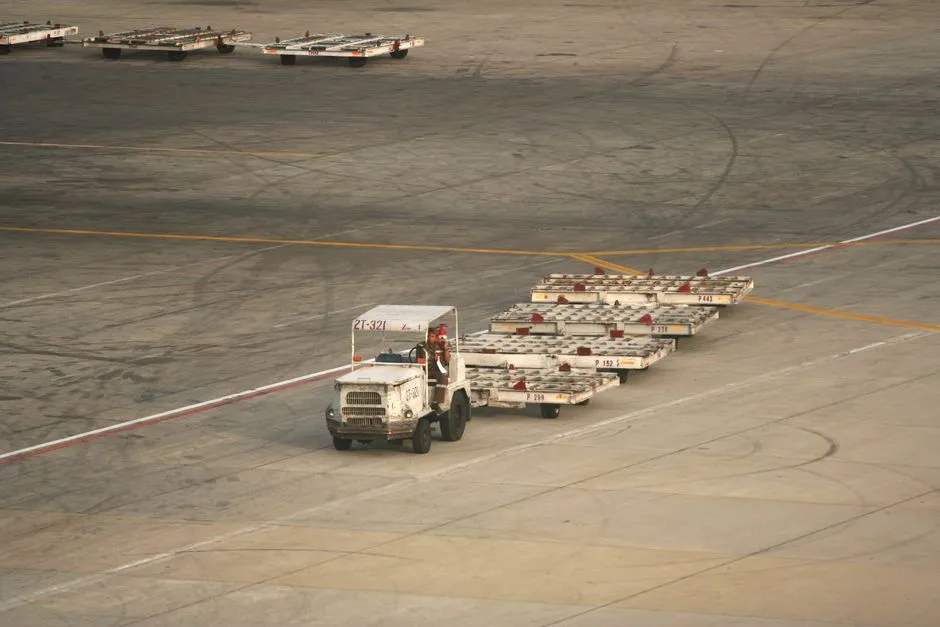
Approved by the Board of the Port Authority of New York and New Jersey, The ARK at JFK is North America’s only cargo terminal dedicated to animals. That distinction alone sets it apart from any other airport facility on the continent. While other major airports have animal holding areas scattered across cargo zones, nothing else consolidates every service under one roof quite like this.
It is the world’s first privately owned 24/7 animal reception center and full-service transportation center for the import and export of animals, with direct access to the airside, ensuring the smooth transition for all animals arriving or departing on international flights at JFK Airport. The access to the airside is particularly significant. It means animals don’t have to make long, stressful overland journeys from the plane to the facility.
How It All Started: Replacing the Old Vetport
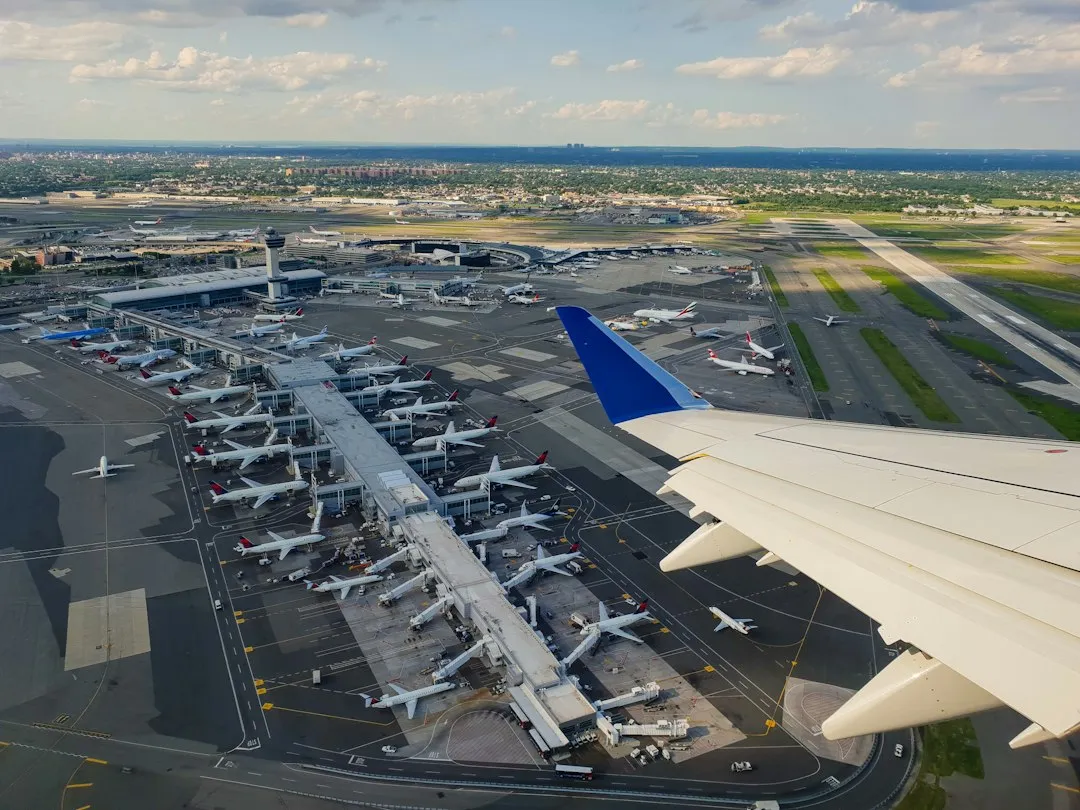
The 178,000 square foot building replaced JFK’s VetPort, a 10,000 square foot kennel built in the 1950s to handle animals transiting through JFK for import or export. The contrast between the two facilities tells a story about how dramatically attitudes toward animal welfare in transit have shifted over the decades.
With only a few ports within the United States through which horses can be imported and exported, the founding and opening of The ARK was primarily set in motion as an import and export equine facility. The equine trade in particular demanded something far more sophisticated than a mid-century kennel could offer. The ARK officially opened its doors on January 2, 2017, and has served the JFK Airport community since then.
The Scale of the Facility

With 178,000 total square feet of facility and 14.4 acres of surrounding ground area, aircraft ramp parking and land use for animal handling, the ARK ensures that everyone has room to be comfortable. To put that in perspective, that’s a footprint larger than many regional airports’ entire passenger terminals.
Located off the runway at JFK International Airport in Cargo Area D, The ARK offers 24/7 access to and from a state-of-the-art, climate-controlled facility, enabling the safe handling and efficient delivery of horses, pets, birds and livestock by air. The round-the-clock access matters because flight schedules don’t observe business hours. The terminal handles more than 70,000 animals flying in and out of JFK every year.
The Pet Oasis: Where Companion Animals Wait in Comfort
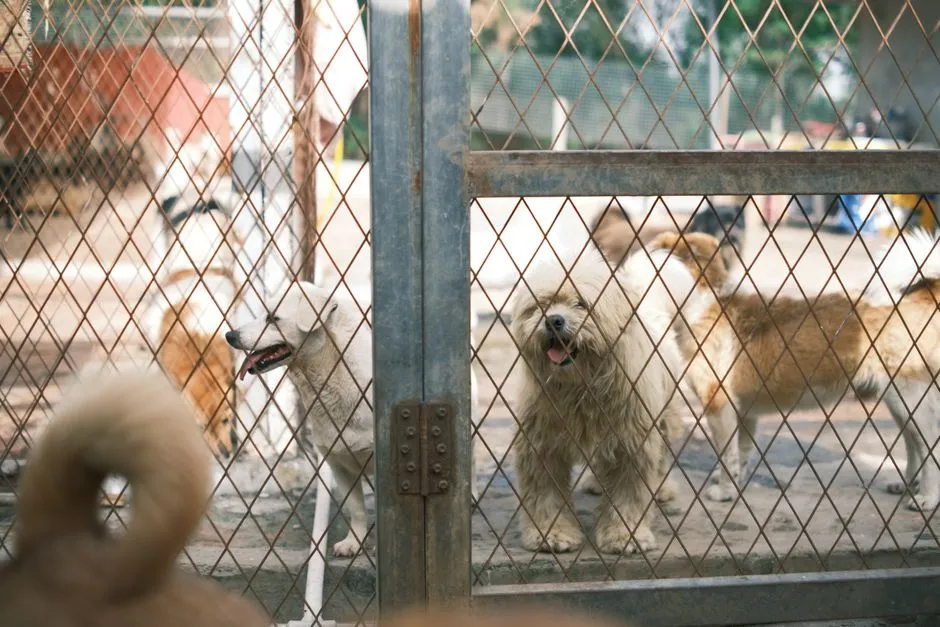
The ARK Pet Oasis includes 47 dog kennels, 12 cat kennels, isolation kennels, and a veterinary triage area. These aren’t bare-bones holding pens. The design philosophy was deliberately oriented toward reducing stress for animals during what is often the most disorienting part of an international journey.
For dog owners, The ARK offers a 20,000-square-foot luxury “resort” run by the company Paradise 4 Paws, complete with bone-shaped splashing pools, massage therapy and “pawdicures with colored nail pawlish.” Kennels costing about $100 per night feature flat-screen TVs and webcams so owners can check in on their pets. It reads like a hotel brochure, and to some degree, that’s the point.
The Equine Export and Import Center
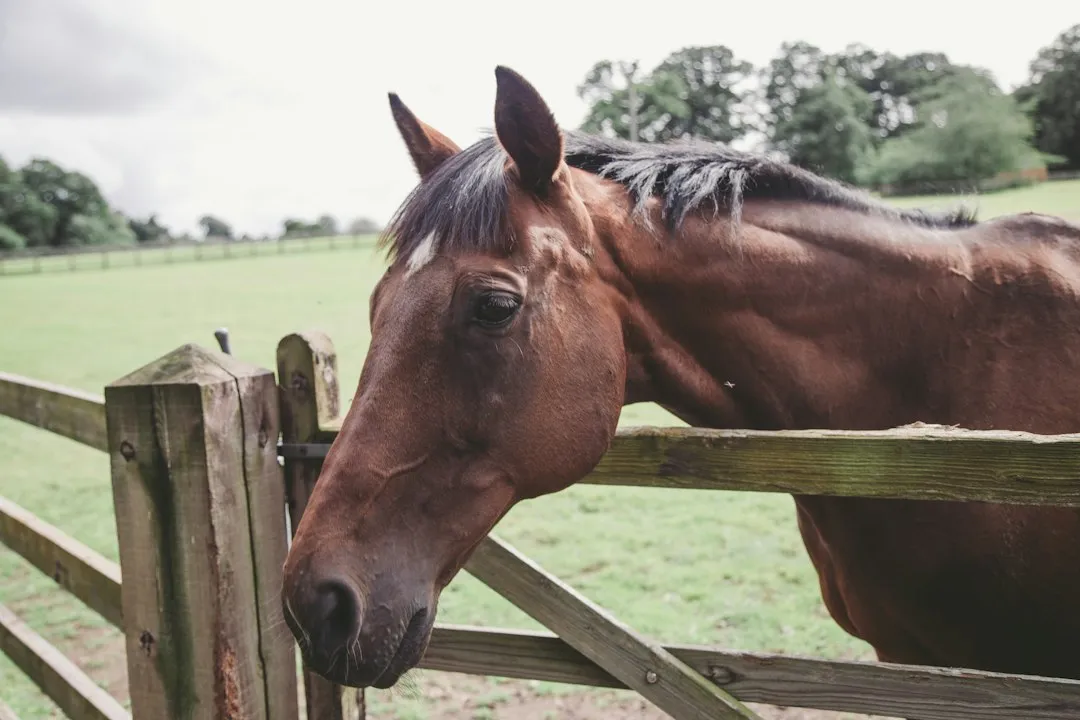
The Equine and Livestock Export Center is a USDA-approved rest and inspection facility, staffed by experienced and dedicated grooms that understand the unique demands of equine care. Horses headed abroad require rest time before boarding, and the ARK provides exactly that environment before they catch their international flights.
The equine import quarantine section features 48 state-of-the-art, independent quarantine stalls for horses entering the United States, fulfilling the need for mandatory quarantine. Horses completing equine import can fulfill their three-day minimum quarantine on-site, or longer, depending on where they originated and their physical condition and vaccination records. The quarantine period isn’t a formality; it’s a critical biosecurity measure that protects domestic livestock populations.
Birds, Livestock, and Exotic Animals
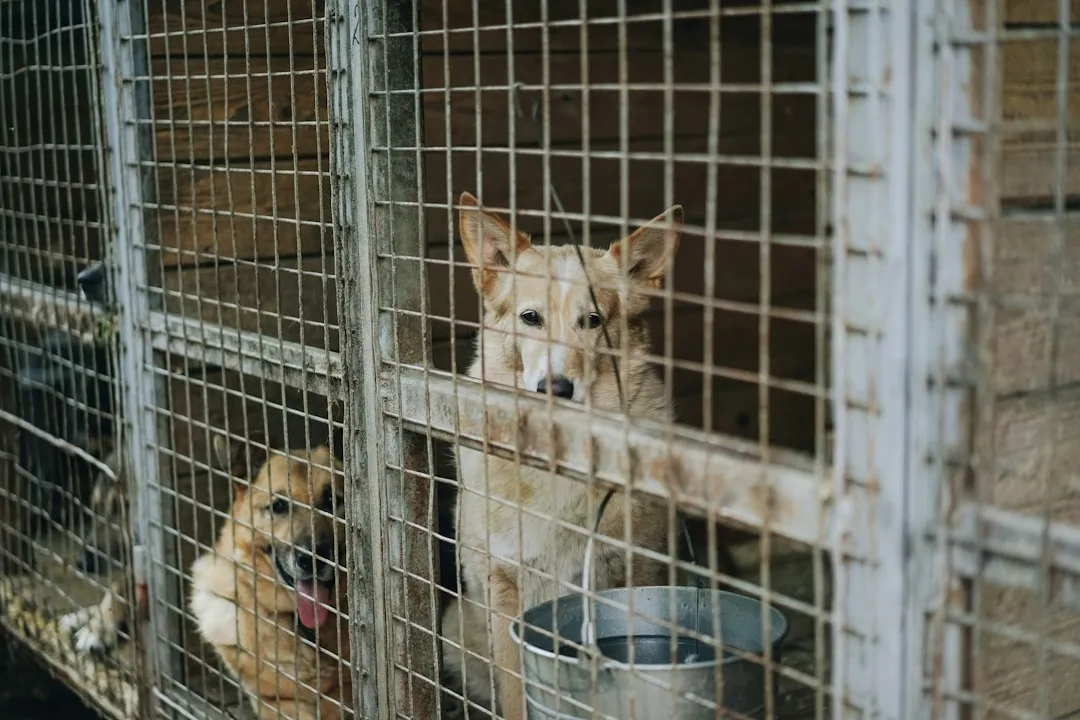
An in-transit aviary quarantine allows shippers to route avian shipments through JFK, and the facility goes well beyond simple caging. The ARK has built specialized habitats for birds of all wing stripes, such as waterfowl, gulls and parakeets. The avian quarantine center provides facilities for 30-day quarantine of pet and commercial birds entering the U.S.
The ARK is designed with hay-lined stalls for up to 70 horses and 180 head of cattle, plus an aviary and holding pens for goats, pigs and sheep. The airport accommodates dogs, cats, horses, penguins, infrequent sloths and many other additional species. The facility was engineered to be genuinely flexible, not just optimistic.
Veterinary Care Built Into the Terminal
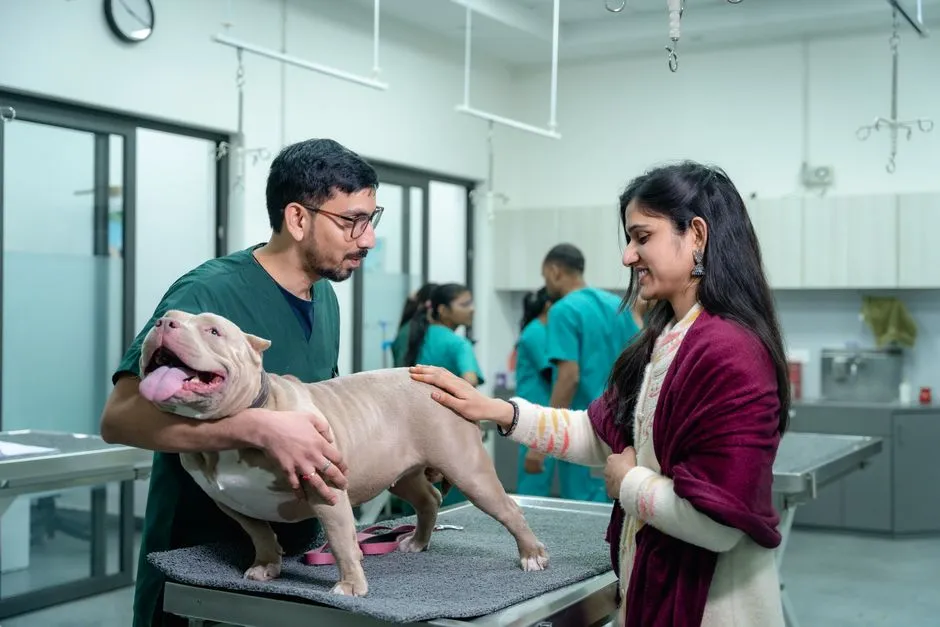
The facility has USDA-accredited veterinarians onsite to provide travel certifications and assist with any animals and pets that may need support. This isn’t just a convenience. For international animal shipments, documentation and health certification are legally required, and having that expertise directly on the airfield dramatically reduces processing time.
The veterinary hospital also provides general wellness and emergency care for pets from JFK and the surrounding community, including JFK employees, the Port Authority, and the surrounding Queens, New York, community. The finished hospital takes up just 6,000 square feet of the massive 178,000-square-foot ARK complex. That’s a small slice of the total building, but it carries a significant operational weight.
IATA Certification and Industry Standards
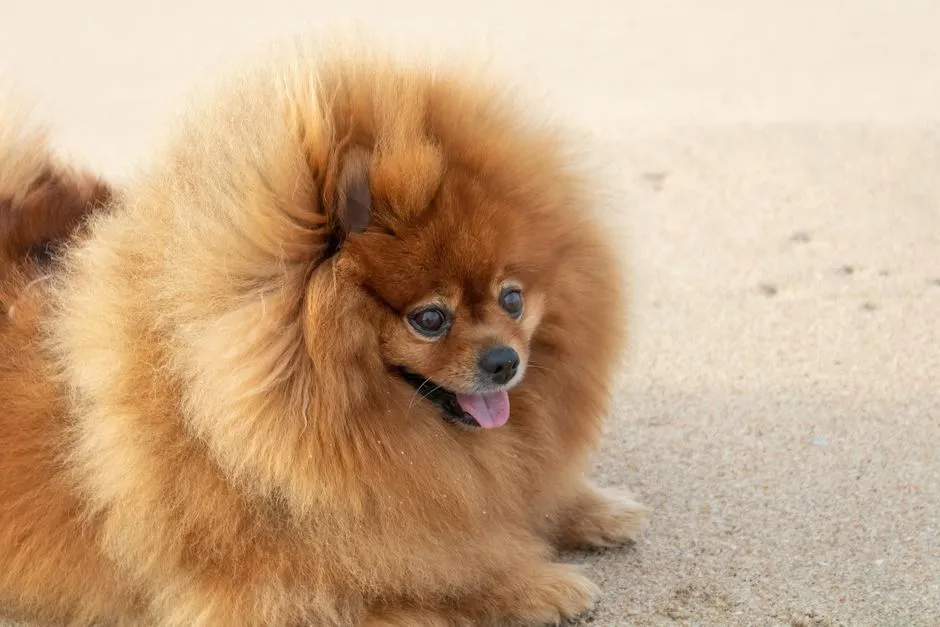
The ARK at JFK became IATA CEIV Live Animals certified, a distinction that validates its processes for handling live animal cargo in accordance with international aviation standards. CEIV certification is not easily earned. It requires rigorous independent auditing of procedures, staff training, and facilities.
The CEIV certification validates ARK’s efforts and commitment to the aviation industry, PANYNJ airports, Federal regulatory agencies, and its exceptional animal handlers. The ARK was designed with the input of engineers, designers, architects, and industry leaders, including the USDA and Cornell University. That collaborative foundation helps explain why the facility functions at a level well beyond what a typical cargo terminal could offer.
Animal Rescue Operations and Humanitarian Use

As JFK International Airport is a huge and popular port of entry in the United States, many animal rescue organizations use the airport, and The ARK works with them, primarily for international arrivals. This is a dimension of the facility that often goes unnoticed in coverage focused on racehorses and pampered pets.
As recently as 2022, 69 rescued dogs from the West Bank, mostly abandoned, feral, and injured, arrived at The ARK in support of the Society for the Prevention of Cruelty to Animals International. Those kinds of arrivals require exactly the medical triage and quarantine capability that the facility was built to provide. The ARK’s role in animal welfare extends well beyond commercial cargo.
Transporting Animals Directly from Aircraft to Care
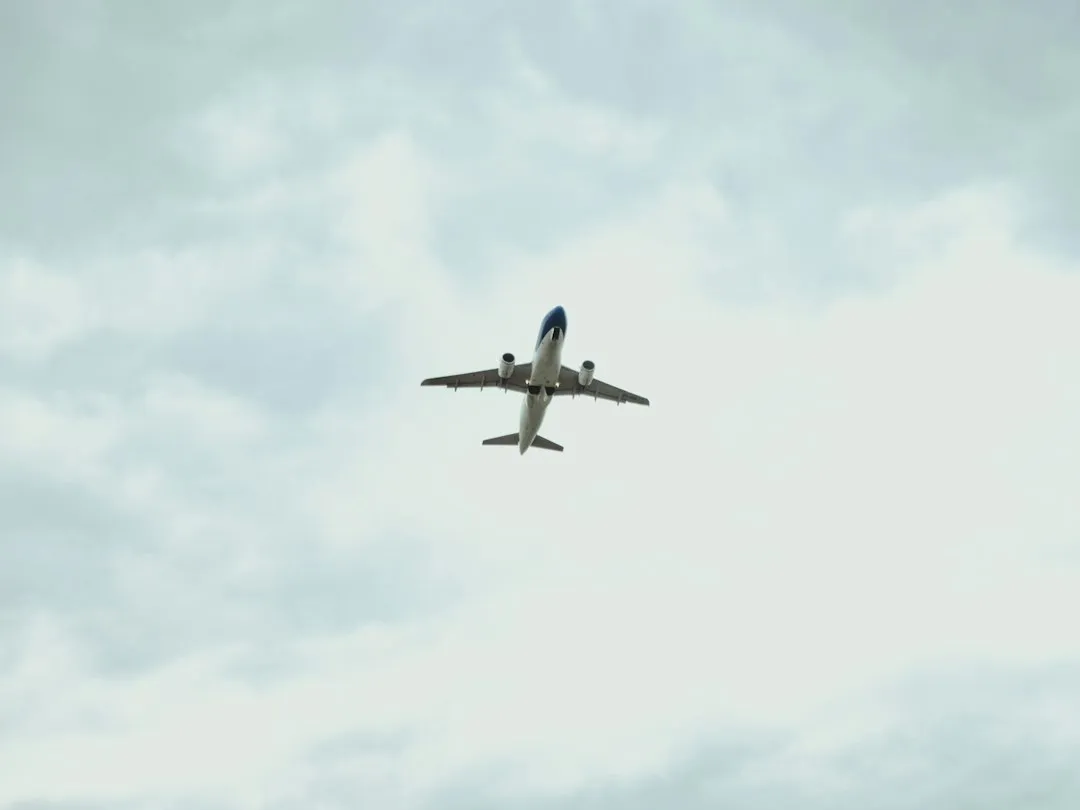
Animals are moved from jets directly into ARK-branded transport vehicles and taken to The ARK where they receive immediate care or begin required quarantine. This direct handoff is one of the most practically important design features of the whole operation. It minimizes the exposure, temperature variation, and stress that an animal would otherwise experience during a longer ground transfer.
Additional services include transportation in dedicated climate-controlled vehicles to and from aircraft, terminals, cargo facilities and other airport locations. The ARK Pet Oasis specifically addresses all of the travel needs of domestic pets including short-term respite care, pick-up and delivery from and to cargo or passenger terminals, and veterinary exams and certification for domestic pets travelling by air to, from and through JFK, LGA and EWR. The network effect is real: the ARK doesn’t only serve JFK traffic.
What It Means for the Future of Animal Air Travel
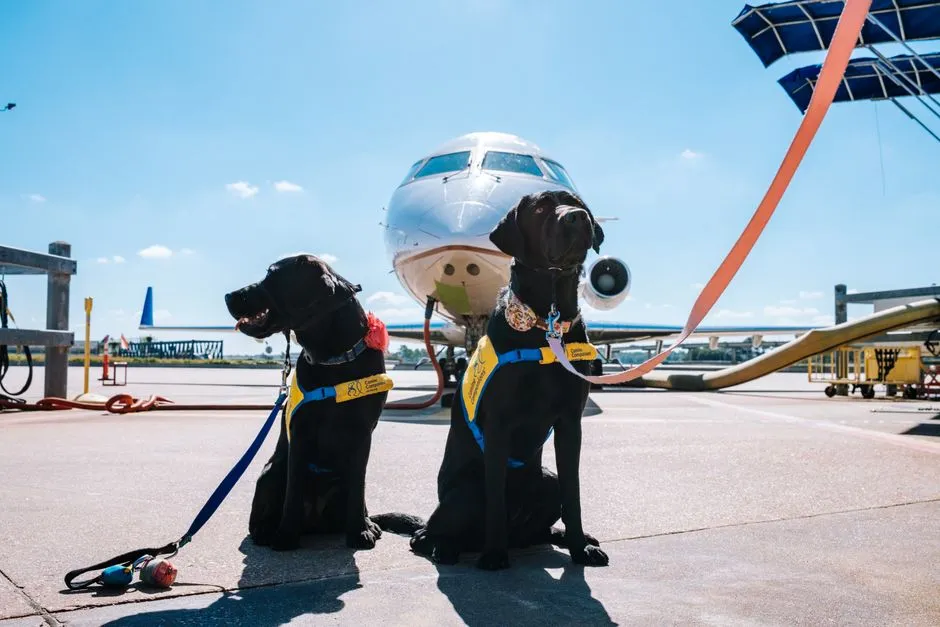
The ARK’s potential has been compared to that of Lufthansa’s Animal Lounge in Frankfurt, a state-of-the-art European facility that serves as the standard for worldwide animal shipping, handling approximately 14,000 dogs and cats a year. The designers, operators and animal welfare organizations have all expressed hope that the ARK will become the model of the future for animals traveling internationally by air.
Through its operating entities and partners, The ARK at JFK is dedicated to becoming the world leader in airport animal handling, transportation and veterinary care. Whether that ambition is fully realized will depend on how the broader aviation industry responds, but for now, nothing else on the continent quite matches what has been built in that converted cargo hangar in Queens.
A New Standard, Quietly Operating off the Runway
AI Disclaimer: This article was created with the assistance of AI tools and reviewed by a human editor.