
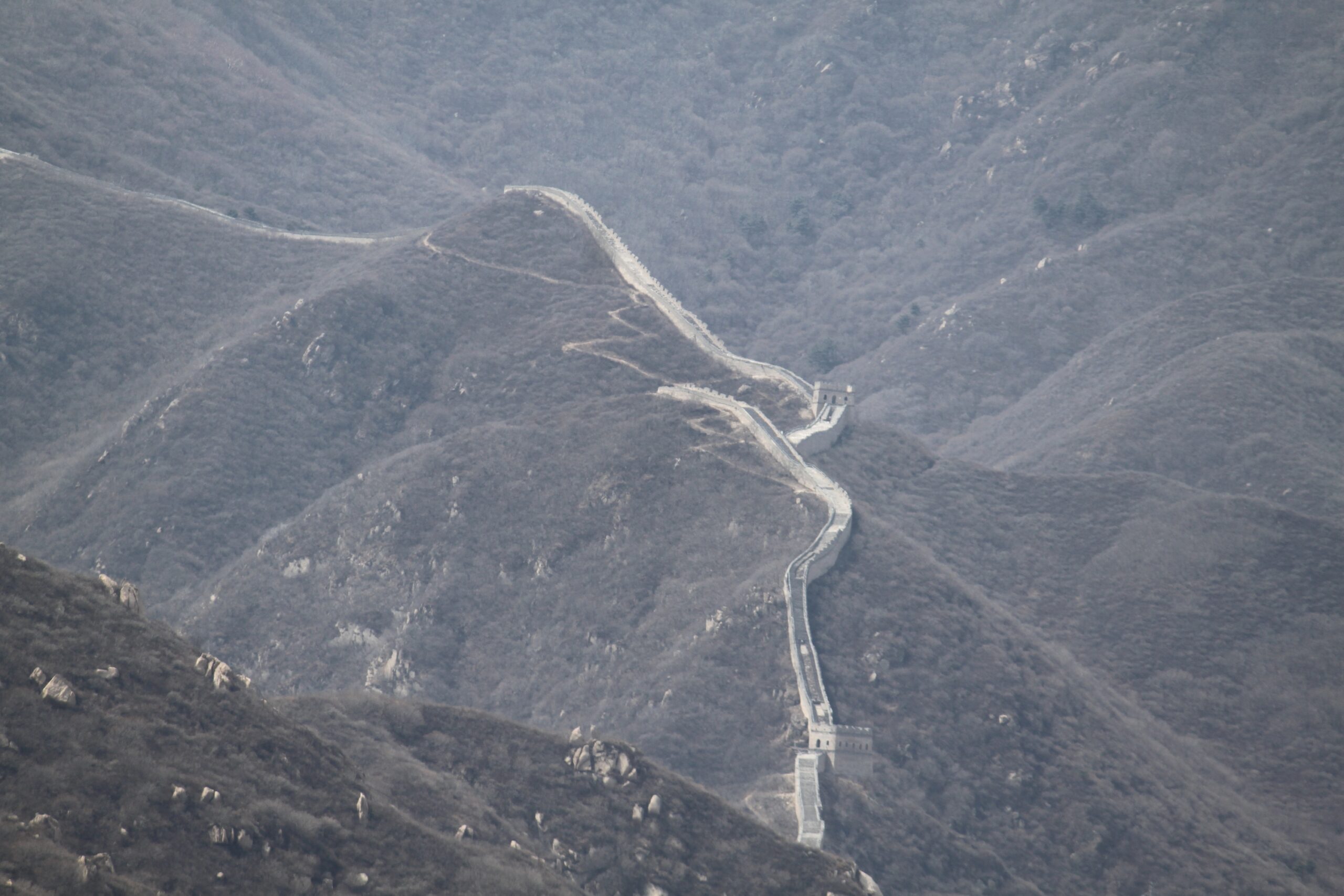
You Can See It from Space
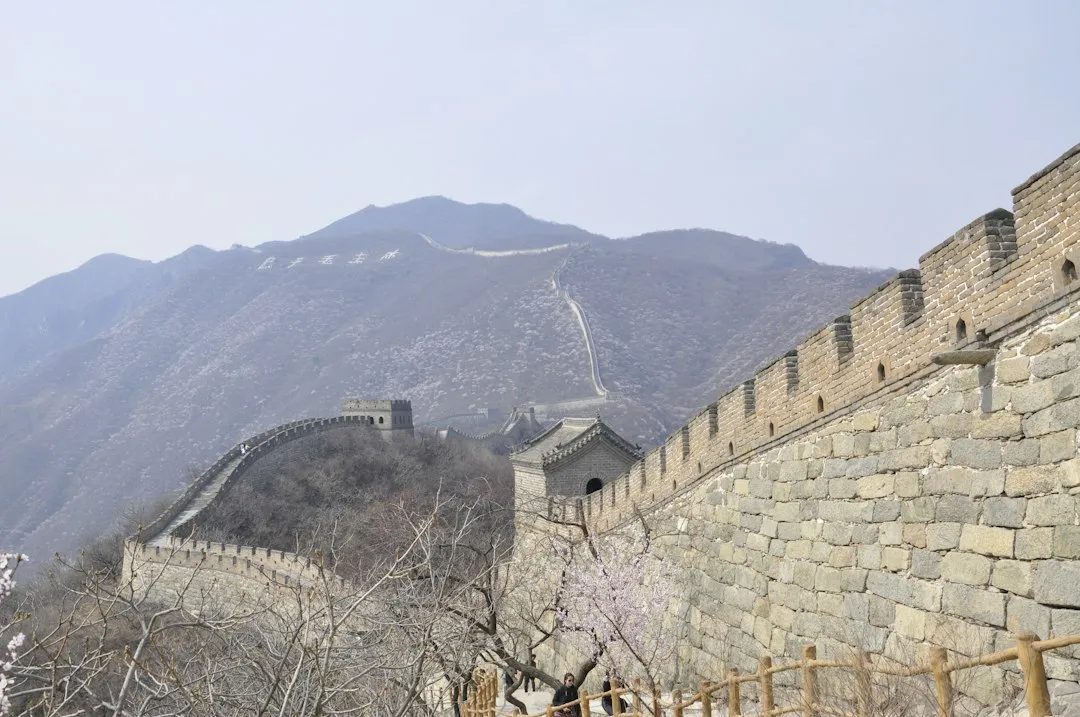
Ask a classroom which human structure can be seen from space, and most hands go up for the same answer: the Great Wall of China. It is one of the stickiest facts that is not actually a fact, repeated in textbooks, trivia nights, and even some museum placards.
At 400 kilometers up, the Great Wall is roughly ten times too narrow for the human eye to resolve, and its color barely stands out from the ground around it. NASA astronauts writing in ORBIT noted that “although we could see things as small as airport runways, the Great Wall seems to be made largely of materials that have the same color as the surrounding soil. Despite persistent stories, the Great Wall is almost invisible from 180 miles up.”
When China’s first taikonaut, Yang Liwei, returned from the 14-orbit Shenzhou 5 mission in 2003 and admitted he had not seen the Great Wall, online forums exploded with disappointment. For decades, the Chinese had propagated the myth, but it was shattered upon Yang’s return, and Chinese schoolbooks were subsequently rewritten.
The Myth Is a Modern Invention
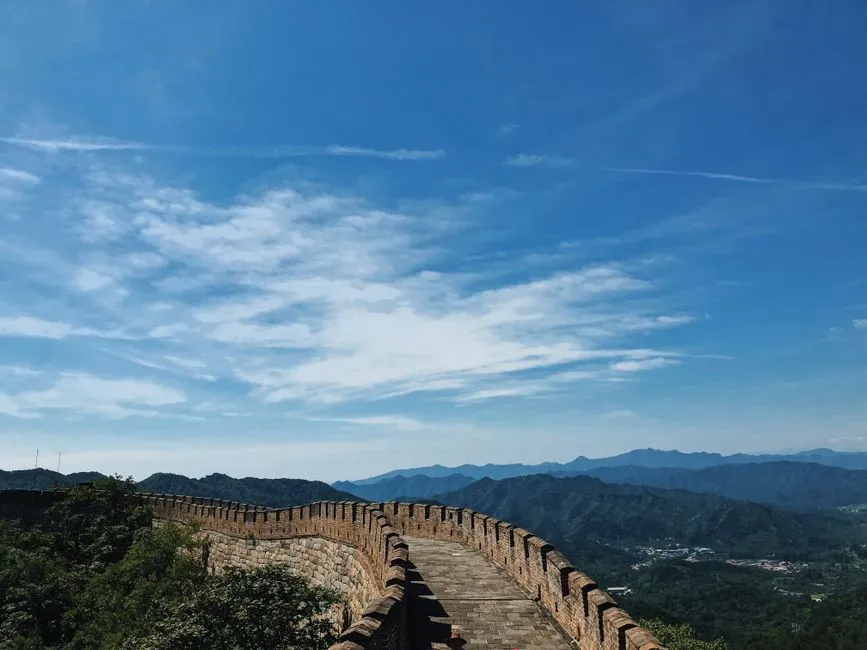
The claim that “the Great Wall is the only man-made structure visible to the naked eye from the Moon” first appeared in a letter written by British archaeologist William Stukeley in 1754, 215 years before the first human landing on the Moon.
This traces back to William Stukeley, an 18th-century English writer who compared the Great Wall to Hadrian’s Wall in that letter. He guessed the wall would be visible from the Moon, more than two centuries before anyone could test the idea.
The myth, in other words, predates the Space Age entirely. By the time rockets existed to actually verify the claim, it had already been cemented into popular culture, textbooks, and trivia cards around the world. The Wall simply never had a chance.
It Is One Continuous Wall
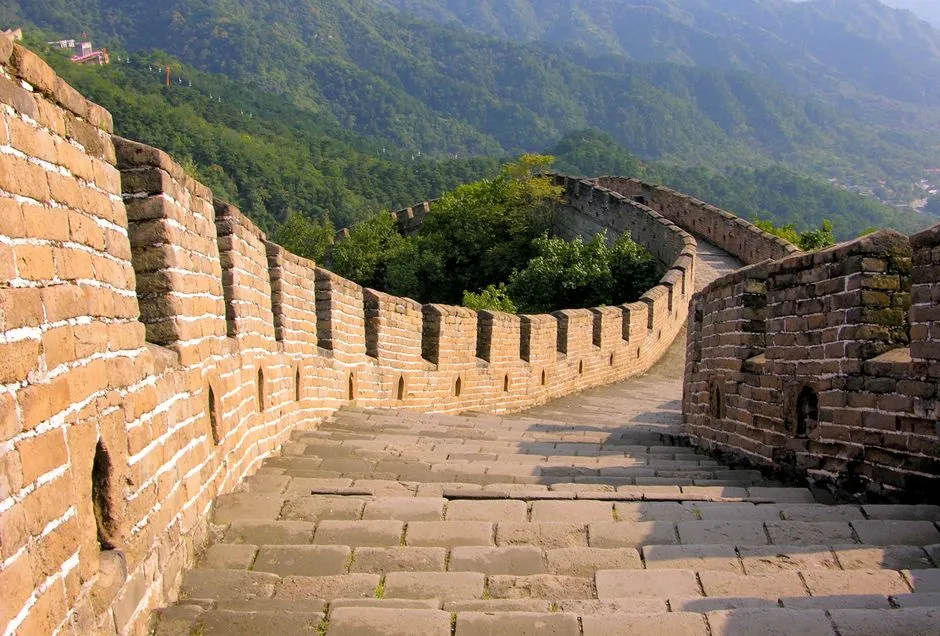
The Great Wall is not a single wall but a series of walls and fortifications built by different Chinese dynasties. This is one of the most common misunderstandings among first-time visitors, who arrive expecting a single unbroken ribbon of stone stretching from coast to desert.
China’s national Great Wall resource survey identified 21,196.18 kilometers of recognized wall-and-ditch remains from multiple historical periods. That figure is not the length of one continuous brick wall, a straight east-west line, or a route anyone can walk from end to end.
About one-fourth of the Wall’s length consists solely of natural barriers such as rivers and mountain ridges. Nearly all of the rest, about 70 percent of the total length, is actual constructed wall, with the small remaining stretches constituting ditches or moats.
The Length Is “About 4,000 Miles”
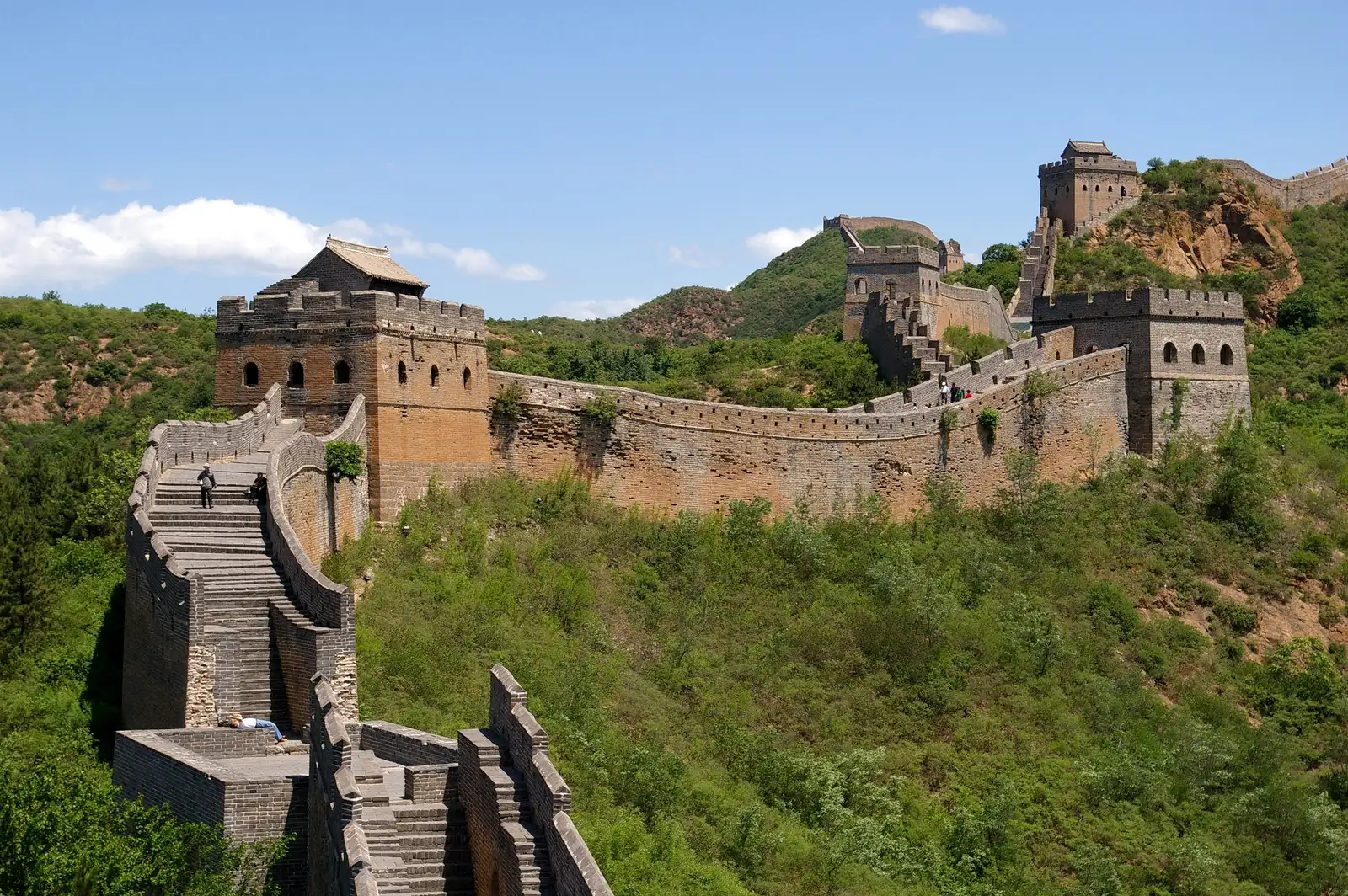
Ask most travelers how long the Great Wall is, and you’ll hear a rough figure somewhere in the range of 4,000 to 5,000 miles. That older estimate, long repeated in guidebooks, turns out to be significantly short of the truth.
The official length of the Great Wall of China is 21,196.18 kilometers, or 13,170.7 miles, according to the National Cultural Heritage Administration of China, announced on June 5th, 2012. That is the official figure announced in June 2012 by China’s National Cultural Heritage Administration, at the close of a six-year national survey, the first and so far only full-scale field measurement of every known Great Wall remain, conducted section by section on the ground rather than estimated from maps.
Most of today’s Great Wall was built in the Ming Dynasty, measuring 8,851 km, much of which is over 600 years old. The confusion around length comes partly from the fact that different surveys counted different dynasties’ walls, and earlier estimates focused only on the Ming-era sections.
The Wall Successfully Kept Out Invaders
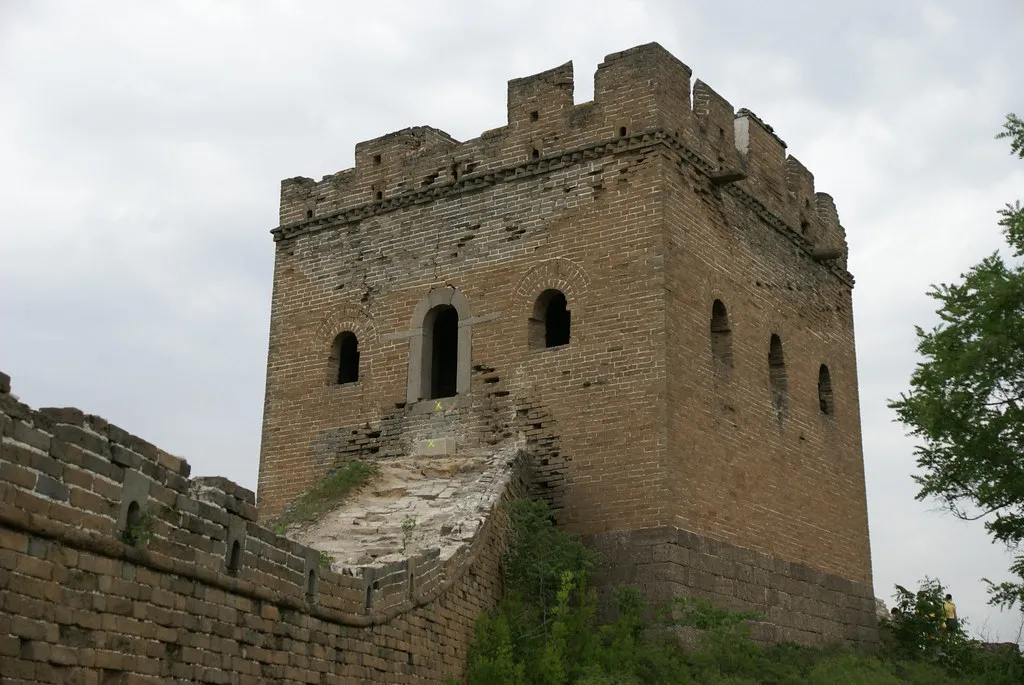
The Wall’s military reputation tends to be its most romanticized quality. Travelers stand on the watchtowers imagining ancient soldiers repelling wave after wave of northern armies. The reality is considerably more complicated.
The Great Wall was originally built to protect China from invading armies from the north. Yet military historians note that the Wall was breached, bypassed, and in some cases simply opened to let invading forces through by bribed or defecting gatekeepers. The Mongols, who established the Yuan Dynasty, did not need to dismantle the Wall at all.
The Great Wall was also used as a means of controlling trade and immigration. This dual function, as both military fortification and administrative border, is often overlooked entirely in the popular narrative. It was as much a customs and communications corridor as it was a defensive barrier.
Most of the Wall Is Well Preserved
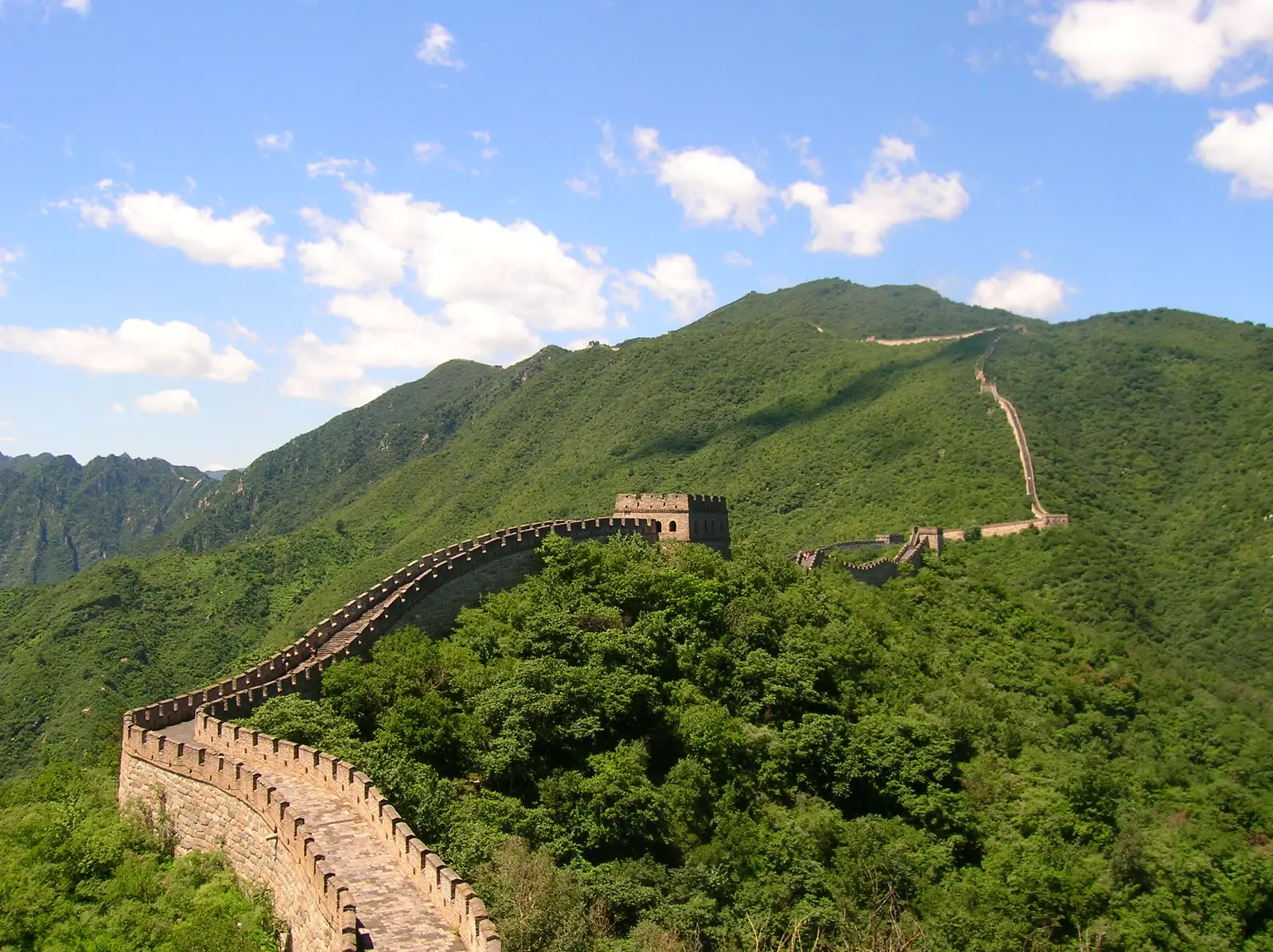
The polished, tourist-ready sections near Beijing, with their smooth stone staircases and restored watchtowers, create a powerful impression. Many visitors leave assuming the entire structure looks much the same. It does not.
Researchers estimate that roughly 30 percent of the Ming-era wall has disappeared due to erosion, tourism pressure, and historical removal of bricks. A 2012 report by the State Administration of Cultural Heritage stated that 22 percent of the Ming Great Wall has disappeared, and up to 1,961 kilometers of wall have vanished completely.
Today, China’s Great Wall is slowly disintegrating after centuries of exposure to the elements, intentional destruction during the Cultural Revolution, unaddressed wear-and-tear, and over-tourism. In many rural stretches, local communities historically used Wall bricks to construct homes and farm buildings, with little awareness that the structure was under state protection.
It Was Built by One Emperor or Dynasty
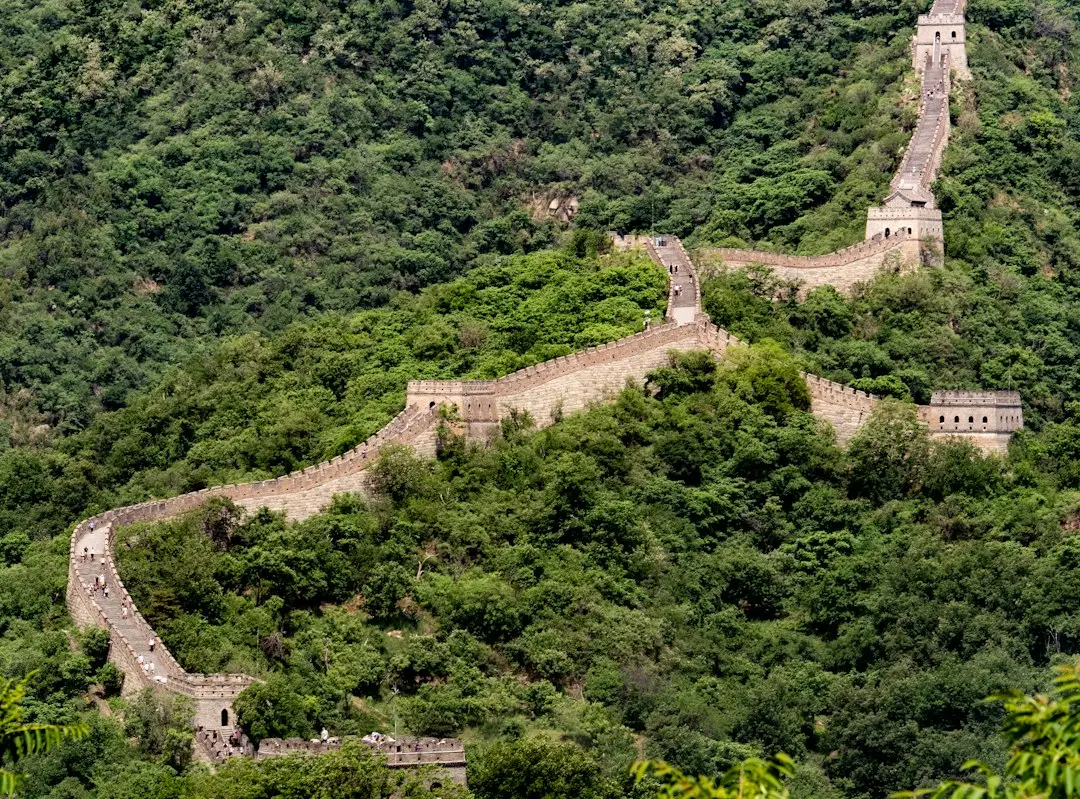
Ask someone who built the Great Wall, and most will say Qin Shi Huang, China’s first emperor. That is partly true, but the story spans far more than one reign.
The Great Wall is more than 2,300 years old, the product of nine or more dynasties’ worth of construction. Emperor Qin Shi Huang famously ordered the connection and extension of existing northern walls around 221 BC, but sections had been built by various Chinese states long before his unification of the country.
Construction materials used across different eras included rammed earth, bricks, stones, and wood, reflecting the technologies and resources available to each dynasty. Sticky rice mortar was used in Ming sections for added durability, a detail that continues to surprise visitors who assume all sections were built the same way.
The Wall Stretches Nonstop from East to West
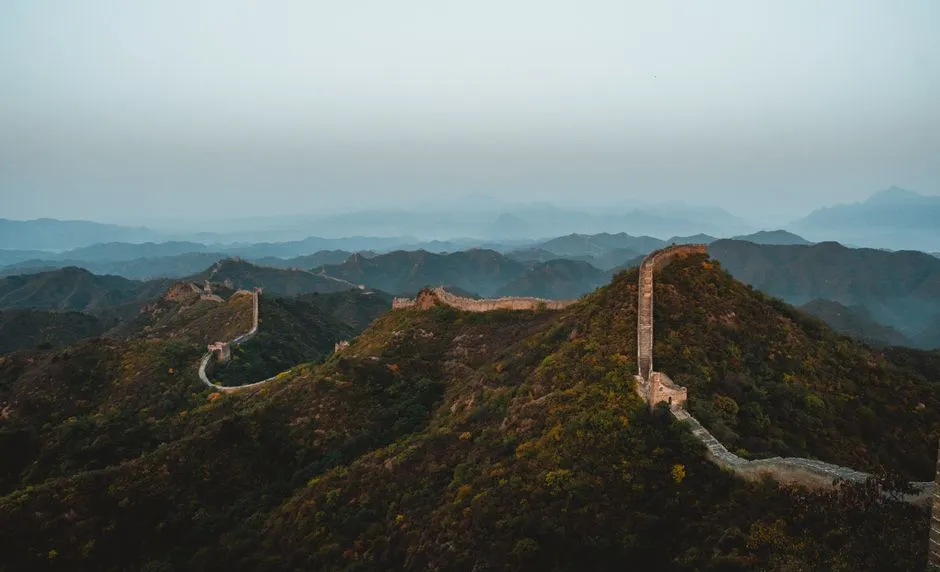
Maps often depict the Great Wall as a clean, unbroken east-west line across the top of China. That image sticks. It is also a simplification that distorts the structure’s actual geography.
The 2012 national survey catalogued 43,809 individual heritage records across walls spanning multiple dynasties, running through different directions, overlapping in some areas, and leaving significant gaps in others. The Wall snakes, backtracks, and branches.
This wall often traces the crestlines of hills and mountains as it snakes across the Chinese countryside. Inner Mongolia alone contains the greatest single-province concentration of Wall, at roughly 7,300 kilometers, far outpacing the Beijing region that most tourists visit. That geographic reality almost never appears in the popular image of the structure.
Visiting the Wall Means Seeing the “Real” Wall
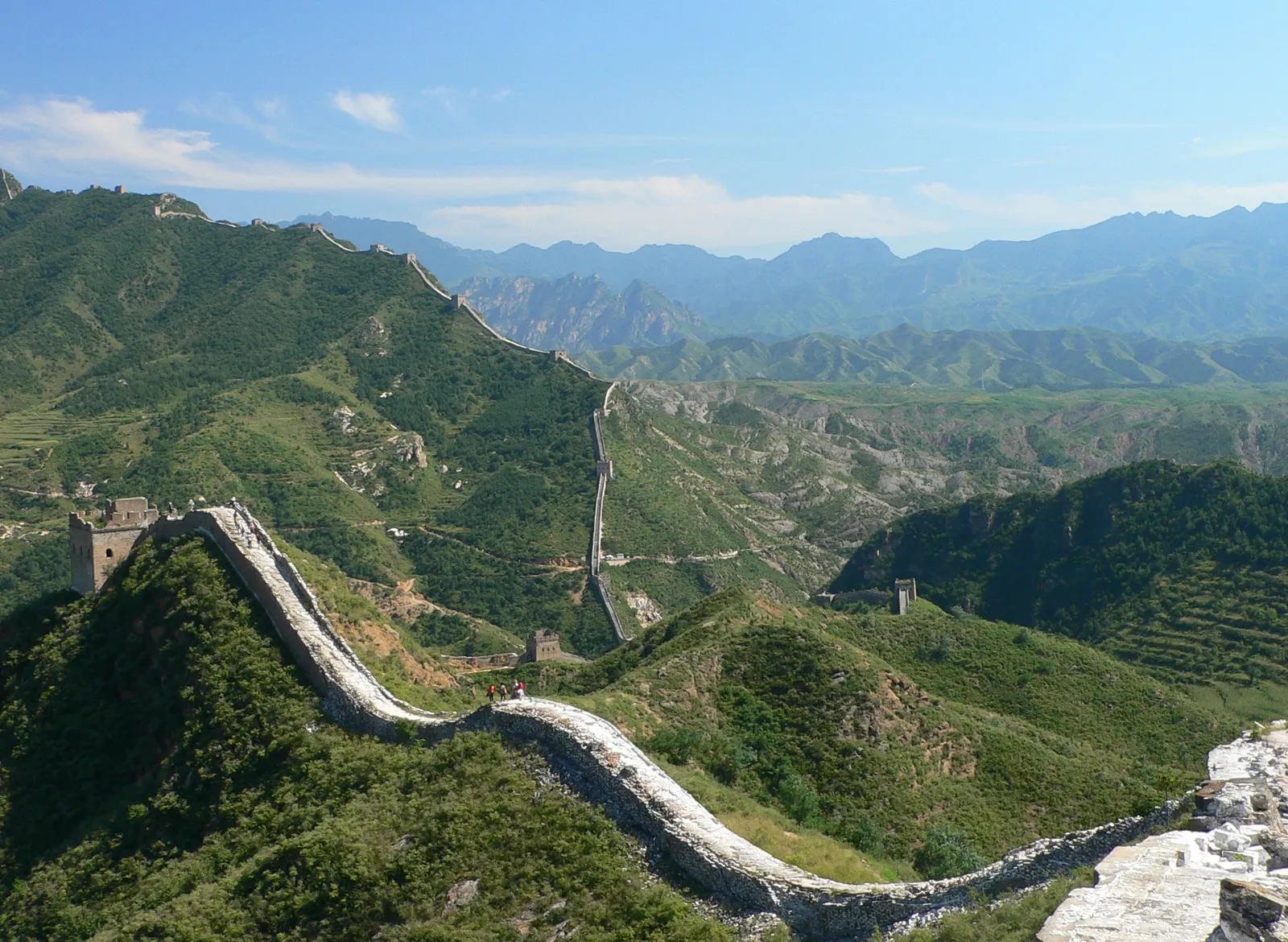
Travelers who make the journey to Badaling or Mutianyu, both close to Beijing, often feel they have experienced the authentic Great Wall. Those sections are genuinely historic and worth visiting. Still, the experience there differs significantly from the Wall in its broader, wilder context.
Although sections near Beijing have been restored for tourists, in many areas the structure is crumbling. The heavily restored and polished tourist sections represent a small fraction of the Wall’s total extent. What most visitors walk on is partly a 20th-century reconstruction built on ancient foundations.
Popular sections like Badaling can see up to 70,000 visitors daily during peak seasons, which puts intense pressure on the structure and the surrounding environment. For travelers interested in the Wall’s quieter, more rugged character, sections such as Jinshanling or Simatai offer a very different perspective, though they require more planning to reach.
The Wall Is a Static Monument, Frozen in Time
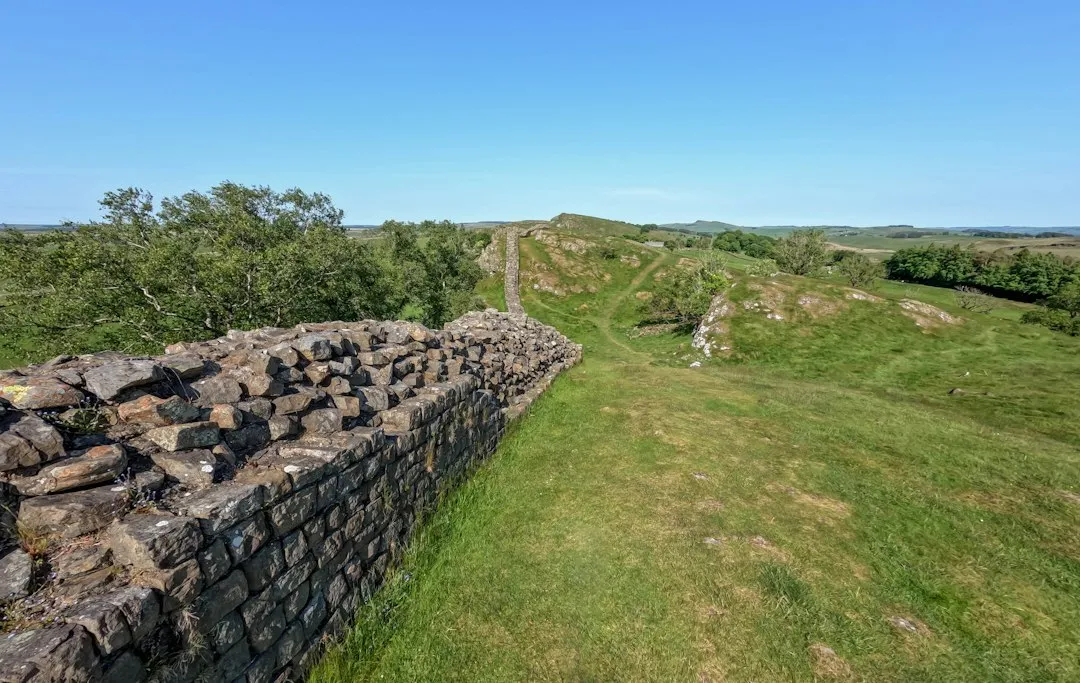
It’s easy to think of the Great Wall as finished, complete, something the past handed to the present. In reality, the Wall continues to be a subject of active research, new discovery, and ongoing change.
A research project carried out in early 2025 produced an exciting discovery, recovering previously unknown sections that show the Great Wall is 300 years older than previously thought. This finding alone reshapes part of what we understood about the Wall’s origins and earliest construction phases.
NASA has used space-based radar to map out hidden parts of the ancient structure, and archaeological field surveys continue to identify and document segments that had been buried, overgrown, or simply unknown to researchers. The Wall is still giving up its secrets, more than two millennia after the first sections were built.
The Wall Beyond the Myth
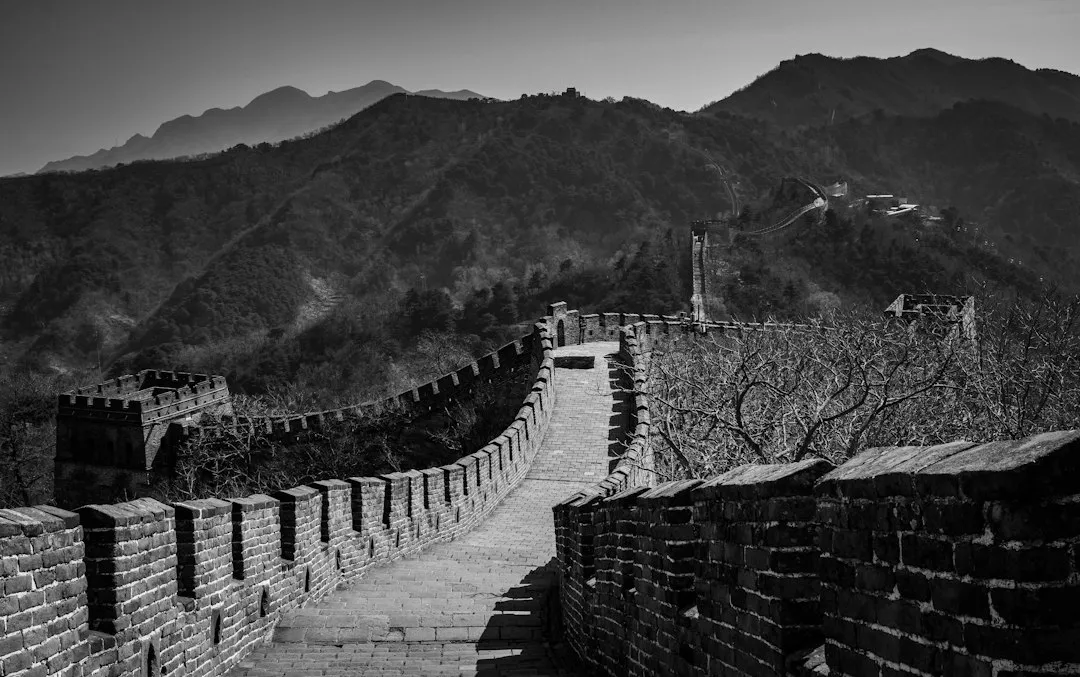
What makes the Great Wall genuinely extraordinary is not the myths surrounding it. It is the scale of human effort, the layering of centuries, and the quiet honesty of the crumbling stretches where nobody visits, where the rammed earth has melted back into the hillside it was once built to defend.
Responsible travel to the Wall means approaching it with curiosity rather than confirmation bias. Letting go of the space legend, the single-wall image, and the idea of an impenetrable barrier opens up a far richer encounter with one of the world’s most complex and layered heritage sites.
The Great Wall doesn’t need myths to be remarkable. The verified, documented reality is already extraordinary enough.
AI Disclaimer: This article was created with the assistance of AI tools and reviewed by a human editor.