
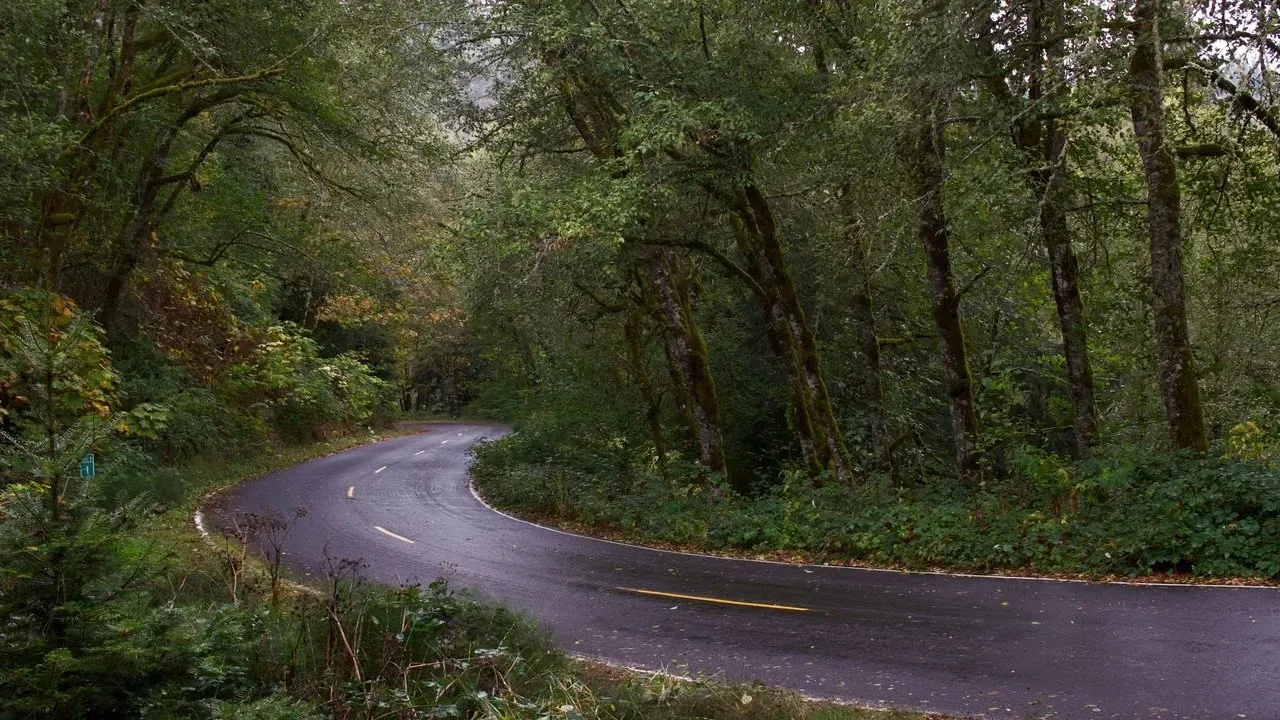

In the Hill Country near Vanderpool, a short video segment on CBS News Sunday Morning captured the quiet beauty of Lost Maples State Natural Area as autumn settled in. ([1])The piece highlighted the park’s canyons and changing leaves, offering viewers a moment of calm amid the season’s busier rhythms. For travelers seeking a measured encounter with fall foliage in Texas, the natural area provides a grounded destination where preparation meets the landscape’s own pace.
A Landscape Shaped by Canyons and Maples
Lost Maples State Natural Area sits five miles north of Vanderpool along Ranch Road 187. Its steep limestone canyons shelter an isolated stand of Uvalde bigtooth maples, a species that brings color to the Edwards Plateau each autumn. The park’s trails wind past clear streams and wooded slopes, where other trees such as sycamores, walnuts, and buckeyes also shift hues as temperatures cool.
Early November often brings the first noticeable changes, though the maples themselves respond to specific weather patterns. Recent updates from Texas Parks and Wildlife note that while the signature maples may remain mostly green, surrounding vegetation begins to turn yellow and red. This gradual transition rewards visitors who arrive with patience rather than expectations of peak display.
Preparing for a Respectful Visit
October and November mark the busiest period at the park, with day-use capacity limited and parking lots that fill quickly on weekends. Texas Parks and Wildlife strongly encourages advance reservations for day passes, available online or by phone, to ensure entry. Adult entry costs six dollars, with children twelve and under admitted free.
Once inside, staying on designated trails protects the shallow-rooted maples and the rugged terrain. The park offers roughly ten miles of paths, including shorter loops suitable for a range of abilities. Visitors are asked to pack out all trash, avoid disturbing plants or wildlife, and carry sufficient water, especially on warmer autumn days.
Finding Stillness Along the Trails
The park’s appeal lies as much in its atmosphere as in its foliage. A one-mile drive allows some viewing from the vehicle, yet the deeper experience unfolds on foot. Hikers move through shaded canyons where the sound of water and wind replaces the pace of daily life. This setting invites quiet observation rather than hurried sightseeing.
Cell service is unavailable throughout much of the natural area, further encouraging presence in the moment. Picnic areas and accessible restrooms support longer stays without disrupting the surroundings. For those who camp, both drive-up and primitive sites offer overnight options that extend the sense of removal from routine.
Travel That Honors the Place
Approaching Lost Maples with advance planning and low-impact habits aligns with the values of purposeful travel. Checking the weekly foliage report before departure helps set realistic expectations, while choosing weekdays when possible reduces pressure on the park’s resources. Such choices support both the visitor’s experience and the long-term care of this distinctive Texas landscape.
In the end, the quiet that drew the CBS camera crew remains the park’s most enduring quality. A day or two spent among its canyons offers a measured reminder that fall color in Texas rewards those who arrive ready to listen as much as to look.
AI Disclaimer: This article was created with the assistance of AI tools and reviewed by a human editor.