
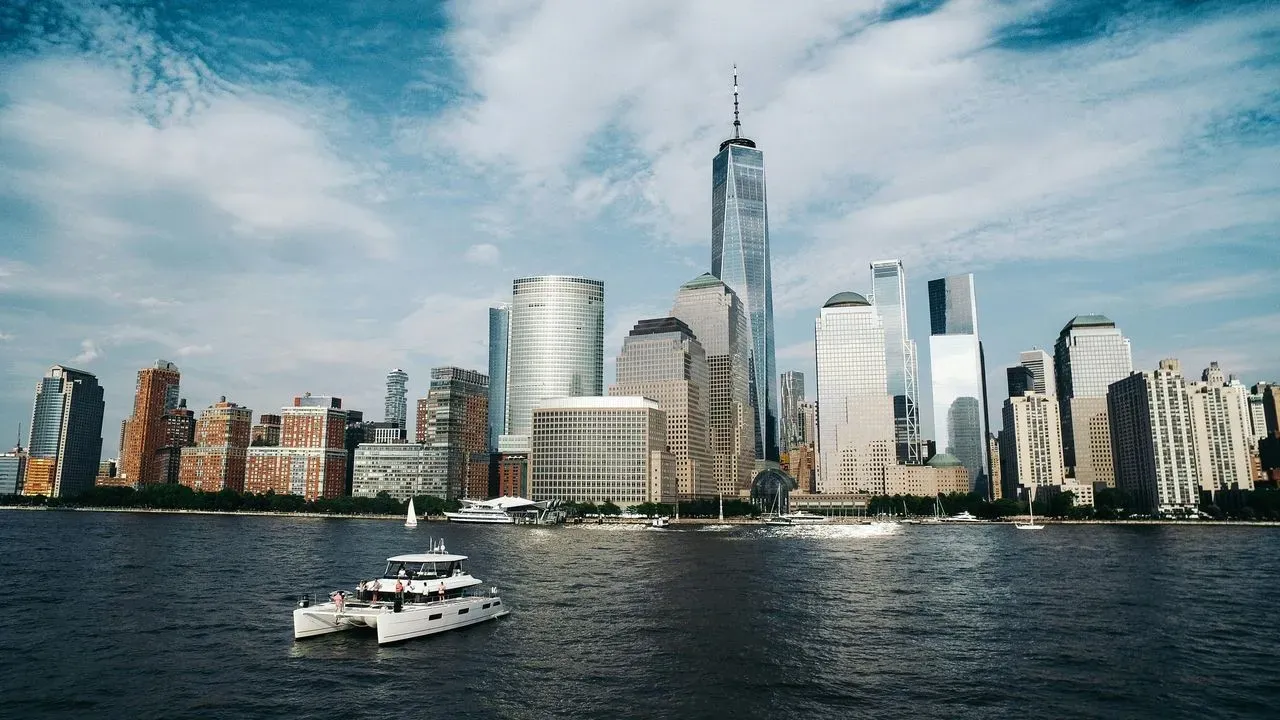

Lower Manhattan has long drawn visitors for its layered history and striking skyline. Now, a prominent empty skyscraper at 60 Wall Street stands at the center of a quiet shift that could add more daily life to the neighborhood. Bushburg Properties is under contract to acquire the 47-story building, with plans to convert it from offices into apartments in the same manner the firm has handled other downtown properties. This development arrives as part of a broader pattern of adaptive reuse that is gradually reshaping how the area feels for those who live, work, and explore there.
A Building with a Storied Past Finds a New Purpose
The tower at 60 Wall Street has stood largely vacant since Deutsche Bank relocated its operations between 2018 and 2021. Its column-free floors and expansive views once served only corporate tenants, including the building’s original owner, JPMorgan Chase. Bushburg, led by Joseph Hoffman and holding more than $4 billion in assets, has already converted nearby structures such as 100 William Street and 80 Pine Street into rental housing. The firm’s approach emphasizes practical transformation of underused office space. While the purchase price of $400 million reflects current market conditions, the real interest lies in the potential to restore activity to a structure that has cast a quiet presence over surrounding blocks for years.
Lower Manhattan’s Ongoing Evolution
Downtown Alliance president Jessica Lappin described the move as a strong vote of confidence in the neighborhood. She noted the combination of recovering office demand, major commercial anchors such as American Express at the World Trade Center, and steady residential growth that together point to a dynamic future. Over the past decade, conversions below Chambers Street have produced 5,419 new apartments from former office buildings, according to the Alliance. Analysts at CBRE have tracked more than 25 million square feet of Manhattan office space in various stages of repurposing, with downtown accounting for a significant share that could ultimately yield over 23,000 residential units.
Why Adaptive Reuse Matters for Visitors
Travelers often seek places where the rhythm of daily life feels authentic rather than staged. When large buildings transition from daytime-only use to round-the-clock residential communities, streets gain more evening foot traffic, local shops and services find steadier support, and the overall texture of the neighborhood becomes richer. Lower Manhattan already offers deep historical layers alongside modern landmarks. Adding homes within existing structures preserves architectural character while supporting a more balanced urban environment. This kind of measured change invites visitors to experience the area not only as a destination but as a living place with its own cadence.
Looking Ahead with Measured Optimism
The conversion at 60 Wall Street remains in the planning stage, and the scale of the project will require careful attention to the building’s large floor plates. Still, the pattern established by Bushburg and others demonstrates how thoughtful reuse can breathe new energy into established cityscapes. For those drawn to New York’s financial district, the prospect of more residents nearby suggests a neighborhood that continues to grow in depth and warmth. It is the kind of incremental progress that rewards repeat visits and encourages a deeper appreciation for how cities renew themselves from within.
AI Disclaimer: This article was created with the assistance of AI tools and reviewed by a human editor.