
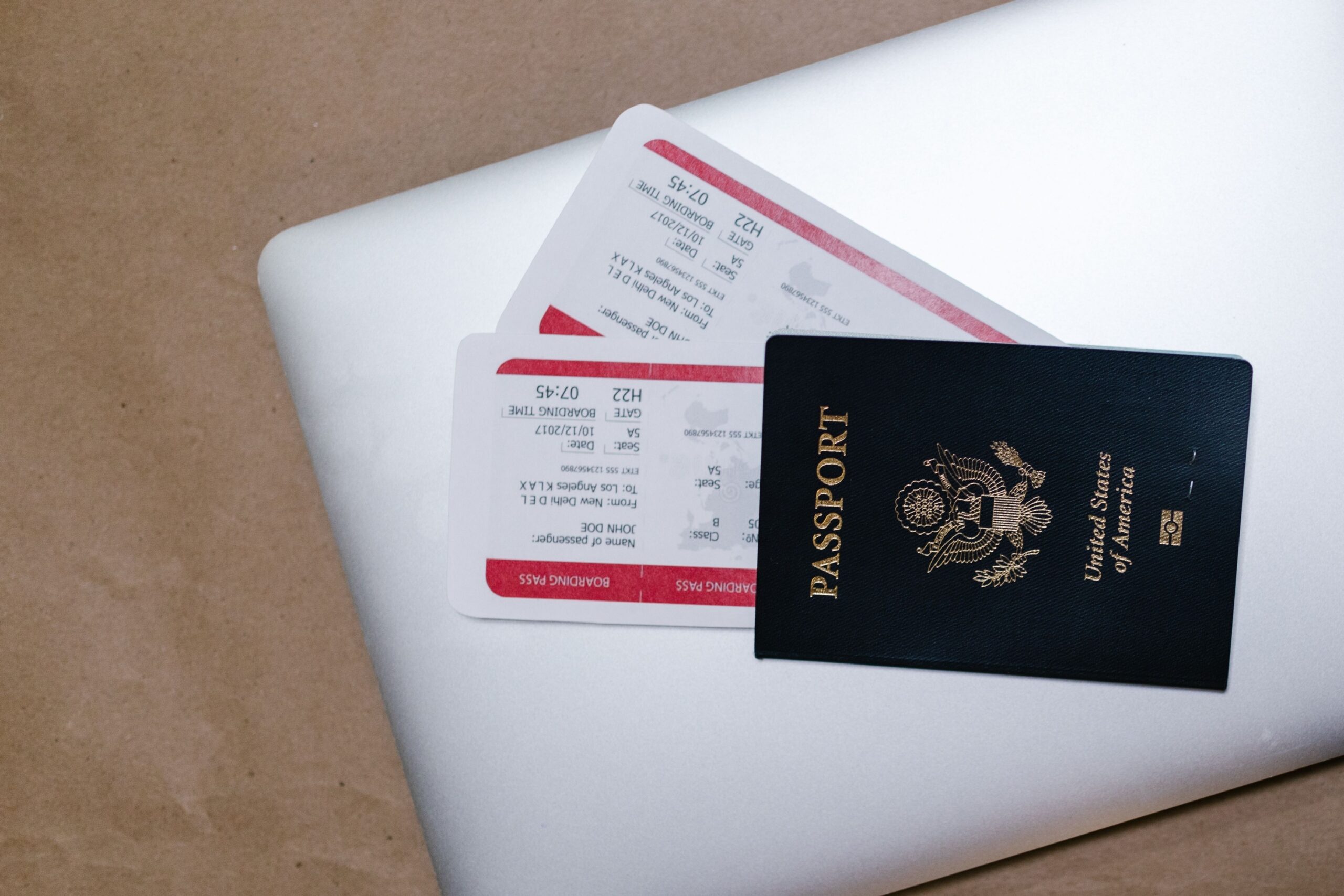

Pull out a passport from almost any country in the world and you’ll notice something quietly consistent about it. The cover will be some shade of red, blue, green, or black. No yellows, no purples, no burnt oranges. With nearly 200 nations issuing their own travel documents, that kind of convergence doesn’t happen by accident.
The reasons behind this shared palette stretch from religious tradition and political history to manufacturing realities and regional diplomacy. Some of the explanations are practical. Others are surprisingly symbolic. All of them together tell a small but fascinating story about how countries present themselves to the world through a single laminated booklet.
No One Actually Made a Rule About It
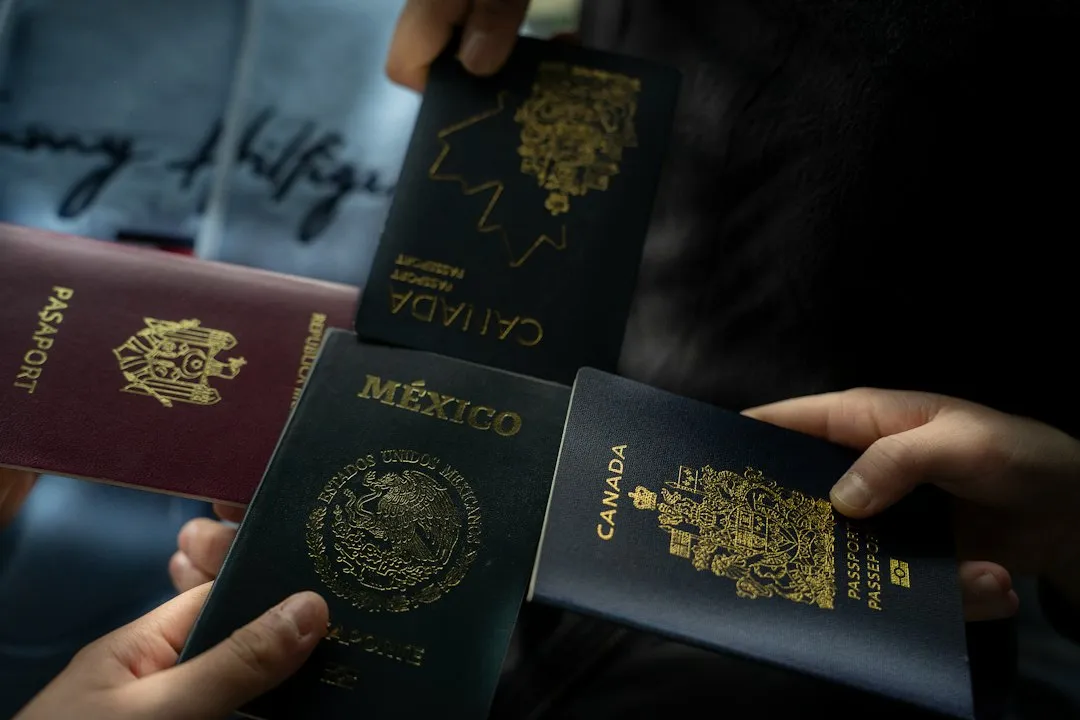
The International Civil Aviation Organization sets standards for size, layout, and security features but leaves cover color entirely up to each country. That means there is no binding agreement, no international treaty, and no formal code that restricts what shade a passport cover can be. As Anthony Philbin, ICAO’s chief communications officer, confirmed, “nothing stipulates the cover color.”
Unlike a country’s flag, passport color isn’t regulated by any international agreement. So why the same four colors, over and over again? The answer lies in a combination of tradition, culture, and what simply looks official when someone hands a document to a border agent.
The Practical Pull of Dark Colors
Darker, solid colors like deep burgundy, navy, forest green, and black are favored because they convey dignity and authority, making passports look official and professional. There’s also a more mundane reason that rarely gets mentioned: dark covers hide wear and dirt far better than lighter tones would. Dark colors are less likely to show dirt and wear.
Passport covers require durable materials with security features, including embedded fibers, UV-resistant inks, and anti-tamper laminates. Bright or pale colors don’t work well with these tough materials. Lighter or bright colors could fade or show wear too easily with the tough materials needed. The four dominant passport colors aren’t glamorous choices. They’re the ones that hold up.
Red: The Most Widely Carried Color on Earth
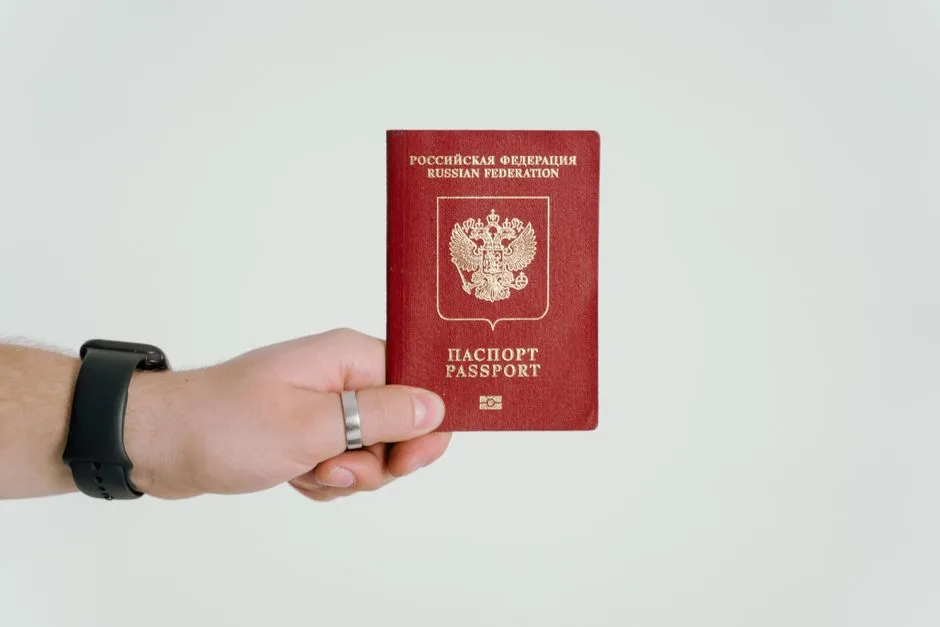
Red, usually in a burgundy shade, dominates especially in EU nations, where it functions as a shared design for unity. The logic is quietly diplomatic: when travelers from dozens of European nations open their bags at a border crossing, that consistent burgundy signals membership in a common political project. Even countries aspiring to join the EU, such as Turkey, North Macedonia, and Albania, have already switched their passports to red.
The color is also a legacy of the Soviet era, when red dominated the flag of the Soviet Union, and even countries aspiring to join the EU have switched their passports to this shade. Switzerland also has a red passport, which matches its flag. Red may be the most common passport color globally, but its meaning shifts depending on which part of the world you’re standing in.
Blue: The Color of the “New World”
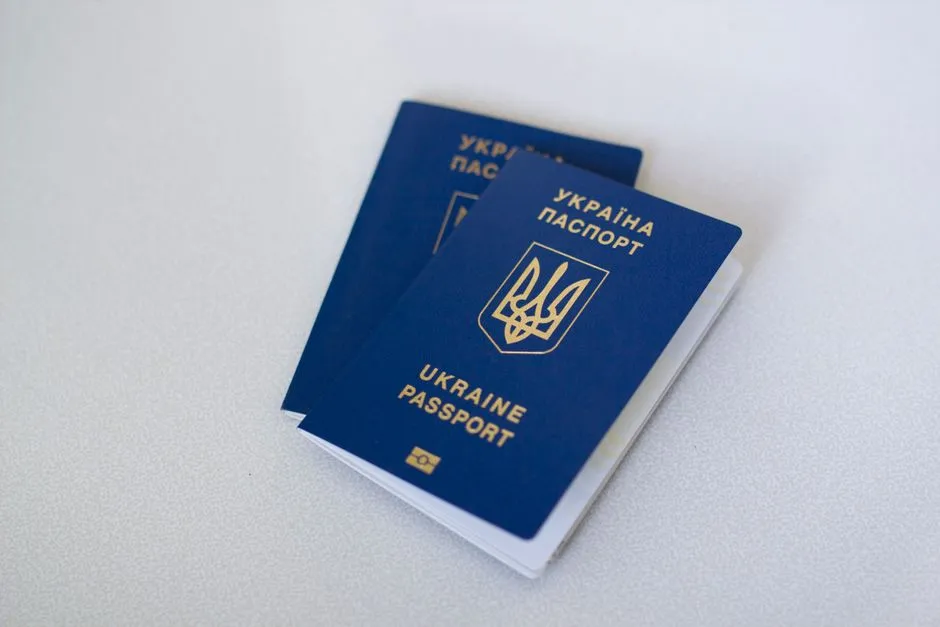
Blue is the second most common passport color in the world and is closely associated with what is often referred to as the “New World.” Countries across the Americas strongly favor this color, among them the United States, Canada, Argentina, Brazil, Costa Rica, Venezuela, Guatemala, Paraguay, and Uruguay, along with many Caribbean nations.
Blue passports are strongly associated with the “New World,” including North and South America, the Caribbean, and Oceania, with blue evoking oceans and skies, symbolizing freedom, openness, and modern global connectivity. Trade blocs reinforce this further. Mercosur countries coordinate cover color, using dark blue for common passports and printing the name of the trade union on the upper portion of the cover.
Green: Faith, Nature, and Identity
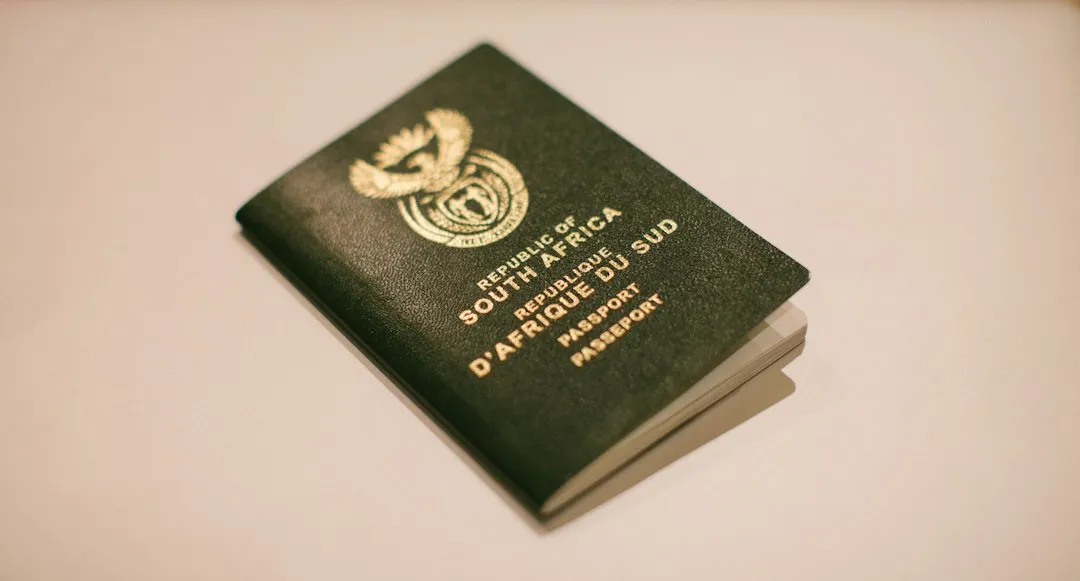
Many Muslim-majority countries, including Morocco, Saudi Arabia, and Pakistan, have chosen green as the color of their passports. The connection is rooted in Islamic tradition. Most Islamic countries have green passports because green is an important color in the Muslim religion, and among other reasons, it’s said to have been the Prophet Muhammad’s favorite color and is associated with nature.
Green doesn’t belong exclusively to Islamic nations, though. Mexico, Vatican City, and Taiwan also use green passports for non-religious reasons. In West Africa, green carries a different yet equally powerful meaning. The color carries enough cultural range that it has found a home across very different societies with very different reasons for choosing it.
Black: Rare, Striking, and Intentional
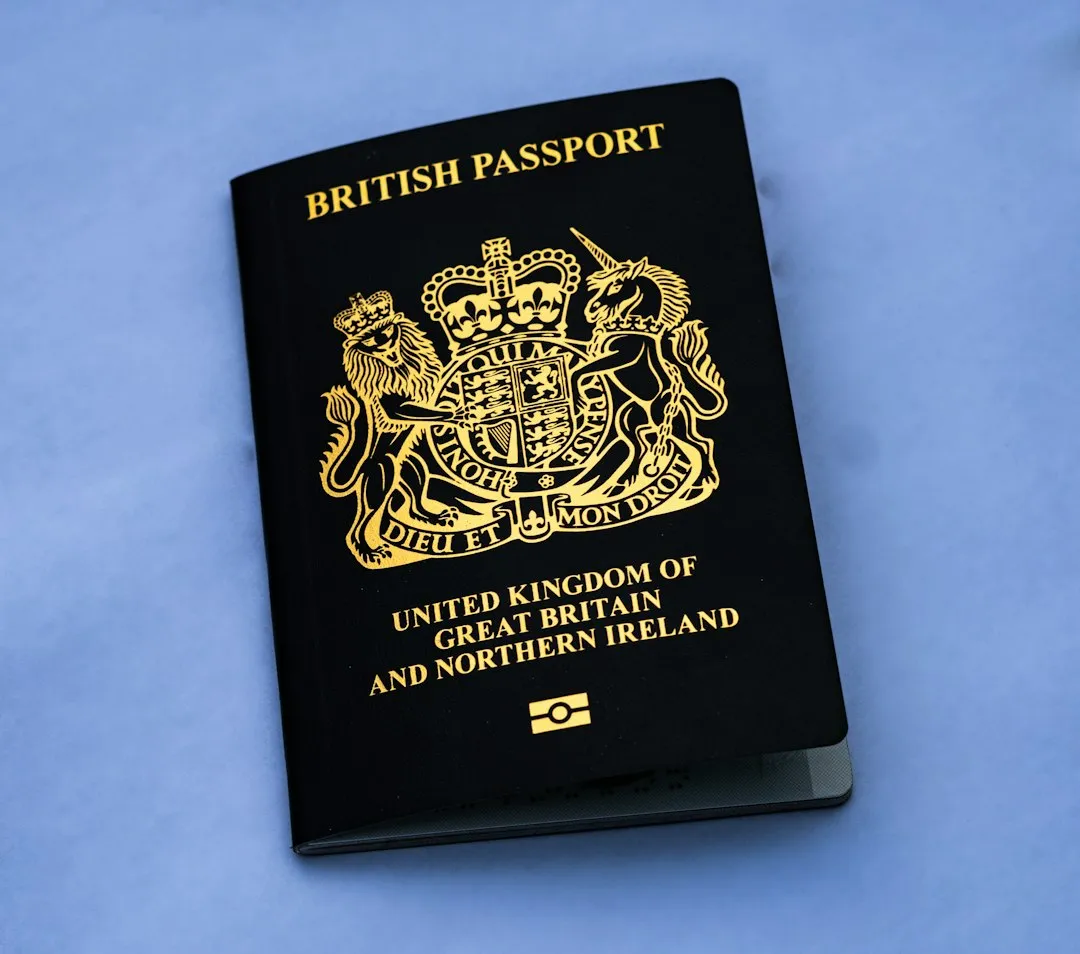
Black is the rarest passport color in the world, but that rarity is precisely what makes it distinctive. Countries using black passports include Angola, Malawi, Congo, Trinidad and Tobago, and Tajikistan, and New Zealand also uses a black passport because black is the country’s national color.
For New Zealand, black is a national color of pride, most famously associated with its legendary rugby team, the All Blacks. Beyond identity, there’s a durability argument too. Black is practical, resisting scuffs and showing less wear over time, keeping documents looking official throughout their validity. It’s a color that earns its place on a document meant to last a decade.
Regional Alliances Shape the Palette
Passport colors communicate history, alliances, and cultural heritage, while also serving functional purposes, and the limited palette helps countries maintain a formal and recognizable look that is practical for long-term use. This is clearest in regions where blocs have standardized design across borders. The EU’s burgundy is the most visible example, but it’s far from the only one.
Some South American countries, including Brazil, Argentina, and Paraguay, also use blue for their connection with the trade union Mercosur. Blue passports are traditionally associated with “New World” nations, but most Caribbean countries use dark blue to demonstrate their membership in the Caribbean Community. When a color becomes a shared signal within an alliance, individual countries have strong incentives to stay within that range.
Color Within a Country: Passports Are Not One-Size-Fits-All
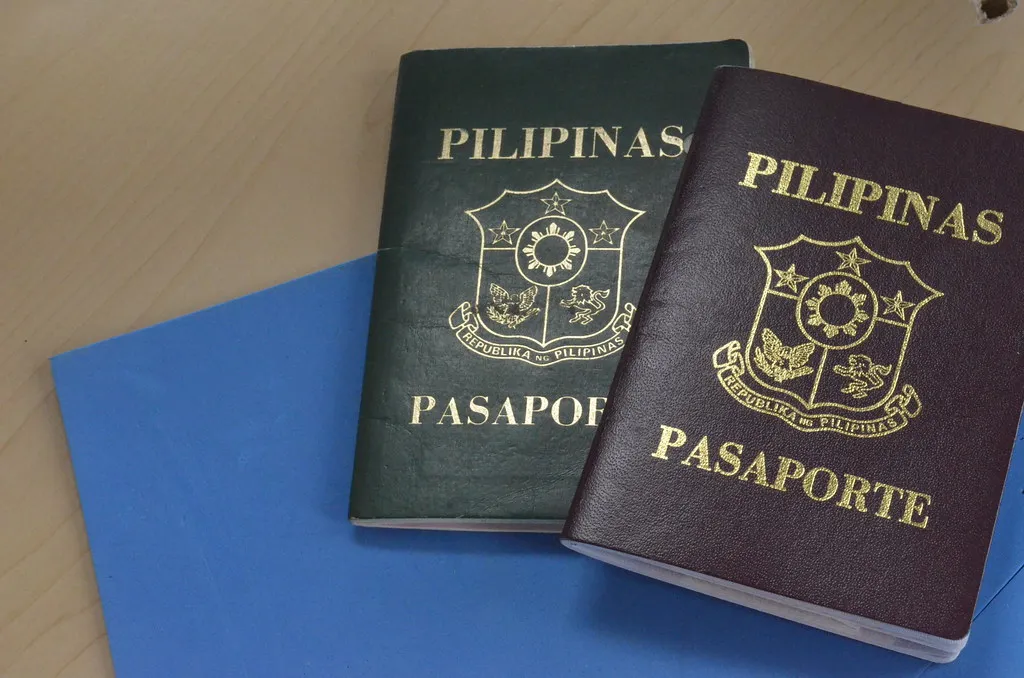
There can even be different colors of passports within one country. Many governments use color as a quick visual shorthand to separate ordinary citizens from officials and diplomats at a border. Some countries operate multiple colors simultaneously, each reserved for a specific category of traveler.
In Myanmar, government officials are issued a green passport, diplomats receive a blue passport, and all other citizens hold a red passport. Some countries reserve black or a distinct dark cover for diplomatic documents, while several others issue black ordinary passports to every citizen. The same four base colors, used in entirely different ways depending on a country’s internal logic.
Passports Do Change Color – When Politics Demand It
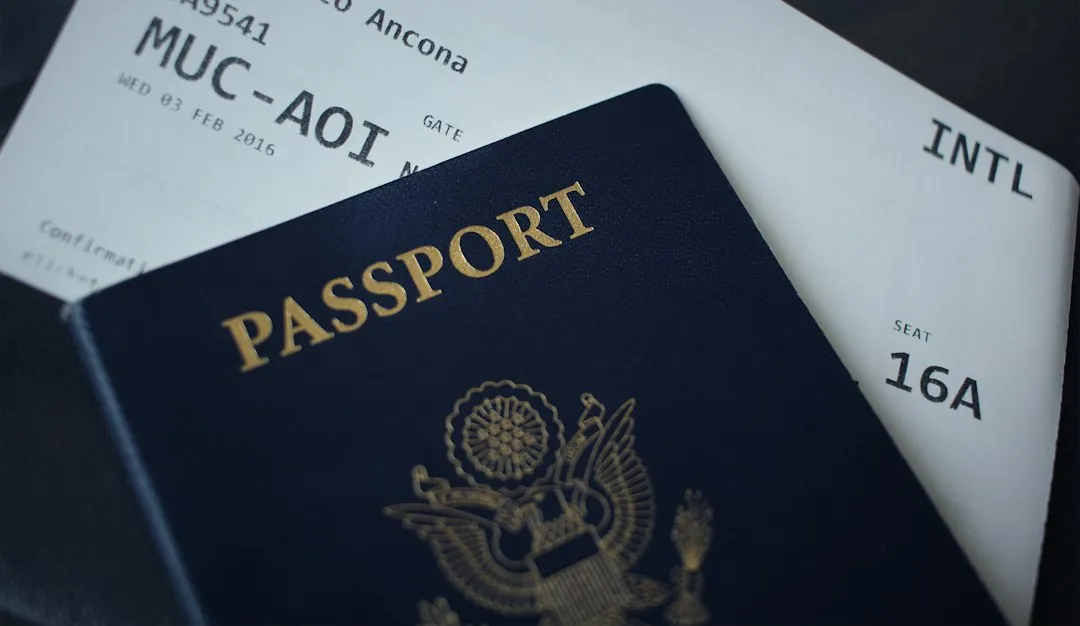
Passport color is not always permanent. Countries redesign their travel documents when political circumstances shift, and color is often the most visible part of that change. The United Kingdom is probably the most prominent recent example. The United Kingdom replaced its burgundy European format with a blue cover and gold royal crest after leaving the European Union, phasing in one new series from 2020 and a further updated series from December 2025.
Chile tells a different kind of story. Regular biometric passports issued since September 2013 until the new type introduced in December 2024 were burgundy red, and the new design reverts back to a blue-colored cover, along with seventy new security measures. These aren’t cosmetic decisions. When a country changes its passport color, it’s usually signaling something about where it sees itself in the world.
Why Over 90% of the World Lands on the Same Four Options

Over 90% of the world’s passports are limited to four main colors due to a blend of symbolism, regional alliances, religion, and practical reasons like durability and hiding wear. That’s a remarkable degree of convergence for documents that no international body ever formally standardized in terms of color. It happened organically, through shared norms, neighbor influence, and the quiet logic of what works over time.
According to Passport Index co-founder Hrant Boghossian, there are a variety of cultural and symbolic influences behind a country’s choice of passport color. There are also practical reasons in play, including the relatively limited color choices available for cardstock used to make the booklets. Every booklet is a small, compressed expression of national identity, and four colors have proven more than sufficient to carry that weight.
The Takeaway
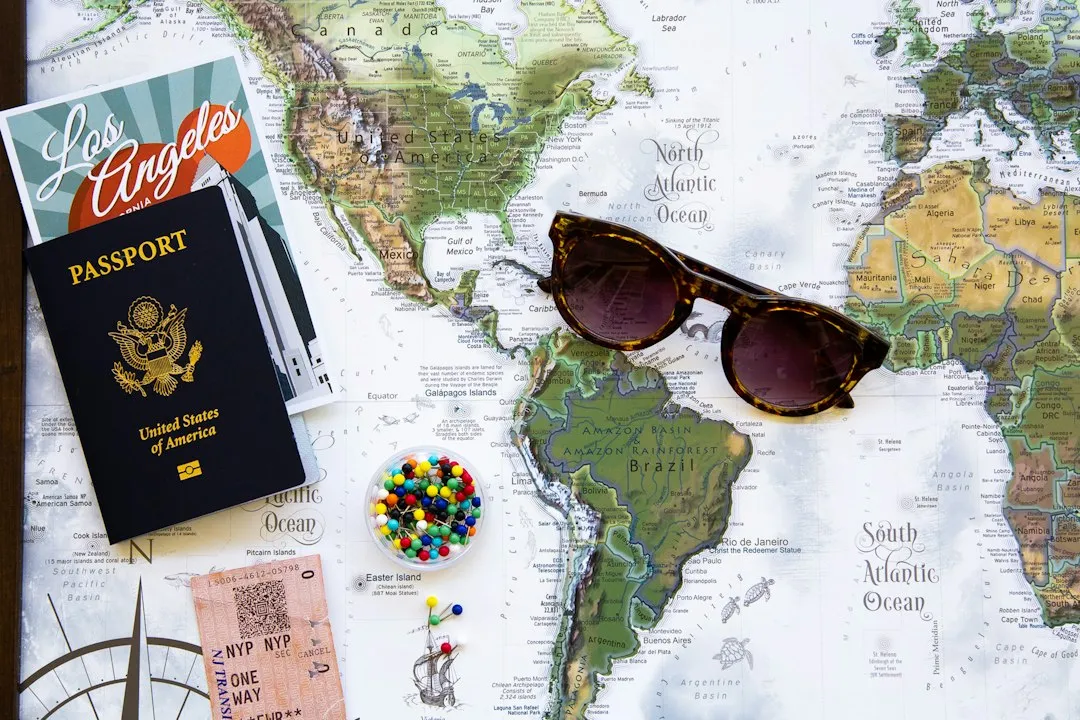
What looks like a narrow constraint turns out to be a rich system. Four colors, dozens of shades, and hundreds of countries have collectively built a visual language that’s immediately legible at every border in the world. Red signals European unity or political lineage. Blue gestures toward the Americas and the open sea. Green reflects religious devotion or ecological identity. Black marks pride and distinction.
None of it was designed by a committee. It emerged over generations through culture, geography, faith, and alliance. The passport you carry is, in a quiet way, a document about far more than just you.
AI Disclaimer: This article was created with the assistance of AI tools and reviewed by a human editor.