

The Daily Plate Count: What the Numbers Actually Say
The dish room on a large cruise ship handles a staggering volume. On one documented ship’s galley tour, a team of 52 people washed roughly 70,000 dishes and 21,500 glasses in a single day, consuming 58 gallons of detergent in the process. That figure comes from a single-ship account, so it reflects one snapshot rather than a universal standard. Still, it illustrates the sheer scale involved when thousands of guests eat multiple times a day.
A modern megaship feeds somewhere between 5,000 and 7,000 passengers alongside 2,000 to 2,500 crew members, serving three or more meals a day plus mid-day snacks, room service, late-night food, specialty restaurant covers, and special events. That adds up to 25,000 to 40,000 meals per day, every day, for the entire voyage. Every one of those meals generates dishes that have to be washed, dried, and returned to service quickly.
Meals Per Person Add Up Faster Than You’d Think
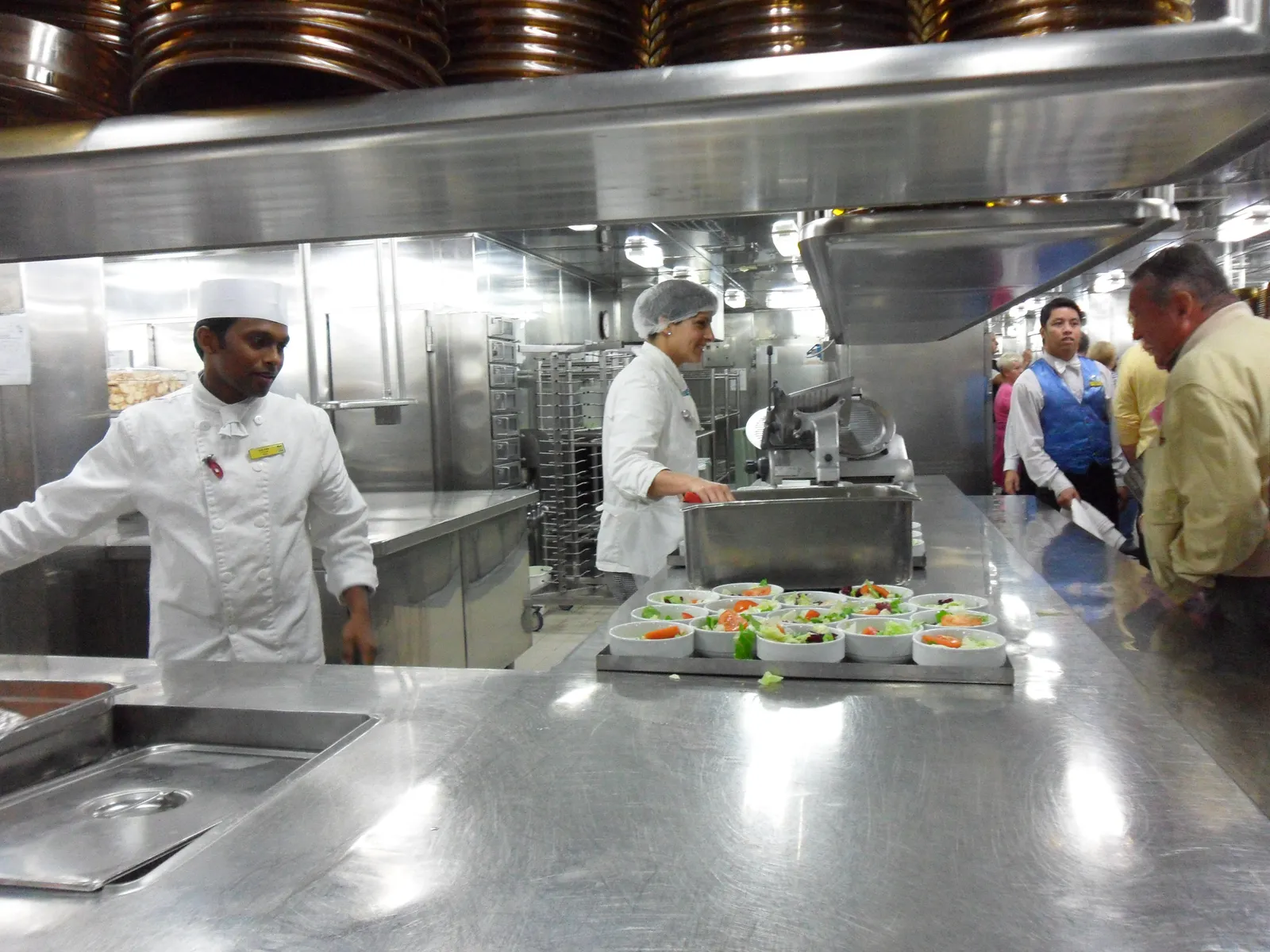
Most passengers assume they eat three meals a day. The ship plans for more. In a documented EPA filing covering a cruise with 1,300 passengers and 520 crew, passengers and crew averaged 3.5 to 4 meals per day, including late-night snacks and bar food. Passengers aboard some Royal Caribbean ships may eat up to eight times a day, giving the galley staff a substantial load of food options to produce around the clock.
That same EPA report noted that the ship budgeted for 5,500 to 6,000 meals per day, crew included, on a vessel carrying far fewer people than today’s megaships. Scale that reality up to a ship with 7,000 people on board, and the dishwashing burden becomes almost architectural in its complexity.
The World’s Largest Ship and Its 150 Dishwashers
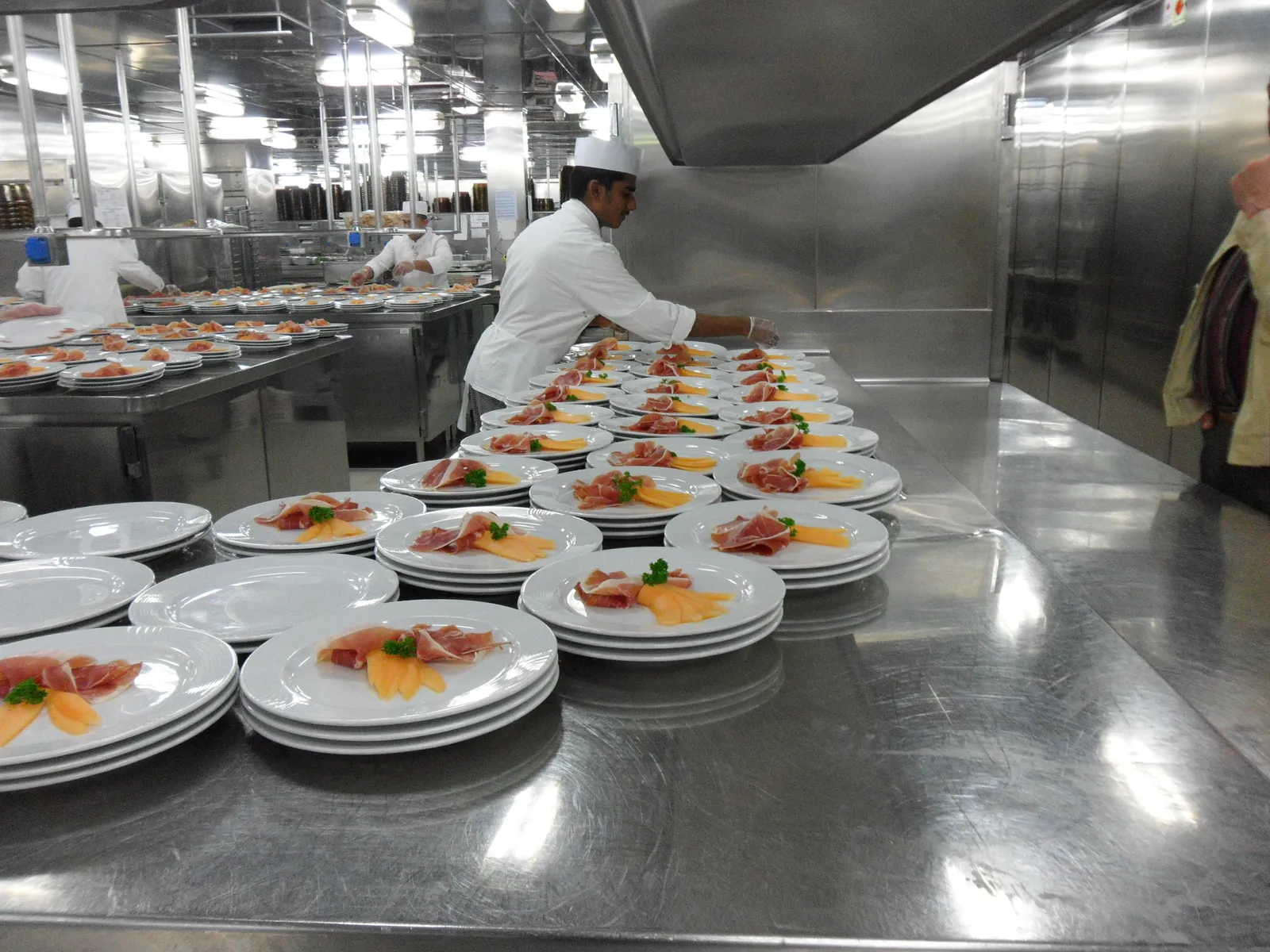
The Icon of the Seas, measuring 365 metres long and weighing 250,000 gross tonnes, holds the record as the world’s largest cruise ship, and it carries 150 dishwashers to support its vast catering operation. Hobart, the warewashing technology supplier, installed 82 undercounter units, 42 hood-type machines, 15 utensil washers, nine large conveyor dishwashers, and seven rack-type dishwashers across the ship.
According to Hobart, roughly nine out of ten cruise ships worldwide are equipped with their warewashing equipment. That gives a useful sense of how standardized, and how critical, industrial dishwashing technology has become across the global cruise fleet.
How Tableware Inventory Is Planned Around the Wash Cycle
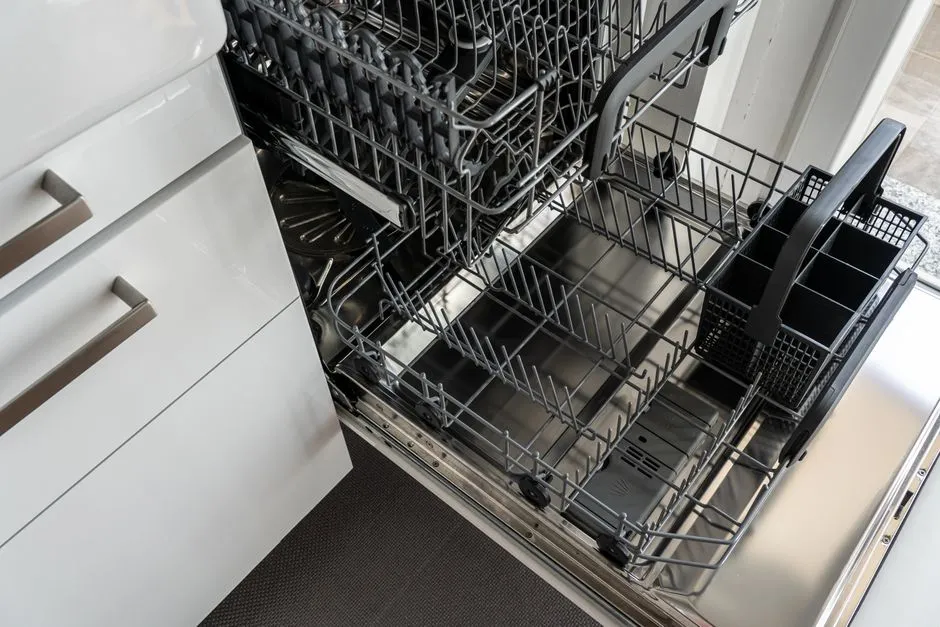
The total tableware inventory on a cruise ship needs to be much greater than at a comparable land-based property, because of the longer and more complex recovery cycle between dishwashing and redistribution throughout multiple remote dining areas spread across several decks. The logistics of getting a clean plate back to the right restaurant station quickly enough to stay ahead of the next meal service is genuinely complicated.
The industry applies what’s called the 3:1 rule for the main dining room, keeping three plates per seat in circulation: one actively in use, one being washed, and one held in reserve. For a main dining room serving 800 guests, that means a minimum inventory of 2,400 dinner plates. On a ship serving several thousand guests across multiple venues, those numbers multiply quickly.
The Galley Team Behind the Dishes
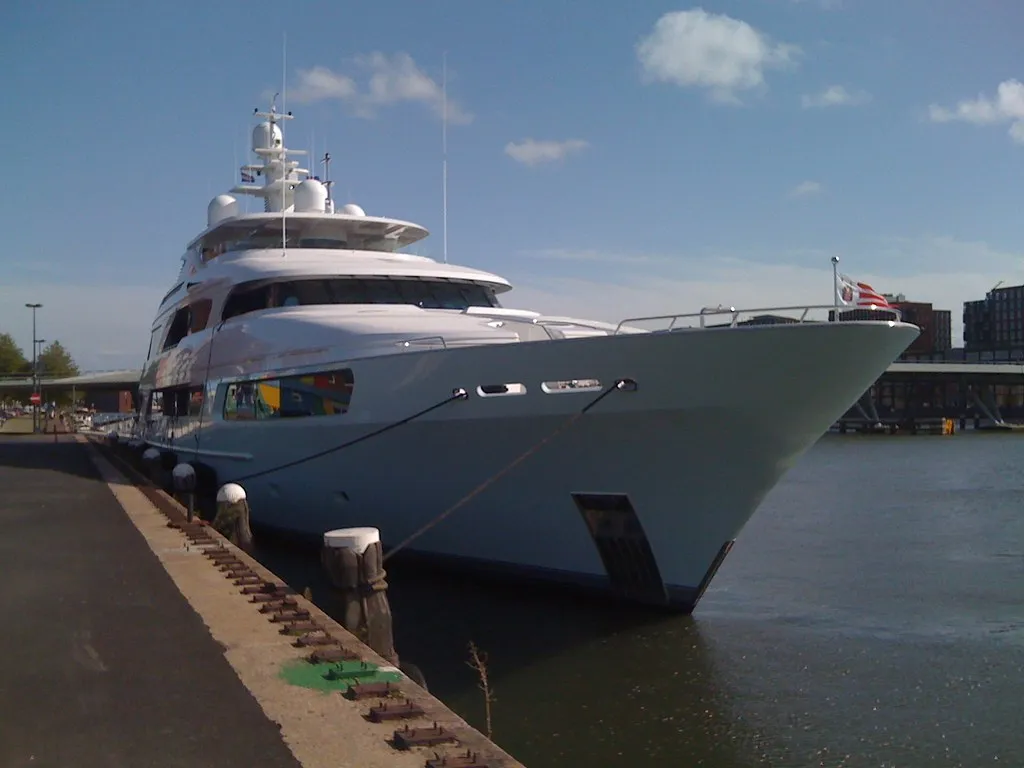
Ship kitchens run around the clock. On Royal Caribbean’s Symphony of the Seas, a culinary team of more than 1,000 people dishes out over 30,000 meals every single day. On the Norwegian Escape, 865 crew members are assigned to galley operations alone, each dedicated to keeping the ship’s kitchens running 24 hours a day, seven days a week.
About 180 tons of food and alcohol come aboard Sun Princess every seven days, according to a 2024 galley tour report. Every pound of that food eventually generates something that needs scrubbing, soaking, or running through a machine.
What It’s Actually Like to Be a Cruise Ship Dishwasher
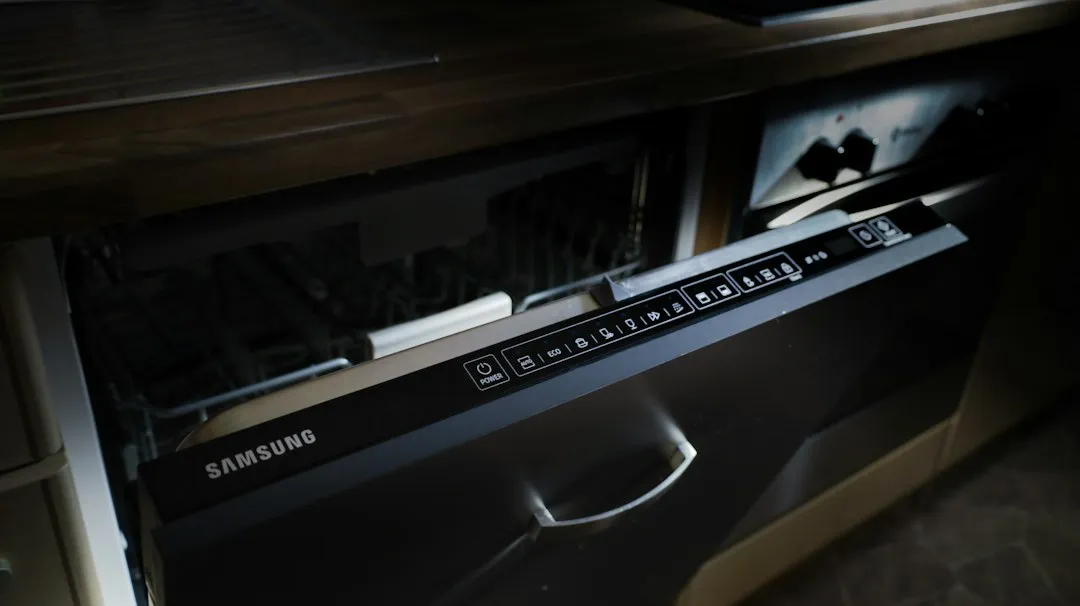
Working as a dishwasher on a cruise ship, also referred to as a Galley Utility role, may not be the most visible job on board, but it’s an essential role that keeps the entire dining operation running smoothly. Dishwashers on cruise ships work long shifts that often extend beyond standard kitchen hours, as meals are served throughout the day to accommodate guests.
Cruise ship dishwasher contracts typically require 10 to 12 hours of work per day, with limited days off during the entire contract period. The job demands considerable physical stamina, requiring staff to stand for long periods while handling heavy kitchen equipment throughout every shift.
River Cruise Ships: Smaller Scale, Same Intensity
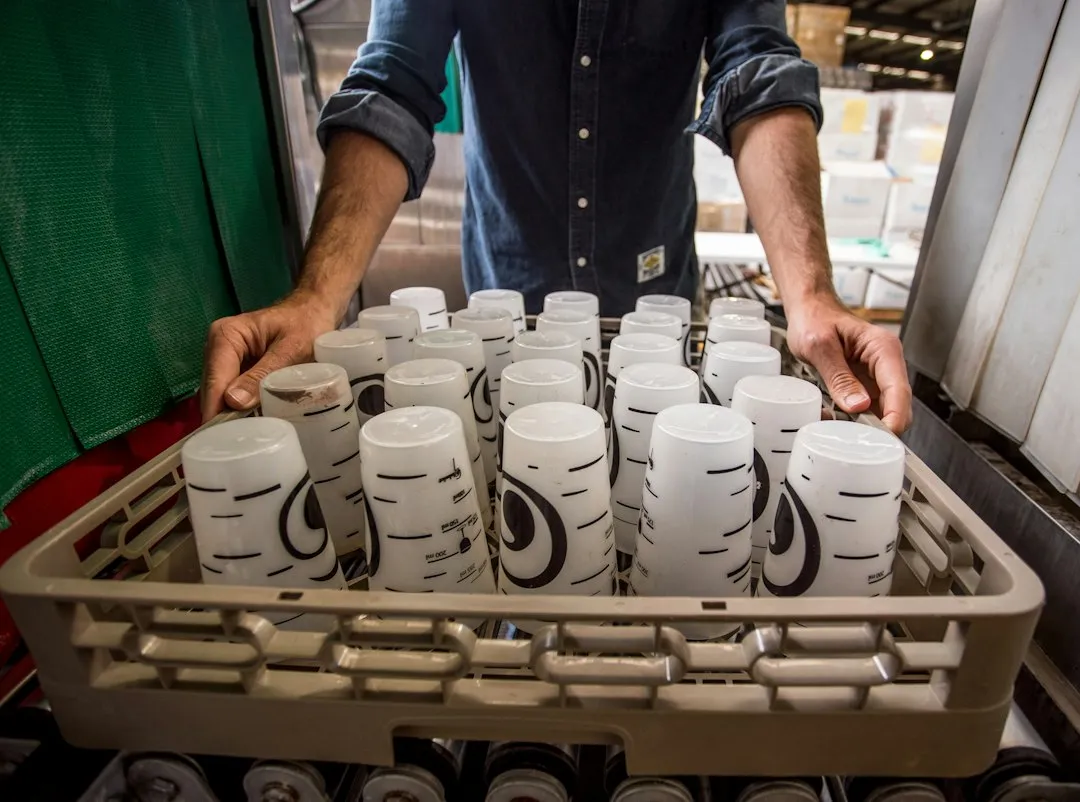
On a river cruise ship, dishwashers must clean more than 200 plates, 200 knives, 200 forks, 200 glasses, and 200 coffee pots per meal service, alongside hot pans and plates, with responsibility for general hygiene and cleanliness of everything washed, with no days off. That’s per meal, not per day, meaning the cycle repeats at breakfast, lunch, and dinner.
Some river ships assign just one crew member to dishwashing duties, while many now deploy two. Physically, the dishwasher role is widely considered one of the most demanding jobs available on board any vessel. There’s little glamour in it, but the job holds the entire dining operation together.
The Equipment Doing the Heavy Lifting
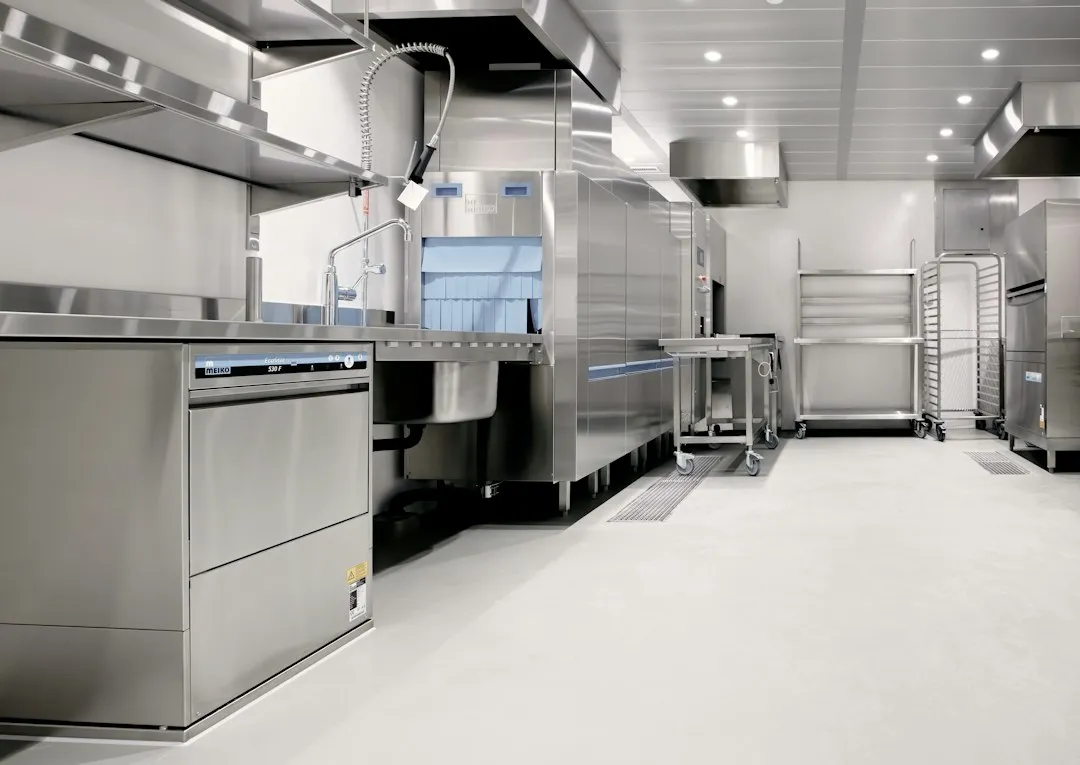
In a typical shipboard dishwashing station, there is a large industrial dishwasher fitted with racks designed specifically for glasses, cups, bowls, cutlery, and plates, with dedicated counter space for busboys to load dirty dishes. Cutlery is soaked in soapy water before being run through the machine, and a spray gun is used to pre-clean plates when food has dried or stuck during service.
Serving trays used by busboys are large enough to carry 15 or more plates at a time, and during service they must be continuously rotated from the dirty area, through the dishwasher, and back to the clean area without interruption. The goal is a seamless loop, one that never slows down even when the dining room is at peak capacity.
Health Inspections and Temperature Standards
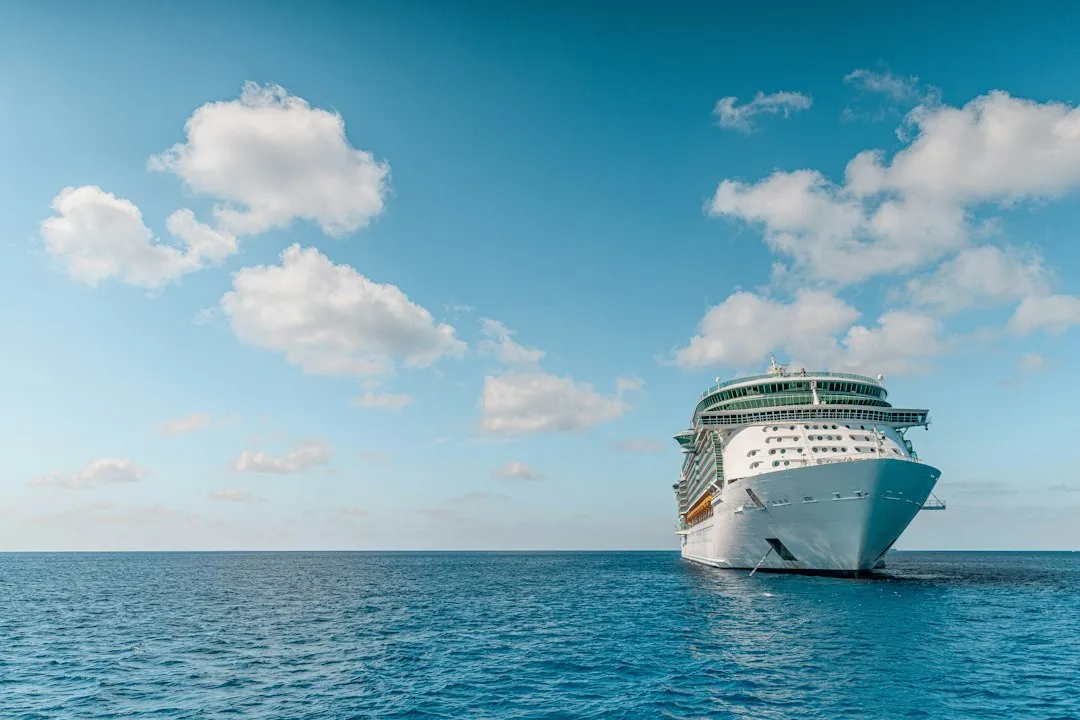
Federal health inspectors from the Centers for Disease Control and Prevention inspect cruise ships twice a year, checking everything from kitchen equipment to dishwasher temperatures, grading ships based on what they find. Dishwasher performance is a core part of that assessment, not an afterthought.
Cruise ship dishwashers must follow strict hygiene and safety regulations that go well beyond what a land-based kitchen typically requires, due to the unique environment at sea. Reports on galley sanitation describe large automatic dishwashers paired with crew members required to wear gloves and wash their hands frequently throughout every shift. A single hygiene lapse in the dish room can ripple through an entire vessel.
The Invisible Engine That Runs Every Buffet
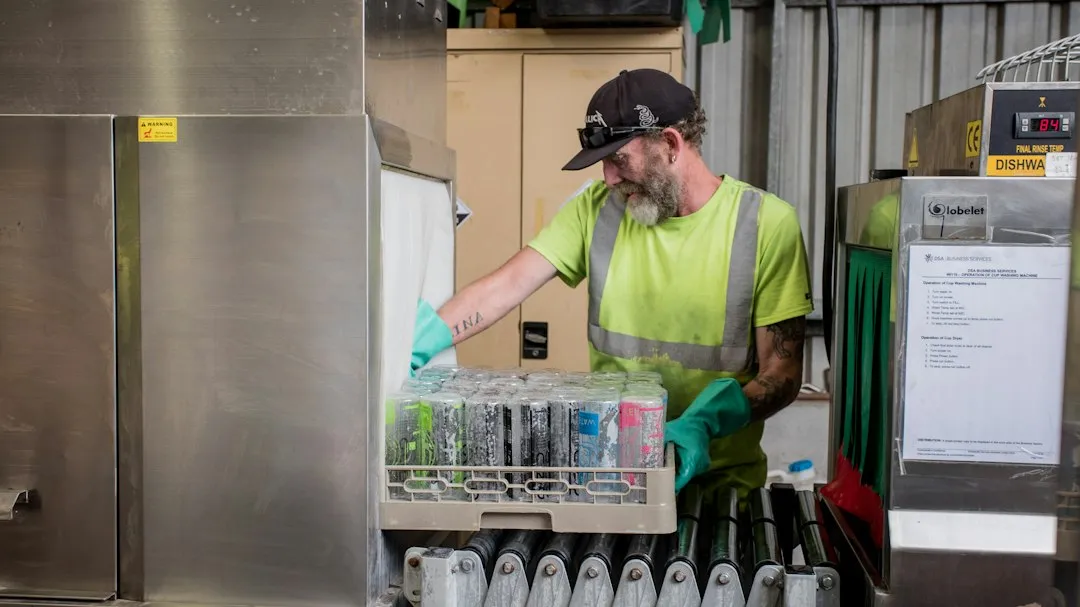
Guests set a plate down and walk away, making the dish room the most invisible job on the ship, even though every buffet and every dining room depends entirely on it. Galley stewards wash and sanitize every dish, every piece of cutlery, and every glass used throughout the ship, ensuring clean serviceware is always available across every dining venue.
Once dinner service ends, the work in the dish room is far from over. Crew must scrub down the dishwashing machines, clean out the drains, and ensure all kitchen equipment is spotless and properly stored before they can step away. The area that never pauses during service is also the last one to quiet down at night.
A Closing Thought
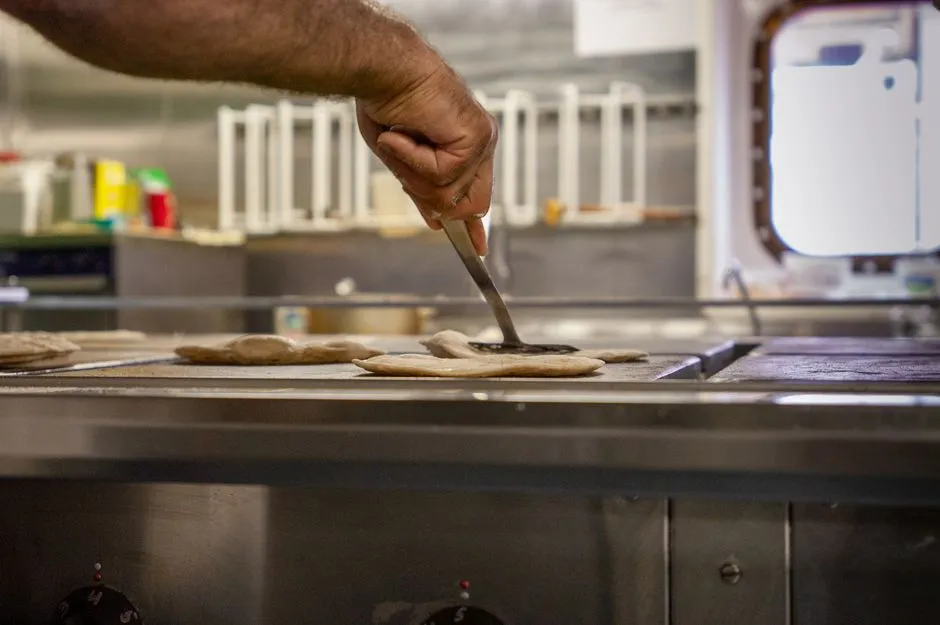
The numbers are genuinely remarkable: tens of thousands of plates, glasses, and utensils cycling through industrial machines every single day, overseen by crew members who rarely appear in a ship’s promotional material. The least glamorous job on board may well be the most important one.
Next time you pick up a clean fork at the buffet, it’s worth pausing for half a second to consider the operation behind it. Somewhere below the waterline, in a room full of steam and stacked racks, someone has already washed it twice today.
AI Disclaimer: This article was created with the assistance of AI tools and reviewed by a human editor.