
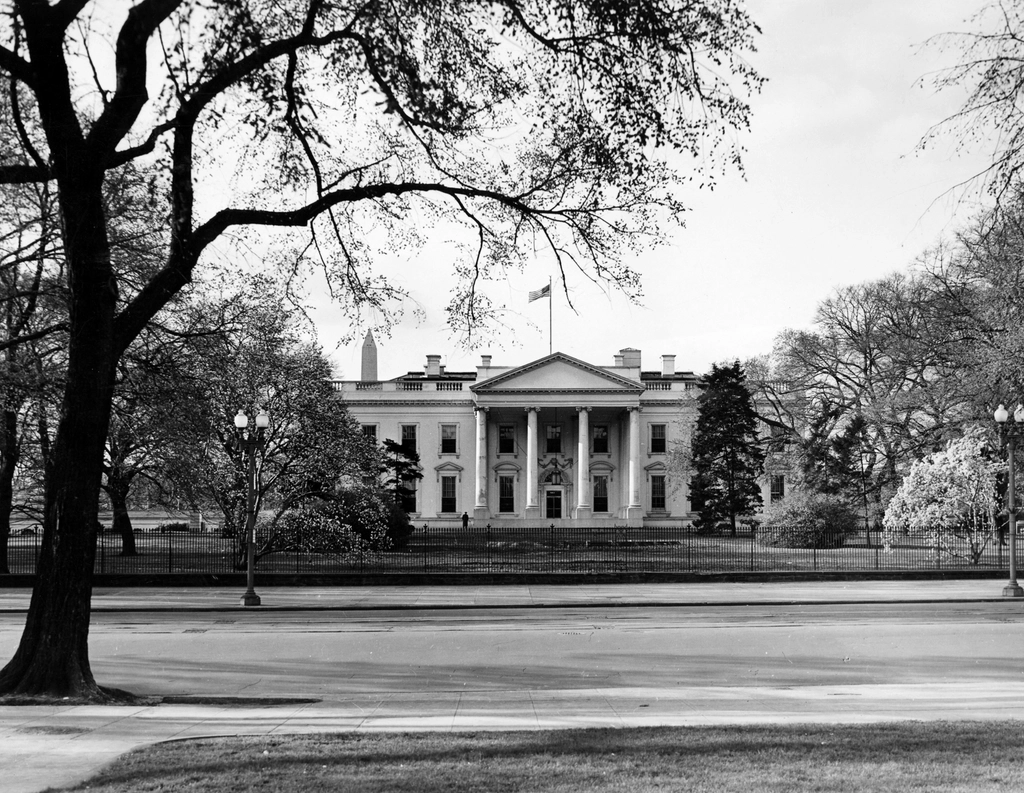

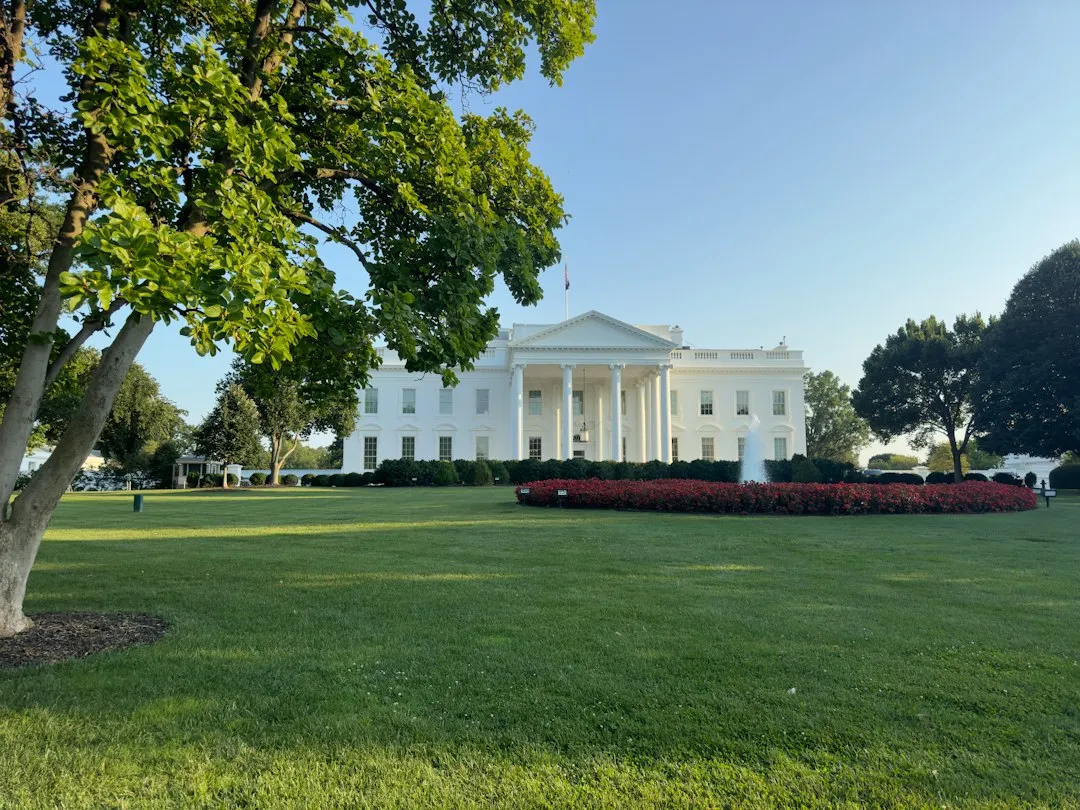
Most people know as the seat of American executive power, a place of cabinet rooms, press briefings, and weighty decisions. Few realize that tucked beneath its driveways and within the walls of its neighboring buildings sits something far more humble: a bowling alley. It has survived administrations, controversy, and near-demolition, quietly outlasting all of it.
The story of bowling at 1600 Pennsylvania Avenue is surprisingly layered. It involves a reluctant bowler, a president who knocked pins alone in the early hours of the morning, a league of Secret Service agents, and a renovation contract that caused a political firestorm. Here is the full account, lane by lane.
A Birthday Gift Nobody Expected
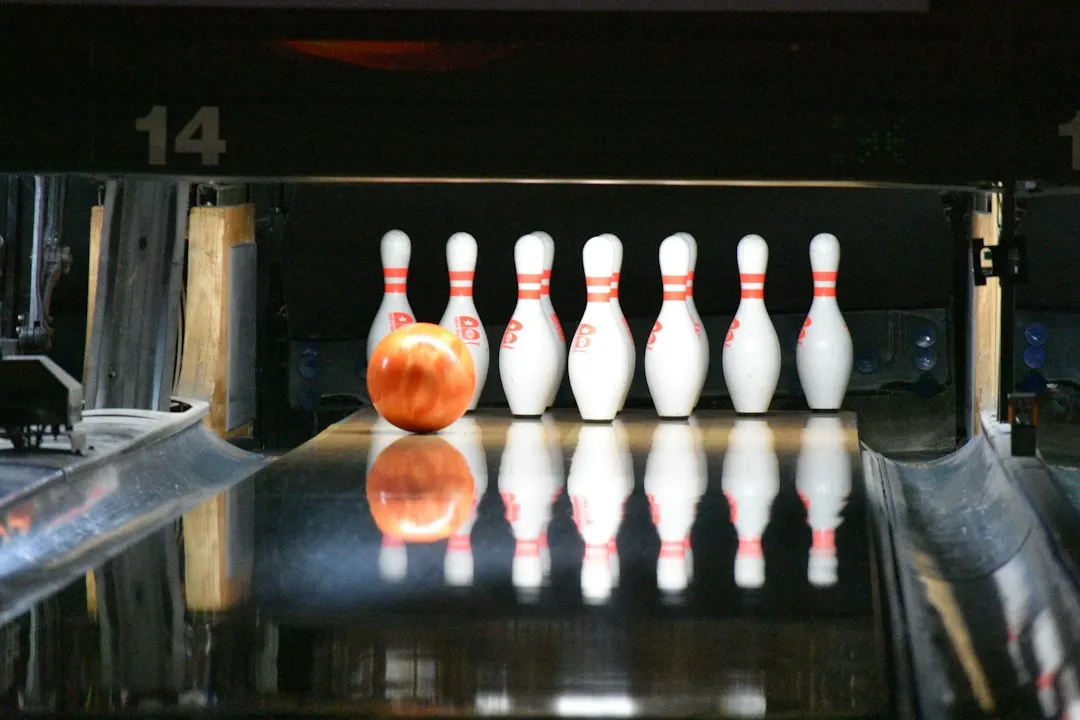
On April 25, 1947, President Truman inaugurated the White House bowling alley. Truman, who said he hadn’t bowled since he was 19, rarely used it, preferring to play poker with reporters. The two-lane alley was paid for by friends from Truman’s home state of Missouri. It was an oddly democratic gesture for a space associated with the most powerful office on earth.
According to Smithsonian Magazine, a group of Truman’s fellow Missourians funded the construction of the bowling alley in honor of the president. The gift was well-intentioned even if the recipient wasn’t particularly enthusiastic about the sport. Truman’s inaugural roll knocked out 7 pins, which is perhaps a fair reflection of how much practice he’d had.
Where Exactly It Was Built
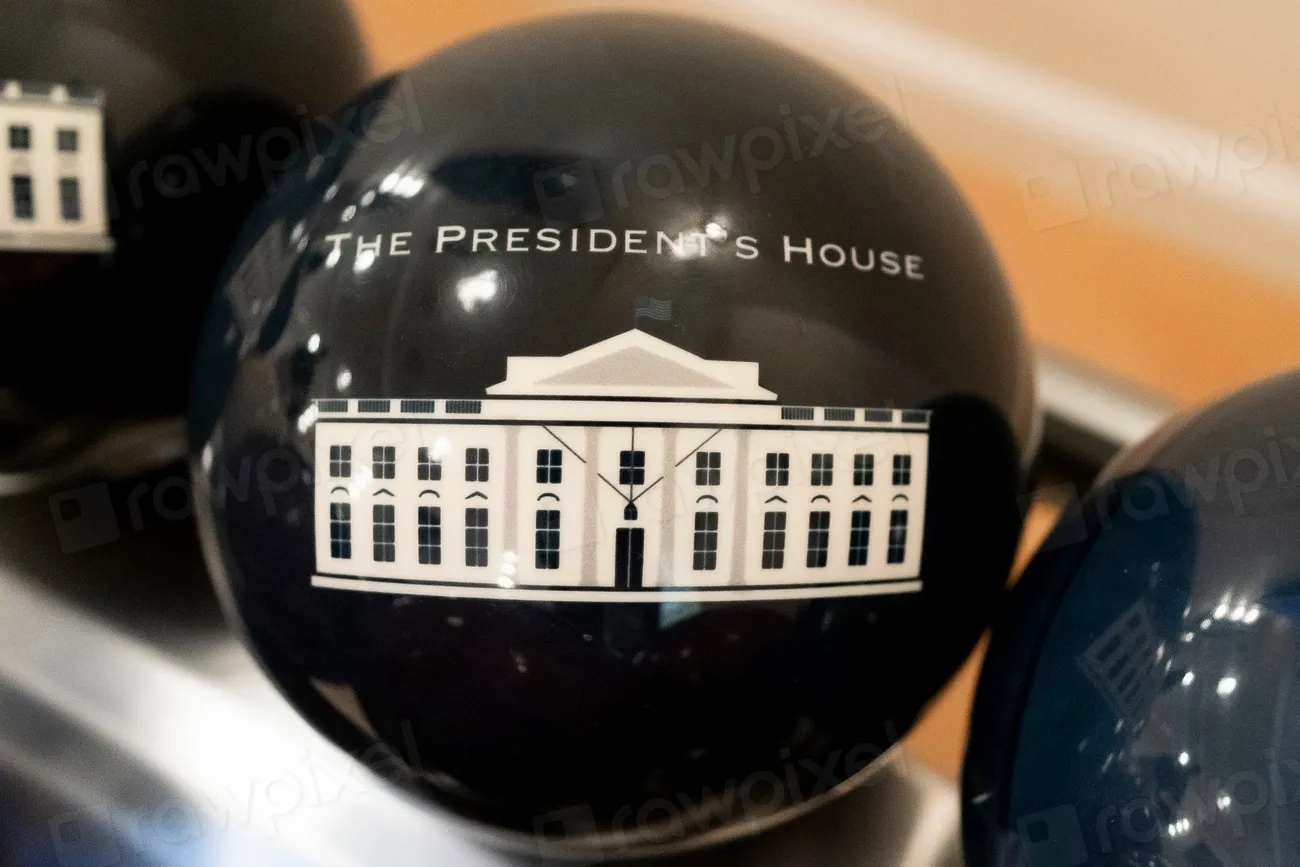
Bowling lanes were first built in the ground floor of the West Wing as a birthday gift for President Truman in 1947, in the location of the present-day Situation Room. That detail alone is worth sitting with. The same physical space that would eventually become one of the most closely watched rooms in American government started life as a recreational bowling lane.
The alley served the president and White House staff for recreational use, though it attracted significant press attention simply by virtue of its location. The lane’s position in the West Wing basement meant it occupied valuable space that was increasingly in demand as the White House staff expanded through the 1950s and 1960s. It was always going to be temporary.
The White House Bowling League
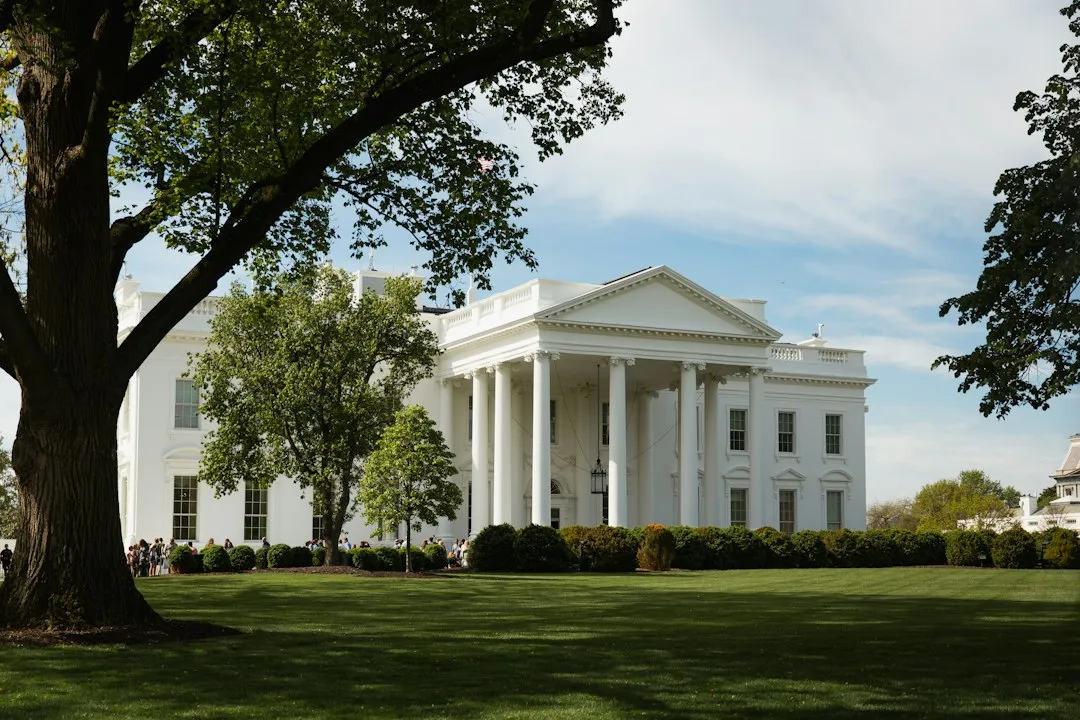
Truman himself wasn’t much of a bowler, but the lanes were put to regular use with the formation of the White House Bowling League in 1950. The league brought together staff from across the complex in a way that few other activities could. It was, by all accounts, one of the more relaxed corners of an otherwise high-pressure workplace.
A formal re-opening of the bowling lanes at the EEOB occurred on October 2, 1959, after the original lanes were replaced and two new automatic pinspotters were added. The original lanes were a gift to President Truman in 1947 and were removed from the West Wing basement and installed in 1955 in the EEOB basement. The ten teams in 1959 were: White House Police, Security, Lucky Strikes, Mail Room, White House Five, Maintenance, Secret Service teams, and others. The roster gives a vivid sense of the culture around it.
Eisenhower Moves the Lanes
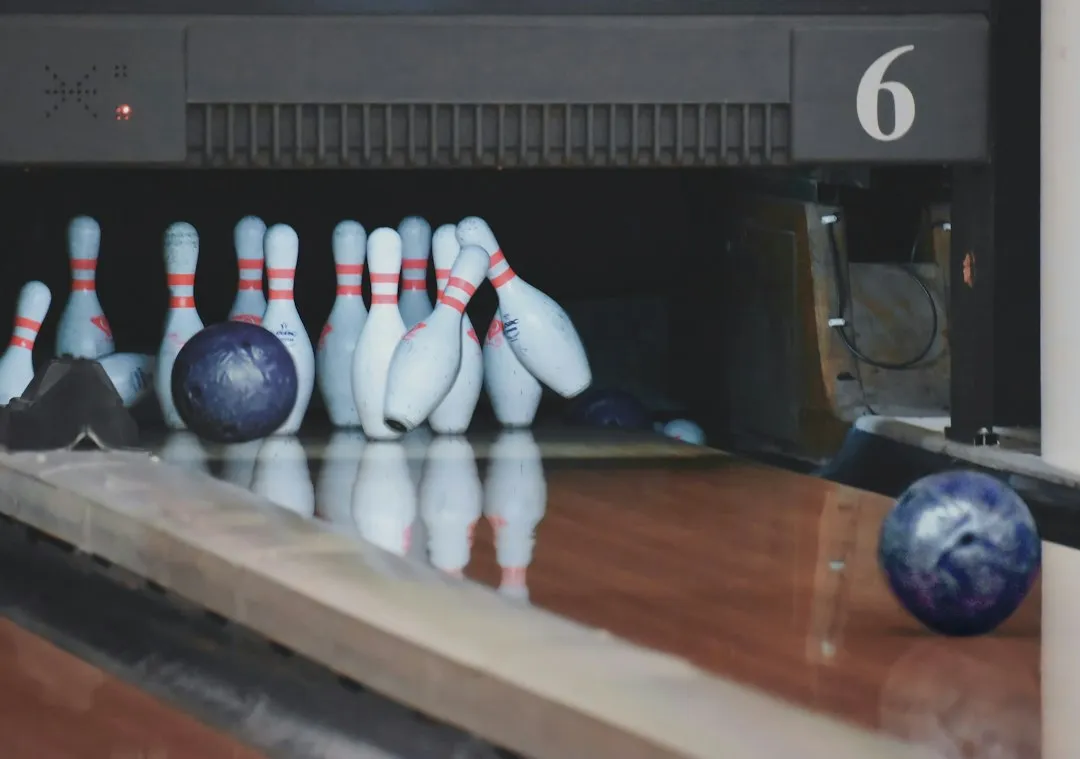
Dwight Eisenhower replaced the bowling alley with a mimeograph room in 1955. Another alley was built next door in the Old Executive Office Building. The relocation wasn’t a demotion exactly. It simply reflected how much the West Wing had grown and how much more the administration needed that square footage.
The alley was relocated to the Old Executive Office Building as a gift to the White House staffers in 1955. The room where the bowling alley once was turned into the White House Situation Room in 1961 during the Kennedy Administration. So bowling gave way to crisis management, which is a reasonable trade in retrospect.
Nixon: The President Who Truly Loved to Bowl
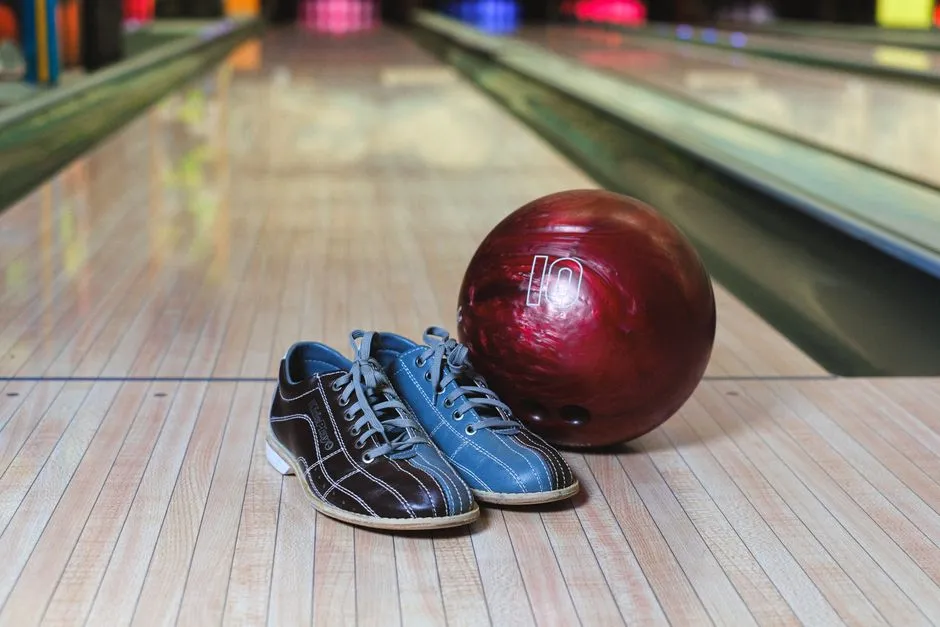
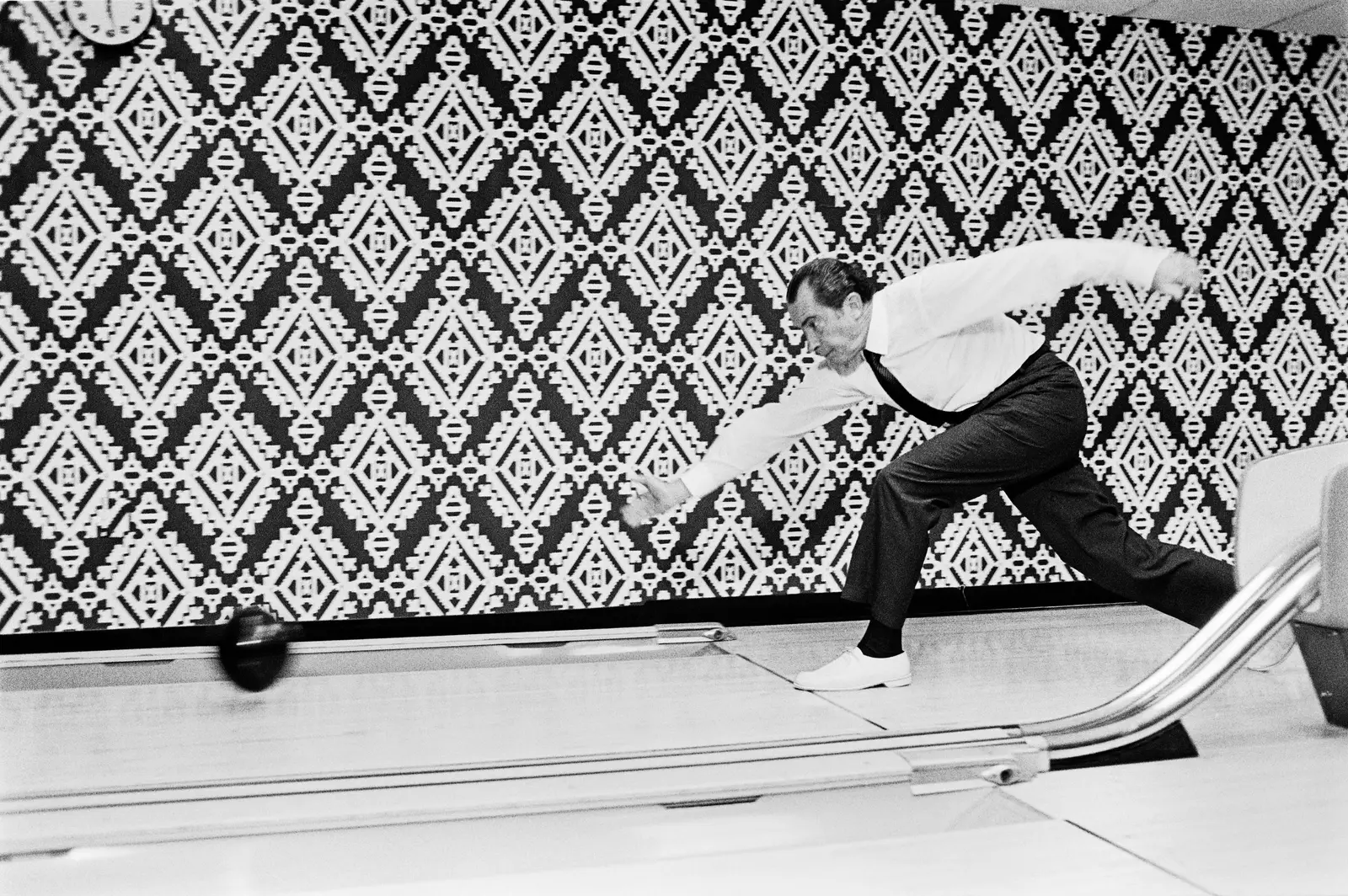
President Nixon was an avid bowler and loved spending time on the lanes when he came into office. He was using Truman’s old bowling alley so much that he decided to have a one-lane bowling alley built within the White House itself in 1973, under the portico. Nixon would spend hours in that bowling alley, perfecting his game. For Nixon, bowling wasn’t a photo opportunity. It was a genuine outlet.
President Nixon believed that bowling helped relieve backaches and improved his vision and muscle coordination. Nixon reportedly bowled late at night, often alone. Multiple accounts from White House staff during the Nixon administration describe the president bowling alone late at night, sometimes in the early hours of the morning during particularly stressful periods of his presidency. The image of a sitting president alone in an underground lane at 2 a.m. says something about the solitude of the office.
Two Alleys, Two Very Different Stories
Today, when people reference the White House bowling alley, they are usually referring to the Harry S. Truman Bowling Alley in the Old Executive Office Building, not the one in the actual White House. The distinction matters. These are two separate facilities with two separate histories, and they serve different purposes.
Nixon’s alley still exists, though it is not open to staffers. The White House bowling facility is a private amenity for the president, first family, and invited guests. It’s not part of any White House tour, and public information about its current condition and use comes primarily from presidential memoirs, journalist accounts, and occasional background briefings. In other words, it remains genuinely hidden from public view.
The Situation Room Connection
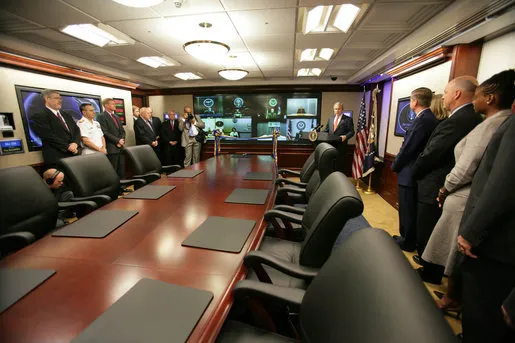
The room where the bowling alley once was turned into the White House Situation Room in 1961 during the Kennedy Administration. This is one of those quirky historical pivots that feels almost too good to be true. The nerve center of American national security, used to coordinate responses to global crises, was once a place where staffers rolled strikes after their shifts.
The transformation from bowling alley to Situation Room reflects how dramatically the White House expanded as an institution across the postwar decades. Space that once supported leisure became infrastructure for geopolitical decision-making. The pins are long gone, but the room endures in a very different form.
Who Gets to Bowl Today
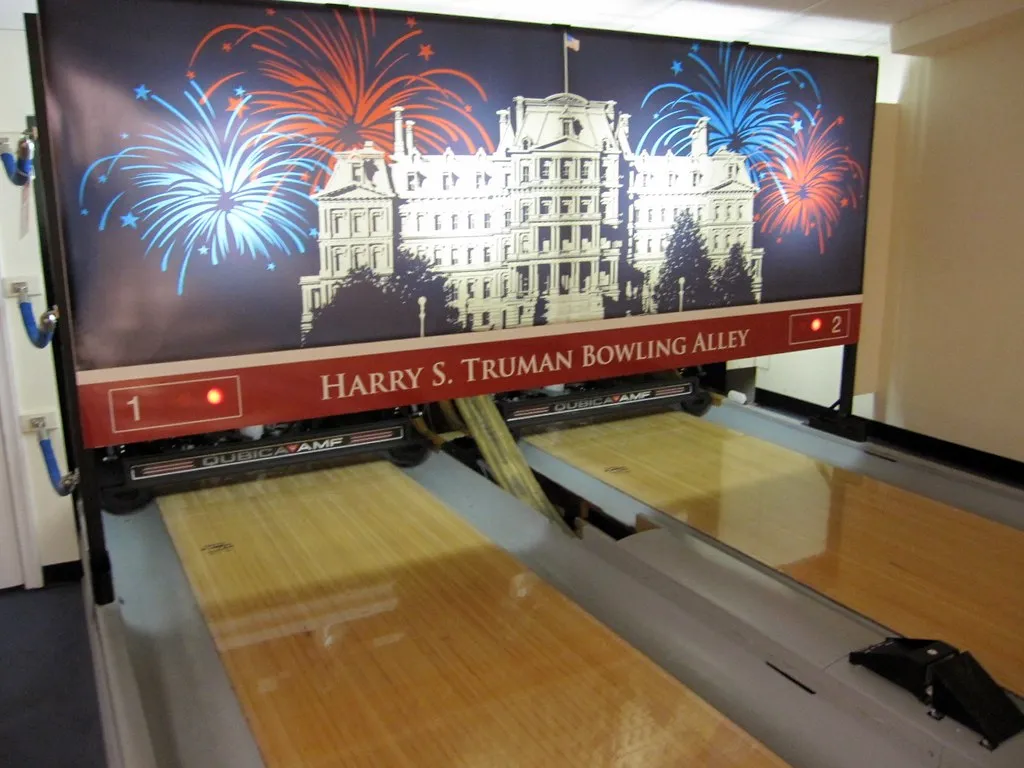
Bowling at the White House is an exclusive perk for White House staffers and their guests. Only individuals working for the administration have the privilege of reserving the bowling alley. Everyone who wants to attend will need to pass a background check in order to enter the White House complex and go bowling. So yes, there is a background check before you can lace up the rental shoes.
According to those who have visited, you’ll need an invitation, a background check, and to pass through two security checkpoints. The bowling alley located underneath the Eisenhower Executive Office Building is in surprisingly good condition despite its lack of use. The White House bowling alleys are not open to the general public. They are primarily used by White House staff and their guests, as well as visiting dignitaries.
A $253,000 Renovation That Caused a Political Storm
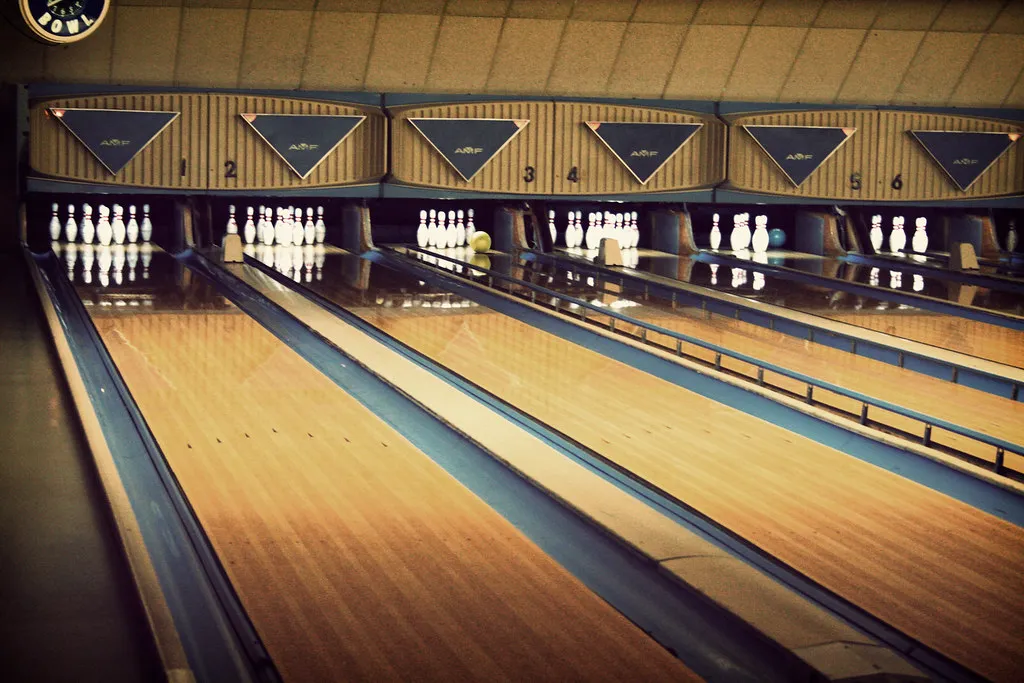
Federal records show a $253,000 contract, funded by the Executive Office of the President, to overhaul lighting at the two-lane bowling alley in the Eisenhower Executive Office Building basement. A White House spokesman noted the alley hosted nearly 10,000 visitors in the past year. That visitor figure helps explain why the facility still draws investment: it is, quietly, one of the more heavily used perks on the White House campus.
The White House abruptly cancelled a contract to renovate the Harry S. Truman Bowling Alley after it drew political criticism. A rebuild proposed under President Barack Obama was dropped after immediate Republican pushback over such spending for a bowling alley. Even a recreational relic beneath a federal building can become a flashpoint when the political winds are right.
Country Music Night and the Alley’s Modern Life
Several hitmaking country legends took to the lanes at The White House to participate in a Country Music themed bowling extravaganza in the Truman Bowling Alley within the White House compound. Those who experienced the festivities included Neal McCoy, John Berry, Bryan White, and T.G. Sheppard. Events like this reveal how the alley has shifted from a presidential retreat to something more like a cultural venue, available for curated evenings that double as soft diplomacy.
Around 4,100 visitors were recorded as using the bowling alley during Obama’s presidency, proving that the room is still as popular as ever. Nowadays, it seems like the bowling alley is a novelty for White House staffers and friends. The lanes have drifted from presidential obsession to morale-booster for the people who keep the building running day to day, which is perhaps the most fitting role of all.
A Lane That History Keeps Returning To
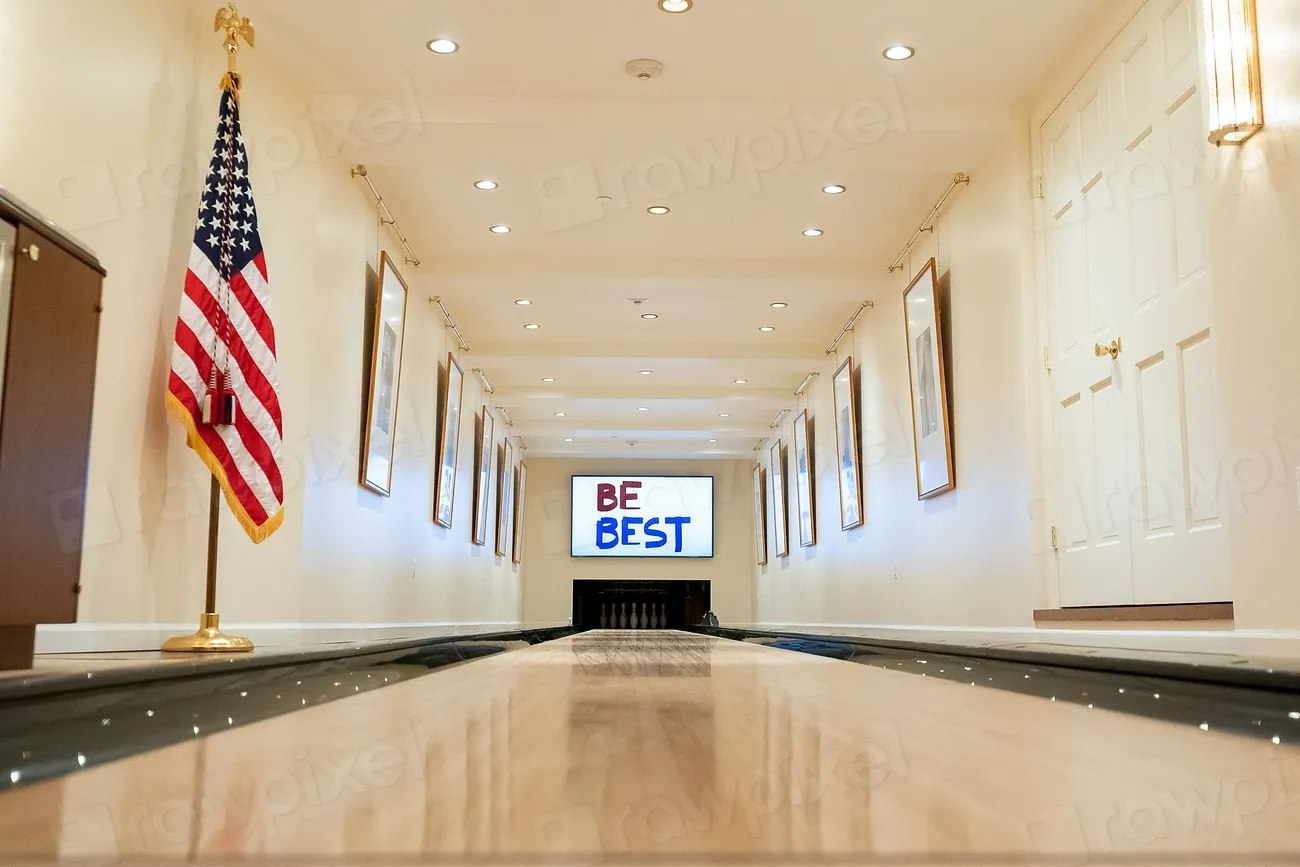
What makes the White House bowling alley genuinely interesting isn’t its size or its décor. It’s the fact that it has persisted through every administration since Truman, been relocated, nearly demolished, politically weaponized, and still keeps getting used. It’s a small, persistent reminder that even the most high-pressure institution in the country needs somewhere to decompress.
The Truman Bowling Alley, still signed as such beneath the pipes of the Eisenhower Executive Office Building, is a rare thing in Washington: a place with no agenda. It just stands there, lanes intact, waiting for whoever comes next to roll a few frames and forget, for a moment, what’s happening upstairs.
AI Disclaimer: This article was created with the assistance of AI tools and reviewed by a human editor.