
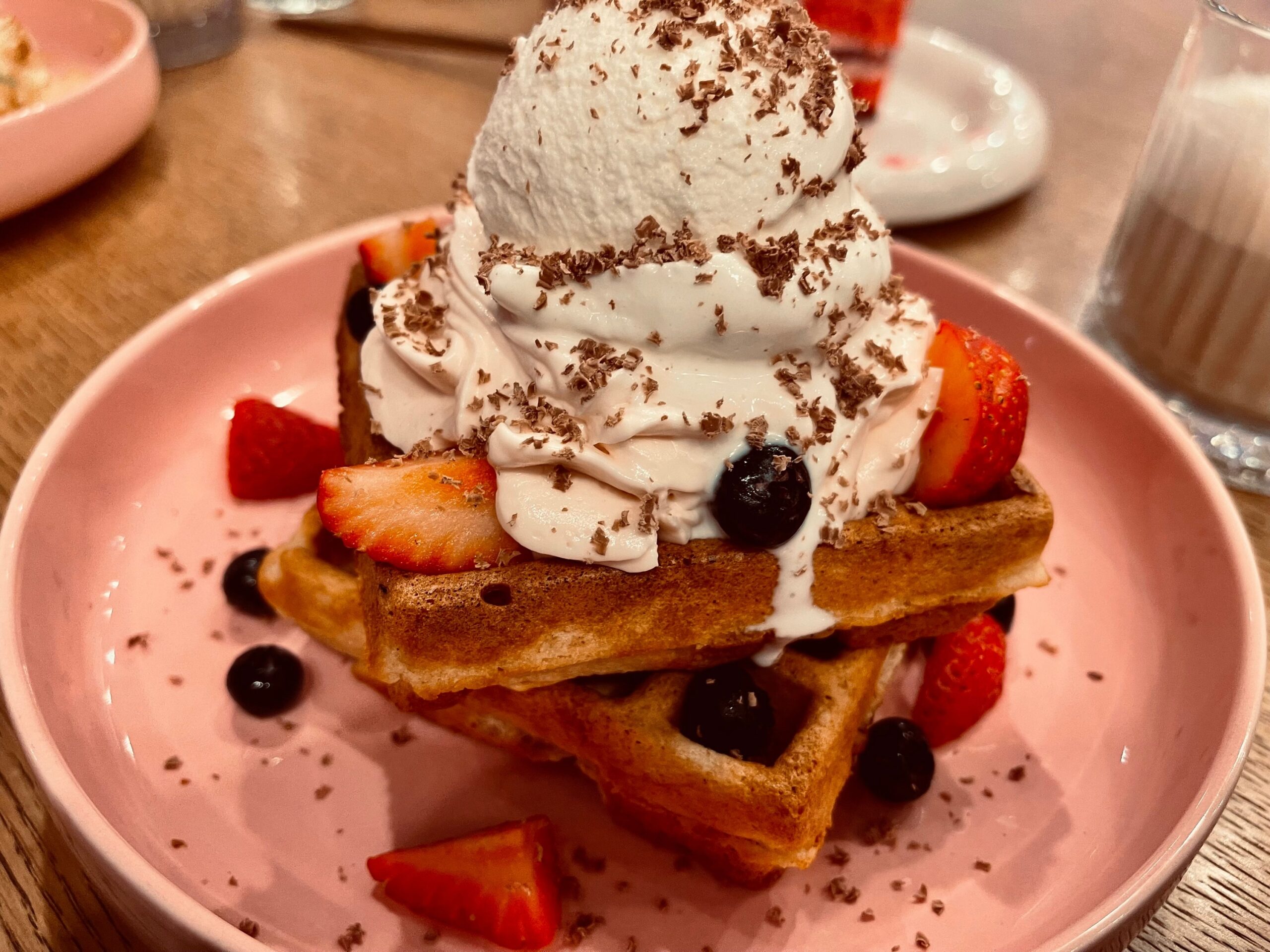

A Country Divided by Much More Than Waffles
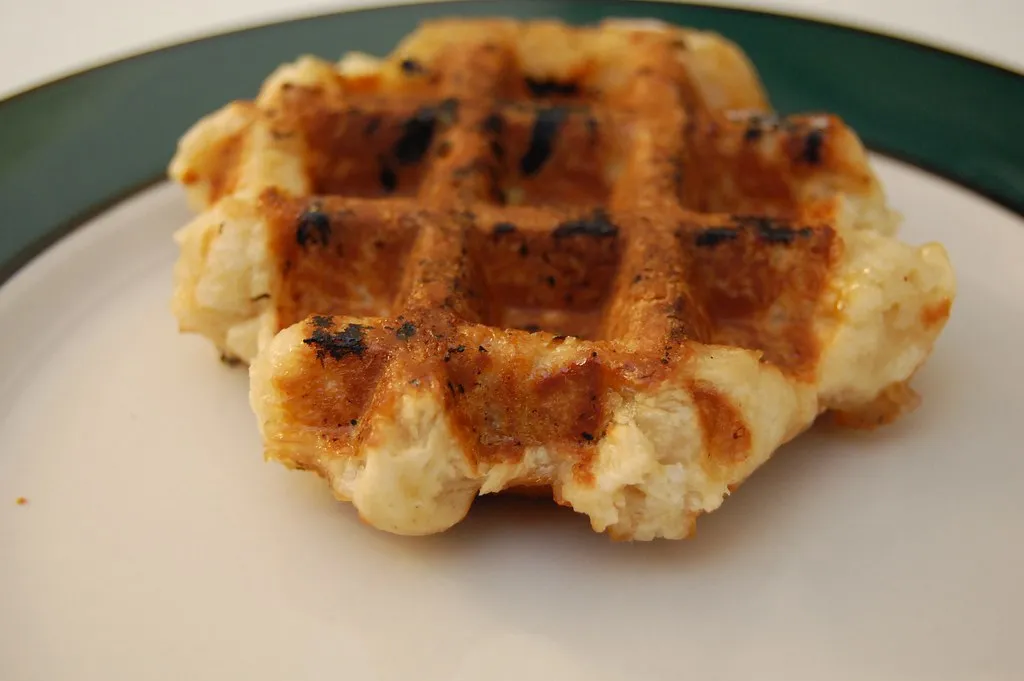
Belgium is a country of roughly eleven million people, split between the Dutch-speaking Flemish north and the French-speaking Walloon south, with a small German-speaking community in the east. These aren’t just language differences – they reflect centuries of distinct cultural, political, and culinary traditions. The Liège waffle is a culinary delicacy rooted in Belgium’s Walloon region, named after the city of Liège, a popular cultural and culinary destination in eastern Belgium.
In order to cater to different tastes, Belgium developed two types of waffle: the Liège waffle and the Brussels waffle. Neither side of the country simply adopted the other’s version. The regional differences that shaped Belgian politics and language also shaped what people ate, how they cooked it, and what they considered a proper treat.
The Liège Waffle: Born from Royal Appetite
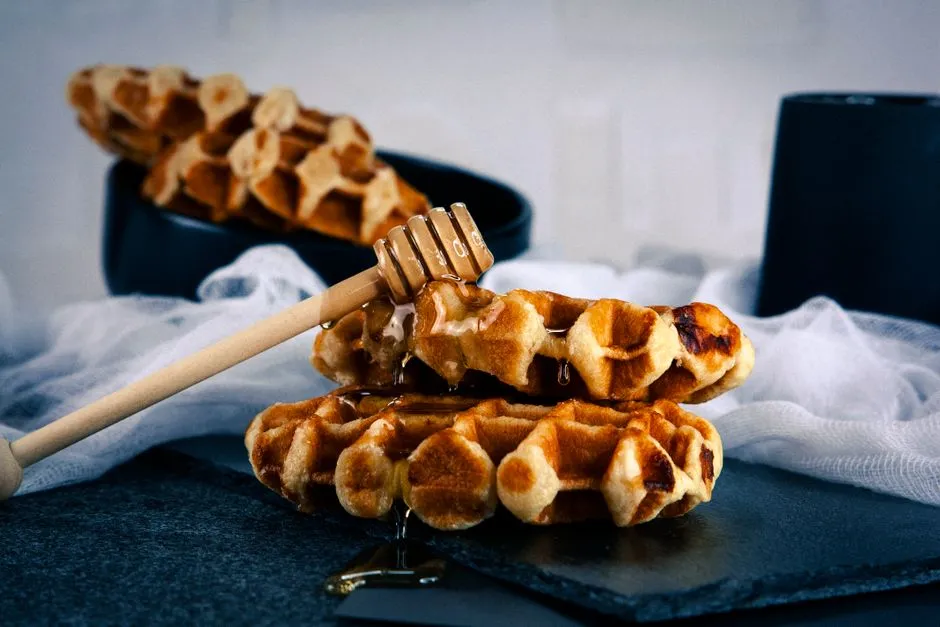
According to tradition, the personal cook of the Prince-Bishop of Liège created the Liège waffle in the 18th century, offering a sweeter variation of the typical waffle for the royal court. The story has the texture of legend, but it aligns with what we know about how luxury ingredients moved through society at the time.
The recipe quickly gained popularity among wealthy residents of Wallonia, since pearl sugar was an expensive ingredient available to only a few. Over time, what began as an aristocratic indulgence gradually became a staple of Belgian street food. That journey from palace kitchen to city corner is part of what makes the Liège waffle’s story genuinely compelling.
The Brussels Waffle: A Ghent Creation with a Capital Name
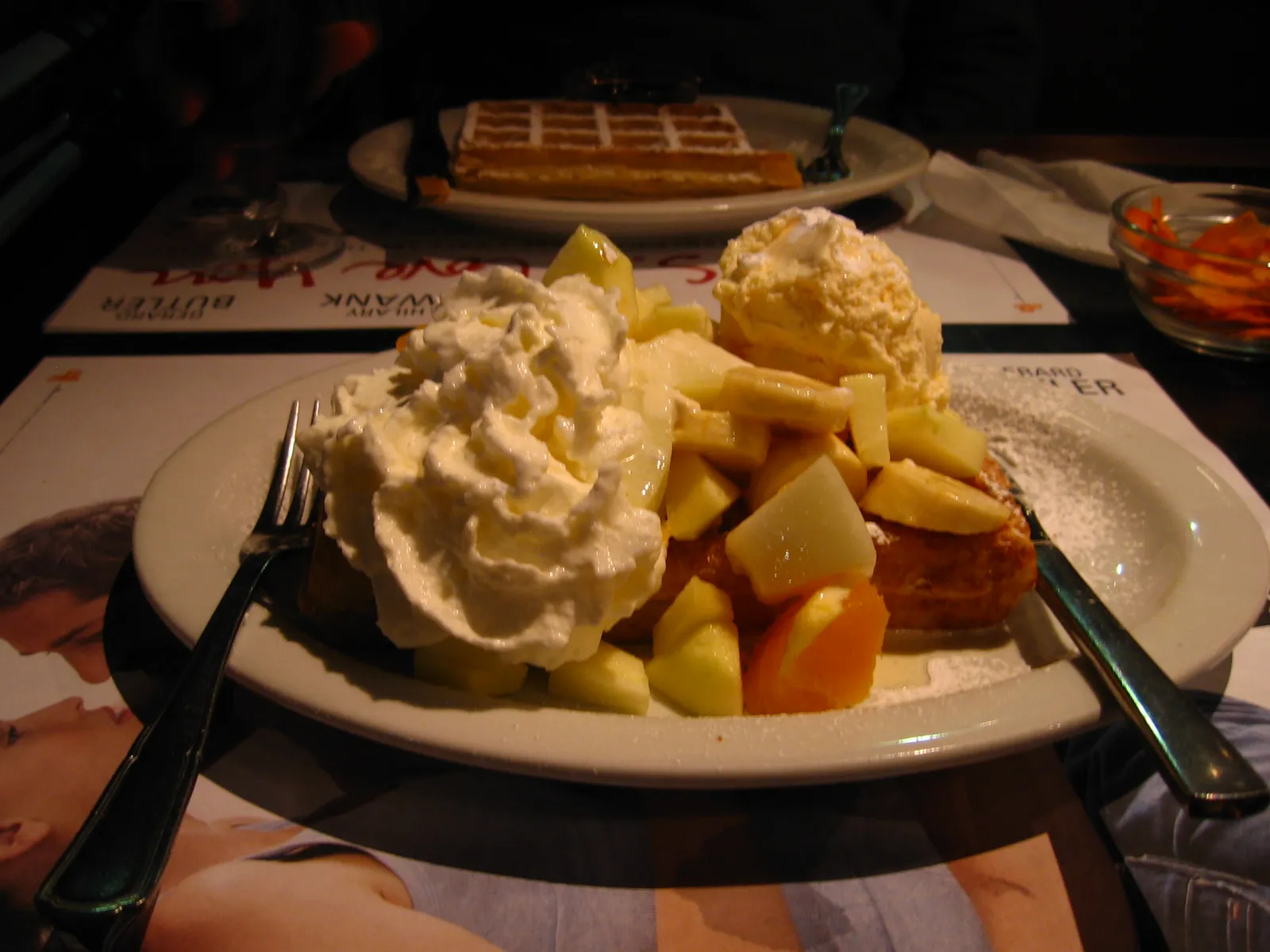
In 1856, Maximilian Consael from Ghent created the Brussels waffle, travelling from fair to fair with his cast-iron waffle iron, quickly popularising his creation despite its name suggesting a Brussels origin. The naming was essentially a marketing choice – Brussels carried more prestige and commercial appeal than Ghent at the time.
Brussels waffles, known for their lightness and fluffiness, have a rectangular shape and deep indentations, and the recipe was invented by Maximilian Consael from Ghent, who started selling them at fairs in 1856. Despite the name, the delicacy does not come from Brussels. It’s a small historical irony that the waffle most associated with the Belgian capital wasn’t actually invented there.
The Dough Makes All the Difference
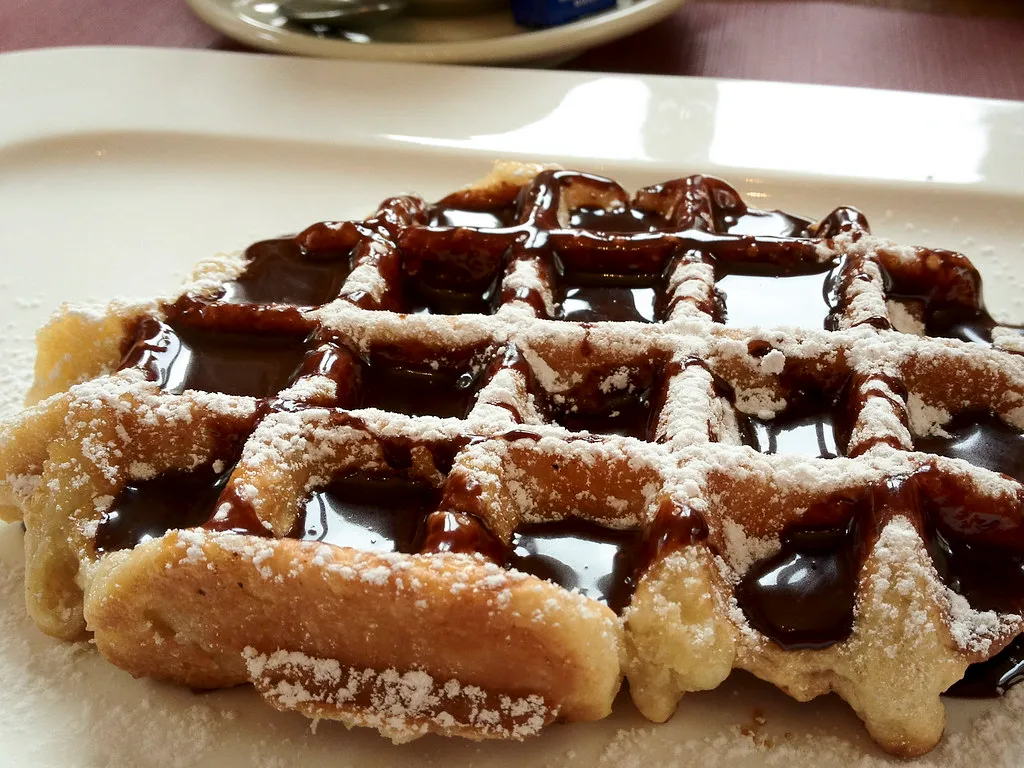
Unlike the liquid batter that forms Brussels waffles, the mixture used to make Liège waffles is more doughy and dense. Flour, butter, yeast, eggs, milk, and pearl sugar combine to produce these thick, sweet, and soft treats. The two waffles are structurally incompatible – one is poured into a mold, the other is pressed in like bread dough.
Liège waffles are made from a raised dough, while Brussels waffles are made from a liquid batter; the Brussels waffles soften as they cool, while Liège waffles can be eaten hot or cold. That last point matters more than it sounds. A Brussels waffle is at its best within minutes of leaving the iron. A Liège waffle holds its character far longer, which is part of why it became the dominant street-food format.
Pearl Sugar: The Ingredient That Defines One and Separates Both
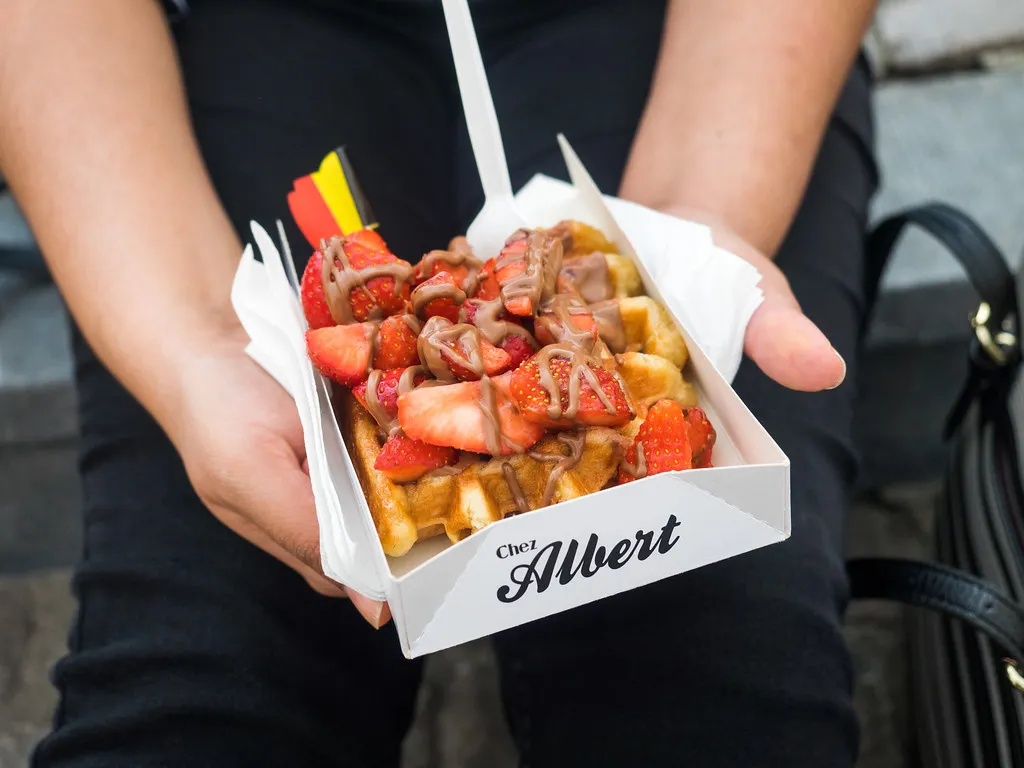
The Liège waffle comes from the city of Liège in the Wallonia region of Belgium and is made with a dough similar to that of brioche. Pearl sugar is mixed into the dough, and when cooked on the iron, the pearls melt and caramelize, forming big bites of crisp, browned sugar. This is what gives the Liège waffle its signature richness – a crust of caramelized sweetness that no amount of powdered sugar sprinkled on top could replicate.
Legend has it the Liège waffle was created when an 18th-century Prince-Bishop of Liège asked for a dessert laced with these candy crystals. Because of their high melting point, they half-succumb to, half-resist the sizzling heat, lending a Liège waffle its signature richness and crunch. Brussels waffles, by contrast, contain no pearl sugar at all. Their lightness comes from the batter, not from added sweetness.
Shape, Size, and What You See on the Plate
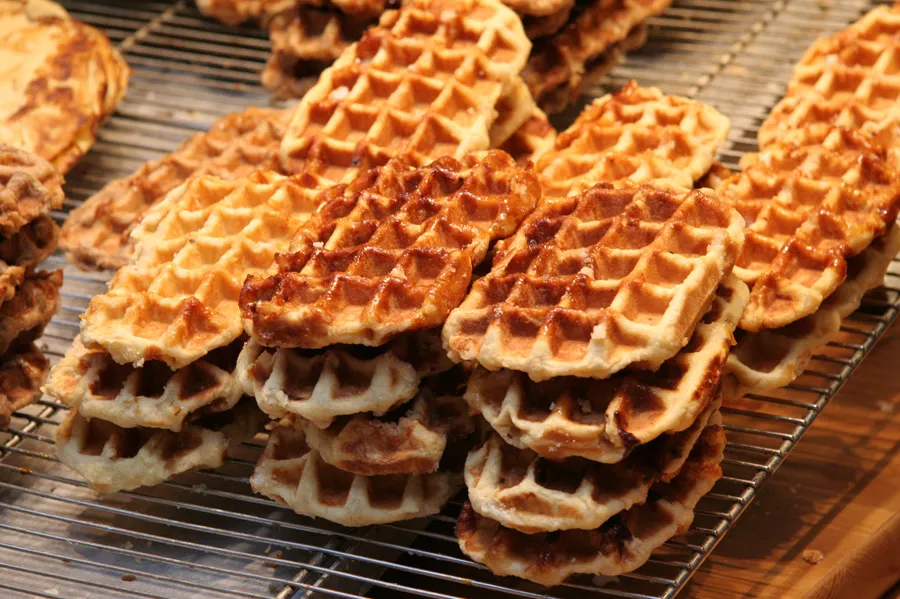
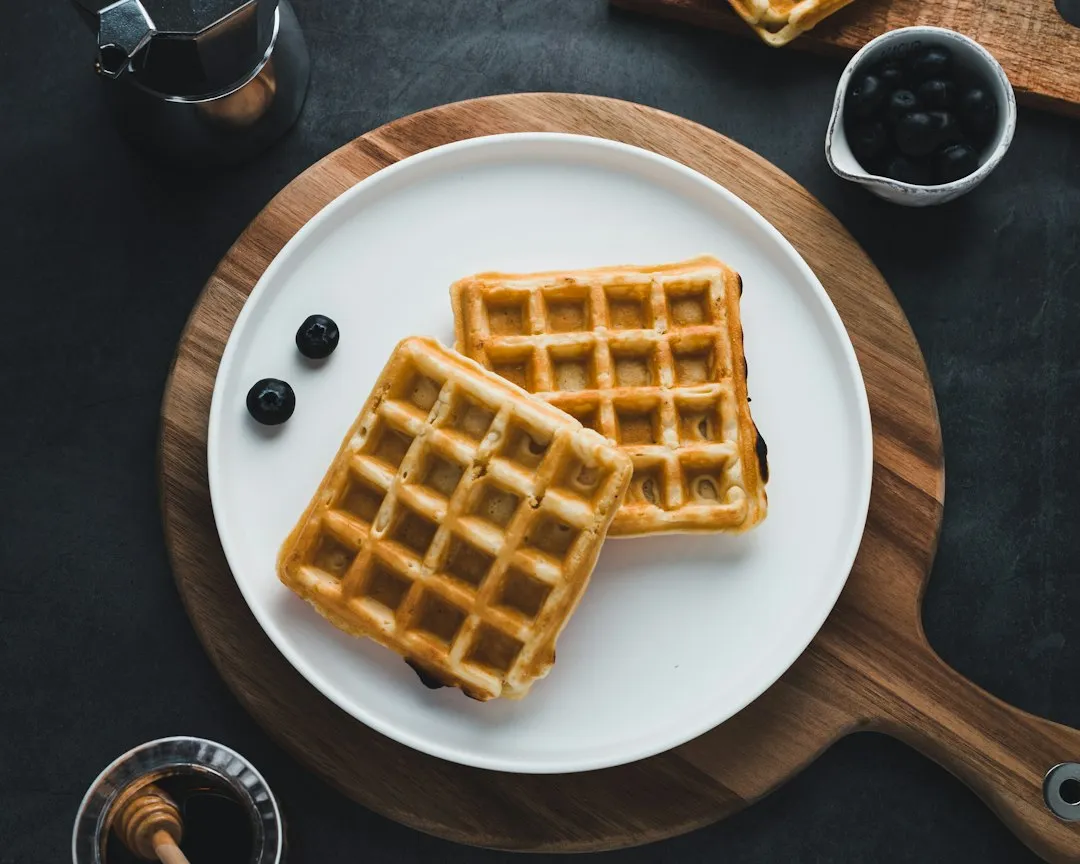
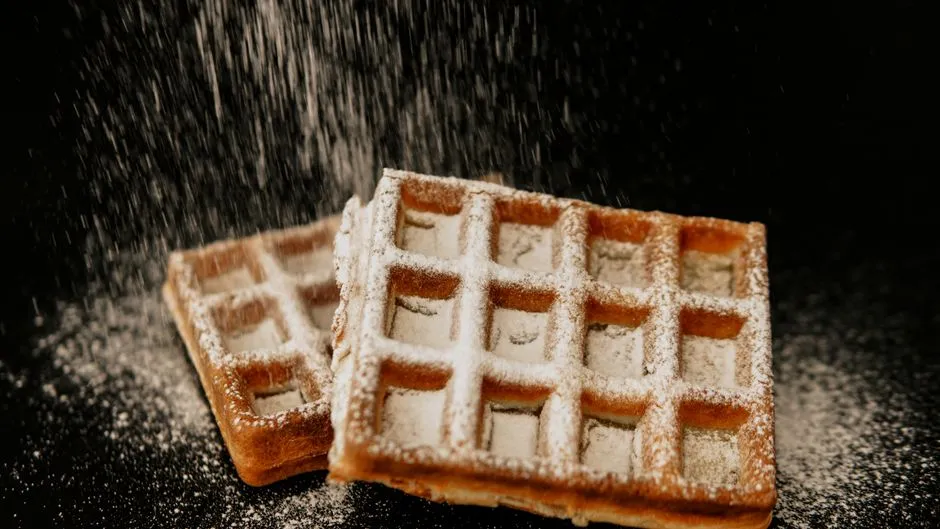
The Liège waffle is small with rounded edges, whereas the Brussels waffle is larger and has a rectangular shape. You can tell them apart instantly from across a stall. The Brussels waffle looks architectural, almost grid-like. The Liège waffle looks more like something that grew organically in the iron.
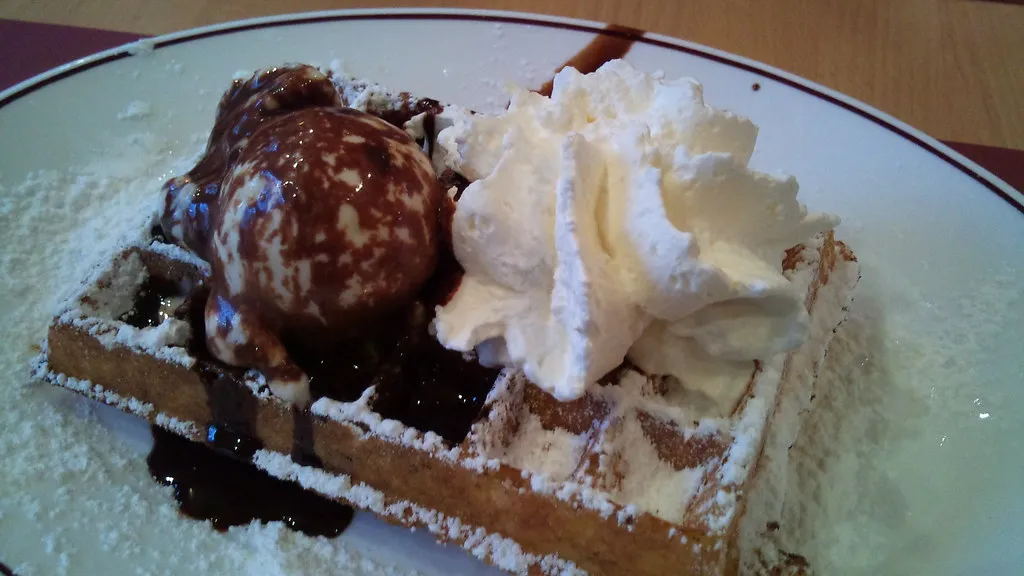
The Liège one is thicker and contains little clumps of sugar, whereas the Brussels one is lighter and is sprinkled with icing sugar. The Brussels waffle’s deep rectangular pockets are also purpose-built for holding toppings – cream, fruit, chocolate. The Liège waffle rarely needs any of that. It arrives complete.
How Each Waffle Is Traditionally Eaten
Liège waffles are often served as afternoon snacks in napkins that can be taken on the go, and these waffles don’t include the various toppings that often adorn Brussels waffles. There’s something deliberately unfussy about how the Liège waffle is consumed. It’s a handheld food, eaten while walking, and that’s considered entirely appropriate.
Brussels waffles are the variety that will most commonly be topped with meats and cheeses. They also work beautifully as a sweet base for strawberries, cream, and chocolate. Waffles became a mainstay of Belgian tearooms in the mid-19th century, and the Brussels variety lends itself particularly well to table dining. These are fundamentally different eating occasions, shaped by fundamentally different foods.
The World’s Fair That Changed Everything
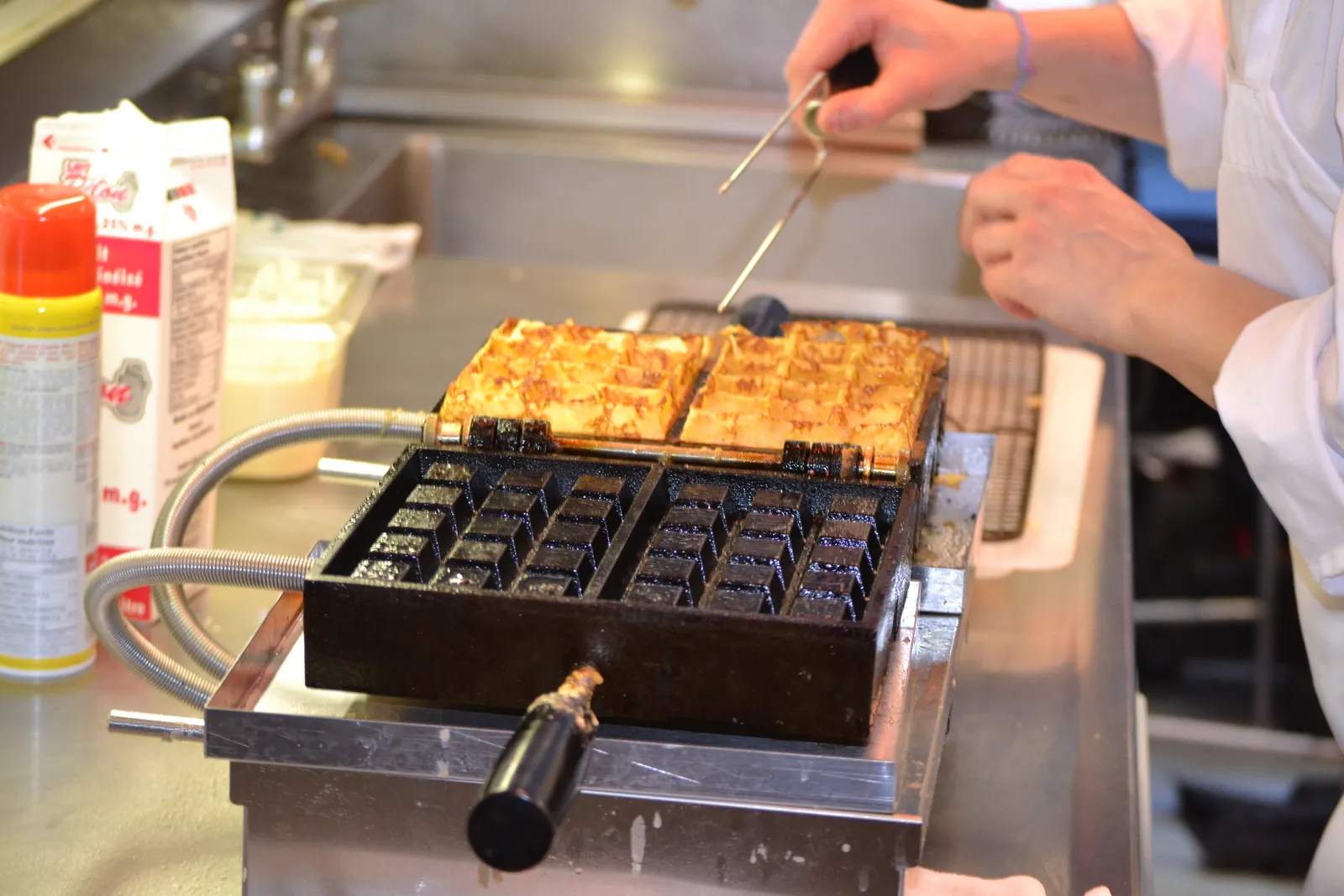
Belgian waffles made their official debut in the United States at the 1964 New York World’s Fair when Maurice Vermersch introduced the Brussels waffle to American audiences. Originally called the “Brussels waffle,” Vermersch eventually changed the name to “Belgian waffle” to attract a broader American audience. The rebranding worked remarkably well – perhaps too well, since it erased the distinction between the two waffles for generations of non-Belgian eaters.
Vermersch decided to change the name to the Bel-Gem Waffle upon observing that many Americans could not correctly identify Brussels as the capital of Belgium. The irony is that this single renaming created the misleading impression that there is only one kind of Belgian waffle. While Belgian waffles are often grouped together under one name in the U.S., there are actually a couple of different types in Europe: Brussels and Liège waffles.
The Liège Waffle Fights Back
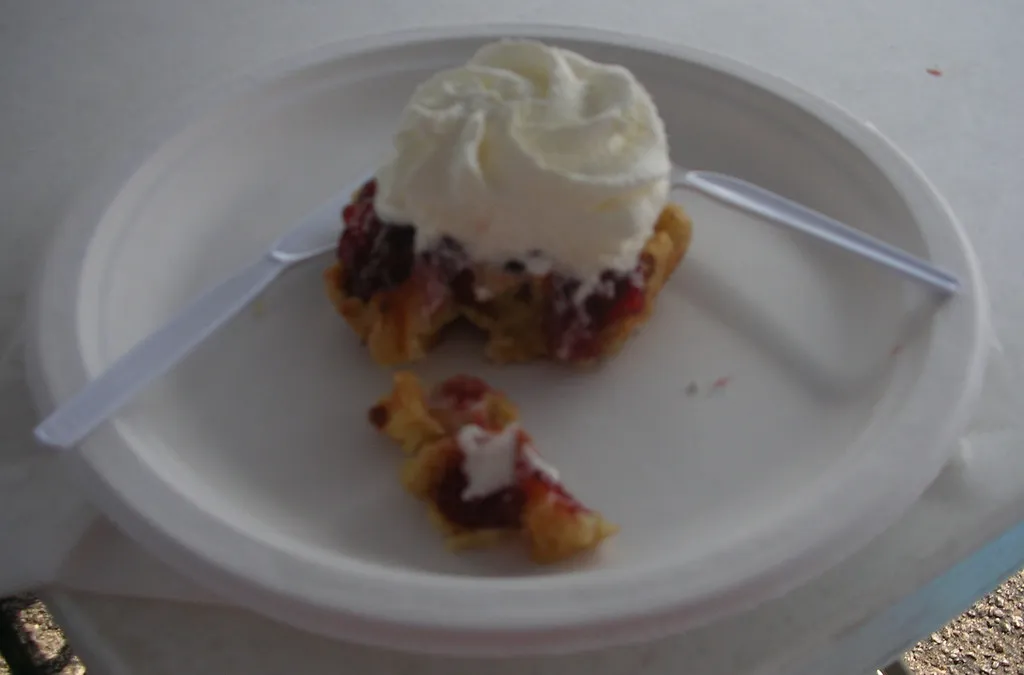
In 2011, Brussels MP Joël Riguelle said the traditional Brussels waffle was in danger of being replaced by the Liège version, which was increasingly being offered in Belgian waffle shops with the toppings traditionally associated with the Brussels waffle. The concern was real: vendors were loading Liège waffles with whipped cream and fruit, essentially blending the two traditions into a commercial hybrid.
The Liège waffle is a richer, denser, sweeter, and chewier waffle native to the Wallonia region of eastern Belgium, and it is the most common type of waffle in Belgium, sold by street vendors in plain, vanilla, and cinnamon varieties. Its dominance in everyday Belgian street culture is well established, even as the debate over authenticity continues.
Roots That Go Back Further Than Both Waffles
In ancient Greece, chefs would cook flat cakes known as obelios. These flat cakes received religious ornamentation in the Middle Ages, when chefs would use honey and cinnamon to depict Bible scenes or family crests on these proto-waffles. The Belgian waffle, in both its forms, is not a modern invention but the latest evolution of a very long culinary tradition.
The first recorded mention of waffles in Belgium dates back to the Middle Ages, when they were made from a mixture of wheat, oats, and buckwheat. Over time, the recipe evolved, and in the 19th century, Belgian waffles as we know them today began to take shape. Both the Liège and Brussels varieties grew out of this shared foundation, before diverging into two distinct and fiercely defended identities.
The Takeaway
Belgium’s two waffles aren’t a product of confusion or redundancy. They’re a product of a country that has always been more than one thing at once – two languages, two regions, two sets of culinary loyalties running in parallel. The Brussels waffle is light, structured, and built for toppings. The Liège waffle is dense, self-sufficient, and built for the street. Each one is exactly right for what it is.
If you ever find yourself in Belgium, resist the urge to treat them as interchangeable. Brussels waffles offer lightness, neutrality, and versatility in flavor combinations, while Liège waffles provide intense sweetness, density, and aromatic self-sufficiency. Trying both, in the right context and without rushing, is probably the most honest way to understand why a small country managed to invent two completely different great things, then refuse to pick just one.
AI Disclaimer: This article was created with the assistance of AI tools and reviewed by a human editor.