
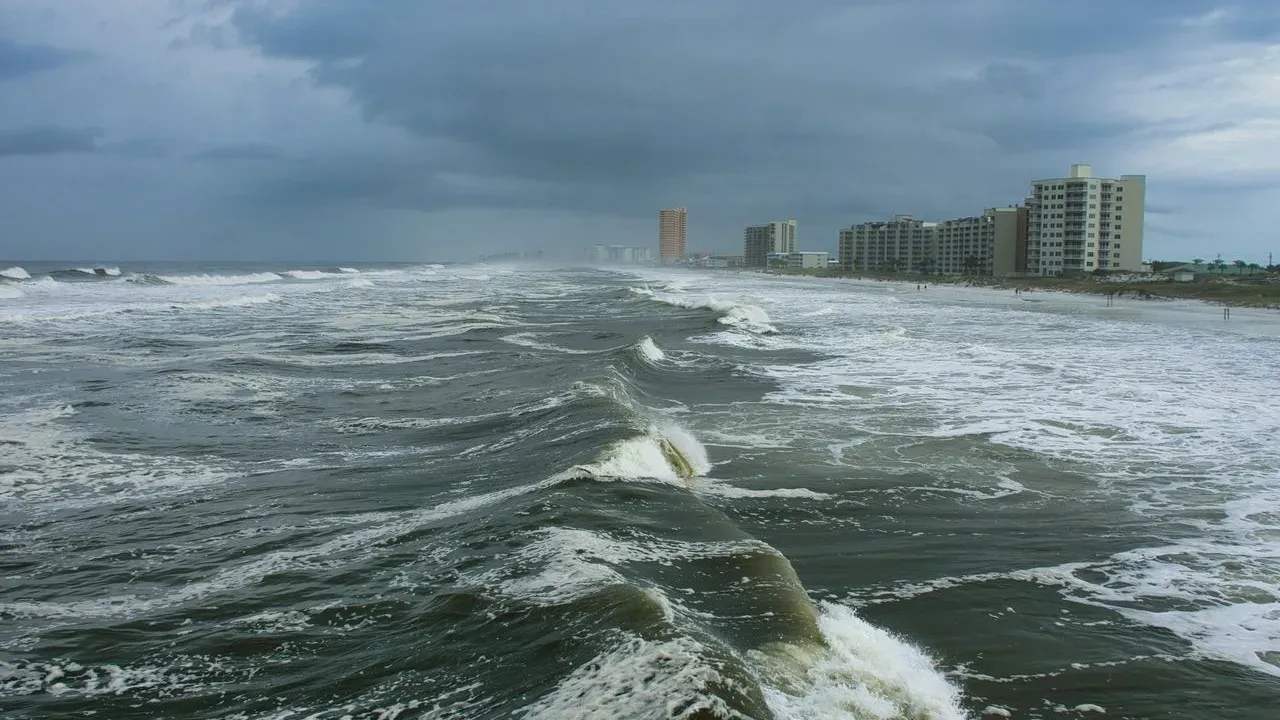

The Atlantic is calm as the 2026 hurricane season enters its final weeks. In a update posted on November 10, 2026, WFLA News Channel 8 in Tampa reported that nothing is brewing in the tropics ([1]). For travelers planning winter visits to Florida, the Gulf Coast and the Caribbean, that stillness offers useful context, though it is not a guarantee about what comes next.
A season that stayed unusually subdued
The season stood out for the lack of activity, with 10 named storms, the fewest since 2014, when there were only eight storms. ([2]) Forecasters had expected a considerably busier year. The 2026 preseason prediction was for 11 to 16 named storms, including four to seven hurricanes and two to four major hurricanes ([2]).
Only one storm reached hurricane strength. It was also the first time since 1925 that there was only one hurricane in the entire season, with Hurricane Isaias making a destructive Category 2 landfall on the Florida Panhandle in October. ([2]) That landfall is a reminder that a quiet season on paper still affects real coastal communities, and Panhandle residents and businesses have a direct stake in every forecast.
Much of the calm has been linked to climate conditions in the Pacific. “The 2026 Atlantic hurricane season has been anything but typical, and El Niño has played a significant role in limiting tropical activity across the Atlantic,” DaSilva said. ([3])
Quiet is not the same as finished
Even with the tropics currently empty, the season is not formally over. There is still time for some activity in the Atlantic, but we are more than likely done with the 2026 Atlantic Hurricane season. That assessment reflects forecaster judgment, not a certainty. AccuWeather’s lead hurricane expert offered a similar caveat, noting that “While tropical storms can still develop this late in the season, the weather patterns we’re seeing give us confidence that the United States will avoid additional direct tropical impacts this year ([2]).
The official calendar also has not closed yet. The Atlantic hurricane season runs from June 1 to November 30. ([4]) Quiet weeks in November are common, but the final days of the season still belong to the official window. Even a calm year can bring surprises, which is why it helps to treat the current forecast as a snapshot rather than a promise.
What matters now for winter travelers
For visitors to Florida, the Gulf Coast and the Caribbean, the practical picture is encouraging but simple. Trips taken after the season closes fall outside the official period, while late-November plans still deserve a quick check of forecasts before departure. The points below are worth keeping in mind.
- The Atlantic basin, which includes the Caribbean Sea and the Gulf, remains under the official season through November 30.
- Forecasters currently see no active disturbances, but conditions can change within days.
- Flexible bookings and comprehensive travel insurance remain sensible choices for any trip that crosses the late-season window.
- Local tourism offices, hotels and tour operators in coastal towns are the best sources for current conditions on the ground.
Off-season travel also brings its own rewards. Shoulder-season weeks often mean lighter crowds, calmer seas for boating and more time to spend with the people who run local markets, kitchens and guesthouses. Visitors who take the time to learn about a place’s history and its recovery from past storms tend to come away with a richer understanding of the coast.
The current calm is good news, but it is best read as a reason for careful planning rather than complete confidence. Watching the forecast through the end of November, booking with flexibility and supporting the communities that welcome visitors year-round is a sound approach for any Gulf or Caribbean itinerary this winter.
AI Disclaimer: This article was created with the assistance of AI tools and reviewed by a human editor.