
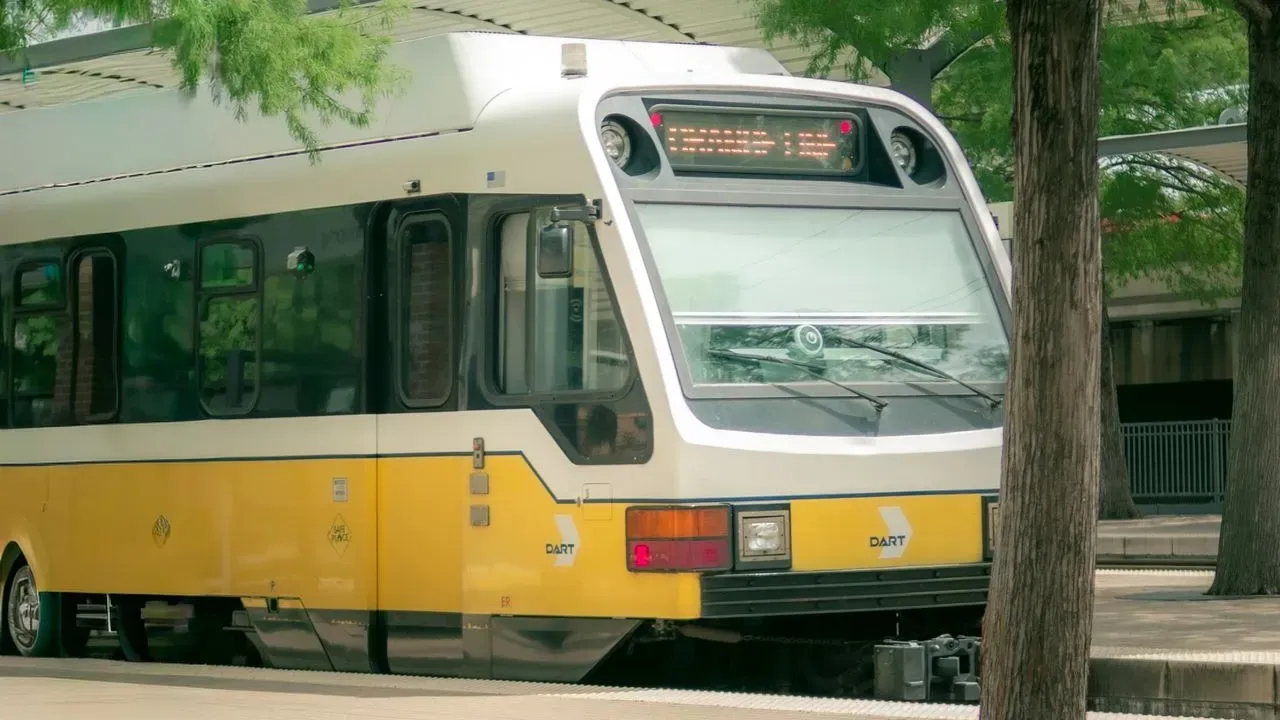

Getting from Austin-Bergstrom International Airport into the city currently depends on roads and buses. The Austin Transit Partnership has now moved into planning for an extension of the city’s future light rail line to the airport, which could eventually let visitors reach downtown without a car. ([1]) The idea has been part of Austin’s transit debate for years, so the move toward active planning carries more weight than a simple concept.
Where the airport fits in the plan
The first phase of Austin’s light rail is a 9.8-mile route that runs from 38th Street through downtown, then splits after crossing Lady Bird Lake. One branch heads down South Congress Avenue to Oltorf Street. The other runs east along Riverside Drive to Yellow Jacket Lane, stopping short of the airport. ([3])
An airport connection is therefore a separate piece, not part of that opening segment. Planners describe it as a priority extension, along with a northern extension to Crestview. Both depend on securing additional funding. ([3])Airport leaders have said they have right of way saved for the line, ready for use whenever the system expands to the airport. ([4])
Officials have also been exploring financing with federal partners. Mayor Kirk Watson has said that the city, the transit partnership and airport leadership are working with the federal government to identify possible options for the connection. Federal environmental clearance for the first phase arrived in January 2026, a milestone that helps the broader project move forward, though the federal government is expected to pay for almost half of it. ([2])
A timeline that is still taking shape
The project has moved slowly, and the schedule remains fluid. The transit partnership intends to break ground on the light rail next year, but a decision on federal dollars is not expected until after that. ([5])Phase one is expected to wrap in 2033, which means no airport connection is in place before that point, and it may come later.
Several points are clear from the current reporting, while others remain open:
- Construction on the first phase is targeted to begin in 2027.
- Riders are not expected to board a light rail car before 2033 at the earliest.
- The airport stop has been removed from the initial phase.
- No opening date, cost or station design has been set for an airport extension.
That last point is the one most visitors will watch. Planning can advance on design and alignment questions, but a firm timeline will depend on funding decisions that have not yet been made. Officials have described the airport link as a high priority, which signals that the idea remains central to the project’s future rather than a passing goal.
What rail could mean for visitors
For travelers, the benefit would be practical. A rail connection would give arrivals a direct route into the city that avoids highway traffic, and the line is designed to run frequently. Austin’s light rail is expected to operate every five to 10 minutes and connect with existing CapMetro bus and rail services. ([6])
Until then, the transit system is also expanding in smaller ways. The city’s Transit Plan 2035 envisions bringing the Route 350 Airport Boulevard service to the airport itself and upgrading it to high frequency, a change meant to clear up confusion between the boulevard and the terminal. ([7])Planners have also said the light rail will include park and ride lots at all three ends of the line. ([2])
What to keep in mind: The airport extension is in the planning stage, not under construction. Phase one does not reach the airport, and the timeline depends on future funding. Visitors planning trips in the coming years should check current transit information before relying on any particular route.
Austin’s airport rail link is still a long-range goal, yet the step now underway gives the idea a concrete path forward. For visitors who value arriving calmly and moving through the city with less driving, it is an encouraging change to follow. The details will become clearer as funding, design and construction decisions take shape.
AI Disclaimer: This article was created with the assistance of AI tools and reviewed by a human editor.