
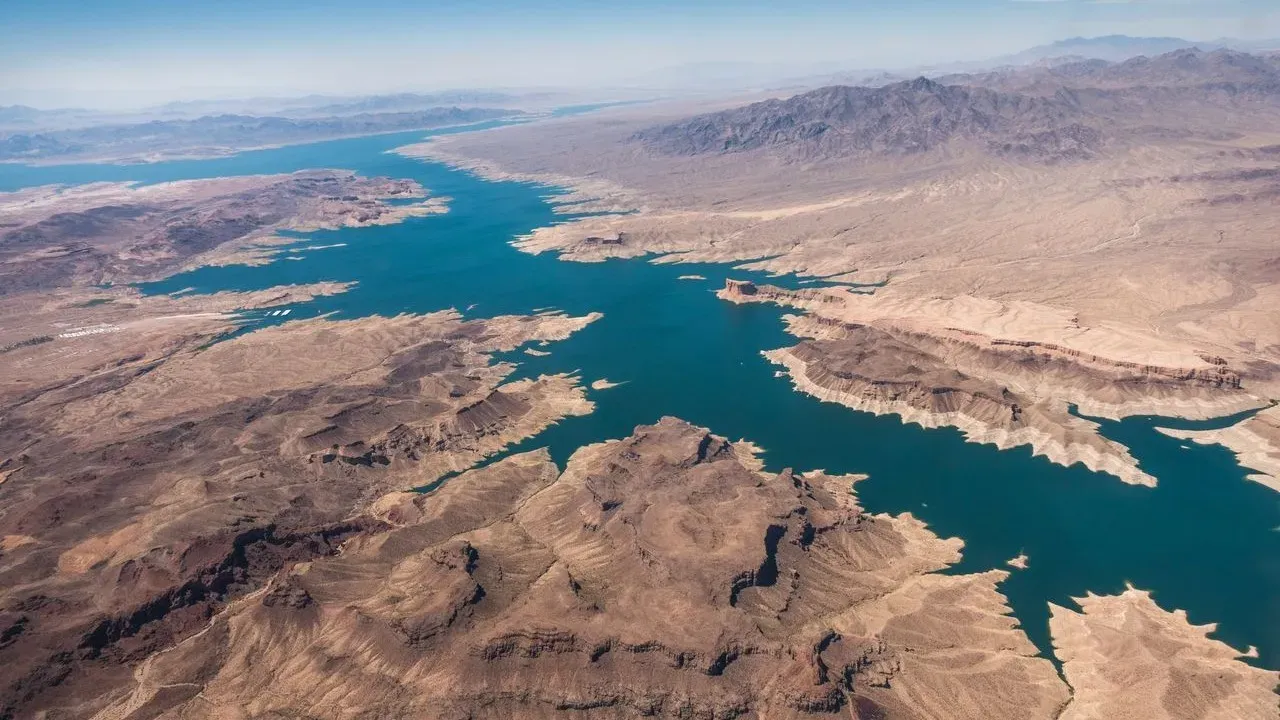

A run of recent storms has put water back into Lake Mead and Lake Powell, two of the most visited reservoirs in the American Southwest. The rise comes after both lakes fell to record or near record lows this year. Much-needed rain boosts water levels at Lake Powell, Lake Mead. ([1]) Specialists tracking the Colorado River say the region’s dry spell has not ended, so the gains are welcome but not a finish line.
Heavy rain brings water back to the reservoirs
The gains came mainly from rainfall rather than from releases sent down from upstream reservoirs. That distinction matters to water managers, because rain landing on the surrounding canyons and tributaries is far less dependable than the steady flows that snowmelt provides. Recent storms have raised Lake Powell’s water levels by more than 20 feet, adding 1.2 million acre-feet of water, according to Utah State University’s Center for Colorado River Studies. ([2]) Other tallies use different start dates, so the exact increase depends on the period measured.
Lake Mead has responded more modestly. Early November figures from the Bureau of Reclamation showed its increase was less than half a foot. ([3]) The lake had only recently hit a low of its own. Lake Mead set a new record low of its own on October 22. ([4])
Why the recovery is still fragile
Water experts are careful not to read too much into a few wet weeks. Lake Mead and Lake Powell were both drawn down over many years, and a single season of good rain does not reverse that pattern. A spokesperson for the Southern Nevada Water Authority pointed to the length of the problem, noting that those gains follow roughly 25 years of drought. ([5]) The same official added that “One year of significant precipitation isn’t enough to really help the Colorado River system recover.”
Even after the rain, the reservoirs have a long way to go. Gina Gilson, interim director of the Center for Colorado River Studies, said the lake is still at a quarter full, and that stabilizing it will take more time. Lake Mead was roughly 23 percent full after the recent weather system, according to local reporting. The biggest factor in the months ahead is likely to be winter snow. Experts say the biggest factor in Lake Powell’s recovery will be how much snow falls across the Colorado River Basin this winter. ([6]) Early snowpack in the region is near normal, which offers a hopeful start.
The storms also left a hard mark on some communities. Runoff caused flooding in several rural parts of Arizona, and the people living there have been dealing with damage even as the lakes recover.
What the rise means on the water
Lake Powell remains open for recreation. The National Park Service says it is dedicated to maintaining safe visitor access throughout 2026 – even as water levels continue to fluctuate. ([7]) That flexibility is the key point for visitors. Shifting water levels can change how and where people get on the water, so plans made in one month may need adjusting the next.
Water levels also matter to the lake’s infrastructure. Lake Powell feeds Glen Canyon Dam, where water passing through turbines generates hydropower. ([8]) Park guidance also warns that low water levels have created new navigational hazards throughout the lake. ([9]) Glen Canyon National Recreation Area covers more than a million acres in southern Utah and northern Arizona surrounding Lake Powell. ([10])
Before you go
- Check current lake levels, ramp status, and operating conditions before leaving home.
- Review the marine forecast with a marina, boat rental, or visitor center, since afternoon thunderstorms can build quickly over open water.
- Confirm services and hours, especially outside the summer season.
- Follow Leave No Trace principles, and respect closures and posted signs near shorelines and canyons.
A measured welcome for the Southwest’s great reservoirs
The rain has given Lake Mead and Lake Powell a meaningful lift, and it has bought time for planners and communities that rely on the river. The Glen Canyon Institute, which advocates for long-term changes to dam operations, described the rise as an “opportunity” to consider bolder, larger solutions to stabilize the water supply. Those discussions are likely to continue for years.
For travelers, the message is encouraging but simple. Visit with current information, arrive prepared, and use water thoughtfully, whether on a houseboat, at a shoreline campsite, or on a hike through the canyons. The landscape around these reservoirs has been shaped by drought and by rain, and visitors who approach it with patience are well positioned to see both.
AI Disclaimer: This article was created with the assistance of AI tools and reviewed by a human editor.