
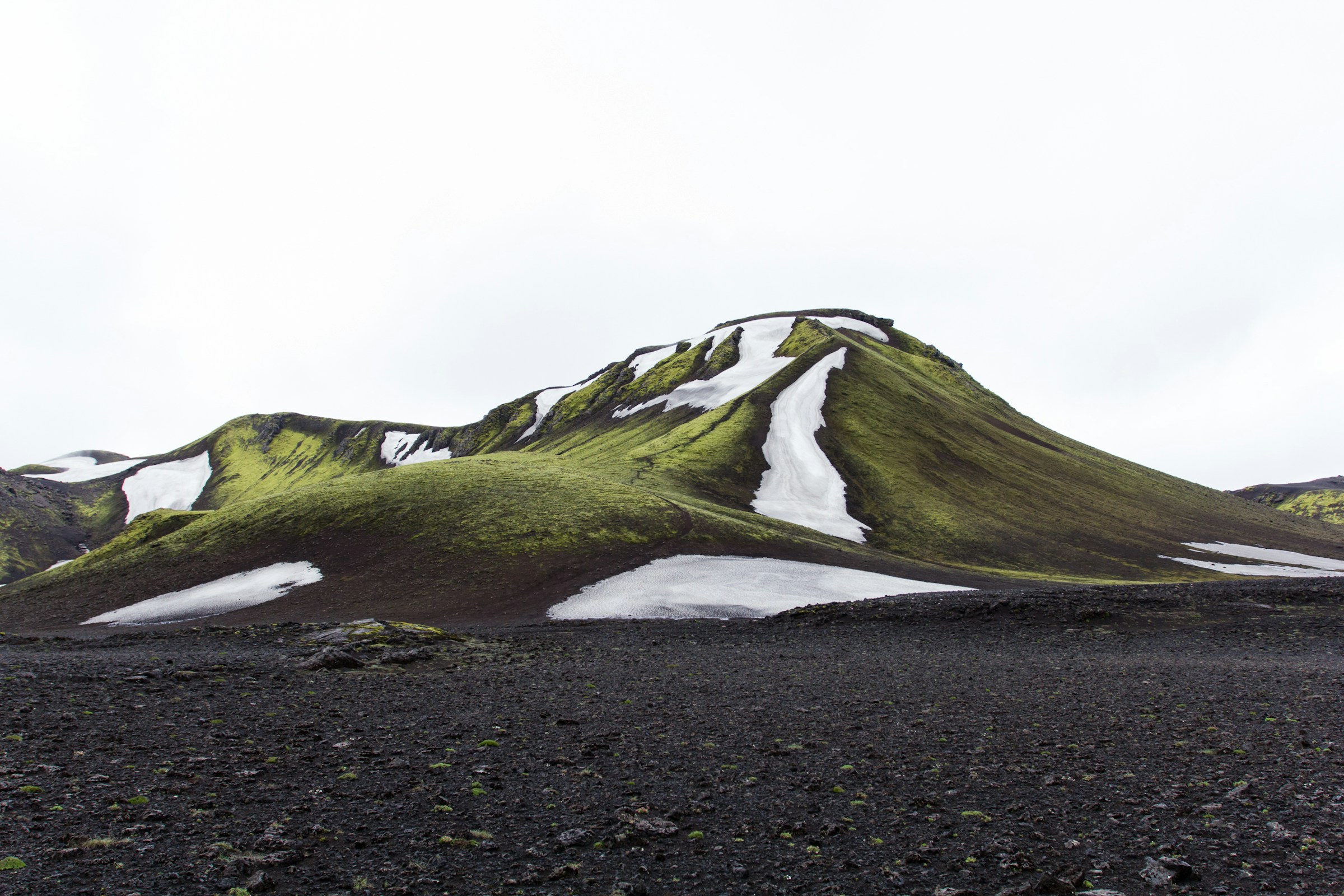

Most people picture beaches as bright, golden stretches of . Iceland quietly ignores that expectation. Along its coastline, particularly in the south, the is as dark as coal, the basalt columns rise like organ pipes from the cliffs, and the Atlantic crashes in with a force that makes you feel genuinely small. It’s a landscape that earns its own category.
The color isn’t accidental, artificial, or the result of pollution. It comes from one of the most elemental processes on the planet: lava meeting the sea. Understanding why Iceland’s beaches look this way means stepping briefly into geology, and once you do, the whole place starts to make a different kind of sense.
Iceland Is Built on Fire
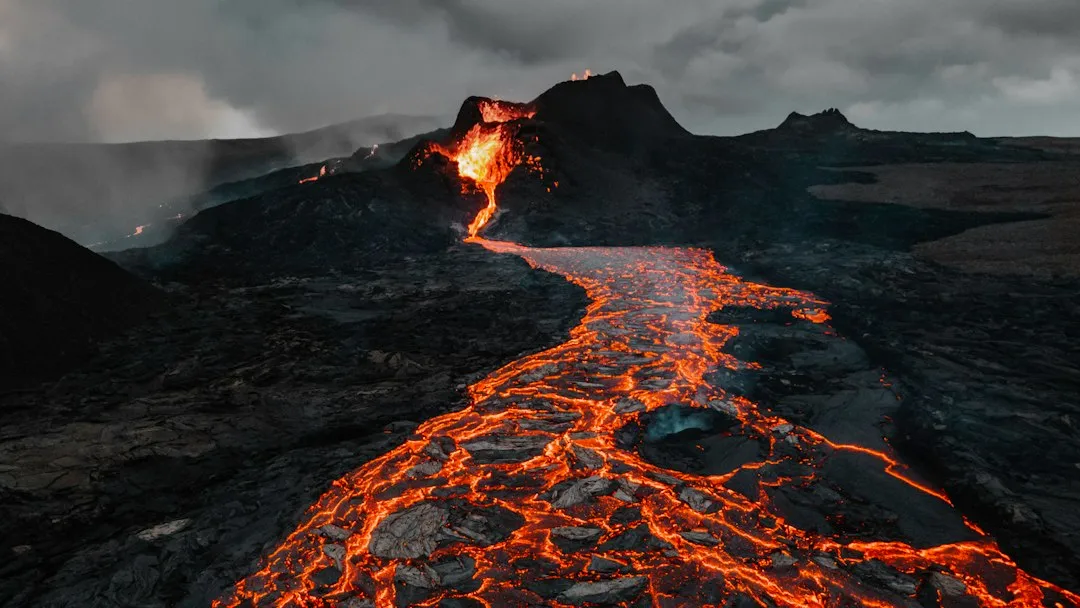
Iceland is located on the Mid-Atlantic Ridge, a tectonic boundary where the North American and Eurasian plates meet. That position is unusual. Iceland represents the largest portion of the Mid-Atlantic Ridge exposed above sea level, formed from volcanic eruptions on the ridge about 24 million years ago.
Iceland lies atop the Mid-Atlantic Ridge and is literally pulling apart by about 2 cm each year. On top of that tectonic activity, the island also sits above a mantle plume. Iceland is a region of frequent volcanic activity due to its location astride the Mid-Atlantic Ridge, where the North American and Eurasian plates are moving apart, and also over the Iceland hotspot, which greatly enhances the volcanic activity.
What Basalt Actually Is
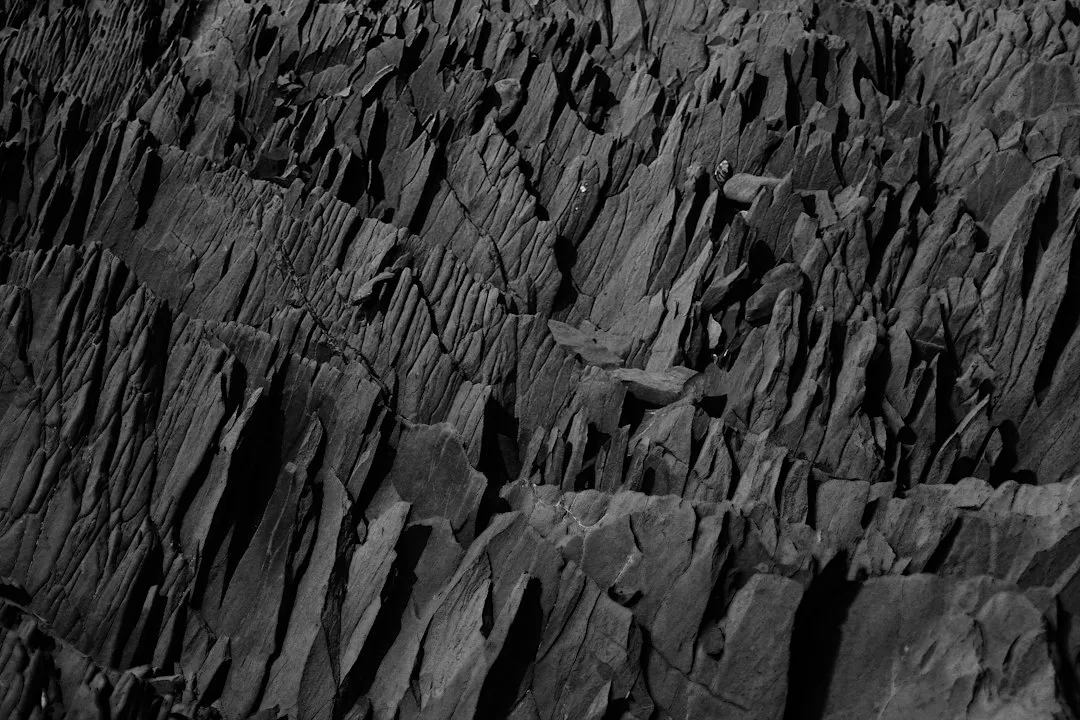
Basalt is by far the most common volcanic rock, accounting for about 90% of all volcanic rocks on earth. Basalt tends to be dark grey or black in colour because of its mineral composition, which includes high levels of augite and pyroxene minerals, which tend to be darkly coloured.
Iceland’s primary rock type, basalt, is a dark, iron-rich volcanic rock formed by rapidly cooling lava. It’s everywhere. The sand from Iceland’s beaches originates from the basaltic lava that covers most of Iceland. The island is, in essence, built from the same material that gives the beaches their distinctive look.
How Lava Becomes Sand
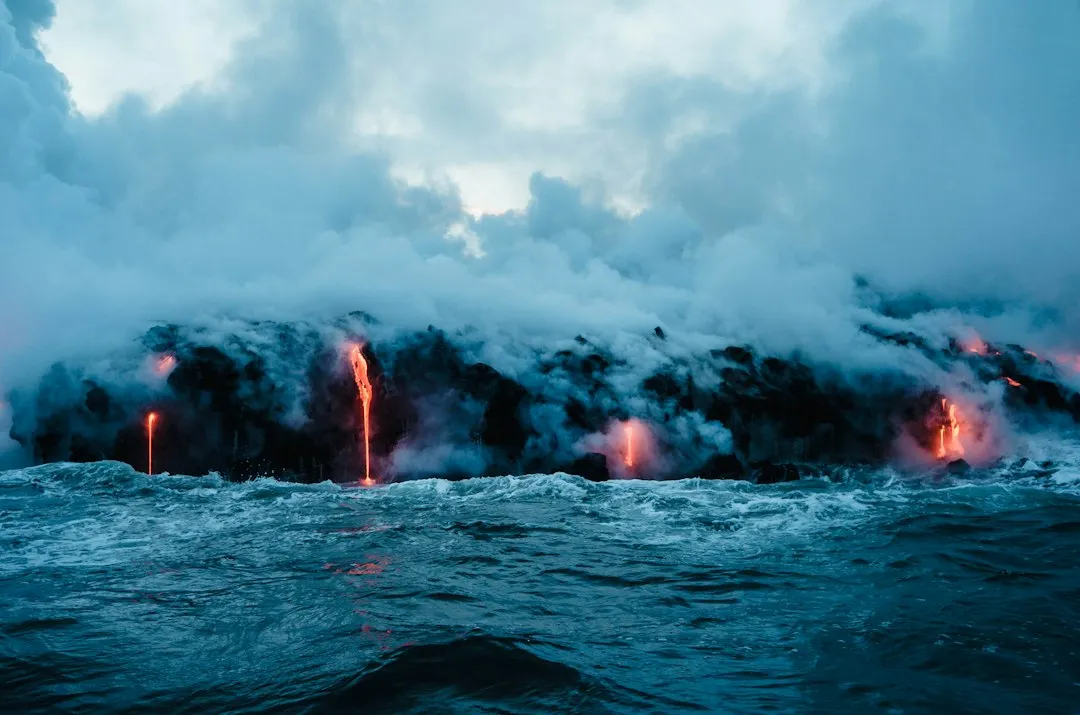
When a lava flow reaches the ocean and comes into contact with water, it cools very quickly and shatters, just like how dishes sometimes shatter in the kitchen if run under cold water directly after heating. This shattering creates a large amount of fine-grained debris, which is eroded into sand over time.
The black sand comes from lava that cooled down after hitting the cold Atlantic waters. Over time, the lava turned into small volcanic rocks, which eventually weathered into tiny pebbles, making up the black sand we see today. It’s a slow, patient process, though on geological timescales it happens with remarkable consistency.
Why Iceland’s Black Sand Keeps Replenishing
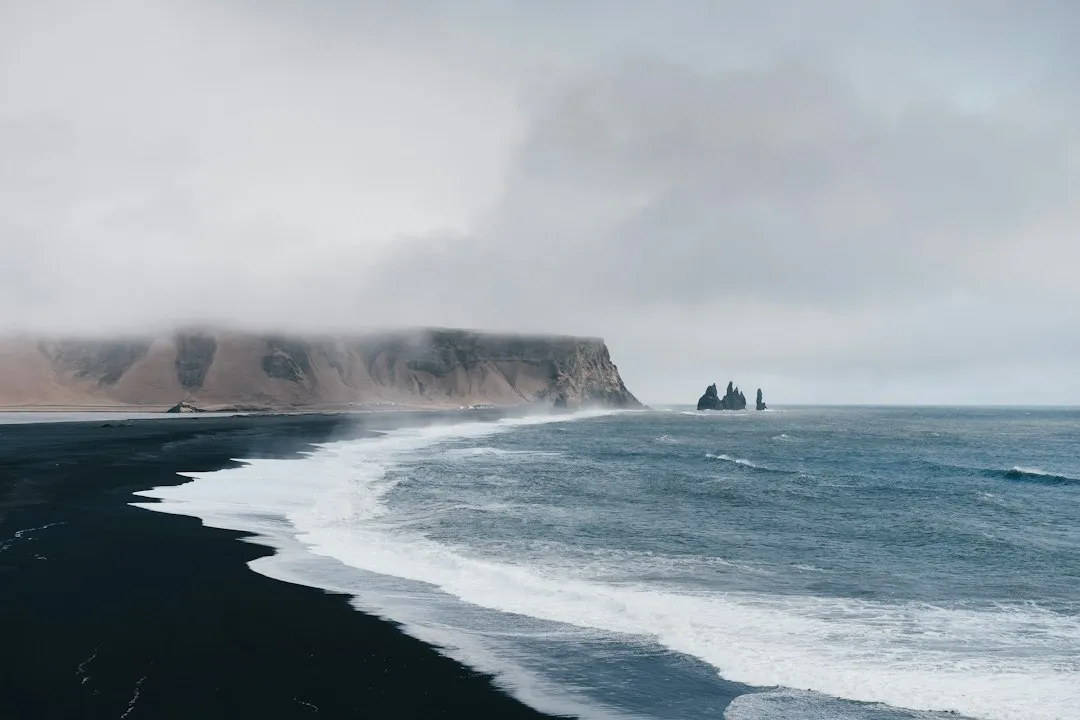
In many parts of the world, black sand beaches can be formed as a single event and then fade away after the lava flow. But because Iceland is still very volcanically active, the black sand is replenished often, and nearly all of Iceland’s beaches have this distinctive colour.
Iceland’s black sand beaches form from basalt, a volcanic rock produced when hot lava meets cold ocean water. Iceland’s active volcanoes replenish this basalt, which is why black sand dominates much of the coastline. Rivers also play a role. The eroded volcanic stones are transported by rushing rivers and deposited along the coastline, contributing to the formation of black sand beaches.
The Role of the Ocean in Shaping the Sand
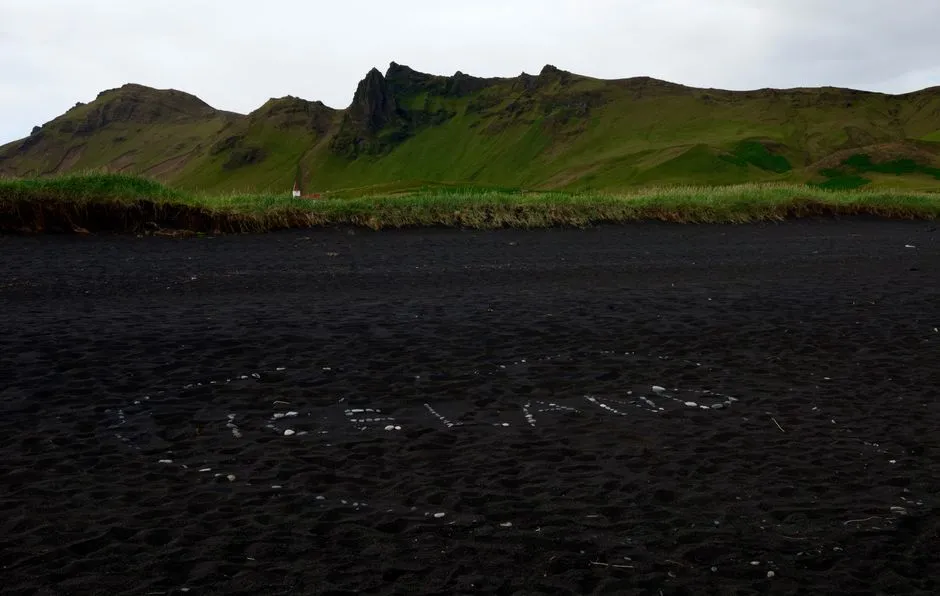
The power of the ocean creates the sands by smashing black basalt rocks into tiny fragments. This erosion is ongoing and visible. Over time, the sea breaks down newly formed volcanic rock into the black sand that has become one of Iceland’s most recognizable landscapes.
Another reason for the black colour of Iceland’s beaches is the absence of organic matter, such as decomposed flora and fauna, which is common in beaches with lighter-coloured sands. The volcanic nature of the sand and the relatively sparse vegetation in Iceland results in a lack of organic material, making the dark volcanic particles even more striking.
The Hexagonal Basalt Columns
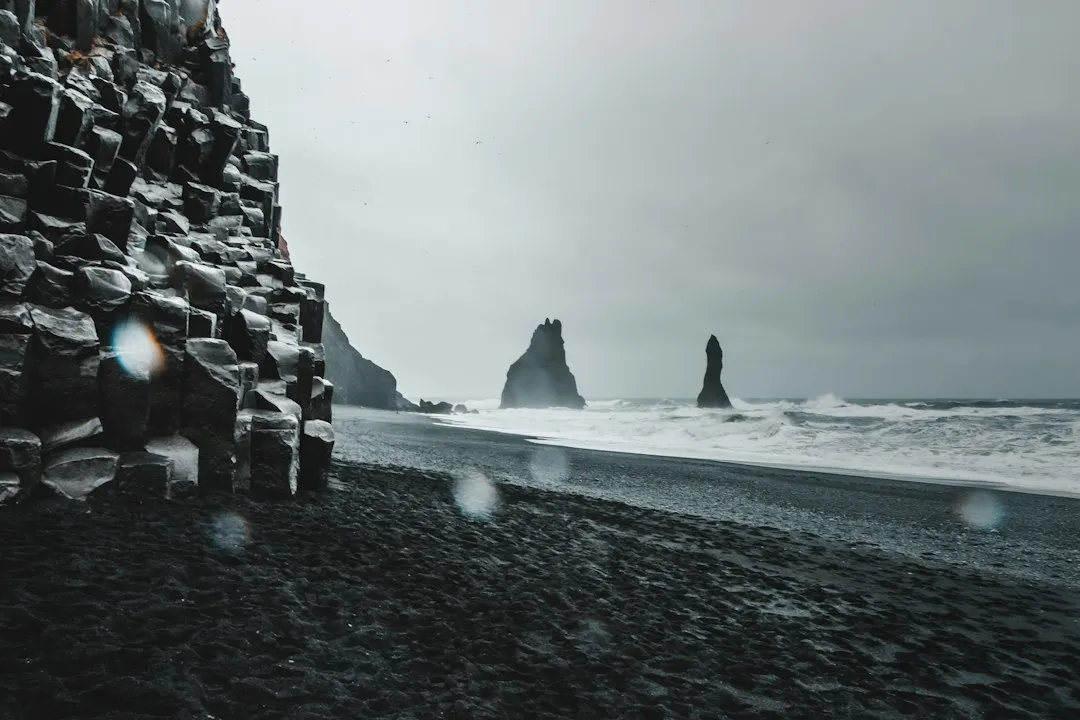
The black sand is only part of the visual story at many Icelandic beaches. The towering basalt columns that frame these shores are just as striking. The beach is composed almost entirely of black volcanic basalt, the result of lava cooling rapidly when it came into contact with the cold Atlantic Ocean. As the lava cooled and cracked, it created columns of basalt rock that now form the breathtaking cliffs and caves along the beach.
These cliffs are made from columnar jointing, a structure that forms in rocks that consists of columns that are separated by fractures in the rock that formed when the rock contracted during cooling. At Reynisfjara, the most visited black sand beach in Iceland, these columns are a defining feature of the landscape.
Reynisfjara: The Most Famous Black Sand Shore
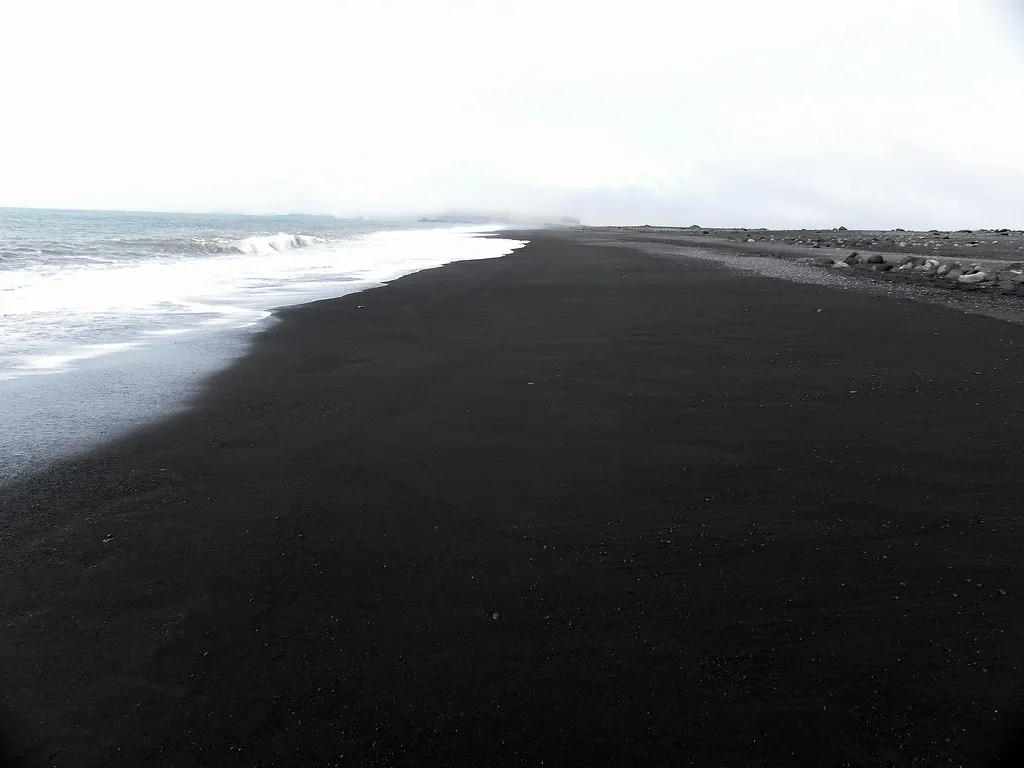
Reynisfjara is a world-famous volcanic black-sand beach on the South Coast of Iceland, beside the village of Vik. It draws enormous numbers of visitors each year. Reynisfjara receives approximately 500,000 to 700,000 visitors per year.
Nominated as one of the world’s most iconic beaches and shorelines by National Geographic in 2025, Reynisfjara isn’t about cocktails and sunbathing. It’s about raw geological drama. Reynisfjara Black Sand Beach lies close to the Katla Volcano beneath the Myrdalsjokull Glacier. The setting reminds you that this beach is part of a living, active system.
Diamond Beach: Where Ice Meets Black Sand
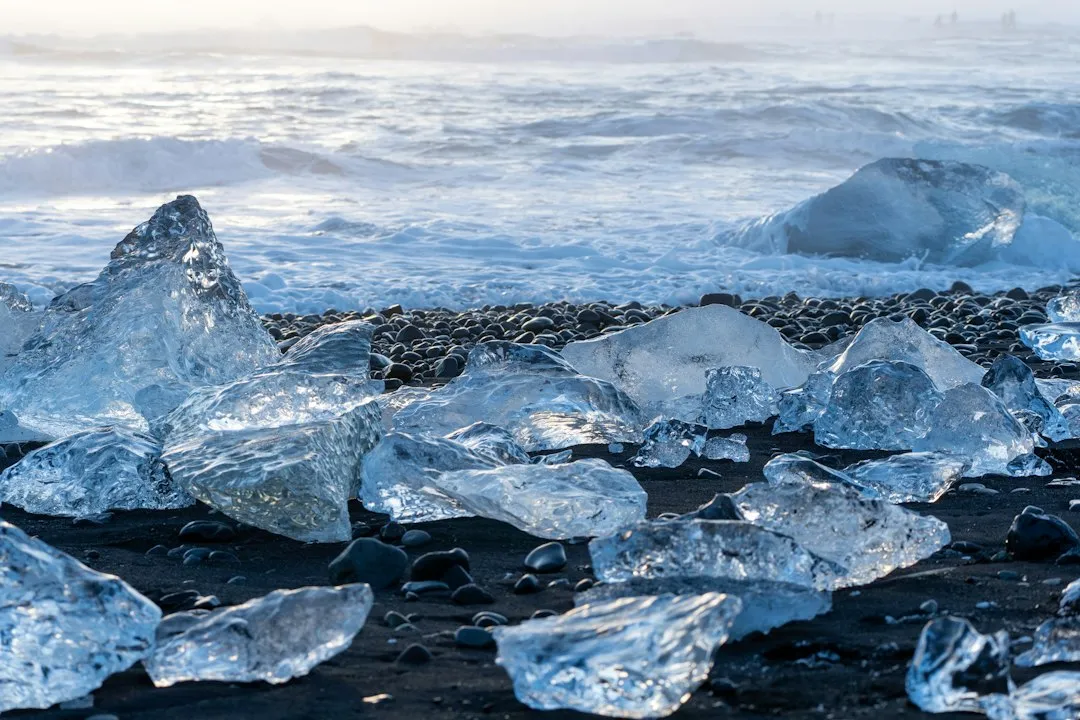
Not all of Iceland’s black sand beaches tell exactly the same geological story. Diamond Beach, on the southeast coast, adds a layer of spectacle that is entirely its own. Diamond Beach is a strip of jet-black sand covered in sparkling chunks of ice. The beach is a stone’s throw away from Iceland’s Jökulsárlón glacier lagoon, a clear lake that ferries giant icebergs to the Atlantic Ocean.
Blocks of ice wash up on Diamond Beach, where they glisten like gemstones strewn across the black sand. The “diamond” effect grows stronger with time, as the waves and wind polish the stranded ice chunks. The contrast between the glacial white and the volcanic black is as visually arresting as it sounds. Diamond Beach sits downstream from Europe’s largest ice cap, Vatnajökull, which is rimmed on all sides by glaciers.
The Beaches Are Actively Changing
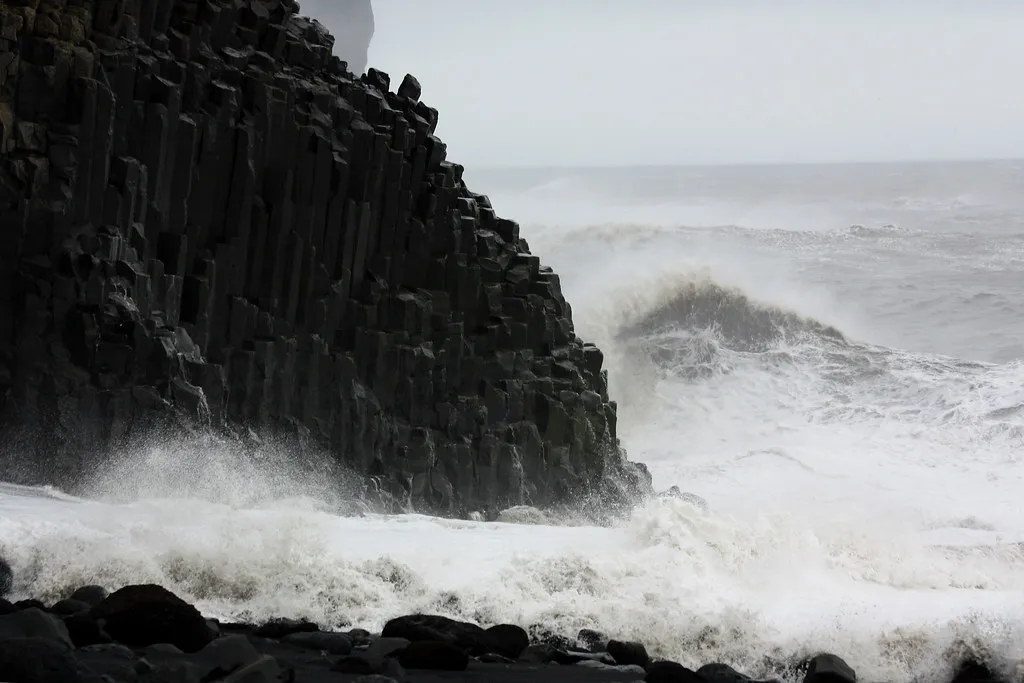
Although Iceland’s black beaches were formed over thousands of years, they continue to change today. Recent winters have made that visible in dramatic ways. The main cause at Reynisfjara was an unusually long period of strong easterly winds over the winter of 2025 to 2026. These winds drove powerful waves toward the South Coast and pushed sand westward, cutting off the natural supply of new sand that normally arrives from the east.
In February 2026, winter storms and a landslide narrowed the beach. The geological forces that created these shores are the same ones that keep reshaping them. The lower beach area has been reduced by erosion, and the columns are often close to the waterline and may not be safely reachable. Iceland’s coastline is not static; it never really has been.
Visiting Responsibly and Safely
Reynisfjara has killed and seriously injured visitors with regularity. The beach receives “sneaker waves,” individual waves that are significantly larger than the background swell, arriving without predictable pattern. Waves have reached 20 to 25 metres up the beach within seconds.
The jet-black volcanic sand, towering basalt columns, and dramatic sea stacks at Reynisfjara make for extraordinary photographs, but the Atlantic’s sneaker waves have killed at least six people here since 2007, including one in August 2025. Since then, safety rules have been tightened. Following the August 2025 death in Hálsanefshellir Cave, the cave and basalt columns are now closed during red warnings. The beach rewards those who respect it. Visitors who come informed, stay alert, and follow the warning system will find one of the most geologically remarkable landscapes on earth.
A Living Geological Record
Iceland’s black sand beaches are not simply photogenic curiosities. They are the visible outcome of one of the most geologically active settings on the planet, a place where tectonic plates pull apart, lava meets cold ocean water, and the cycle of creation and erosion keeps turning. It is estimated that roughly a third of all the basaltic lava erupted in the world in recorded history has been produced by Icelandic eruptions.
That figure alone reframes everything you see when you stand on a beach like Reynisfjara. The sand under your feet is not just scenery. It is the residue of millions of years of geological consequence, still accumulating, still shifting, still being made. That’s worth the journey in itself.
AI Disclaimer: This article was created with the assistance of AI tools and reviewed by a human editor.