
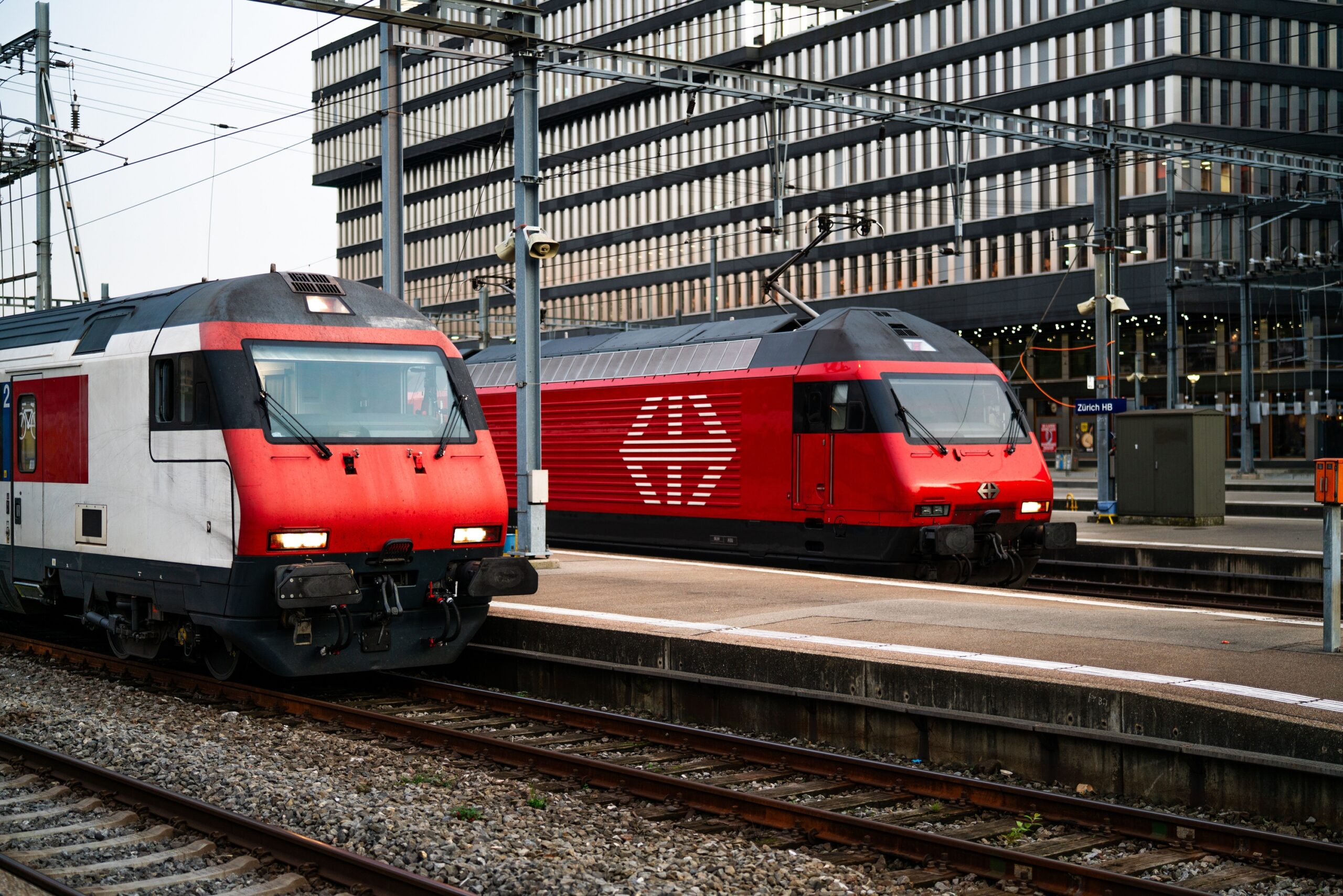

Traveling through Switzerland by rail, you’ll notice something that might surprise a visitor from almost anywhere else in the world: a golden retriever sitting calmly under a seat, its owner scanning a ticket that was purchased specifically in its name. No one on the platform looks twice. In Switzerland, this is simply how things work.
The practice reflects a country where precision, animal welfare, and public infrastructure are deeply intertwined. It isn’t a quirk or an oversight. It’s policy, it’s culture, and it’s backed by a detailed ticketing system that covers everything from day passes to yearly subscriptions. Here’s why it works, how it works, and what it says about Switzerland.
The Rule Is Clear: Every Dog Pays
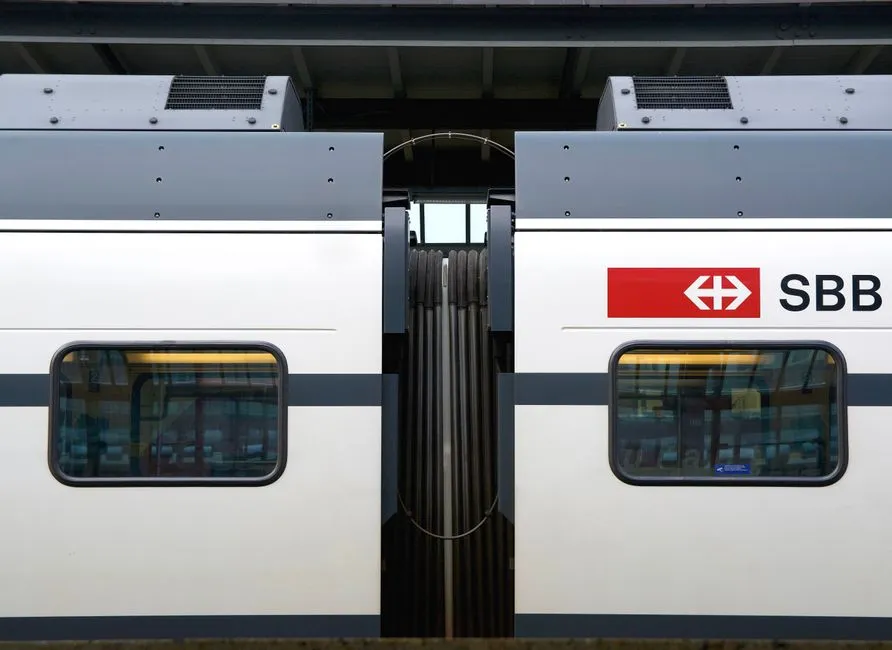
Dogs of any size traveling in passenger carriages or luggage vans must always pay second-class half fare or the stipulated minimum fare. This applies to essentially every dog you bring aboard an SBB train, regardless of breed, temperament, or size. The rule isn’t ambiguous, even if enforcement has sometimes been inconsistent in practice.
Dogs must sit under your seat so that passage is not blocked for other passengers. This isn’t just etiquette. It’s a formal requirement on the network, keeping aisles clear and ensuring other travelers are comfortable. The expectation is that your dog behaves accordingly.
One Exception: Very Small Dogs in Carriers
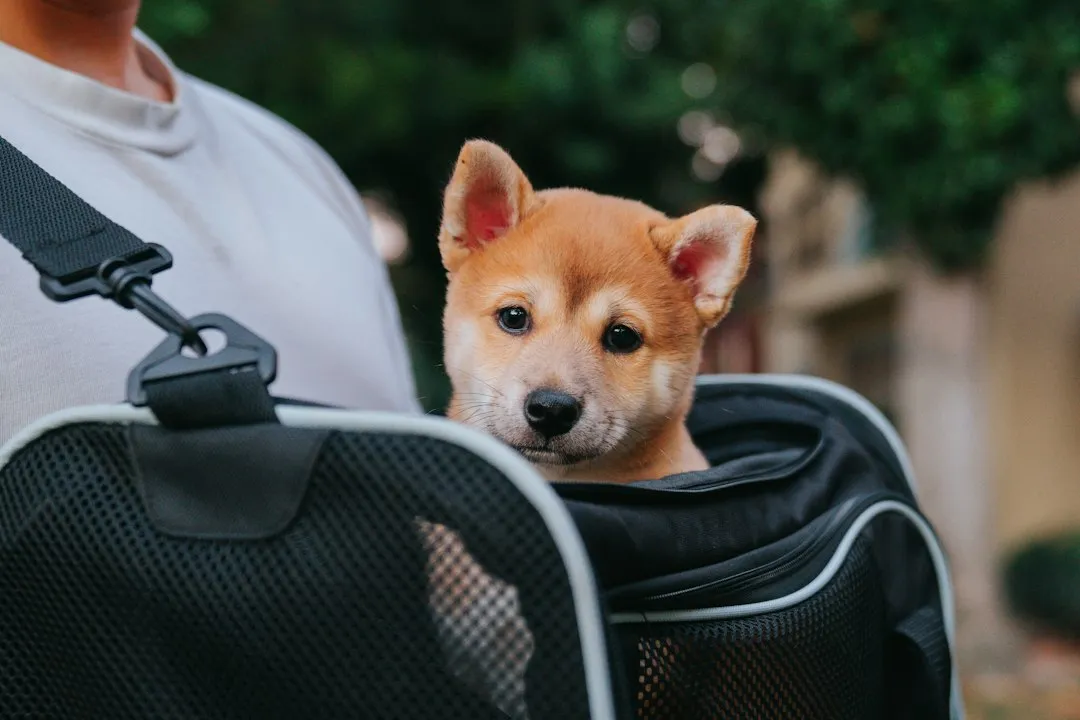
Small dogs up to 30 cm high at the top of their shoulder blades can travel free of charge as carriage hand luggage, provided they are in a transport box, basket, or other animal-friendly container and placed under your seat. This is a practical concession for dogs that are genuinely compact enough to be treated like a piece of hand baggage.
However, once the dog is removed from its container, a separate ticket must be purchased for the dog. The free ride depends entirely on the dog staying in its carrier. The moment it steps out, the ticketing rules kick in immediately. It’s a logical and cleanly enforced boundary.
The Ticket Options: Day Pass, Monthly, or Yearly

If you are in possession of a valid ticket, your dog can enjoy unlimited travel by train, boat, Postbus, and most Swiss urban public transport services for a Day Pass Dogs for just CHF 25. This is the most practical option for tourists or occasional travelers who want to bring their dog along for a full day of exploring.
If you look after a dog for a certain period of time, you can take it with you on public transport for CHF 60 per month. If your dog regularly comes along with you on the train, it’s well worth buying the attractive Dog Pass for CHF 350 a year. The yearly pass is loaded onto the owner’s personal SwissPass card, making it seamless to use day to day.
Day Pass Dogs and Dog Pass are valid for both first and second class, but the person accompanying the dog must hold a valid ticket for the appropriate class. So you can’t send your dog on a first-class journey while you ride second-class. The ticket covers your companion, not an independent traveler.
Buying the Ticket Is Genuinely Easy
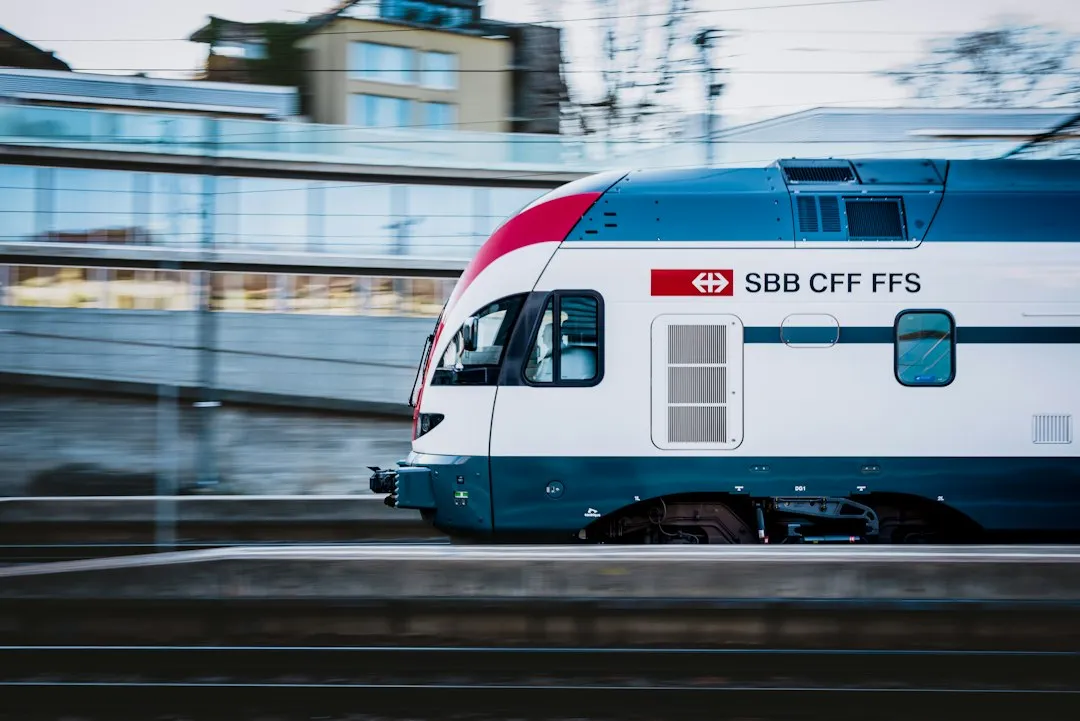
When you buy online or via mobile, you can add tickets for one or more dogs or buy them separately. The SBB mobile app and website treat dog tickets as a standard line item, not a special request or a customer service call. It’s built into the same interface you use for your own ticket.
Point-to-point tickets for single trips or return trips can be purchased online, via mobile, at ticket machines, and at staffed points of sale. Every channel that works for a human ticket works for a dog ticket too. That consistency matters in a country where the entire transport system is designed to function without friction.
Working Dogs and Assistance Dogs: A Different Category
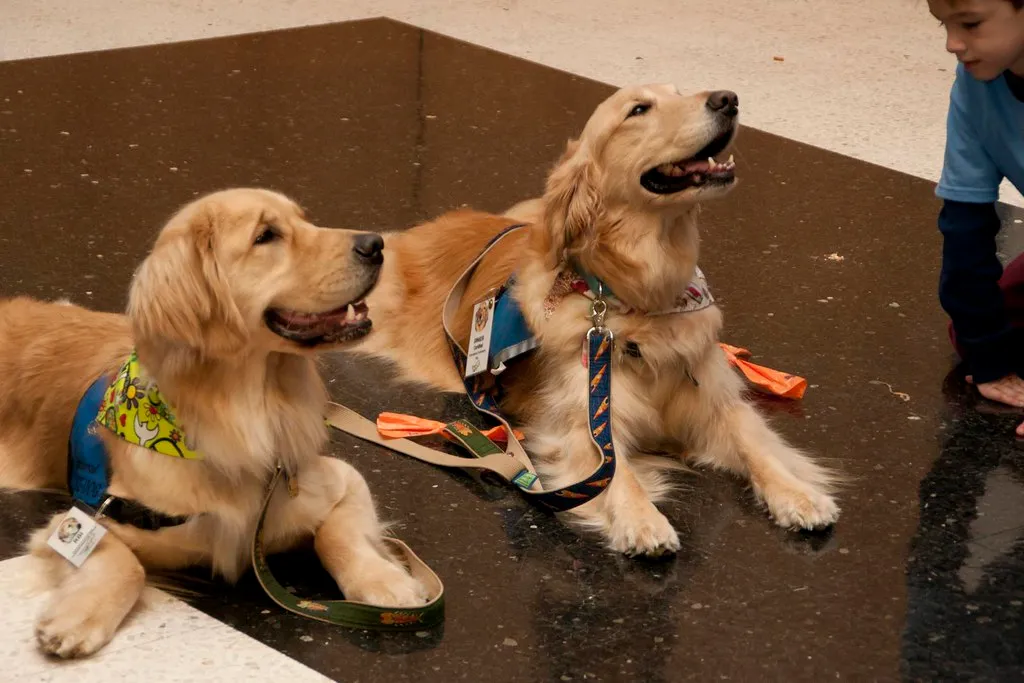
The free-ride rule applies to assistance dogs, as well as those still in training, guide dogs, mobility support dogs, diabetes and epilepsy alert dogs, and hearing dogs. Working dogs such as service dogs, search dogs, rescue dogs, and avalanche and disaster dogs can also ride for free. These exemptions reflect a thoughtful distinction between pets and animals performing essential functions in society.
Guard dogs, cattle dogs, hunting dogs, and therapy dogs are explicitly excluded from the free-ride rule, SBB says. The line is drawn carefully. A dog guiding a blind person gets a free pass. A dog used for hunting does not. The classification is deliberate, not arbitrary.
Regional Variations Add a Little Flexibility
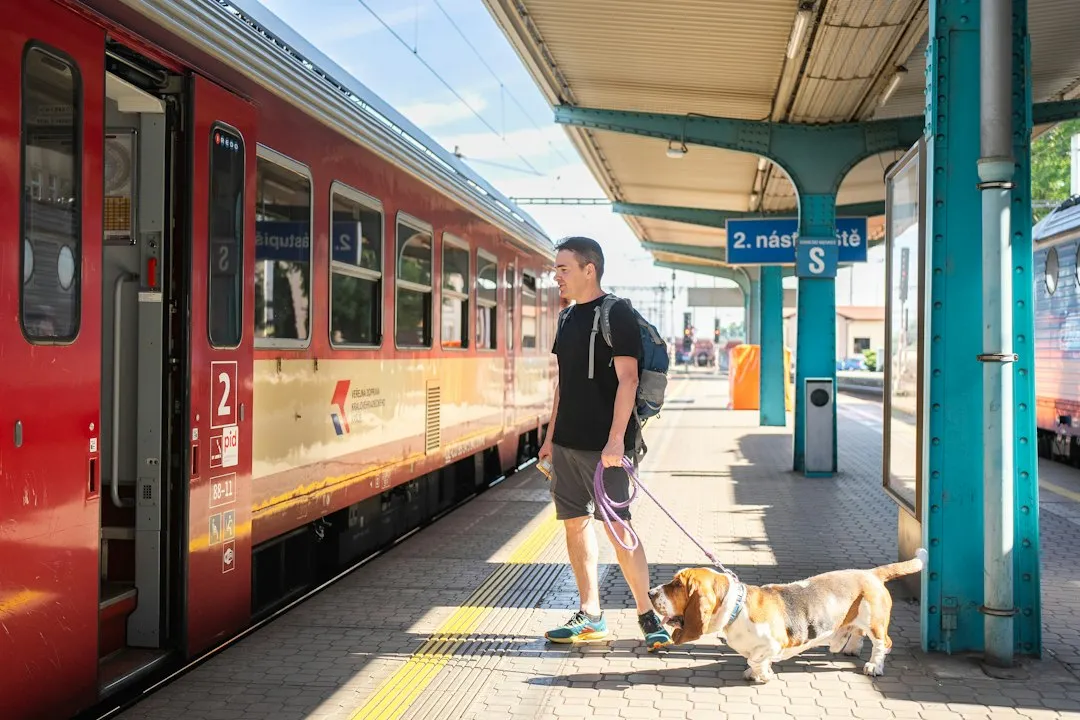
Regional train companies may have their own rules, though these are generally quite similar to the rules for national SBB trains. To mention just one exception: all dogs travel for free on the trains between Interlaken and Grindelwald, Lauterbrunnen, and Wengen. These regional differences are worth checking before you travel, especially if you’re heading into the Alps.
Dogs are allowed on pretty much all Swiss mountain routes, including cable cars, cogwheel trains, and other mountain transport. In many cases, you can take them along for free, though some popular mountain destinations may charge. The spirit of the system is consistent: dogs are welcome, the rules are clear, and you generally know what to expect before you board.
Switzerland’s Deep Culture of Dog Ownership
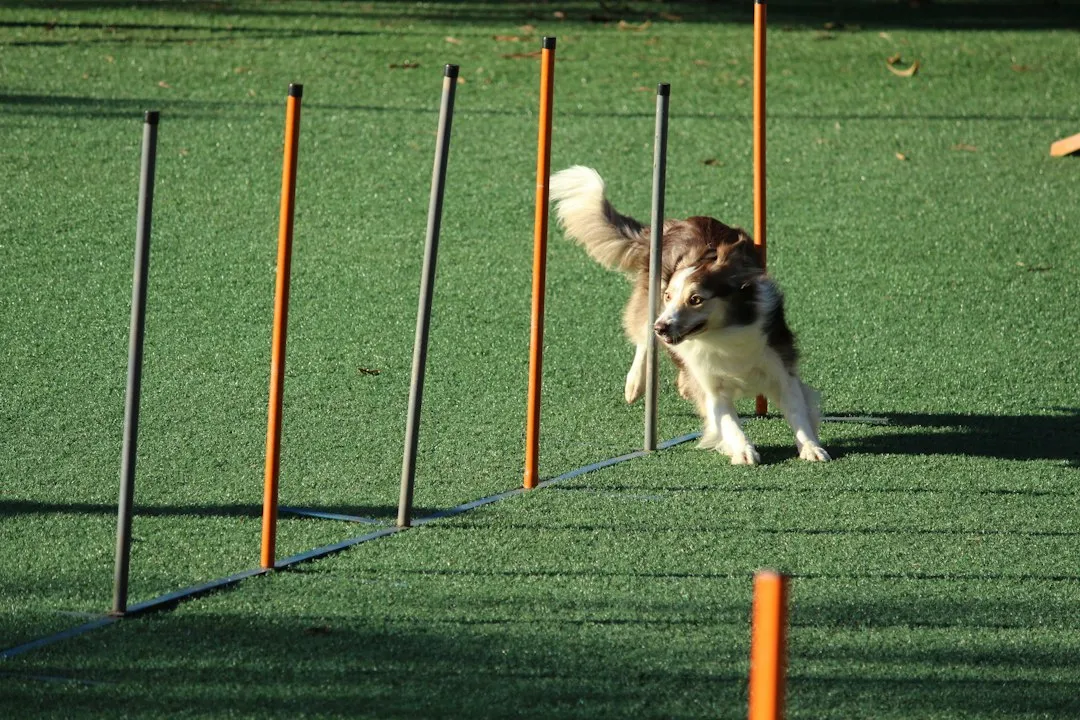
Switzerland is home to around 550,000 dogs. That’s a significant number for a country of roughly nine million people. Around 43 percent of Swiss households have a pet as of 2024, and dog registration is mandatory, requiring microchipping and registration in the AMICUS database by three months of age.
It is absolutely expected that dogs are very well trained. Almost all Swiss dogs go to “dog school” to be well behaved in public and socialized. Barking, growling, and poor behavior in public is very frowned upon. This behavioral standard is part of why the system works. A well-trained dog under a seat causes essentially no disruption to other passengers.
The Legal Framework Behind Dog Ownership
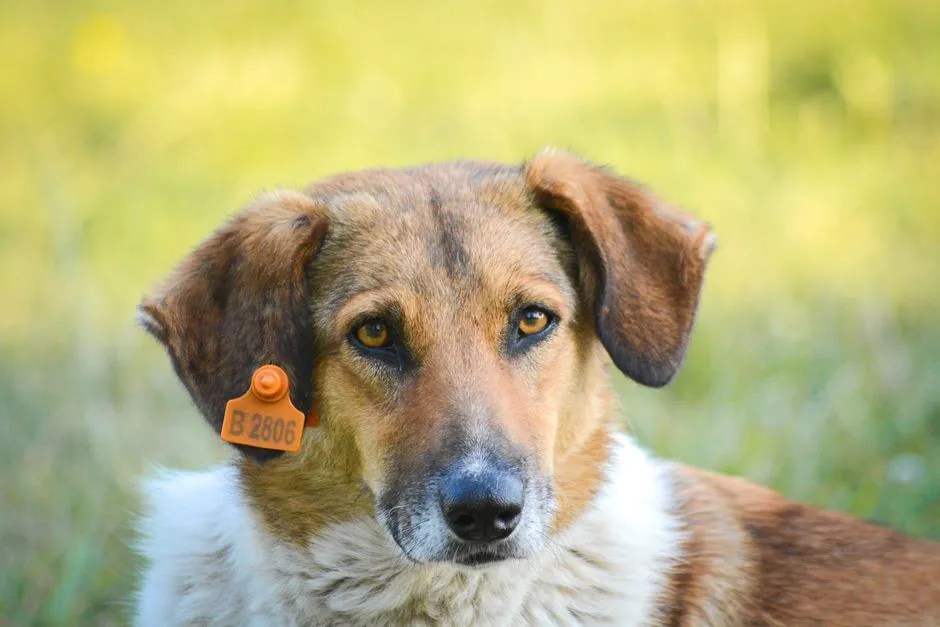
Every dog owner must formally register their animal with the local commune and pay an annual dog ownership tax. The precise amount varies from canton to canton, but generally falls between CHF 40 and CHF 150 per year as of 2024. Owning a dog in Switzerland carries real responsibilities, and that culture of accountability extends naturally to public transport.
Switzerland’s combination of rigorous registration requirements, compulsory microchipping, and a well-functioning shelter network means that ownerless animals are rarely encountered in public. This is not a country where pet ownership is taken lightly, and the train ticket rule fits comfortably within that broader regulatory ethic.
The SwissPass Connection

The Dog Pass is issued to one fixed companion and is loaded on this person’s personal SwissPass. The SwissPass is Switzerland’s unified travel card, used by millions for rail, bus, and boat travel across the country. Integrating the dog pass into this system gives it the same legitimacy as any other travel credential.
For CHF 60, the Monthly Dog Pass can be added to your SwissPass and allows unlimited travel for your dog throughout the month. The dog will not receive its own SwissPass, and this pass is referenced to the owner’s SwissPass. So while the dog technically has its own travel authorization, it travels under the owner’s identity in the system. A subtle but meaningful distinction.
What This System Reveals About Switzerland
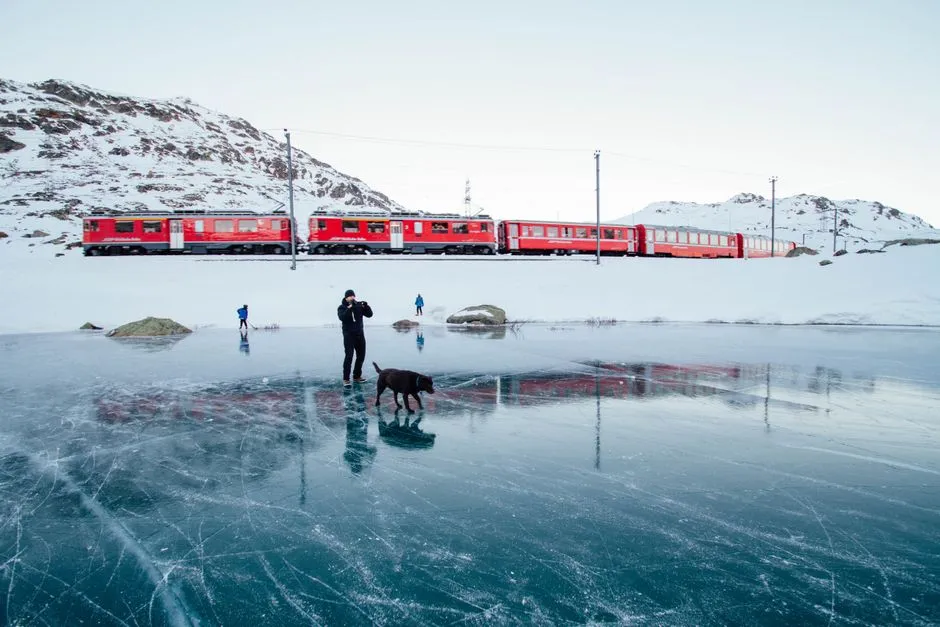
The whole of Switzerland is covered by a frequent, punctual, and efficient integrated train network that’s really easy to use. The dog ticket fits naturally into this framework. If the network is built on the assumption that every person pays their fair share and follows a clear set of rules, it makes sense to extend the same logic to animals traveling in the same carriages.
Dogs are allowed in public transport and in most restaurants. Yes, dogs are allowed in any form of public transport such as trains, buses, ships, gondolas, or cogwheel trains. The integration is comprehensive. This isn’t a grudging accommodation. It’s a genuine design choice built into how Switzerland thinks about shared public space.
Final Thoughts
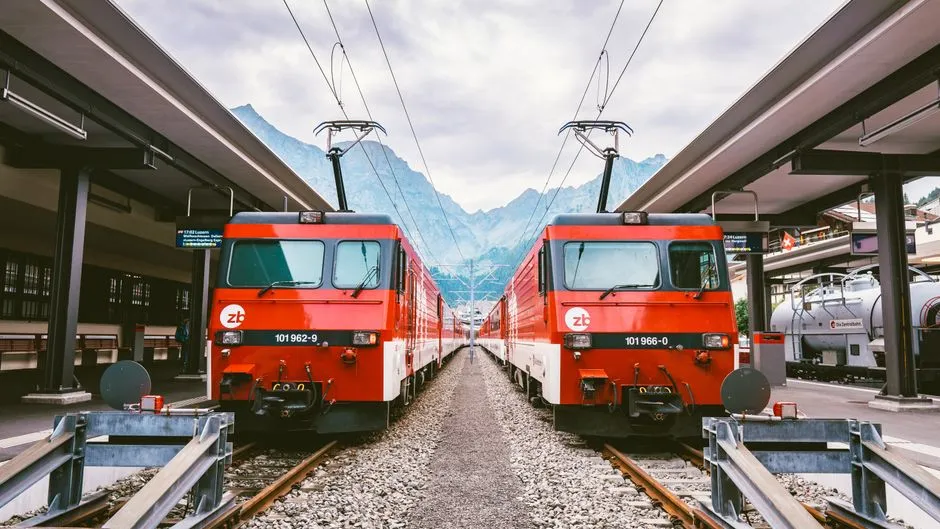
The Swiss dog train ticket isn’t really about the ticket itself. It’s a small, precise expression of a broader national character: one that values order, animal welfare, and the idea that shared spaces work best when everyone, including four-legged passengers, follows clear and fair rules.
For travelers arriving from countries where taking a dog on public transport feels like a minor act of rebellion, Switzerland offers a different vision entirely. Here, a dog with a Day Pass is simply a passenger. And the train runs on time regardless.
AI Disclaimer: This article was created with the assistance of AI tools and reviewed by a human editor.