

The Wall Behind You Is the Simplest Explanation
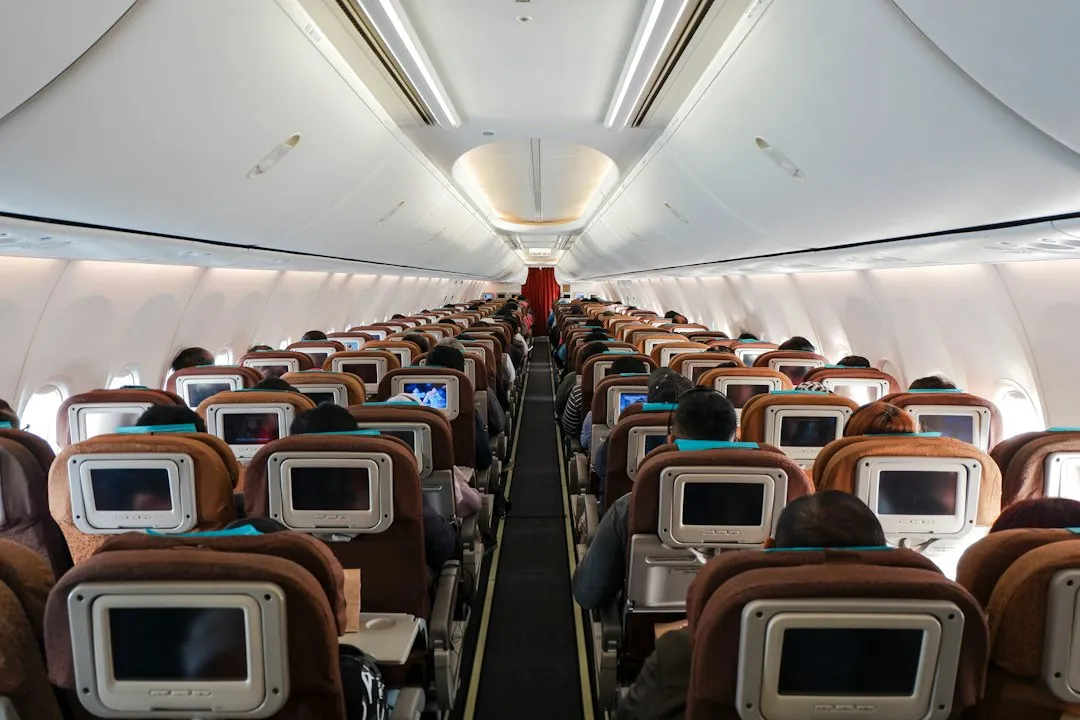
If you’re seated in the last row against the bulkhead, your seat can’t recline because there’s a wall directly behind it. There’s simply no physical space for the seatback to travel into. Unlike every other row in the cabin, the last row has no gap between its backrest and the rear structure of the aircraft.
The most common culprit is the very last row of a cabin, which usually backs onto a wall, the rear galley, or the lavatory, so the seatback has nowhere to go. Think of it less as a design punishment and more as a simple consequence of geometry. The seat mechanism is there, but the space to use it isn’t.
What the Rear Bulkhead Actually Is
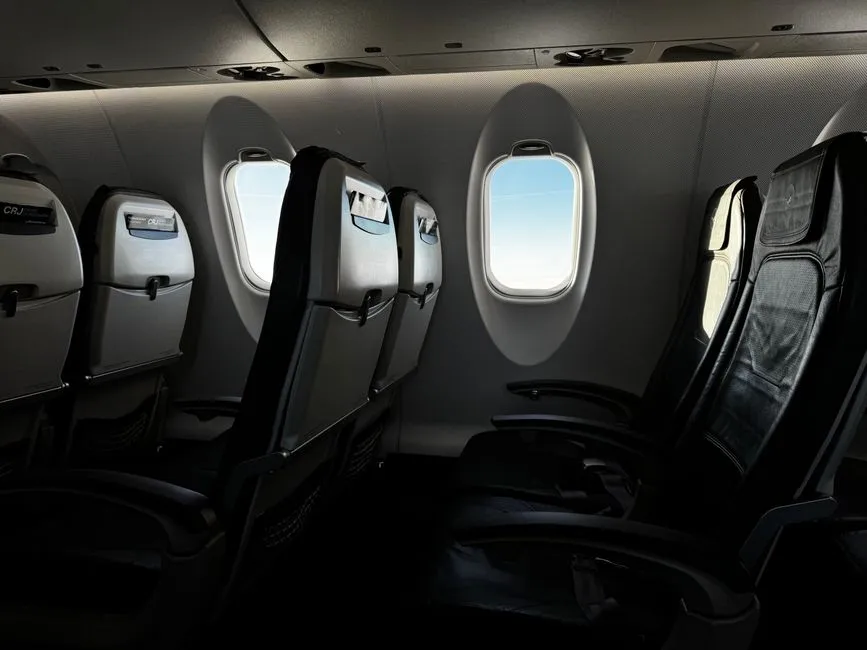
A bulkhead seat typically has a wall behind it, which could be the class divider, a galley, a lavatory, or even a closet. On most commercial aircraft, the rear of the cabin houses one or more lavatories alongside a galley workspace for the crew. These fixed structures sit right up against the final row of seats.
It is simply physics: a galley wall, bulkhead, or lavatory directly behind a seat leaves no room to tilt back. Airlines don’t engineer this restriction to frustrate passengers; it’s a consequence of how every inch of the rear fuselage is used. Lavatories, crew jump seats, and galley carts all compete for that same real estate.
It’s Not Always a Complete Block
A few aircraft leave a small gap that allows limited recline, so it’s worth confirming on the seat map rather than assuming either way. The experience varies considerably depending on the aircraft type and airline configuration. Some passengers in the last row find they get a modest tilt; others find the seat completely fixed.
A Boeing 737 might have last-row seats with some recline, while an Airbus A320 might not. This inconsistency across fleets is part of why the last row has such a mixed reputation. The same airline can offer a different experience depending entirely on which aircraft operates your specific route.
Safety Rules Play a Role Too
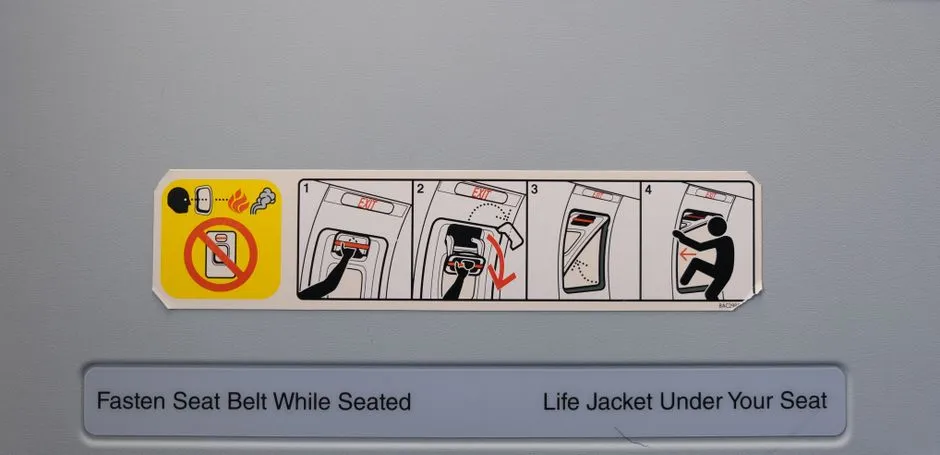
Typically, the rear row of the cabin has rear bulkheads that block the recline, or seats immediately in front of the emergency exit, where reclining seats might restrict access to the emergency exit, creating potential evacuation and other safety hazards. Safety is not the primary reason the last row is fixed, but it can be a contributing factor when that final row also sits adjacent to exit zones.
Seats directly in front of an emergency exit row are locked in the upright position to maintain an unobstructed path for evacuations. That is usually to prevent obstruction and allow more space in case of any emergencies occurring, enabling passengers to use the exits faster and more easily. When both constraints apply to the same row, the seat ends up with two separate reasons to stay upright.
The Row in Front of an Exit Is a Different Problem
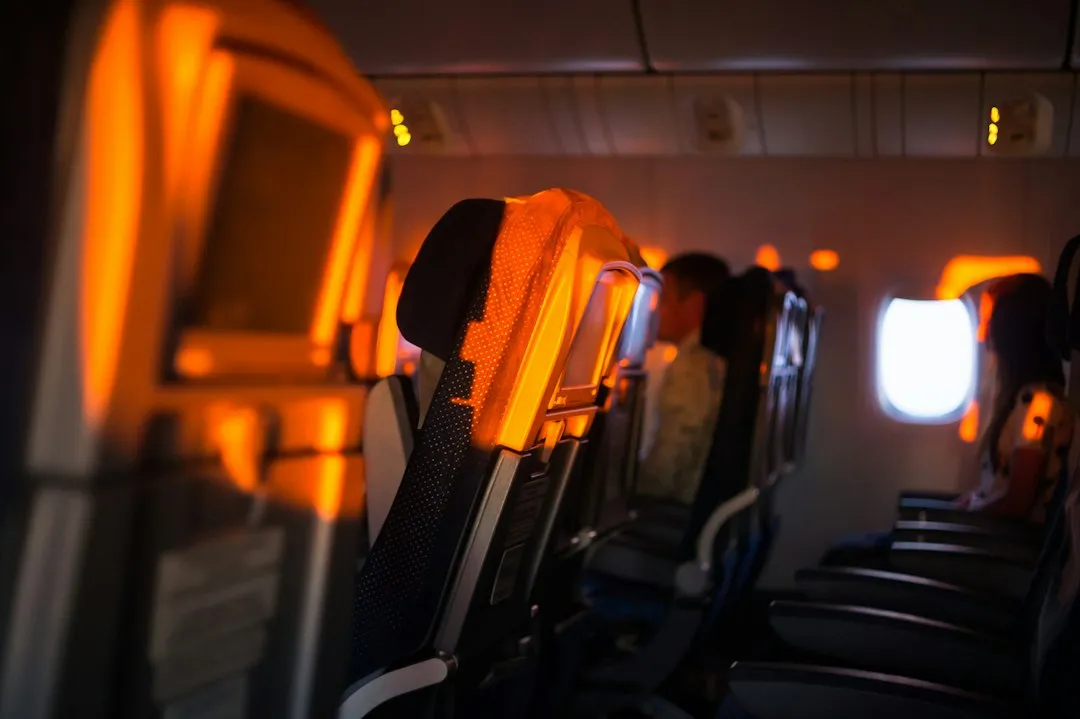
If you are in favor of reclining your seat on an airplane, you should avoid the seats directly in front of the exit row, as they don’t recline. The rows in front of the exit rows usually have restricted reclining. Many travelers know to look for exit row seats because of the extra legroom. Far fewer realize that the row just ahead of those exits is where recline goes to die.
Some of these seats don’t even include a standard tray table, since the person in the exit row behind must have nothing blocking their space. So beyond the recline issue, passengers in this row sometimes find themselves without a standard tray table as well. It can feel like a double hit on comfort, especially on longer routes.
How Much Recline Are Other Rows Actually Getting?
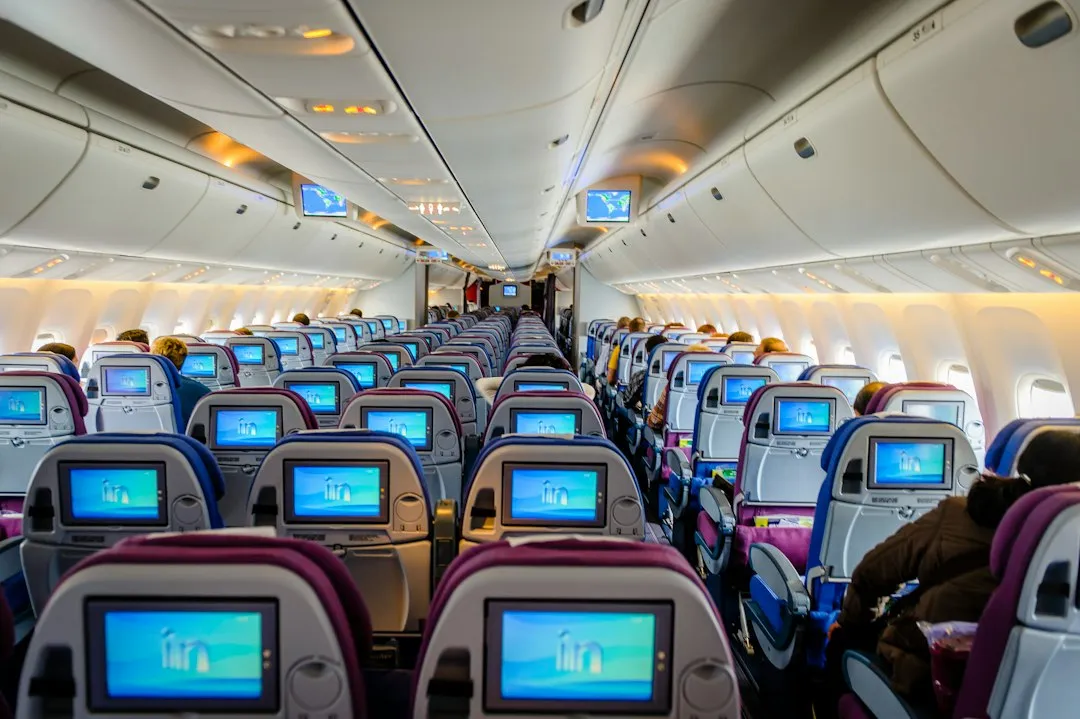
The standard economy seat is 17 to 18.5 inches wide with 30 to 32 inches of pitch and three to four inches of recline, along with a tray table and a seat-back pocket. So even passengers who can recline aren’t exactly luxuriating. The gap between a reclining seat and a fixed one amounts to a few inches of backward tilt, which still makes a meaningful difference on a long-haul flight.
Airlines specify recline in terms of the backward travel of the seatback top, typically between two and eight inches in economy, or as an angle of typically five to eighteen degrees in economy, up to 180 degrees for fully flat beds. The numbers sound modest, but that small movement changes your posture enough to make sleeping or resting noticeably easier. For the last row, that option simply isn’t on the table.
Airlines Are Actually Reducing Recline Across the Board
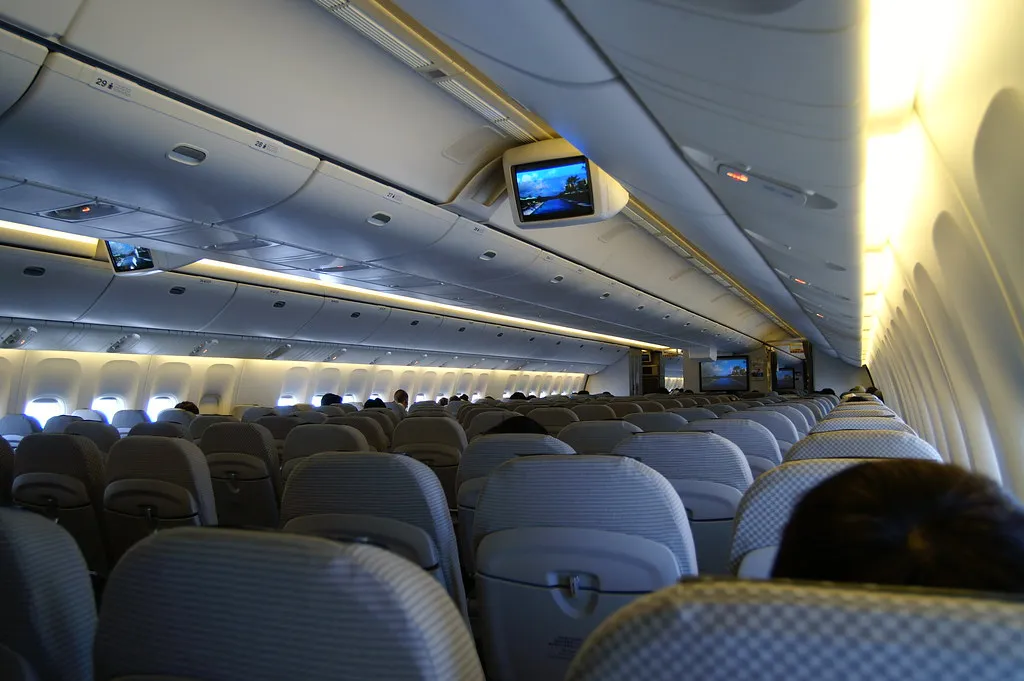
Airlines are experimenting with a new type of economy seat that reclines only a limited amount. Delta and United are leading the way in making economy seats recline less, with Delta recently reducing the recline on their Airbus A320s from four inches to just two inches. This broader trend means the gap between last-row seats and the rest of the cabin is narrowing, even if it hasn’t disappeared entirely.
Changes have come to some WestJet flights, including updated economy seats with non-adjustable recline in most areas of economy class. The new seats feature adjustable headrests and enhanced cushion and back support, but with a fixed recline design, meaning passengers can no longer adjust the recline for most economy seats. This direction in cabin design reflects a broader rethink about whether recline is a passenger right or simply a source of cabin conflict.
Seat Maps and Review Sites Can Save You the Surprise
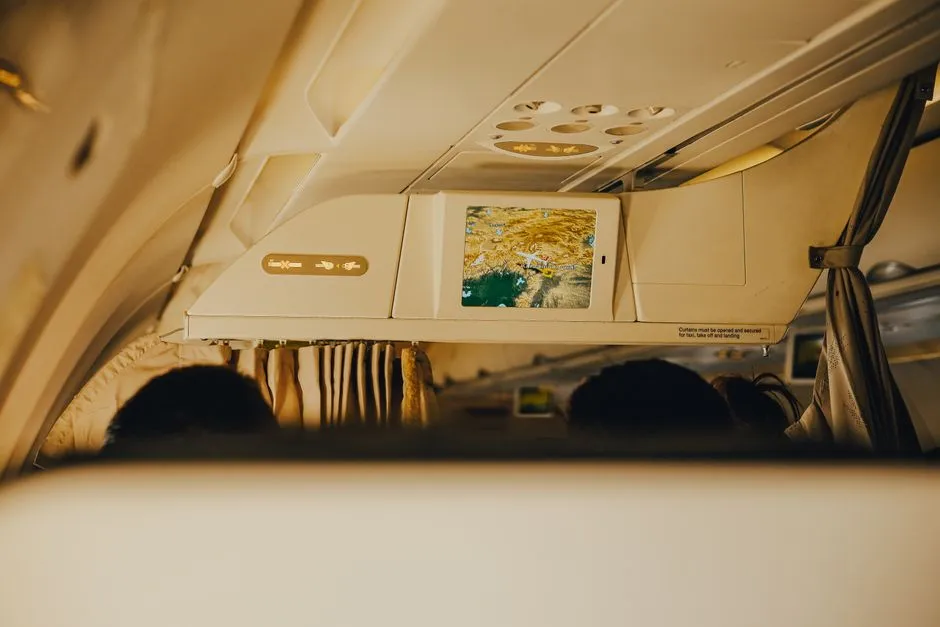
Independent seat review sites such as SeatGuru often warn passengers against seats with no recline. These tools give a row-by-row breakdown of a specific aircraft configuration, which is far more reliable than making assumptions based on the airline’s general reputation. A seat listed in red or flagged with a warning usually means limited or no recline.
It’s also worth re-checking your seat if the airline swaps the aircraft, since the layout, and your recline capability, can change entirely. Aircraft swaps happen more often than most passengers realize, and what was a standard reclining seat on one plane can become a fixed seat on a replacement aircraft. Checking closer to departure is a worthwhile habit.
The Trade-offs of Sitting Back There
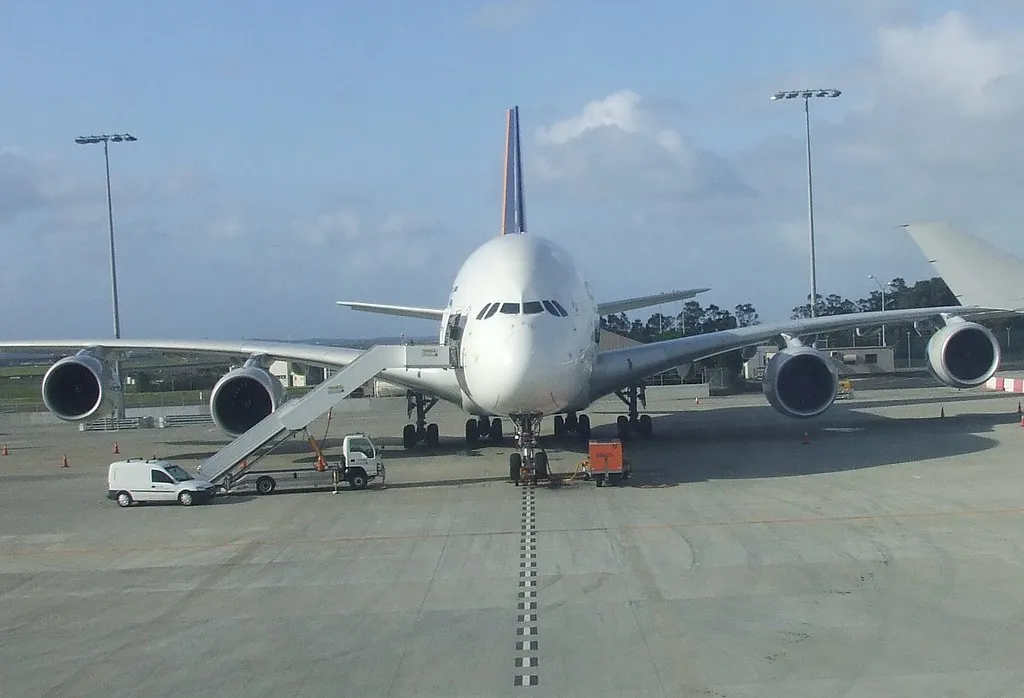
Being in the last row means the seat often has no recline at all, not even a limited recline. Just behind the last row is typically a pair of lavatories. The proximity to lavatories brings its own considerations: foot traffic, odor, and noise from flushing can all be more pronounced when you’re sitting directly against that rear wall.
Usually, the seats in the last row of the plane are just like all the others, except there is nobody sitting behind you. Assuming your seat still has full recline, this means you can recline without worrying about inconveniencing anybody. On the aircraft types where the last row does recline, that absence of a neighbor behind you becomes a genuine perk. But it’s a conditional advantage, and it pays to verify before you book.
Low-Cost Carriers Take It Even Further
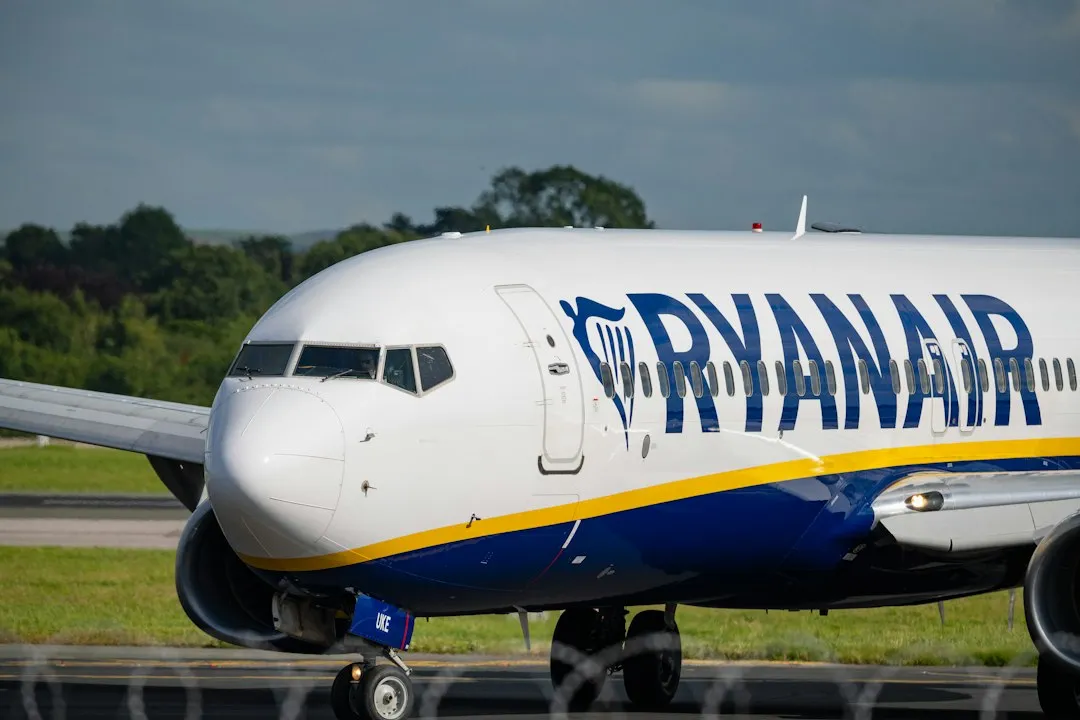
Ryanair has installed non-reclining seats without seat pockets, with safety manuals stitched to the seatback instead. Some budget carriers have removed the recline mechanism from every seat in the cabin, which effectively levels the playing field. On these flights, the last row is no different from any other row in terms of what you can and can’t do.
Fixed seat angles around 25 degrees can actually enhance the perception of space, and there is also a significant safety benefit, with studies showing that limited recline leads to faster evacuations during emergencies, as passengers have less obstruction in the aisles. Whether passengers agree that the comfort trade-off is worth it remains a lively debate, but the structural logic behind fixed seats is more grounded than it first appears.
The Takeaway
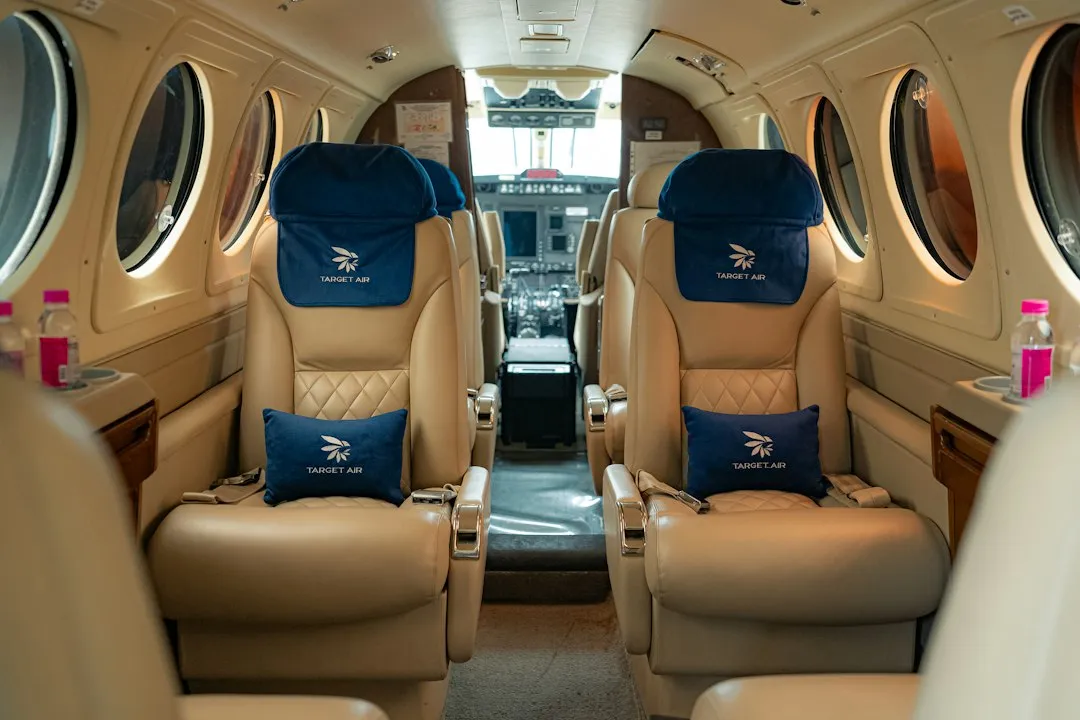
The last row’s refusal to recline isn’t a quirk or an error. It is the direct result of a wall sitting immediately behind the seatback, combined in some configurations with safety requirements tied to nearby exit doors and evacuation paths. Physics, aircraft design, and aviation safety rules converge at that back wall.
If recline matters to you on a long flight, checking the seat map before booking remains the most reliable safeguard. Tools like SeatGuru, the airline’s own seat map, and traveler review forums can flag fixed-recline rows before you commit to a specific seat. A little research at the booking stage is a far gentler lesson than discovering the problem mid-flight at 35,000 feet.
AI Disclaimer: This article was created with the assistance of AI tools and reviewed by a human editor.