

Most people who visit Times Square never stop to wonder where the name actually comes from. They assume it has something to do with time, with clocks, or with the relentless forward march of a city that never sleeps. The real story is quieter and more specific than that – rooted in a single newspaper, a single building, and a single April morning in 1904.
The name traces back to a publisher’s ambition, a mayor’s signature, and the opening of New York’s first subway line. These three things arrived almost simultaneously, and when they did, they changed what a mid-Manhattan intersection could become.
The Horse District That Came Before

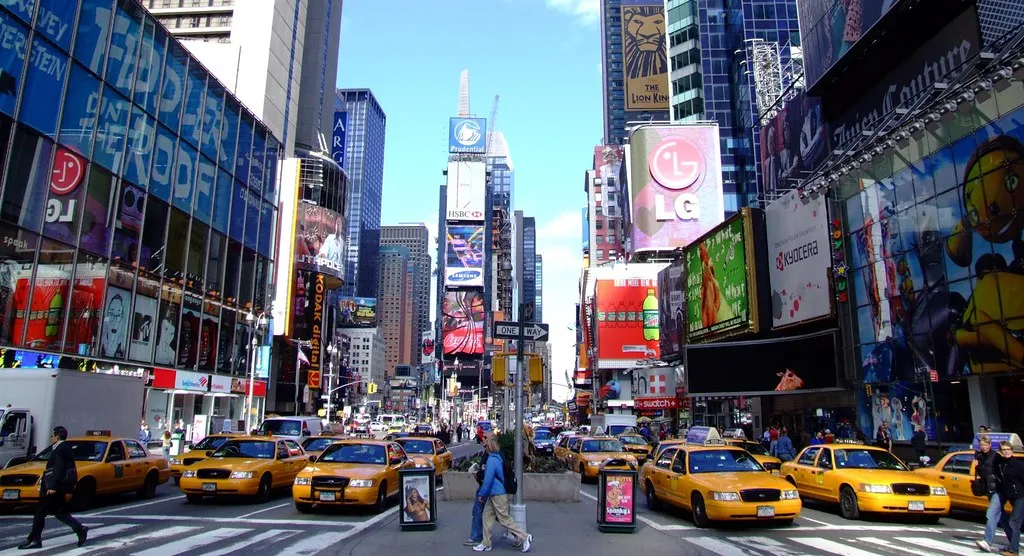
In the mid-19th century, the area now known as Times Square was a bustling but unglamorous carriage district called Longacre Square. Stables, blacksmiths, harness-makers, and carriage manufacturers crowded the blocks between 42nd and 47th Streets where Broadway crosses 7th Avenue.
It was dubbed Longacre Square after London’s Long Acre, the street where many coach makers ran their businesses. The connection to London’s trade district gave the name a certain practical logic – New York borrowed it the way cities often borrow prestige from older ones.
The area was the heart of New York’s horse-and-carriage trade, the equivalent of an auto garage district today. The streets were lined with stables, riding schools, and even the American Horse Exchange, where prized racehorses were bought and sold.
The Man Behind the Move: Adolph Ochs
The New York Times, which had always been respectable, though not dominant, was acquired by Adolph Ochs in 1896, and was really starting to take off. Ochs was an ambitious publisher who understood that a newspaper’s physical presence in a city said something about its ambitions.
In 1904, Adolph S. Ochs, who was the owner of the New York Times at the time, moved their main office to the brand new Times Tower in modern day Times Square. He chose this area for his new building as the New York subway had just opened, meaning New Yorkers could get around the city easier and it was in a central location.
Ochs chose the square as the location for his newspaper’s new headquarters, a soaring 25-story skyscraper named the Times Tower. It was a calculated bet on a neighborhood that most of the city still associated with horses and hay.
The Tower That Changed Everything
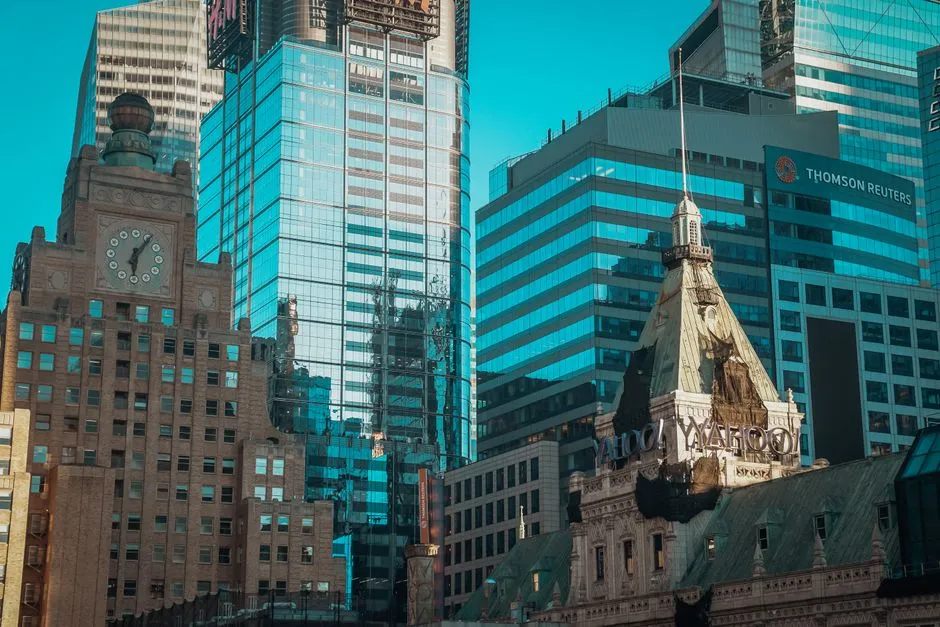
One Times Square is a 25-story, 363-foot-high skyscraper on Times Square in the Midtown Manhattan neighborhood of New York City. Designed by Cyrus L. W. Eidlitz in the neo-Gothic style, the tower was built in 1903–1904 as the headquarters of The New York Times.
At the time, the new 25-story Times Tower was the second tallest building in New York. Its height was not just engineering – it was a declaration, a flag planted in a neighborhood that had not previously attracted that kind of attention.
The New York Times purchased the Pabst Hotel between 42nd and 43rd, straddling Broadway and Seventh Avenue, and tore it down to build their fancy new office tower. The carriage district was quietly making way for something else entirely.
April 8, 1904: The Official Renaming
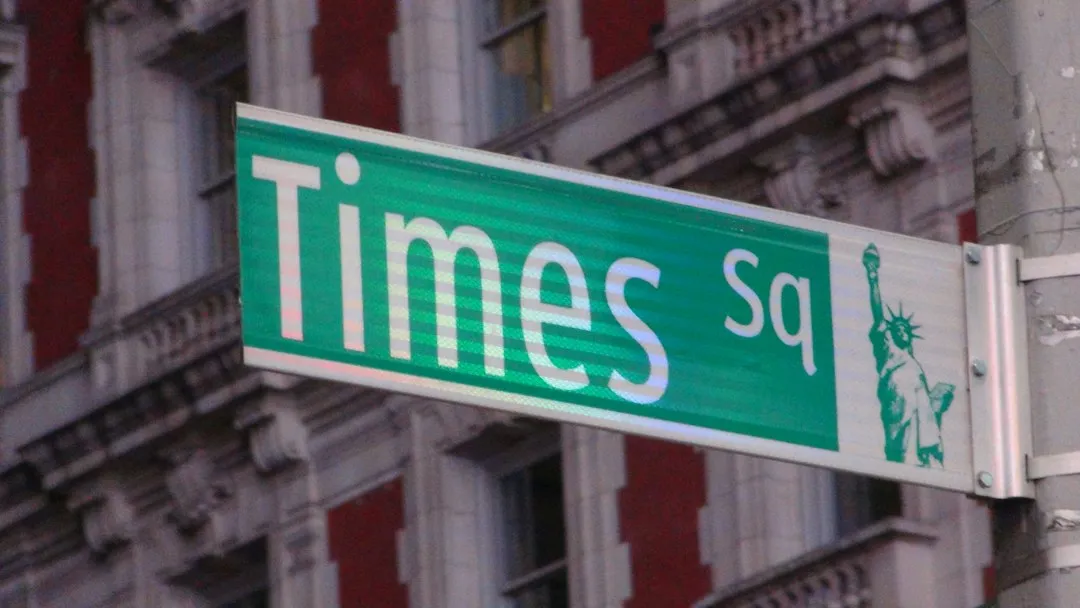
On April 8, 1904, the former horse-and-carriage district known as Longacre Square was renamed for a tenant who had just moved to the neighborhood. The New York Times was building a new office tower on the slim odd-shaped block at 42nd Street between Broadway and 7th Avenue.
Then-New York City Mayor George McClellan renamed the area from Long Acre Square to Times Square in 1904, according to the New York Times. The resolution had already been passed by the Board of Aldermen before the mayor signed it into effect that spring morning.
According to Ochs, the New York Times didn’t ask or suggest that the square be renamed after them, but it was done out of “necessity.” He said that they needed a name for the new subway station and other names that were suggested were already in use. Whether that version of events is entirely accurate remains a matter of some debate.
Did the Times Really Lobby for Its Own Name?
Ochs told the Syracuse Herald that “Times Square was named without any effort or suggestion on the part of The Times.” Yet the Times Square Alliance’s New Year’s Eve history says Ochs “had successfully lobbied the city” for the renaming, and the New York Public Library writes that The Times and the Interborough Rapid Transit Company together petitioned the city.
The discrepancy is a small but interesting wrinkle in an otherwise straightforward story. Publishers of major newspapers are rarely passive about their own legacies, and Ochs was no exception.
Publisher Adolph Ochs lobbied Mayor George McClellan to rename the district in the newspaper’s honour. The mayor agreed, and on April 8, 1904, Times Square was officially born. Whatever the precise sequence of persuasion, the outcome was the same.
The Subway Connection
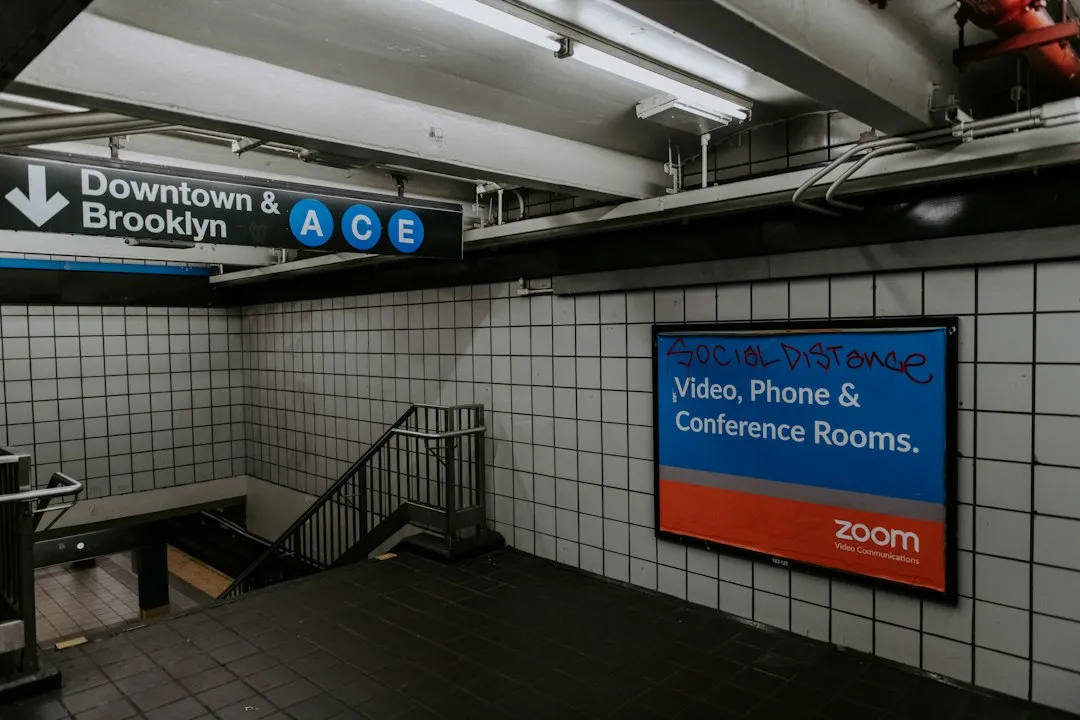
In October 1904, the Interborough Rapid Transit Company opened New York’s first subway line, with a station directly beneath Times Square at 42nd Street. The timing was not coincidental. The newspaper, the tower, and the train all arrived within months of each other.
The Rapid Transit Commission and the Interborough Rapid Transit Company intended to call the subway station at Broadway and Forty-Second Street “Times Station.” The name of the square and the name of the station were meant to reinforce each other.
The Times Square-42nd Street subway station is the busiest in the entire city, with an annual ridership of 57.7 million in 2024, nearly double that of Grand Central-42nd Street, the second busiest station in the system. The transportation logic Ochs and his contemporaries recognized in 1904 is still holding up more than a century later.
The Times Moved Out, the Name Stayed
In 1904 the tides turned when the square was renamed after The New York Times when the famous newspaper relocated its offices to the new Times Tower on the square. The New York Times only stayed in the building for a decade, outgrowing its offices there by 1913, but their residence in the square was a turning point for industry and advertising.
The New York Times actually moved offices again in 1913 because they needed more space, but the name stuck and we still call it Times Square today. That’s something worth pausing on – a newspaper spent less than a decade in a building, yet the name it lent to the neighborhood has lasted well over a century.
The square was named after The New York Times, which called the intersection home for many years in the 20th century. While the square’s namesake has long since moved to a new location, the tower still stands as a focal point.
The First New Year’s Eve Celebration
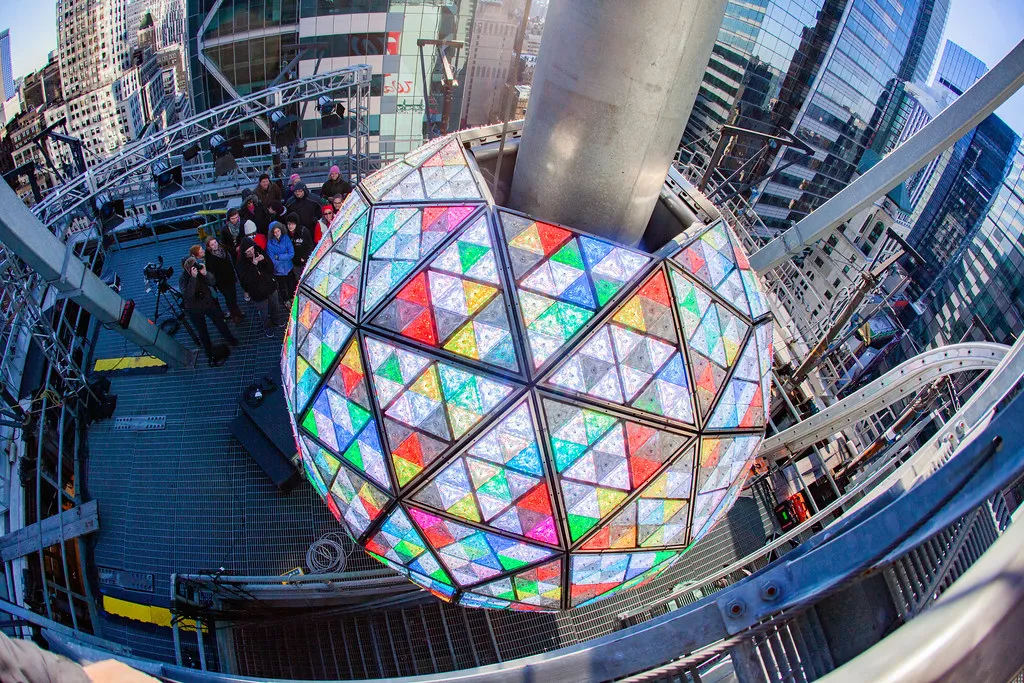
Adolph Ochs wanted to promote his newspaper’s new home with a spectacular event. He organized the first New Year’s Eve celebration in Times Square on December 31, 1904, which drew over 200,000 people for a massive fireworks display. It was a marketing move as much as a civic one.
New Yorkers began to use Times Square as a gathering place for large celebrations, like New Year’s Eve, and 1907 marked the first ever dropping of the ball when the Times themselves lowered a huge glass ball into the square to ring in a new year.
The Times Square Ball is a time ball located in New York City’s Times Square, inaugurated in 1907 and founded by Adolph Ochs. What started as a newspaper publisher’s promotional effort became one of the most watched annual events on earth.
Why It’s “Times” and Not “Time”
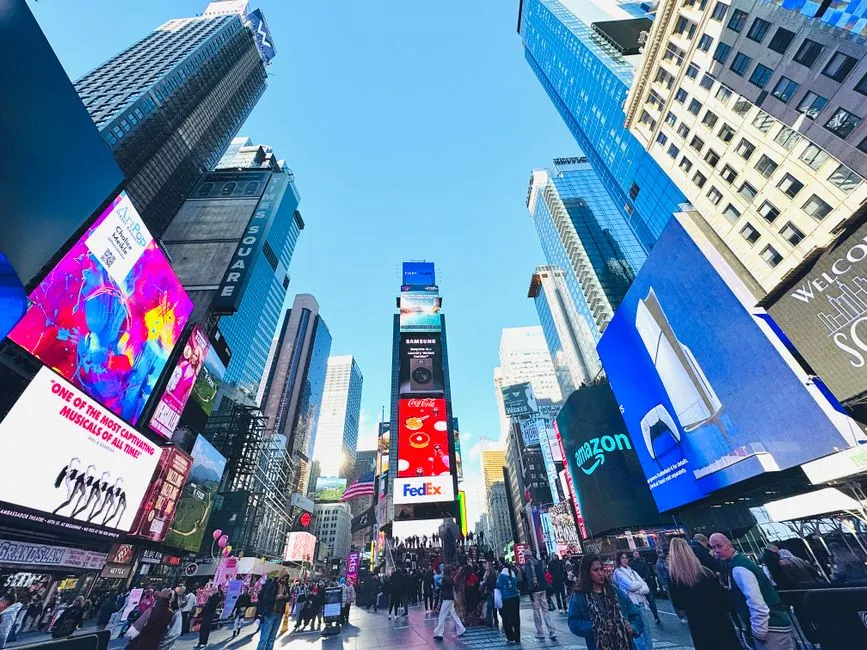
Times Square was named after The New York Times newspaper in 1904, not after the concept of time. This is one of the most common misconceptions about the name, and it’s an easy one to understand given how central time, clocks, and countdowns have become to the square’s identity.
Times Square was named after The New York Times newspaper when they moved their headquarters to the area in 1904. The plural “Times” comes from the newspaper name, not from time itself.
The confusion is understandable – an annual ball drop on New Year’s Eve, a countdown watched by millions, an obsession with the present moment. It all makes “time” feel like the obvious root. The actual root is ink, paper, and a publisher with something to prove.
Times Square Today: Scale and Numbers
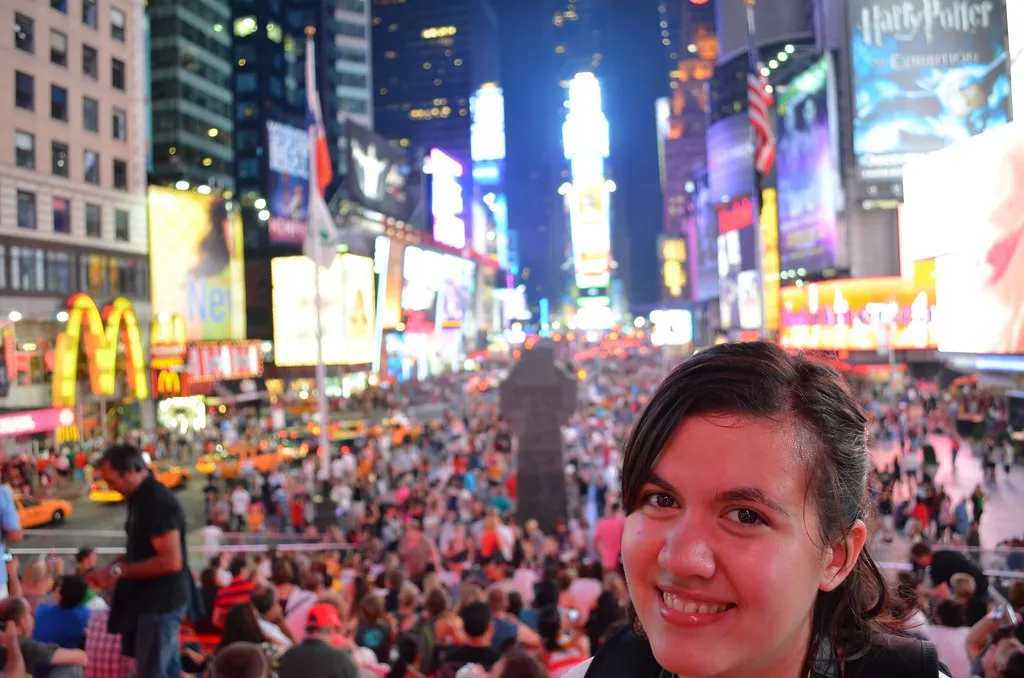
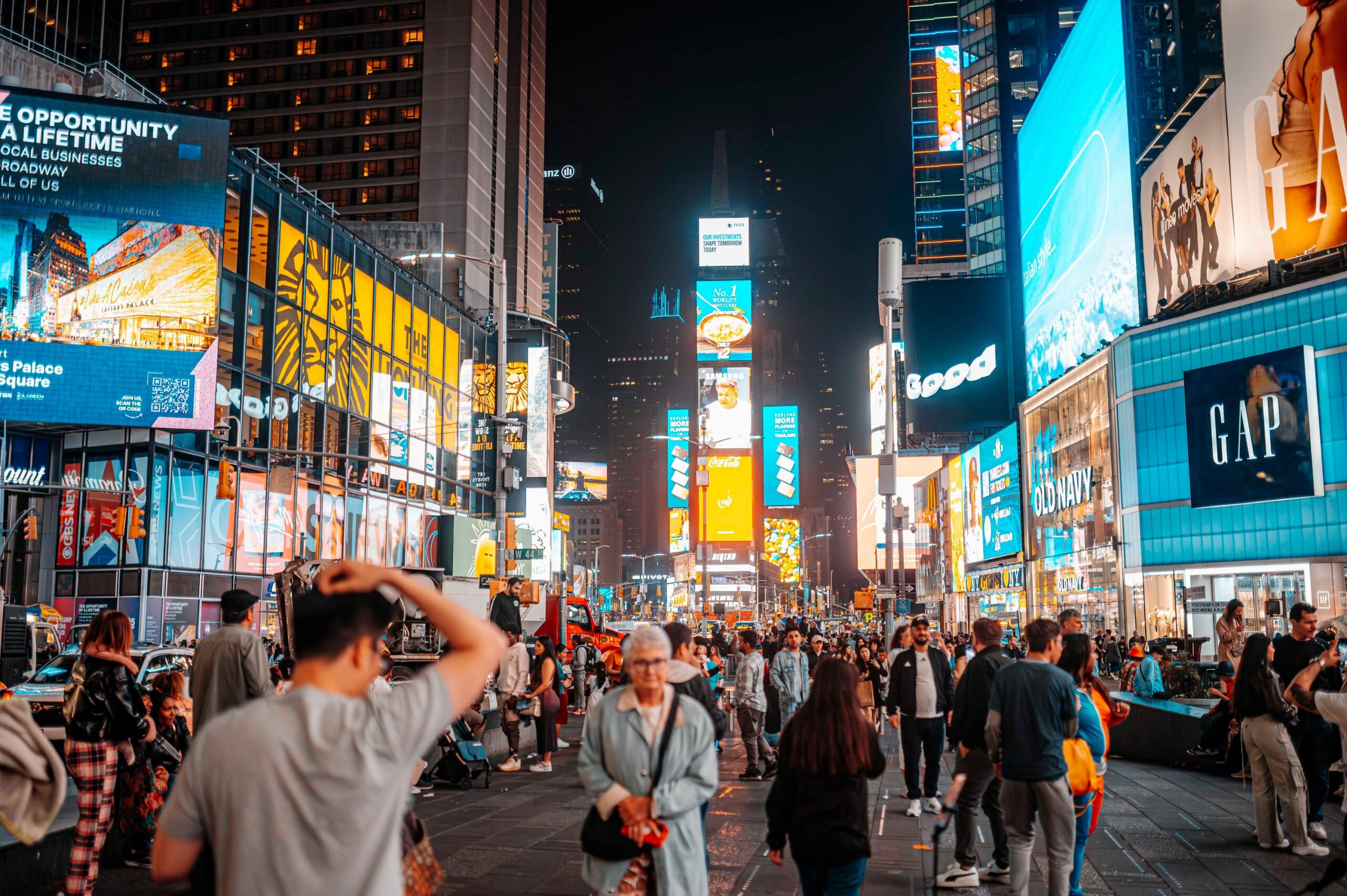
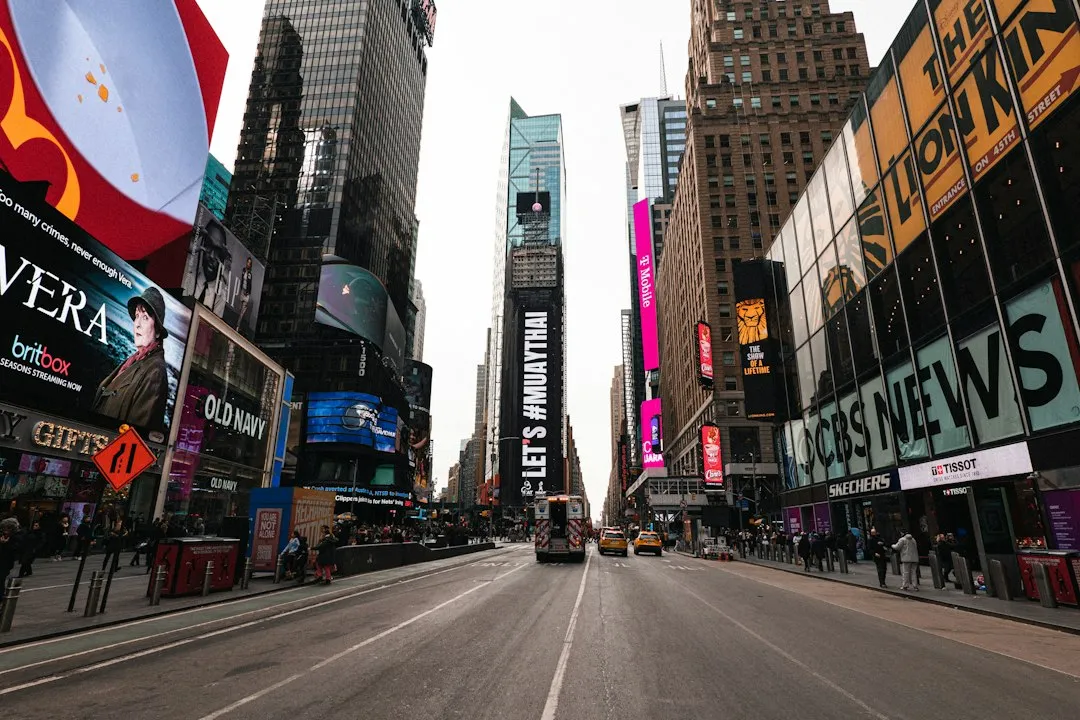
Times Square regularly sees between 200,000 and 250,000 pedestrians a day. In 2024, roughly 220,000 pedestrians entered Times Square each day. On the busiest days, that number climbs considerably higher.
New York City anticipates 68.1 million visitors in 2025, finally exceeding pre-pandemic levels. The city hosted 64 million visitors in 2024, with tourist expenditures totaling $51 billion.
The effort to revitalize the area in the 1990s and 2000s resulted in a booming tourist attraction that welcomes 50 million visitors a year, much more than any other NYC tourist attraction. From a struggling horse-carriage district to a global destination – the transformation is extraordinary by any measure.
The Lasting Imprint of a Newspaper
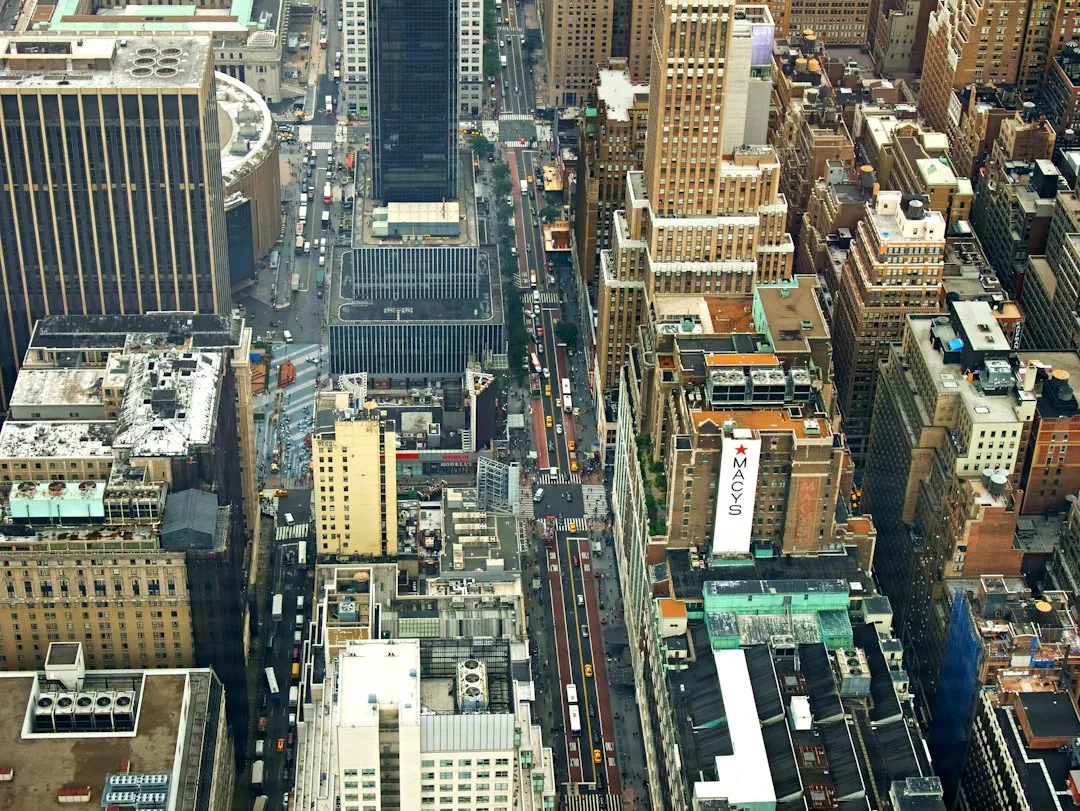
It’s genuinely rare for a media company to name something that outlasts its own presence there by more than a century. The New York Herald made moves, setting up a spectacular building uptown at 34th Street, which it persuaded the city to rename “Herald Square.” That name also survives today, though it carries far less global recognition.
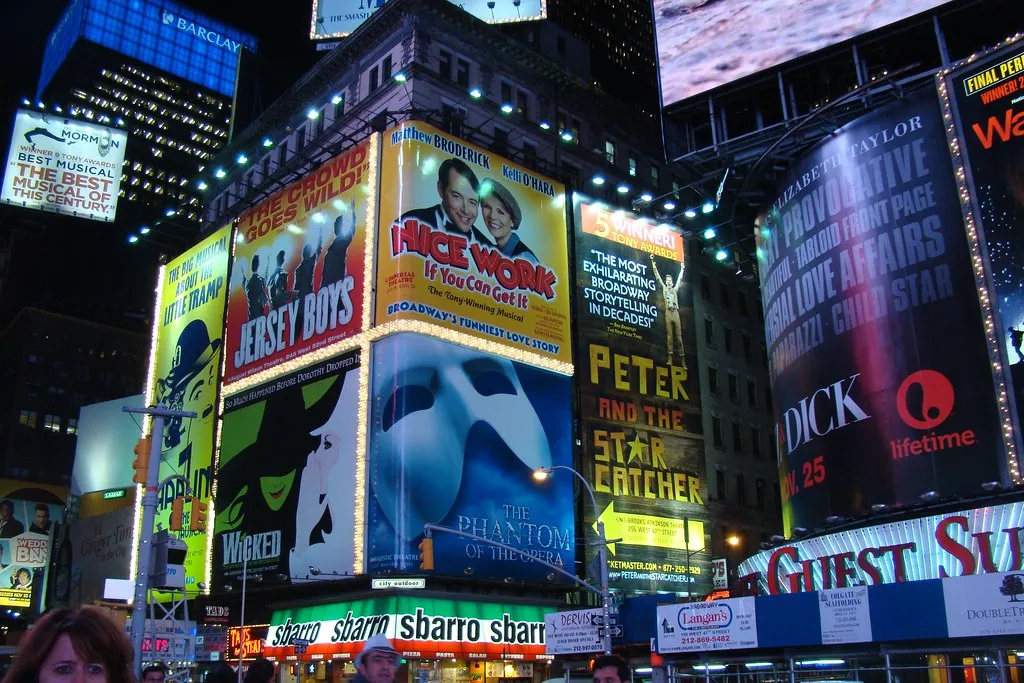
Originally known as Long Acre Square, the area underwent significant transformations in the late 19th and early 20th centuries, evolving into a major cultural hub marked by theaters, restaurants, and electronic advertisements. The newspaper didn’t just give the square a name; it helped attract the energy that made the name worth keeping.
Times Square by itself produces around $4.8 billion a year. There are few better examples of a brand – in this case a newspaper’s name – accruing value it never intended to hold onto.
The Takeaway
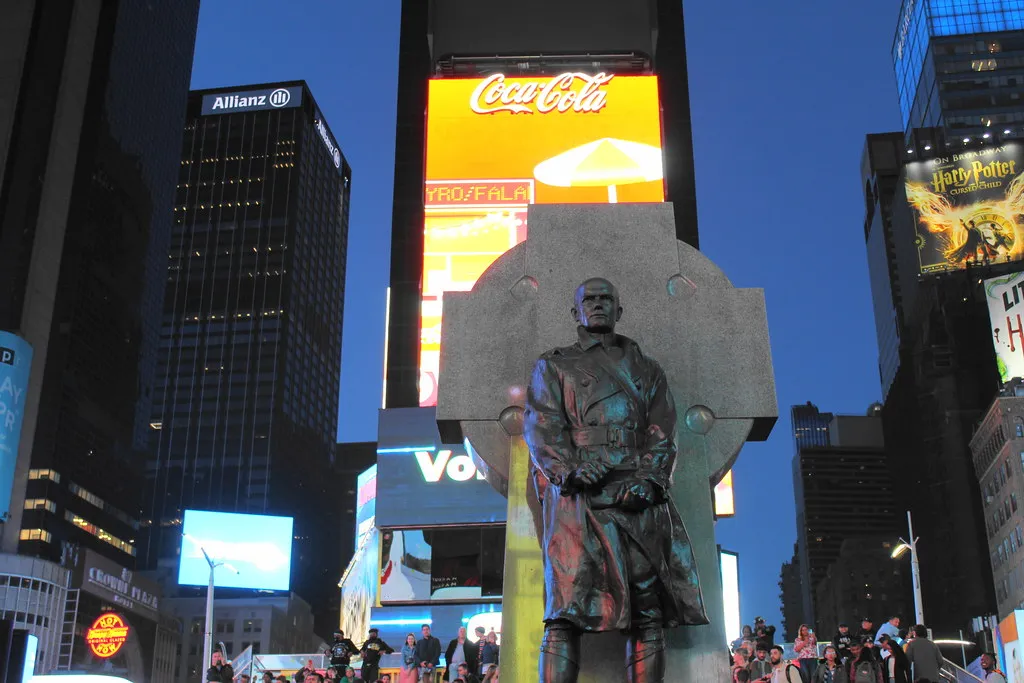
A city block in Midtown Manhattan was once muddy with horse hooves and smelling of hay. A newspaper publisher arrived, built a tower, and persuaded a mayor to put the paper’s name on a map. Then the publisher left. The name stayed.
What Times Square demonstrates, quietly and without ceremony, is that the right name at the right moment can outlive almost everything that created it. The New York Times moved on. The carriage makers vanished. The original tower changed hands many times over. The name, however, is as fixed as any landmark in the city.
That’s a strange kind of legacy for a newspaper – not found on a front page, but carved into the geography of one of the world’s most visited places, still standing long after the printing presses moved elsewhere.
AI Disclaimer: This article was created with the assistance of AI tools and reviewed by a human editor.