

All Major U.S. Airports Are Required to Have Them
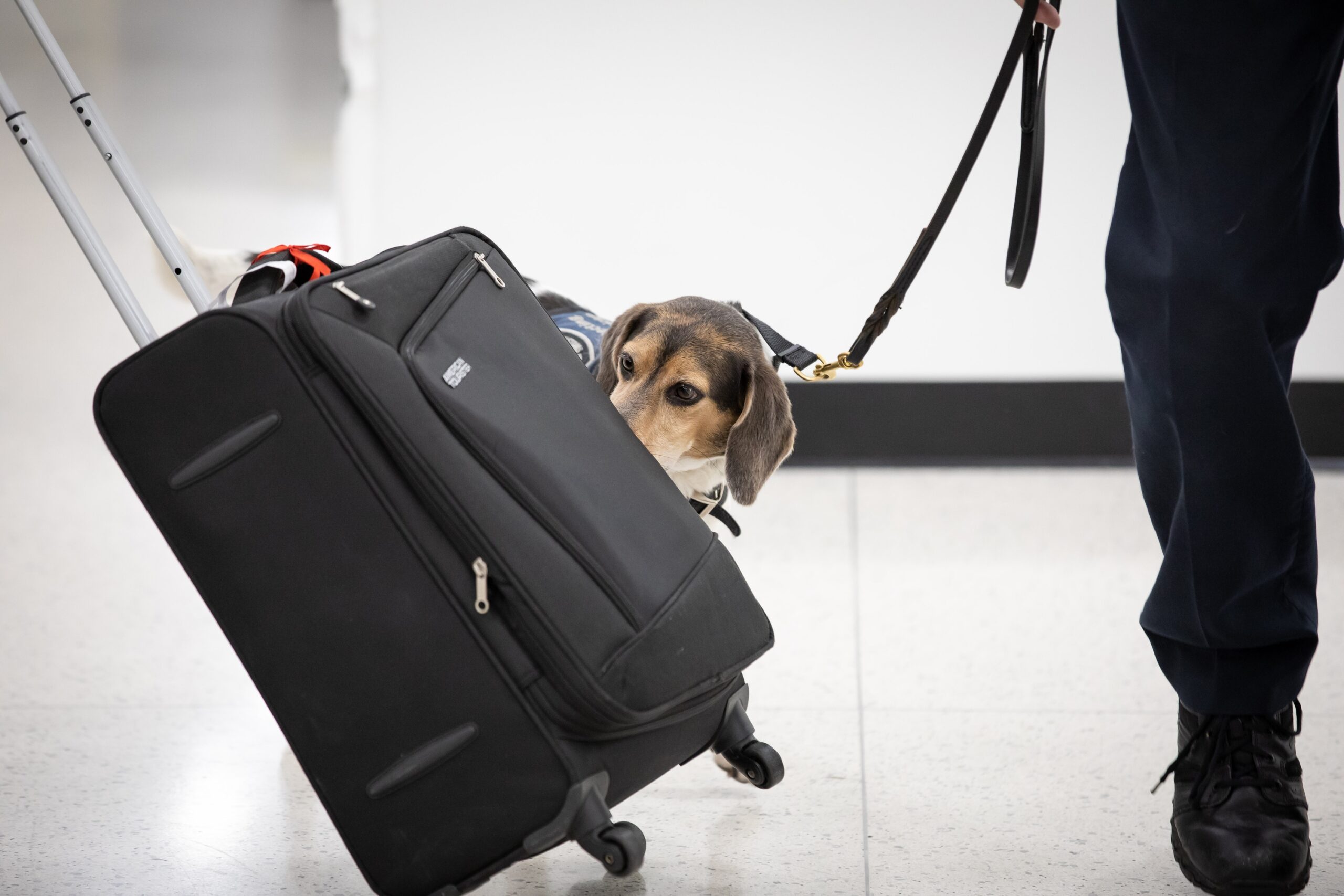
The first thing worth knowing is that this isn’t optional for large airports. Service Animal Relief Areas are required by the U.S. Department of Transportation for airports with more than 10,000 daily passengers. That mandate was originally designed with service animals in mind, but it has effectively expanded access for all traveling pets over time.
All major airports are required to have pet relief areas past security checkpoints. This means that if you’re flying through a busy hub and your dog needs a break before boarding, there should be a designated space available to you without having to exit and re-screen.
Look for the Signs Near Restrooms and Gate Clusters
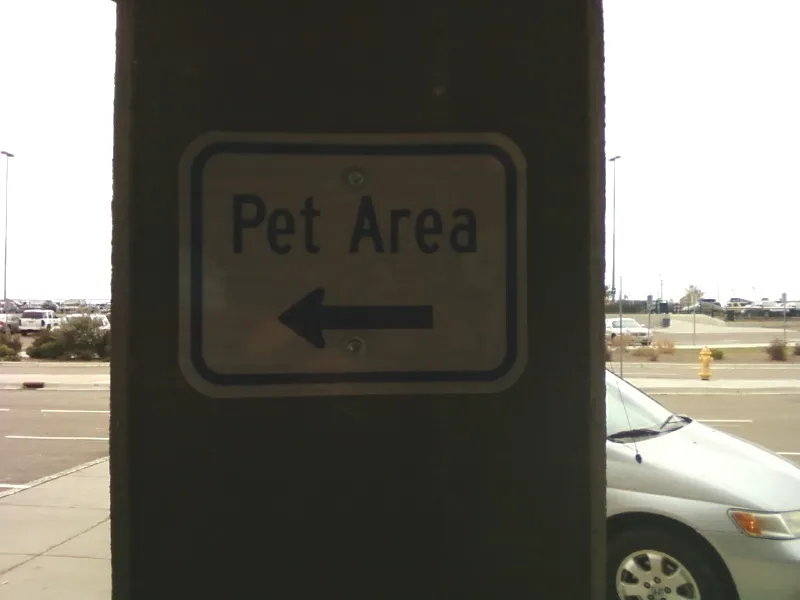
Look for “Service Animal Relief Area” or “Pet Relief Area” in white text on overhead black signs, similar to restroom signage. At Atlanta’s Hartsfield-Jackson, for instance, these signs appear directly in the concourse hallways, and pet relief areas are often marked with a simple paw icon or a labeled box.
At Hollywood Burbank Airport, clear directions with paw print symbols appear throughout the terminal, and several smaller airports follow a similar visual language. If you’re not spotting any signage, the golden rule is simple: look near the restrooms. Relief areas for animals are routinely placed adjacent to human restroom clusters, which makes them easy to miss if you’re not specifically scanning for them.
Philadelphia International Has One of the Most Extensive Networks
Seven specially designed Service Animal Relief Areas are located in every terminal at Philadelphia International Airport. The locations are spread thoughtfully across the whole campus. Inside the terminals, spots include Terminal A-West near Gate A-16, Terminal B near the A-B walkway, Terminal D next to the United Club, and Terminal E near Gate E-1 across from Good 2 Go.
Philadelphia also covers travelers who haven’t cleared security yet. On the Departures Road, relief areas are positioned between Terminals A-West and A-East, between Terminal B/C ticketing and the Airport Communications Center, and after Terminals E and F. It’s one of the more complete setups in the country.
Dallas Fort Worth Places Them Inside Security So You Don’t Re-Screen
Designated pet relief areas in each terminal at DFW are located inside security, meaning you do not need to exit the terminal or re-enter through security. That’s a significant convenience, particularly on long travel days with connections. Inside security, the areas are located outside Gate A29 in Terminal A, Gate B28 in Terminal B, Gate D18 in Terminal D, and Gate E31 in Terminal E.
DFW Airport has eight pet relief areas across Terminals A, B, C, D, and E. One note worth flagging: only pets with an accompanied ticketed passenger can use the designated areas, so this isn’t a resource for people dropping someone off at the curb.
LAX Leads the Country in Sheer Number of Indoor Stations
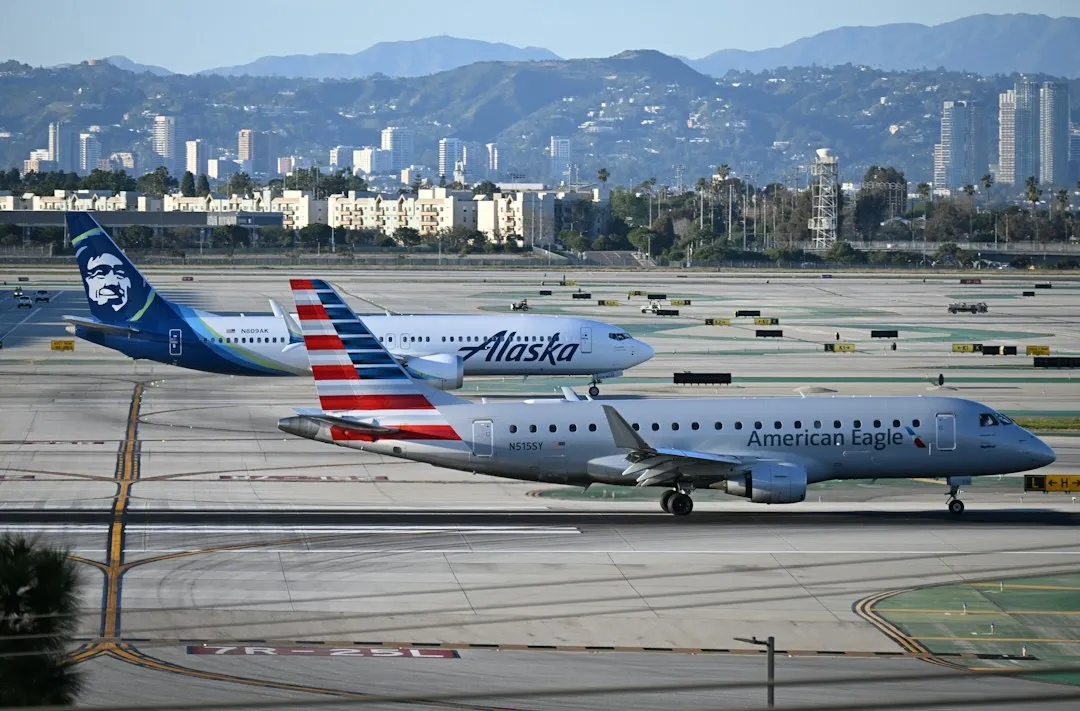
LAX leads the pack with 11 pet relief areas, both indoors and outdoors, spread throughout the airport. LAX boasts the most indoor pet relief stations of any airport in the U.S. For travelers connecting through Los Angeles, this is genuinely reassuring news.
Multiple indoor pet relief rooms exist post-security across terminals, plus outdoor areas on arrivals levels, with a downloadable map listing exact placements by gate, including Terminal 2 near Gates G21 and G33, Terminal 4 on the bridge to TBIT, and Terminal 7 near Gate G71A. Airport signage points to “Pet Relief,” and official posts highlight distributed locations across the campus.
Denver and Minneapolis Go the Extra Mile with Amenities
At Denver International, relief rooms are located in the center cores of Concourses A, B, and C, with one outdoor pre-security space outside door 200 on the Jeppesen Terminal’s west side, which is ADA compliant. Denver has also partnered with an on-site pet resort. The airport offers Wag Hotels, providing boarding, daycare, grooming, and even massage therapy.
Minneapolis-Saint Paul Airport features multiple pet relief areas in both Terminals 1 and 2, including indoor post-security spots with artificial grass and cleaning stations, plus pet spaces near baggage claim and Gate H11. The artificial grass detail matters more than it sounds. It gives anxious dogs a sensory cue that actually works, which a bare tile room simply doesn’t replicate.
New York City Airports Have Very Different Setups
If you’re flying through the New York metro area, don’t assume the experience will be the same at every airport. At JFK, Terminal 4 has indoor, post-security pet relief areas near Gates A9, B31, and B49. Terminal 7 offers both indoor and outdoor options, with a curbside pre-security area near Arrivals and an indoor pet relief option near Gates 9 and 10 post-security.
LaGuardia’s setup is also worth knowing before you arrive. Service animal and pet relief areas at LaGuardia Airport are located pre and/or post-security at each terminal, but there are no service animal or pet relief areas beyond security checkpoints at Terminal A. That’s a detail that could matter quite a bit depending on which airline you’re flying.
Washington Dulles Covers Both Inside and Outside Security
Dulles International Airport has four pet relief areas, with two located outside the terminal pre-security and two located inside the concourses post-security. The two post-security spots are next to Gate A32 beside the Virgin Atlantic Club, and opposite Gate D1. Those specific landmark references are genuinely useful when you’re navigating a large and unfamiliar concourse with a nervous animal in tow.
Dulles also features indoor facilities with artificial grass and outdoor locations that are enclosed for security. The enclosed outdoor option can feel more natural for dogs who don’t quite understand that they’re supposed to go on an indoor turf patch inside a building.
International Airports Are Catching Up
Pet-friendly infrastructure is not exclusive to North America anymore. At Helsinki Airport, the indoor pet relief area is located at Gate 51 after passport control, specifically in the non-Schengen area of Terminal 2 near Gates 51A through 51D. Paris Charles de Gaulle lists dog-park and relief spaces in Terminal 2E near Gate M50 and a public-area site in Terminal 2F near Gate 17d.
Calgary International Airport takes pet-friendly travel seriously, with multiple in-terminal pet relief areas located post-security. Toronto Pearson International Airport offers service dog and pet relief areas inside and outside Terminals 1 and 3, both pre and post-security, with directional and tactile signage that includes braille. The braille-inclusive signage is a thoughtful touch that reflects how seriously some airports take the full spectrum of traveler needs.
When in Doubt, Ask Airport Staff Directly

Maps are helpful, but staff are faster. Airport information desks are located in the domestic terminal atrium, the international terminal, and various concourse hubs, and staff can point you to the nearest pet relief area and clarify any current policies. Locations do shift, particularly during construction or terminal renovation, so a live answer beats a printed map.
Travelers should become familiar with the pet relief areas at their departing airport and arrival airport before the day of travel, not while standing at the gate with a restless dog. Handlers should keep pets leashed at all times while going through TSA screening, at the pet relief areas, and throughout the terminal. A quick check of your airport’s official website the night before is enough to know exactly where you’re headed.
The Takeaway
Pet relief areas inside airport terminals have come a long way. From a single grassy patch outside baggage claim to multi-terminal networks with artificial turf, cleaning stations, and post-security access, the infrastructure now genuinely supports the way people travel with animals. The key is knowing where to look before you land or depart, not after you’ve already cleared security and your window is closing.
Check your specific airport’s official website, download any available terminal maps, and note the gate numbers closest to the relief areas on your route. It’s a small act of preparation that makes the whole journey calmer, for both of you.
AI Disclaimer: This article was created with the assistance of AI tools and reviewed by a human editor.