
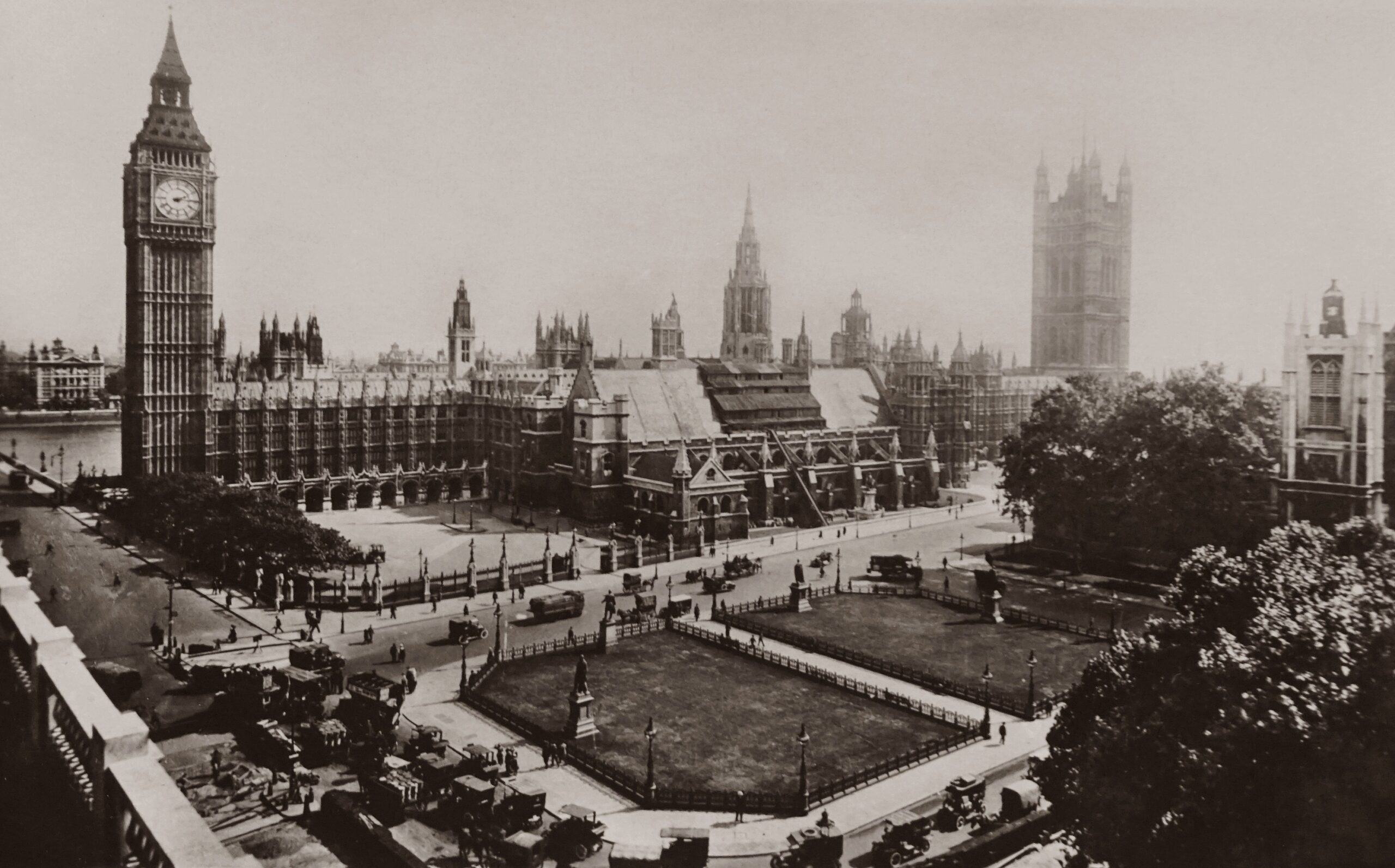

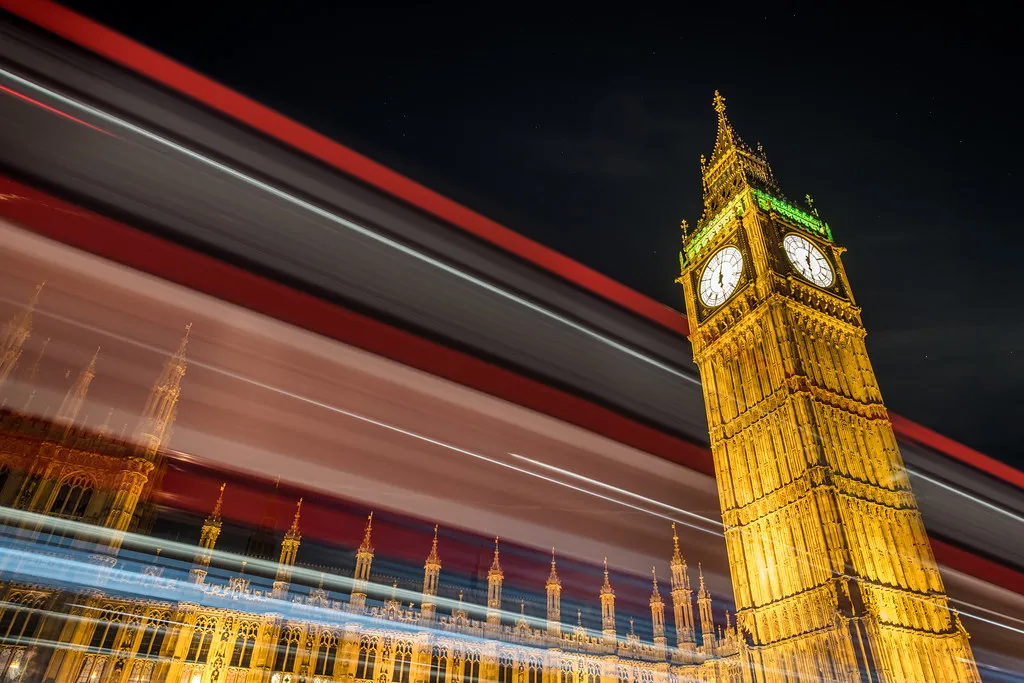
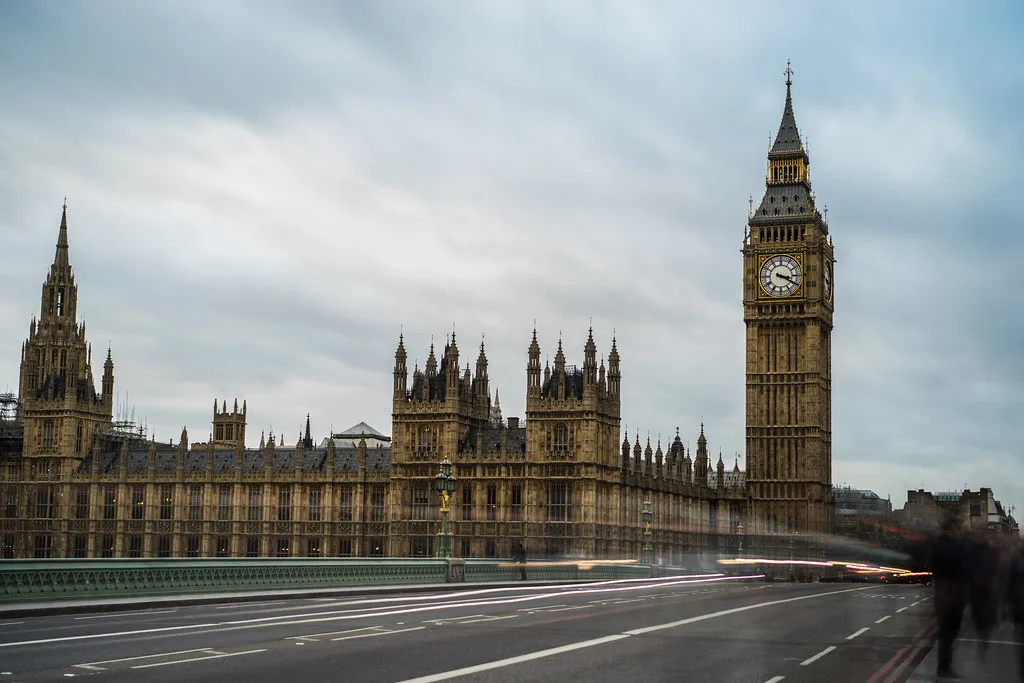
Few landmarks in the world get misidentified as consistently as the one standing at the north end of London’s Houses of Parliament. Visitors step off the Tube, look up, point at the towering Gothic structure, and say “Big Ben” with complete confidence. The thing is, they’re pointing at the wrong thing.
The mix-up isn’t a small technicality. It touches on history, naming conventions, royal honors, and a bell that cracked almost immediately after it was installed. The story behind the real names is far more interesting than most people expect.
The Tower Has an Official Name, and It Isn’t Big Ben
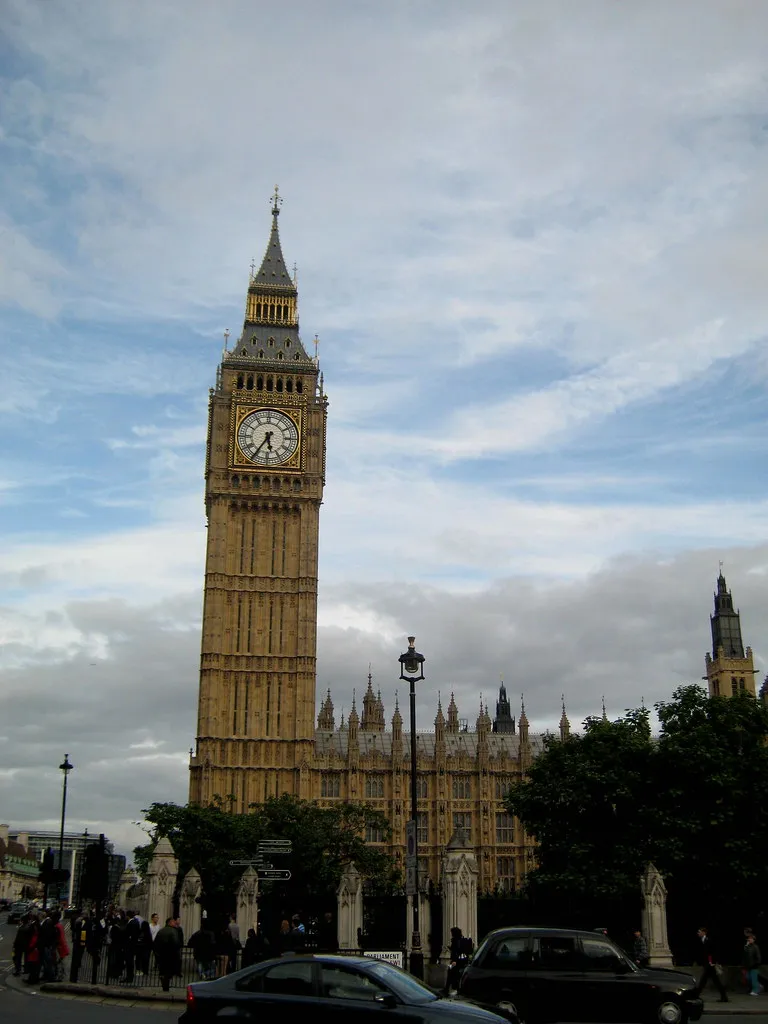
Big Ben is the nickname for the Great Bell of the Great Clock of Westminster. Originally named the Clock Tower, the structure was renamed the Elizabeth Tower in 2012 to mark the Diamond Jubilee of Queen Elizabeth II. So the tower has actually had two official names over the course of its existence, and “Big Ben” was never one of them.
The tower housing Big Ben was formally known as St. Stephen’s Tower until 2012, when it was renamed Elizabeth Tower on the occasion of Elizabeth II’s Diamond Jubilee, celebrating 60 years on the British throne. That’s a lineage of names that most tourists never hear about.
So What Exactly Is Big Ben?
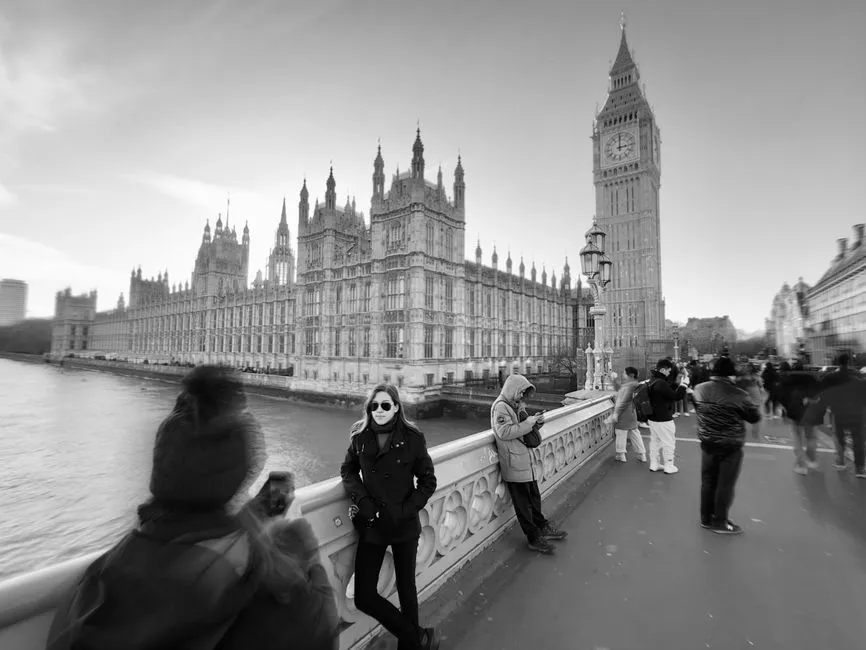
Technically, Big Ben is the name given to the massive bell inside the clock tower, which weighs more than 13 tons. The bell, the clock faces, and the tower are three separate things, each with its own proper designation.
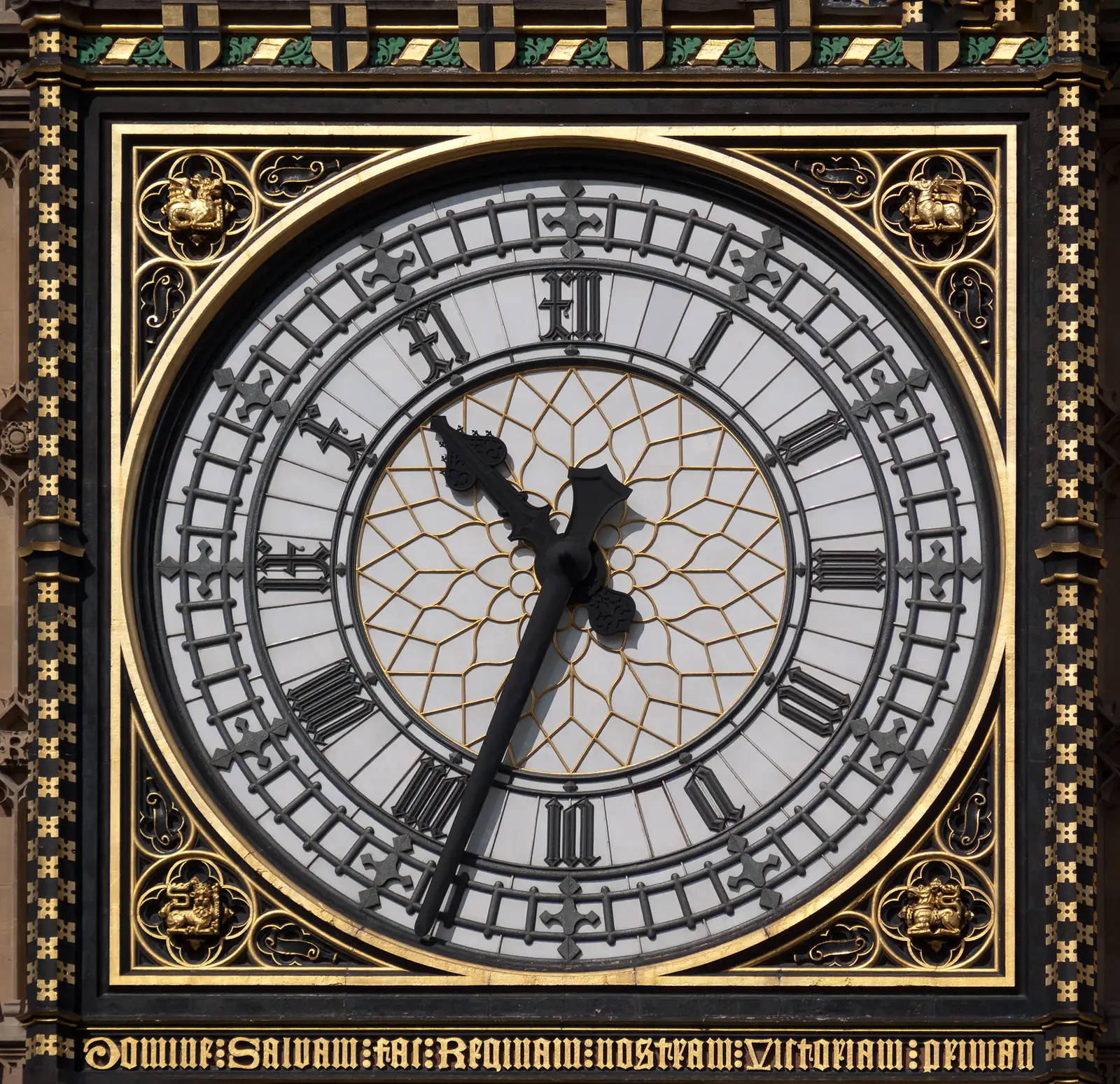
The proper name of the structure is the Elizabeth Tower, the clock is the Great Clock, and Big Ben is the nickname of the Great Bell, which chimes the hour. The popular habit of calling the entire structure “Big Ben” is understandable, but it collapses three distinct elements into one.
The Fire That Started Everything
Elizabeth Tower, originally named the Clock Tower, was built as part of Charles Barry’s design for a new Palace of Westminster after the old palace was largely destroyed by fire on 16 October 1834. That catastrophic fire essentially wiped out a medieval complex that had stood for centuries.
The chief architect, Charles Barry, collaborated with engineer Augustus Pugin to design a medieval clock tower that would adorn the rebuilt Palace, officially called the Great Clock of Westminster. The Gothic Revival style they chose is now so associated with London that it’s hard to imagine the skyline without it.
The Bell That Was Named Before the Tower Was Finished
The official name for the bell is the Great Bell of Westminster, although an issue of the Illustrated London News of June 1858 referred to it as the Bell Victoria. The nickname “Big Ben” appears to have entered common use even before the bell was properly installed.
In the Belfast News of 7th November 1856, they noted that the “Parliamentary Bell is already christened ‘Big Ben.'” A hint of the origin comes in the Carlisle Journal of 21st November 1856, which wrote that “Big Ben is the name which has been given by The Times (and generally adopted in London) to the great bell for the clock tower.” In other words, the press popularized the nickname even as the structure was still being built.
Who Was Big Ben Named After?
The origins of Big Ben’s nickname are uncertain, but one theory proposes that it comes from the heavyweight boxer Benjamin Caunt. Another suggests that the true inspiration for the bell’s moniker was a Welsh civil engineer named Sir Benjamin Hall, who served in the House of Commons.
As First Commissioner of Works, Hall oversaw the latter stages of the rebuilding of the Houses of Parliament following the devastating 1834 fire, and his name is inscribed on the bell hanging in the clock tower. Historians believe that the clock’s nickname comes from Sir Benjamin Hall, who was the commissioner of works from 1855 to 1858. The inscription of his name on the bell makes this the more persuasive of the two theories.
The Bell That Cracked Almost Immediately
The first version of Big Ben cast for the tower arrived in London in 1856, but it cracked before it could ever be put in place. A second, lighter bell was hoisted up to the belfry in October 1858.
Two months later, however, the heavy striker cracked the bell, and Big Ben fell silent for upwards of four years until it was rotated and a lighter hammer delivered a more gentle touch to a different spot on the bell. In 1863 a solution was found: rotating the bell, using a lighter hammer, and cutting a small square into the bell to prevent the crack from spreading. That crack, carefully managed, is still there today.
The Tower’s Impressive Dimensions
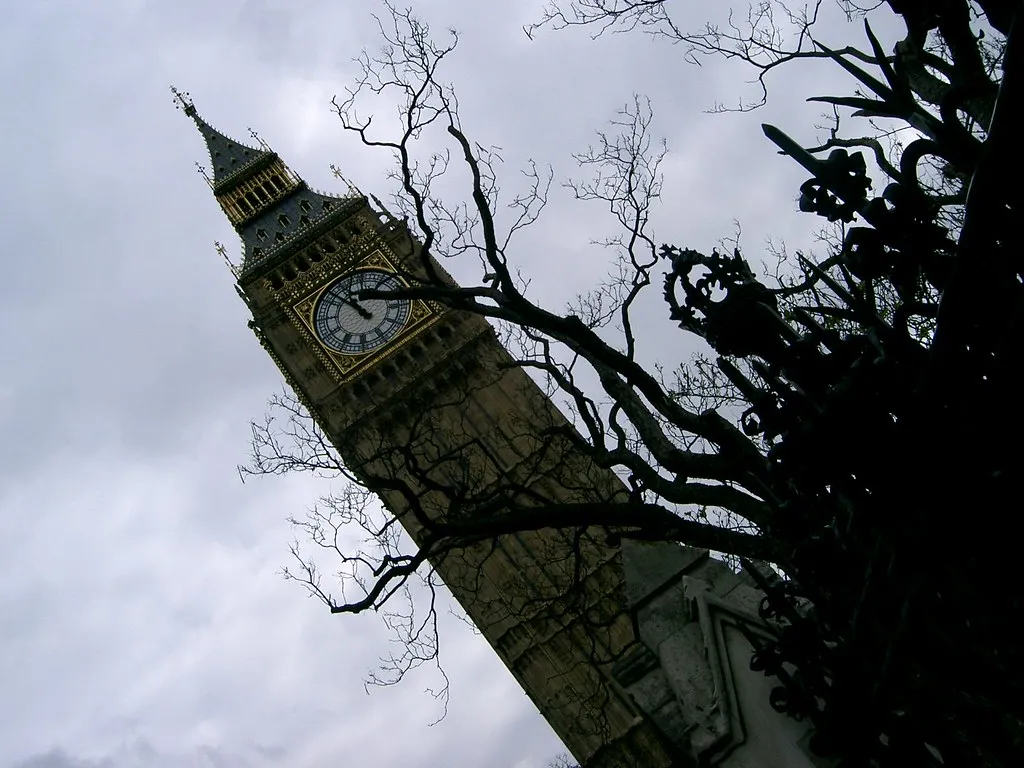
Elizabeth Tower stands at more than 96 metres tall, with 334 steps to climb up to the belfry and 399 steps to the Ayrton Light at the very top of the tower. The clock faces themselves are substantial structures in their own right.
Big Ben weighs 13.7 tonnes, is 2.2 metres high with a diameter of 2.7 metres. Its hammer weighs 200 kilos. Its musical note when struck is an E, and it reaches 118 decibels. To put that volume in context, 118 decibels is comparable to a thunderclap heard up close. It’s loud enough to feel as much as hear.
When the Tower Was Renamed for a Queen
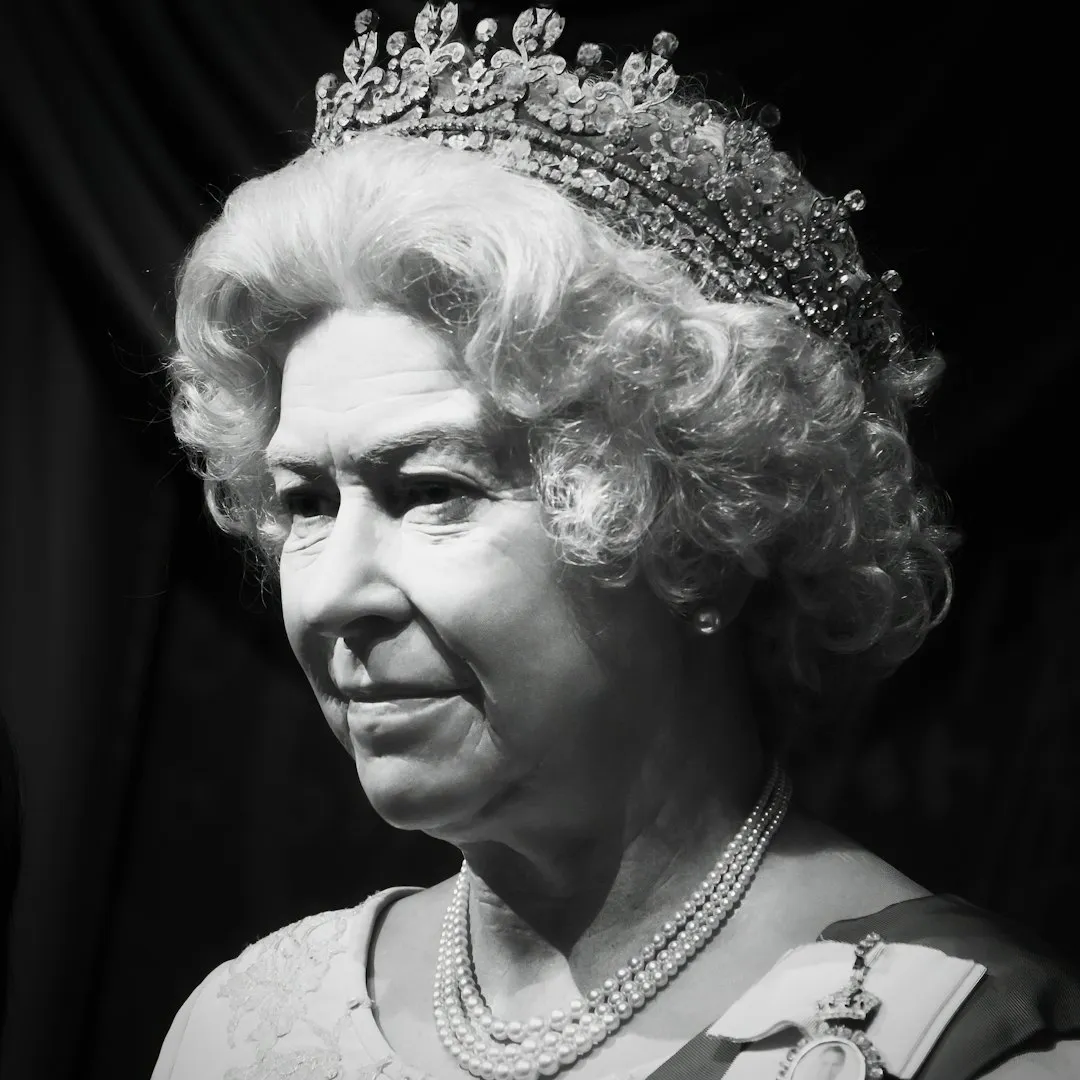
In 2012, the House of Commons Commission decided, at its meeting of 25 June 2012, to rename the Clock Tower the Elizabeth Tower in recognition of Queen Elizabeth II’s Diamond Jubilee. It was a formal parliamentary act, not just a ceremonial suggestion.
In 2012, the clock tower was renamed the Elizabeth Tower in celebration of Queen Elizabeth II’s Diamond Jubilee, and both the tower and the bell remain ever present as symbols of Britain. The renaming gave the structure a name that finally acknowledged a living monarch, something the tower had never had before in its history.
The BBC and the Chimes That Travel the World
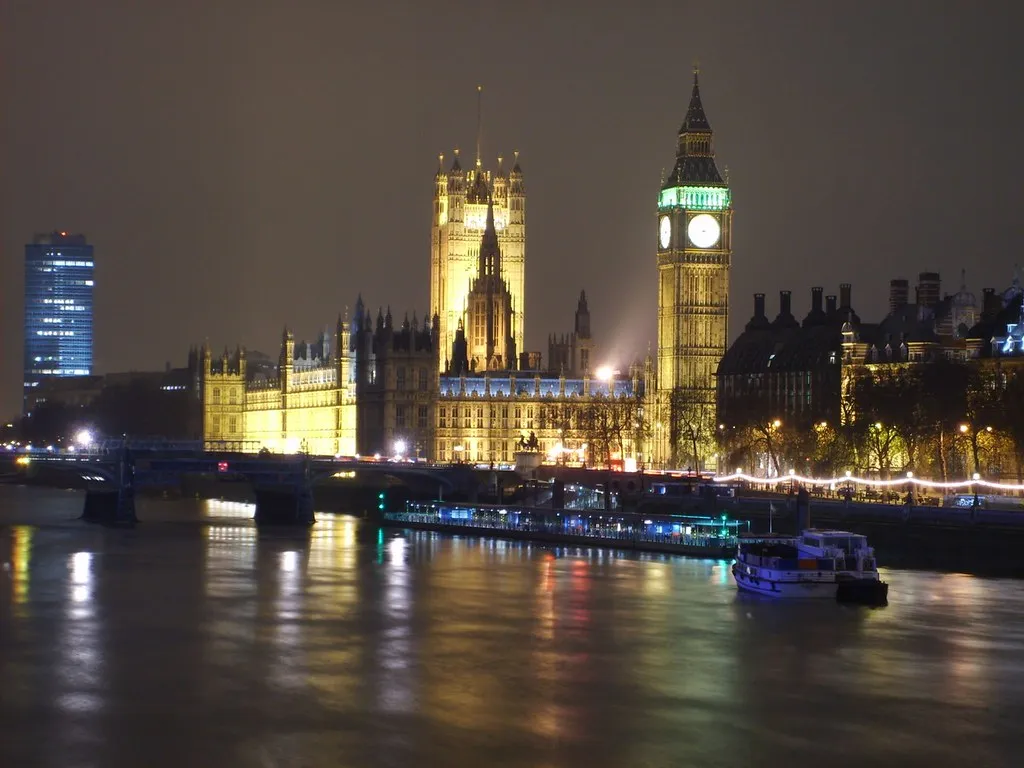
Since 1924, with only a few interruptions, the British Broadcasting Corporation, in partnership with the Royal Greenwich Observatory, has also broadcast Big Ben’s chimes to announce the time of day. That’s over a century of hourly radio broadcasts rooted in a single bell.
The clock strikes the hour with the sound of the Big Ben bell, followed by a melody of four smaller bells, which play the Westminster Quarters, a nod to Handel’s Messiah. Those quarter-hour chimes have been replicated by clockmakers across the world, making Elizabeth Tower’s sonic identity one of the most copied in architectural history.
The Major Restoration That Brought It Back to Life
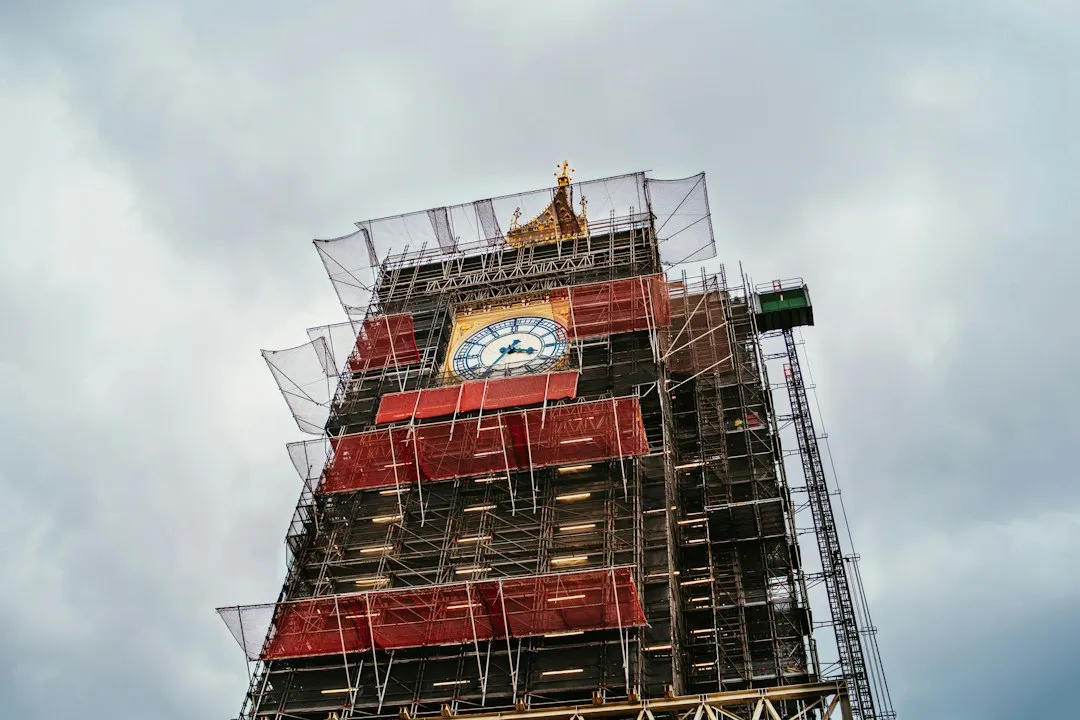
From 2017 to 2022, the Elizabeth Tower underwent its most comprehensive programme of conservation since completion. The project began with the recognition that the Great Clock itself required urgent attention. Once scaffolding was erected around the tower, it became possible to expand the works to include masonry, cast ironwork, gilding, stained glass, and decoration.
The intervention conducted between 2017 and 2022 is the most extensive in the tower’s 160-year history. Surveys revealed water damage, corrosion of the cast iron roof, deterioration of the stonework, and problems affecting the clock mechanism itself. Paint research revealed the original colour scheme, leading to the reinstatement of the Tower’s deep Prussian blue background and gold decoration.
When Big Ben tolled for the funeral of Queen Elizabeth II in September 2022, synchronised precisely with ceremonial field guns, it was the conservation team’s craftsmanship that ensured the nation’s most famous bell marked the moment with dignity. Few restorations have ended with such an immediately significant moment.
A Name That Stuck for All the Wrong Reasons
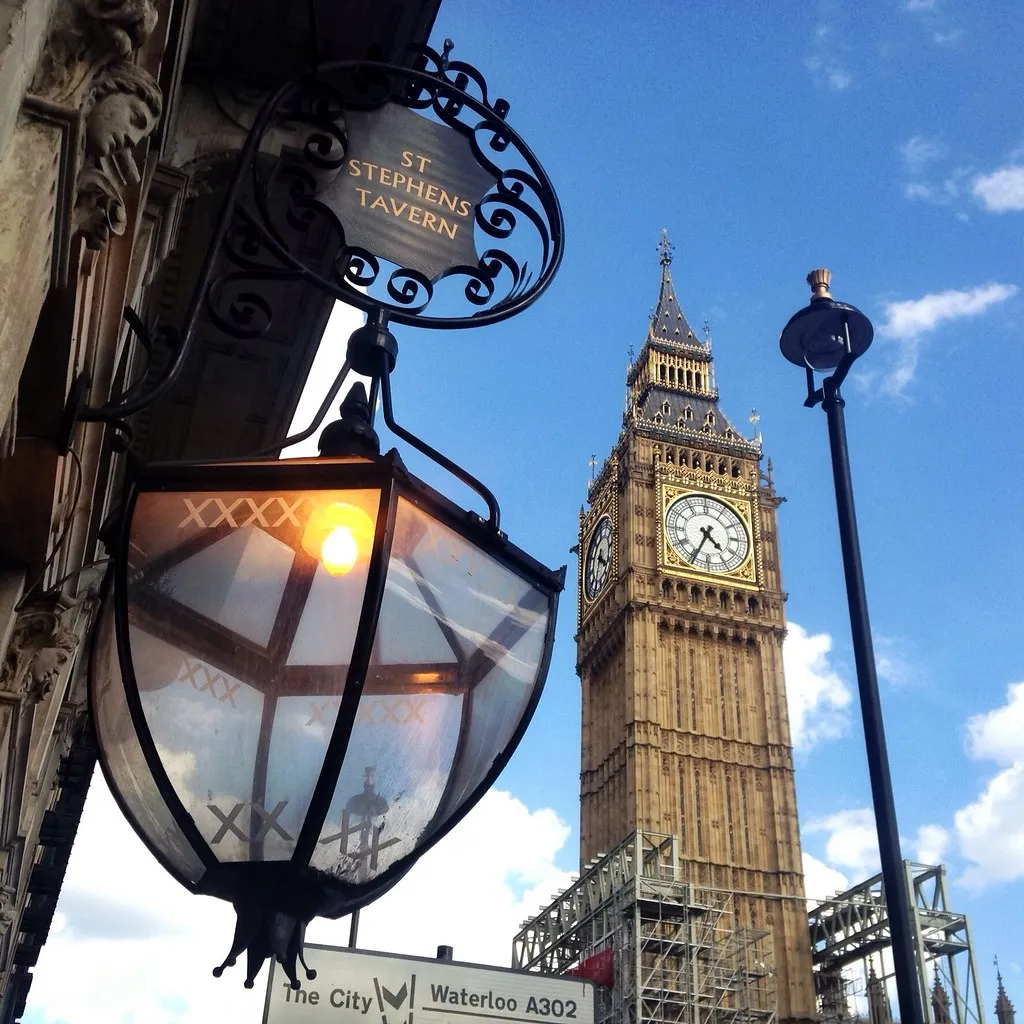
Most people visiting London are unaware that they will never actually see Big Ben, for it is not the name of the world-famous clock tower they imagine, but the bell inside the tower. That’s a genuinely surprising fact for one of the planet’s most visited landmarks.
The name “Big Ben” referred originally to the clock bell in the Parliament tower, generally said to have been named for Sir Benjamin Hall, under whose supervision the bell was cast. The name later was extended to the clock itself and its tower. Language has a way of doing that: an informal nickname escapes its original boundaries and eventually comes to represent something much larger than what it was first attached to.
The Takeaway
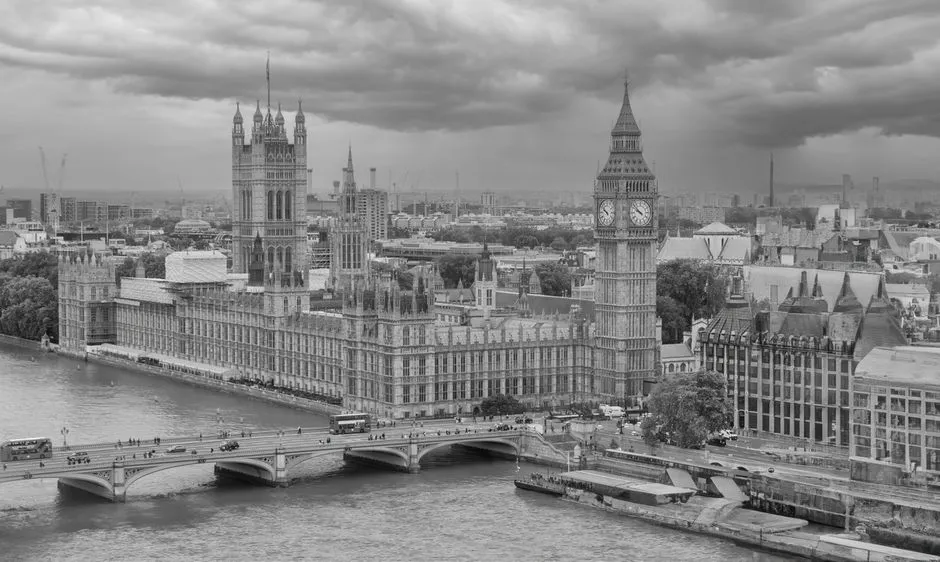
The gap between what people call a landmark and what it’s actually named is usually trivial. Here, though, it reveals something genuinely layered: a bell named after a Victorian official, housed in a tower that only got a formal name in 2012, all wrapped inside a nickname that the press invented in the 1850s and the public never let go of.
Elizabeth Tower is the name on the official records. The Great Bell of Westminster is what hangs inside it. “Big Ben” is the story that everyone agreed to tell, and at this point, no correction is likely to change that. Sometimes the nickname outlives everything else.
AI Disclaimer: This article was created with the assistance of AI tools and reviewed by a human editor.