
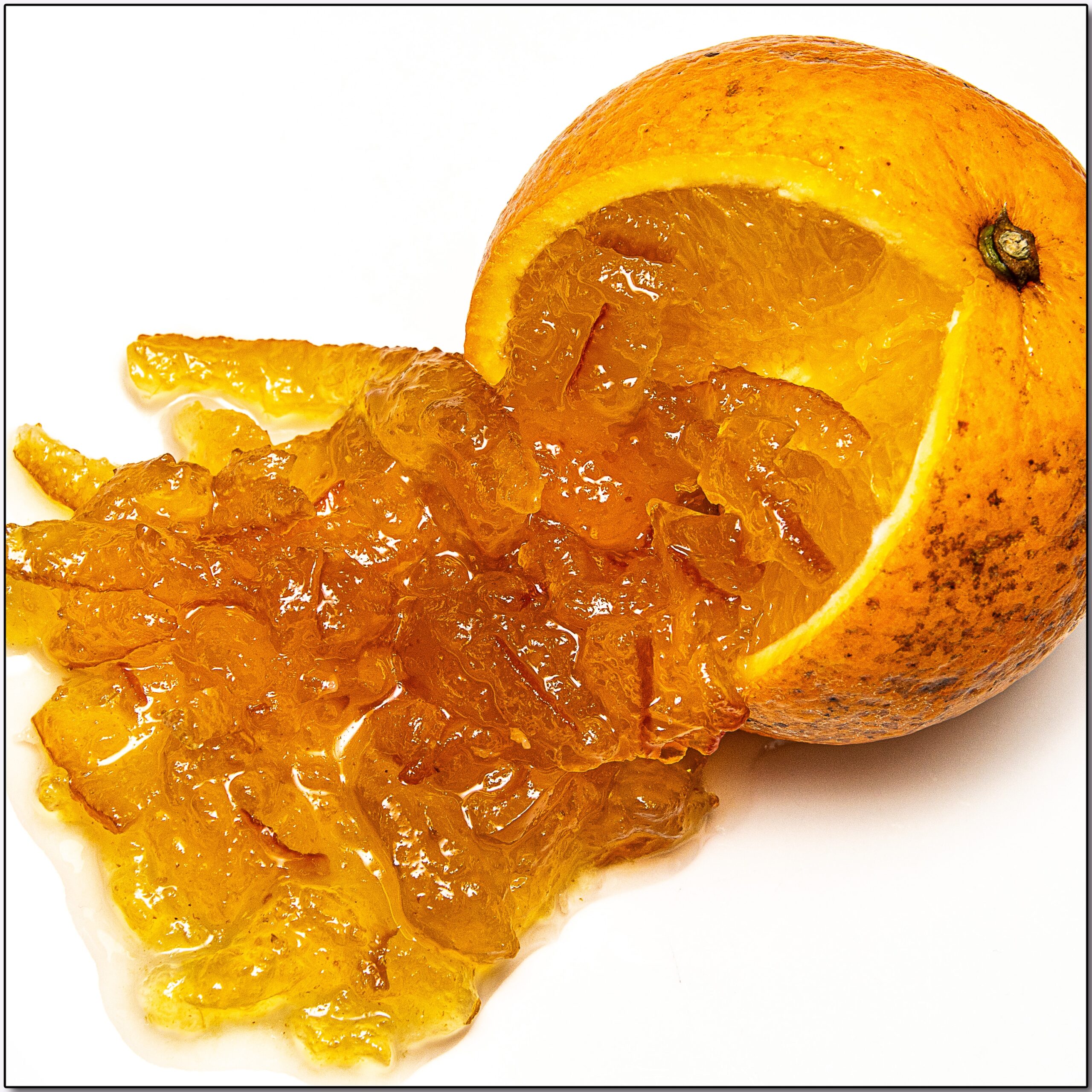

Few breakfast staples carry as much story inside them as marmalade. That amber, bitter-sweet spread sitting on the table each morning has a beginning rooted firmly in a Scottish city on the mouth of the River Tay. Dundee, the fourth-largest city in Scotland, gave the world its most recognisable version of the preserve, and the tale involves a storm-battered ship, a thrifty family, and one remarkably inventive woman.
The city still wears its culinary history with quiet pride. Even as Dundee evolves into a destination for art, design, and science, the marmalade chapter remains one of the most defining in its long story.
Dundee: A City Written Into Food History
Dundee is the fourth-largest city in Scotland, with a population of around 150,000 people. It sits where the River Tay broadens into a wide estuary, and for centuries it served as a busy trading port. That geography mattered enormously, because ships arriving from southern Europe brought ingredients that would eventually reshape British breakfast tables forever.
Rapid expansion during the Industrial Revolution, particularly in the 19th century, made Dundee the centre of the global jute industry, and along with its other major industries, gave it the epithet of the city of “jute, jam and journalism.” The “jam” in that famous trio was, in truth, almost always marmalade, and it would become the most globally recognised of all three.
The Storm, the Ship, and the Seville Oranges
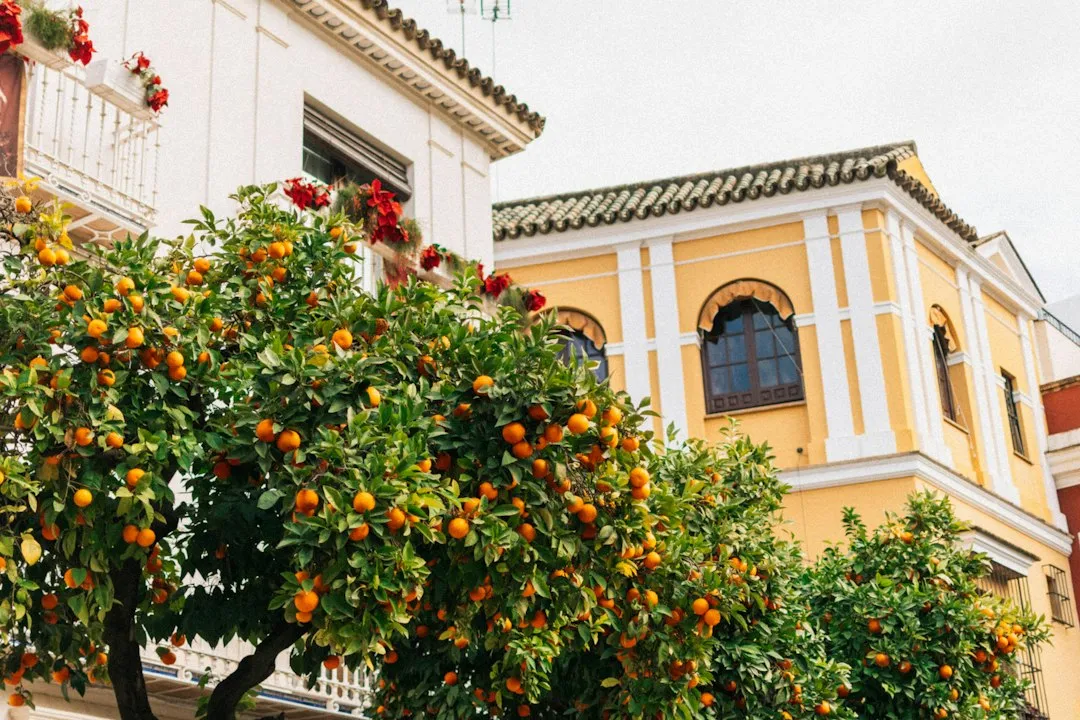
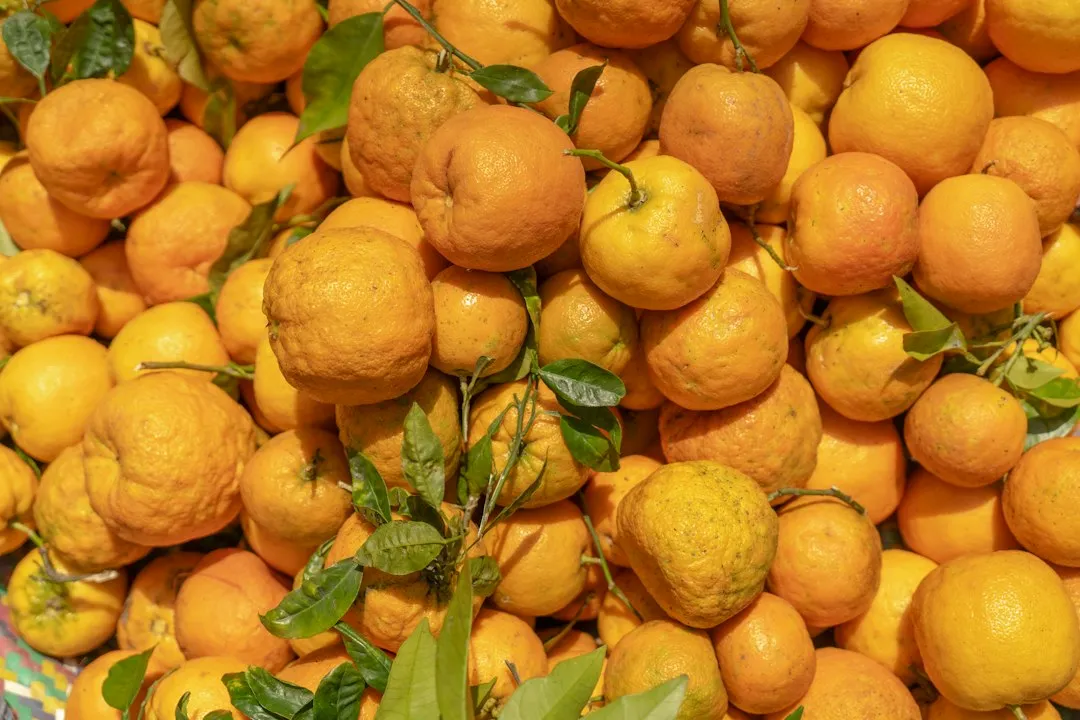
The traditional story tells that John Keiller was in Dundee’s docks one day when he encountered a storm-bound Spanish ship trying to offload a cargo of Seville oranges that were too bitter to eat, and as a result proving difficult to sell. He bought them at a discount, as any shrewd grocer would, and brought them home. What happened next is what made history.
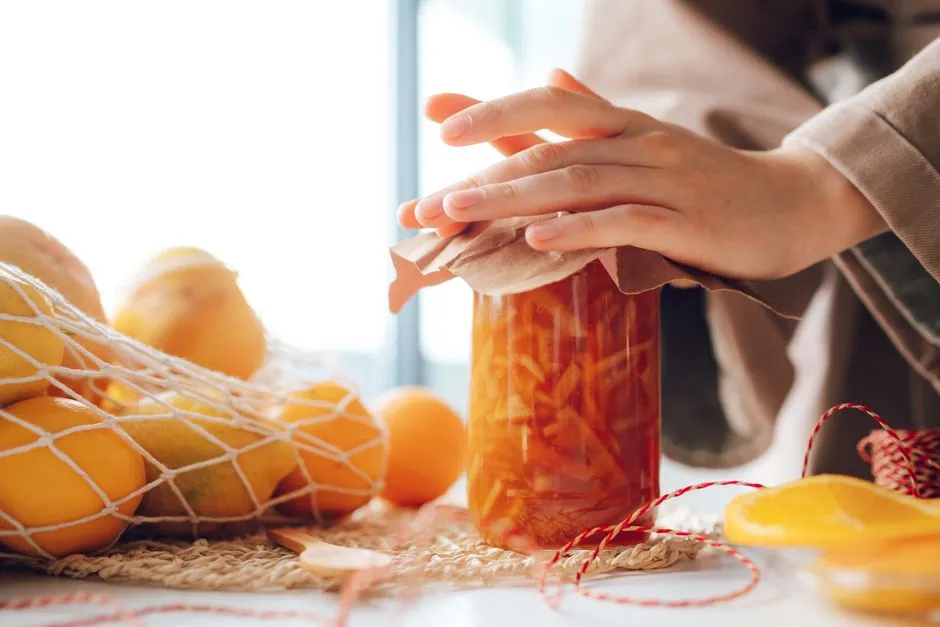
Rather than boiling the mixture down until it formed a solid paste, Janet reduced the cooking time, creating a spreadable marmalade which could be eaten on toast. That adjustment, modest in hindsight, was what separated her recipe from everything that had come before. What set Janet Keiller’s recipe apart from the rest was the inclusion of shreds of orange skin.
Janet Keiller: The Woman Behind the Recipe
Janet Keiller lived from about 1735 to 23 July 1813. She was a Dundee shopkeeper who came up with a new recipe for marmalade and founded a dynasty. Her name deserves to be better known. While the Keiller family brand was eventually registered under male names, it was Janet’s kitchen instinct that produced the foundational recipe.
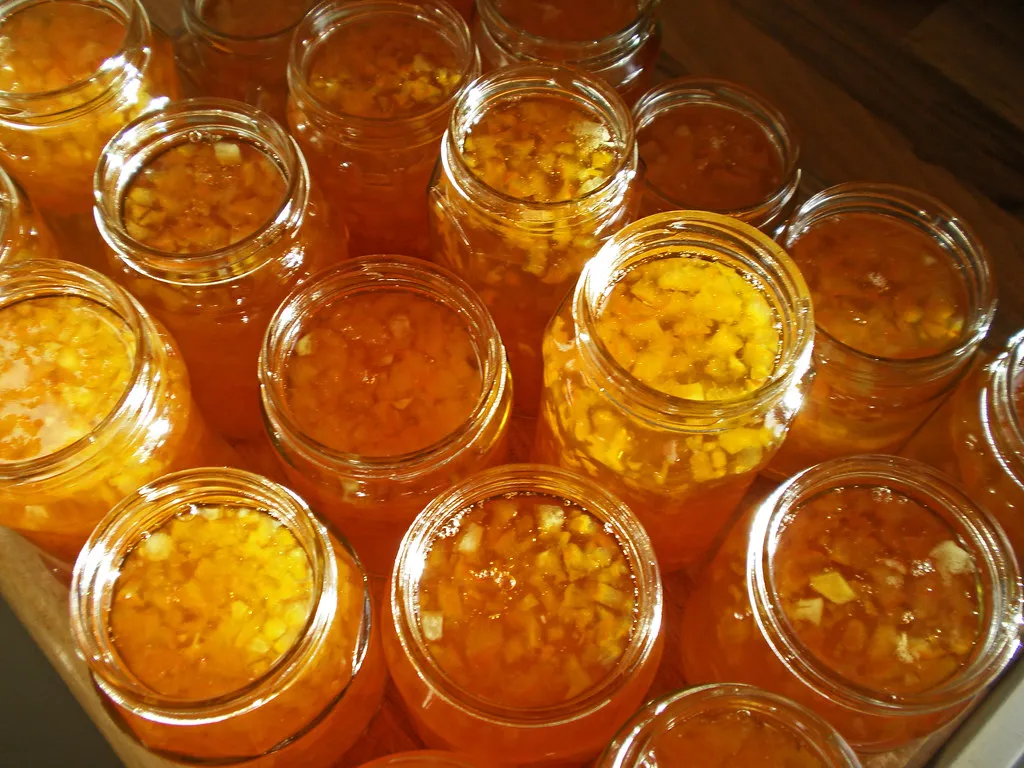
Keiller’s Marmalade is said to have been the world’s first commercially produced marmalade. The product was marketed in Janet’s shop as “chip marmalade” and established a considerable local following. That texture, the distinctive chipped peel suspended in bittersweet jelly, became the template for what most people today simply picture when they think of the word marmalade.
The World’s First Marmalade Factory, 1797
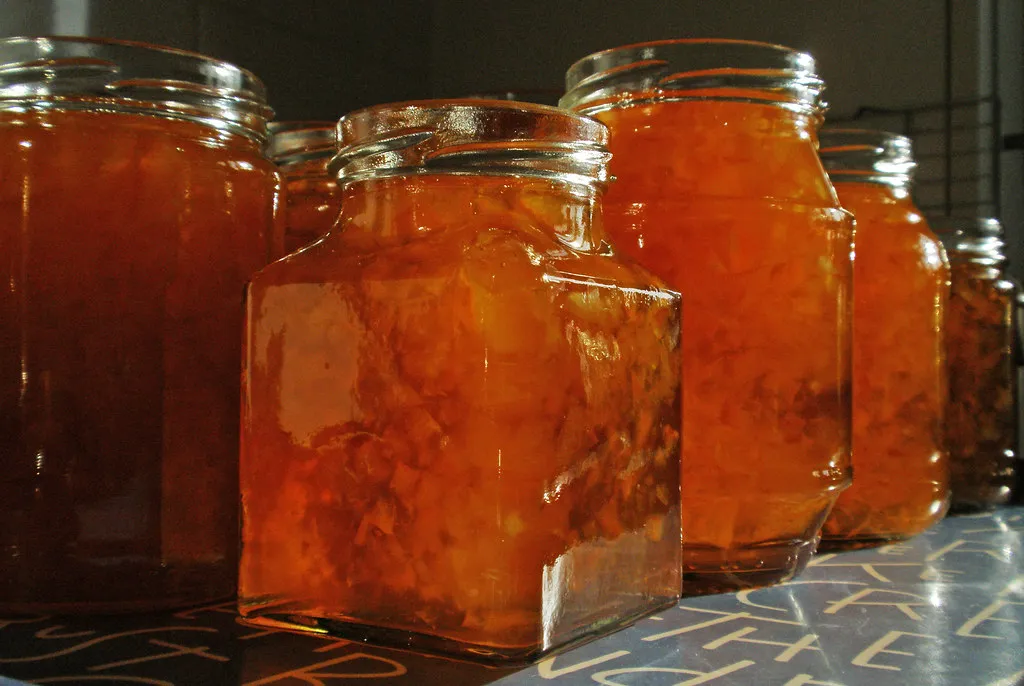
In 1797, the Keillers set up a factory to produce their marmalade in Dundee in the name of their son, James Keiller, and Keiller’s Marmalade took off on a much wider scale, being expertly marketed on the basis that the chips of skin assisted breakfast digestion and made it a healthier product. The health claim may seem quaint now, but it was a clever piece of early consumer marketing.
For the first time, marmalade was produced on an industrial scale, thereby popularising the “chipped” style we are so familiar with today, and establishing the idea of Dundee marmalade. A small family shop in Seagate had become, within a generation, an industrial operation with international ambitions. The scale of that transformation is worth pausing on.
From Dundee to the World
The Keiller family enjoyed considerable success, shipping their marmalade around the world to countries including Australia, India, and South Africa. This was not a local novelty; it was a global export that travelled inside the same merchant and naval networks that defined the British Empire’s reach in the 19th century.
Dundee Marmalade’s popularity grew, and by the end of the 19th century the marmalade was shipping all the way to Australia, New Zealand, India, and China. By the end of the 1800s, Keiller’s Marmalade was being shipped throughout the British Empire, doing much to help cement Dundee’s reputation as the home of “jam, jute and journalism.”
One of Britain’s First Registered Trademarks
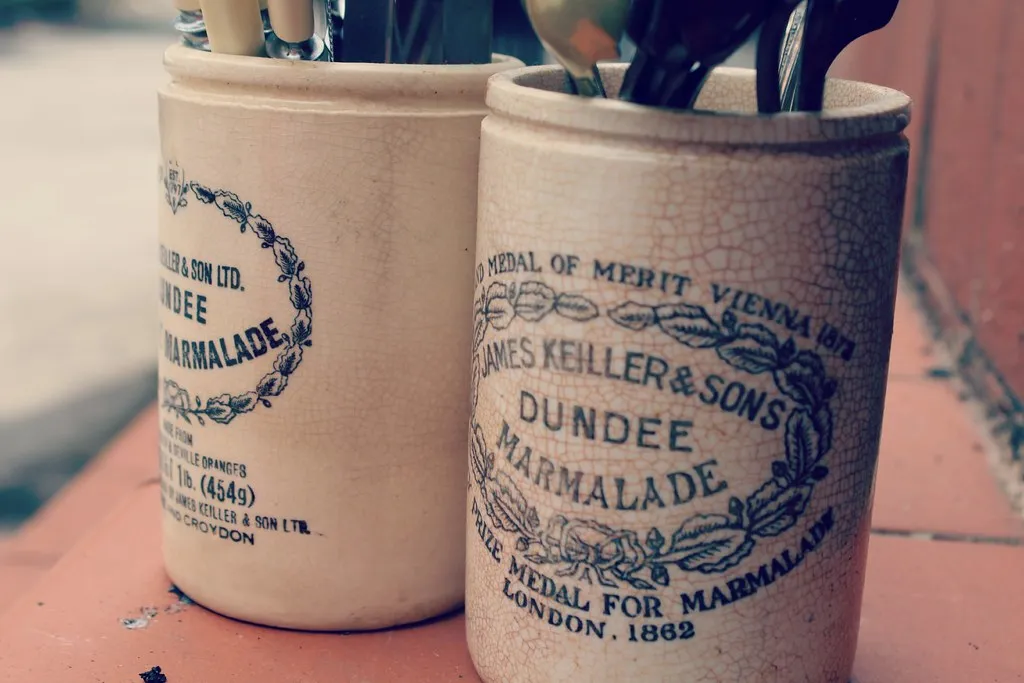
In 1876, when the British Trademark Registry Act came into force, Keiller’s Dundee Orange Marmalade was one of the first brands to be formally registered. This is a detail that often surprises people. Modern trademark protection feels like a contemporary concern, but the Keiller family understood the commercial value of their brand identity more than 150 years ago.
Keiller’s marmalade played a pivotal role in establishing “Dundee marmalade” as a generic term for high-quality, chunky orange preserves made with thick strips of Seville orange peel suspended in a sweet, bitter jelly. The name became, in effect, a descriptor for a style rather than just a product. Very few food brands ever achieve that.
The “Chip” Style That Changed Everything
The recipe given by Elizabeth Cleland, author of the first ever published Scottish cookery book, “A New and Easy Method of Cookery” (1752), produces what became known as the Scottish, or Dundee, style of “chipped” marmalade. This tradition of chopped peel was already taking shape in Scottish kitchens before the Keillers scaled it up industrially.
The Dundee product was distinguished by thick chunks of bitter Seville orange rind. The recipe was a new twist on the already well-known fruit preserve of orange marmalade, but this recipe was spreadable, on toast. That spreadability is what made it a breakfast staple rather than a confection to be eaten in small spoonfuls, as earlier versions often were.
The Dundee Cake: A Marmalade Spin-Off
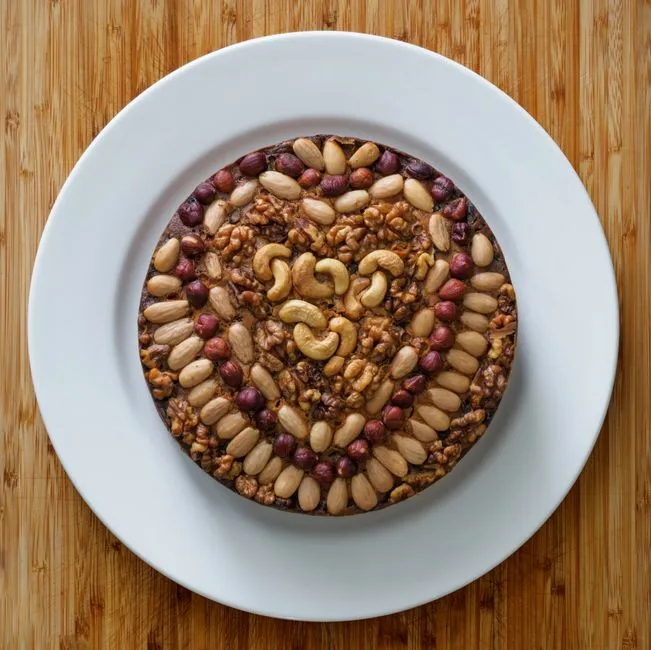
Almost as an aside, Janet Keiller is also credited with developing the first Dundee Cake, as a means of adding value to her marmalade. The cake used leftover orange peel and marmalade, turning a potential waste product into something that became iconic in its own right. It was practical, inventive, and entirely characteristic of the Keiller approach.
The original commercial development of the cake began in Dundee in the late 18th century in the shop of Janet Keiller, and it was mass-produced by the marmalade company Keiller’s marmalade, who have been claimed to be the originators of the term “Dundee cake.” Both the cake and the marmalade now carry the city’s name on tables across Britain and far beyond it.
The Legacy of a Family Enterprise
In seeking a better share of the market, the Dundee marmalade manufacturer James Keiller and Son moved their centre of operations from Scotland to Guernsey, and as a result were able to undercut all their rivals and make a huge profit. The business ambition behind the brand was always considerable. This wasn’t a sentimental cottage industry; it was a commercially aggressive operation from early on.
The firm was acquired by Crosse and Blackwell in the 1920s and sold again several times after that. The James Keiller and Sons Dundee Marmalade Company ceased to exist in 1992. Today, Keiller’s marmalade is made by the Hain Celestial Group, but it is mostly for export to other countries. The name travels on, even if the factory floors in Dundee are long silent.
Dundee Today: A City Remembering Its Flavour
Today, Dundee is promoted as “One City, Many Discoveries” in honour of Dundee’s history of scientific activities and of the RRS Discovery, Robert Falcon Scott’s Antarctic exploration vessel, which was built in Dundee and is now berthed at Discovery Point. The city has moved on industrially, but it has not forgotten what made it famous at a breakfast table level.
Keiller’s contributions are honored in contemporary food heritage events, such as the annual World’s Original Marmalade Awards and Festival, which celebrates marmalade’s global variations while acknowledging its Scottish origins in Dundee through tributes to the Keiller family’s role in its commercial development. Dundee has emerged in recent years into a hip, thriving, and exciting hub, known as the home of jute, jam and journalism, the city famous for the production of jute in the 18th century, the invention of marmalade by local woman Janet Keiller, and the comics The Beano and The Dandy.
A Jar Full of History Worth Tasting
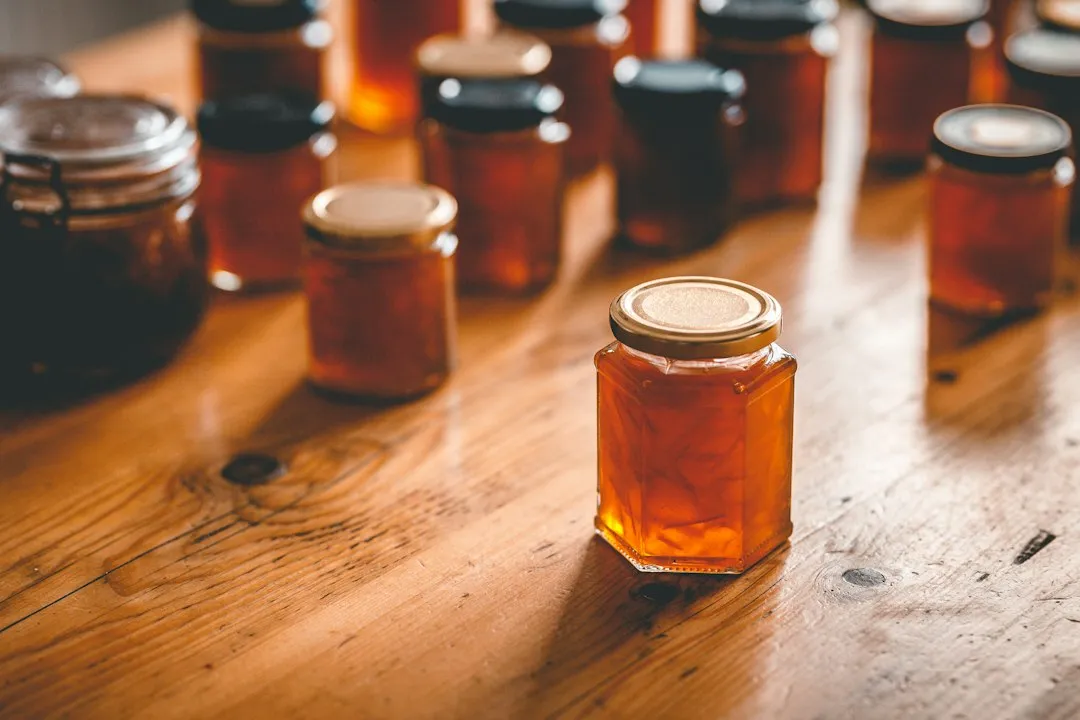
What Dundee gave the world was not just a recipe. It was a method, a texture, a habit, and an idea of what preserving fruit could actually become when produced at scale and shipped with intention. Such is the demand for marmalade in the UK that the majority of bitter oranges, popularly known as Seville oranges, grown in Spain are exported to Britain to be transformed into this beloved breakfast conserve.
The next time a jar of marmalade sits open on a breakfast table, with those amber strips of peel catching the morning light, it carries a longer address than most people realise. It points back to a harbour on the Tay, a sharp-eyed grocer, and a woman named Janet who decided that bitterness, handled correctly, could be something worth spreading.
AI Disclaimer: This article was created with the assistance of AI tools and reviewed by a human editor.