


It All Comes Down to Lithium-Ion Chemistry
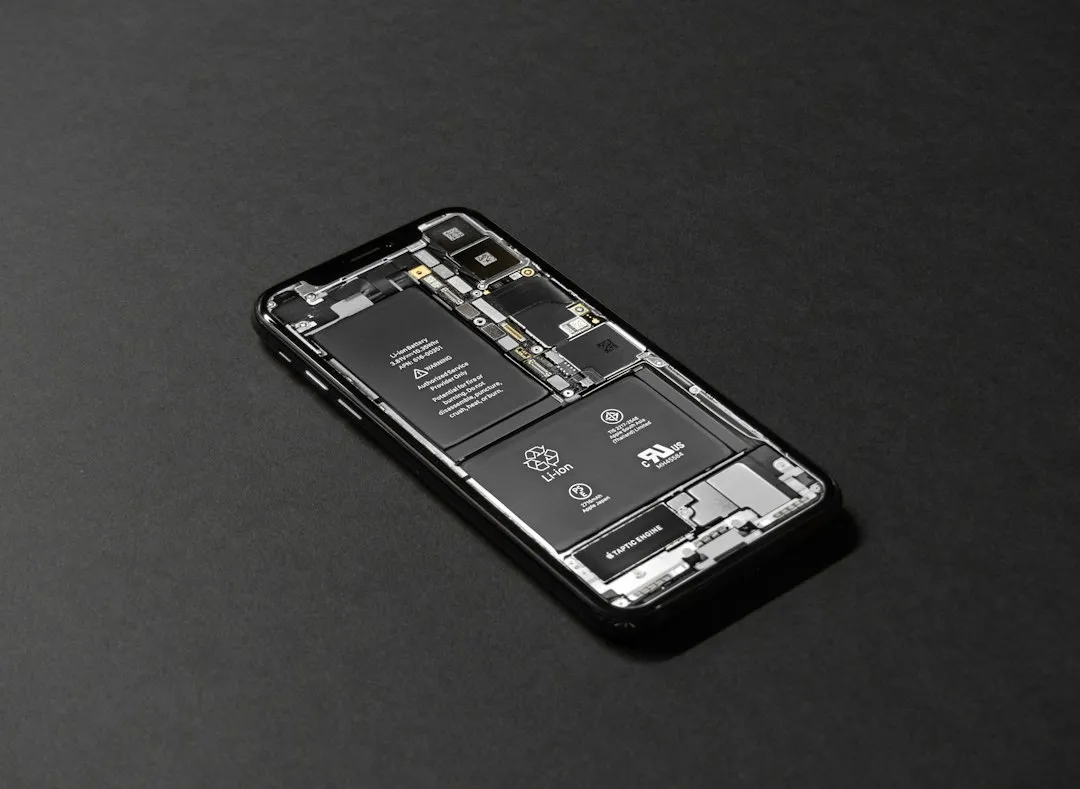
Lithium-ion batteries rely on the movement of lithium ions between the anode and cathode through an electrolyte solution, and this chemical reaction is what generates the electrical energy that powers your phone. When temperatures drop, that process gets disrupted at a fundamental level.
When it’s cold, the ions slow down and can’t insert properly into the electrodes, so the battery can’t produce as much current before it runs down. Think of it like trying to pour cold honey instead of warm honey. The substance is still there, but it moves much more reluctantly.
The Electrolyte Thickens and Slows Everything Down

Smartphones rely on liquid chemicals, known as electrolytes, to move power between internal components. In normal conditions, these liquids flow freely and ion transfer happens quickly and efficiently.
In cold temperatures, especially below 0°C (32°F), the electrolyte thickens, slowing ion movement. As ambient temperature drops below freezing, lithium-ion batteries experience exponential increases in internal resistance, dramatic reductions in ionic conductivity of electrolytes, sluggish charge transfer kinetics at electrode-electrolyte interfaces, and compromised lithium-ion diffusion rates within electrode materials.
Internal Resistance Rises, and Performance Falls With It

At sub-zero temperatures, the Li-ion cell’s capacity is reduced due to the impedance effect, which then increases the cell’s internal resistance. More resistance means more energy is wasted as heat rather than delivered as usable power to your screen, processor, and radio antennas.
In cold weather, the cold interferes with the movement of the ions, the battery is unable to produce as much current before draining, and as you’re using the device, the battery, which cannot produce as much of an electrical charge, works harder – and that is essentially making the battery drain faster. It’s a compounding problem rather than a single cause.
How Much Capacity Can You Actually Lose?
The numbers, confirmed by published research, are sobering. Battery capacity decreases by roughly 15% compared to the value measured at room temperature when the operating temperature drops to approximately minus 10°C, and by about 35% at approximately minus 20°C.
Current lithium-ion battery technology experiences significant capacity losses when operating below 0°C, with performance drops ranging from 20% to 50% depending on the specific chemistry and temperature conditions. That’s a meaningful chunk of your day gone, sometimes in a matter of minutes outdoors.
Why Your Phone Lies to You About the Percentage

One of the most confusing things that happens in cold weather is a phone showing, say, 30% charge, then shutting off instantly. Cold weather causes the liquid chemicals inside the battery to thicken and move much more slowly, and as a result the battery struggles to output enough voltage, causing the phone software to misread how much charge is actually left.
Internal resistance rises, which means the battery can’t deliver power as quickly, and the practical result is that your phone might show 40% charge and then shut off without warning, because the battery voltage drops too fast under load to keep the processor running. The charge was never actually gone. It was just temporarily inaccessible.
Why It Comes Back When You Warm Up the Phone
This reversal of apparent “death” surprises most people, but the science behind it is straightforward. Only when the battery reaches a warmer temperature will the lithium ions move as usual, and this is why a cold battery can go from empty to full again just by warming up: the lithium ions didn’t fully move from one end of the battery to the other, they just stopped moving.
The reduction in battery capacity due to low temperatures appears reversible. Returning the battery to higher temperatures restores the expected capacity value. According to Apple’s guidance, using an iPhone in very cold conditions can temporarily shorten its battery life and cause it to turn off, but normal battery performance generally returns when the device reaches a warmer temperature.
What the Manufacturers Actually Recommend
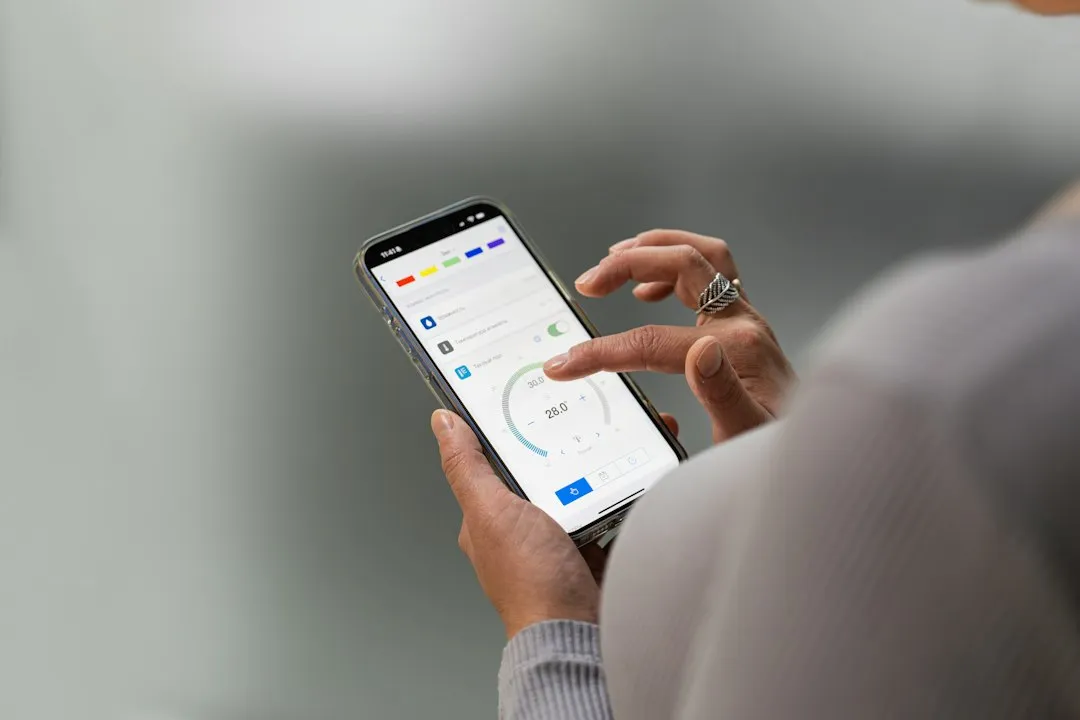
Apple and Samsung both list 32°F to 95°F (0°C to 35°C) as the recommended operating temperature range for their smartphones. Going below that lower boundary is where the trouble begins.
Extended use or storage at temperatures above 95°F or below 32°F will exacerbate battery performance and may lead to unexpected shutdowns and shorter battery life, according to Samsung’s official guidance. The effects depend on how cold the device becomes, how long it’s exposed, its battery condition, and what you’re doing with it.
The Real Danger: Charging in the Cold
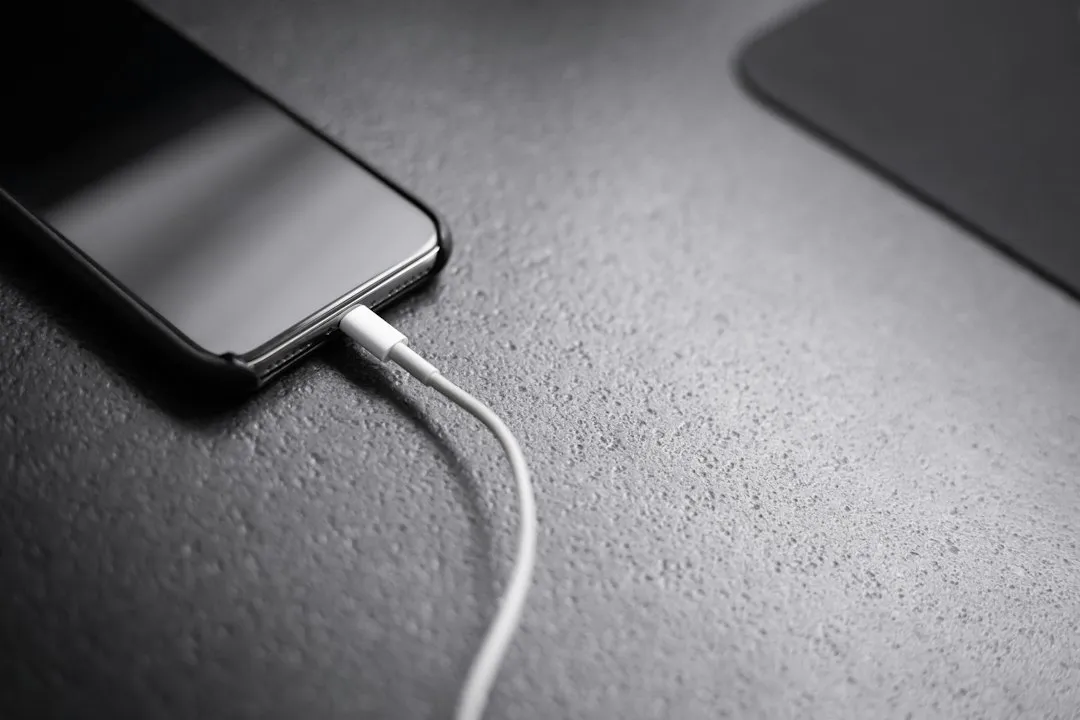
Using your phone in the cold is frustrating. Charging it in the cold, though, is where actual damage can occur. Charging at sub-freezing temperatures causes a buildup of lithium on the battery’s anode known as “lithium plating,” and that accumulation can permanently degrade your battery capacity.
Research shows that 0°C represents a temperature-sensitive point where lithium-ion intercalation kinetics and current density become mismatched, leading to excessive side reactions and irreversible active lithium loss. A phone that’s become extremely cold may slow or pause charging to protect its battery, and Apple recommends allowing a cold iPhone to warm gradually indoors before charging it.
Can Cold Crack the Battery Itself?
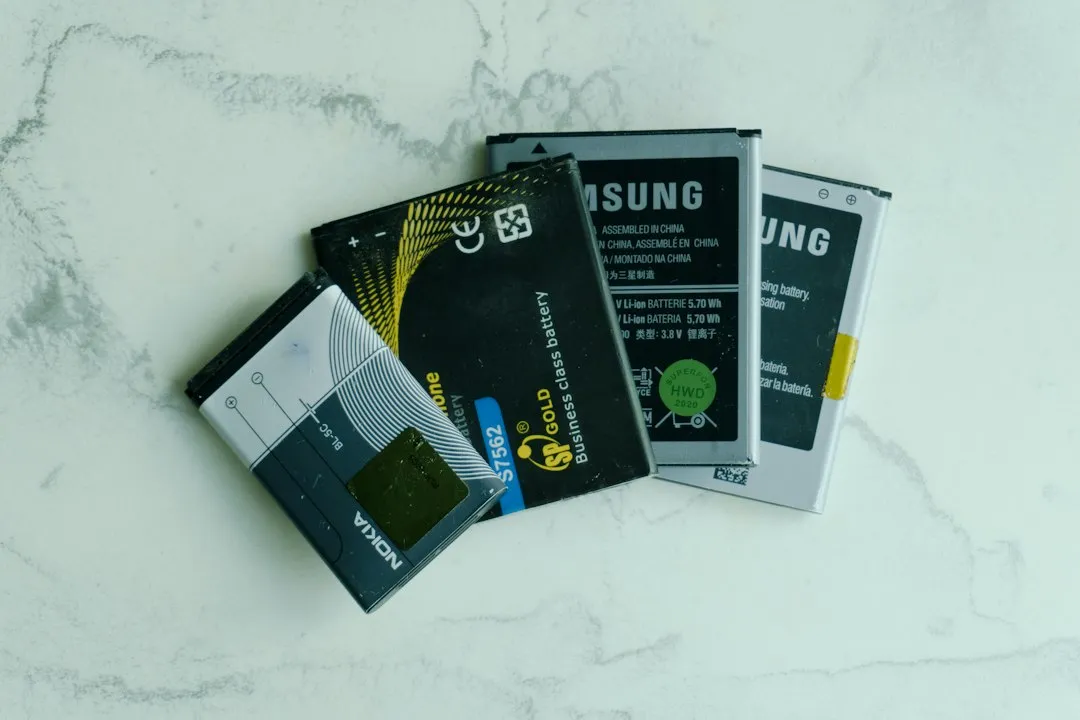
Beyond chemistry, cold temperatures can cause physical damage that most users never think about. Researchers at the Department of Energy’s SLAC National Accelerator Laboratory identified that storing lithium-ion batteries at below-freezing temperatures can crack some parts of the battery and separate them from surrounding materials, reducing their electric storage capacity.
Low temperature exposure causes electrode particle cracking, leading to dead lithium generation, and this dead lithium deposits on electrode surfaces along with overconsumption of electrolyte, inhibiting reactions and reducing capacity. Additionally, dead lithium accumulates on separators, impeding ion transport and further accelerating capacity loss. These are structural changes that don’t simply reverse when the phone warms back up.
Practical Ways to Protect Your Battery This Winter

Keeping the phone in a bag or purse, or keeping the device in a coat pocket, allows your body heat to help keep the device in its operating temperature range, and any layers between the phone and the cold will help keep it warm enough to function. It sounds almost too simple, but it genuinely works.
Consider turning off battery-draining features you might not need, such as Bluetooth or Wi-Fi. Battery saver mode reduces background activity and power consumption, which can help offset faster battery drain in cold weather. Repeated cold charging before the battery has warmed to at least 32°F accumulates irreversible internal damage, and if you work outdoors in winter, making a habit of warming the phone before charging is one of the simplest things you can do to preserve battery health over the life of the device.
The Science Is Still Catching Up

Scientific research underscores just how sensitive these power cells are to cold weather, and in a study published in the journal Energies, researchers noted that “among all environmental factors, temperature has the greatest impact on the charge and discharge performance of lithium-ion batteries.” That statement covers everything from your pocket device to aerospace systems.
Researchers are exploring all-solid-state batteries that have shown the capability to maintain stable charge and discharge cycles for over 200 hours at minus 60°C, demonstrating their potential effectiveness in extreme cold conditions. Certain battery chemistries like lithium iron phosphate perform better in cold weather, but most consumer devices still use standard lithium-ion batteries. Until next-generation battery tech reaches your pocket, understanding the chemistry is your best defense against a dead screen on a cold morning.
The Takeaway

Your phone isn’t failing you in the cold. It’s doing exactly what the physics of its chemistry dictates. Lithium-ion batteries are engineered for a comfortable, room-temperature world, and when you drag them into freezing air, the internal chemistry slows, resists, and sometimes stalls entirely.
The good news is that most of the capacity loss is temporary and reversible. Keep your phone close to your body, avoid charging it while it’s still frozen, and let it warm up gently before plugging in. That knowledge, more than any app or setting, is what will keep your phone alive when the temperature plunges.
AI Disclaimer: This article was created with the assistance of AI tools and reviewed by a human editor.