

A Spanish Admiral with a Royal Mandate

The Spanish Crown issued a contract to Menéndez, signed by King Philip II on March 20, 1565, granting him various titles, including that of adelantado of Florida, and expansive privileges to exploit the lands in the vast territory of Spanish Florida. This was not an exploratory voyage driven by curiosity. It was a calculated strategic mission.
King Philip II commissioned Menéndez with a dual mandate: colonize Florida and eliminate a French Huguenot settlement at Fort Caroline, roughly 40 miles north of where St. Augustine would be established. France and Spain were locked in a broader competition for control of the Atlantic world, and Florida was the prize.
On September 8, 1565, Menéndez arrived with about 600 settlers and officially founded St. Augustine. The choice of location was deliberate, positioned to protect Spain’s treasure fleets sailing the Gulf Stream back to Europe.
Built on Timucua Land
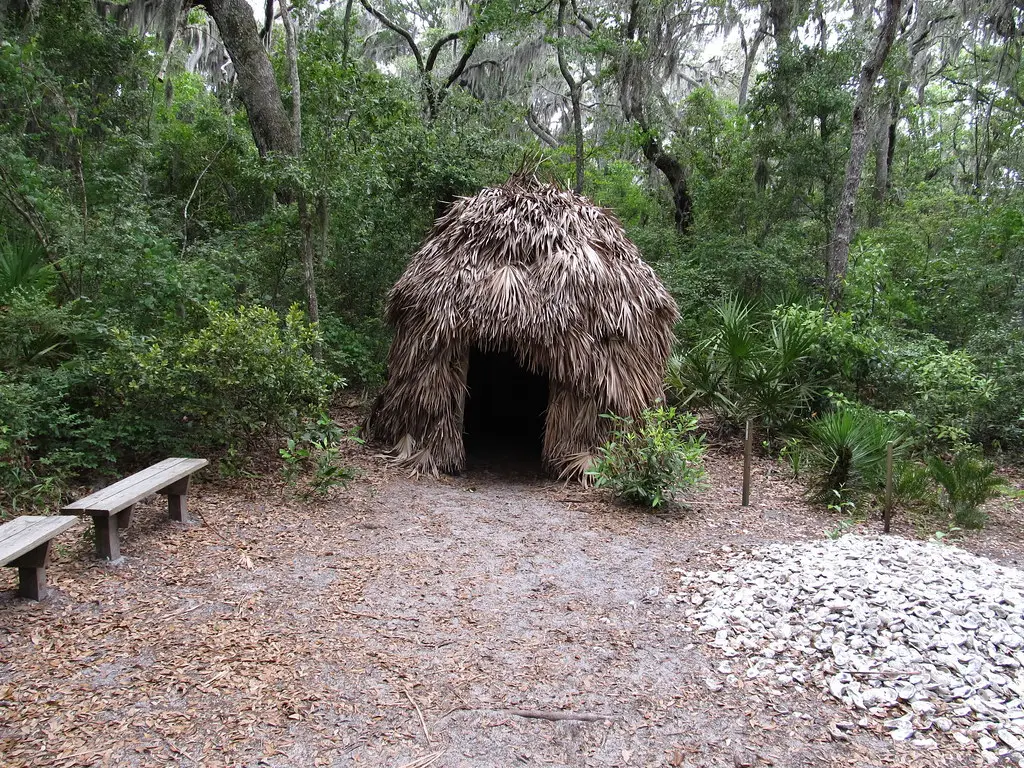
The Timucua probably numbered between 200,000 and 300,000 people, organized into various chiefdoms speaking a common language, with the earliest evidence of their presence dating from around 3000 BC. This was a thriving civilization long before any European ship appeared on the horizon.
Built on land inhabited by the Timucua people, the city was founded to serve as both a military stronghold and a center for missionary work. The Spanish moved into existing Timucua villages, using their structures as early shelter while they established their own defenses.
The Timucua’s history changed dramatically after the establishment of St. Augustine in 1565 as a Spanish Presidio. Having eliminated the French settlements, the Spanish began to establish missions among the Timucuan chiefdoms. The arrival of European settlement had lasting and profound consequences for the Indigenous population.
Older Than Jamestown by 42 Years
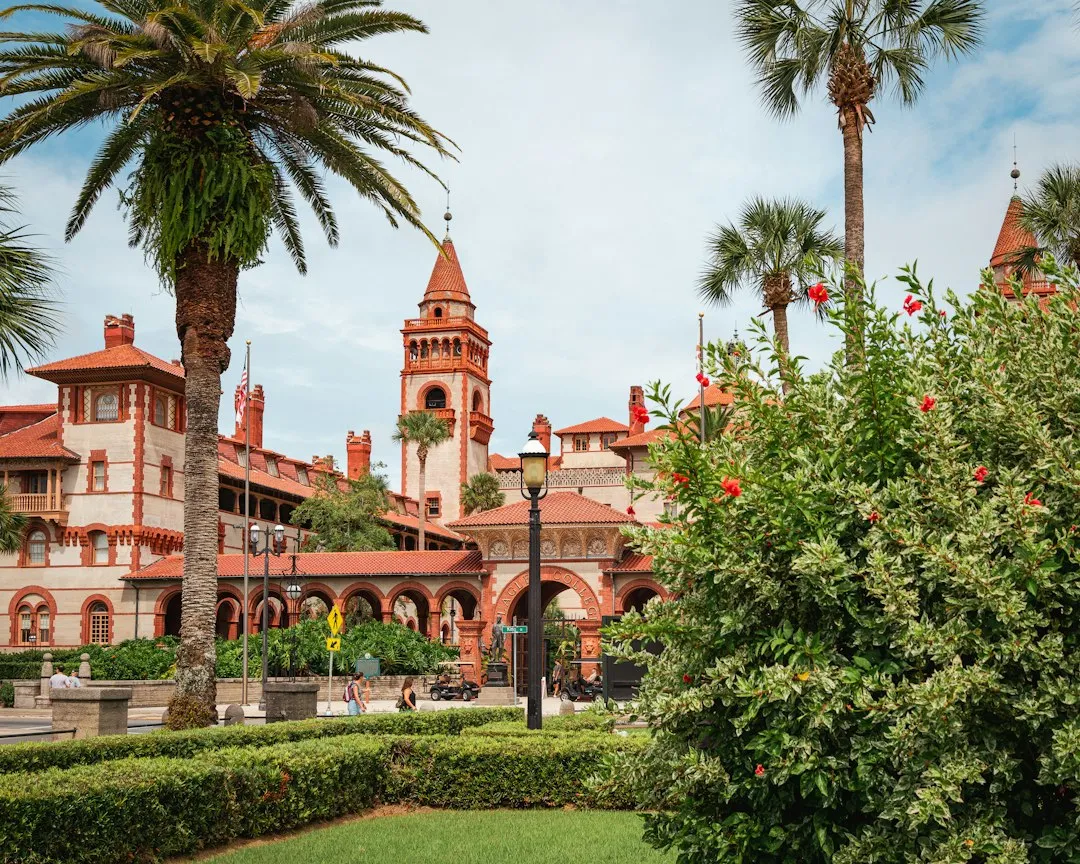
The city was established 42 years before Jamestown and 55 years before the Pilgrims arrived at Plymouth Rock. Those are significant gaps in time, not minor footnotes. By the time the first English settlers were struggling through their first winter at Jamestown in 1607, St. Augustine had already survived four decades of hurricanes, raids, and rebuilding.
St. Augustine is described as the oldest continuously occupied European-founded settlement in the continental United States, with every qualifier mattering. Founded in 1565, it was established 42 years before Jamestown and 55 years before the Pilgrims arrived at Plymouth Rock.
San Juan in Puerto Rico is older still, but as a territory it falls outside the continental claim. That distinction matters when historians parse the precise language of the title, though it doesn’t diminish St. Augustine’s extraordinary standing.
The Castillo de San Marcos: A Fort That Was Never Taken
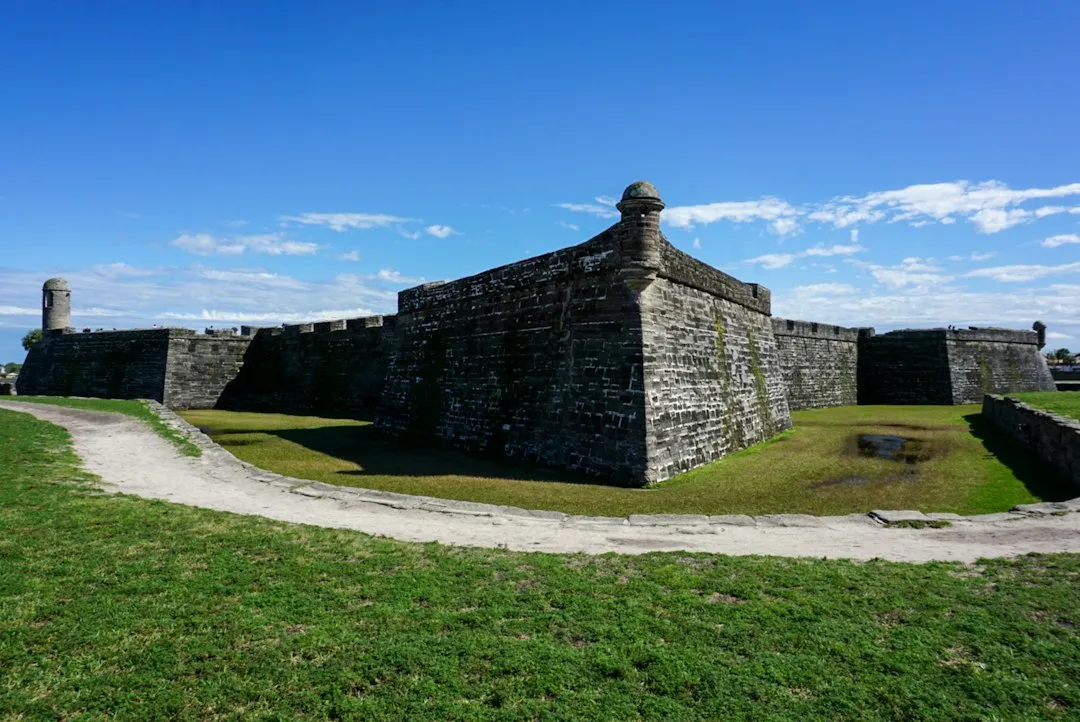
The city’s defining landmark, the Castillo de San Marcos, began construction in 1672 using coquina stone from Anastasia Island. This fortress remains one of North America’s best-preserved examples of Spanish colonial military architecture. Coquina, a naturally occurring sedimentary rock made of compressed shell fragments, turned out to be an inspired choice.
Construction of the Castillo de San Marcos began in 1672 and was finished in 1695. Unlike brick or standard stone, coquina absorbed cannon fire rather than shattering, which made the walls extraordinarily resistant to bombardment.
Throughout its history of various European sovereign ownership, the Castillo de San Marcos has never been breached or taken by force. That is a remarkable record for any military fortification across nearly four centuries of conflict and changing empires.
A City That Changed Hands Multiple Times
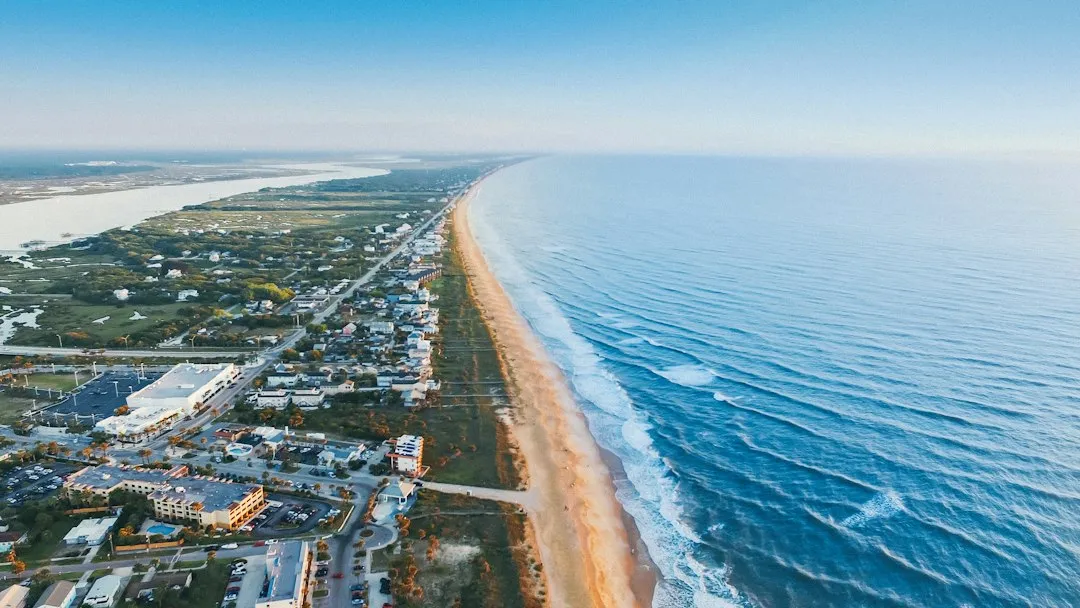
St. Augustine would remain the seat of Spanish power in Florida throughout the 16th, 17th, and 18th centuries. That’s a long stretch of continuous political authority rooted in a single city on the North American coast.
St. Augustine’s rich history runs from its founding in 1565 as the oldest continuously occupied European and African-American settlement in the United States, through its architectural heritage, military past, and pivotal role in the Civil Rights movement, evolving through Spanish, British, and American periods.
The expanding United States gained control of Florida in 1821, and Florida became a state in 1845. Through all those transitions, the city never went dark. It kept its people, its streets, and its shape.
A Remarkably Diverse Colonial Community

St. Augustine developed into one of the most ethnically diverse communities in colonial America. Spanish colonists lived alongside Native Americans, free and enslaved Africans, and later Minorcan, Greek, and Italian immigrants. The cultural mix of this city defies the simplistic narratives that often accompany colonial history.
After the Castillo was completed, it became the center of command for St. Augustine’s Spanish military, which included militias of Black soldiers as early as 1683. This is a detail that often gets overlooked in broader accounts of colonial-era America.
Founded in 1565, St. Augustine is the oldest continuously occupied settlement of European and African American origin in the United States. That framing reflects a richer and more complete picture of who actually built and sustained this city.
St. Augustine’s Role in the Civil Rights Movement
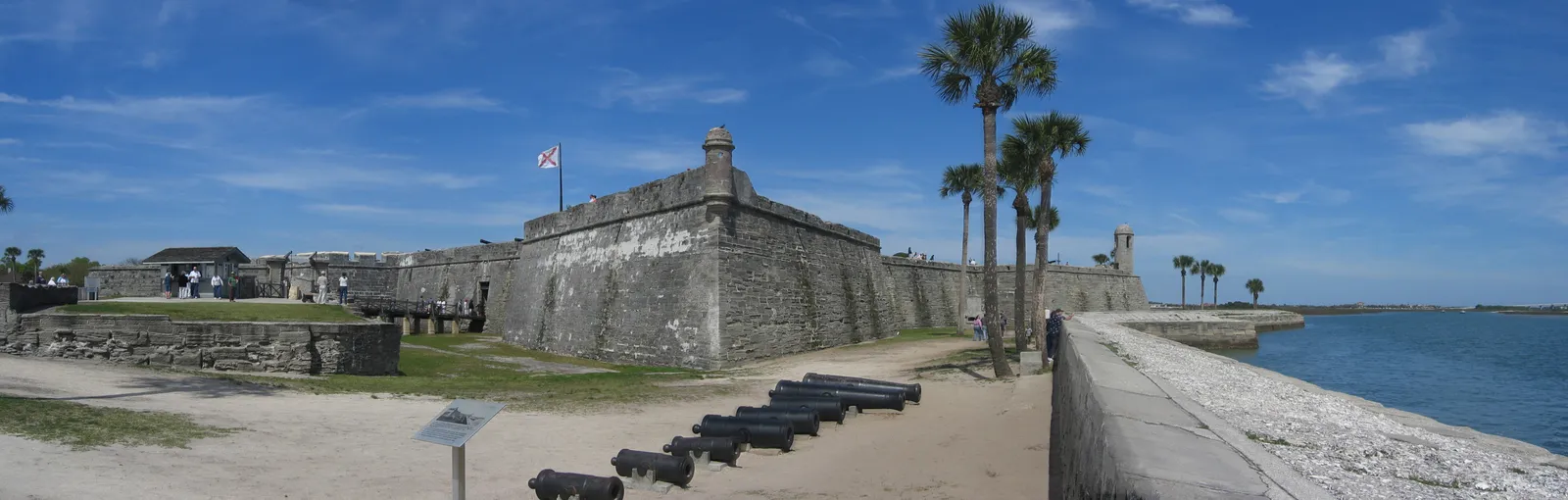
St. Augustine and Castillo de San Marcos National Monument played a vital role in the Civil Rights Movement of the 1960s. The city’s ancient spaces became sites of modern moral urgency, a convergence that felt almost theatrical but was entirely real.
During the American Civil Rights Movement, which reached a height of activity in the 1960s, the lawn of the Castillo became a site of peaceful demonstrations. People who protested segregation would often gather under a red cedar called the “Freedom Tree,” singing praise songs and holding talks.
The successes of the movement in St. Augustine helped to convey the importance of passing a sweeping Civil Rights Act, and in July of that same year, the Civil Rights Act of 1964 was signed by President Lyndon B. Johnson. The fort also holds a specific place in that legal legacy. The Castillo de San Marcos National Monument became part of the African American Civil Rights Network in June 2021.
The Architecture That Survived the Centuries
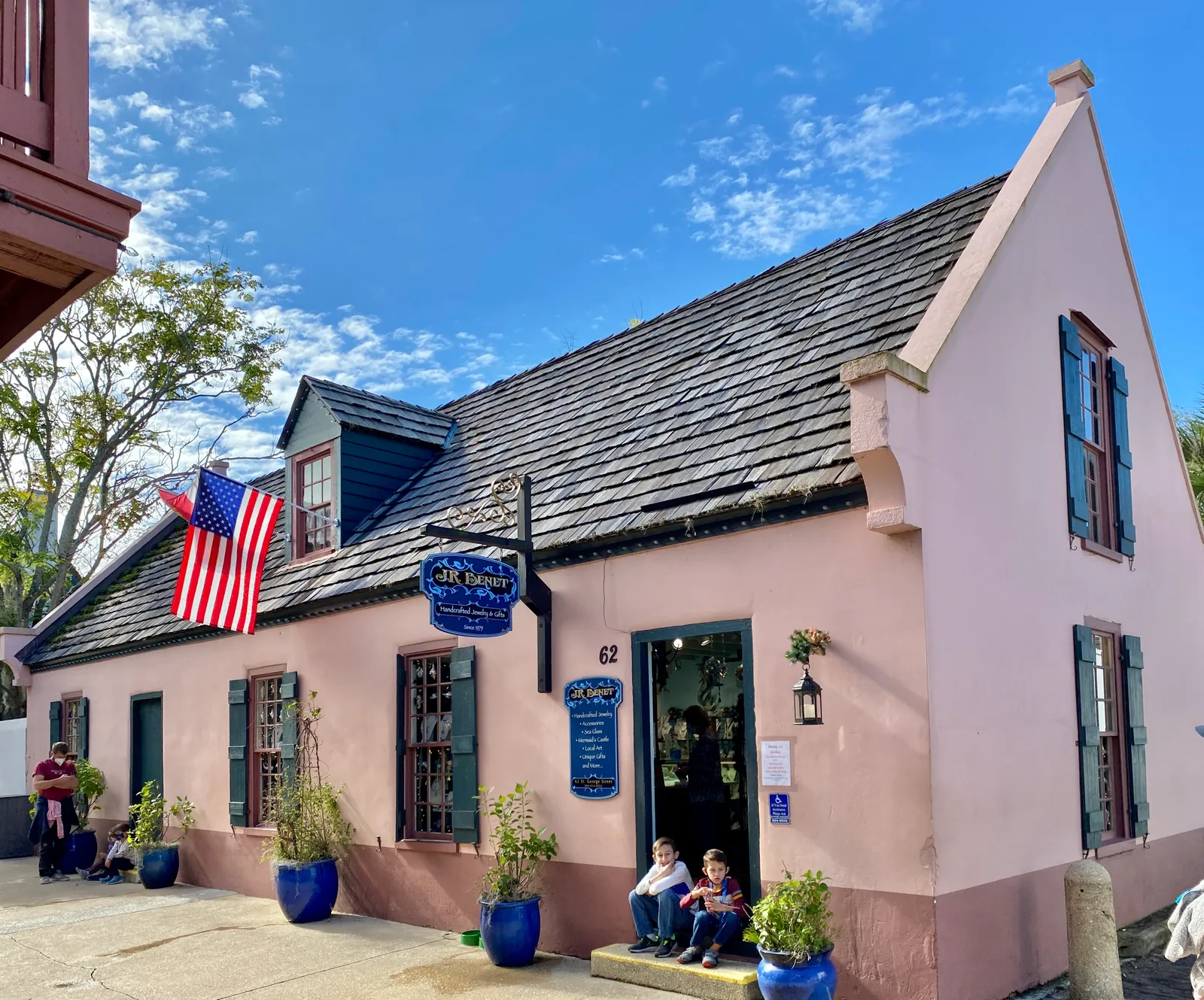
St. Augustine has 36 original colonial buildings and about 40 reconstructed buildings based on colonial designs. The city is unique because it is the only urban area in the United States whose street layout and architecture still strongly reflect its Spanish origins.
The city is a fascinating visual mix of styles and typologies, a veritable timeline of built history ready to explore. The narrow roads and small blocks still reflect the original city layout. Walking St. Augustine’s streets offers something genuinely rare: a city plan that has remained legible across more than four centuries.
Don Pedro Menéndez de Avilés founded St. Augustine in 1565 under orders from King Philip II, and the town began to be formally laid out in 1603. That grid has shaped the city’s physical identity ever since.
Tourism, the Economy, and a City Under Pressure
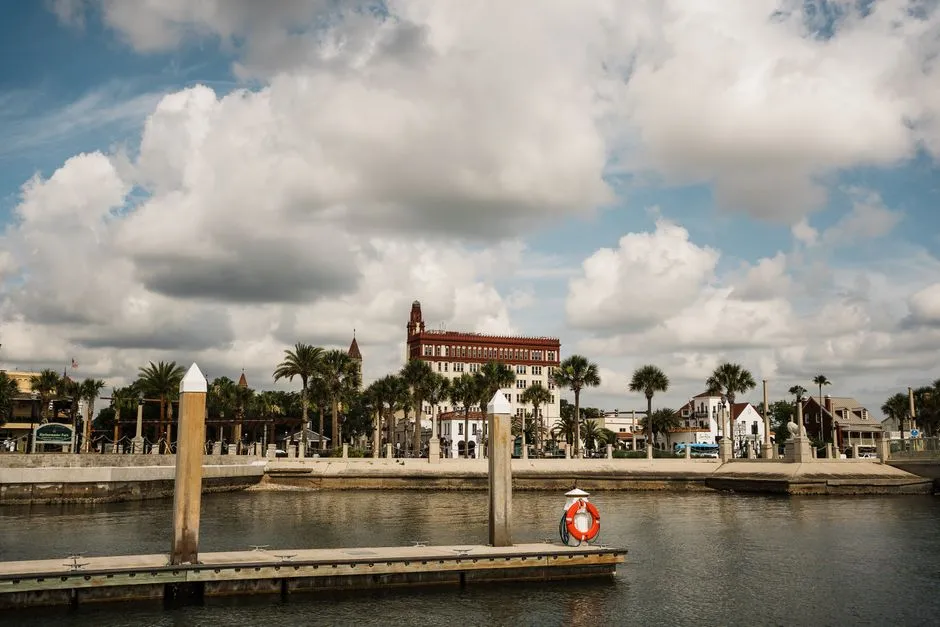
Tourism generates an estimated $3.8 billion annually in St. Johns County and supports more than 30,000 jobs. The local bed tax, paid by overnight visitors, contributes around $24 million each year. Those are significant numbers for a city that remains relatively compact in size.
Tourism now fuels nearly 98% of the city’s local economy. That level of economic dependency brings both vitality and vulnerability, particularly when visitor numbers fluctuate. In 2024, the number of tourists coming to town dropped slightly from years prior.
Some St. Augustine locals are not supportive of expanded tourism plans, expressing concerns about the city losing its historical charm and becoming too focused on attracting tourists. It’s a tension that many historic cities around the world recognize, balancing preservation with the economic engine that depends on it.
St. Augustine’s Standing in 2026
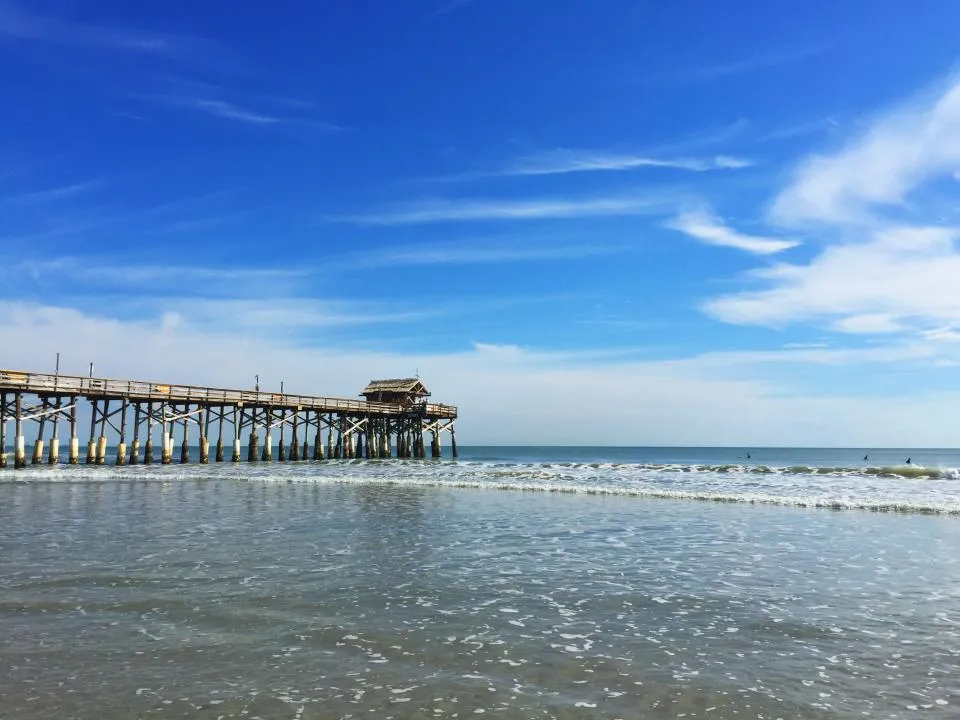
St. Augustine ranked number one in Southern Living’s top 10 Florida cities for a getaway in May 2026, and was voted the number one Best Small Town in the South by Southern Living readers in March 2026. Recognition like this keeps attention on the city at a national level, well beyond its own backyard.
Visitor engagement has shifted, with St. Augustine reporting a 28% increase in guided wildlife and aquatic eco-tours in 2026. This shift indicates a structural evolution in domestic travel where the museum-only model is being replaced by a hybrid heritage-adventure framework. Travelers are increasingly coming not just to look at history, but to move through it.
The Castillo de San Marcos National Monument received 579,825 visitors and Fort Matanzas National Monument received 680,040 visitors, ranking among the top-visited National Park Service units in 2024. Those numbers speak to a sustained and genuine interest in what this city holds.
What Makes a City “The Oldest”
The site had been inhabited long before any European set foot on it, a reminder that the “oldest city” claim refers to continuous European settlement rather than human habitation. That distinction is worth sitting with. The land was never empty. It was simply claimed, settled, and renamed.
St. Augustine was settled, attacked, burned, and rebuilt, and through it all remained occupied, giving the United States a continuously inhabited European-founded city older than the colonies that usually anchor the story of the nation’s beginnings. Continuity is the key word. The city never disappeared. It simply kept going.
Its founding by Menéndez established a template for Spanish colonial administration in the Southeast and left a lasting cultural imprint on Florida, visible in place names, architecture, and traditions that trace directly back to that September morning in 1565. That morning is closer to us than it sometimes feels.
The Takeaway
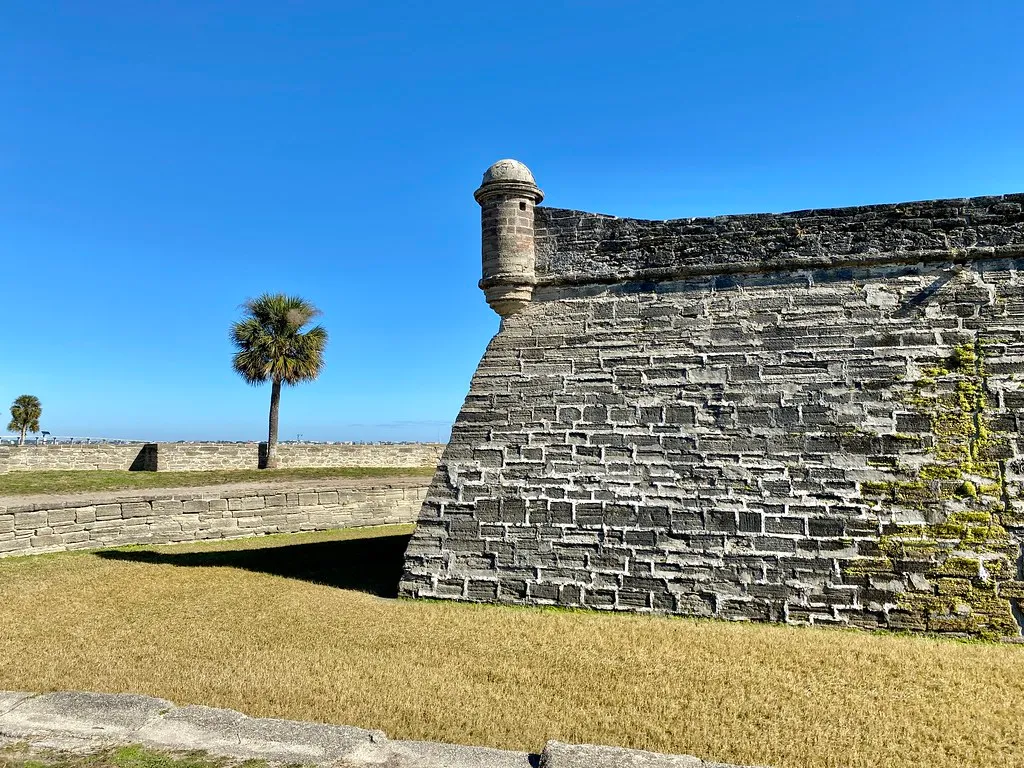
St. Augustine doesn’t need to shout about its age. The evidence is in the stone fort that cannon fire couldn’t break, in the street grid that hasn’t fundamentally changed in over four centuries, in the layers of cultures that passed through and left their mark. The city carries its history quietly but unmistakably.
What began as a strategic colonial outpost has become something harder to define and more interesting to visit: a place where the full complexity of American origins, Spanish ambition, Indigenous displacement, African resilience, and civic struggle all share the same few square miles. That’s not a small thing to hold onto.
If you’ve only thought of American history as starting in Virginia or Massachusetts, St. Augustine asks you, respectfully but firmly, to reconsider.
AI Disclaimer: This article was created with the assistance of AI tools and reviewed by a human editor.