
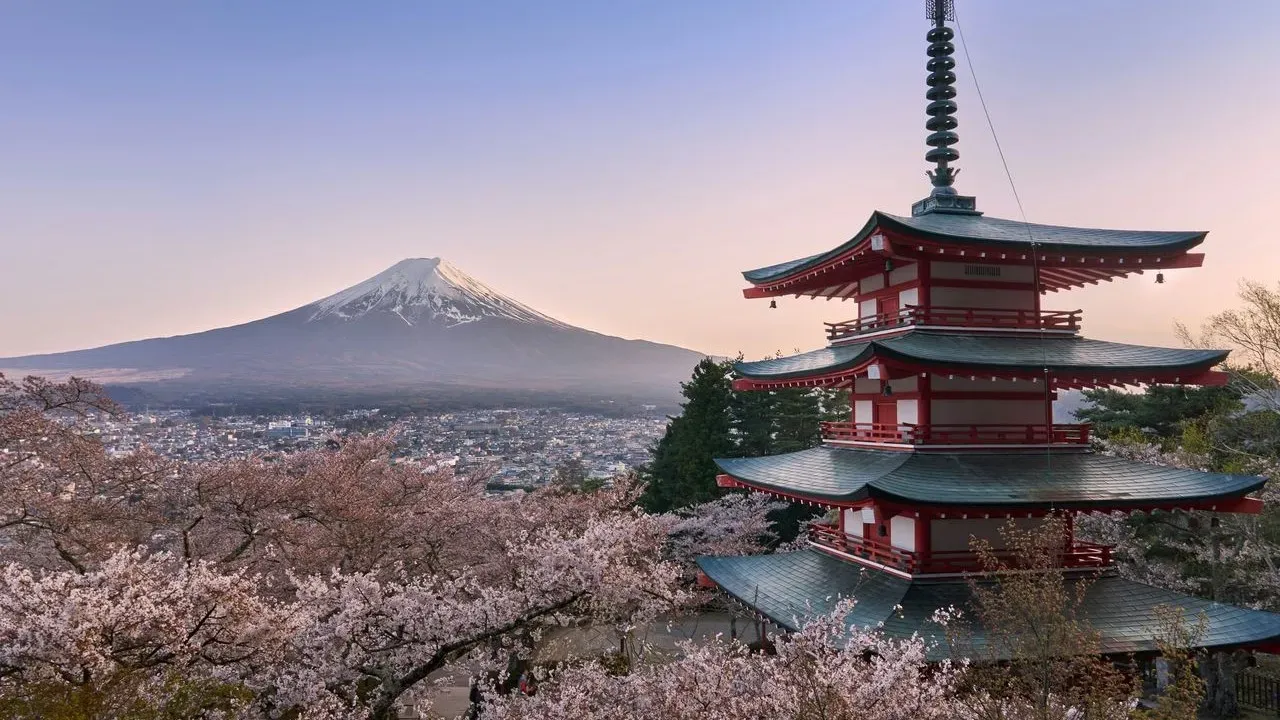

In Japan, the calendar shapes what a visitor sees. A few days can change the view from a riverbank in Kyoto or a forest path in Nikko, and a planning guide covering bloom dates, rainy season, and holiday crowds makes that calendar easier to read ([1]). The seasons follow regional patterns that are more predictable than many travelers assume, and knowing them can turn a trip into something more deliberate.
Spring sakura moves north over several weeks
The 2026 cherry blossom season opened in the south. Japan’s 2026 cherry blossom season started on March 16 with the first blooms opening in Kōchi. This was followed by Nagoya on March 17 and Tokyo on March 19. The capital was later officially announced to be in full bloom on March 28.
Kyoto followed a little later. Kyoto was expected to see its sakura bloom a day earlier than Osaka, at around March 23, but reaching full bloom a day later, on April 1. Forecasts for Kyoto varied slightly across sources, so travelers should treat any single date as an estimate. Flowers at their peak do not last long. Once the cherry blossoms reach full bloom, the flowers usually remain at their peak for about three to seven days, after which the petals begin to fall.
Several factors nudge the dates from year to year. A warmer winter accelerates bloom. El Nino years tend to push bloom dates earlier; La Nina years push them later. The first official forecast usually arrives in late January, and the Japan Meteorological Corporation updates its map weekly from January through May. For a spring 2027 trip, those releases are the best guide.
Autumn color arrives from the north and climbs toward Kyoto
Autumn foliage follows a different path, beginning at higher ground and gradually reaching the big cities. The leaves begin changing at the highest elevations of northern Hokkaido in mid-September and slowly sweep southward, reaching Tokyo and Kyoto by late November. Because the season is spread out, mountain areas and Tohoku can offer strong color weeks before the lowland cities catch up.
Nikko is a good example. Nikko’s higher areas, particularly Lake Chuzenji and Kegon Falls, usually peak in late October to early November, well before Tokyo itself. The most recent national forecast, released on November 4, places the city peaks later in the month. Its city table gives Tokyo red leaves on November 30, Osaka on December 6 and Kyoto on December 14. Those dates are forecasts, so checking current color reports shortly before a visit is a sensible step.
Key timing points for planning:
- Spring sakura: Kyushu and Shikoku first, then Kansai and Kanto in late March and early April
- Autumn color: Hokkaido and high mountains in September and October, Nikko in October, Tokyo late November to early December, Kyoto into mid-December
- Rainy season: typically early June through mid-July across most of mainland Japan, with Hokkaido usually spared
- Peak holidays: Golden Week in late April and early May, Obon in mid-August, and the New Year period
Holidays and lodging shape the experience as much as the weather
Peak colors and blossoms draw the largest crowds, and that affects both prices and the feel of a visit. Kyoto’s peak fortnight is the single most expensive lodging window of Japan’s entire year, pricier than cherry-blossom season. Weekends can be especially full. One guide notes that weekends in Kyoto from November 10–30 are peak season busy, so weekday visits or early morning temple visits often provide a calmer experience.
National holidays bring their own patterns. Golden Week, a cluster of public holidays in late April and early May, and Obon in mid-August both see many Japanese families traveling, which tends to fill trains and popular destinations. Booking transport and accommodation early during these periods helps avoid last-minute compromises.
The rainy season, known as tsuyu, usually settles over much of mainland Japan from early June into mid-July. It brings humidity and frequent showers, yet it also fills gardens with hydrangeas and gives cities a quieter rhythm. Travelers who are flexible with their plans can still find rewarding days in Kyoto, Tokyo, or Hiroshima during this stretch, with a compact umbrella and a light rain jacket close at hand.
What US travelers should confirm before booking
For many Americans, the planning starts with entry rules. Citizens of the United States can generally enter Japan without a visa for tourism stays of up to 90 days. Entry requirements can change, so confirming current rules with the Japanese embassy or consulate before purchasing tickets is wise. Flight options from US cities to Tokyo and Osaka also shift by season, and comparing schedules months in advance can reveal better timing for both bloom weeks and foliage weeks.
Travel timing is also a question of respect. Japan’s festivals, temples, and neighborhoods are part of daily life, not only scenery. Visiting during quieter hours, following local etiquette at shrines, and giving residents room in busy districts all help keep a visit welcome for both travelers and the communities they visit.
A trip built around Japan’s seasons rewards patience. Whether it is the brief sakura window in late March or the slow turn of maple leaves into December, the country offers a steady sense of change. Travelers who plan with current forecasts and a little flexibility are often the ones who come home with the strongest memories.
AI Disclaimer: This article was created with the assistance of AI tools and reviewed by a human editor.