
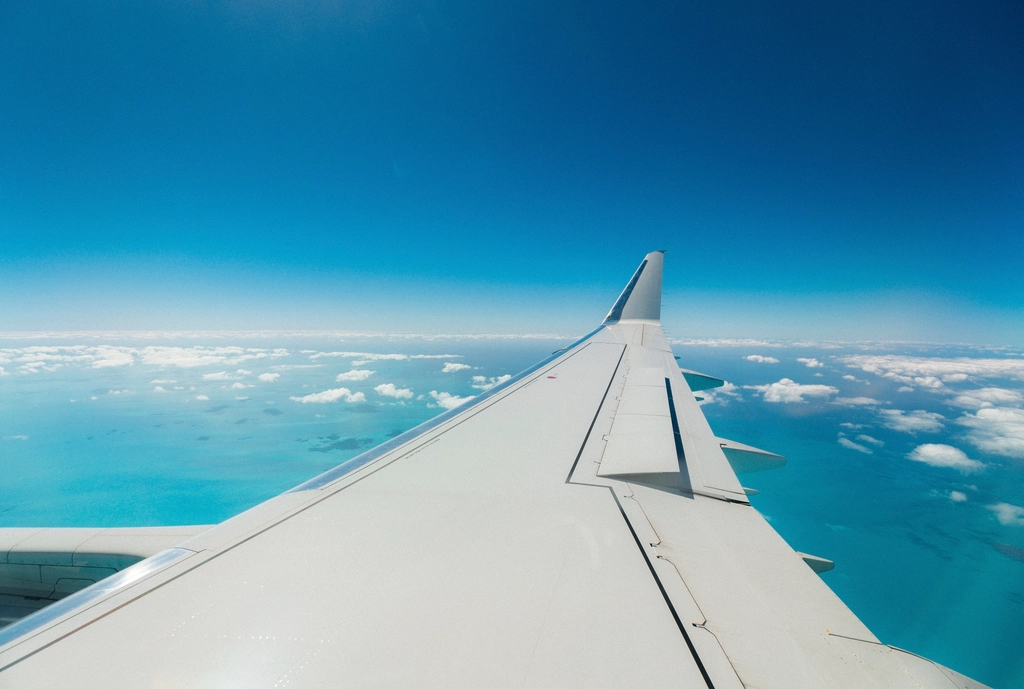

Walk through almost any international airport and the visual pattern is hard to miss: row after row of jets, overwhelmingly from nose to tail, with only a stripe of color along the fuselage or a branded tail fin to tell them apart. It’s so consistent it almost looks like a dress code.
The choice is not accidental, nor is it purely aesthetic. It comes down to physics, money, safety, and the unglamorous logic of airline economics. Here’s what actually drives this near-universal decision.
The Staggering Scale of the Trend
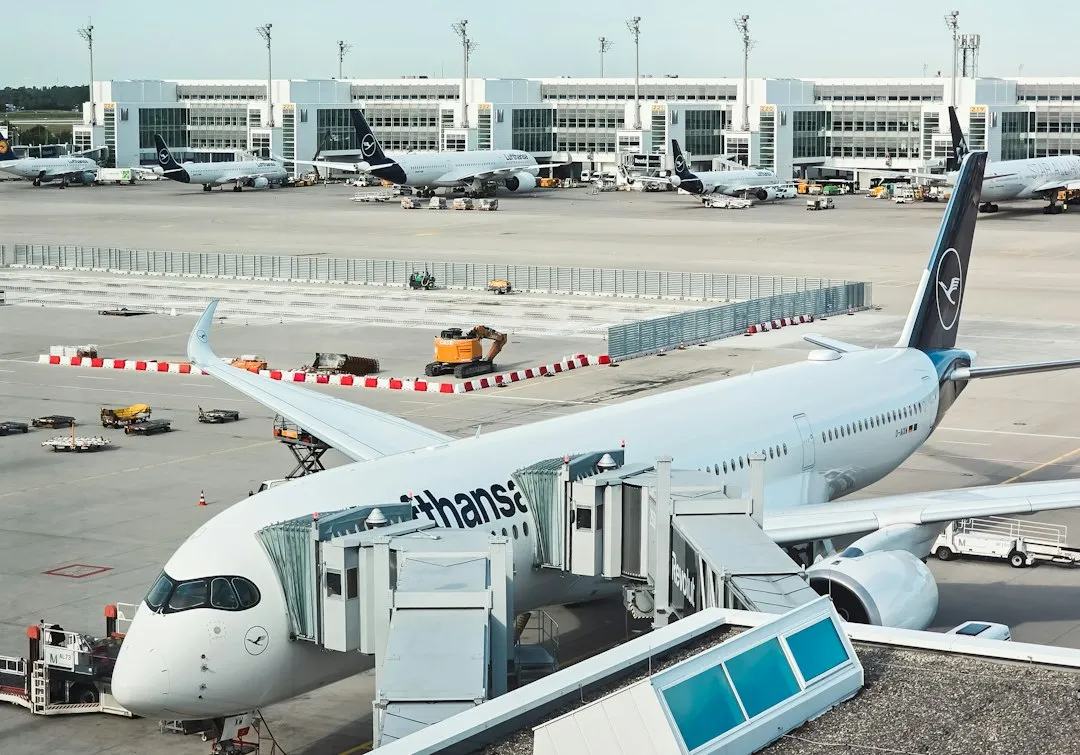
Roughly the vast majority of the global commercial aircraft fleet wears predominantly white liveries, according to fleet analysis by Boeing. That’s not a coincidence or a fashion trend that stuck around – it reflects decades of converging practical pressures that all point toward the same color.
Look across any major airport tarmac and a sea of white fuselages dominates the view. While a few airlines opt for bold branding or retro liveries, the vast majority of the world’s commercial fleet sticks to standard, stark white. This choice isn’t about a lack of imagination; it’s a calculated decision driven by engineering, safety, and economics.
White Reflects Heat Better Than Any Other Color
White paint reflects approximately nine-tenths of incoming solar radiation across the visible spectrum, compared to just a small fraction for black paint, per NASA thermal research. That difference is enormous when you consider that a commercial aircraft may sit baking on a tarmac for hours in direct sun before a flight.
When sunlight is absorbed by an aircraft, it heats up the body of the airplane. Painting a passenger plane white minimises both the heating and potential damage from solar radiation not only when the airplane is in flight, but also when it is parked on the runway. White also reflects more infrared radiation, not just visible light, making the effect even more pronounced than it looks on paper.
It Keeps Cabins Cooler on the Ground
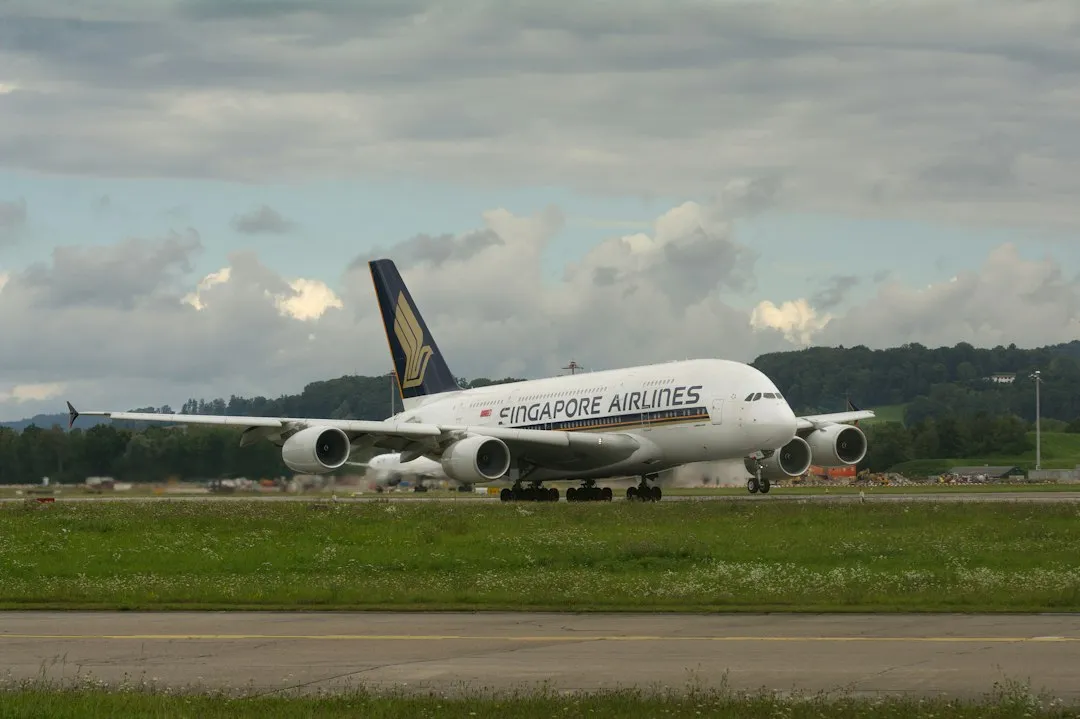
A white or light-colored fuselage keeps the interior cabin cooler during boarding, reducing the load on the air conditioning system. This matters more than most passengers realize, particularly at sun-drenched airports in hot regions.
A light-colored fuselage reflects most solar radiation, preventing the aircraft interior from overheating while parked on a sunlit tarmac. This reduces the load on Auxiliary Power Units and air conditioning systems, saving hundreds of liters of fuel on the ground and curbing component wear. Over a year, across an entire fleet, those savings compound into something that actually shows up on a balance sheet.
Paint Weighs More Than You’d Think
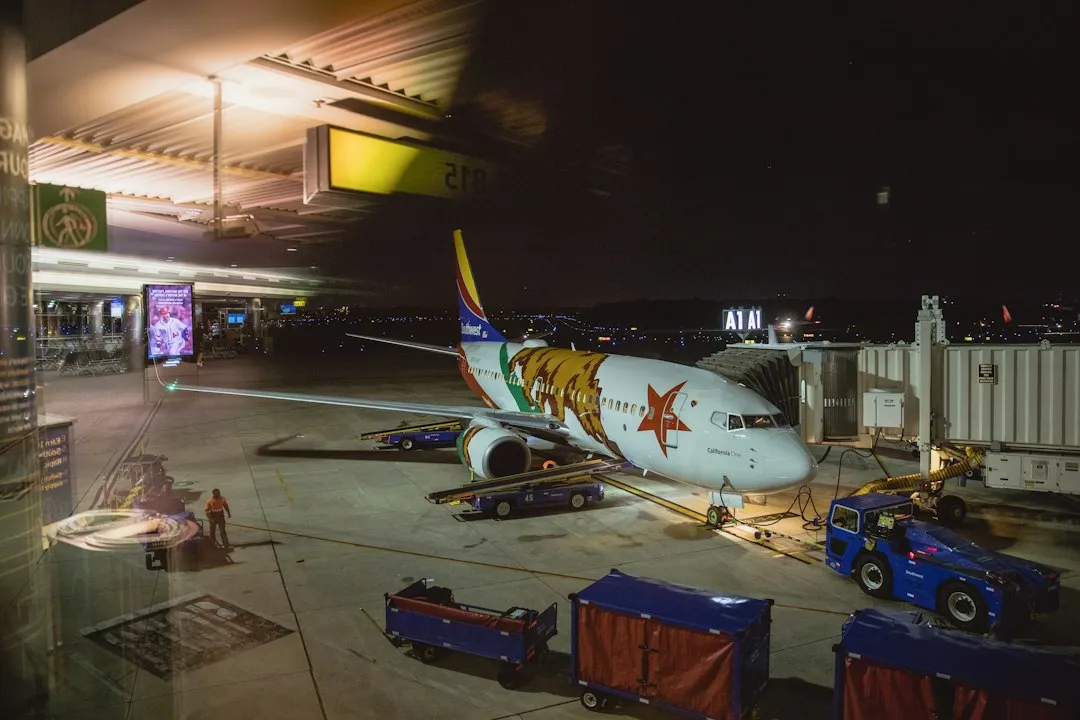
Paint on a plane adds anywhere from 600 to 1,200 pounds to the aircraft’s weight. This extra weight increases the amount of fuel a plane burns, and can ultimately be equivalent to carrying as many as eight additional passengers.
White paint is lighter both in pigment density and application thickness. When applied across a large fuselage, this can result in weight savings of up to 1,200 pounds, translating to substantial fuel savings over the aircraft’s lifespan. Darker colors require more layers and heavier pigments to achieve full, even coverage – adding weight before the jet even leaves the gate.
The Fuel Math Is Real

Airline performance engineers use a metric known as the Fuel Cost Penalty, which is the annual fuel burn rate per kilogram of added weight. This factor depends on the aircraft’s average annual flight hours and route lengths. On average, one additional kilogram onboard a short-to-medium haul narrow-body aircraft consumes between 0.03 and 0.05 kg of fuel per flight hour annually.
American Airlines reported that changes to their paint scheme saved them 300,000 gallons of fuel a year. That figure alone illustrates why airlines treat paint as an operational variable, not just a cosmetic one. At that scale, color is a cost center.
White Paint Doesn’t Fade Like Other Colors
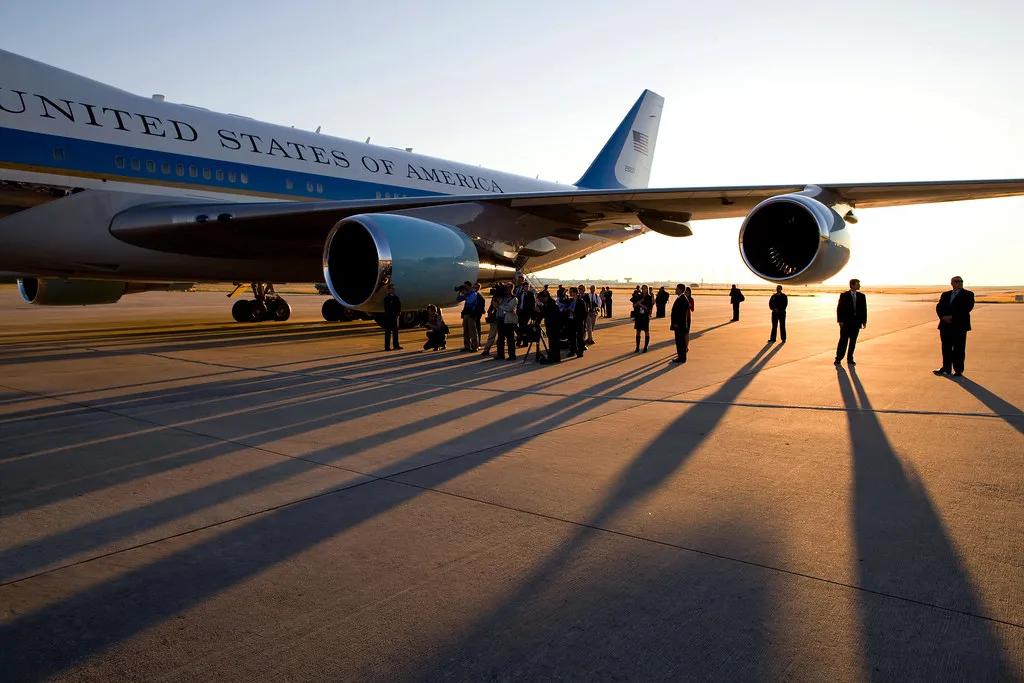
Colored paints, such as red, blue, and yellow, absorb more light and fade faster than white, requiring airlines to repaint their fleets more often. Repainting a commercial aircraft is not a quick or cheap job.
A typical Boeing 747 paint job uses around 120 gallons of paint, while a 767 uses approximately 90 gallons. All told, painting a commercial airliner can cost anywhere from $50,000 to $200,000. Multiply that across a large fleet, and the savings from less frequent repainting are genuinely significant. An airplane painted white or a light color doesn’t appear significantly different even after spending a significant amount of time in the air.
Damage Is Much Easier to Spot
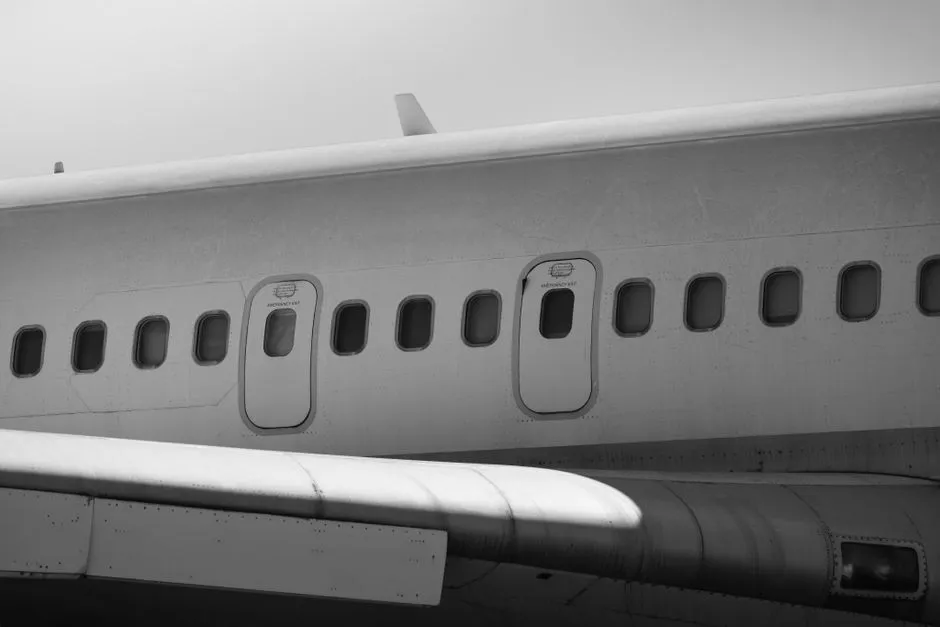
A white exterior provides a useful background against which many types of damage and contamination can be identified. This is one of the most safety-critical reasons behind the choice, and it’s one that passengers rarely think about.
White paint makes it easier to spot cracks, dents, and oil leaks. Any dark fluid, such as fuel or hydraulic oil, shows up quickly against a white surface. Even the smallest dent from a bird strike or ground equipment becomes immediately apparent during a walkaround. On a dark-painted fuselage, those same signs of wear or damage can go unnoticed far longer.
It Protects Modern Composite Materials
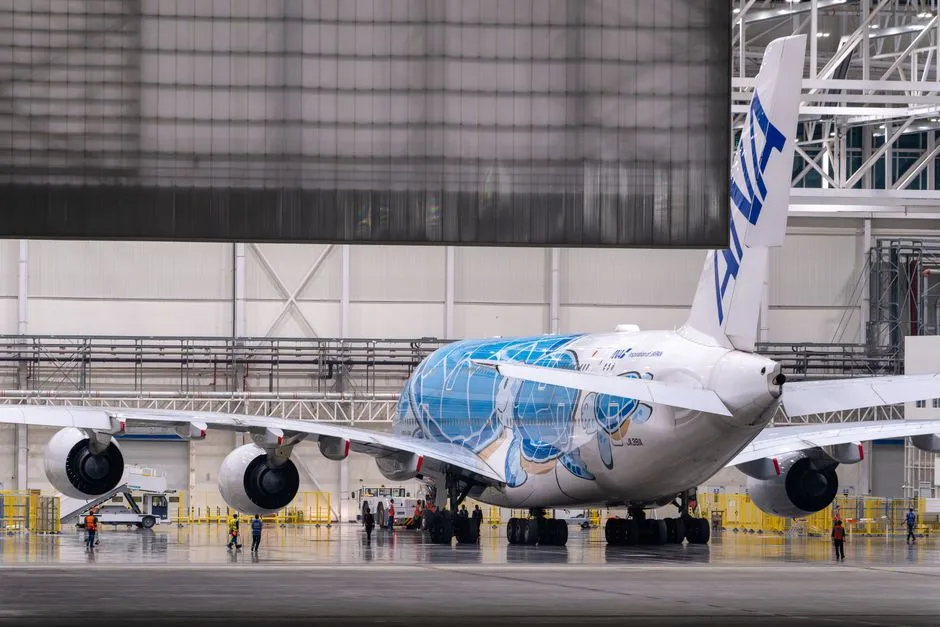
Painting an aircraft white helps to reflect the sunlight and minimize the amount of energy needed to keep the plane comfortable. Modern airplanes that are made from composite materials need even more protection from the sun as they can be damaged by UV radiation, which is another reason why white paint is used.
It is desirable for coating compositions applied to aerospace components, such as carbon fiber reinforced polymer composite aircraft wings, to prevent heat build-up of the temperature-sensitive aerospace components from absorption of solar radiation. As composite materials become more common in new-generation aircraft like the Boeing 787 and Airbus A350, the need for effective solar protection only grows.
Leasing Companies Love It
Commercial aircraft change operators an average of three to four times during their service life, per the Avolon leasing market report from 2024. Each transition typically involves a repaint, and a white base makes that process far less costly and time-consuming.
There is also a benefit to having mainly white planes when it comes to ownership changes. Many airlines and lessors sell or lease their planes to other carriers, and by keeping them white, it is cheaper to alter the livery. A white fuselage acts as a blank canvas, making it easier for the next owner to apply their own logos and branding. This flexibility maintains a higher resale value, as the cost of stripping a dark, custom-colored aircraft is a significant deterrent for potential buyers.
It May Help Reduce Bird Strikes
Lighter colors enhance the background contrast between flying birds and the aircraft, meaning the plane is less likely to hit a bird while in flight or on the ground. Bird strikes are a serious operational hazard in commercial aviation.
Painting the plane white helps avoid bird strikes, allowing waterfowl and other birds to see the aircraft and avoid hitting it. Painting in darker colors would make it blend in with the ground and decrease a bird’s ability to see it. While white paint is not a complete solution to the problem, reducing contrast between the aircraft and the surrounding environment remains a meaningful factor in aviation safety planning.
The Concorde Exception That Proved the Rule
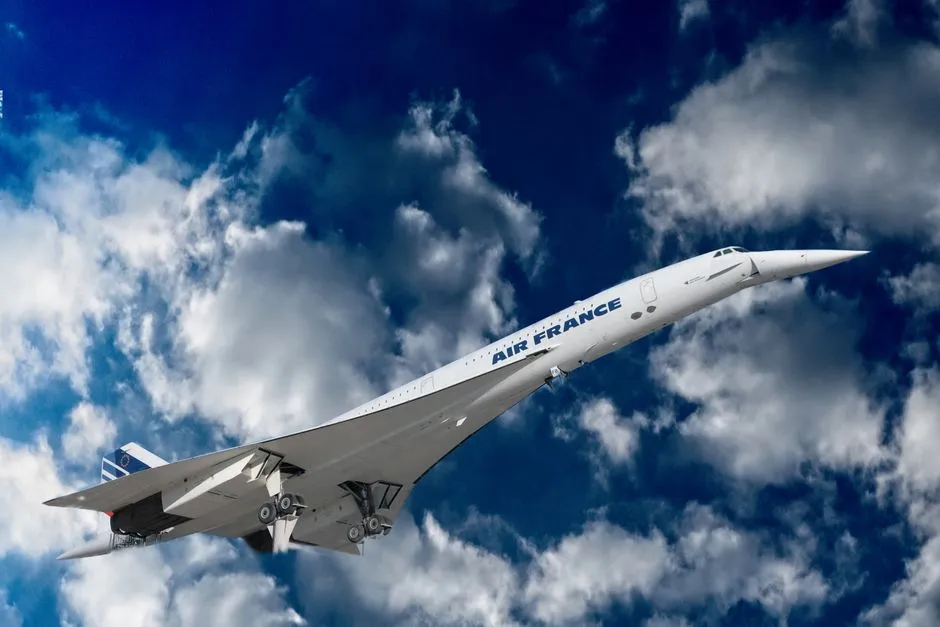
Concorde was painted white to reduce the effects of the sun’s heat on its aluminum skin, which was already heated to more than 90 degrees Celsius at Mach 2 by aerodynamic heating. At supersonic speeds, aerodynamic friction alone generates enormous heat – white paint was not just preferred, it was structurally necessary.
When Concorde was once operated in a non-standard livery, the paint didn’t have the reflective qualities of the original white scheme, meaning that the aircraft in question could only cruise at Mach 2 for 20 minutes at a time. That operational constraint is about as clear a demonstration as you can get of exactly what white paint actually does for an aircraft in extreme conditions.
The Takeaway
What appears to be a straightforward design choice is, in reality, a decision shaped by engineering, maintenance, economics, and the everyday demands of commercial aviation. The color of a jet isn’t a branding afterthought – it is load-bearing in ways that affect fuel burn, inspection accuracy, component longevity, and resale value all at once.
Aircraft being white is not a design accident or an industry tradition maintained out of habit. Every time you walk across a tarmac and notice the white fuselages lined up, you’re seeing the cumulative result of decades of aviation engineering logic. Sometimes the most practical answer just happens to be the most common one.
AI Disclaimer: This article was created with the assistance of AI tools and reviewed by a human editor.