
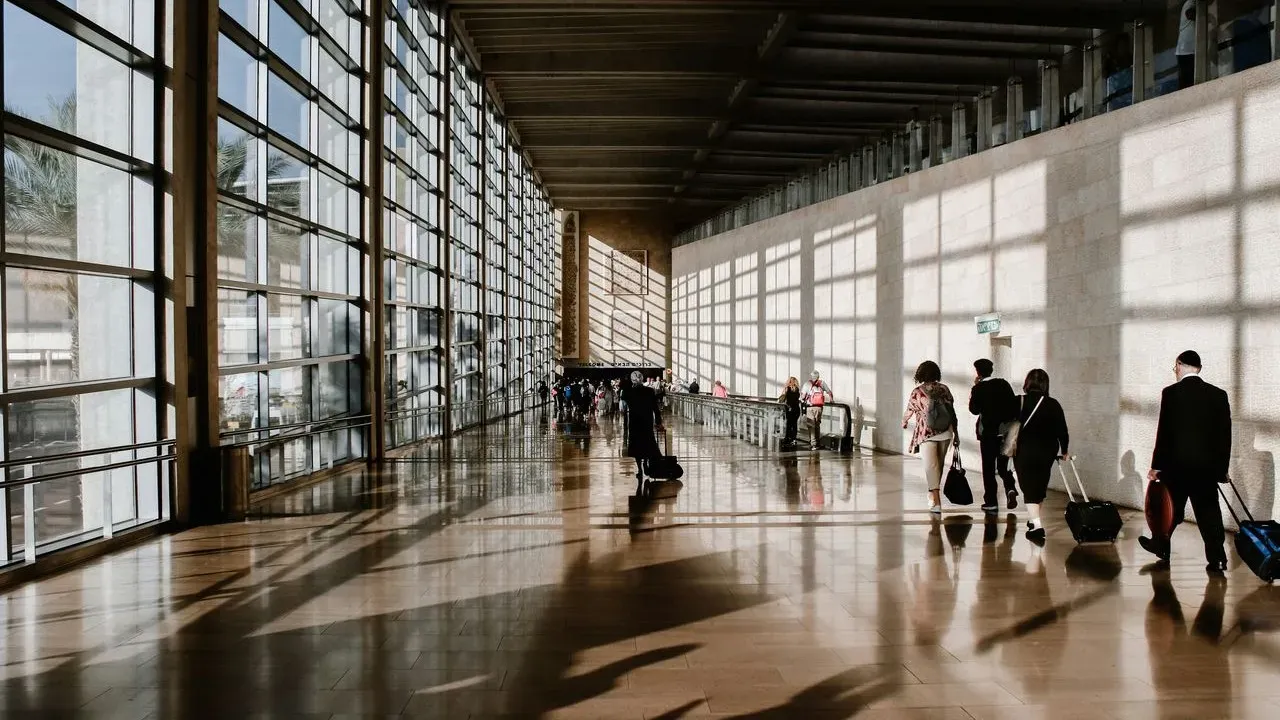

The Federal Aviation Administration ordered a nationwide ground stop on Friday that held U.S. departures for more than four hours, and the effects carried into Saturday. ([1])More than 3,800 flights were canceled that day, according to FlightAware, while around 2,000 others were delayed. For anyone with a trip in the coming days, the most useful information is practical: how rebooking works, where to confirm flight status, and what to expect as schedules rebuild.
A rare halt to departures
The stop began at 3:36 p.m. Eastern on Friday, when about 3,500 flights were in the air. ([1])It was the first nationwide ground stop since January 2023, when a key FAA computer system malfunctioned. Before that, the country had not seen one since September 11, 2001. The agency lifted the stop at 8:15 p.m. Eastern. ([2])
Officials have described the cause as a communications problem. ([3])Transportation Secretary Sean Duffy said the FAA kept some radar and communications capabilities and halted departures as a precaution. ([2])Homeland Security Secretary Markwayne Mullin said travelers were not in danger and that officials had found no evidence of a cyberattack. Duffy also said that all of the more than 3,500 aircraft in the air at the time landed safely.
Where Saturday’s cancellations landed
The disruption was not spread evenly across the industry. Friday alone brought more than 9,000 cancellations, which left a large backlog for Saturday’s schedules. Reported figures from Flightradar24, cited by The Washington Post, show how the largest carriers were affected through Saturday. ([4])
| Airline | Canceled flights through Saturday |
|---|---|
| Delta Air Lines | More than 2,200 |
| American Airlines | More than 2,200 |
| United Airlines | About 1,800 |
| Southwest Airlines | Nearly 1,400 |
Airports in Atlanta, Chicago and New York were among the busiest hubs for disruptions, according to FlightAware. ([2])Passengers on Saturday also faced ongoing delays as crews and aircraft were repositioned, so a canceled flight did not always mean the rest of a day’s schedule was clear.
Rebooking, refunds and checking status
Airlines are required to offer free rebooking on another flight to travelers who still want to continue their journey. Passengers whose flight was canceled and who decide not to travel can request a refund instead. ([5])Southwest, for example, announced flexible rebooking options at no extra cost and said it would automatically rebook customers whose flights were canceled. ([4])
- Check your flight status directly with your airline before heading to the airport.
- Ask about rebooking options through the airline app or website, which can be faster than waiting in a long line.
- Keep receipts for any expenses tied to the disruption, since airline policies on meals and lodging can vary by carrier and situation.
- For international itineraries, note that Mullin said those flights were being handled on a case-by-case basis. ([5])
Travel beyond air routes was also affected. Hertz reported increased one-way rental activity from travelers caught up in the stop, and the company said its teams were working to manage vehicle availability. ([6])
Looking ahead with patience
Duffy warned Americans that a return to normal air traffic would not happen quickly, and he said getting people home safely remained the department’s top priority. ([5])The ripple effects of a stop like this can be felt for several days, so travelers should build in extra time, stay in touch with their airline, and treat the latest status update as the one that counts. A calm, well-planned approach is often the best way through a disruption of this scale.
AI Disclaimer: This article was created with the assistance of AI tools and reviewed by a human editor.