
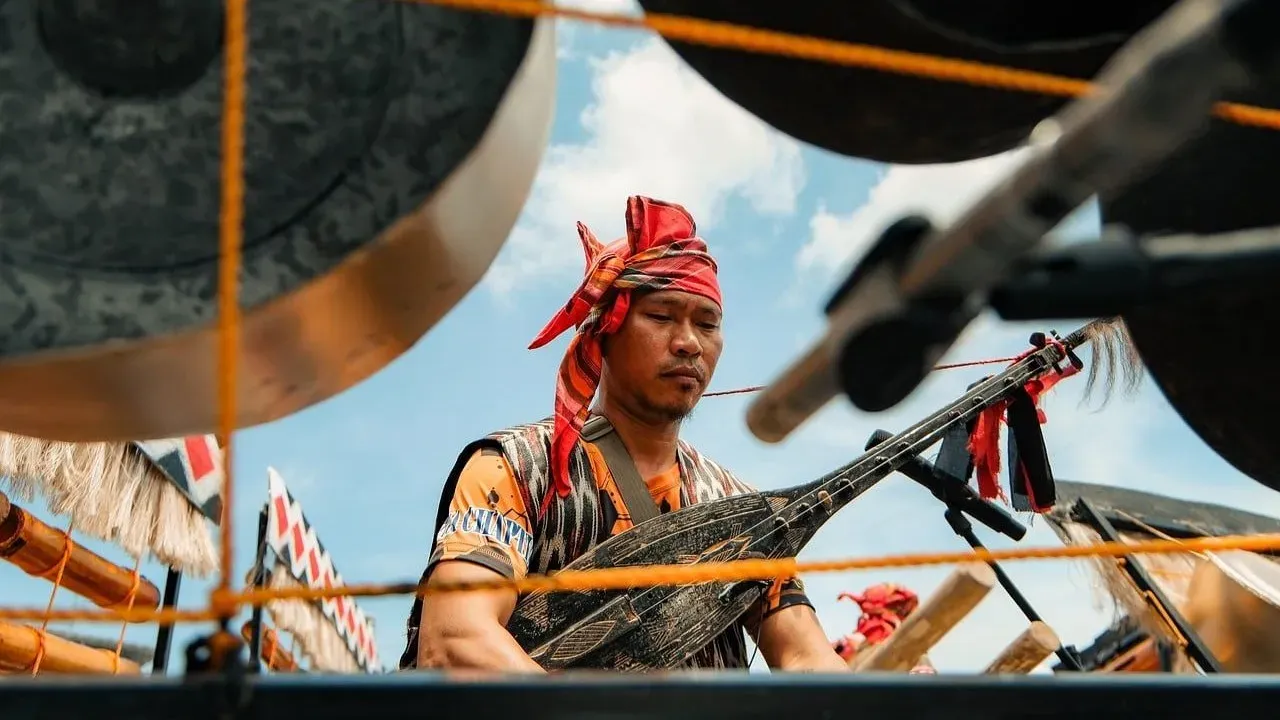

Few celebrations in the Philippines carry as much history as the Ati-Atihan Festival in Kalibo, Aklan. The 2027 edition is already taking shape, and its official opening salvo was set for 8 November 2026 to mark the start of the countdown. Travelers planning an early-2027 visit to Panay will find a festival that is both a religious observance and a living cultural tradition, and it rewards visitors who arrive informed. ([1])
A countdown that began with drums and a homage to the Holy Child
The Kalibo Sto. Niño Ati-Atihan Festival 2027 is gaining momentum, according to local reporting. Kalibo Mayor Juris Bautista-Sucro was expected to welcome visitors at the opening event, where the finalists of the Binibini ng Kalibo contest were to be presented. The search for the Binibini focuses on candidates who embody the town’s culture, heritage and identity, not on appearance alone.
Religious preparations are moving in parallel. The Diocese of Kalibo has opened its Paeapak tradition to the faithful every Sunday for the first time, giving residents and visitors a quieter entry point before the streets fill.
Roots in Ati heritage and devotion to the Santo Niño
The festival honors the Santo Niño, the Holy Child Jesus, while also commemorating the Atis, the island’s original inhabitants. Britannica notes that the Santo Niño image became part of the festival’s processions and rituals during Spanish colonial efforts to spread Catholicism. The name Ati-Atihan is commonly translated as “to imitate the Ati people,” a phrase that reflects the event’s homage to the Indigenous community rather than a simple act of entertainment.
Local tradition places the origins of the celebration in the early 13th century, when Malay settlers are said to have reached Panay and made an agreement with the Atis. Historians and local writers describe the festival as a blend of that memory and later Christian devotion. The devotion to the Santo Niño is recorded as being practiced at least since the 17th century. Many visitors are surprised to learn that the root of the celebration is thanksgiving, a theme that remains at the center of the week’s religious activities.
Planning around the 17 January main day
The main day falls on Sunday, 17 January 2027, according to the festival’s annual pattern of falling on the third Sunday of January. Travel guides note that the municipal government had not published its complete 2027 calendar when they were last updated, so the timing of individual events should be confirmed closer to the date. Recent editions have run roughly ten to twelve days, and the festival is widely described as a week-long celebration.
The main day generally follows a clear rhythm of religious and public events:
- A high Mass that opens the final day of celebrations and the procession
- A procession of thousands of devotees carrying Santo Niño images through the town
- Open street dancing along Kalibo’s principal streets, where anyone can join in
- The Higante contest, in which locals display towering figures made from paper mache, bamboo and other natural materials
Local non-working days are declared for the event, which helps explain why the town becomes so busy during the festival period.
Getting to Kalibo and pairing the trip with Boracay
Visitors fly into Kalibo International Airport, which sits about 2 km from the town centre. Travel schedules from Manila should be checked directly with airlines close to the travel date, because the sources reviewed for this article did not confirm 2027 flight routes or times.
Boracay makes a natural companion stop. Boracay Island is among the Aklan communities that observe their own Ati-Atihan and Santo Niño celebrations, so the broader tradition is visible across the province. Festival listings place the Kalibo festival on 17 January 2027, which makes it a clear anchor for a trip built around the island.
What matters now: Transfers between Kalibo and Caticlan can fill quickly during the festival. One Boracay travel guide advises booking transfers in advance and arriving in Kalibo early, before the crowds peak.
Participating with respect
The festival is open and participatory, which is part of its appeal. Still, its religious purpose deserves the same attention as its drums. Morning Masses, the Santo Niño procession and the Paeapak healing ritual are acts of faith for many devotees, so visitors should observe them quietly and step aside when processions pass.
The soot-darkened costumes that many people associate with the festival are a sensitive part of its history. Visitors should avoid treating them as a costume to copy and should instead learn what the practice represents within the Ati-Atihan tradition. Asking before photographing individuals, especially in religious settings, is a simple courtesy that goes a long way.
Ati-Atihan asks visitors to witness something older than most of the buildings around them. Those who plan ahead, arrive with an open mind and treat the Atis’ heritage and the Santo Niño devotion with care will likely leave with a deeper sense of why this celebration has endured for centuries.
AI Disclaimer: This article was created with the assistance of AI tools and reviewed by a human editor.