
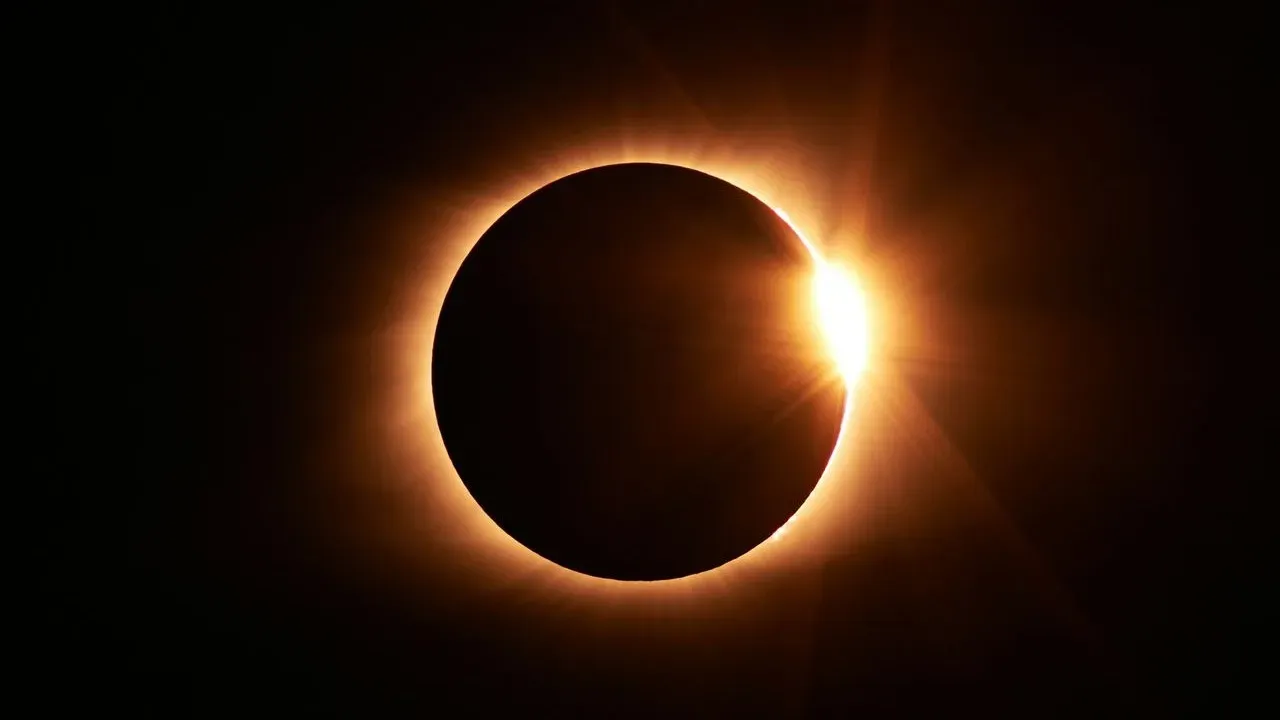

Tunisia – A seven-day road trip from the capital to the Sahara offers a rare pairing this year. On the morning of August 2, 2027, the path of a total solar eclipse crosses the central part of the country, and a recent itinerary ([1]) traces a route that passes through Roman amphitheaters, holy cities and desert canyons. Travelers who plan early can build a journey around the sky event without losing the rhythm of everyday life in the places they visit.
A Shadow Across the Middle of the Country
The eclipse path does not include Tunis, the capital and the country’s main gateway, which sits outside the zone of totality. Those who want to stand inside the shadow will need to travel south and west from the city, toward towns that line the route.
Several stops on a central Tunisia itinerary fall within or along the edges of that band:
- El Jem, where the Roman amphitheater lies inside the path of totality
- Kairouan, which sits along the northern boundary of the path
- Tozeur, which lies along the southern boundary
Because the path runs across the middle of the country rather than along a single corridor, the route allows visitors to choose a base that suits their plans. Travelers can also use the drive between these towns to see the landscape change from the coastal plain to the desert edge.
Canyons, Oases and the Star Wars Desert
Few places in North Africa have a landscape that looks as otherworldly as the area around Tozeur. Where the Atlas Mountains meet salt flats and sand, the terrain has drawn filmmakers for decades. The canyons and dunes near the city served as the setting for the desert planet of Tatooine in the Star Wars films, and 2027 marks 50 years since the original film’s release.
A full day in the area often begins at Chebika Oasis, where a hike leads through the ruins of a former Berber village down to a spring-fed oasis and waterfall. Nearby, Mides Canyon, sometimes called the Grand Canyon of Tunisia, offers a walk along a dry riverbed with steep cliffs on either side. Visitors may also see falcons hunting along the rock faces.
Many travelers end the day in the dunes. Guides drive 4×4 vehicles past herds of camels and the rock formation known as Ong Jmal, or Camel’s Neck, before reaching the film sets used for the desert trading post of Mos Espa. Mint tea with almonds is often served as the sun sets behind the sand. Fans of the films may want to stay an extra day to visit other nearby filming locations, including Sidi Bouhlel Canyon and the Lars family homestead near Nefta.
Roman Ruins Without the Rush
The Roman amphitheater at El Jem is roughly 1,800 years old and about 70 percent the size of the one in Rome. It draws noticeably fewer crowds, and visitors can walk through the levels, including the underground chambers where animals were kept before they faced gladiators. The site’s quiet makes it easier to picture daily life there, and the nearby El Jem Archaeological Museum holds detailed mosaics that reward a slow morning.
Carthage offers a different chapter of the country’s past. Visitors can look out from Byrsa Hill, walk down to the circular Punic port and explore the large seaside complex of the Baths of Antoninus. In Tunis, the Bardo Museum, housed in a former palace, holds what is described as the world’s largest collection of Roman mosaics. Among them is a panel depicting the Roman poet Virgil, flanked by the muses of history and tragedy, which many visitors regard as a national treasure.
Further north, the blue-and-white village of Sidi Bou Said has recently been added to the UNESCO World Heritage List. Its cliffside lanes and views over the Mediterranean make it a fitting place to end a day in the capital.
Planning a Route Through the South
Travelers should expect connections to reach Tunis-Carthage International Airport, the country’s largest airport, because there are currently no nonstop flights between the United States and Tunisia. Air France, Lufthansa, ITA, Royal Air Maroc and Turkish Airlines all offer connections through their hubs, so the route is flexible for travelers who are loyal to certain alliances.
On the ground, the distances are manageable but long. The drive from Tunis to Kairouan takes about two hours, the trip from Kairouan to Tozeur runs about 4.5 hours, and the return from Tozeur to El Jem covers a similar distance. Sbeitla and the Roman baths of Gafsa make good stops along the way. Night driving is best avoided, since speed bumps can be hard to see after dark.
Key points for planners
- Tunis lies outside the eclipse path, while El Jem, Kairouan and Tozeur sit inside or along its edges.
- Many restaurants and small vendors in Tunisia still operate on a cash basis, so carrying dinars is practical.
- Medina stalls generally open in the morning and close by late afternoon, with more closures on Fridays and Sundays.
- Booking early helps with popular dates and guided tours in the south.
Taken together, the route offers a way to see Tunisia at a measured pace. The eclipse gives the journey a clear focal point in August 2027, yet the Roman mosaics, the holy city of Kairouan and the quiet desert towns carry their own weight. Travelers who plan with local guides and respect the rhythms of daily life will find that the country rewards patience.
AI Disclaimer: This article was created with the assistance of AI tools and reviewed by a human editor.