
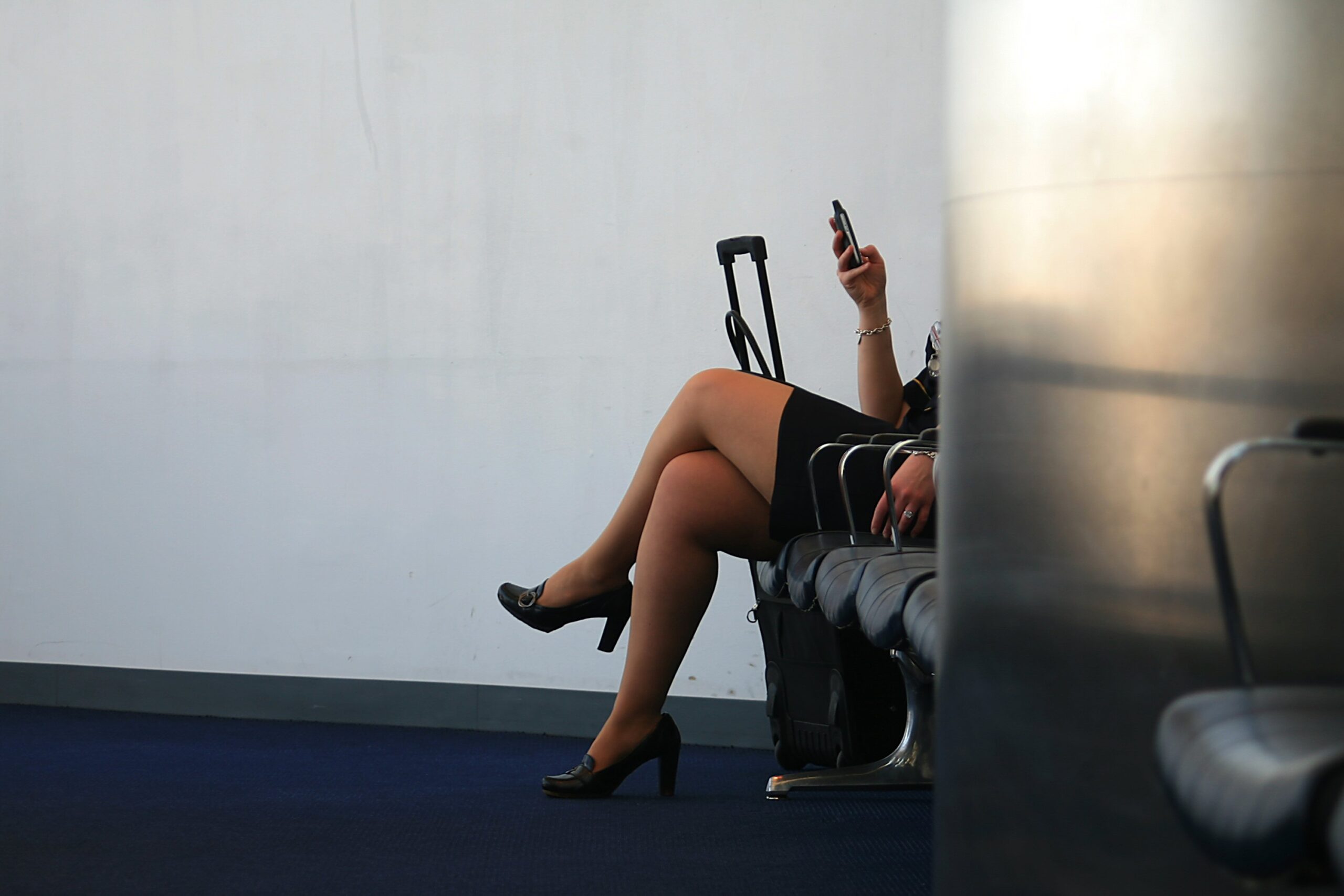

Most people, arriving at a hotel after a long flight, do one thing: drop their bag and collapse on the bed. Flight attendants rarely have that luxury. After hours in a pressurized cabin, often crossing multiple time zones, they walk into a hotel room with an entirely different mindset. Their approach is methodical, practiced, and surprisingly instructive for the rest of us.
What follows is a gallery of the ten habits flight attendants consistently name as the very first things they do when they reach their layover hotel. Some are about safety. Others are about recovery. All of them reflect the reality of a job that involves spending hundreds of nights per year in unfamiliar rooms.
1. They Prop the Door Open Before Checking Anything Else

Before closing the door behind them, experienced flight attendants prop it open with their suitcase. They search the room while they can still leave quickly. It sounds like a small detail, but it reflects a mindset that’s been built through repetition, not fear.
It is not paranoia but a safety protocol, as sometimes flight attendants can also be targets, and you cannot assume that a hotel room is safe. The open door simply keeps options open during those first critical seconds of inspection.
2. They Scan for Anyone Inside the Room

Before unpacking their bags, many flight attendants perform what they call a “hotel room autopsy,” a quick, six-step safety check to make sure their rooms are safe before settling in. The very first step of that routine is a room scan.
First, flight attendants scan the room to make sure nobody is inside. Then, they inspect common hiding spots, including the bathroom, shower, bathtub, closets, and behind the curtains. The bathroom gets checked first, since it sits closest to the door.
3. They Test Every Lock on the Door and Windows

Flight attendants check the locks to make sure the doors, deadbolt, security latch, and windows lock properly. This takes less than a minute, but it removes any uncertainty before they unwind for the night.
Some flight attendants even travel with portable doorstops or small alarms that they place under the door to provide added security while they sleep. The Association of Flight Attendants also formally recommends this: once inside the room and the door is closed, use all available door and window locks.
4. They Locate the Nearest Fire Exit
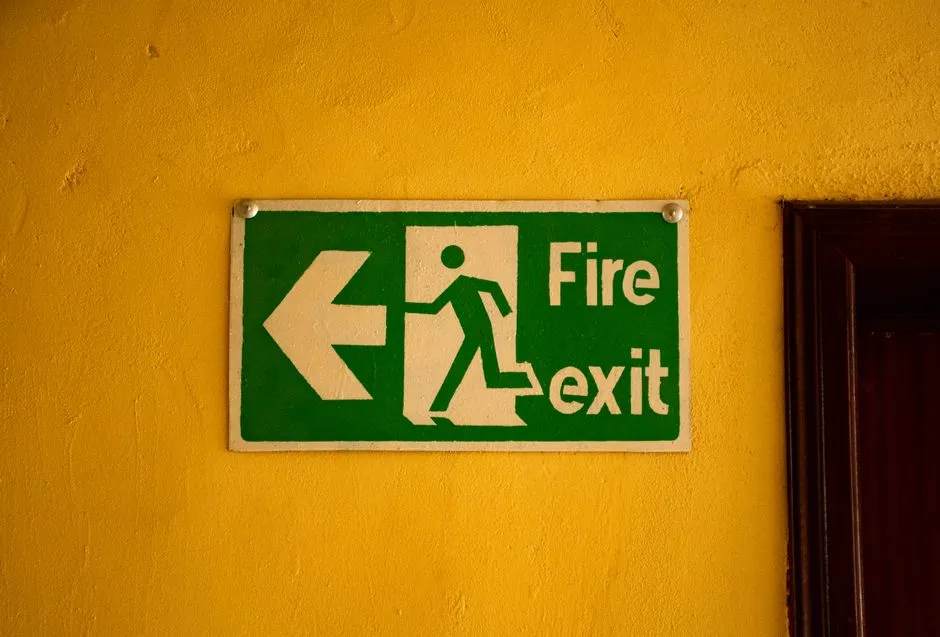
Another thing that flight crew and flight attendants do before settling into their room is to check where the nearest fire exit is. This can be checked on the fire exit map on the back of the hotel door. For people whose professional lives are built around emergency preparedness, this step is completely automatic.
They take note of the number of fire exits, where they are located, and whether re-entry is possible from floor to floor. Flight attendants say spending about 90 seconds checking a hotel room before unpacking can help travelers become familiar with their surroundings and identify potential safety concerns.
5. They Verify the Room Phone Works

They ensure the phone is working and that they can directly dial emergency services if needed. This is a habit that often surprises non-crew travelers, but the reasoning is straightforward: in an emergency, a cellphone battery may be dead or a signal may be unavailable.
In the first 90 seconds, they run through a short, fixed routine: propping the door open with their bag to check who’s inside, checking the bathroom and closets, finding the two nearest fire exits, testing the door and window locks, and checking that the phone connects to an outside line. That last item on the list is easy to overlook, yet it has genuine practical value.
6. They Guard Their Room Number Carefully

Flight attendants make sure that, when collecting their key card, they do not show their room number in public or say it loudly. This habit begins at the front desk and continues throughout the stay.
Flight attendants do not mention room numbers in the presence of other hotel guests and request hotel staff not to announce their room number. They also do not “check in” or post layover hotel locations on any social media network. These practices reflect official guidance from the Association of Flight Attendants, which maintains a dedicated layover safety resource for crew members.
7. They Check the Bed for Signs of Bugs

The first thing flight attendants do when they arrive at a hotel involves a visual inspection of the corners of the bed, where they look for signs of bed bugs. This is one of the most commonly shared crew habits across travel communities, and the numbers behind it are worth knowing.
Higher-end hotels see an increased number of bed bug sightings, with only roughly one in ten people surveyed in a 2024 Sleep Doctor survey saying they had seen bugs while staying in a one-star hotel, and nearly a third of people saying they had seen a bed bug while staying at a four-star hotel. Experienced crew know that star ratings offer no guarantee here.
8. They Hydrate Before Doing Anything Else

Many flight attendants drink a full glass or two of water because the cabin air has affected them, and they usually change into something comfortable. After hours in a low-humidity pressurized cabin, dehydration is one of the most consistent physical effects of a long duty day.
Flight attendants are never without a large bottle of water or a refillable bottle so that they stay hydrated. Poor hydration makes jet lag symptoms feel worse. Drinking water during the flight, after arrival, and through the following day is a standard part of crew recovery.
9. They Set Up the Room for Sleep Right Away

Comfort is key once crew are at a hotel, because they are often physically and mentally exhausted as well as feeling the effects of jet lag. Sleep is always important and sometimes notoriously difficult, so most crew have earplugs and an eye mask ready for much-needed rest.
Most flight attendants sleep in hotels on overnight layovers, and the room setup matters more than people think. Making sure the hotel room is dark, quiet, and cool is a priority they attend to early, not just before bed. Jet lag and fatigue are part of the regular layover challenge, so building a short safety routine alongside recovery habits keeps both rest quality and personal security from degrading on the road.
10. They Give Themselves a Decompression Window
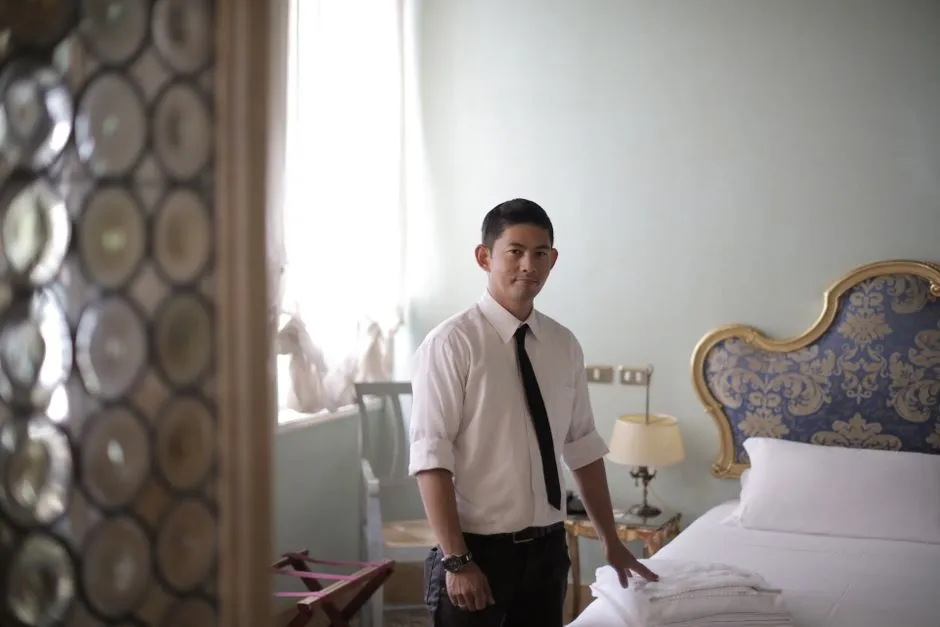
When a flight attendant gets to the hotel room, the first hour is set aside with zero agenda. They just exist for a bit. This deliberate pause before checking emails, planning excursions, or even eating is something many experienced crew members describe as the habit that took the longest to build.
When arriving at a hotel after a flight, time seems to change pace. It is not just being in another city or another country; it is stepping into a small parenthesis that is part of this life. The routine becomes automatic simply because crew do it so often, not because the job carries more danger than other work that involves solo hotel stays.
What These Habits Mean for Every Traveler
The routines flight attendants follow at hotel arrival are not elaborate. They take roughly 90 seconds to run through, and they address real, practical concerns: physical safety, hygiene, sleep quality, and mental decompression. None of them require special training.
What they do require is intention. The most useful habit is treating hotel room safety the same way you treat pre-flight security: a short checklist you run through automatically, not a one-time decision you make at booking. That framing applies just as well to occasional travelers as it does to crew flying long-haul routes every week.
The next time you reach a hotel after a tiring journey, consider borrowing even two or three of these habits. Check the locks. Drink water. Give yourself ten quiet minutes before the planning starts. These are not anxious rituals. They’re the small acts of care that make rest actually restorative.
AI Disclaimer: This article was created with the assistance of AI tools and reviewed by a human editor.