
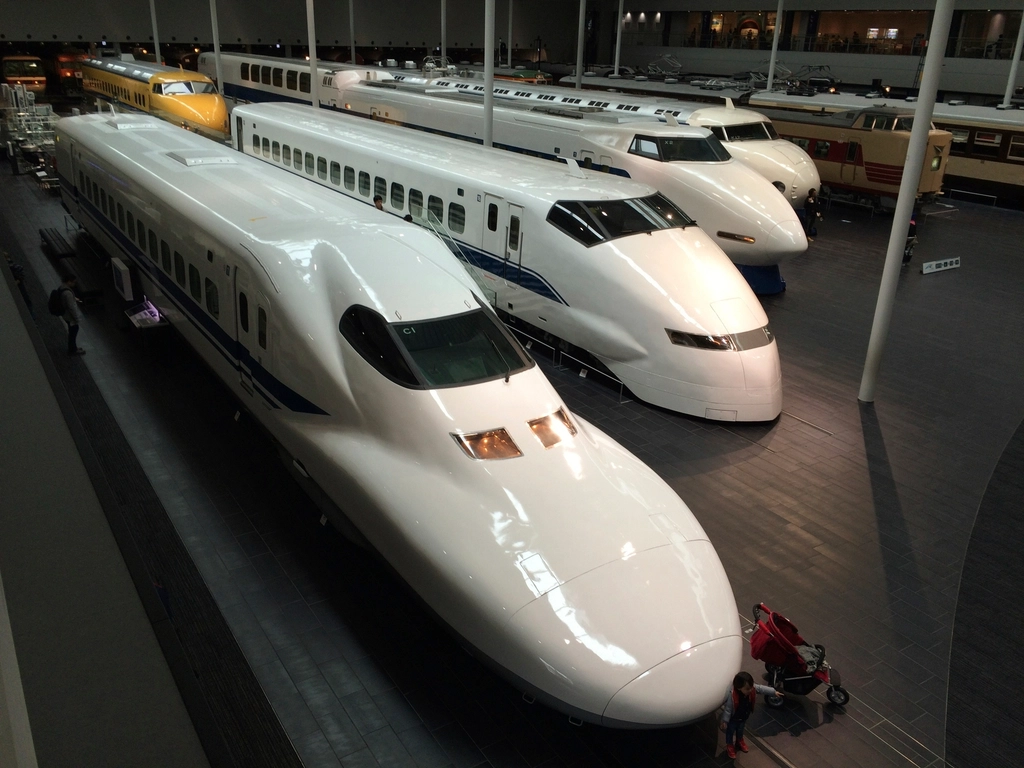

Somewhere between Tokyo and Osaka, moving at speeds that make the landscape blur into soft ribbons of green and grey, a small but remarkable detail rewards the attentive traveler. Every single seat on board faces forward. Not because the train only runs in one direction, but because someone, somewhere, thought carefully about what a passenger actually deserves.
That detail is not an accident. It is the result of deliberate engineering, a deeply held service philosophy, and decades of refinement on one of the world’s most remarkable railway systems. The swiveling seat is, in many ways, a quiet symbol of how Japan approaches public infrastructure.
A Network Built Around the Passenger
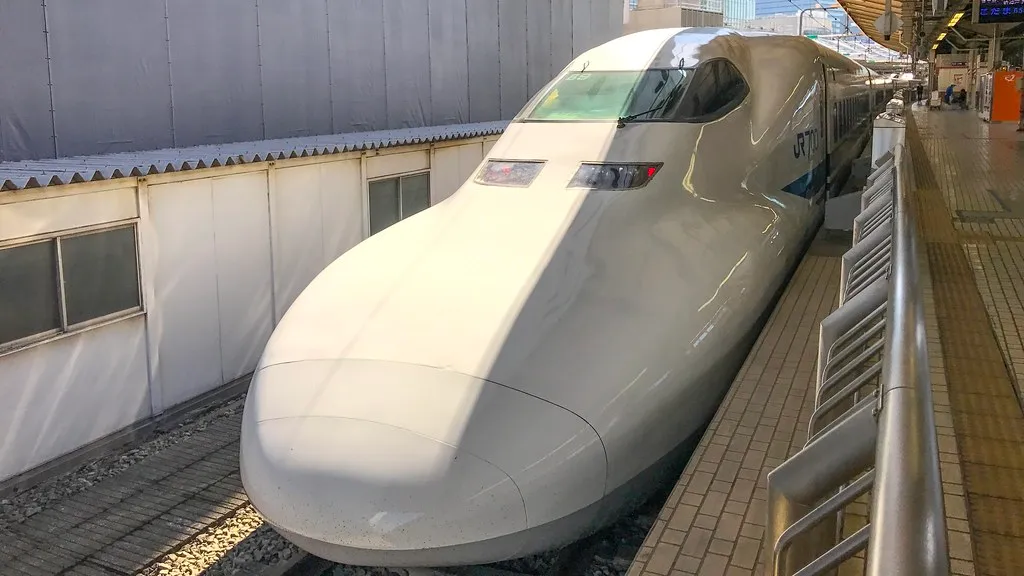
In 1964, Japan reinvented passenger railways with the launch of the Shinkansen, the first route dedicated to moving large numbers of people in comfort and at high speed. From the very beginning, comfort was not a luxury add-on. It was baked into the core mission.
The vision was to move a high volume of passengers between Tokyo and Osaka, and chief engineer Hideo Shima wanted the Shinkansen to be entirely focused on high volumes of passengers gaining access to quick, reliable, and frequent trains. Within that vision, the experience of sitting down mattered enormously.
In addition to its innovative propulsion system, the bullet train also introduced features like air suspension and air conditioning. Swiveling seats fit naturally within that spirit of passenger-first thinking.
The Core Reason: The Train Reverses Direction
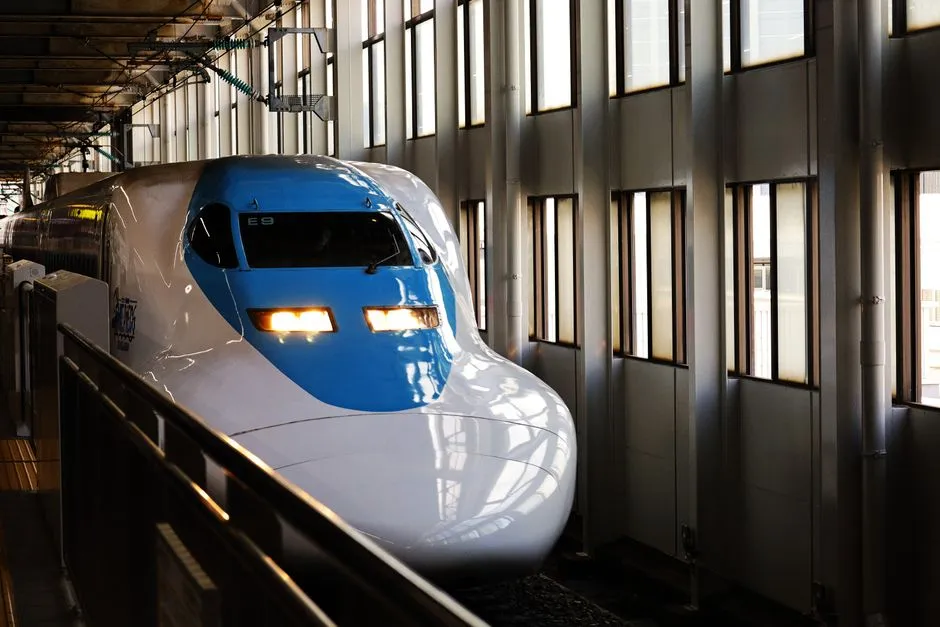
The trainsets reverse directions without being turned around themselves. This is the foundational reason the seats need to rotate. When a Shinkansen reaches a terminal station, it does not loop around or turn. It simply prepares to run in the opposite direction.
Without swiveling seats, roughly half the passengers on every return journey would be riding backward. At speeds of up to 320 kilometers per hour, that is not a comfortable prospect for most people. The rotating seat solves the problem cleanly and efficiently.
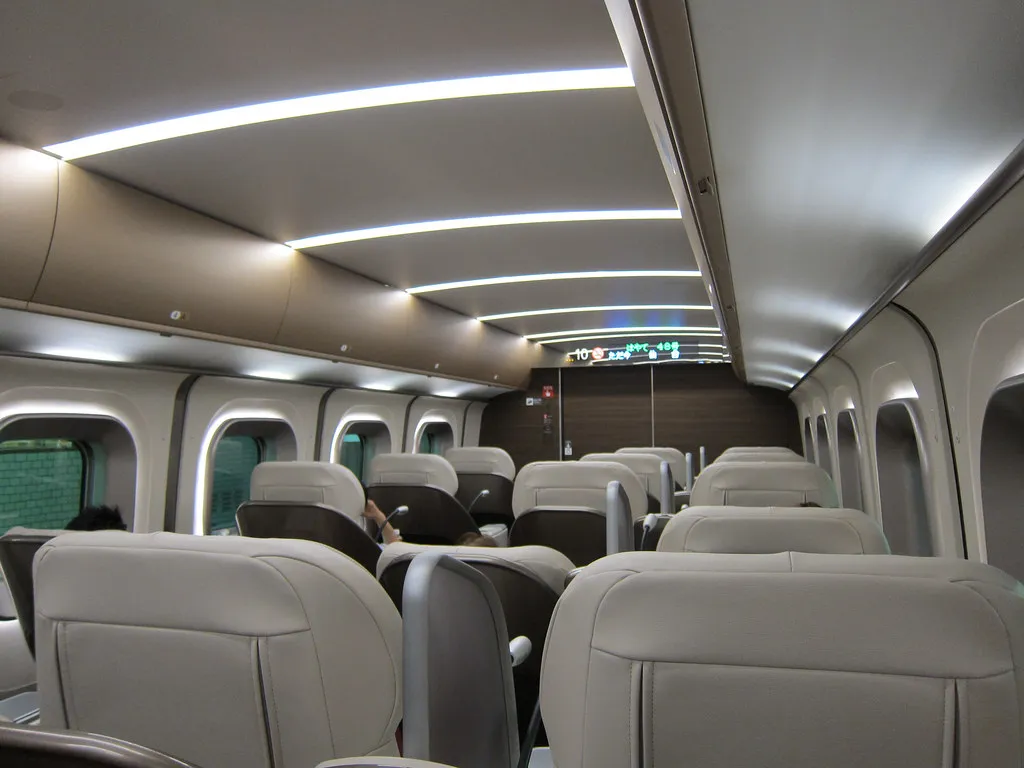
Running at speeds of up to 320 km/h, the Shinkansen is known for punctuality, comfort with spacious and always forward-facing seats, safety, and efficiency. Forward-facing seating is explicitly part of that comfort promise.
How the Swivel Mechanism Actually Works
There is a lever under your Shinkansen seat. Most people do not notice it. Flip it, and the entire row rotates to face the other direction. The whole row moves as one unit, not seat by seat.
There is a pedal on the end to unlock the swivel mechanism. Once unlocked, the row pivots smoothly on a central axis and locks back into place facing the new direction of travel. The design is mechanically straightforward, though the engineering required to make it reliable, safe, and effortless at scale took real ingenuity.
In order to change the direction of three consecutive seats in ordinary Shinkansen carriages with one rotation, the distance between the turning center and the rear end of the front seat must be carefully managed to avoid interference. Getting that geometry right without wasting precious cabin space was a genuine design challenge.
Who Rotates the Seats, and When
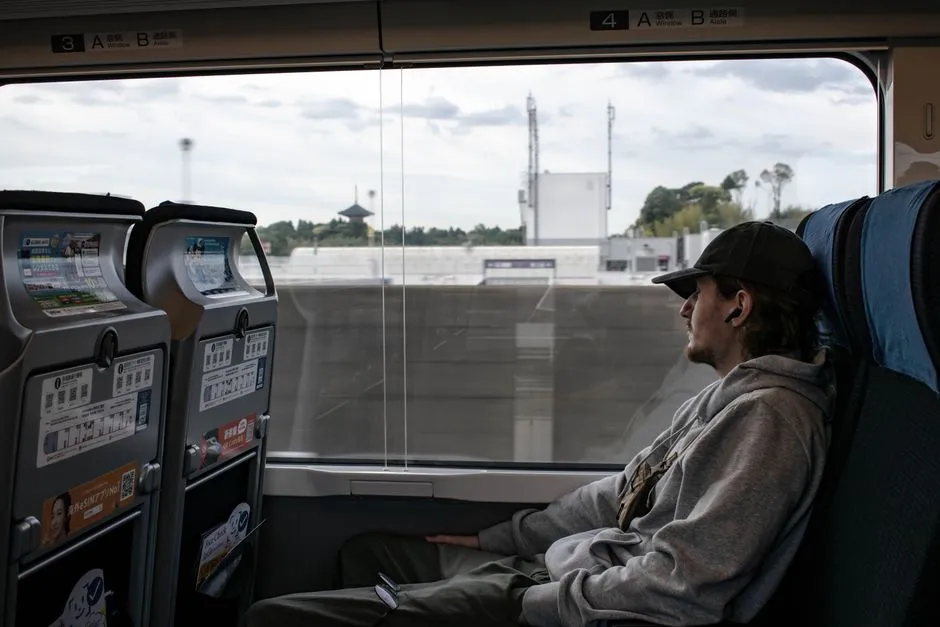
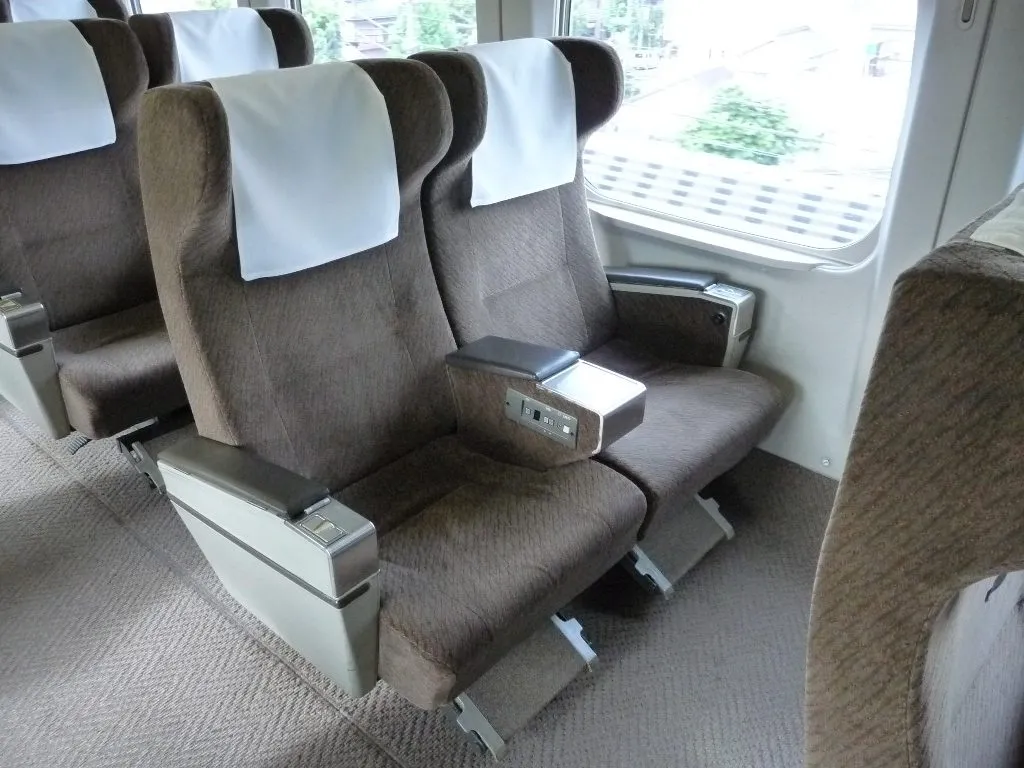
All seats on Shinkansen trains can be turned by 180 degrees, allowing travelers to always face forward. The seats are turned by the staff at the terminal stations, but can also be turned by passengers, for example, to create a group of four or six seats facing each other.
Station staff do it automatically between journeys. If you board and the seats are facing the wrong way, you can do it yourself. In practice, passengers rarely need to intervene because the turnaround process at terminal stations is handled methodically and swiftly by the cleaning and service crew.
They can be rotated, but that is supposed to be done by train personnel when changing directions. That is the primary purpose. The passenger-operated rotation is a secondary, social feature rather than the main engineering intent.
The Social Dimension: Traveling as a Group
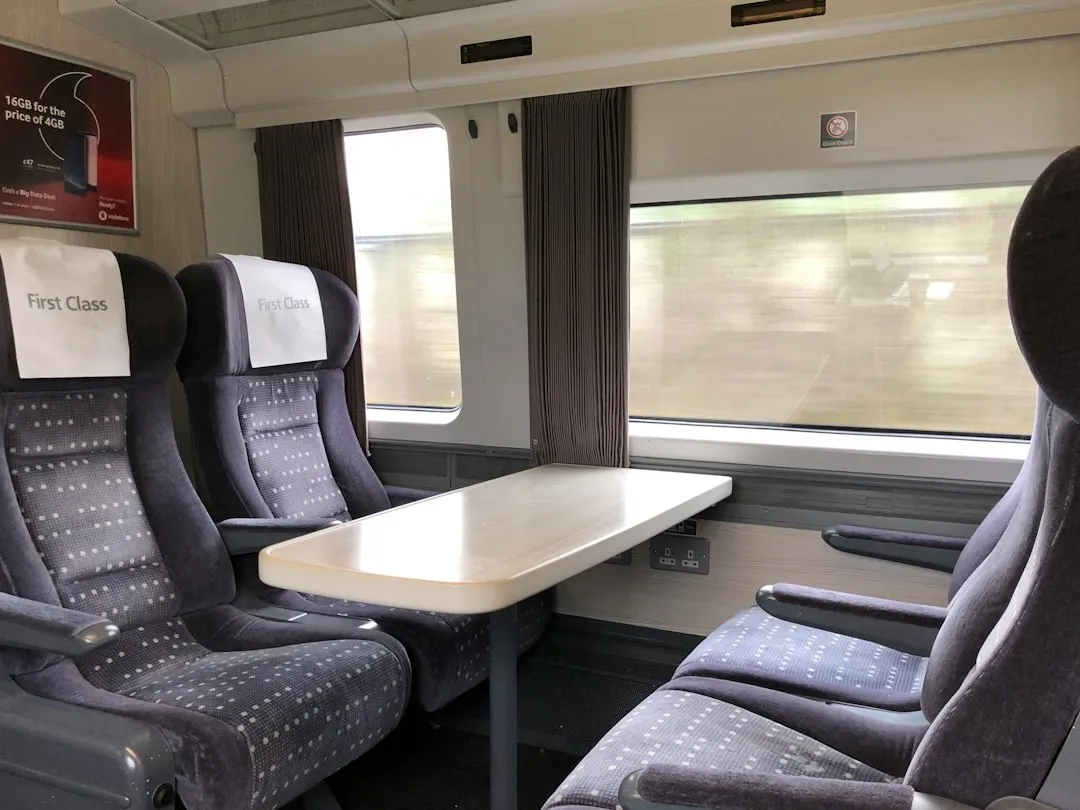
Once you know the seat rotates, a second possibility opens up. The only time you are allowed to rotate them yourselves is when you are a group of four, for example, then you can have two sets of seats face each other. This transforms the Shinkansen into something more like a dining room on rails for small parties.
Families traveling together, colleagues on a business trip, or friends heading to Kyoto for the weekend can arrange seats facing each other and share the journey rather than stare at the headrests in front. It is a small social flexibility, but a genuinely appreciated one.
The etiquette around this is worth noting. Rotating seats in the middle of a journey without being part of a group is generally frowned upon in Japan, where consideration for other passengers carries real social weight.
Not Just the Shinkansen: A Wider Japanese Rail Habit
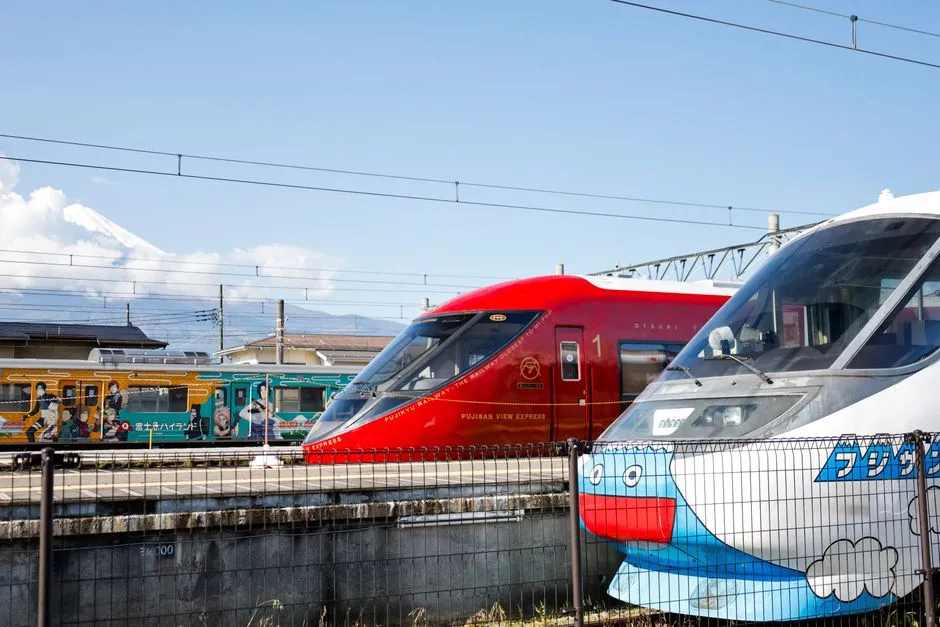
Not only Shinkansen but most limited express trains in Japan feature seats that flip so they are always forward-facing. The rotating seat is not exclusive to the bullet train. It appears across Japan’s wider limited express network, reflecting a consistent design philosophy that runs deep in the country’s rail culture.
Every Shinkansen and limited express train on JR has this option. For the regular Japanese commuter, this feature is so standard it barely registers. For international visitors, it tends to produce a moment of genuine delight.
The Keio Corporation applied a version of this logic to its commuter network too. The Keio 5000 series trains feature rotating seats that can be arranged longitudinally for daytime services and in forward-facing transverse pairs for reserved-seat Keio Liner commuter services in the evenings.
The Scale of the System That Demands This Feature
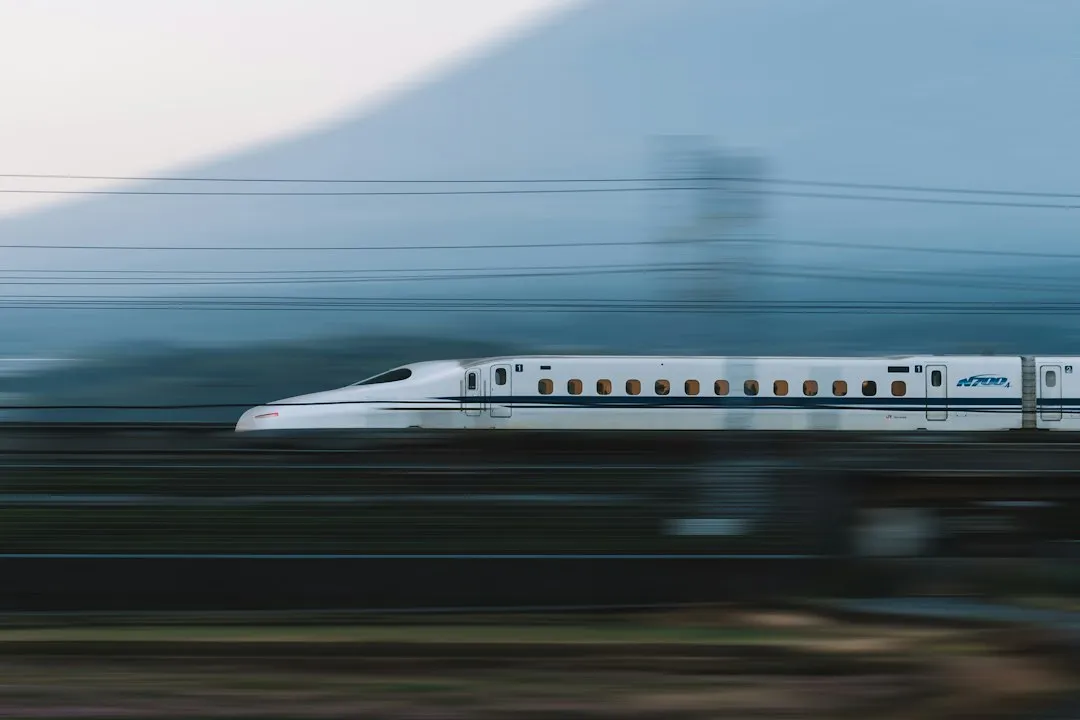
In 2024, the Shinkansen network recorded 385.9 million passenger journeys. That is an enormous volume of people moving through the system every year, and every single one of them benefits from the forward-facing guarantee.
At that scale, a small comfort feature becomes operationally significant. Ensuring that every passenger on nearly 386 million journeys faces forward requires the seat-rotation process to work reliably, quickly, and consistently at every terminal station across the network.
On average, bullet trains arrive within 24 seconds of their scheduled time. That level of precision extends to the turnaround process, including seat rotation, which must be completed within tight station dwell times before the next service departs.
Comfort as a Design Philosophy, Not an Afterthought
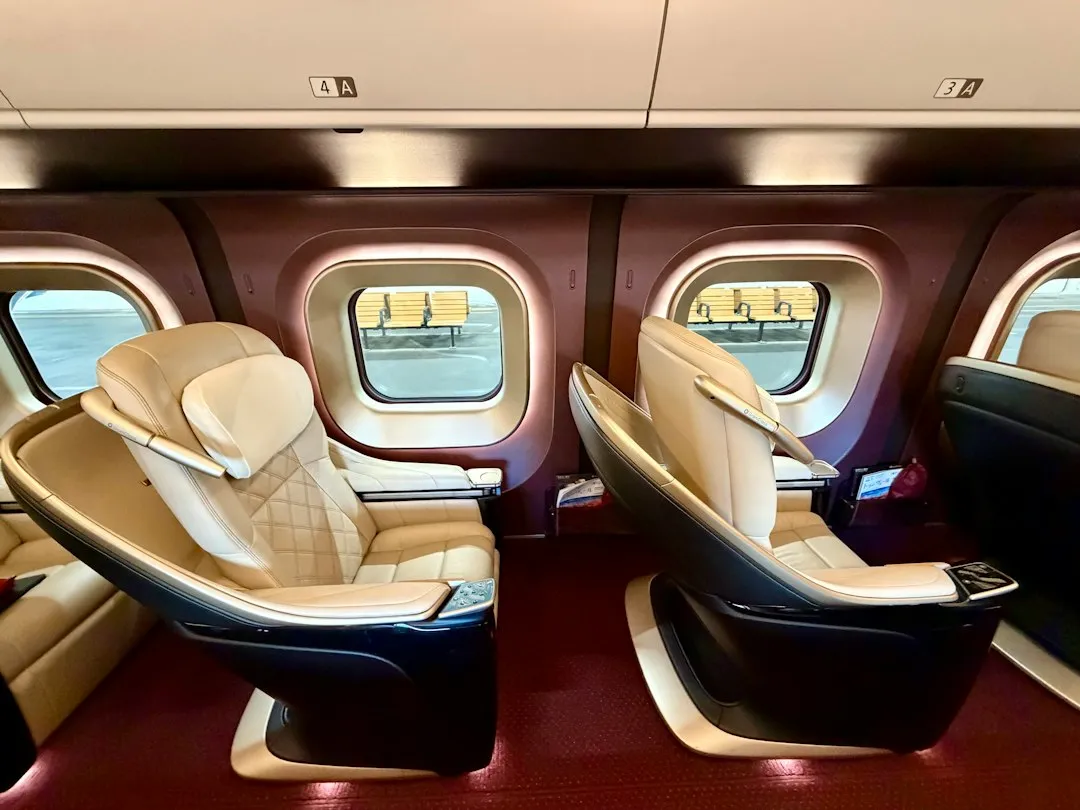
With the development of synchronized comfort seats for Green Car carriages, the lumbar support stays the same throughout the reclining range thanks to a linked seating surface and backrest. By using a design that matches the body’s natural movements for the backrest, these seats have eliminated discomfort from irregular posture.
The swiveling seat sits within this broader commitment to thoughtful design. Revised seat construction features a wire-shaped metal spring structure combining metal springs, plastic springs, and urethane, offering high surface stiffness while remaining lightweight. Every element of the seat, from the padding to the pivot mechanism, has been iterated over decades.
West Japan Railway’s design materials note that the seat systems also include an air pressure-controlled assist mechanism to help when returning to the upright position. These refinements accumulate into a seating experience that is noticeably different from most other rail systems in the world.
What It Says About Japanese Service Culture
Japan’s approach to service, known broadly as “omotenashi,” is about anticipating what a guest needs before they have to ask. The rotating seat is a physical expression of that value. Nobody has to request a forward-facing seat. It is simply arranged for them before they even board.
This philosophy shows up across the Shinkansen experience. Carriages were pressurized for comfort and a body-inclining system was installed to smooth out the Tokaido line’s numerous curves. Every design choice traces back to the same question: what does the passenger actually feel?
The seat rotation ritual performed by platform staff at terminal stations is, in that sense, more than a mechanical task. It is a quiet act of care, repeated millions of times a year, that most passengers never consciously notice precisely because it works so well.
A Feature Worth Knowing Before You Board
For first-time Shinkansen travelers, knowing about the swivel seat in advance changes how you experience it. If your seat is facing the wrong way when you find it, do not assume something has gone wrong. Station staff do it automatically between journeys, but if you board and the seats are facing the wrong way, you can do it yourself.
If you are traveling with companions, this is also the moment to consider pulling two rows together face to face. Flip the lever, and the entire row rotates to face the other direction, so you can sit face-to-face with your travel group for the whole journey. It makes the ride genuinely more sociable.
Knowing the feature exists is half the discovery. The other half is experiencing the quiet satisfaction of watching the platform disappear ahead of you, through the window, in the direction you are actually going.
The Bigger Picture: Engineering for Dignity
It would be easy to dismiss a rotating seat as a minor convenience. In truth, it reflects something harder to replicate than any single piece of engineering: the sustained belief that passengers deserve genuine care, not just adequate transport.
The Shinkansen was the world’s first commercial bullet train and has dramatically transformed domestic travel by significantly reducing travel times between major cities. Its legacy, though, is not only speed. It is the standard it set for what a passenger experience could look like when every detail is taken seriously.
The swiveling seat is a small mechanism with a large idea inside it. Wherever the train is going, you should always be facing that way too. Japan built a system to make sure of it.
AI Disclaimer: This article was created with the assistance of AI tools and reviewed by a human editor.