
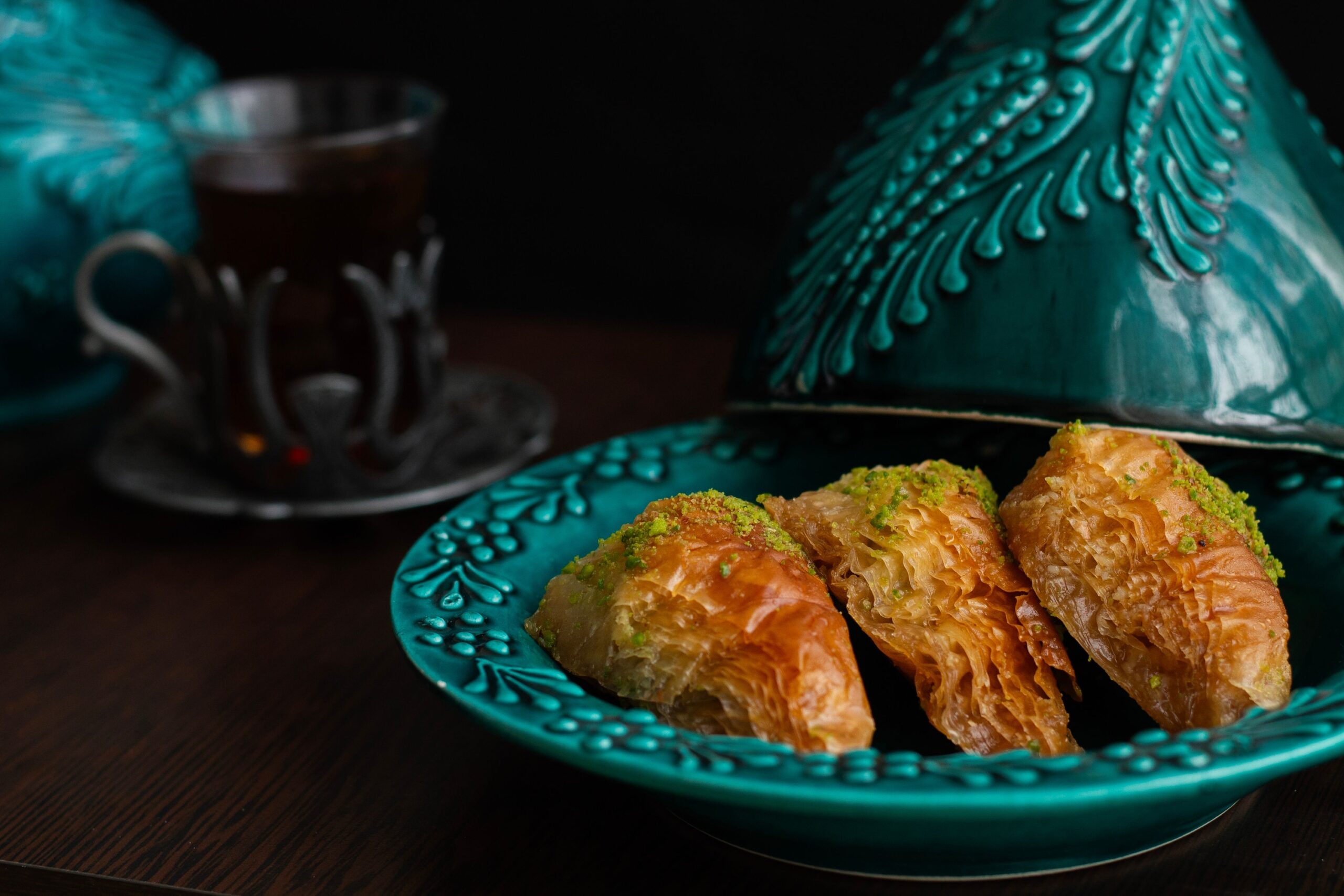

Some cities are known for their skylines. Others for a river, a ruin, or a festival. Gaziantep, a city in southeastern Turkey, is known for something far more edible. It wears its identity in layers of paper-thin dough, clarified butter, and bright green pistachios stacked into one of the world’s most celebrated desserts.
This is not simply a city that makes good pastry. Gaziantep has built its entire civic pride, its tourism economy, and much of its cultural identity around baklava. Visiting without trying it would be a bit like going to Florence and skipping the art.
A City Rooted in Culinary History
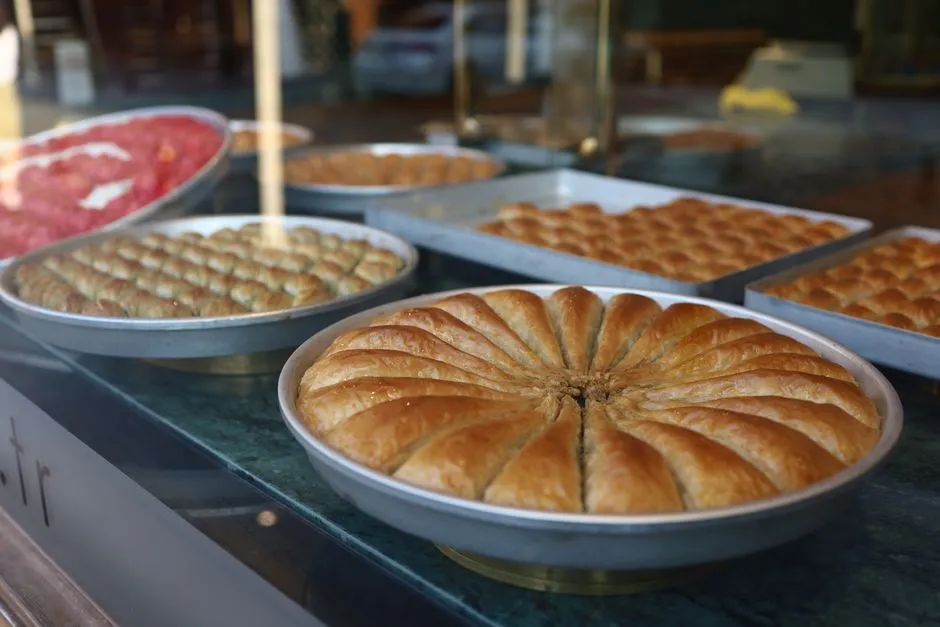
The story of Gaziantep is one of warfare, changing rule, and resilience, but for all of its long history, the city is now best known for its outstanding local cuisine. Locally called Antep, Gaziantep is Turkey’s official food capital and a 2015 UNESCO Creative City of Gastronomy, where culinary traditions stretch back thousands of years.
Gaziantep, like neighboring regions near the Syrian border, has long had strong trade and cultural links with Aleppo, which lies less than 100 kilometers to the south. That cross-cultural exchange helped shape a cuisine that is layered in every sense of the word.
The Pistachio Orchards That Made It All Possible
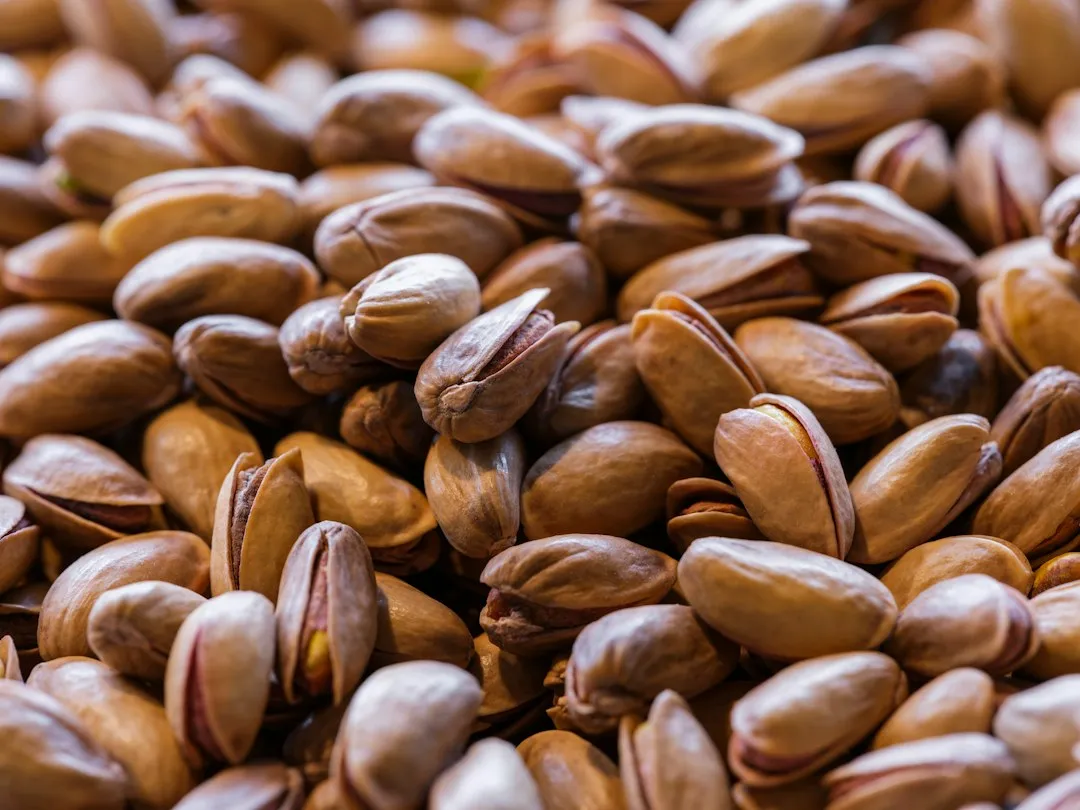
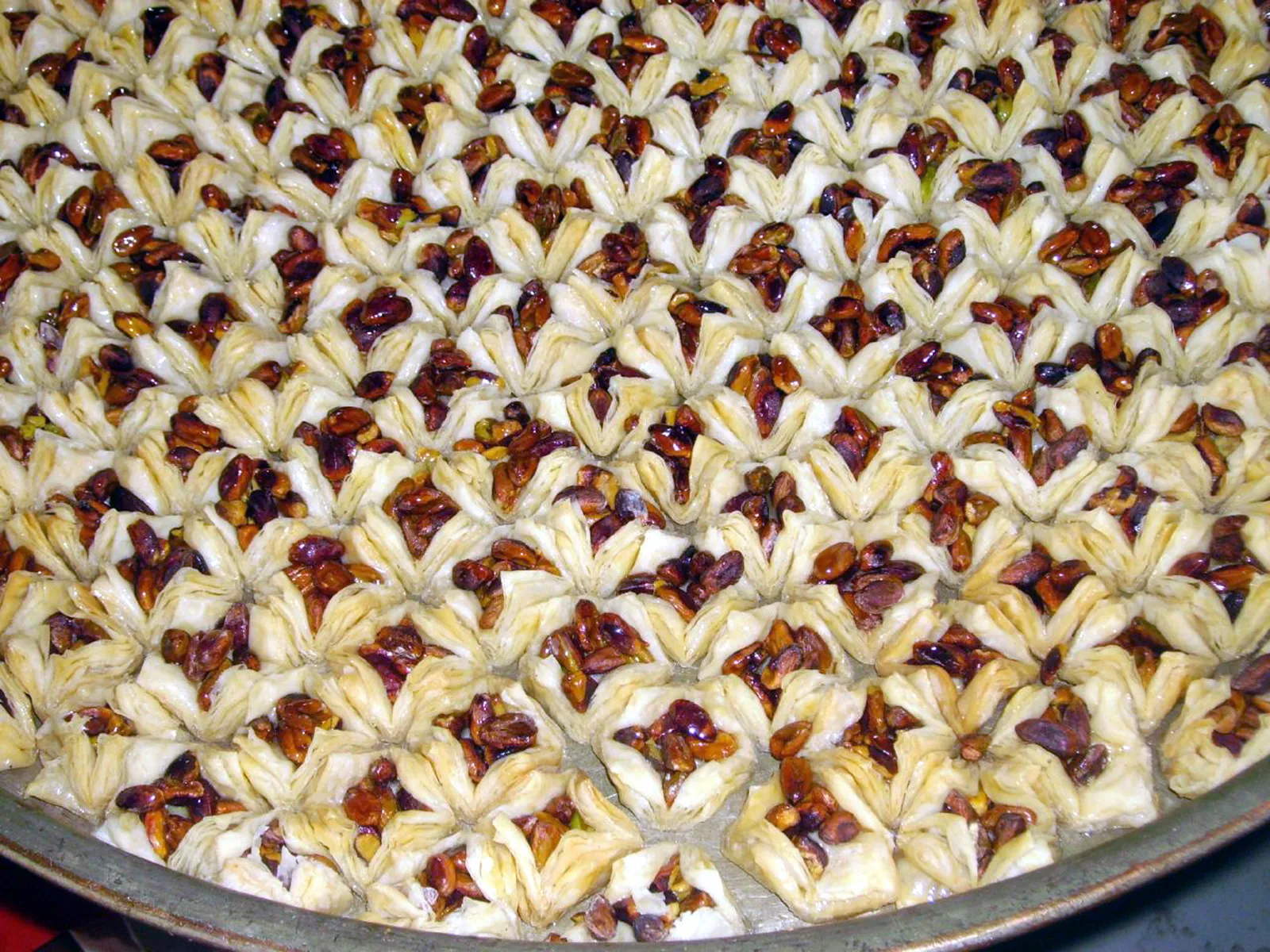
Acres and acres of pistachio groves surround the city. The city is responsible for more than 70 percent of the nation’s pistachio crop, making it the undisputed pistachio capital of Turkey. That proximity to the source is not incidental to the baklava. It is the whole story.
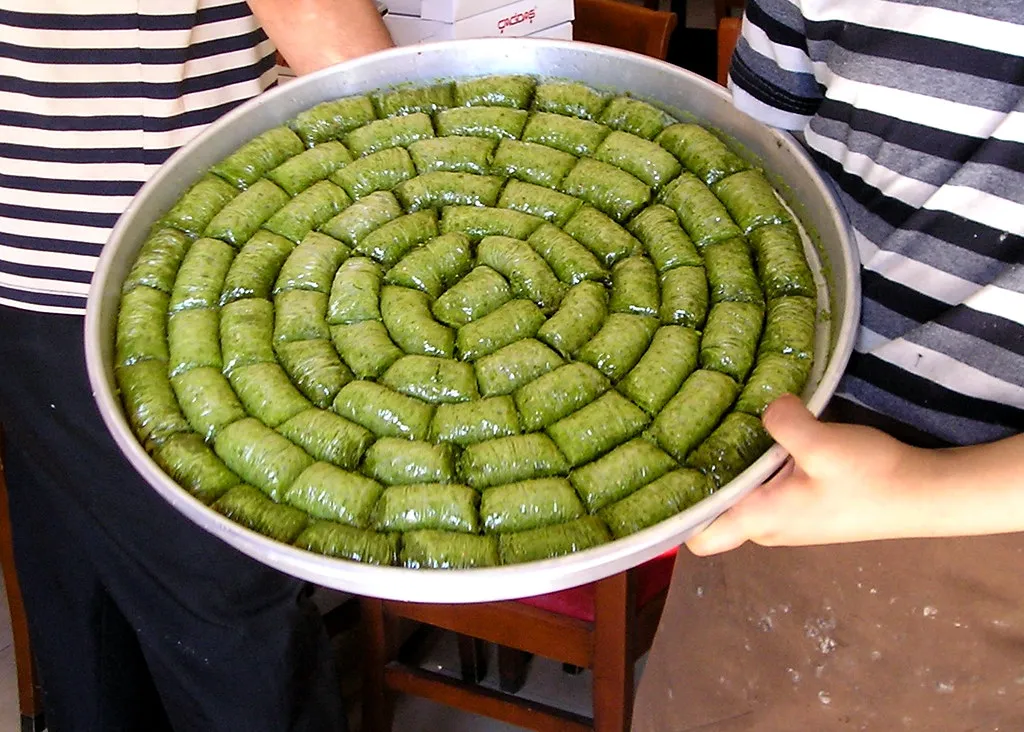
The pistachios destined to fill baklava are picked early in the season, when they are small and sweet. The result is Gaziantep’s trademark bright green pistachio, a color and intensity that immediately distinguishes the local product from imitations made elsewhere.
How Antep Baklava Is Actually Made
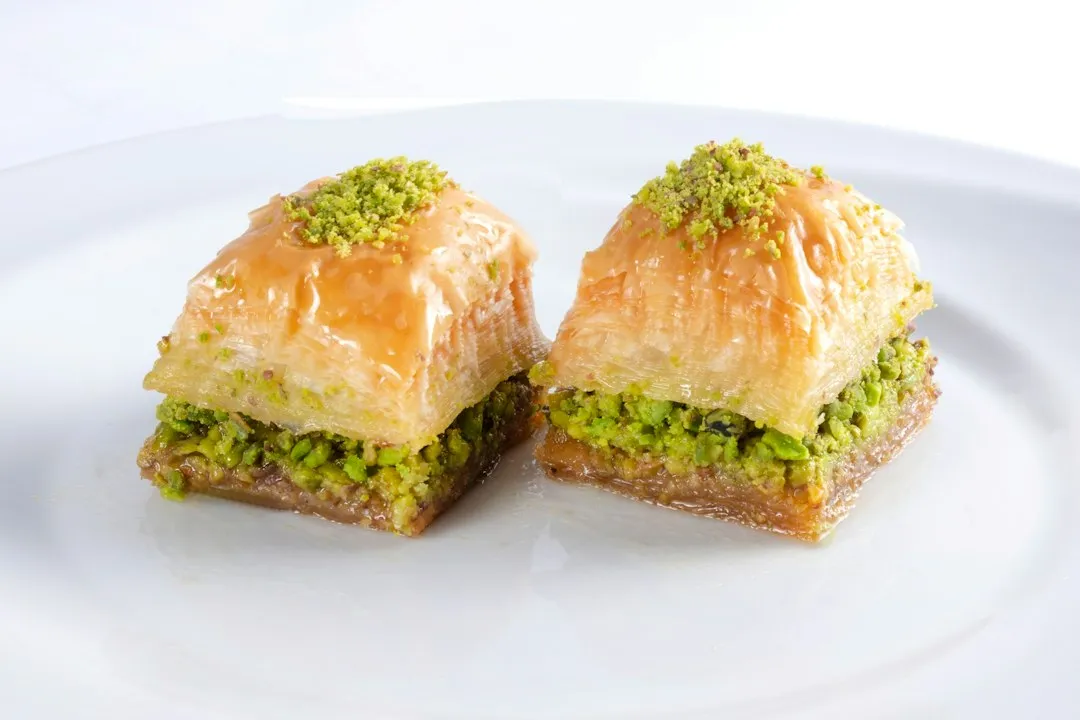
Paper-thin layered phyllo, pistachio scattered between the sheets, ghee drizzled over it, and a measured syrup: these four elements turn Antep baklava into not merely a dessert but a test of mastery. The baklava filling, called kaymak, is a cream of milk and semolina mixed with ground pistachios, and most Gaziantep baklava contains about one-fifth pistachios by weight.
More layers are added until the dish contains around 40 layers of yufka with clarified butter between each one. Only in Gaziantep is the syrup added hot to freshly baked baklava, and this hot-to-hot technique is what gives the dessert its very special flavor. It is a small but defining detail that separates the authentic product from everything else.
The Varieties Worth Knowing
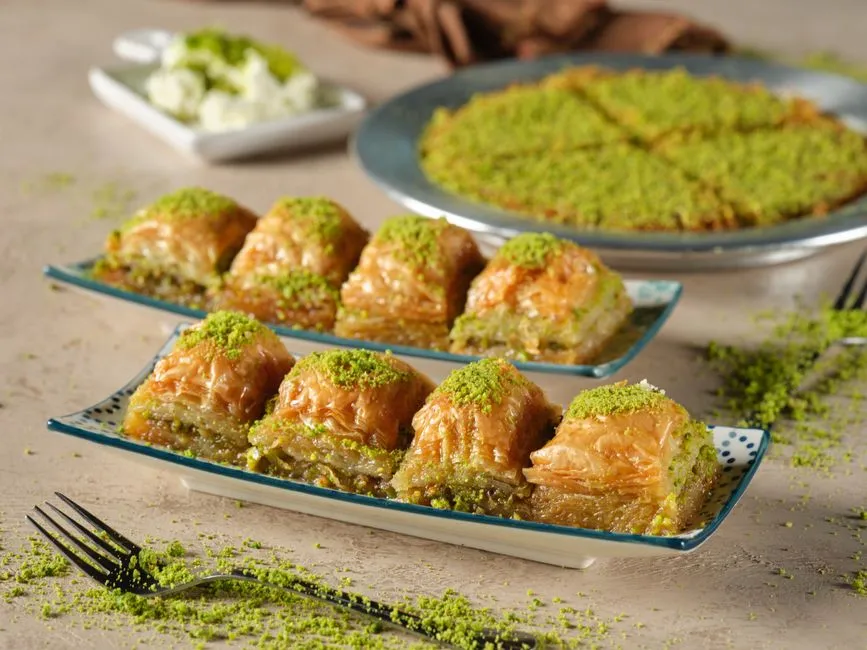
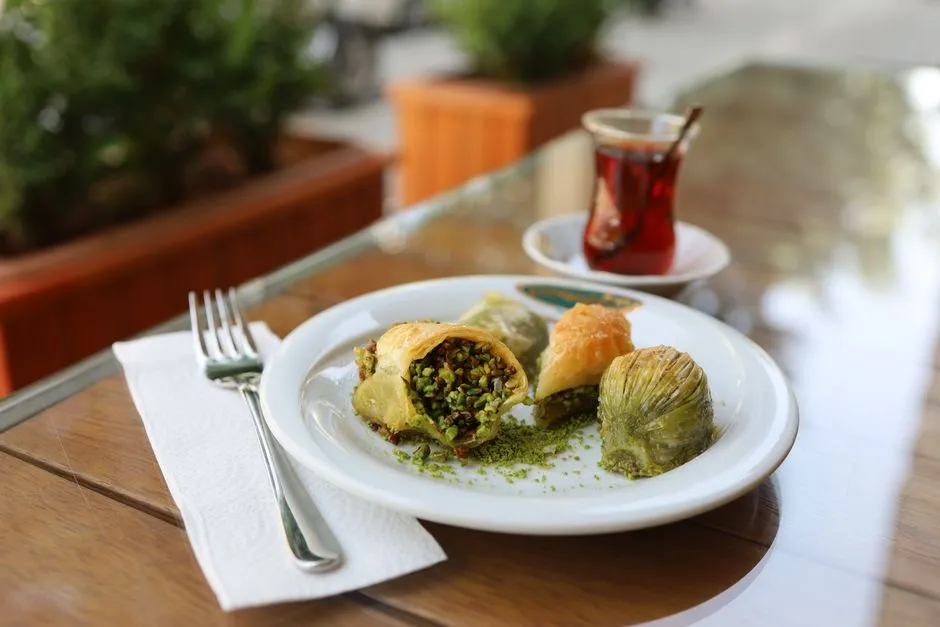
There is the diamond-shaped classic; a bright-green dolama, in which a layer of phyllo is filled with pistachio dust and rolled; sobiyet, which is like a turnover overflowing with pistachios; and bulbul yuvasi, meant to look like a bird’s nest, with a generous sprinkling of raw pistachio dust on top. Each variety has its own texture and character.
From the same phyllo tradition come katmer, şöbiyet, nightingale’s nest, and many more varieties. Even the sound of the baklava matters to locals. Proper Gaziantep baklava has a sound: if it makes a cracking sound, it means the dough is thick, and that is not Gaziantep baklava.
A Craft That Takes Years to Learn
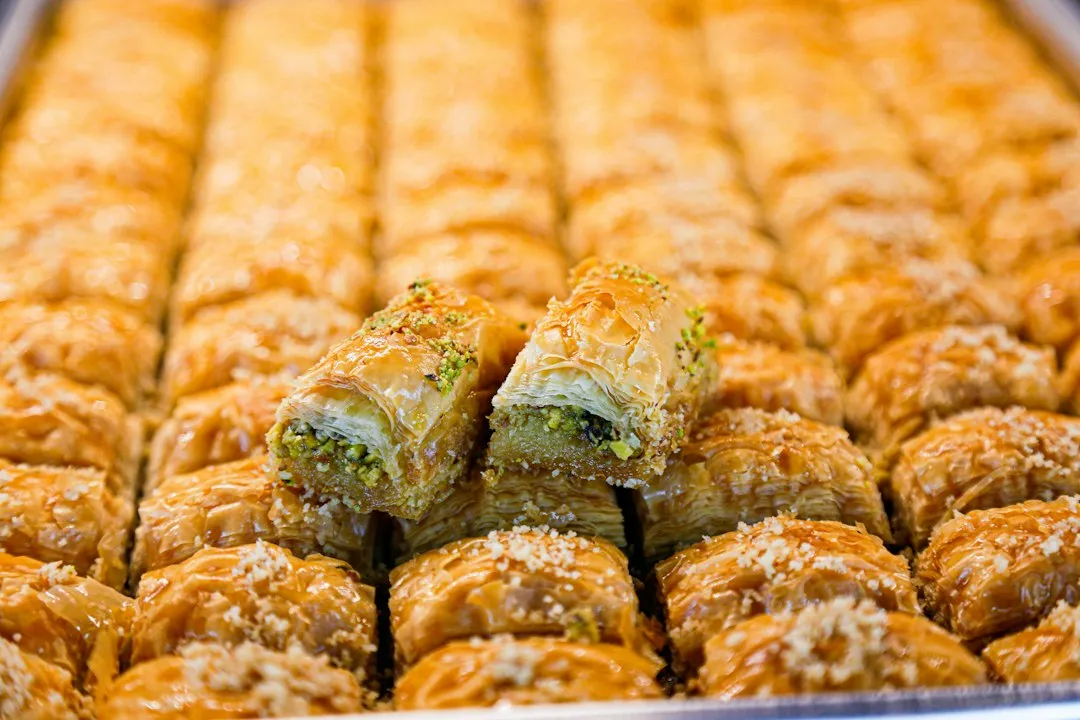
There is yet another ingredient beyond flour and pistachios: workmanship. The qualities of a baklava chef are honed through a minimum of 10 years of training. This is not an exaggeration born of local pride. It reflects how genuinely demanding the technique is.
At İmam Çağdaş, bakers roll dough into translucent sheets and layer them with syruped pistachios, a process requiring years of training. Fourth-generation owner Burhan Çağdaş notes that mastering baklava is a lifetime pursuit, beginning in childhood. One master baklava maker says it takes at least eight years to learn how to make baklava properly.
The Legendary Baklava Houses of Gaziantep
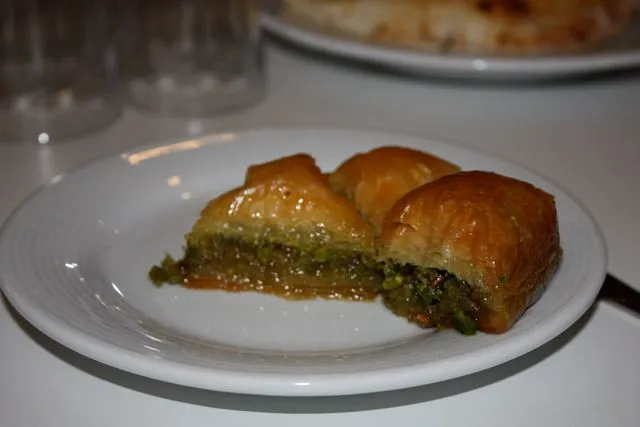
The Gaziantep houses of Güllüoğlu and İmam Çağdaş are the names Turks trust, and a box of their pistachio baklava is a prized gift to carry from the city. Historic bakeries like Güllüoğlu, founded in 1871, offer a range of pastries with rich pistachio fillings, while newer establishments such as Koçak Baklava and İmam Çağdaş continue the tradition with meticulous craftsmanship.
Murat and Cevdet Gullu, owners of Güllüoğlu, say they are the sixth generation of a baklava-making family in Gaziantep. İmam Çağdaş, located in the old bazaar, was established in 1887 and still uses the same technique today. These are not just businesses. They are living archives of a craft tradition.
EU Protected Status: Why It Matters
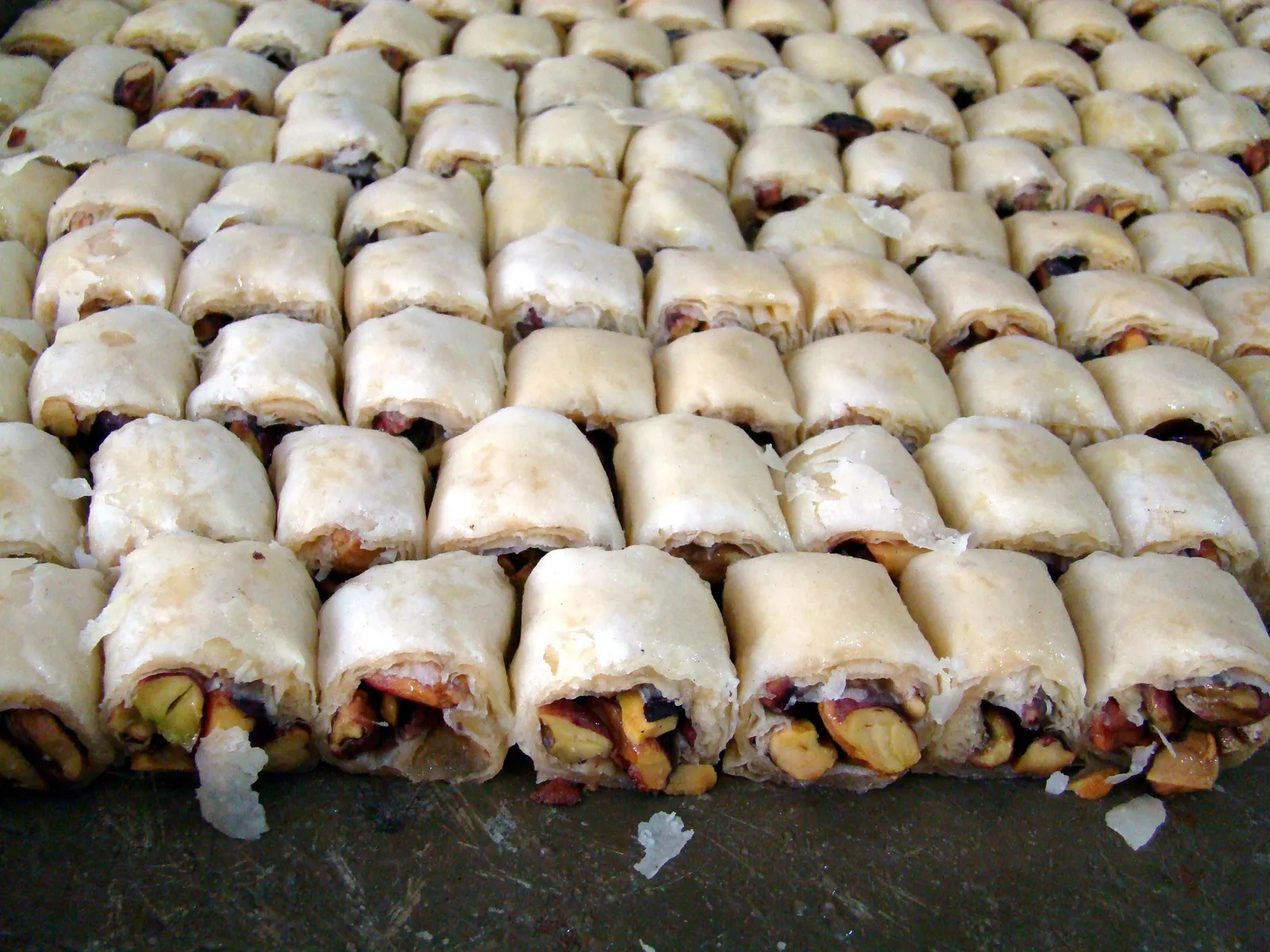
Antep Baklavası, the baklava of Gaziantep in southeastern Turkey, became the first Turkish product to win a European Union geographical indication, registered in 2013. This means only baklava produced in Gaziantep using Antep pistachios and traditional methods can legally carry this name within the EU.
Gaziantep is home to three iconic flavors that have been awarded the prestigious EU Geographical Indication status: Gaziantep Menengiç Kahvesi, Gaziantep Baklavası, and Gaziantep Fıstık Ezmesi. The EU’s geographical indication has played an important role in standardizing Gaziantep Baklavası and protecting its quality on a global scale.
UNESCO Recognition and Global Standing
Gaziantep was designated a UNESCO Creative City of Gastronomy in 2015, the only Turkish city to hold the title, for a culinary tradition stretching back 6,000 years and 291 officially registered local dishes. Its baklava tradition, the breadth of its desserts, and the number of its registered regional products are among the main grounds for the title.
The long-simmering culinary rivalry between Turkey and Greece over the origins of baklava is heading to the international stage, as Ankara has formally petitioned UNESCO to recognize the iconic layered pastry as part of its national cultural heritage. The application will be evaluated at UNESCO’s 21st session of the Intergovernmental Committee for the Safeguarding of the Intangible Cultural Heritage. Whatever the outcome, Gaziantep’s place at the center of that conversation is not in doubt.
Training the Next Generation
Supported by the European Union, the Gaziantep Academy of Culinary Arts is formalizing the training of cooks and pastry chefs, with courses ranging from the sustainable use of agricultural produce to multi-course menus offered in adjoining training restaurants. The city is actively investing in keeping its craft alive, not simply preserving it in memory.
Gaziantep’s renowned baklava is also being produced by female vocational high school students at the Gaziantep Baklava Academy and sold to public institutions and other cities. In a city recognized by UNESCO for its gastronomy, female students continue production even during summer vacation. This shift signals a quietly significant change in who gets to carry the tradition forward.
Baklava Tourism and the Living City
Baklava is not unique to Gaziantep, and the city doesn’t claim its origins. Yet no city has made baklava into a tourist attraction, a vast industry, and a public obsession quite like Gaziantep. In Gaziantep, baklava tourism thrives, with factories offering tours and workshops.
The Pistachio Museum in Gaziantep celebrates the crop’s history, offering visitors insight into its cultural significance. The annual GastroAntep Festival in September honors the harvest with workshops and pop-up dinners, underscoring the city’s status as Turkey’s leading pistachio producer. For anyone drawn to food as a window into culture, this city delivers something genuinely rare.
The Takeaway
Gaziantep does not simply produce baklava. It has built an entire civilization of taste around a single dessert, one that now carries EU legal protection, UNESCO recognition, and the quiet devotion of families who have done nothing else for six or seven generations. The pistachio groves, the paper-thin dough, the hot-to-hot syrup technique: each detail exists for a reason, refined over centuries into something that is difficult to improve upon.
Some foods are products. Gaziantep baklava is more of a philosophy: that quality ingredients, honest technique, and patient mastery are worth protecting at every cost. That is a thought worth carrying home, long after the last sweet, shattering bite.
AI Disclaimer: This article was created with the assistance of AI tools and reviewed by a human editor.