

The Cabin Is Far Drier Than You Think
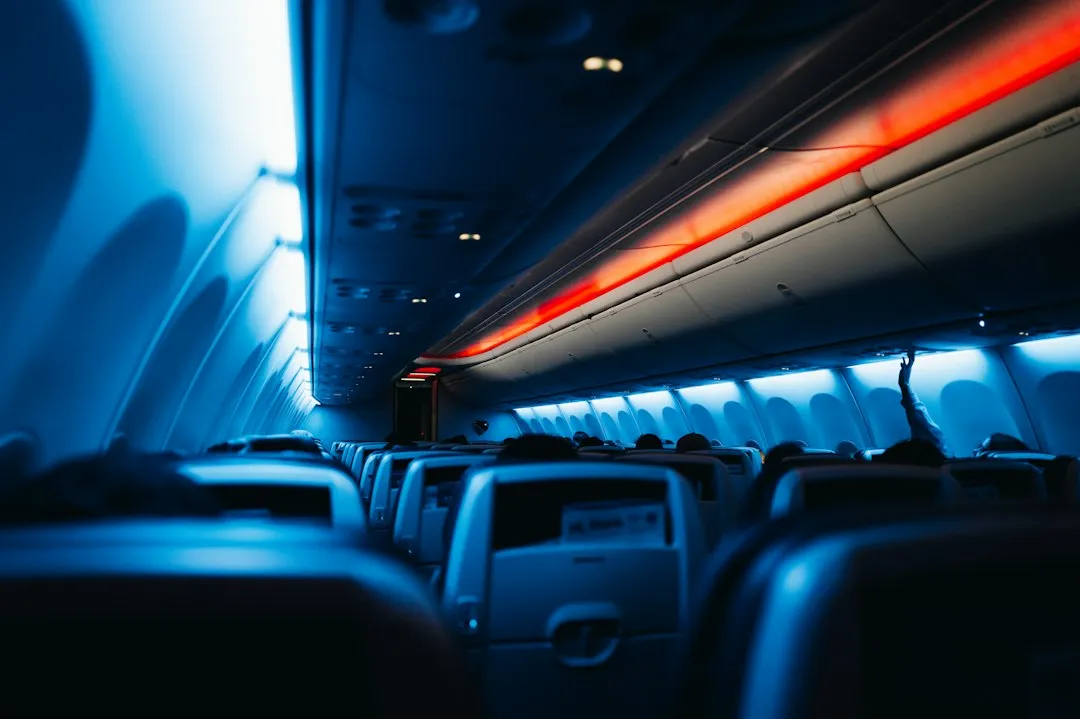
Airplane cabins typically maintain humidity levels between 10 and 20 percent, which is much lower than the comfortable range of 30 to 65 percent we experience on the ground. That gap is enormous in practical terms. Inside a commercial cabin at cruising altitude, humidity drops to between 10 and 20 percent, drier than the Sahara, according to UK Civil Aviation Authority guidance. Your eyes are simply not designed to function in that kind of arid environment for hours at a stretch.
Studies mimicking the conditions on airplanes have shown that the level of humidity on a flight makes tears evaporate from your eyes faster. When you add contact lenses into that equation, the problem gets considerably worse.
Contact Lenses Accelerate Tear Film Breakdown
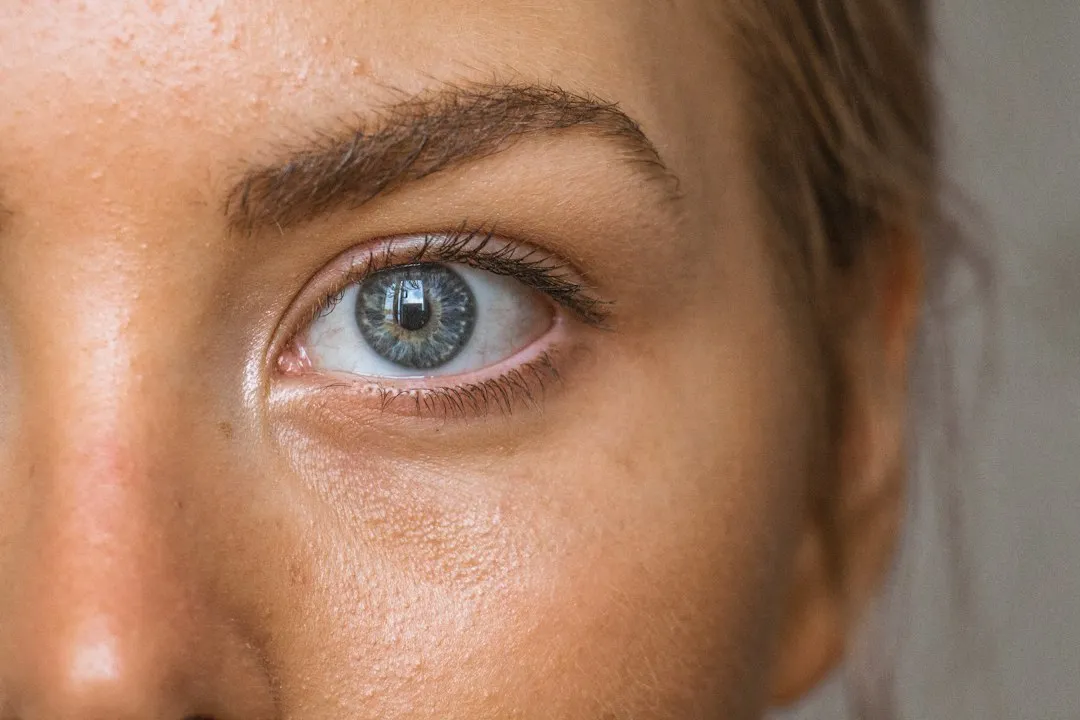
Low levels of relative humidity, such as those found in airplane cabins, promote an increase in aqueous tear evaporation and a worsening of dry eye symptoms, according to a study published in Eye and Contact Lens. Contact lenses depend entirely on a stable tear film to stay comfortable and to deliver adequate oxygen to the cornea. The lens depends on a stable tear film to remain comfortable, and in 10 percent humidity that tear film is under constant attack.
Low humidity and steady airflow can speed up tear evaporation, which makes contacts feel tight, gritty, or blurry. These symptoms can appear surprisingly quickly. Research simulating in-flight cabin conditions, published in Investigative Ophthalmology and Visual Science, has shown that the combination of low humidity, low atmospheric pressure and increased airflow produces measurable increases in dry eye signs and symptoms within two hours.
The Lens Itself Dehydrates Mid-Flight
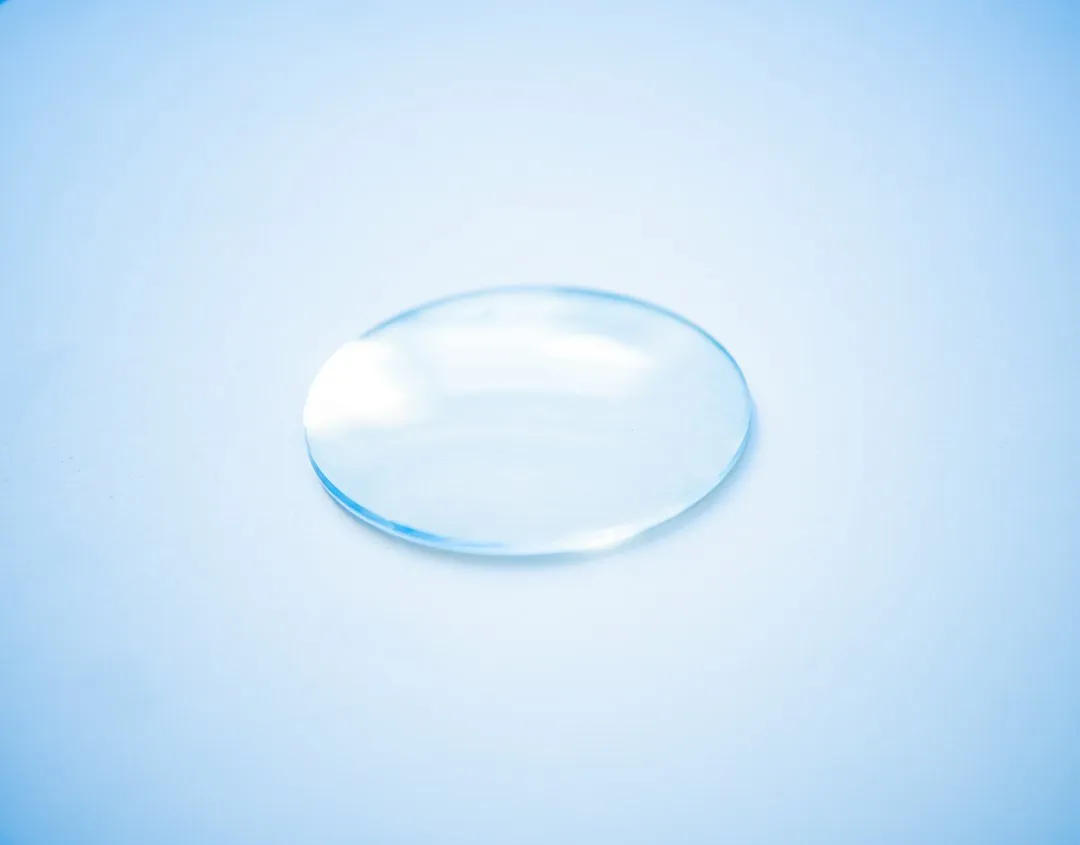
The plastic material of the lens requires constant hydration to maintain its shape and oxygen permeability, but the cabin air dries the lens out rapidly. As that moisture disappears, the lens begins to cause physical problems beyond just discomfort. As a contact lens loses moisture, it may move less freely on the eye.
As the lens material dehydrates, it may warp slightly or draw moisture from your own eyes to compensate. At that point, your lens is essentially pulling hydration from the cornea itself, which is the opposite of what you want. As the lens dehydrates, it can tighten against the cornea, causing discomfort and hypoxic stress to the ocular surface.
Oxygen Deprivation Is a Separate Problem Altogether
Reduced cabin pressure and lower oxygen availability can also modestly affect the amount of oxygen able to reach the cornea through a contact lens, compounding the discomfort already caused by rapid tear evaporation in the dry cabin air. The cornea is unusual among body tissues in that it draws oxygen directly from the air, not from blood vessels. Contact lenses already restrict that supply under normal conditions.
Closing the eye, as when napping, reduces the amount of oxygen supplied to the eye, resulting in swelling of the cornea. Additionally, contact lenses can further reduce this oxygen supply to the cornea, but some contact lens types are better than others at allowing oxygen through the lens to the eye. On a long flight, those two pressures combine in a way that your eyes feel well before you land.
Sleeping on a Flight With Contacts In Is Especially Risky
Falling asleep during a long or overnight flight can add another concern for travelers wearing contacts, as people often sleep on long flights, which contributes to more risk with contact lens wear. This is where things can go from uncomfortable to genuinely dangerous. Contact lenses block some of the oxygen reaching the cornea, and when you close your eyes to sleep, even less oxygen reaches your cornea.
Sleeping in lenses, whether inadvertently, occasionally, or as part of a prescribed wearing schedule, increases the risk for contact lens-related eye infections six to eightfold. Even a short nap mid-flight counts. Even short naps in your contact lenses reduce the oxygen reaching your cornea and increase infection risk.
Corneal Ulcers Are a Real, Documented Risk
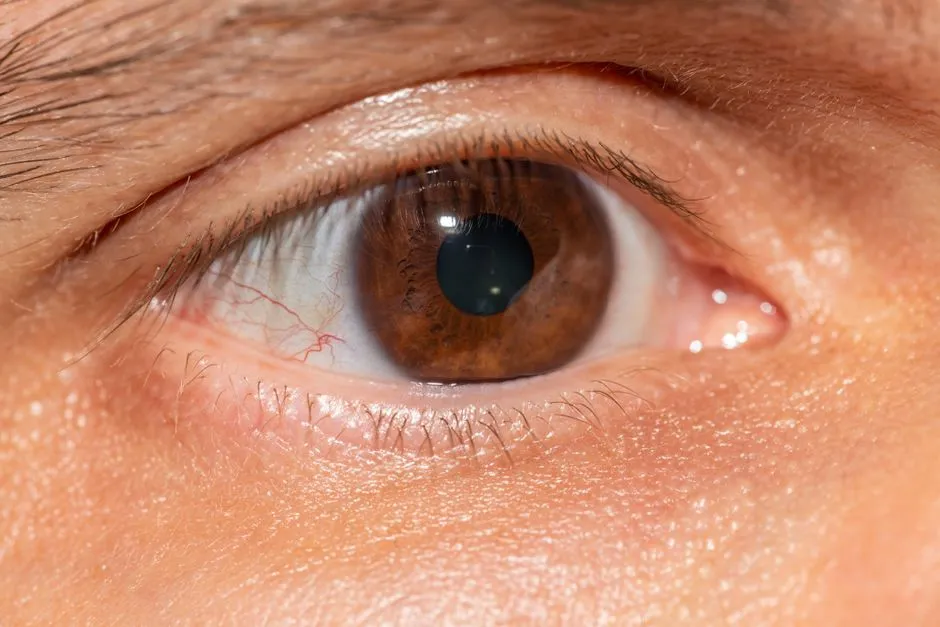
One traveler was diagnosed with a corneal ulcer after wearing contact lenses all throughout an 11-hour flight, prompting eye doctors to warn about cabin air risks. This kind of outcome is not hypothetical. Removing a particularly dry lens could potentially disturb the epithelium, the outer layer of the cornea, causing significant irritation and potentially affecting vision.
Ophthalmologists at hospital emergency rooms near airports have encountered a conspicuous frequency of corneal epithelial damage and edema in lens wearers who had just completed long nonstop high-altitude flights. That’s not a fringe finding. It’s a documented pattern that eye doctors have flagged for decades, and the risk remains relevant today. Severe or prolonged oxygen deprivation, especially when combined with bacteria or trauma from the lens, can cause the corneal surface to break down, resulting in a corneal ulcer.
What Eye Doctors and Professional Bodies Recommend
The American Academy of Ophthalmology specifically advises removing contact lenses on flights where you may sleep. That is a direct, actionable recommendation from one of the leading ophthalmology organizations in the world. The American Optometric Association notes that cabin conditions can cause contact lens discomfort on flights longer than three hours.
This combination is why extended-wear contact lens use during long flights is generally discouraged, and why many eye care professionals recommend switching to glasses for long-haul travel, particularly for anyone who already experiences contact lens discomfort under normal conditions. Packing a pair of glasses is simply the professional consensus, not an overly cautious suggestion.
Airline Crew Experience Tells Its Own Story
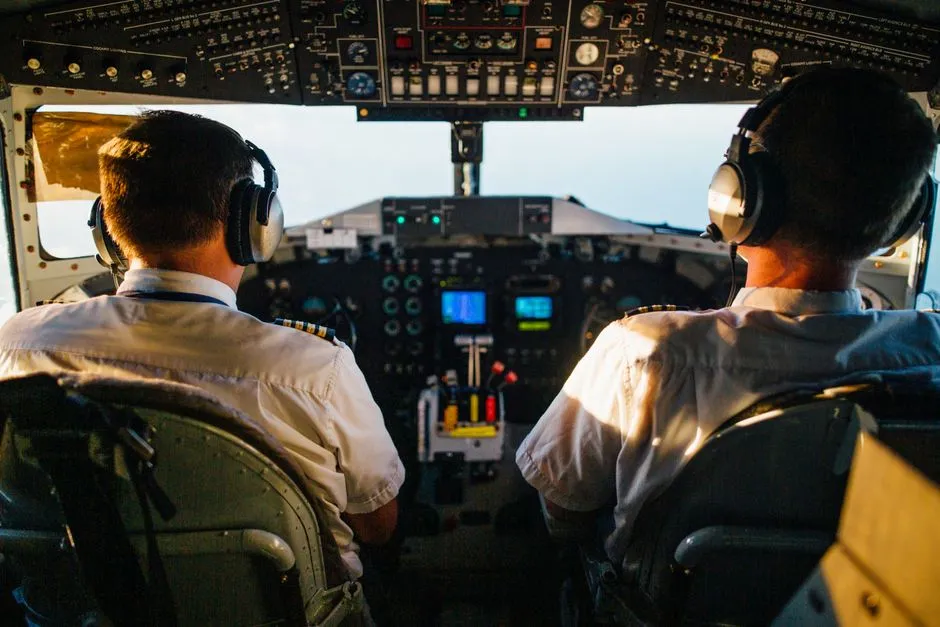
Aviation professionals are often exposed to conditions such as low cabin air pressure, reduced humidity, and prolonged artificial lighting, which may predispose them to dry eye disease. Flight crew members spend far more time in these environments than passengers do, and their eye health data reflects the cumulative toll. In aviation personnel, factors like cabin air pressure, reduced humidity, and extended exposure to artificial light could potentially lead to the onset or exacerbation of dry eye disease. Aside from a study involving over 1,200 Australian commercial pilots, where nearly three quarters reported dry eye disease symptoms, there is a scarcity of research in this field.
That figure among professional aircrew is striking. It’s worth remembering that pilots and cabin crew have the benefit of experience, training, and prepared eye care routines. Passengers on a 12-hour flight to Southeast Asia typically don’t. The environment doesn’t discriminate between the cockpit and seat 34B.
Glasses Offer Practical Protection the Contacts Simply Can’t
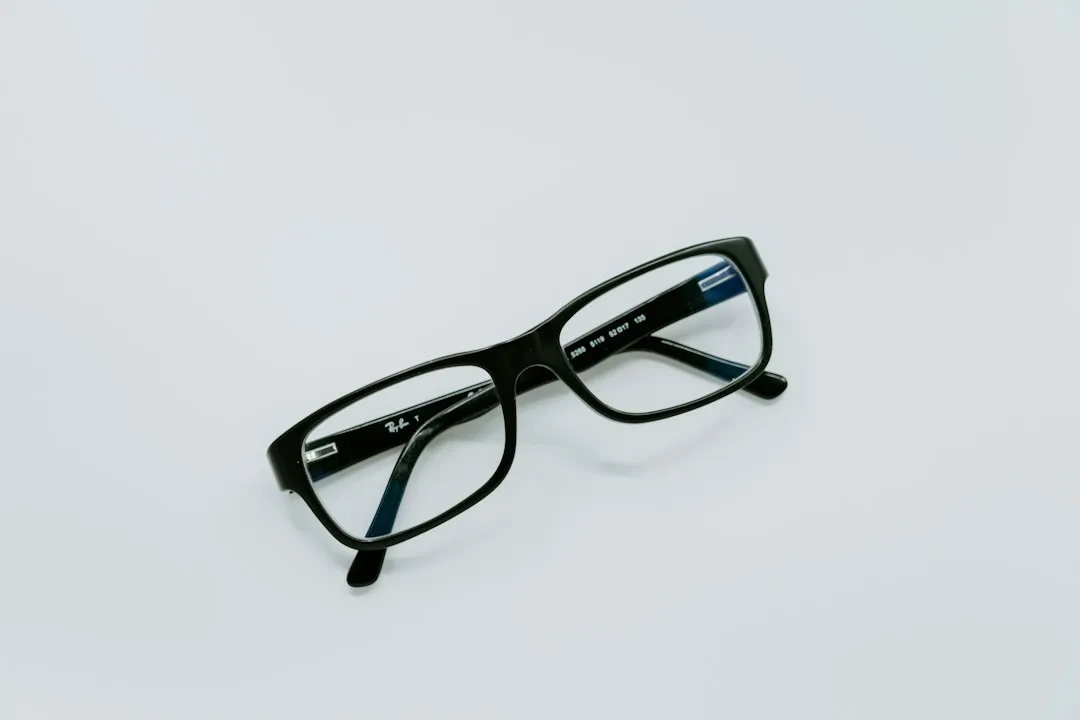
Even under normal circumstances, wearing contact lenses can exacerbate dry eye symptoms. This is especially true in particularly dry air conditions, such as those found in an airplane cabin. Glasses, by contrast, create a small barrier between the eye and the desiccating airflow from the overhead vents. They let the natural tear film do its job without additional interference from a lens sitting directly on the cornea.
There’s also the question of sleep flexibility. If you wear glasses, you can close your eyes at any point during the flight without worrying about corneal oxygen deprivation or bacterial risk. That freedom alone is worth the small inconvenience of packing a glasses case. Travel fatigue may tempt you to fall asleep without removing your lenses, but this can increase the risk of corneal infections and oxygen deprivation to the eye.
Packing Tips If You Still Choose to Wear Contacts on the Flight

Commercial airline cabins expose passengers to reduced atmospheric pressure, reduced oxygen availability, reduced humidity, and dry air, and these conditions can lead to discomfort with contact lens wear, especially on flights lasting longer than three hours. If you decide to wear contacts for the first portion of a long flight, switching to glasses once you’re airborne and settled is a reasonable middle ground. Always pack a contact lens case, solution, and lubricating eye drops in your carry-on rather than checked luggage.
Low relative humidity may cause drying of the skin, mucous membranes, and conjunctivae, adding a risk for conjunctivitis with its symptoms of tearing and pain, especially in those wearing contact lenses. Lubricating drops formulated for use with contact lenses can help, but they’re a mitigation, not a solution. Switching to glasses remains the more reliable option for a genuinely comfortable long-haul flight.
The Takeaway
A pair of glasses takes up almost no space in a carry-on bag. The inconvenience of packing them is negligible compared to the discomfort, or in serious cases the medical risk, of spending 10 or more hours with contact lenses in a cabin that is drier than most deserts on earth. Eye care professionals, aviation medicine researchers, and ophthalmology bodies all point in the same direction on this one.
Your destination deserves your full attention when you arrive, ideally with comfortable, healthy eyes. Swapping to glasses somewhere over the ocean is a small habit with an outsized return. It’s the kind of quiet, practical travel wisdom that tends to get overlooked until it really matters.
AI Disclaimer: This article was created with the assistance of AI tools and reviewed by a human editor.