

Waldorf Astoria has opened its first hotel in Japan, and it sits high above one of western Japan’s busiest transport hubs. The property, Waldorf Astoria Osaka, is a long-established luxury brand’s first step into the country, and it offers a useful look at how a historic name can take on a new city. Its location, design and family-friendly planning all reflect a considered approach to the place. The original review that prompted this article is available at ([1]).
A Sky-High Address in Umekita
The hotel opened in April 2025 in the Umekita district, a redevelopment area beside Osaka Station. It occupies the upper floors of the Grand Green Osaka complex, with ([2])reporting 252 guest rooms and suites spread across floors 31 to 38. Because some rooms adjoin one another, the hotel counts roughly 248 bookable keys, a detail worth knowing when planning a group stay.
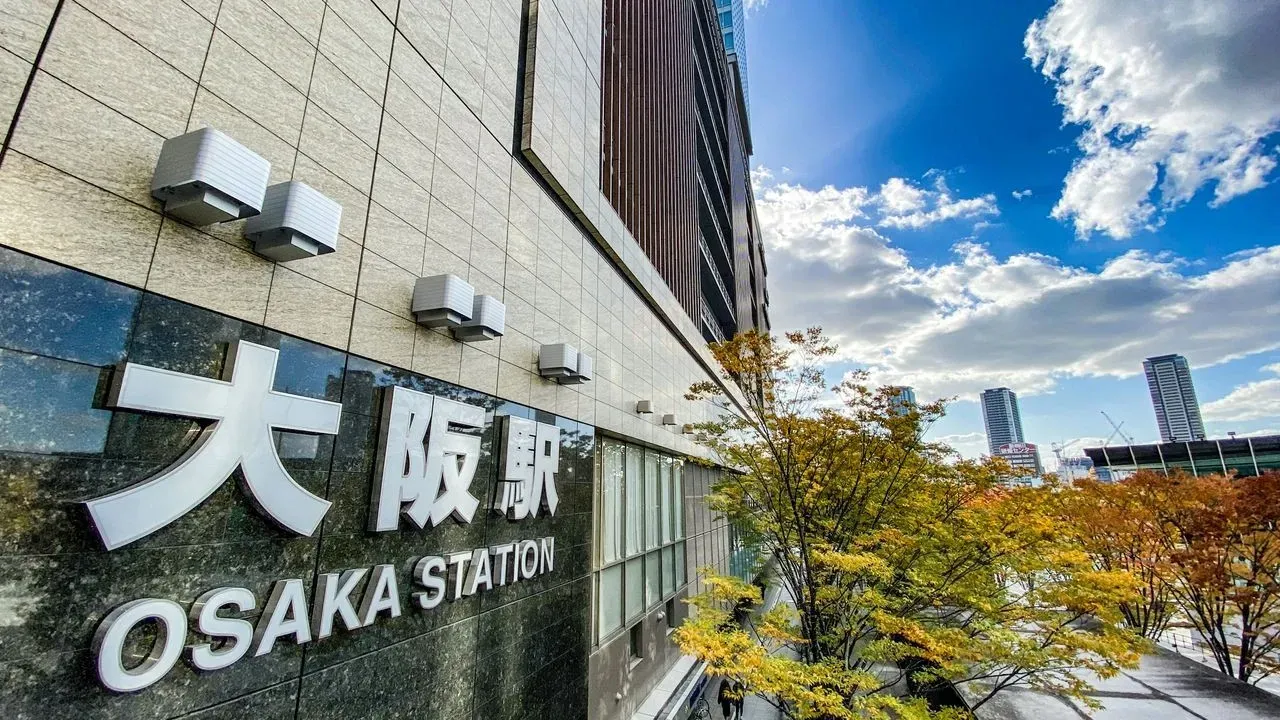
The setting is practical as well as scenic. The hotel is a short walk from the station, and ([3])notes that the location gives direct access to nearby destinations such as Kyoto and Nara. For travelers building an itinerary around Kansai, that proximity can shape the entire trip.
Design Shaped by Art Deco and Osaka
Architect André Fu led the interior design, drawing on the Art Deco roots of the Waldorf Astoria name. Rather than reproducing a New York template, the interiors blend those influences with Japanese craft. Wood, stone and water appear throughout, and the designer also drew on kumiko-style woodwork, a lattice tradition that has long been part of Japanese joinery. ([4])reports that Fu cited Osaka’s own relationship with Art Deco as a source of inspiration.
Smaller touches carry the same idea. Painted washi panels, kumiko screens and shoji-style lampshades appear across the public spaces and guest areas, which keeps the hotel rooted in its city rather than detached from it. The result feels intentional rather than decorative.
Rooms, Views and Planning for Families
Guest rooms are built around the skyline. Premier rooms face the city, and the upper floors offer wide views over Osaka Bay and the surrounding mountains. Rooms that are not on the outside edge still benefit from the height, so the city lights become part of the room’s character after dark.
Families will find the connecting rooms especially useful. The guaranteed connecting rooms, of which ([5])counts 21 in the hotel, make it easier for parents and children to stay close without sharing a single room. One reviewer also noted that the underground route between the hotel and Osaka Station can be hard to follow at first, so travelers with young children or heavy luggage may want to allow extra time on arrival.
An Evening Bar With a Jazz Age Mood
The hotel’s Jazz Age cocktail bar sits above Osaka Station, and it gives the property an evening rhythm that matches its design. Its atmosphere draws on the same era that inspired the Waldorf Astoria name, which means the bar links the hotel’s heritage with the city’s modern transit landscape. For guests, it is a quiet place to finish a day of sightseeing, with the station lights and skyline stretching out beyond the windows.
The hotel has also drawn attention beyond its own guests. ([6])reports that it was named Asia’s Leading New Hotel 2025 at the World Travel Awards, a recognition that reflects its early reception in the region.
What matters now: The hotel brings a 130-year-old luxury name to Osaka with a design that reads as Japanese first and Art Deco second. Its position beside the station suits travelers exploring Kansai, while its connecting rooms make it a practical option for families.
For travelers who want a stay that connects the history of a global hotel name with the textures and transit of modern Osaka, Waldorf Astoria’s first Japan property offers a thoughtful place to begin. Its details reward a slow look, from the lattice woodwork to the view at dusk.
AI Disclaimer: This article was created with the assistance of AI tools and reviewed by a human editor.