
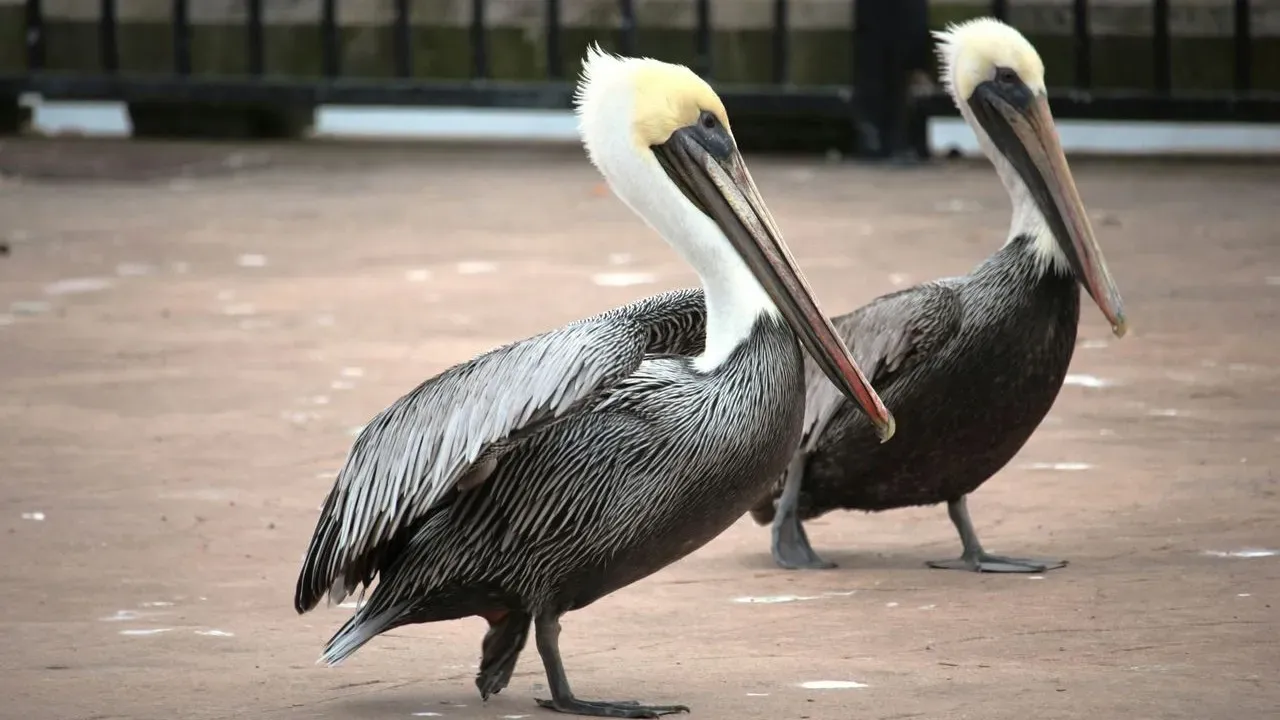

Two pelicans have returned to the wild after more than a month of recovery at a rehabilitation center. Both were found hurt along South Florida beaches, and both had been treated for the same problem. Their release, reported by WSVN 7 News (Miami), offers a hopeful look at how rescue work and everyday awareness can help seabirds survive along the coast. ([1])
Two Birds, One Injury
The pelicans were discovered on separate stretches of coast, one from Sunny Isles and the other from Haulover. Both carried the same injury, a fishing lure caught in the left leg. Volunteers from the Pelican Harbor Seabird Station brought the birds in on the same day, so the station’s staff handled both cases side by side.
The shared injury offers a quiet reminder of how fishing tackle can end up in the path of wildlife. Lures and hooks can be hard to see once they are in the water or on the sand, and an animal can be caught before anyone notices. The case also shows why fast reporting matters when an animal looks hurt.
Inside the Rehabilitation Work
Rehabilitation has been central to the Pelican Harbor Seabird Station for decades. Its executive director, Chloe Chelz, said the station was founded in 1980 and has treated more than 10,000 pelicans. She described releases as something the staff does as often as it can, and said the work never loses its meaning.
Animal experts removed the hooks, surgically closed the wounds, and guided the pair through their recovery. Chelz also credited partnerships with fire rescue and lifeguard stations, which she said have helped recover injured birds and supported the station’s mission. Those partnerships show how coastal workers can connect an injured animal with specialized care.
- Both pelicans were released after more than 40 days of recovery.
- A fishing lure caused the shared injury, a reminder that discarded tackle is a real hazard to wildlife.
- Rescue and rehabilitation depend on local partners who recognize injured animals and get them to care quickly.
Back Over the Water
After more than 40 days, the birds took off from South Pointe Park Pier in Miami Beach. The park sits at the southern tip of Miami Beach, near the entrance to Government Cut, a busy shipping channel. For the birds, the flight marked a return to the open coast they had been taken from weeks earlier.
Chelz said that seeing an animal go back to the wild is always a moving moment for the staff. When asked about what comes next for the pair, she offered a note of optimism. “I don’t know what the future holds for them, but I know it’s bright,” she said.
Sharing the Coastline Responsibly
For travelers and residents alike, the story is a reminder that wildlife along South Florida’s shores depends on small, careful choices. Giving pelicans and other birds plenty of space is one of the most useful habits a visitor can practice. Feeding wildlife can alter natural behavior, so it is best to leave food alone and let animals forage on their own.
If someone finds a bird that appears injured, the safest step is to contact a licensed wildlife rehabilitation center rather than attempting a rescue. Fishing anglers can also help by keeping lines, lures, and hooks out of the water and sand. The pelicans returning to Miami Beach’s coast show what careful teamwork can achieve, and the next time a visitor watches a pelican glide above the water, that moment can serve as a reminder of how much depends on the people who share the shoreline.
AI Disclaimer: This article was created with the assistance of AI tools and reviewed by a human editor.