
What the Right-Hand Rule Actually Is
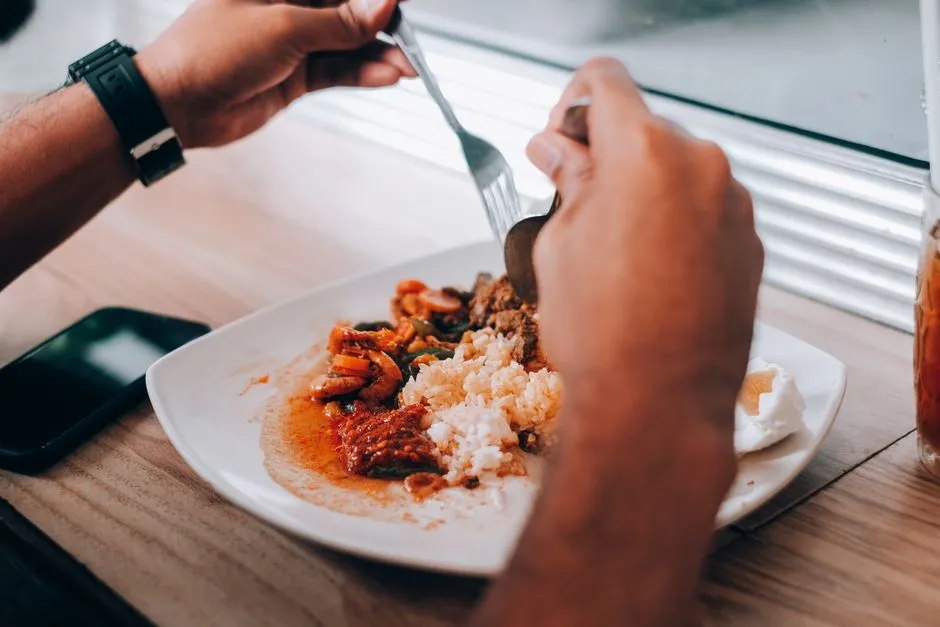
Across culinary cultures from India to Morocco, there’s one thing held in common: you should only use your right hand for eating. This applies whether you’re at a family dinner, a street-food stall, or a lavish riad feast. It’s not a quirky suggestion. It’s a deeply embedded social norm.
The most important single custom to absorb is the right-hand rule. The left hand is traditionally considered unclean, so you eat, pass money, give and receive, and gesture with your right hand. The rule, in other words, extends beyond the dinner table itself.
Where It Comes From: The Historical and Practical Origins
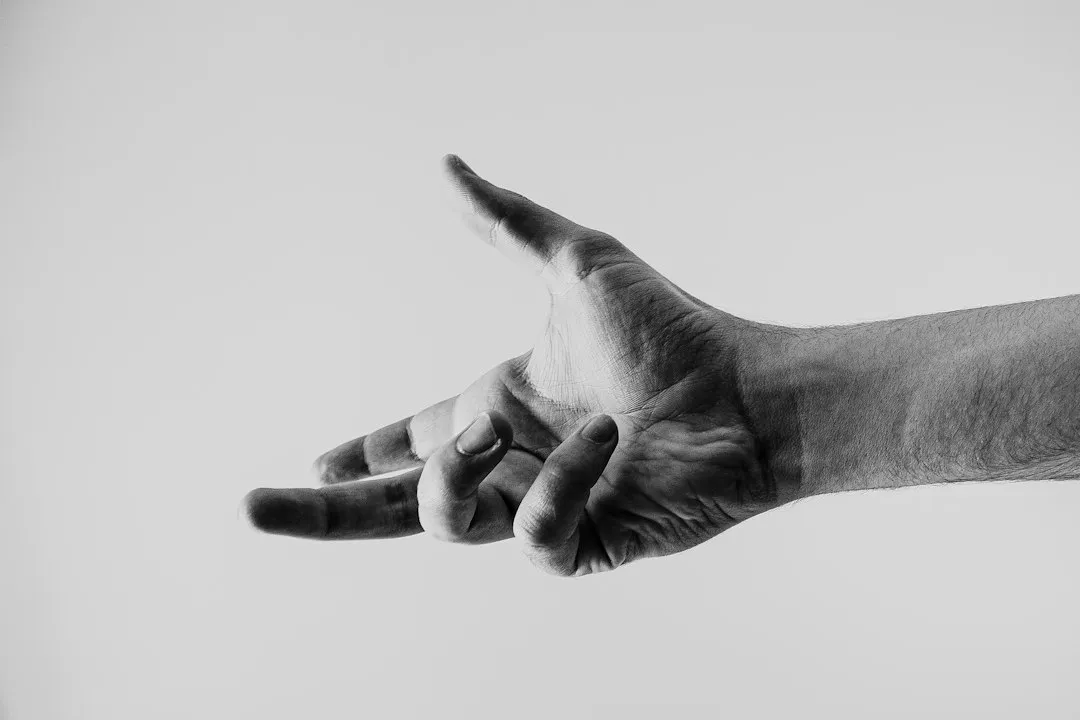
In many cultures across the Middle East, South Asia, and Africa, the left hand is traditionally used for personal hygiene after using the toilet. This practical origin, rooted in an era before modern plumbing and soap were widely available, evolved into a broader social taboo against using the left hand for eating, greeting, or handling shared objects.
The taboo has outlasted the practical reasons that originally motivated it. What began as a hygiene solution became a cultural identity marker, woven into religious texts, social customs, and everyday upbringing across generations.
The Islamic Foundation in Morocco
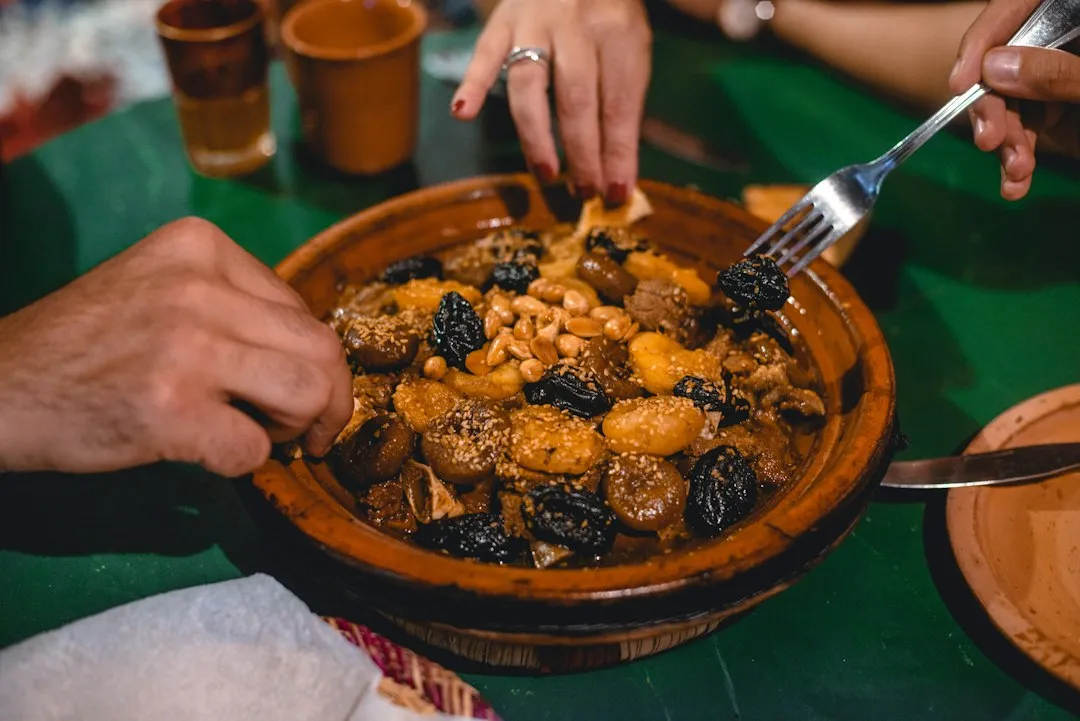
In Moroccan culture, the right hand is considered clean and appropriate for eating, while the left hand is traditionally reserved for personal hygiene tasks and is considered unclean. This practice stems from Islamic traditions and is a cultural norm that holds strong significance in daily life.
The sensory input of using fingers to eat is an important factor in Islamic countries like Morocco, where three digits is the preferred method to emulate the Prophet Muhammad. So in Morocco, the right-hand rule isn’t just about hygiene. It carries a spiritual dimension that many locals hold with quiet sincerity.
The Hindu and Ayurvedic Roots in India
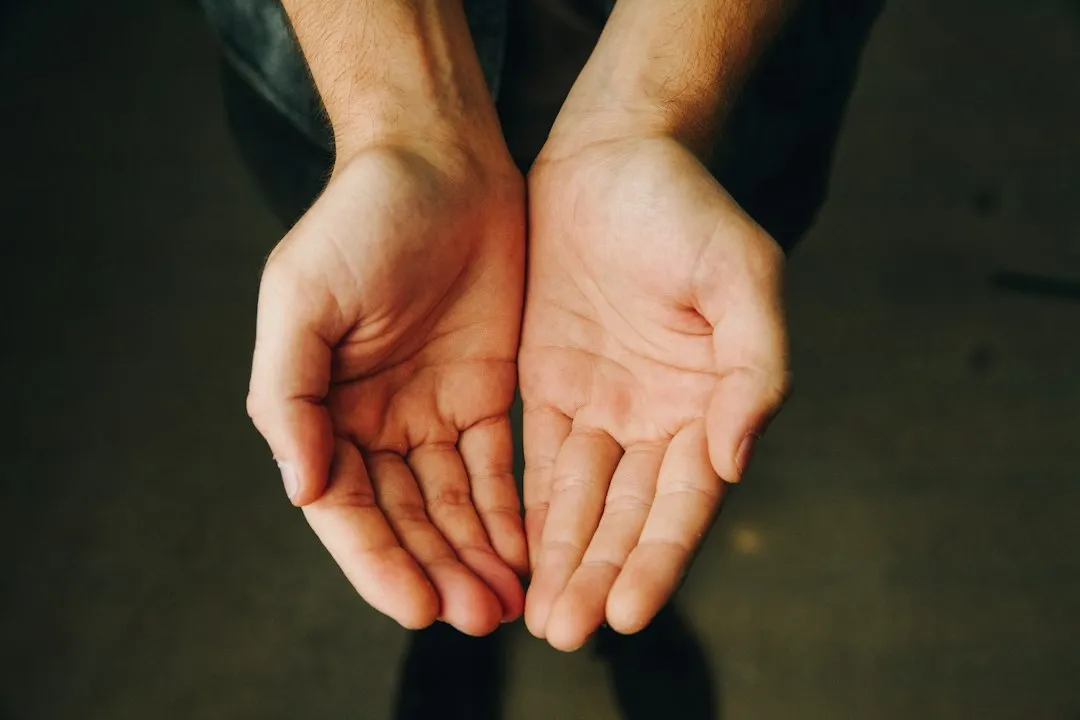
In Hinduism, the right hand is viewed as pure and is associated with prosperity, blessings, and peace. The left hand is associated with less pure activities such as bodily hygiene and personal care, a notion that is reinforced by holy scripture.
This taboo cuts across religious lines – it is observed in Hindu, Muslim, Sikh, and Christian communities throughout the subcontinent. Whatever one’s faith, the expectation around the right hand remains remarkably consistent across India’s vast cultural diversity.
The Ayurvedic Philosophy Behind Eating with Fingers
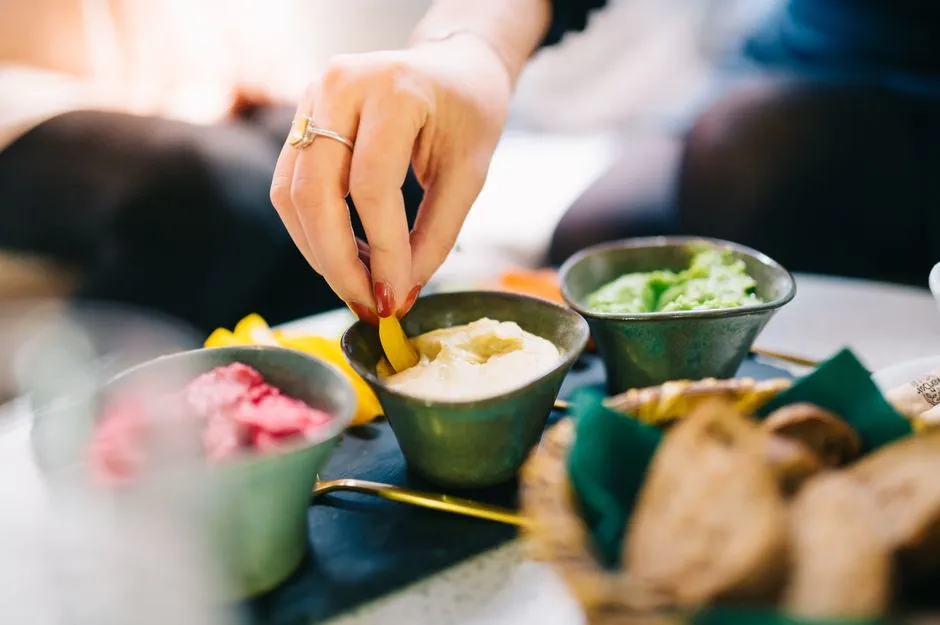
Ayurveda considers the five fingers to represent the five elements – space, air, fire, water, and earth – and believes that bringing them together while eating creates a kind of energetic connection between the eater and the food. Beyond the philosophy, the practice is treated as a tool for mindfulness, slowing you down and making you more aware of temperature, texture, and portion size before you swallow.
According to a study published in the Journal of Ethnic Foods in 2018, Ayurvedic principles say that each finger is associated with one of the five elements – thumb with fire, index finger with air, middle finger with ether, ring finger with earth, and little finger with water. This framework turns every meal into something that is meant to be experienced with the whole body, not just the tongue.
How the Rule Works at the Moroccan Table
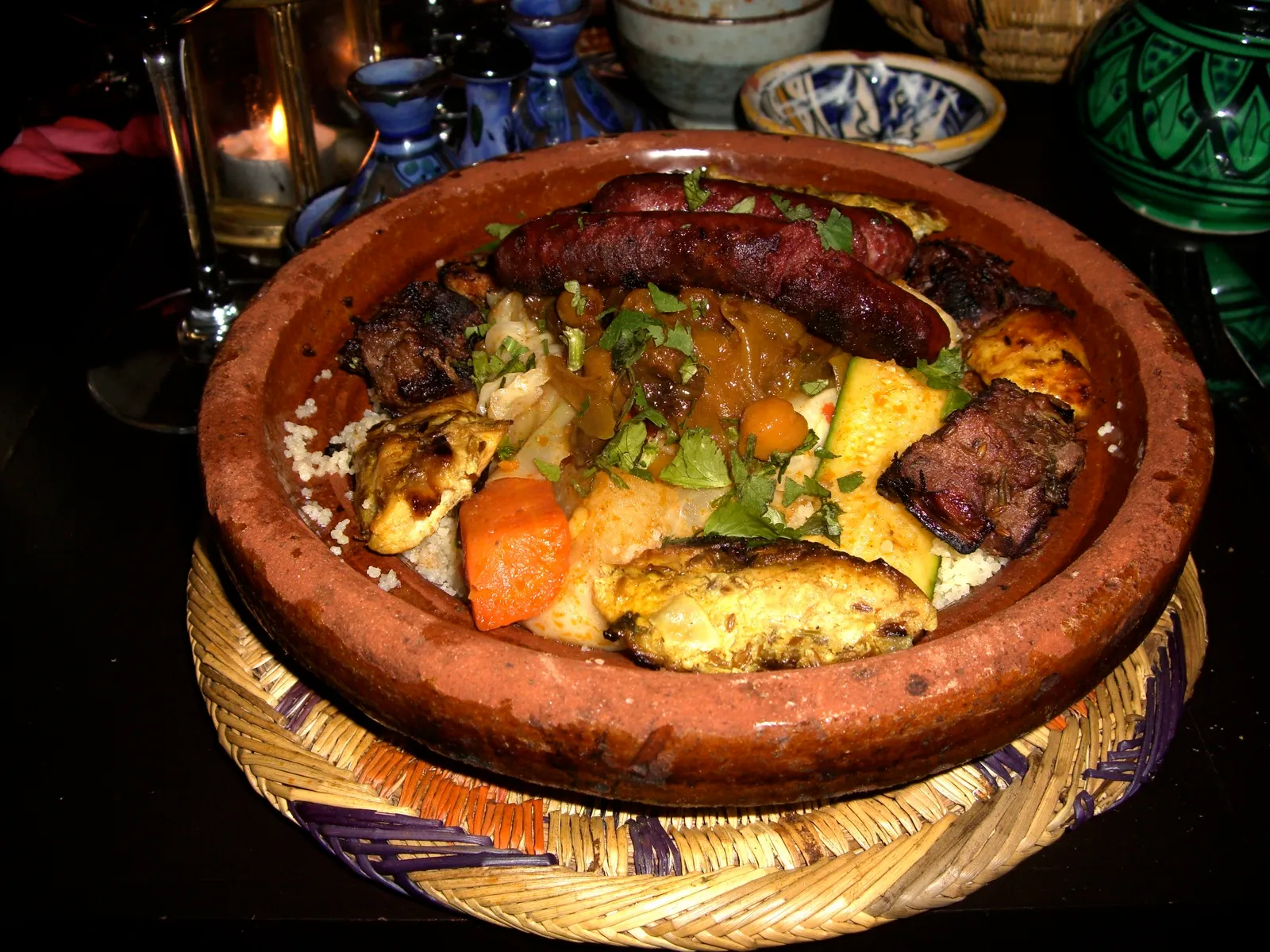
In Morocco, the guidance is straightforward: use only your right hand for eating, passing food, and tearing bread. If you are naturally left-handed, make an effort to use your right hand at the table, especially when dining with locals. Tear small pieces of khobz (Moroccan bread) with your right hand and use them to scoop food from the communal dish.
This is especially important when eating from a communal dish, as many servings in Morocco are shared from one plate. When eating communally, only eat from your portion of the communal dish so that you’re not reaching into other people’s space, and always eat with your right hand only.
How the Rule Works at the Indian Table
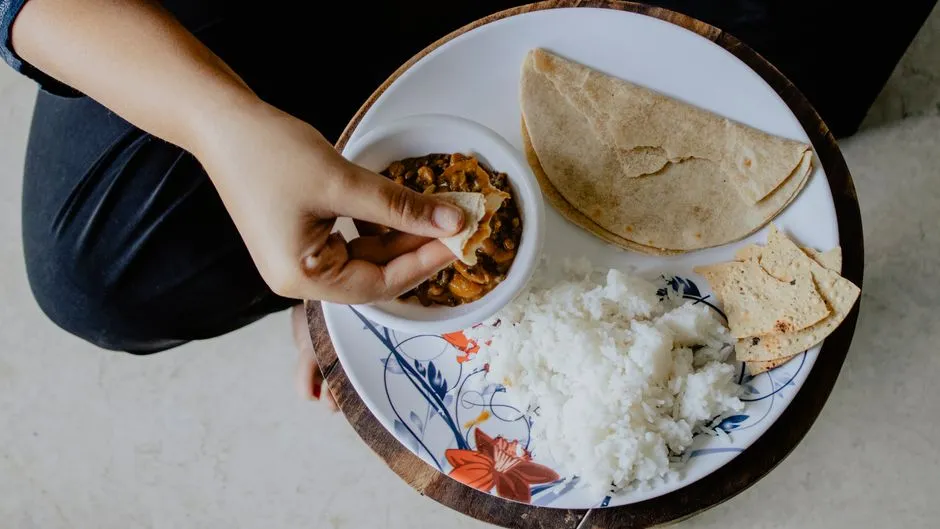
Most Indians wash their hands thoroughly prior to dining, then eat with their hands, with the use of minimal cutlery. Traditionally, the fingers are also used to feel the temperature of the food and to combine flavors.
When eating rice, it is mixed with curry, picking up small quantities with the fingers and pushing it into the mouth with the thumb. When eating bread, small portions are folded into a small pocket to scoop the desired amount of curry. It’s a practical technique that improves with a little practice, and locals genuinely appreciate the effort when visitors try.
What Happens If You Use Your Left Hand
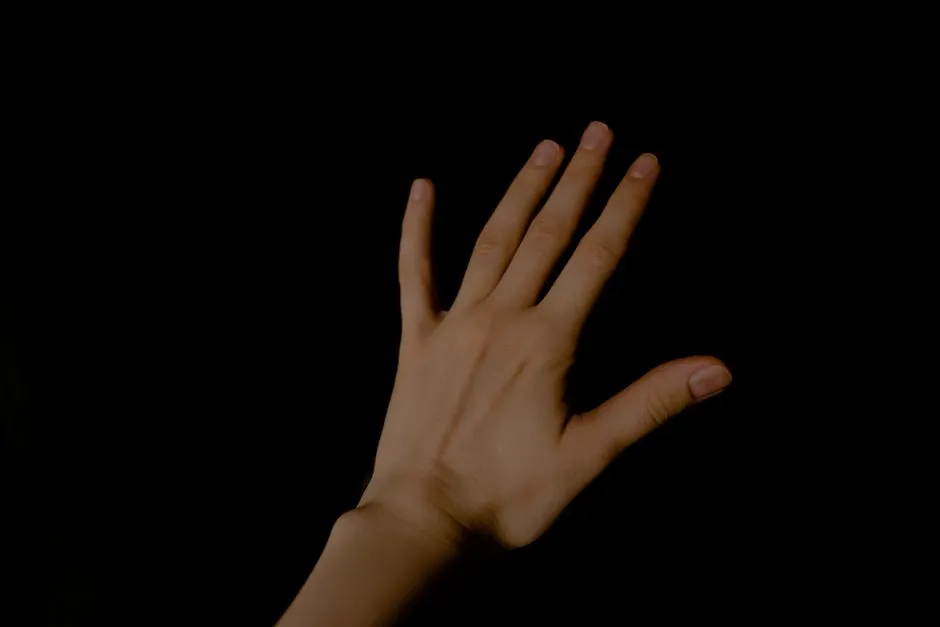
Nothing signals a thoughtless outsider faster than handing a shopkeeper change with the left hand, and nothing is easier to fix once you are aware of it. Most locals won’t make a scene about it, particularly with foreign guests.
Nowadays, eating with your right hand is less likely to cause offense, and most Moroccans will make allowances for foreigners, but it is worth the effort to blend in and show appreciation and respect for your host’s culture. The same applies in India. The gesture of trying speaks volumes, even if your technique isn’t perfect.
If You’re Naturally Left-Handed
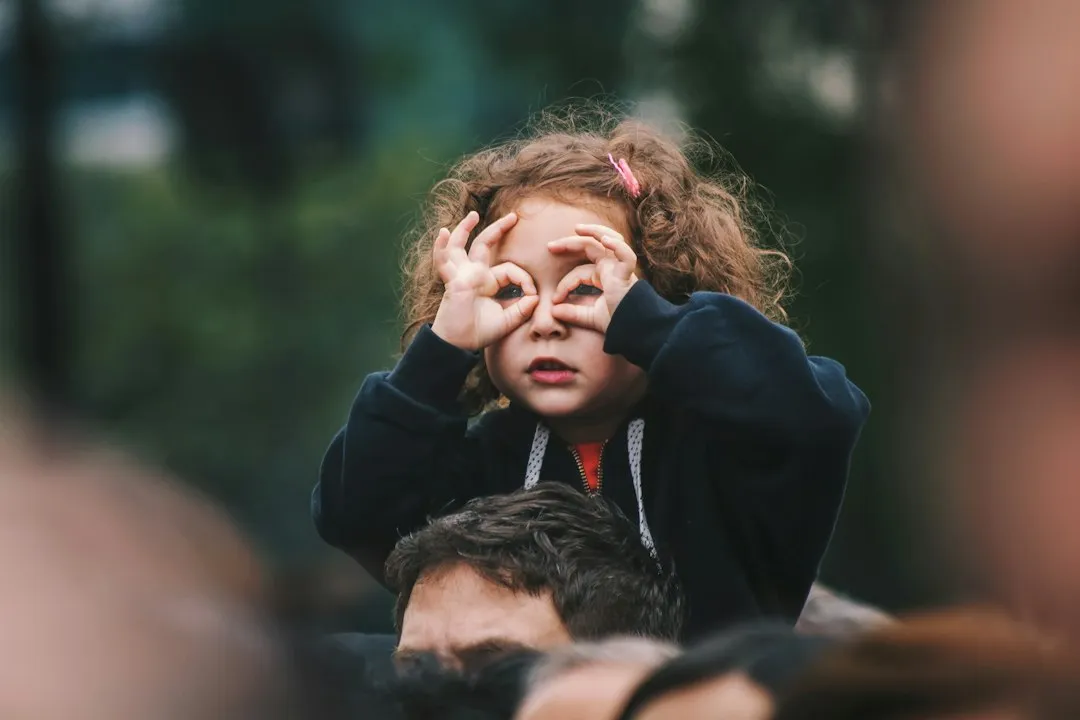
Writing, eating, and shaking hands is all done with the right hand in Morocco, and naturally left-handed children are taught to use their right hands for these tasks from an early age. For travelers who are left-handed, this can feel genuinely awkward at first.
Left-handed children in India have historically faced significant pressure to conform. Teachers would sometimes tie a child’s left hand behind their back or strike it to discourage use. That history is worth understanding with compassion rather than judgment – it reflects just how deep-rooted this cultural value is. As a visitor, the expectation is simply that you try, not that you transform overnight.
The Ritual of Handwashing Before the Meal

Before a meal, it’s customary to wash your hands, especially if eating with your hands. In many Moroccan homes, a small pitcher of water and a basin may be brought to the table precisely for this purpose. Accepting this ritual graciously is part of the dining experience, not a prelude to it.
In India, the practice carries a ritual meaning too. People wash their hands and feet before a meal. This act of preparation is treated as a form of respect, both for the food and for those sharing it with you. Skipping it, or treating it as an inconvenience, can be quietly noticed.
Final Thoughts
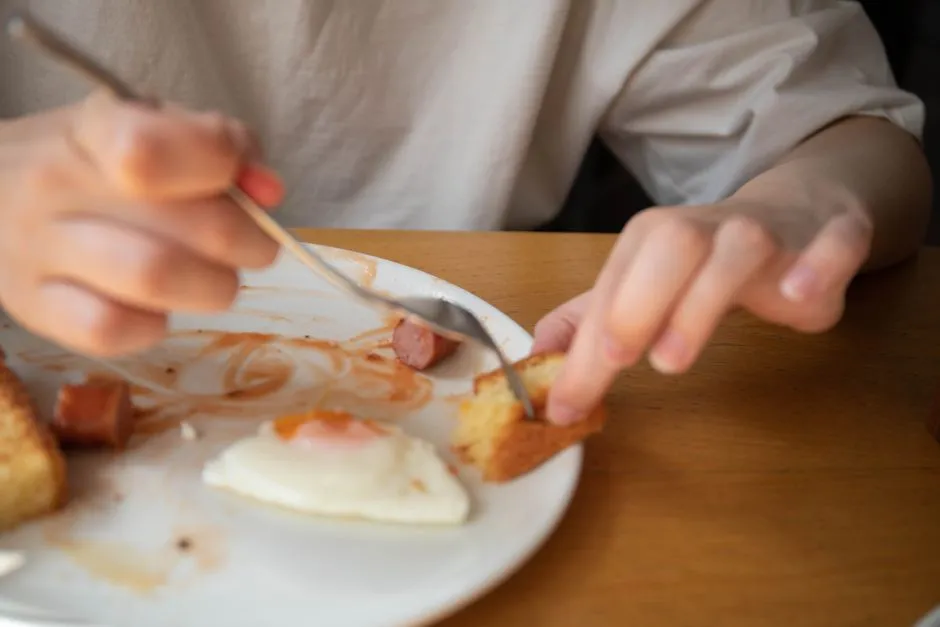
The right-hand rule is ultimately about something much simpler than a list of dos and don’ts. It’s an invitation to slow down, pay attention, and meet a culture on its own terms. When you sit at a shared table in Fez or Chennai and reach for the food with your right hand, you’re not just following a rule. You’re participating in a way of eating that stretches back centuries, shaped by faith, philosophy, and the kind of communal warmth that no fork or knife can quite replicate.
Carry this knowledge lightly, practice it genuinely, and you’ll find that the meals you share in India and Morocco become some of the most memorable of your travels.
AI Disclaimer: This article was created with the assistance of AI tools and reviewed by a human editor.