
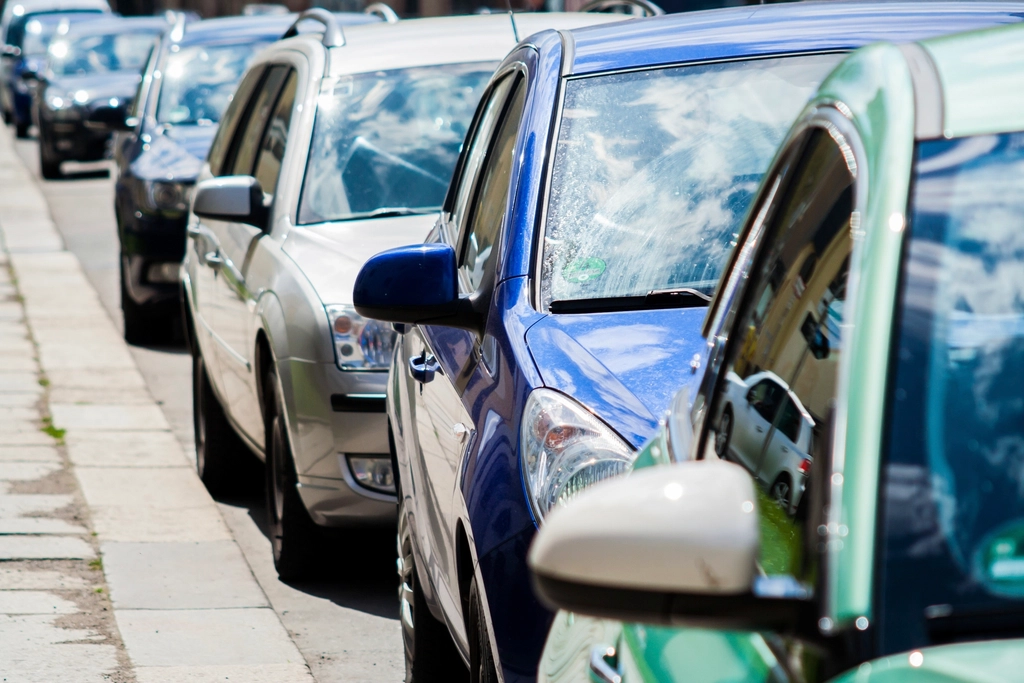

Some cities talk about going green, then spend a decade commissioning reports. Oslo did something different. Norway’s capital quietly, methodically, and without a single dramatic overnight ban, dismantled the conditions that made cars feel necessary in its own city center. The result is one of the most closely watched urban experiments in Europe, and arguably the most honest.
What makes Oslo’s story worth telling isn’t just the policy. It’s the texture of the change: the parking spots that became pocket parks, the streets that fell genuinely quiet, and the moment when residents realized they preferred it this way. Here’s how it happened, and why it still matters.
A Gradual Transformation, Not a Single Ban
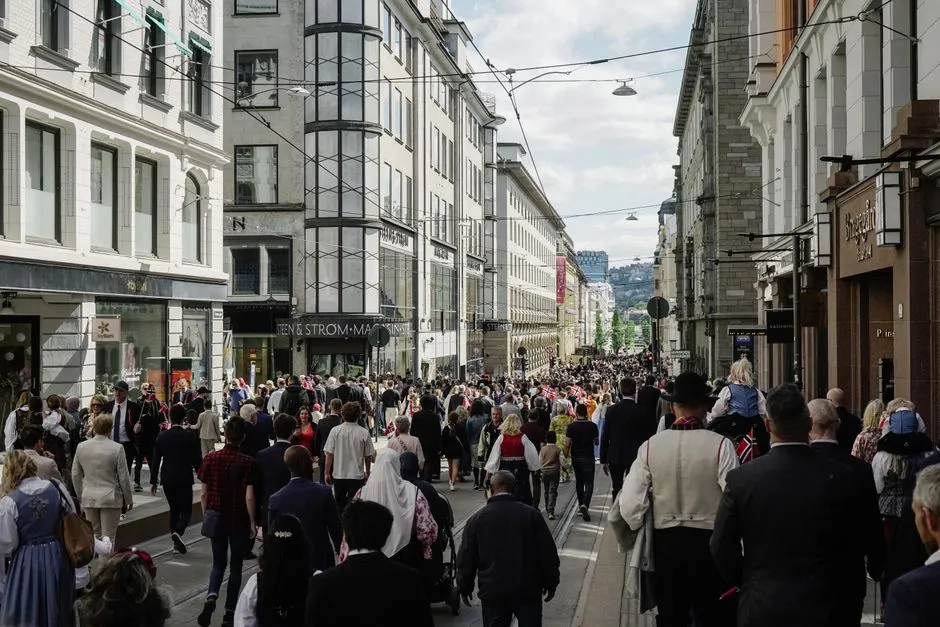
Oslo first pedestrianized some streets in the city center in the 1970s and invested heavily in public transportation in the 1980s. The ambitions grew considerably from there. In 2015, when a progressive political coalition came to power in the city council, they started planning a more significant transformation, initially calling for a full ban on cars because the majority of residents in the city center didn’t drive.
The most significant move Oslo officials made was devising a plan in 2015 to restrict cars from its square-mile city center and hike fees for entering and parking around the city’s core. The city chose to move incrementally rather than flip a switch all at once. The city decided to adopt a more gradual approach, which aimed at having the least possible number of vehicles in the centre instead of imposing a strict car-free zone.
The Parking Revolution That Changed Everything
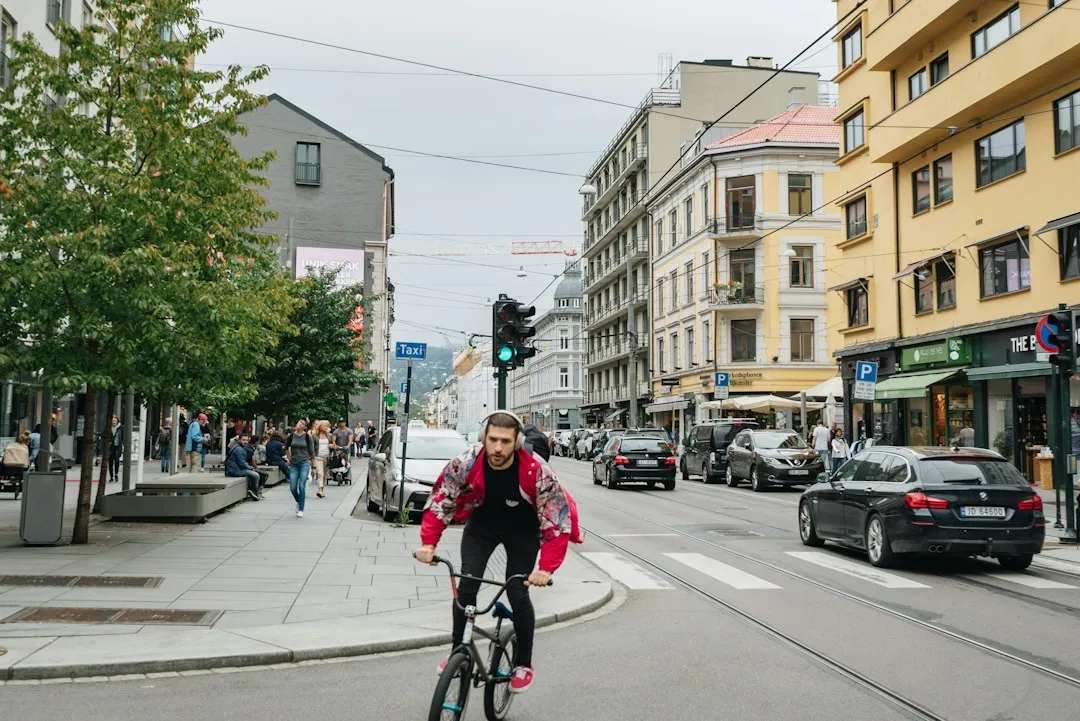
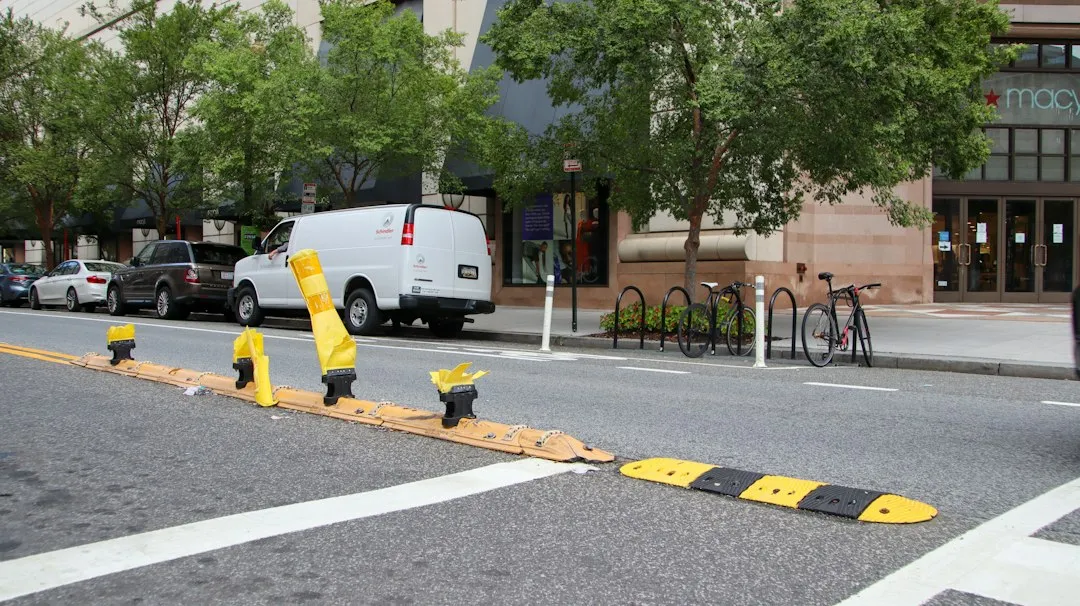
Tolls rose in 2017 as the city removed 700 parking spaces and replaced them with 37 miles of bike lanes and pocket parks. That swap, parking spaces exchanged for greenery and cycling infrastructure, turned out to be surprisingly powerful in reshaping how people experienced and moved through the city center.
The plans were bold: the removal of 760 on-street parking places, a new driving pattern to prevent through-traffic, and the reallocating of car-free areas for new uses to increase city life. On top of that, Oslo opened a number of new pedestrian streets and upgraded one street to a mixed-use street where two thirds of the space is reserved for people walking and other city life, and the city built new benches and drinking water fountains throughout the city center.
The Numbers Behind the Shift
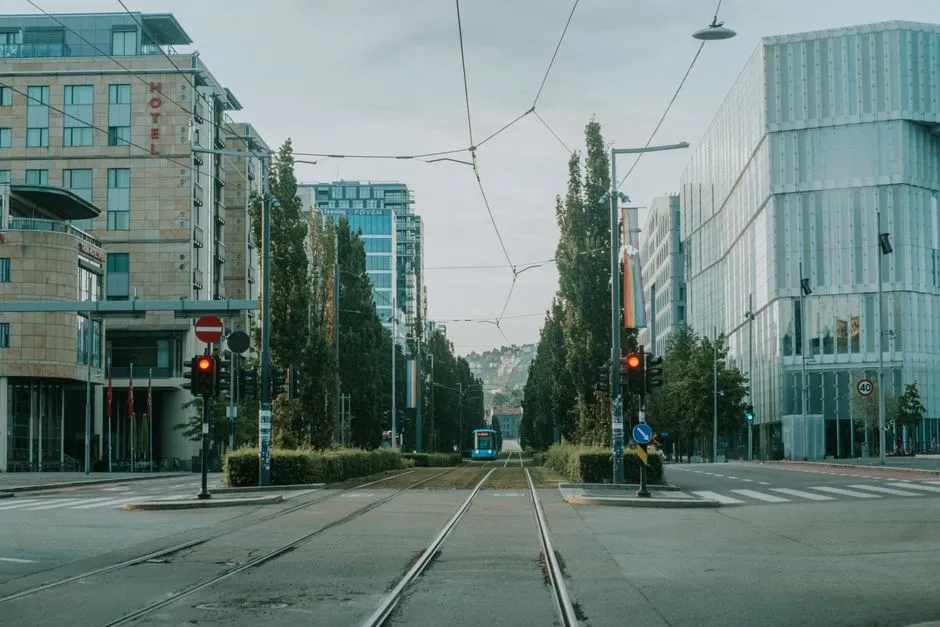
Oslo’s Agency for Urban Environment released numbers from their latest traffic counting showing that 28 percent of cars disappeared from the city center between 2016 and 2019. That’s a substantial reduction, achieved without a hard ban. Within the city center, car traffic decreased by 11 percent between 2016 and 2018 and by 19 percent from 2018 to 2019.
The main transport objectives set out by the municipality were to reduce car traffic by 20 percent by 2019 and by one third by 2030, significantly increasing the share of public transport, cycling, and walking. Those are not abstract aspirations. Overall figures from the travel habits survey for Oslo’s city centre confirm that the share of public transport and bicycles has increased, while the share of vehicles has decreased.
Vision Zero: Reaching Zero Road Deaths
Oslo’s slow eradication of cars in central neighborhoods saw the city record zero pedestrian and cyclist deaths in 2019, making it the only major city in the world to achieve such a feat. That milestone drew global attention and gave the program enormous credibility. It showed that the safety gains were real, not theoretical.
Even though traffic reduction and safety for pedestrians was not the primary goal of the Car-Free Livability Program, the Norwegian capital reached this milestone in 2019. It was concluded that the Car-Free Livability Programme had a clear local effect and, even if some traffic had moved to alternative routes, the measures were likely to have contributed to an overall traffic reduction in Oslo.
What Happened to Local Businesses
One of the most persistent fears around car-free zones is that shops will suffer when customers can no longer park nearby. Oslo tested that assumption directly. Removing cars had positive effects that went beyond safety: local authorities noticed that shops recorded a 10 percent growth in visits after cars were banned from the center.
After hundreds of parking spots had been removed, the city found that it had 10 percent more pedestrians in the center than the year before. More foot traffic, it turned out, is more valuable to retailers than a convenient parking spot on the street. The initiative wasn’t without challenges, as some businesses initially expressed concern about reduced accessibility, but the city worked to address these concerns by improving public transport connections and creating designated parking areas on the outskirts.
Public Support: More Than Half Said Yes
Political will is easier to sustain when residents are genuinely on board. Surveys completed in 2017 and 2018 showed that more than half of the population in Oslo is in favor of a car-free city center. That’s a meaningful majority in a city where car culture remains strong in surrounding suburban areas.
Almost 40 percent of inhabitants said they were willing to use their car less so that Oslo could reach its ambitious climate targets. The downtown area of the Norwegian capital is now almost totally car-free, and pedestrians, public transport, and cyclists take priority – which is how most commuters and residents prefer it.
The City Bike Network and Life on Two Wheels
Oslo’s city bike-share system grew quickly, tripling to nearly 3 million trips a year between 2015 and 2018. That growth didn’t happen by accident. It followed directly from the removal of parking spaces and the creation of safe, separated cycling infrastructure throughout the center.
Oslo has an excellent integrated public transport network run by Ruter, covering bus, tram, metro, local trains, and harbour ferries, all on one ticket. The Oslo Bysykkel city bike scheme has docking stations covering most of the inner city. Together, these options have made owning a private car in the city center feel genuinely redundant to many residents.
Electrifying the Remaining Fleet
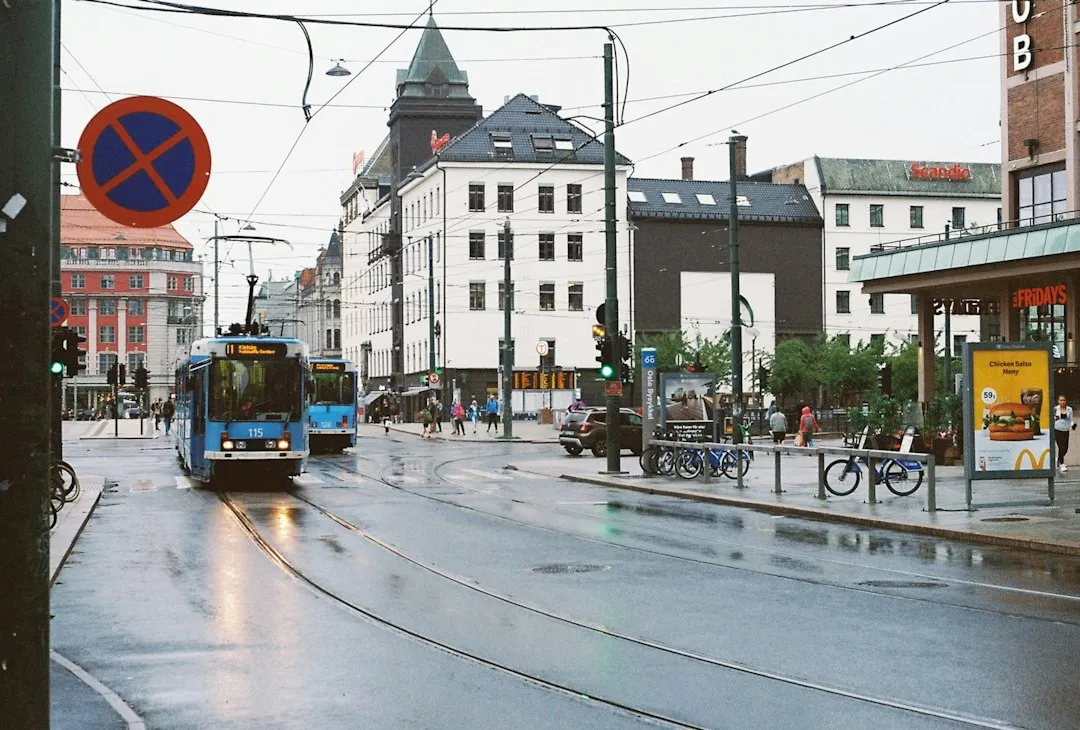
Oslo is a frontrunner in sustainable urban mobility, aiming to become the world’s first emission-free city by 2030, and EV sales surpassed those of internal combustion engine vehicles in 2024. The electric transition reaches well beyond private cars. Oslo’s public transport system is transitioning to full electrification by 2028, including buses, ferries, trams, and metros.
Taxis in Oslo were almost entirely electric by 2025, and by that year the majority of Oslo’s bus fleet was electric or hydrogen-powered, with the remainder running on biodiesel. The target of a fully zero-emission public transport network by 2028 appears achievable. These aren’t promises for some distant future. The infrastructure is already operating.
Oslo in 2026: What the City Looks and Feels Like Now
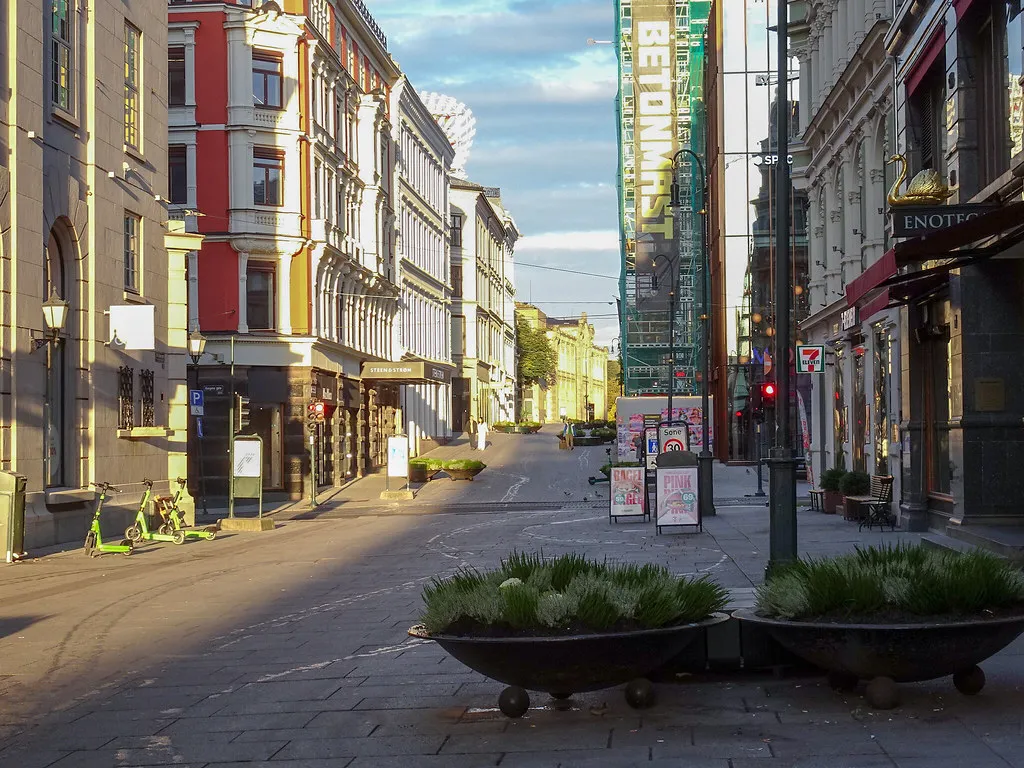
The city center is now mostly car-free for private vehicles, making the streets peaceful for walkers and shoppers, with noticeably less traffic noise than before. That sensory shift, the quietness, is often what strikes visitors most. Streets that once carried through traffic now carry conversations.
Oslo in 2026 is a city where sustainability commitments have materialised enough to be experiential rather than purely statistical. Oslo’s city center is changing quickly, and an evolving array of digital maps is helping visitors make sense of a capital that is steadily prioritizing pedestrians, cyclists, and public transport over private cars. The transformation is tangible enough that you notice it on your first morning walk.
What Other Cities Are Learning From Oslo
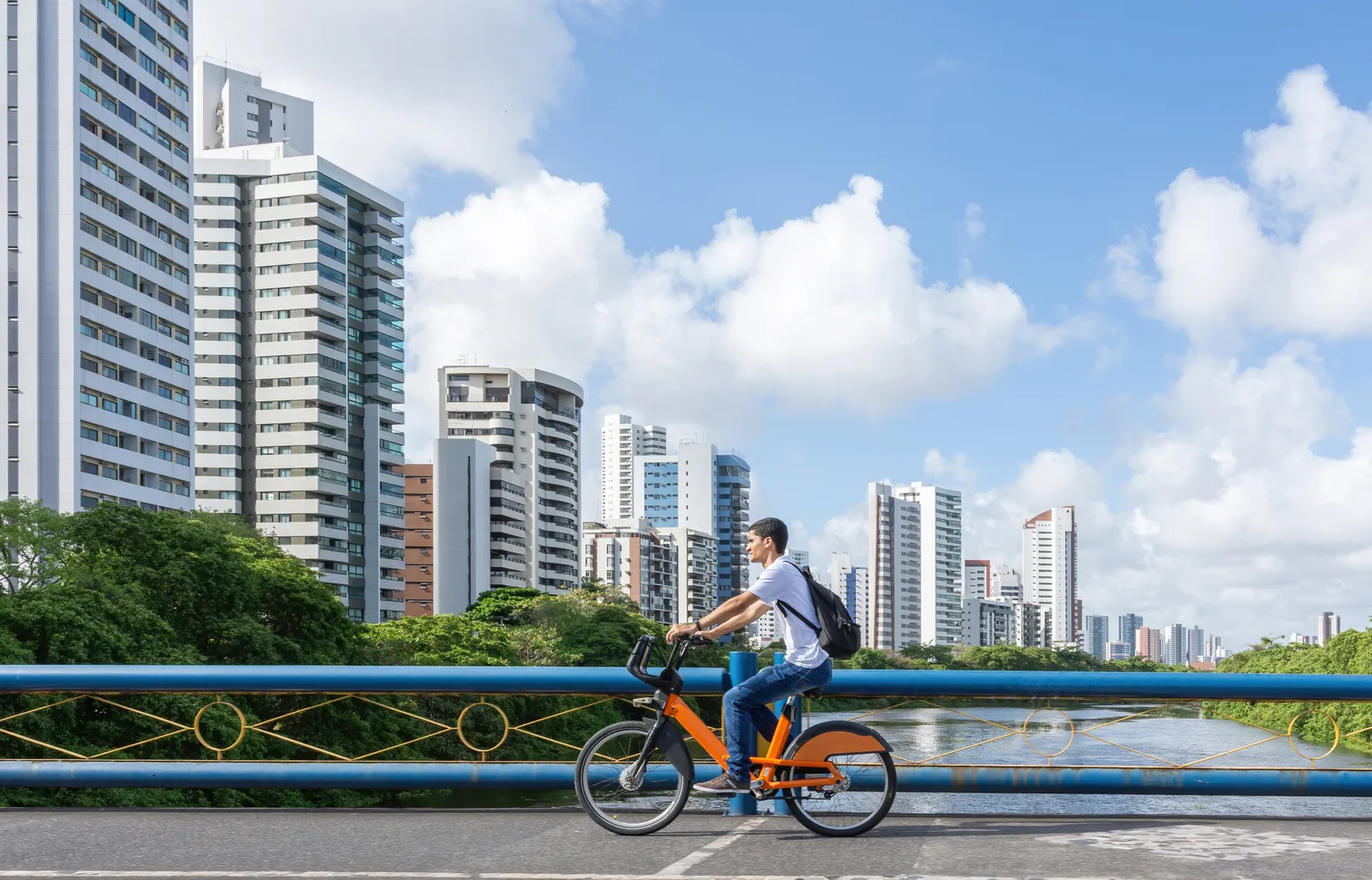
Oslo’s model has influenced urban planning conversations far beyond Norway. Paris is among the latest major cities to focus on fewer vehicles, following in the footsteps of Madrid, Milan, London, and Rome. Each has taken a different approach, but Oslo’s combination of parking removal, cycling investment, and genuine public engagement remains a touchstone reference.
Oslo has shown that by investing in public transport and cycling infrastructure, these modes can provide a viable alternative to private car use, especially in densely populated areas. The city’s lesson isn’t that every place should copy its exact policies. The lesson is simpler: when you make streets genuinely pleasant to walk and cycle, people adapt faster than anyone expects.
A City Still in Motion
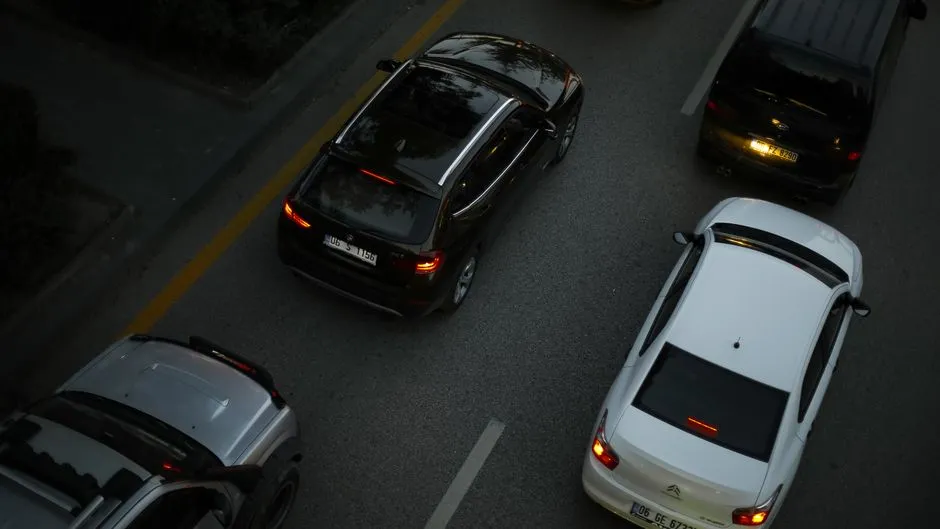
Oslo’s car-free story doesn’t have a fixed end point, and that’s part of what makes it credible. Oslo has decided to continue the gradual approach adopted in the Car-Free Livability Programme, with the Action Plan for Increased City Life 2018 to 2027 providing strategic direction. The goals keep stretching further, and the infrastructure keeps pace.
Oslo’s overarching target is to reduce all car traffic by one third by 2030, with the proportion of passenger transport covered by public transport, cycling, and walking increasing considerably. What Oslo has demonstrated, quietly and without much fanfare, is that a capital city can genuinely reshape itself around people rather than vehicles, and that the city becomes more alive, not less, in the process. That’s not a small thing to prove.
AI Disclaimer: This article was created with the assistance of AI tools and reviewed by a human editor.