

Most people have a jar of it somewhere in the back of the fridge. That sharp, pale-yellow paste with the distinctive bite that makes a vinaigrette sing or a roast chicken sauce come alive. The name is so familiar it barely registers as a place anymore. Yet behind the label is a real city with a real history that stretches back over seven centuries, tucked into the rolling countryside of eastern France.
Dijon is not just a condiment. It’s a medieval capital, a wine gateway, and one of the most richly layered food cities in all of Europe. Understanding where the mustard comes from means understanding the city itself, and that story turns out to be considerably more interesting than the jar suggests.
A City Born from Roman Roots
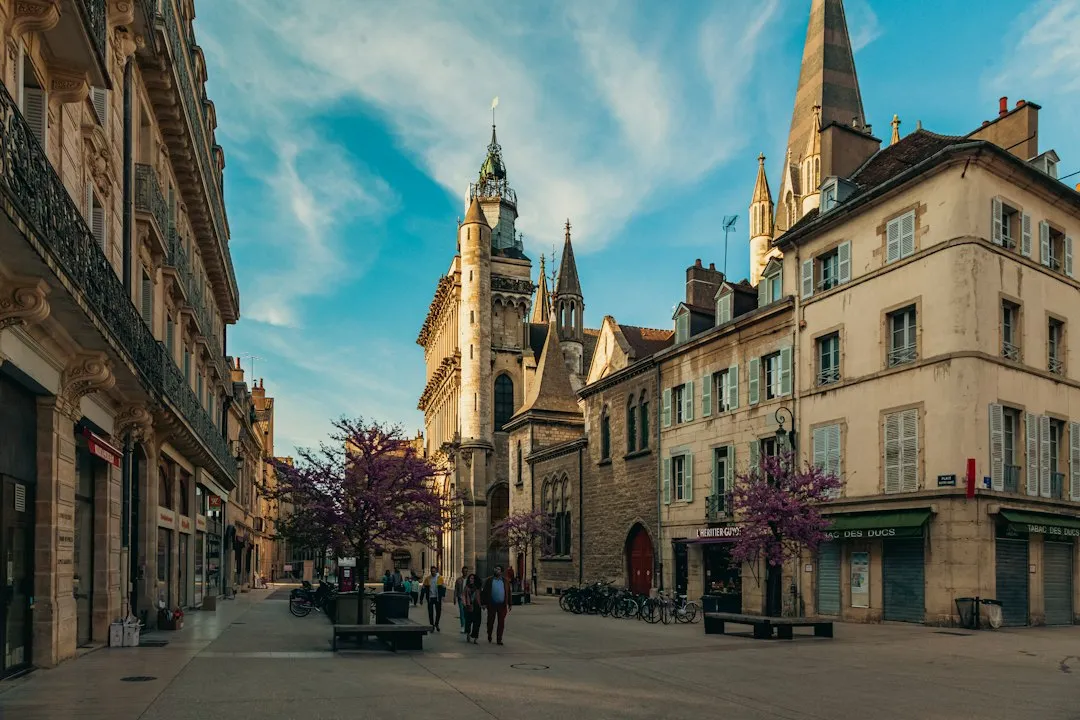
Once part of the Roman Empire and capital of the Duchy of Burgundy from the 10th to 15th century, Dijon has a pedestrianized, UNESCO-listed historic heart with many medieval townhouses, Renaissance-style mansions, and Romanesque and Gothic landmarks. The Romans didn’t just pass through, either. The creamy condiment that would eventually carry the city’s name has a history that dates back to the Romans, who were the first to plant mustard seeds in the fertile hills around the city of Dijon and ground them with vinegar into a zesty paste.
Dijon is the capital of the Bourgogne region and the prefecture of the Côte-d’Or Department, and it is the most populous city in the region, located approximately 290 kilometers southeast of Paris. That geography matters. Sitting at a crossroads between the north and the Mediterranean south, the city was always a place where goods, people, and ideas moved through freely.
How Dijon Became the Mustard Capital of France
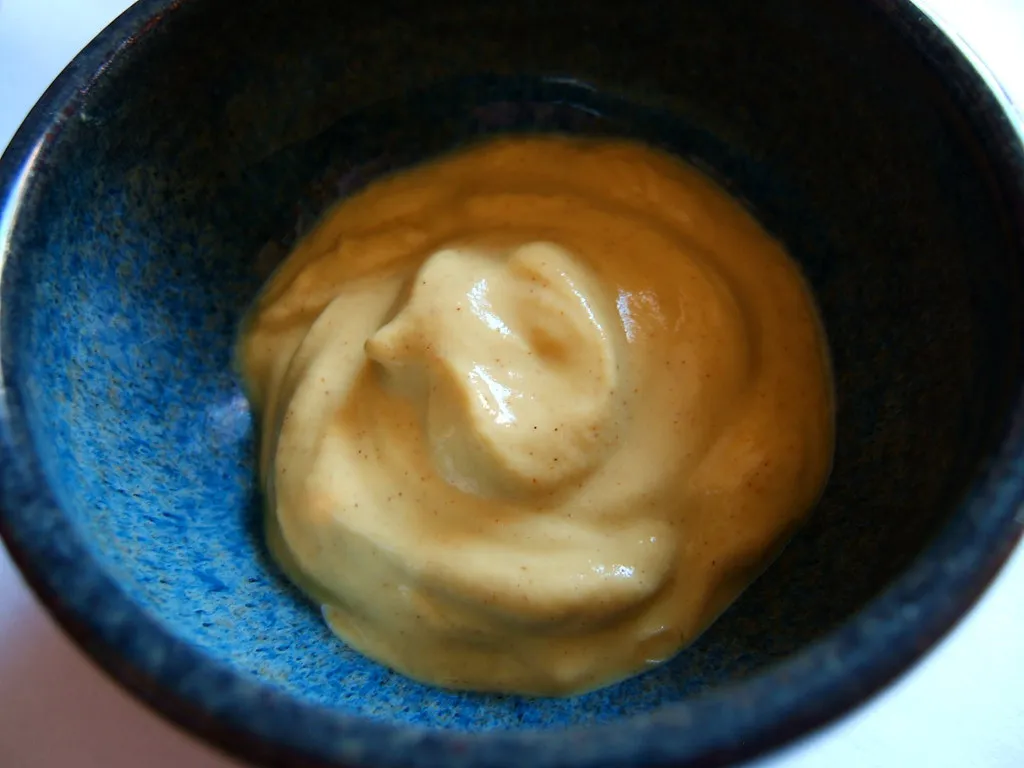
The city of Dijon in the Burgundy region of France became the center of European mustard production during the Middle Ages. By 1336, Dijon mustard appeared on record at a banquet held for Philip VI of France. That royal endorsement carried real weight in an era when a king’s table set the standard for the entire kingdom.
In medieval times, monks in Burgundy cultivated the mustard plant, planting it alongside grapes in the monasteries’ vineyards and making a tidy sum from selling their mustard paste. The connection between mustard and wine wasn’t accidental. Both crops thrived in the same landscape, and both found their way into the city’s identity in lasting ways. The city’s reputation for mustard production was formalized in 1634 when the Guild of Mustard Makers of Dijon was officially established.
The Exclusive Right to Make Mustard
Dijon was the center of mustard making in the late Middle Ages and was granted exclusive rights in France in the 17th century. This legal recognition was significant. It meant that for a substantial period of history, the name Dijon and the production of mustard were formally bound together by French law.
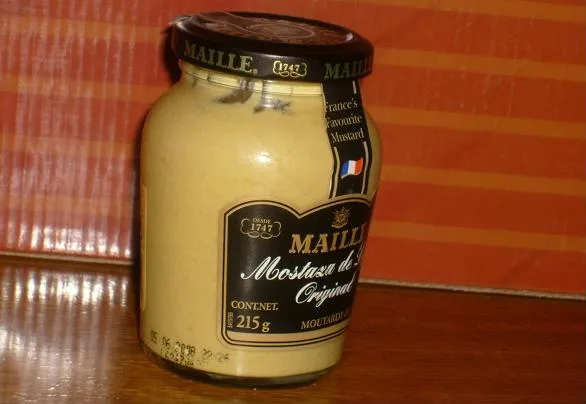
Mustard-making was so important that in 1634, a law was passed to grant the men of the town the exclusive right to make mustard. In 1777, the modern history of mustard took another step forward when two townsmen, Maurice Grey and Antoine Poupon, founded a company using Grey’s recipe and Poupon’s money. Their original store still stands in downtown Dijon. That shop, Maille, still maintains a presence in the city today.
Jean Naigeon and the Recipe That Changed Everything
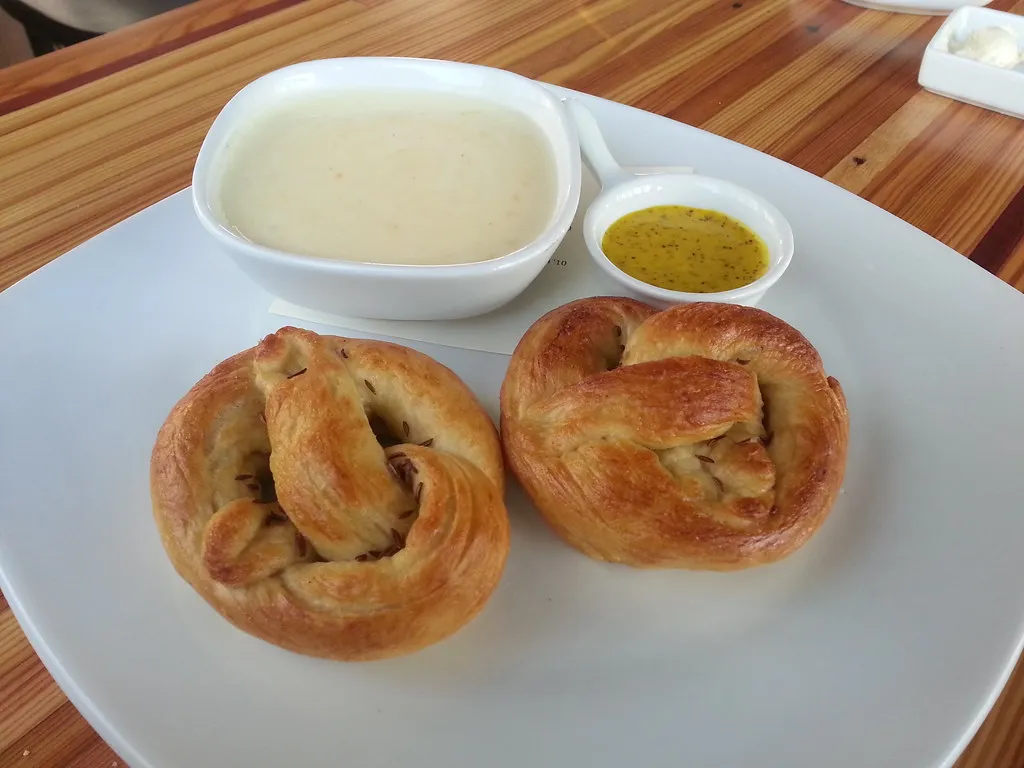
The mustard people eat today owes its distinctive character to one decisive moment in the mid-19th century. The defining moment in Dijon mustard’s flavor development came in 1856, when Jean Naigeon replaced the traditional wine vinegar in the recipe with verjuice, the acidic juice of unripe grapes. This single substitution created the smoother, sharper, more complex flavor profile that distinguishes Dijon from every other mustard style.
Verjuice is the acidic juice pressed from unripe grapes. Jean Naigeon substituted it for wine vinegar in 1856, creating the smoother, more complex flavor profile that defines authentic Dijon. Verjuice adds tartness and subtle fruit depth without the sharp edge of distilled vinegar, which is why traditional Dijon tastes more refined than standard mustard. It was a small technical change with enormous culinary consequences, and it cemented Dijon’s reputation for another generation.
The UNESCO-Listed Heart of the City

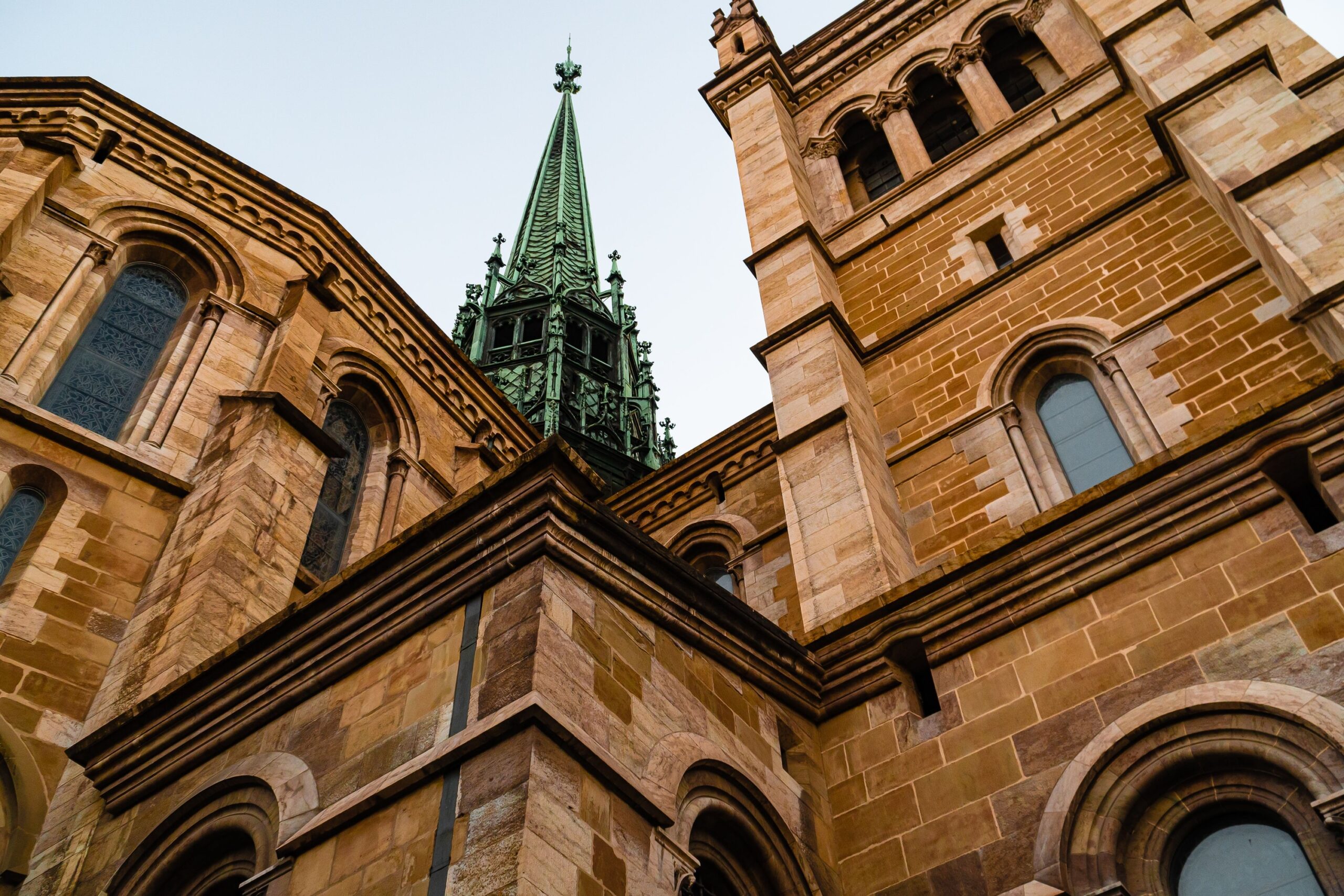
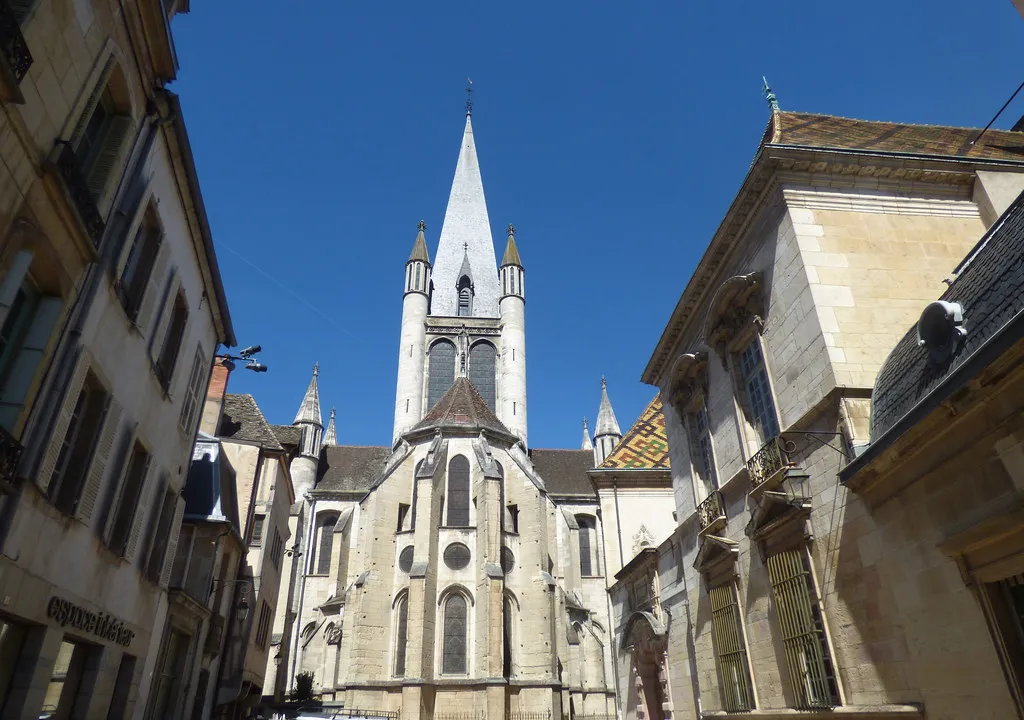
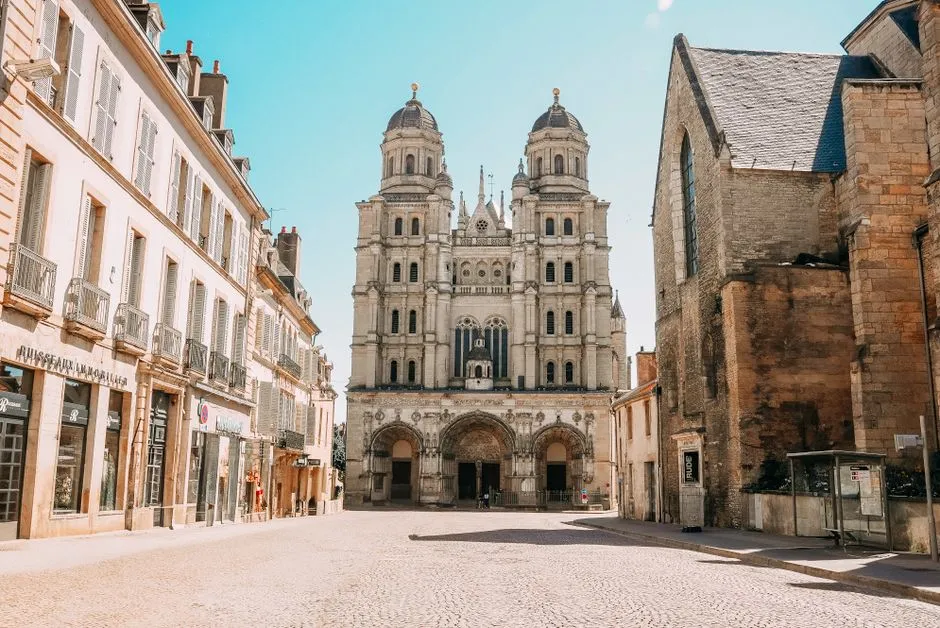
Dijon’s city center is a UNESCO World Heritage Site that has been completely pedestrianized. Walking through it today, it’s easy to see why the designation was awarded. The streets are dense with architectural history, and the city has taken visible care to preserve what it has. Beyond the food and wine, Dijon is a city steeped in history, and its remarkably well-preserved medieval center draws visitors who stroll through the cobbled streets, marvel at the grand Palace of the Dukes of Burgundy, and admire the exquisite Gothic architecture of Saint-Bénigne Cathedral.
Several centuries of the city’s past are represented across the Palace of the Dukes of Burgundy complex. Visitors can climb the 316 ancient stone steps to the top of its 150-foot-high Tour Philippe le Bon for panoramic views over the city, then explore the palace’s Musée des Beaux-Arts de Dijon, whose walls are covered with medieval masterpieces and contemporary art. Founded in 1787, it reopened in 2019 after a ten-year renovation.
Dijon as a Gastronomic Capital
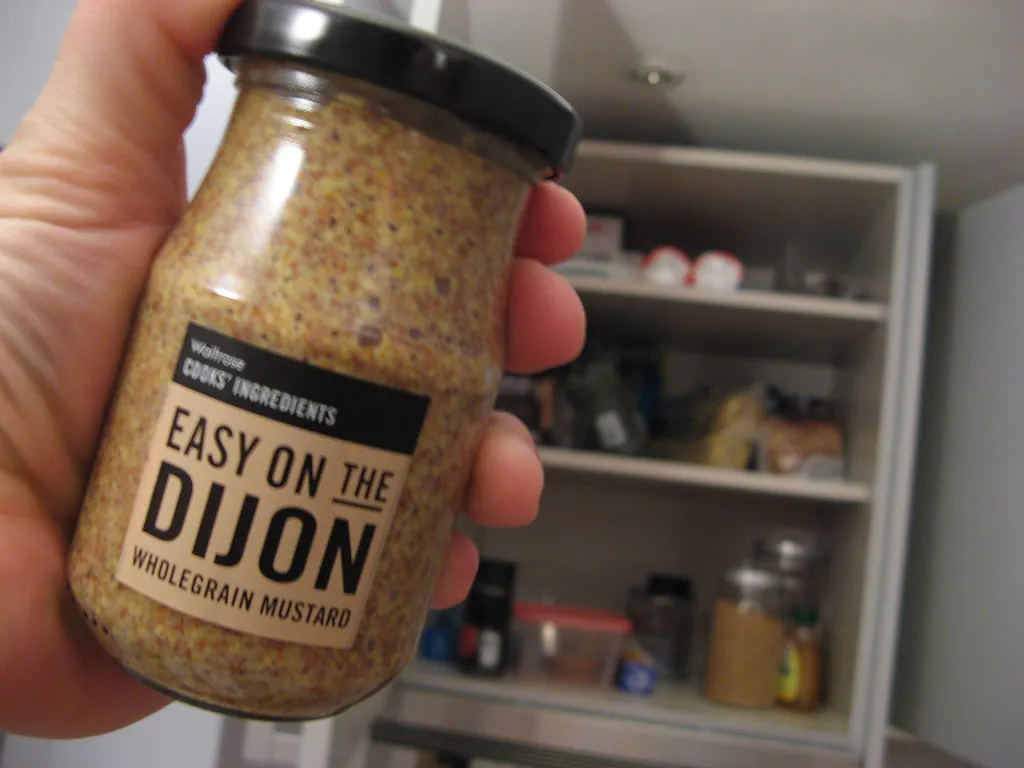
Nestled in the Burgundy region, Dijon is a cornerstone of French gastronomy and a highlight of the Vallée de la Gastronomie. Mustard is only one chapter of a much broader food story. Famous the world over for its mustard, the city also offers visitors cassis (blackcurrant liqueur), gingerbread, and an impressive array of Burgundy wines.
Dijon serves as the starting point for exploring Burgundy’s wine country, particularly the Côte de Nuits vineyards, known for their Pinot Noir and Chardonnay. Dijon’s connection to wine is inseparable from its mustard legacy – vineyards and mustard fields have long complemented each other in Burgundy’s fertile landscape. The two things grew up together, and they still belong together at the table.
The Surprising Truth About the Name Today
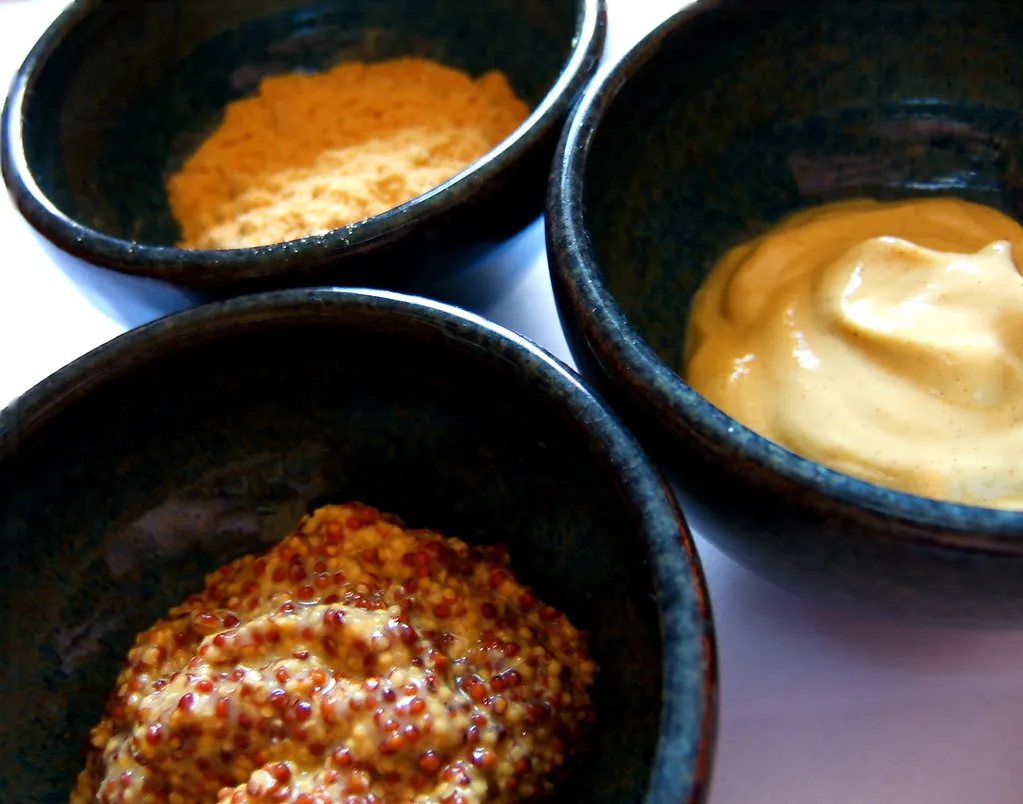
Here’s where the story takes an unexpected turn. Since a 1937 French ruling, “Dijon mustard” has been a recipe, not a place of origin. The name has no legal protection, and it can be made far from the city of Dijon. That ruling, which went against local producers who had lobbied for geographic protection, effectively untethered the name from the city that created it.
In 1937, a legal decision in France treated “moutarde de Dijon” as a variety of mustard rather than a geographical name. French records indicate the ruling went against local makers who objected to mustard being sold as Dijon-style when it wasn’t made in Dijon. The city lost that argument, and the consequences have been significant. Production decreased sharply in the early 2000s, and in 2008 the last mustard factory in Dijon closed its doors forever, completing the physical separation of the product from its home.
Where the Mustard Seeds Actually Come From
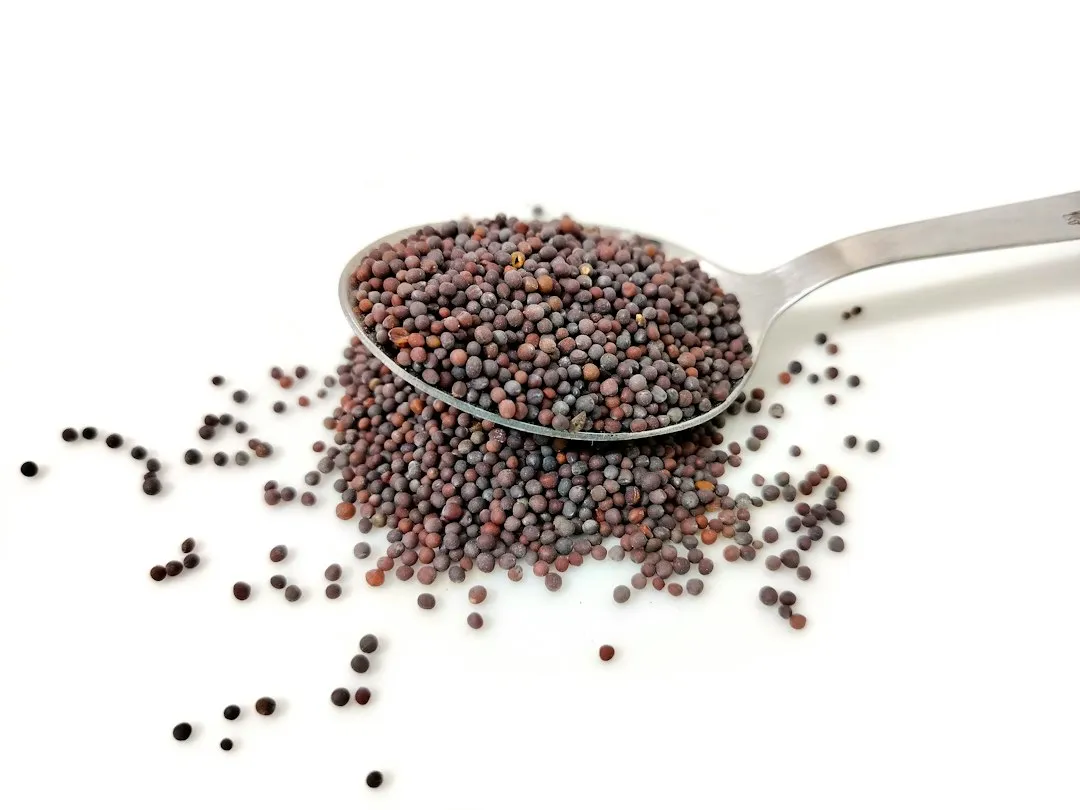
The geographic detachment goes even further when you look at the seeds themselves. France requires 35,000 tonnes of mustard seed to make Dijon mustard, and historically around 80% of the seed has been imported from Canada, mainly from Alberta and Saskatchewan. That figure has fluctuated with harvests, but Canada’s dominance as a supplier has been a consistent feature of the trade for decades.
In 2022, Canada supplied about 80% of the seed used by French mustard makers, with most of the rest from Burgundy. A more recent Reuters report from April 2026 puts the share lower, with France sourcing about half its mustard supplies from Canada, suggesting that domestic Burgundy production has been growing as a share. For travelers interested in the authentic original, there is a meaningful distinction to know: “Moutarde de Bourgogne” carries a Protected Geographical Indication, and its seeds must be produced in Bourgogne.
Dijon Today: A Living City, Not Just a Label
Since the regional reforms of 2016, Dijon has become the smallest regional capital in France apart from Orleans. With a population of just over 150,000, it is far smaller than the big provincial capitals of France like Lyon or Toulouse or Strasbourg. Its compact scale is actually part of its appeal. The historic center is genuinely walkable, and the density of things worth seeing within a small radius is unusually high.
As of January 2024, the municipality maintained 42 hotels with 2,402 rooms, reflecting capacity for sustained overnight tourism, and the city has been actively investing in its appeal as a destination. Dijon is often nicknamed “The City of 100 Spires” due to its numerous church spires that dot the skyline, a detail that only really makes sense when you’re standing in the middle of it, looking up.
The Mustard Trail: What Travelers Can Still Experience

Maille kept a mustard shop in the city, and while it is a boutique rather than a production facility, it remains one of the most visited stops in the old town. Visiting gives a tangible sense of how deeply the mustard identity is still woven into the city’s self-presentation, even if the industrial reality has long since moved elsewhere. Mustard is still made in the wider region, and for a product carrying the most geographically rigorous label, the mustard seeds must be grown and stored in Burgundy.
Dijon is a popular attraction on the route from Paris to Lyon, two of the largest cities in France, which makes it an easy and rewarding stop rather than a detour. The city rewards slow travel. Its markets, its wine bars, its medieval lanes and its museums all carry the same unhurried confidence of a place that has been culturally significant for a very long time and doesn’t feel the need to shout about it.
A Name That Outgrew Its Origins
The story of Dijon mustard is ultimately a story about how a place can give its name to something, shape that thing completely, and then watch as the thing travels far beyond its reach. Today, “Dijon mustard” is not a geographically protected designation in most markets outside France, meaning any mustard producer globally can label their product Dijon if it follows the general style. However, authentic Dijon-style mustard from the Burgundy region remains the quality benchmark against which all others are measured.
The city of Dijon gave the world a condiment that now lives on supermarket shelves from São Paulo to Seoul, often made thousands of kilometers from the streets where it was invented. That’s a strange kind of immortality. The city itself, though, is still there, still beautiful, still worth going to find. Some things are better experienced in the original.
AI Disclaimer: This article was created with the assistance of AI tools and reviewed by a human editor.